
One Day in the Life of Ivan Denisovich
by Alexander Solzhenitsyn
On This Page
Description
One of the most extraordinary literary documents to have emerged from the Soviet Union, this is the story of labor camp inmate Ivan Denisovich Shukhov and his struggle to maintain his dignity in the face of Communist oppression. Based on the author's own experience in the gulags, where he spent nearly a decade as punishment for making derogatory remarks against Stalin, the novel is an unforgettable portrait of the entire world of Stalin's forced work camps. An instant classic upon show more publication in 1962, it confirmed Aleksandr Solzhenitsyn's international stature as "a literary genius whose talent matches that of Dostoevsky, Turgenev, Tolstoy" (Harrison Salisbury). show lessTags
Recommendations


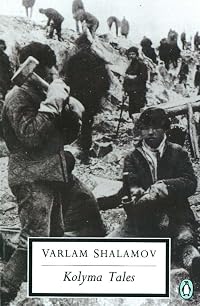
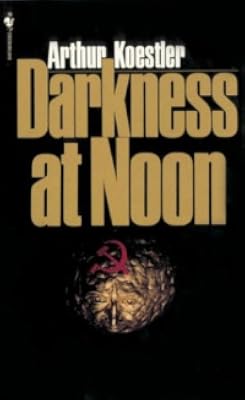

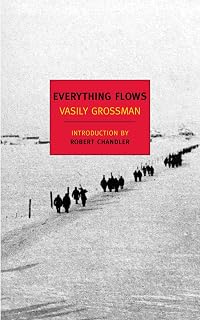
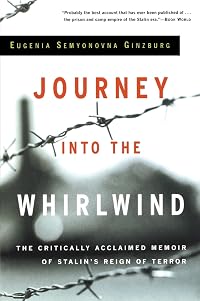




















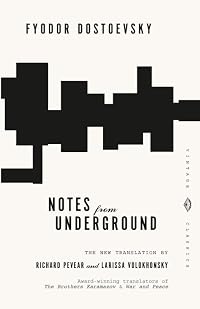
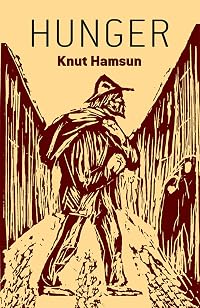




Member Recommendations

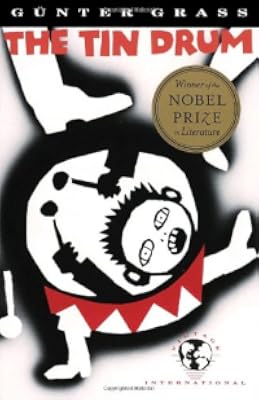
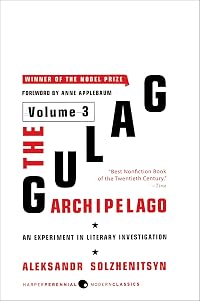
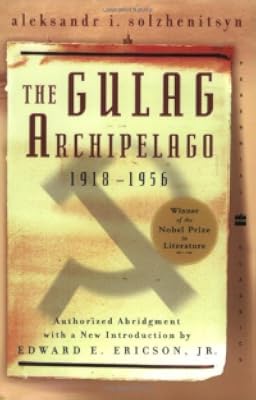
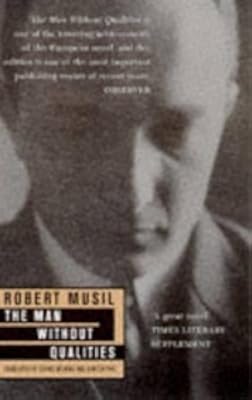
editfish A novella exploring a typical day in the life of a 'slogger' in one of Stalin's prison (Destructive Labor) camps.
80


satanburger the account of a man from the lithuanian intelligentsia who was imprisoned in a concentration camp by the nazis and kept there by the soviets. very dark humour.
20

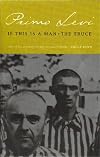
hazzabamboo Levi's memoir of Auschwitz is more 'literary', longer and bleaker, but both are gripping and extremely well written.
11


Member Reviews
What is it about summer that always makes me want to re-read the historical novels and memoirs that took over my life during the crammed summer session at UVIC of 2009? I’ve largely forgotten most of the 20th century Russian history that we covered and you couldn’t pay me to remember what my final papers were about for that course, but Ivan Denisovich’s day (of a life) in a Russian prison camp (gulag) has always stuck with me. Solzhenitsyn himself spent time in these prisons for his seditionary writing and this novel, while fictional, helped shed light on the political and social climate of Russia during the author’s lifetime. His prose is sparse, almost apersonal, as he describes the minutiae of Denisovich’s day from dawn to show more dusk, with the essential quest for scamming more food, the prisoner’s need for his work to have meaning, and the inner workings of camp politics looming as predominant themes. For all its simplicity, the story is somehow still engaging as we see ourselves walking the day in the prisoner’s shoes through a largely barren, but still lived, landscape. Do we sense a flicker of hope that he will one day be freed, a sense of warm camaraderie with his fellow work gang, a small satisfaction in a brick structure well-built by ingenuity and everyman-skill? Possibly. Solzhenitsyn has played his audience well in this missive, which on the surface seems like an exploration of monotony, but when imagined as a continuity for the protagonist we can see how the small details and choices made can change a day entirely. One day, indeed. show less
"Almost a happy day."--Ivan Deisovich Shokhov
There is no doubt that the Siberian gulags, implemented under Stalin who, it has been estimated, killed 7 million of his own people, were absolute horrors. But in this novel, depicting just one day, no one dies. They are merely grossly mistreated while serving ten and twenty-five year sentences for minor, sometimes illogical infractions. For example, men were sent to the gulag after surviving a Nazi camp. They were sent to the gulag because they had spent time around "foreigners" in those camps and thus could not be trusted. (There's Stalin's famous paranoia for you.) Whatever the infraction, the prisoners at the end of their sentences, if they lived to see that day, will either be exiled, show more have more years tacked on, or they will be dead. None will ever go home again and they know it.
This day, a day in 1951, nothing extraordinarily horrific happens: the camp's 400 men are merely under-clothed, under-fed. Like all the days before and the days after, they spend this day freezing, working, and hungry. And being counted.
What I found discombobulating was how I reacted to the story. It was awful, God yes, but it didn't invoke tears or major fear. There are men easily given to violence in the camp but this day no one is grossly assaulted. Tragedies are mentioned in passing without hyper focus or sting, told off-screen, so to speak.
Rather, the day is spent by the main character, Ivan Denisovich Shukhov, being careful, being wily. He has figured out how to survive one more day, and this day with tiny additions of luxury: another 6 ounces of bread, an extra bowl of thin cabbage soup, and a cigarette.
In my reading journal, I even made a list from his thoughts of survival which I titled, "Rules for Surviving the Gulag," which included:
"...you never put your feet near the flame if you're wearing boots," "...never be conspicuous. The main thing was never to be seen by a camp guard on your own, only in a group..." and "When you work for the knowing you gave them quality; when you worked for a fool you simply gave him eyewash."
Dozens of small things like those meant the difference between living another day or starting your spiral toward terrible misery and then inevitably, terrible death. No one can save you.
This novel--based on Solzhenitsyn's own years in labor camps--made a big impact in the Soviet Union and in the world when it was published in 1962, approved by Nikita Khrushchev, Stalin now dead and no hero of Khrushchev's. It was the first time the Stalin Terrors were openly acknowledged. A couple of years later the novel became banned again after Khrushchev was ousted in 1964, but the cat was out of the bag. Solzhenitsyn continued secretly writing and publishing outside of the USSR. In 1970, Solzhenitsyn was award the Nobel Peace Prize, which gave him a whole new set of political headaches, and exile.
Very complicated, all that.
That makes me wonder if that is why the novel seemed to pull its punches.
Or was there some other subversive message from Solzhenitsyn? Was it a message to the Soviet government about its short-sightedness toward its own valuable resources? (Ivan Denisovich Shukhov was a kulak, one of the thousands of peasants who had their lands taken from them and made into collectives). Was the message that the true strength of the Union was the hard working and skilled people, a major resource they stupidly abused and murdered by the millions?
In the Afterword, Eric Bogosian writes, "The individual cannot detach himself from the matrix of his society." In this case, it was the societal matrix of the USSR and equally the matrix of the gulag.
P.S. Hey 2024, the good guys don't create thousands of interment camps. show less
There is no doubt that the Siberian gulags, implemented under Stalin who, it has been estimated, killed 7 million of his own people, were absolute horrors. But in this novel, depicting just one day, no one dies. They are merely grossly mistreated while serving ten and twenty-five year sentences for minor, sometimes illogical infractions. For example, men were sent to the gulag after surviving a Nazi camp. They were sent to the gulag because they had spent time around "foreigners" in those camps and thus could not be trusted. (There's Stalin's famous paranoia for you.) Whatever the infraction, the prisoners at the end of their sentences, if they lived to see that day, will either be exiled, show more have more years tacked on, or they will be dead. None will ever go home again and they know it.
This day, a day in 1951, nothing extraordinarily horrific happens: the camp's 400 men are merely under-clothed, under-fed. Like all the days before and the days after, they spend this day freezing, working, and hungry. And being counted.
What I found discombobulating was how I reacted to the story. It was awful, God yes, but it didn't invoke tears or major fear. There are men easily given to violence in the camp but this day no one is grossly assaulted. Tragedies are mentioned in passing without hyper focus or sting, told off-screen, so to speak.
Rather, the day is spent by the main character, Ivan Denisovich Shukhov, being careful, being wily. He has figured out how to survive one more day, and this day with tiny additions of luxury: another 6 ounces of bread, an extra bowl of thin cabbage soup, and a cigarette.
In my reading journal, I even made a list from his thoughts of survival which I titled, "Rules for Surviving the Gulag," which included:
"...you never put your feet near the flame if you're wearing boots," "...never be conspicuous. The main thing was never to be seen by a camp guard on your own, only in a group..." and "When you work for the knowing you gave them quality; when you worked for a fool you simply gave him eyewash."
Dozens of small things like those meant the difference between living another day or starting your spiral toward terrible misery and then inevitably, terrible death. No one can save you.
This novel--based on Solzhenitsyn's own years in labor camps--made a big impact in the Soviet Union and in the world when it was published in 1962, approved by Nikita Khrushchev, Stalin now dead and no hero of Khrushchev's. It was the first time the Stalin Terrors were openly acknowledged. A couple of years later the novel became banned again after Khrushchev was ousted in 1964, but the cat was out of the bag. Solzhenitsyn continued secretly writing and publishing outside of the USSR. In 1970, Solzhenitsyn was award the Nobel Peace Prize, which gave him a whole new set of political headaches, and exile.
Very complicated, all that.
That makes me wonder if that is why the novel seemed to pull its punches.
Or was there some other subversive message from Solzhenitsyn? Was it a message to the Soviet government about its short-sightedness toward its own valuable resources? (Ivan Denisovich Shukhov was a kulak, one of the thousands of peasants who had their lands taken from them and made into collectives). Was the message that the true strength of the Union was the hard working and skilled people, a major resource they stupidly abused and murdered by the millions?
In the Afterword, Eric Bogosian writes, "The individual cannot detach himself from the matrix of his society." In this case, it was the societal matrix of the USSR and equally the matrix of the gulag.
P.S. Hey 2024, the good guys don't create thousands of interment camps. show less
First published in 1962, this was the first book that openly talked about life in the Soviet gulag system. The story is very simple, it follows a single day in the life of a former Russian solider, Ivan Denisovich Shukhov, now serving 10 years hard labour in Siberia after being falsely accused of treason because he was an escaped German POW.
The authorities claimed that "he’d returned from captivity to carry out a mission for German intelligence. What sort of mission neither Shukhov nor the interrogator could say…. Shukhov had it all figured out. If he didn’t sign he’d be shot. If he signed he’d still get a chance to live. So he signed."
The thing about this book that really struck me was that nothing really happens and is show more almost devoid of any emotions. Shukhov is counting the days down to his supposed release date with no idea as to whether or not it will actually happen yet shows almost no discontentment at all. He just goes through the motions of his day, the same day he has had thousands of times before. In fact, he feels almost serenely fortunate at the end of it because he'd managed to get hold of some extra food and smuggle a piece of scrap metal back into camp that he will be able to fashion into a tool with which earn extra rations in the future. However, he also realises that tomorrow the daily struggle to survive will resume.
“The belly is a demon. It doesn’t remember how well you treated it yesterday; it’ll cry out for more tomorrow.”
Solzhenitsyn writes from personal experience, he spent eight years in the gulag. The simplicity of this tale makes it a remarkable piece of powerful writing that shines a spotlight on an important piece of social history as well as being a history maker in itself. As such it deserves to be regarded as a classic. show less
The authorities claimed that "he’d returned from captivity to carry out a mission for German intelligence. What sort of mission neither Shukhov nor the interrogator could say…. Shukhov had it all figured out. If he didn’t sign he’d be shot. If he signed he’d still get a chance to live. So he signed."
The thing about this book that really struck me was that nothing really happens and is show more almost devoid of any emotions. Shukhov is counting the days down to his supposed release date with no idea as to whether or not it will actually happen yet shows almost no discontentment at all. He just goes through the motions of his day, the same day he has had thousands of times before. In fact, he feels almost serenely fortunate at the end of it because he'd managed to get hold of some extra food and smuggle a piece of scrap metal back into camp that he will be able to fashion into a tool with which earn extra rations in the future. However, he also realises that tomorrow the daily struggle to survive will resume.
“The belly is a demon. It doesn’t remember how well you treated it yesterday; it’ll cry out for more tomorrow.”
Solzhenitsyn writes from personal experience, he spent eight years in the gulag. The simplicity of this tale makes it a remarkable piece of powerful writing that shines a spotlight on an important piece of social history as well as being a history maker in itself. As such it deserves to be regarded as a classic. show less
What was life like for political prisoners in Stalin era Soviet labor camps? You could read a memoir and let a former prisoner tell you. Or you could read One Day in the Life of Ivan Denisovich and let Solzhenitsyn show you. Readers follow Ivan Denisovich Shukov through a typical day sometime in January from morning to evening roll call. Shukhov and his fellow prisoners exist in the bottom tier of Maslow’s hierarchy, and it’s painful to experience even vicariously.
I’d like to think that the Soviet labor camps are a thing of the past and that what’s depicted in this book would not be possible in the 21st century. I’d like to think that, but human nature hasn’t really changed in the seventy-some years since Stalin’s death.
I’d like to think that the Soviet labor camps are a thing of the past and that what’s depicted in this book would not be possible in the 21st century. I’d like to think that, but human nature hasn’t really changed in the seventy-some years since Stalin’s death.
I have read this book perhaps a dozen times and I believe it gets more powerful every time I read it. An amazing story of human endurance and the ability to make the best of things even under the most hellish conditions. An ordinary day in the life of Ivan Denisovitch Shukov, serving ten years in the gulag for the crime of having been a soldier captured by the Germans and managing to escape back to his own lines, which makes him deeply suspect to the paranoid Stalinist authorities. Forced to rise before daybreak in -27 degree temperatures, in danger of time in the cells just for sleeping in, fed only on thin gruel ahead of a hard day's work in the cold, Ivan Denisovitch manages through perception, skill and pluck to make what to him is show more a good day out of a life we consider absolute hell, in the end describing it as "almost a happy day" despite the sheer brutality of life in the gulag. I rank this among the 10 top books I have ever read. show less
I read Solzhenitsyn's Gulag Archipelago not that long ago, so although One Day in the Life of Ivan Denisovich is a fictional novel I had a fair idea of what to expect. As with the Gulag Archipelago, what's startling in Solzhenitsyn's writing is that there's never any sense of self-pity, and black humour is always bubbling just below the surface.
This novel does what it says in the title. There's little reminiscing by the protagonist of life before the camp, nor wishing away the days to freedom (for as Ivan Denisovich knows, freedom may never come, with exile likely after he finishes his ten year sentence, if indeed another sentence isn't landed on him before that one finishes). The slim novel focuses on a regular day in this inmate's show more life in camp and is a glimpse into the reality of what millions of Russians endured - harsh work in extreme sub-zero temperatures in inadequate clothing with a belly half-empty from meagre food rations.
Given the extreme conditions that Solzhenitsyn writes of, his style intrigued me in this novel as it did in the NF Gulag Archipelago. Such is his protagonist's lack of self-absorption in the misery that's been inflicted on him, it's not a novel that left me with a profound sense of horror about the conditions the prisoners lived in. What sticks with me more is the grit and mental toughness of Solzhenitsyn (for this novel is undoubtedly based on his own experience as a prisoner). The novel even ends with a positive reflection by Ivan Denisovich, as he lies in his cold bunk with ice on the ceiling and his legs shoved into his coat sleeves, of all the things that had gone right that day, from not falling ill as he'd thought he would at the start of the day, to some extra rations for favours and his team not getting put to the worst of the work. It's remarkable, and perhaps that's the biggest insight of all - that those who survived were the people who were able to sustain the right mentality attitude and focus throughout these long sentences.
4 stars - an enjoyable read. Perhaps it would have been more shocking to me if I'd not read Gulag Archipelago relatively recently. show less
This novel does what it says in the title. There's little reminiscing by the protagonist of life before the camp, nor wishing away the days to freedom (for as Ivan Denisovich knows, freedom may never come, with exile likely after he finishes his ten year sentence, if indeed another sentence isn't landed on him before that one finishes). The slim novel focuses on a regular day in this inmate's show more life in camp and is a glimpse into the reality of what millions of Russians endured - harsh work in extreme sub-zero temperatures in inadequate clothing with a belly half-empty from meagre food rations.
Given the extreme conditions that Solzhenitsyn writes of, his style intrigued me in this novel as it did in the NF Gulag Archipelago. Such is his protagonist's lack of self-absorption in the misery that's been inflicted on him, it's not a novel that left me with a profound sense of horror about the conditions the prisoners lived in. What sticks with me more is the grit and mental toughness of Solzhenitsyn (for this novel is undoubtedly based on his own experience as a prisoner). The novel even ends with a positive reflection by Ivan Denisovich, as he lies in his cold bunk with ice on the ceiling and his legs shoved into his coat sleeves, of all the things that had gone right that day, from not falling ill as he'd thought he would at the start of the day, to some extra rations for favours and his team not getting put to the worst of the work. It's remarkable, and perhaps that's the biggest insight of all - that those who survived were the people who were able to sustain the right mentality attitude and focus throughout these long sentences.
4 stars - an enjoyable read. Perhaps it would have been more shocking to me if I'd not read Gulag Archipelago relatively recently. show less
[b:გულაგის|17703436|Архипелаг Гулаг|Aleksandr Solzhenitsyn|https://i.gr-assets.com/images/S/compressed.photo.goodreads.com/books/1364672837l/17703436._SY75_.jpg|2944012] პირველი 2 წიგნის წაკითხვამ იმედები გამიცრუა და ვიფიქრე სოლჟენიცინს ხელს აღარ მოვკიდებდი, მაგრამ მერე გავიგე რომ ნობელი გულაგისთვის კიარა, ამ მოთხრობებისთვის მისცეს და, მიუხედავად იმისა, რომ ნობელი show more ლიტერატურაში ავტორიტეტად არ მიმაჩნია, მაინც რაღაცას ნიშნავს. ხოდა აი, წავიკითხე მაინც და სასიამოვნოდ გაკვირვებული დავრჩი - კარგი მწერალი ყოფილა. თუმცა, ამავე წიგნმა ნათლად დამანახა თუ რატომ მირჩევნია [a:შალამოვი|2905384|Варлам Шаламов|https://images.gr-assets.com/authors/1408459639p2/2905384.jpg] უპირობოდ:
1. მიუხედავად იმისა, რომ სოლჟენიცინი კარგი მწერალი ჩანს, არ არის გენიალური და სულისშემძვრელი. მისი ისტორიები შეიძლება იყოს პატარა შოკის საფუძველი, მაგრამ მხოლოდ იმიტომ, რომ თვითონ ისტორიაა ჟუტკი. შალამოვი კი გენიოსია და მისი პერსონაჟის დაჩირქებული ფეხი უფრო თავზარდამცემია, ვიდრე სოლჟენიცინთან 1000-ობით დახვრეტილი ადამიანი და პირში ჩაფსმები დაკითხვებზე.
2. შალამოვთან ტრაგედია და საერთოდ ყველაფერი ინდივიდის დონეზეა, სოლჟენიცინის "1 ადამიანის 1 დღე"-ც კი უფრო კოლექტიური ტრაგედიაა და შესაბამისად ნაკლებად "ნამდვილი". მეტიც, სოლჟენიცინთან ამ კოლექტიურ ტრაგედიას აშკარა ეროვნული ნიშნები აქვს და უფრო კონკრეტულად "რუსული სულის" ტკივილია (ყველა სხვა ეროვნების ხალხი აქ თითქოს მხოლოდ რუსი პერსონაჟების ხასიათების გასაშლელადაა, სხვა დანიშნულება არ აქვთ). მე კიდევ მასეთი რამეების არ მწამს, არ მჯერა და опиум для народа-ს კატეგორიაში გამყავს (ეროვნული ნიშნით მიკერძოებულობა რომ არ დამწამოთ, ერთნარი ბოდიალი მგონია "რუსკაია დუშა", "ქართული გენი" და "ემერიქან დრიმ"). შალამოვთან კი, ბაზარი არაა, ფაქტიურად ყველა პერსონაჟი რუსია, მაგრამ მათი ეროვნული თვისებები თვალში არ გეჩხირება და იცი, რომ იგივე სიტუაციაში სხვა ეროვნების ადამიანებზეც ვრცელდება ზუსტად იგივე.
3. ამ კონკრეტული მოთხრობის პერსონაჟი (წიგნში სხვა მოთხრობებიცაა, ზოგი კარგიც) ისეთი ტიპია, რომ იცი არ დაიკარგება და უფრო ნაკლებად შეგტკივა გული. და მიუხედავად იმისა, რომ ეს კრებითი პერსონაჟია რამდენიმე ადამიანის, მაინც ავტორისა ყველაზე მეტი აქვს და კარგად ჩანს როგორ ცხოვრობდა სოლჟენიცინი გულაგში. სხვა მოთხრობებიც ხაზს უსვამს მაგას, როცა საჭიროა ბლატნოიცაა, ხალხის დაკერვაც შეუძლია, იცის საიდან მიუდგეს ყველაფერს და კიდევ ერთხელ დასტურდება შალამოვისვე სიტყვები, რომ გულაგი [უკვე იქიდან გამოსვლის მერე] სოლჟენიცინისთვის საქმეა და მასალა და არა გადატანილი ტკივილი. შალამოვის პერსონაჟებს კიდე ყველას პაგალოვნად დანძრეული აქვს და ზუსტად ის პროცესია საინტერესო თუ როგორ კარგავს იქ ადამიანი ადამიანობას და არა ის, თუ როგორ მოერგება ადამიანი ამ სიტუაციას - ასეთი ტიპები ყველგან არიან და არ უნდა ამას გულაგი. ობიექტურობისთვის დავამატებ, რომ შალამოვს "ივან დენისოვჩი" ძალიან მოსწონდა, როგორც ჩანს მერე და მერე სოლჟენიცინმა ამის დონის არაფერი რომ არ დაწერა და თავის პრაგმატულ საქმიანობას რომ მიაწვა, ეგ გაუტყდა (მგონი სამართლიანადაც).
კარგი წიგნია მოკლედ, იმდენადაც კარგი, რომ შეიძლება [b:გულაგის|17703436|Архипелаг Гулаг|Aleksandr Solzhenitsyn|https://i.gr-assets.com/images/S/compressed.photo.goodreads.com/books/1364672837l/17703436._SY75_.jpg|2944012] დანარჩენი წიგნებიც წამაკითხოს ოდესმე. show less
1. მიუხედავად იმისა, რომ სოლჟენიცინი კარგი მწერალი ჩანს, არ არის გენიალური და სულისშემძვრელი. მისი ისტორიები შეიძლება იყოს პატარა შოკის საფუძველი, მაგრამ მხოლოდ იმიტომ, რომ თვითონ ისტორიაა ჟუტკი. შალამოვი კი გენიოსია და მისი პერსონაჟის დაჩირქებული ფეხი უფრო თავზარდამცემია, ვიდრე სოლჟენიცინთან 1000-ობით დახვრეტილი ადამიანი და პირში ჩაფსმები დაკითხვებზე.
2. შალამოვთან ტრაგედია და საერთოდ ყველაფერი ინდივიდის დონეზეა, სოლჟენიცინის "1 ადამიანის 1 დღე"-ც კი უფრო კოლექტიური ტრაგედიაა და შესაბამისად ნაკლებად "ნამდვილი". მეტიც, სოლჟენიცინთან ამ კოლექტიურ ტრაგედიას აშკარა ეროვნული ნიშნები აქვს და უფრო კონკრეტულად "რუსული სულის" ტკივილია (ყველა სხვა ეროვნების ხალხი აქ თითქოს მხოლოდ რუსი პერსონაჟების ხასიათების გასაშლელადაა, სხვა დანიშნულება არ აქვთ). მე კიდევ მასეთი რამეების არ მწამს, არ მჯერა და опиум для народа-ს კატეგორიაში გამყავს (ეროვნული ნიშნით მიკერძოებულობა რომ არ დამწამოთ, ერთნარი ბოდიალი მგონია "რუსკაია დუშა", "ქართული გენი" და "ემერიქან დრიმ"). შალამოვთან კი, ბაზარი არაა, ფაქტიურად ყველა პერსონაჟი რუსია, მაგრამ მათი ეროვნული თვისებები თვალში არ გეჩხირება და იცი, რომ იგივე სიტუაციაში სხვა ეროვნების ადამიანებზეც ვრცელდება ზუსტად იგივე.
3. ამ კონკრეტული მოთხრობის პერსონაჟი (წიგნში სხვა მოთხრობებიცაა, ზოგი კარგიც) ისეთი ტიპია, რომ იცი არ დაიკარგება და უფრო ნაკლებად შეგტკივა გული. და მიუხედავად იმისა, რომ ეს კრებითი პერსონაჟია რამდენიმე ადამიანის, მაინც ავტორისა ყველაზე მეტი აქვს და კარგად ჩანს როგორ ცხოვრობდა სოლჟენიცინი გულაგში. სხვა მოთხრობებიც ხაზს უსვამს მაგას, როცა საჭიროა ბლატნოიცაა, ხალხის დაკერვაც შეუძლია, იცის საიდან მიუდგეს ყველაფერს და კიდევ ერთხელ დასტურდება შალამოვისვე სიტყვები, რომ გულაგი [უკვე იქიდან გამოსვლის მერე] სოლჟენიცინისთვის საქმეა და მასალა და არა გადატანილი ტკივილი. შალამოვის პერსონაჟებს კიდე ყველას პაგალოვნად დანძრეული აქვს და ზუსტად ის პროცესია საინტერესო თუ როგორ კარგავს იქ ადამიანი ადამიანობას და არა ის, თუ როგორ მოერგება ადამიანი ამ სიტუაციას - ასეთი ტიპები ყველგან არიან და არ უნდა ამას გულაგი. ობიექტურობისთვის დავამატებ, რომ შალამოვს "ივან დენისოვჩი" ძალიან მოსწონდა, როგორც ჩანს მერე და მერე სოლჟენიცინმა ამის დონის არაფერი რომ არ დაწერა და თავის პრაგმატულ საქმიანობას რომ მიაწვა, ეგ გაუტყდა (მგონი სამართლიანადაც).
კარგი წიგნია მოკლედ, იმდენადაც კარგი, რომ შეიძლება [b:გულაგის|17703436|Архипелаг Гулаг|Aleksandr Solzhenitsyn|https://i.gr-assets.com/images/S/compressed.photo.goodreads.com/books/1364672837l/17703436._SY75_.jpg|2944012] დანარჩენი წიგნებიც წამაკითხოს ოდესმე. show less
Members
- Recently Added By
Published Reviews
ThingScore 100
This quiet tale has struck a powerful blow against the return of the horrors of the Stalin system. For Solzhenitsyn's words burn like acid.
added by jlelliott
Lists

1001 Books You Must Read Before You Die
1,448 works; 1,134 members

The Guardian's 1000 Novels Everyone Must Read
1,005 works; 551 members

Classics you know you should have read but probably haven't
421 works; 409 members

Best of World Literature
436 works; 52 members

Russian Literature
184 works; 35 members

Fiction Set Primarily in a Prison
52 works; 24 members
20th Century Literature
1,161 works; 55 members
Best Political Fiction
92 works; 12 members

Philip Ward's Lifetime Reading Plan
592 works; 22 members

1960s, Best books published therein
254 works; 22 members
Favourite Books
1,820 works; 316 members

Harold Bloom - The Western Canon: D. The Chaotic Age
833 works; 24 members

Canon de la narrativa universal del siglo XX
254 works; 6 members

Books Featured on Gilmore Girls
307 works; 21 members
Books about Russia and the former USSR
67 works; 12 members
Novels set over the course of a single day (or less)
72 works; 8 members

Short and Sweet
246 works; 24 members

Twentieth Century Greatest Hits
27 works; 11 members

Blue Pyramid 1,276 Best Books of All Time
1,248 works; 32 members
1,001 BYMRBYD Concensus
723 works; 27 members

Books You Read During High School (For School)
301 works; 53 members

Nobel Price Winners
222 works; 20 members

CCE 100 Great Books List
145 works; 8 members

Books With Numbers in the Title
308 works; 13 members

Mensa for Kids Excellence in Reading Award Program (Grades 9-12)
116 works; 5 members

Books Read in 2014
2,344 works; 89 members
The College Board: 101 Great Books Recommended for College-Bound Readers
111 works; 7 members

A High School Trip to Russia
25 works; 3 members

Allie's Favourite 150 Books
145 works; 3 members
Literature in Translation
113 works; 5 members

Books Featured on Readers' Review of the Diane Rehm Show
161 works; 8 members

Julie Parson’s Old Books
52 works; 4 members
Mensa for Kids Excellence in Reading Award Program (Grades 9-12)
116 works; 3 members

Mind Expanding Books by hackerkid
581 works; 8 members
the ultimate desert island list
14 works; 2 members

100 books that changed the world
31 works; 2 members

What are your favourite books?
121 works; 11 members

CCE 1000 Good Books List
1,033 works; 12 members

Russian Literature Sequence
28 works; 1 member
Best Books of the 20th Century
193 works; 5 members

Europe
205 works; 6 members

Fiction Set During a Revolution
55 works; 24 members

Read This Next
120 works; 3 members

Generation Joshua
115 works; 3 members

Books Read in 2015
3,299 works; 129 members

History: Eastern Europe
97 works; 2 members
Books with a Character's Name as the Title
130 works; 10 members
My favourite books
96 works; 3 members

imperialism, war & genocide
11 works; 1 member
Canon de la narrativa universal del s. XX (cicutadry)
499 works; 3 members
My Favorite Russian Novels
37 works; 2 members

Recommended Reading : 600 Classics Reviewed, Editors of Salem Press, 2015
634 works; 6 members
The Complete Rory Gilmore Reading List
506 works; 5 members

Top Five Books of 2024
795 works; 264 members

Favorite Books in Translation
320 works; 133 members

Books That Changed Our Perspective
423 works; 168 members

DigitalDreamDoor top 300
300 works; 4 members
Great Short Books: A Year of Reading-Briefly
59 works; 4 members

.
194 works; 2 members

Books Read in 2025
4,128 works; 98 members

Read For Your Life
157 works; 1 member

One Day
27 works; 2 members

GREAT 1960s BOOKS
37 works; 1 member
.
396 works; 1 member
Totalitarianism and Democratic Erosion: Essential Readings
45 works; 1 member
thought provoking
15 works; 1 member
Writers at Risk
106 works; 17 members

Mustich's 1000 Books to Read Before You Die: A Life Changing List
1,001 works; 20 members

Libertarian Books
102 works; 18 members

BEST BOOKS TO UNDERSTAND XX CENTURY'S HISTORY
63 works; 3 members

Books You Couldn't Finish
202 works; 32 members

Honey For a Child's Heart
1,152 works; 25 members

Unshelved Book Clubs
579 works; 5 members

Read
293 works; 4 members

AP Lit
363 works; 6 members
All Things Russia
459 works; 11 members

Fiction with Men's Given Names in the Title
302 works; 11 members

Alphabetical Books
211 works; 3 members
GWFKegel's Dystopia Suggestions
12 works; 1 member

Books With Time Words in the Title
160 works; 4 members

Further Russian Reading
19 works; 3 members

Best Biographies, Autobiographies and Memoirs
465 works; 160 members

Recommended Literary Books
111 works; 1 member

The Guardian’s 20 brilliant books you can read in a day
20 works; 2 members

Five star books
1,767 works; 110 members
Historical Fiction
889 works; 91 members

You Couldn't Pay Me to Read That (Take 2)
203 works; 86 members

Unread books
1,063 works; 87 members
Author Information

218+ Works 44,468 Members
Aleksandr Solzhenitsyn was born on December 11, 1918 in Kislovodsk in the northern Caucusus Mountains. He received a degree in physics and math from Rostov University in 1941. He served in the Russian army during World War II but was arrested in 1945 for writing a letter criticizing Stalin. He spent the next decade in prisons and labor camps and, show more later, exile, before being allowed to return to central Russia, where he worked as a high school science teacher. His first novel, One Day in the Life of Ivan Denisovich, was published in 1962. In 1970, he was awarded the Nobel Prize for Literature. In 1974, he was arrested for treason and exiled following the publication of The Gulag Archipelago. He moved to Switzerland and later the U. S. where he continued to write fiction and history. When the Soviet Union collapsed, he returned to his homeland. His other works include The First Circle and The Cancer Ward. He died due to a heart ailment on August 3, 2008 at the age of 89. (Bowker Author Biography) show less
Some Editions
Awards and Honors
Distinctions
Notable Lists
Torchlight List (#149)
Series
Belongs to Publisher Series
Knaur Taschenbuch (190)
Helikon Zsebkönyvek (62)
Keltainen kirjasto (50)
Nobelpreisträger Coron-Verlag (weiß) (1970 (Russland))
Harvill (68)
I coralli [Einaudi] (169)
Centopaginemillelire (90)
dtv (1524)
Penguin Modern Classics (2053)
Work Relationships
Is contained in
One Day in the Life of Ivan Denisovich / An Incident at Krechetovka Station / Matryona's House by Aleksandr Solženitsyn
Oeuvres complètes, tome 2 : Le Pavillon des cancereux - Une journée d'Ivan Denissovitch et autres récits by Alexandre Soljenitsyne
One Day in the Life of Ivan Denisovich / The Right Hand / Matryona's House by Aleksandr Isaevic Solzenicyn
The Novels of Alexander Solzhenitsyn (Cancer Ward, August 1914, The First Circle, One Day in the Life of Ivan Denisovitch) by Alexander Solzhenitsyn
Rasskazy (Short Stories) including One Day in the Life of Ivan Denisovich. (Russian Edition) by Alexander Solzhenitsyn
The Novels of Alexander Solzhenitsyn (Cancer Ward, August 1914, The First Circle, One Day in the Life of Ivan Denisovitch) by Aleksandr Solzhenitsyn
Has the adaptation
Is abridged in
Has as a study
Has as a supplement
Has as a commentary on the text
Has as a student's study guide
Une journee d'Ivan Denissovitch: Soljenitsyne : analyse critique (Profil d'une oeuvre) (French Edition) by Jean-Yves Guérin
Alexander Solzhenitsyn's One Day in the Life of Ivan Denisovich (Monarch Notes) by Albert Loren Weeks
A Study Guide for Aleksandr Solzhenitsyn's "One Day in the Life of Ivan Denisovich" by Gale Cengage Learning
Worldview Guide for One Day in the Life of Ivan Denisovich (Canon Classics Literature) by Stephen Rippon
Common Knowledge
- Canonical title
- One Day in the Life of Ivan Denisovich
- Original title
- Один день Ивана Денисовича; Odin den Ivana Denissovitcha; One Day in the Life of Ivan Denisovich; Odin den' Ivana Denisoviča; Оди́н день Ива́на Дени́совича Odin den' Ivana Denisovicha
- Alternate titles*
- Eén dag van Ivan Denisovitsj
- Original publication date
- 1962
- People/Characters
- Shukhov, Ivan Denisovich; Alyosha; Gopchik; Tyurin; Fetyukov; Tzesar (show all 10); Buynovsky; Pavlo; Kilgas; Senka
- Important places
- Siberia, Russia; USSR
- Important events
- Stalinism ( [1924, 1953])
- Related movies
- One Day in the Life of Ivan Denisovich (1970 | IMDb)
- Dedication
- [Translator's Dedication] To my grandson, Dmitri Ivanovich, with thoughts of the future
- First words
- As usual, at five o'clock that morning reveille was sounded by the blows of a hammer on a length of rail hanging up near the staff quarters.
The raw material of life which serves as a basis for A. Solzhenitsyn's story is unusual in Soviet literature. (Foreword)
Bertolt Brecht once observed that a country which needs heroes is an unfortunate one. (Introduction)
You are fast asleep. (Afterword)
The dramatic story of the first Soviet publication of One Day in the Life of Ivan Denisovich has often been told. (Foreword)
The hammer banged reveille on the rail outside camp HQ at five o'clock as always. - Quotations
- Apart from sleep, the only time a prisoner lives for himself is ten minutes in the morning at breakfast, five minutes over dinner, and five at supper.
There was truth in that. Better to growl and submit. If you were stubborn they broke you.
You should rejoice that you're in prison. Here you have time to think about your soul.
When you’re cold, don’t expect sympathy from someone who’s warm. - Last words
- (Click to show. Warning: May contain spoilers.)Three days extra due to leap year
The three extra days were for leap years. (Signet Classic)
(Click to show. Warning: May contain spoilers.)But on the whole One Day in the Life of Ivan Denisovich belongs with those works of literature which, once we have read them, create in us a deep desire to have our feeling of gratitude to the author shared by other readers too. (Foreword)
(Click to show. Warning: May contain spoilers.)The new regime could not however, take away the immortality to which he is destined, even if he wanted to be forgotten forever. (Introduction)
(Click to show. Warning: May contain spoilers.)You can almost hear the Irishman Beckett leaning over the Russian Solzhenitsyn's shoulder: "Can't go on. Must go on."(Afterword)
(Click to show. Warning: May contain spoilers.)The extra three were for leap years.
(Click to show. Warning: May contain spoilers.)It is this translation which makes the present translation truly worthy of Solzhenitsyn's classic original. (Foreword) - Blurbers
- Connolly, Cyril
- Original language
- Russian
- Disambiguation notice
- Please do not combine editions that include other works, or critical companions and study guides (such as Monarch Notes Study Guides) with this original 1962 novel. Thank you.
*Some information comes from Common Knowledge in other languages. Click "Edit" for more information.
Classifications
- Genres
- General Fiction, Fiction and Literature, Historical Fiction
- DDC/MDS
- 891.7344 — Literature & rhetoric Literatures of other languages East Indo-European and Celtic literatures Russian and East Slavic languages Russian fiction USSR 1917–1991 Late 20th century 1917–1991
- LCC
- PG3488 .O4 .O3313 — Language and Literature Slavic languages and literatures. Baltic languages. Albanian language Slavic. Baltic. Albanian Russian literature Individual authors and works 1961-2000
- BISAC
Statistics
- Members
- 14,583
- Popularity
- 504
- Reviews
- 232
- Rating
- (4.03)
- Languages
- 29 — Catalan, Czech, Danish, Dutch, English, Estonian, Finnish, French, German, Greek, Hungarian, Indonesian, Italian, Japanese, Korean, Lithuanian, Miscellaneous languages, Norwegian (Bokmål), Polish, Portuguese, Romanian, Russian, Serbian, Croatian, Slovak, Spanish, Swedish, Turkish, Welsh
- Media
- Paper, Audiobook, Ebook
- ISBNs
- 220
- ASINs
- 176