Without You, There Is No Us: My Time with the Sons of North Korea's Elite
by Suki Kim
On This Page
Description
A haunting account of teaching English to the sons of North Korea's ruling class during the last six months of Kim Jong-il's reignEvery day, three times a day, the students march in two straight lines, singing praises to Kim Jong-il and North Korea: Without you, there is no motherland. Without you, there is no us. It is a chilling scene, but gradually Suki Kim, too, learns the tune and, without noticing, begins to hum it. It is 2011, and all universities in North Korea have been shut show more down for an entire year, the students sent to construction fields—except for the 270 students at the all-male Pyongyang University of Science and Technology (PUST), a walled compound where portraits of Kim Il-sung and Kim Jong-il look on impassively from the walls of every room, and where Suki has gone undercover as a missionary and a teacher. Over the next six months, she will eat three meals a day with her young charges and struggle to teach them English, all under the watchful eye of the regime.
Life at PUST is lonely and claustrophobic, especially for Suki, whose letters are read by censors and who must hide her notes and photographs not only from her minders but from her colleagues—evangelical Christian missionaries who don't know or choose to ignore that Suki doesn't share their faith. As the weeks pass, she is mystified by how easily her students lie, unnerved by their obedience to the regime. At the same time, they offer Suki tantalizing glimpses of their private selves—their boyish enthusiasm, their eagerness to please, the flashes of curiosity that have not yet been extinguished. She in turn begins to hint at the existence of a world beyond their own—at such exotic activities as surfing the Internet or traveling freely and, more dangerously, at electoral democracy and other ideas forbidden in a country where defectors risk torture and execution. But when Kim Jong-il dies, and the boys she has come to love appear devastated, she wonders whether the gulf between her world and theirs can ever be bridged.
Without You, There Is No Us offers a moving and incalculably rare glimpse of life in the world's most unknowable country, and at the privileged young men she calls "soldiers and slaves.". show less
Tags
Recommendations
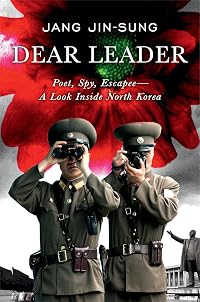
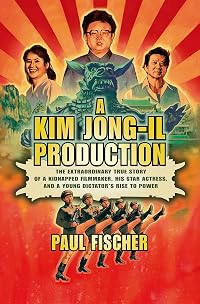
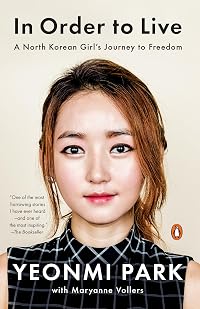
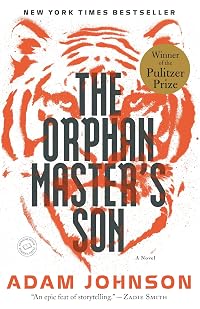
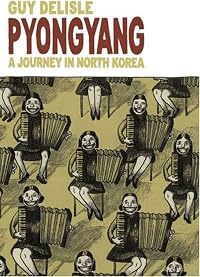
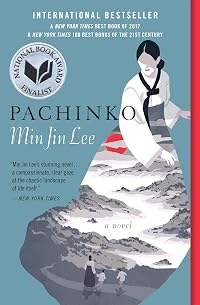
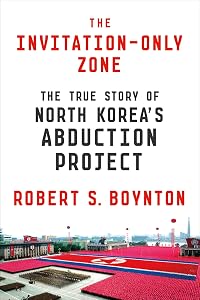
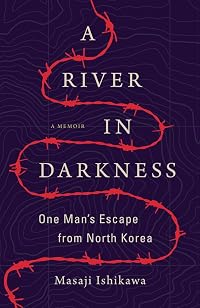

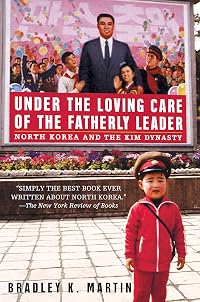
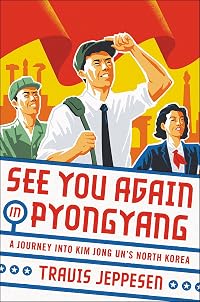
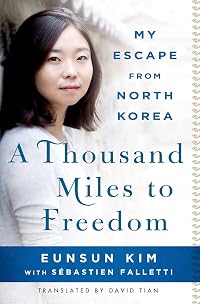
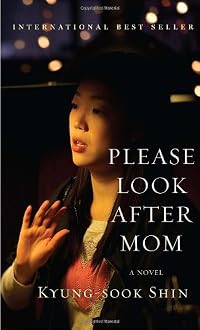



Member Recommendations
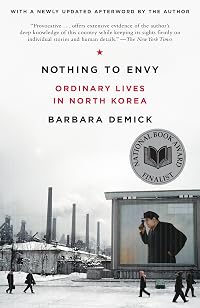
Nickelini Both books are compelling, fascinating reads. Nothing to Envy covers a broad scope, and Without You, There is No Us has a tight focus. They explore the North Korean regime from different angles.


Limelite 2013 Pulitzer winning novel about bleak schizophrenic lives led by North Koreans under tyrannical dictatorship.
Member Reviews
Suki Kim was given an extraordinary opportunity for someone with a South Korean and American upbringing: she spent four or five months teaching English at a university in North Korea, where her students were the children of the country's elite. The university was run by Christian missionaries, and was apparently permitted because it was providing English education free of charge, though the teachers were not allowed to talk about religion with the students. Kim herself was not religious at all, but basically went as an undercover journalist, secretly taking notes for use in the writing of this book.
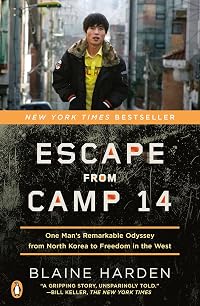
I've read other books about North Korea, and this isn't the best one; I'd recommend Nothing to Envy or Escape from Camp 14 as a starting show more point instead. But Kim's book stands out in the access that she had to the country's elite youth, and in the potential impact that she could have made. Although her job was to teach English, using pre-approved textbooks and with all of her lesson plans subjected to scrutiny, she also wanted to gradually make her students aware of what they were missing in their very limited existence, cut off from all access to the outside world. She made sure that her MacBook and Kindle were frequently visible, and impressed students with her ability to find answers to questions on the internet, which they themselves were not permitted to use. She taught them to write argumentative essays, backing up their reasoning with evidence, a completely foreign concept in a world build around unthinking acceptance of official accounts. She came to love her students, and found them gradually opening up to her.
But Kim generally comes off as frustrated with her limited progress, not appreciating the time required to come to terms with a completely different worldview. When her students constantly lie to cover for each other's absences, in a world where disobedience could mean death, she wonders whether they just don't have a sense of right or wrong. When she pushes too hard in presenting new ways of thinking, leading the students to take refuge in their familiar nationalist stories about how North Korea is the best place in the world, she laments that "nothing could break through their belligerent isolation". Yet I thought that the students showed a remarkable interest in learning about the world, considering all the constraints placed on their thought and expression throughout their lives. They don't suddenly turn into Westerners, but Kim recounts plenty of telling incidents that reveal a steadily increasing awareness.
I feel like the real problem with this book is that it stopped too soon. So much time had to be spent gaining the trust and respect of the students, and gradually opening them up to the possibility of new ideas, but Kim left after less than six months to return to North America, and didn't really have time to reap the fruits of her labour. I understand that North Korea is a brutal place to live in many ways, both because of the lack of freedom and constant surveillance, and because of the lack of basic comforts like reliable electricity and heat, and Kim constantly reports that she found it depressing and difficult to tolerate. Still, I can't help feeling that in some ways this was a wasted opportunity, and I wonder how much more of a difference she could have made—not just to her students, but to the country and even the world—if she had stayed there for a whole year, steadily building on the foundation that she had laid. She says in the acknowledgements that she had to publish this book, to tell the truth about North Korea, because she cares deeply about the country and feels an obligation to improve the lives of North Koreans. But I don't really see how this book, for outsiders, will have a deep impact, certainly not compared to the impact of daily interaction with the country's future elites at a time when they are still open to new possibilities. This is still an interesting memoir, but I personally felt like it ended almost before it had begun. I would have liked to see more about what the future held for these students with their increasing awareness that life could be different. show less
I've read other books about North Korea, and this isn't the best one; I'd recommend Nothing to Envy or Escape from Camp 14 as a starting show more point instead. But Kim's book stands out in the access that she had to the country's elite youth, and in the potential impact that she could have made. Although her job was to teach English, using pre-approved textbooks and with all of her lesson plans subjected to scrutiny, she also wanted to gradually make her students aware of what they were missing in their very limited existence, cut off from all access to the outside world. She made sure that her MacBook and Kindle were frequently visible, and impressed students with her ability to find answers to questions on the internet, which they themselves were not permitted to use. She taught them to write argumentative essays, backing up their reasoning with evidence, a completely foreign concept in a world build around unthinking acceptance of official accounts. She came to love her students, and found them gradually opening up to her.
But Kim generally comes off as frustrated with her limited progress, not appreciating the time required to come to terms with a completely different worldview. When her students constantly lie to cover for each other's absences, in a world where disobedience could mean death, she wonders whether they just don't have a sense of right or wrong. When she pushes too hard in presenting new ways of thinking, leading the students to take refuge in their familiar nationalist stories about how North Korea is the best place in the world, she laments that "nothing could break through their belligerent isolation". Yet I thought that the students showed a remarkable interest in learning about the world, considering all the constraints placed on their thought and expression throughout their lives. They don't suddenly turn into Westerners, but Kim recounts plenty of telling incidents that reveal a steadily increasing awareness.
I feel like the real problem with this book is that it stopped too soon. So much time had to be spent gaining the trust and respect of the students, and gradually opening them up to the possibility of new ideas, but Kim left after less than six months to return to North America, and didn't really have time to reap the fruits of her labour. I understand that North Korea is a brutal place to live in many ways, both because of the lack of freedom and constant surveillance, and because of the lack of basic comforts like reliable electricity and heat, and Kim constantly reports that she found it depressing and difficult to tolerate. Still, I can't help feeling that in some ways this was a wasted opportunity, and I wonder how much more of a difference she could have made—not just to her students, but to the country and even the world—if she had stayed there for a whole year, steadily building on the foundation that she had laid. She says in the acknowledgements that she had to publish this book, to tell the truth about North Korea, because she cares deeply about the country and feels an obligation to improve the lives of North Koreans. But I don't really see how this book, for outsiders, will have a deep impact, certainly not compared to the impact of daily interaction with the country's future elites at a time when they are still open to new possibilities. This is still an interesting memoir, but I personally felt like it ended almost before it had begun. I would have liked to see more about what the future held for these students with their increasing awareness that life could be different. show less
I've experienced a wide range of emotions with this book. Last year, when the hardcover version came out, I saw a televised interview with author Suki Kim about her time spent posing as a missionary teacher at an elite English language university program in North Korea. My initial thoughts were that her story must be fabricated, surely the regime of Escape from Camp 44 would not allow Americans access to impressionable young college students, but indeed they did - at least to a point. Suki and her colleagues were very closely monitored and lived almost as if imprisoned themselves.
I think we are attracted to North Korean stories as we are to scary movies, so we can recoil in horror and feel a little better about our own circumstances. show more While it does illustrate the far reach and total control of the Kim dynasty, this memoir also shows the humanity of the North Korean people. Suki Kim grows to care deeply for the young men she teaches. She also adeptly expresses the dilemma faced by those trying to help. If she tells her students the truth about the outside world, she could well be signing their death warrants.
This was different from anything else I've read about North Korea. It wasn't told through the eyes of a labor camp escapee or the rhetoric of a leader, but offered a glimpse of life for the sons of Pyongyang's elite. Well written and very readable - highly recommended! show less
I think we are attracted to North Korean stories as we are to scary movies, so we can recoil in horror and feel a little better about our own circumstances. show more While it does illustrate the far reach and total control of the Kim dynasty, this memoir also shows the humanity of the North Korean people. Suki Kim grows to care deeply for the young men she teaches. She also adeptly expresses the dilemma faced by those trying to help. If she tells her students the truth about the outside world, she could well be signing their death warrants.
This was different from anything else I've read about North Korea. It wasn't told through the eyes of a labor camp escapee or the rhetoric of a leader, but offered a glimpse of life for the sons of Pyongyang's elite. Well written and very readable - highly recommended! show less
 This review was written for LibraryThing Early Reviewers.
Suki Kim’s long interest in and personal connection to North Korea make this memoir of the time she spent there teaching English to college students especially poignant and riveting. She writes with the skill of an investigative journalist and the heart of someone recounting a heartbreaking story about relatives. Though she moved to America as a child, Kim was born in South Korea and both her mother and father lost close family members to the North when Korea was partitioned, people they were never able to see or even hear from again.
The North Korean government places rigid controls on the internal travels of its few foreign visitors--even the movements of its own citizens are highly restricted--so Kim spent most of her time on show more campus, jogging between buildings when she wanted some exercise. There were occasional arranged outings when she did sometimes catch glimpses of roadside workers so emaciated and malnourished it horrified her, but the subjugation of her elite and privileged college students was in its own way just as shocking because it showed that no one is exempt from government control.
These young men weren’t allowed to call, email, or visit their families, though most of them lived just a short distance from the school, and the students never knew when they might be whisked away from their studies to spend weeks or months working at a construction site or laboring on a government run farm. Even when allowed to stay at school there were chores like all night guard duty to perform, and constant surveillance meant the students had to always guard their speech and curtail their activities to avoid punishment.
As far as Kim could tell her students took great pride in their country and believed what they had been told--that North Korea is superior to and the envy of all nations and that their leaders are virtually infallible--but the students would get quiet and thoughtful when she gave them illicit sneak glimpses of the outside world and its relative freedoms by casually pulling out her Kindle or laptop, or mentioning her use of the internet or her global travel experiences.
All of Kim’s fellow teachers felt the strain of constantly censoring their speech and being careful about their actions, but for Kim this was especially difficult and if you have an interest in the range and potency of human worldviews you’ll find this book doubly thought-provoking because Kim had to navigate her way between two powerful belief systems both with moral teachings, behavioral dictates, and a divine or as if divine leader since her co-workers were all Christian missionaries and she had to hide from them that she didn’t share their faith.
The missionaries Kim taught with weren’t allowed to mention anything about their religion, but they hoped their presence and charitable actions would eventually win converts among the North Koreans. Kim had different reasons and personal goals for working at the school. Along with wanting some connection to the country where even now she might have living relatives, she hoped that by giving her students small peeks into life outside North Korea that she’d plant seeds of doubt in her their minds, so that as future leaders they might be able to help change things and open up their society. Her worry was that her words would just confuse and upset them or possibly lead them to actions that would bring on severe punishments. It’s a fascinating, heartbreaking, eye-opening story.
I read an eBook Advanced Review Copy of this book provided at no cost to me by the publisher through NetGalley. Review opinions are mine. show less
The North Korean government places rigid controls on the internal travels of its few foreign visitors--even the movements of its own citizens are highly restricted--so Kim spent most of her time on show more campus, jogging between buildings when she wanted some exercise. There were occasional arranged outings when she did sometimes catch glimpses of roadside workers so emaciated and malnourished it horrified her, but the subjugation of her elite and privileged college students was in its own way just as shocking because it showed that no one is exempt from government control.
These young men weren’t allowed to call, email, or visit their families, though most of them lived just a short distance from the school, and the students never knew when they might be whisked away from their studies to spend weeks or months working at a construction site or laboring on a government run farm. Even when allowed to stay at school there were chores like all night guard duty to perform, and constant surveillance meant the students had to always guard their speech and curtail their activities to avoid punishment.
As far as Kim could tell her students took great pride in their country and believed what they had been told--that North Korea is superior to and the envy of all nations and that their leaders are virtually infallible--but the students would get quiet and thoughtful when she gave them illicit sneak glimpses of the outside world and its relative freedoms by casually pulling out her Kindle or laptop, or mentioning her use of the internet or her global travel experiences.
All of Kim’s fellow teachers felt the strain of constantly censoring their speech and being careful about their actions, but for Kim this was especially difficult and if you have an interest in the range and potency of human worldviews you’ll find this book doubly thought-provoking because Kim had to navigate her way between two powerful belief systems both with moral teachings, behavioral dictates, and a divine or as if divine leader since her co-workers were all Christian missionaries and she had to hide from them that she didn’t share their faith.
The missionaries Kim taught with weren’t allowed to mention anything about their religion, but they hoped their presence and charitable actions would eventually win converts among the North Koreans. Kim had different reasons and personal goals for working at the school. Along with wanting some connection to the country where even now she might have living relatives, she hoped that by giving her students small peeks into life outside North Korea that she’d plant seeds of doubt in her their minds, so that as future leaders they might be able to help change things and open up their society. Her worry was that her words would just confuse and upset them or possibly lead them to actions that would bring on severe punishments. It’s a fascinating, heartbreaking, eye-opening story.
I read an eBook Advanced Review Copy of this book provided at no cost to me by the publisher through NetGalley. Review opinions are mine. show less
Kim's novel is wonderful, fully exploring the intricacies of life for the elite of North Korea and the Evangelical Christian missionaries who make it their life's work to "crack" North Korea. Through her writing you feel the same sense of being out of place in time that the author describes feeling in her travels, reading through several chapters to find out only a week or two has passed. While disorienting, it lends credence to the author's perception of her time there.
The book is filled with juicy bits about life for the North Korean students, describing their understanding of the internet, outdated vocabularies, and inability to write a job application. Kim intersperses these tidbits with more information about her experiences show more teaching her interactions with the missionaries, her personal history as a South Korean and American, and political happenings in North Korea to create a very complex, vivid and concerning narrative of one of the world's most isolated countries. show less
The book is filled with juicy bits about life for the North Korean students, describing their understanding of the internet, outdated vocabularies, and inability to write a job application. Kim intersperses these tidbits with more information about her experiences show more teaching her interactions with the missionaries, her personal history as a South Korean and American, and political happenings in North Korea to create a very complex, vivid and concerning narrative of one of the world's most isolated countries. show less
This review was written for LibraryThing Early Reviewers.Suki Kim was born in Seoul, but moved to the United States when she was thirteen. Fascinated by North Korea, Kim has traveled to Pyongyang several times as a journalist, but always on carefully scripted and choreographed trips with an official minder at her elbow. Like Barbara Demick and Blaine Harden, Kim has interviewed untold deserters, but has been unable to get the much desired firsthand perspective. Until now.
The Pyongyang University of Science and Technology (PUST) opened its doors in 2010 to the sons of North Korea's elite. Funded by Christian evangelicals, all the classes are taught in English by foreign teachers. It is a closed campus and strictly monitored by North Korean minders, but Suki Kim saw it as an opportunity to get show more an inside scoop. So in 2011 she posed as a Christian teacher and taught at the school for two semesters.
Her students were highly privileged young men who had already spent time at university studying in their field. They were at PUST to hone their English skills and, perhaps, to keep them from the mandatory manual labor other university students were required to perform. Kim found them to be both astonishingly innocent (hardly surprising given the stranglehold North Korea's leaders have on information) and astonishingly good liars. Delicately she tried to learn more about their lives and their country while simultaneously trying to plant seeds about the world outside.
Suki Kim's book is a glimpse, however narrow, into the closed society of North Korea and for that reason is newsworthy. Unfortunately, she is unable to glean much that is new. For those who have to chose a single work on the topic, I still think Barbara Demick's [Nothing to Envy] is the gold standard. As a memoir, however, [Without You, There is No Us] is interesting because of two moral dilemmas confronting Kim. First, she is living a lie. Kim knows that if it is discovered that she is a journalist, the best that she can hope for is to be expelled. Lying to the North Korean government may be stressful, but is not morally difficult for Kim. Much more difficult is lying to her evangelical co-workers who all assume she is Christian.
I knew I would eventually tell the world what I had seen there and that this would cause my colleagues much anguish, the thought of which was upsetting. I could only hope they would forgive me by turning the the Bible and their Lord who, according to them, created everything, including me and my eventual, inevitable betrayal.
The second moral dilemma is how much to reveal to her students. These are elite young men being groomed to take positions of power in their country. Should she try and shake their doctrine or expose them to Western ideas of democracy and freedom?
Was this really unconscionable? Awakening my student to what was not in the regime's program could mean death for them and those they loved. If they were to wake up and realize that the outside world was in fact not crumbling, that it was their country that was in danger of collapse, and that everything they had been taught about the Great Leader was bogus, would that make them happier? How would they live from that point on? Awakening was a luxury available only to those in the free world.
Despite raising some provocative questions, I felt that Suki Kim's actions and reflections were somewhat ambiguous. Perhaps more time will allow her to reach some conclusions or insights that she has not yet had time to process.
As a reader, I found the book slow in the beginning and the references to her unnamed lover in Brooklyn to be distracting. I wish the whole book had been structured more tightly and that the transitions between personal history and journalistic writing had been handled more smoothly. I would recommend this book for those with a particular interest in North Korea, but not as a stand alone representation of current journalistic work in the area. show less
The Pyongyang University of Science and Technology (PUST) opened its doors in 2010 to the sons of North Korea's elite. Funded by Christian evangelicals, all the classes are taught in English by foreign teachers. It is a closed campus and strictly monitored by North Korean minders, but Suki Kim saw it as an opportunity to get show more an inside scoop. So in 2011 she posed as a Christian teacher and taught at the school for two semesters.
Her students were highly privileged young men who had already spent time at university studying in their field. They were at PUST to hone their English skills and, perhaps, to keep them from the mandatory manual labor other university students were required to perform. Kim found them to be both astonishingly innocent (hardly surprising given the stranglehold North Korea's leaders have on information) and astonishingly good liars. Delicately she tried to learn more about their lives and their country while simultaneously trying to plant seeds about the world outside.
Suki Kim's book is a glimpse, however narrow, into the closed society of North Korea and for that reason is newsworthy. Unfortunately, she is unable to glean much that is new. For those who have to chose a single work on the topic, I still think Barbara Demick's [Nothing to Envy] is the gold standard. As a memoir, however, [Without You, There is No Us] is interesting because of two moral dilemmas confronting Kim. First, she is living a lie. Kim knows that if it is discovered that she is a journalist, the best that she can hope for is to be expelled. Lying to the North Korean government may be stressful, but is not morally difficult for Kim. Much more difficult is lying to her evangelical co-workers who all assume she is Christian.
I knew I would eventually tell the world what I had seen there and that this would cause my colleagues much anguish, the thought of which was upsetting. I could only hope they would forgive me by turning the the Bible and their Lord who, according to them, created everything, including me and my eventual, inevitable betrayal.
The second moral dilemma is how much to reveal to her students. These are elite young men being groomed to take positions of power in their country. Should she try and shake their doctrine or expose them to Western ideas of democracy and freedom?
Was this really unconscionable? Awakening my student to what was not in the regime's program could mean death for them and those they loved. If they were to wake up and realize that the outside world was in fact not crumbling, that it was their country that was in danger of collapse, and that everything they had been taught about the Great Leader was bogus, would that make them happier? How would they live from that point on? Awakening was a luxury available only to those in the free world.
Despite raising some provocative questions, I felt that Suki Kim's actions and reflections were somewhat ambiguous. Perhaps more time will allow her to reach some conclusions or insights that she has not yet had time to process.
As a reader, I found the book slow in the beginning and the references to her unnamed lover in Brooklyn to be distracting. I wish the whole book had been structured more tightly and that the transitions between personal history and journalistic writing had been handled more smoothly. I would recommend this book for those with a particular interest in North Korea, but not as a stand alone representation of current journalistic work in the area. show less
This review was written for LibraryThing Early Reviewers.Suki Kim is a novelist and free-lance journalist, born in Seoul in South Korea but brought up in the US, she spends six months in 2011, undercover as a missionary teaching English at Pyongyang University of Science and Technology (PUST) to the sons of North Korea's elite.
PUST itself is a misnomer because despite its title no science or technology was taught. During her time in the country Kim took copious notes therefore this is a memoir of her undercover work there.
Whilst "Without You, There Is No Us" offers a rare glimpse inside the strangeness and claustrophobia that is North Korea this book is a disturbing and unsettling read which explores deception, dishonesty and darkness on a population-wide scale in a country where show more disseminating unapproved information can lead to being thrown into a gulag.
But it is also unsettling because it is clear Kim's subterfuge could put her university hosts and students in peril meaning that it raises difficult questions about whether the ends merit the means. Kim acknowledges this conflict and understands there may be repercussions ending the book with;
"I have written this book with the full knowledge that it will anger the DPRK regime, the president of PUST, and my former colleagues there. Although I am sorry to cause the president and faculty distress, I feel a greater obligation, both as a writer and as a person deeply concerned about the future of Korea, to tell the stark truth about the DPRK, in the hopes that the lives of average North Koreans, including my beloved students, will one day improve."
Startlingly little is known about life inside North Korea. Few outsiders are allowed in, and when they are, their movements are tightly controlled. Because North Korea remains such a mystery it means that it is often at the forefront of the news bulletins and is usually demonized. Kim vividly evokes the paranoia of a nation living in fear and in thrall to its "Great Leaders,".
"in North Korea there is only one product: the Great Leader."
Kim's PUST students were 19- and 20-year-old sons of the North Korea's elite who appear to believe fervently that their nation is the envy of the world. Kim develops a maternal love for her students these are also the students she betrays and there is the possibility that these young men — and their families — may be punished for their interactions with her. Her portraits of her students are tender and but despite their naivety and apparent innocence it must also be remembered that as the son's of the country's elite they will grow up be the ones who will oversee and enforce these very same rules.
All in all this is a really well written novel that gives a glimpse into the most secretive country on the planet but also asks the questions at what cost? And will anything really change? show less
PUST itself is a misnomer because despite its title no science or technology was taught. During her time in the country Kim took copious notes therefore this is a memoir of her undercover work there.
Whilst "Without You, There Is No Us" offers a rare glimpse inside the strangeness and claustrophobia that is North Korea this book is a disturbing and unsettling read which explores deception, dishonesty and darkness on a population-wide scale in a country where show more disseminating unapproved information can lead to being thrown into a gulag.
But it is also unsettling because it is clear Kim's subterfuge could put her university hosts and students in peril meaning that it raises difficult questions about whether the ends merit the means. Kim acknowledges this conflict and understands there may be repercussions ending the book with;
"I have written this book with the full knowledge that it will anger the DPRK regime, the president of PUST, and my former colleagues there. Although I am sorry to cause the president and faculty distress, I feel a greater obligation, both as a writer and as a person deeply concerned about the future of Korea, to tell the stark truth about the DPRK, in the hopes that the lives of average North Koreans, including my beloved students, will one day improve."
Startlingly little is known about life inside North Korea. Few outsiders are allowed in, and when they are, their movements are tightly controlled. Because North Korea remains such a mystery it means that it is often at the forefront of the news bulletins and is usually demonized. Kim vividly evokes the paranoia of a nation living in fear and in thrall to its "Great Leaders,".
"in North Korea there is only one product: the Great Leader."
Kim's PUST students were 19- and 20-year-old sons of the North Korea's elite who appear to believe fervently that their nation is the envy of the world. Kim develops a maternal love for her students these are also the students she betrays and there is the possibility that these young men — and their families — may be punished for their interactions with her. Her portraits of her students are tender and but despite their naivety and apparent innocence it must also be remembered that as the son's of the country's elite they will grow up be the ones who will oversee and enforce these very same rules.
All in all this is a really well written novel that gives a glimpse into the most secretive country on the planet but also asks the questions at what cost? And will anything really change? show less
We know North Korea through two lenses. The insane propaganda of the Kim Regime, and the horrific and pitiable tales of defectors. Suki Kim gives us a unique third take, based on her time as an English teacher at Pyongyang University of Science and Technology. PUST was a partnership between an Evangelical Christian community and the Regime to provide education to the elite. Suki Kim was twice a double agent; a westerner in North Korea, and a non-believer among Christians. In the fraught days just prior to the death of Kim Jong-il in 2011, she taught the children of the elite conversational and written English.
Kim ably weaves together several stands of the story. Foremost are her students. In some ways they're ideal; enthusiastic, show more obedient, playful and romantic in the way that young people are. The children of elite politicians and doctors, they grew up in the shadow of the famine but were protected from its worst effects. Yet at the same time they seem to have had all the individuality beaten out of them. They cannot speak with the instructors alone, they have a buddy system for mutual political reliability, and they're even organized into paramilitary platoons. As expected, the students have massive gaps in their knowledge (North Korea is the best at everything!), but more alarmingly is the casual way that they lie and invent stories to cover for each other, to paper over the authoritarian society of North Korea.
Along with this, Kim recounts her family's personal tragedy of the Korean War; an uncle lost, a grandmother driven mad by grief, and the way the arbitrary partition in 1945 broke the unified Korean people in a way that may never ever be remedied. She also recounts with delicacy her depression and isolation in the hermit kingdom, the stark prison-like setting of an elite school, and the strangeness of trips into the Pyongyang or the countryside. Beautifully and courageously written, this book is an essential addition to the literature on North Korea. show less
Kim ably weaves together several stands of the story. Foremost are her students. In some ways they're ideal; enthusiastic, show more obedient, playful and romantic in the way that young people are. The children of elite politicians and doctors, they grew up in the shadow of the famine but were protected from its worst effects. Yet at the same time they seem to have had all the individuality beaten out of them. They cannot speak with the instructors alone, they have a buddy system for mutual political reliability, and they're even organized into paramilitary platoons. As expected, the students have massive gaps in their knowledge (North Korea is the best at everything!), but more alarmingly is the casual way that they lie and invent stories to cover for each other, to paper over the authoritarian society of North Korea.
Along with this, Kim recounts her family's personal tragedy of the Korean War; an uncle lost, a grandmother driven mad by grief, and the way the arbitrary partition in 1945 broke the unified Korean people in a way that may never ever be remedied. She also recounts with delicacy her depression and isolation in the hermit kingdom, the stark prison-like setting of an elite school, and the strangeness of trips into the Pyongyang or the countryside. Beautifully and courageously written, this book is an essential addition to the literature on North Korea. show less
Members
- Recently Added By
Lists

Chronological 2015
39 works; 1 member

Books Read in 2015
3,299 works; 129 members
Books Read in 2016
4,666 works; 199 members

Books Read in 2021
5,361 works; 114 members
Author Information

2+ Works 1,174 Members
Suki Kim is a Korean American writer who was born in Seoul, South Korea. She emigrated to the United States with her family when she was 13, moving to New York. Kim is a naturalized American citizen who graduated from Barnard College with a BA in English and a minor in East Asian Literature. She was a 2006 Guggenheim fellow. Kim's debut novel, The show more Interpreter, was a murder mystery about a young Korean American woman, Suzy Park, living in New York City and searching for answers as to why her shopkeeper parents were murdered. The book won the PEN Beyond Margins Award and the Gustavus Myers Outstanding Book Award and was a finalist for a Hemingway Foundation/PEN Award. In 2014 her non-fiction book, Without You There Is No Us, made it to the New York Times bestseller list. (Bowker Author Biography) show less
Awards and Honors
Distinctions
Notable Lists
Common Knowledge
- Canonical title
- Without You, There Is No Us: My Time with the Sons of North Korea's Elite
- Original title
- Without you, there is no us
- Original publication date
- 2014-10-14
- People/Characters
- Suki Kim
- Important places
- North Korea; Pyongyang, North Korea
- First words
- At 12:45 P.M. on Monday, December 19, 2011, there was a knock at my door.
- Last words
- (Click to show. Warning: May contain spoilers.)Yet I continued facing them, just in case one of them looked up and noticed that their world had now changed, perhaps for the better.
- Original language
- English
- Canonical DDC/MDS
- 915.193
Classifications
- Genres
- Biography & Memoir, General Nonfiction, Nonfiction, History
- DDC/MDS
- 915.193 — History & geography Geography & travel Geography of and travel in Asia China and adjacent areas Korea North Korea (Democratic People's Republic of Korea)
- LCC
- PE64 .K45 .A3 — Language and Literature English language English
- BISAC
Statistics
- Members
- 951
- Popularity
- 27,892
- Reviews
- 93
- Rating
- (3.90)
- Languages
- 6 — Danish, English, Hungarian, Korean, Polish, Spanish
- Media
- Paper, Audiobook, Ebook
- ISBNs
- 12
- ASINs
- 7