
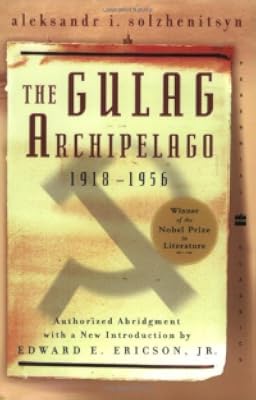
The Gulag Archipelago, 1918-1956: Parts I-II
by Aleksandr Solzhenitsyn
The Gulag Archipelago (Volume 1, Parts I-II)
On This Page
Description
Volume 1 of the gripping epic masterpiece, Solzhenitsyn's chilling report of his arrest and interrogation, which exposed to the world the vast bureaucracy of secret police that haunted Soviet society. Features a new foreword by Anne Applebaum.Tags
Recommendations



















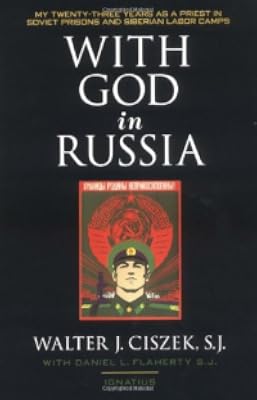
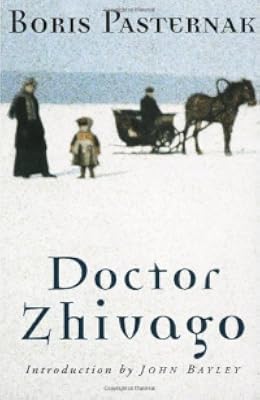


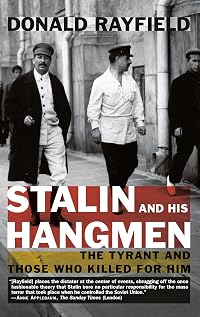






Member Recommendations

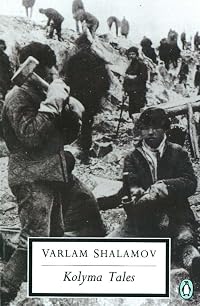
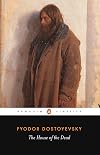
editfish A novella exploring a typical day in the life of a 'slogger' in one of Stalin's prison (Destructive Labor) camps.
60

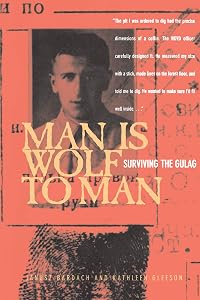
editfish This novel goes beyond the research of 'Gulag' and looks at life in the Sharaska (Paradise Islands) of the Archipelago.

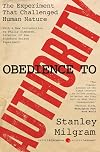
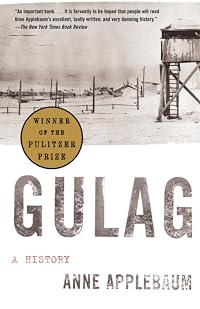
fundevogel Reading Gulag I was compelled to finally track down this work which documents the famous experiment that exposed the cruelty ordinary people could be prodded into executing in the name of obedience. It really should be required reading especially when learning about institutionalized cruelty as seen in the Soviet Union and Nazi Germany.

Member Reviews
ამ წიგნის არსებობა კაი ხნის წინ გავიგე და დიდი ხანი რაღაც იდუმალებით მოცული იყო ჩემთვის. მერე წიგნის ზომაც ვნახე (ყველა ტომი) და მივხვდი რო მონუმენტური რამეა. მე კიდე ბავშვობაში [b:გრაფი მონტე-კრისტო|7126|The Count of Monte Cristo|Alexandre Dumas|https://images.gr-assets.com/books/1309203605s/7126.jpg|391568]-ს წაკითხვის მერე მონუმენტური რამეები show more ძალიან მიყვარს :) ხოდა ერთხელაც კაი ფასში იყო ყველა ტომი და დავითრიე ეგრევე, მალევე წაკითხვაც გადავწყვიტე.
რა გითხრათ აბა? პირველ რიგში კიდევ ერთხელ, უკვე მე-1000000-ედ დამტკიცდა, რომ მოლოდინები არის ხიხი :) ამ შემთხვევაში საერთოდ ავიჭერი - არა მხოლოდ რაღაც სასწაულ რამეს ველოდი, არამედ პირდაპირ სასწაულ მხატვრულ ლიტერატურას. ცოტათი იმით ვიმართლებ თავს, რომ ეს მოლოდინი [a:შალამოვმა|63552|Varlam Shalamov|https://images.gr-assets.com/authors/1222952456p2/63552.jpg] შემიქმნა, თანაც ჩემმა "მეცნიერმა" ტვინმა ლოგიკა ჩართო თავის დროზე - შალამოვი არ გქონდა გაგონილი ბოლო დრომდე და აღმოჩნდა შედევრი, სოლჟენიცინი კიდე ყველამ იცის და ალბათ საერთოდ სუპერ-დუპერ-მეგა-შედევრი იქნება-თქო... პირველი 200 გვერდის მერეღა ვიბოძე ნება და ანოტაციას ჩავხედე - თურმე დოკუმენტური ყოფილა თავიდან ბოლომდე და ისიც ძალიან ძალიან ძალიან შორს შედევრისგან
პირველ წიგნში საერთოდ არაფერი გულაგში არ ხდება - გაითვალისწინეთ. მეორე წიგნი პატარაა და კი იწყება ისეთი გულაგური რამეების აღწერა - ოღონდ რაც შალამოვთან მხატვრულადაა, სოლჟენიცინთან თითქოს სიმძაფრე არ აკლია, მაგრამ თან რაღაცნაირად მშრალია და თითქოს არასაკმარისად დეტალური, შესაბამისად - ნაკლებად დამაჯერებელი. ალბათ შემდეგი ტომებია რალურად გულაგი რაცაა, მაგრამ უკვე მეეჭვება. თუმცა, ეხლა მთლად ისეც არაა რო 0 იყოს - არის აქ რამდენიმე ისეთი ნიუანსი რო დაგაფიქრებს ეს ხო სადღაც 60-70-იანებში გავრცელდა სამიზდატით და მიუხედავად იმისა, რომ მთლად ის ჯოჯოხეთი აღარ იყო ბანაკებში - დისიდენტებს მაინც დაეხმარებოდა რაღაცაში. მაგრამ, ასეთი სასარგებლო ნაწილები ცოტაა.
ზოგადად დოკუმენტალისტიკის და სიმართლის კუთხით რაღაც ნიტოა ამ კაცთან. აი ხო ყველამ ვიცით რაც ხდებოდა იქ ამდენი წელი და რამდენი მილიონი კაცი გაწყდა, მაგრამ ეს ისე წერს, ისე აზვიადებს ყველაფერს, ისეთი ცალმხრივი არგუმენტები მოყავს, იმდენად მიკერძოებულია, რომ უკვე ეჭვი გეპარება სიმართლეში - სტალინზე ტროცკის დაწერილი [b:წიგნიც|18680036|Сталин. Книга 1|Leon Trotsky|https://images.gr-assets.com/books/1381837780s/18680036.jpg|26516007] კი არააა ისეთი მიკერძოებული, როგორც ეს. ნუ არ მჯერა რა! შლამოვის მოგონილი ამბების მჯერა - ამის "რეალური" ამბების - არა. მჯერა როგორ ცხოვრობ ჩირქით და სისხლით სავსე ბატინკში 3 თვე, მჯერა რო პოეტი ბანაკში მართლა ისე კვდება... მაგრამ როგორც ცხოვრობს 15-კაციან კამერაში 300 კაცი - არ მჯერა! გავმეორდები - განა იმიტომ არ მჯერა რო 300 ვერ დაეტევა - პროსტა ისე უწერია რო დამაჯერებელ რამეებშიც ეჭვი გეპატება - გგონია რო გიმტკიცებს, გკერავს, იქიდან გივლის, აქედან, ნამუსზე გაგდებს, დამაჯერებლობას იზრდის...
ძალიან კარგად უთქვამს თურმე შალამოვს - არქიპელაგზე (ღირსებების აღნიშვნაც არ ავიწყდება):
"Деятельность Солженицына — это деятельность дельца, направленная узко на личные успехи со всеми провокационными аксессуарами подобной деятельности."
მოკლედ, დანარჩენ წიგნებს თუ ოდესმე წავიკითხავ, ნამდვილად არ ვიცი როდის. show less
რა გითხრათ აბა? პირველ რიგში კიდევ ერთხელ, უკვე მე-1000000-ედ დამტკიცდა, რომ მოლოდინები არის ხიხი :) ამ შემთხვევაში საერთოდ ავიჭერი - არა მხოლოდ რაღაც სასწაულ რამეს ველოდი, არამედ პირდაპირ სასწაულ მხატვრულ ლიტერატურას. ცოტათი იმით ვიმართლებ თავს, რომ ეს მოლოდინი [a:შალამოვმა|63552|Varlam Shalamov|https://images.gr-assets.com/authors/1222952456p2/63552.jpg] შემიქმნა, თანაც ჩემმა "მეცნიერმა" ტვინმა ლოგიკა ჩართო თავის დროზე - შალამოვი არ გქონდა გაგონილი ბოლო დრომდე და აღმოჩნდა შედევრი, სოლჟენიცინი კიდე ყველამ იცის და ალბათ საერთოდ სუპერ-დუპერ-მეგა-შედევრი იქნება-თქო... პირველი 200 გვერდის მერეღა ვიბოძე ნება და ანოტაციას ჩავხედე - თურმე დოკუმენტური ყოფილა თავიდან ბოლომდე და ისიც ძალიან ძალიან ძალიან შორს შედევრისგან
პირველ წიგნში საერთოდ არაფერი გულაგში არ ხდება - გაითვალისწინეთ. მეორე წიგნი პატარაა და კი იწყება ისეთი გულაგური რამეების აღწერა - ოღონდ რაც შალამოვთან მხატვრულადაა, სოლჟენიცინთან თითქოს სიმძაფრე არ აკლია, მაგრამ თან რაღაცნაირად მშრალია და თითქოს არასაკმარისად დეტალური, შესაბამისად - ნაკლებად დამაჯერებელი. ალბათ შემდეგი ტომებია რალურად გულაგი რაცაა, მაგრამ უკვე მეეჭვება. თუმცა, ეხლა მთლად ისეც არაა რო 0 იყოს - არის აქ რამდენიმე ისეთი ნიუანსი რო დაგაფიქრებს ეს ხო სადღაც 60-70-იანებში გავრცელდა სამიზდატით და მიუხედავად იმისა, რომ მთლად ის ჯოჯოხეთი აღარ იყო ბანაკებში - დისიდენტებს მაინც დაეხმარებოდა რაღაცაში. მაგრამ, ასეთი სასარგებლო ნაწილები ცოტაა.
ზოგადად დოკუმენტალისტიკის და სიმართლის კუთხით რაღაც ნიტოა ამ კაცთან. აი ხო ყველამ ვიცით რაც ხდებოდა იქ ამდენი წელი და რამდენი მილიონი კაცი გაწყდა, მაგრამ ეს ისე წერს, ისე აზვიადებს ყველაფერს, ისეთი ცალმხრივი არგუმენტები მოყავს, იმდენად მიკერძოებულია, რომ უკვე ეჭვი გეპარება სიმართლეში - სტალინზე ტროცკის დაწერილი [b:წიგნიც|18680036|Сталин. Книга 1|Leon Trotsky|https://images.gr-assets.com/books/1381837780s/18680036.jpg|26516007] კი არააა ისეთი მიკერძოებული, როგორც ეს. ნუ არ მჯერა რა! შლამოვის მოგონილი ამბების მჯერა - ამის "რეალური" ამბების - არა. მჯერა როგორ ცხოვრობ ჩირქით და სისხლით სავსე ბატინკში 3 თვე, მჯერა რო პოეტი ბანაკში მართლა ისე კვდება... მაგრამ როგორც ცხოვრობს 15-კაციან კამერაში 300 კაცი - არ მჯერა! გავმეორდები - განა იმიტომ არ მჯერა რო 300 ვერ დაეტევა - პროსტა ისე უწერია რო დამაჯერებელ რამეებშიც ეჭვი გეპატება - გგონია რო გიმტკიცებს, გკერავს, იქიდან გივლის, აქედან, ნამუსზე გაგდებს, დამაჯერებლობას იზრდის...
ძალიან კარგად უთქვამს თურმე შალამოვს - არქიპელაგზე (ღირსებების აღნიშვნაც არ ავიწყდება):
"Деятельность Солженицына — это деятельность дельца, направленная узко на личные успехи со всеми провокационными аксессуарами подобной деятельности."
მოკლედ, დანარჩენ წიგნებს თუ ოდესმე წავიკითხავ, ნამდვილად არ ვიცი როდის. show less
Un grito a la injusticia, al dolor, un grito de denuncia ante hechos poco conocidos y poco documentados.
Como su nombre lo dice, trata sobre el GULAG, el sistema que administraba los campos de concentración rusos en la época comunista, ahora bien, si bien es cierto que la peor época de los presidiarios fue mientras Stalin estuvo en el poder, estos campos fueron creados por Lenin y nacieron en 1918 de manera formal, esto es, muchos, muchos años antes de la segunda guerra mundial y todo lo que conocemos de los Nazis, que, aunque se han llevado la gloria documentada de estos campos, la realidad es que no tienen el "merito" de haberlos creado, ese mérito lo tiene Lenin, los comunistas y en general los rusos.
Estoy tan impactada por todo show more lo que este libro cuenta, el escritor nos hace una explicación muy concienzuda de como funcionaba el sistema, desde las razones por las cuales podías resultar detenido, "juzgado" y encarcelado, pasando por todo el trámite "burocrático" de la detención, juicio, temas legales, la tortura, las "cárceles" donde esperabas sentencia, los juicios de sentencia definitiva, el viaje a tu correspondiente campo de concentración en Siberia, los lugares de espera para ese viaje, el viaje en tren, "barco", caminando o como sea que pudieran llegar hasta el Archipiélago, los trabajos forzados, el confinamiento, la libertad (si es que así se le podía llamar) y si también los que intentaron escapar, lo que sucedió con estos campos una vez muerto Stalin, ¿Qué pensaron que muerto el perro se acabo la rabia? pues no.
No podría aunque quisiera, explicar todo lo que aquí se dice, pero es que es tan doloroso, tan cruel, tan injusto, no solo para muchos de los detenidos que eran encarcelados básicamente por nada o por culpa de un enorme delirio de persecución de Stalin (principalmente) si no, sus familias, a los que durante "la gran purga" se decidió que también eran culpables y que sin deberla ni temerla terminaron en campos de concentración, familias completas desaparecidas, pero no solo eso ¿ayudaste a alguien en desgracia dándole comida, apoyo o lo que sea? pues también a la cárcel, ¿te vieron platicando el mes pasado con alguien a quien habían detenido? pues seguro eres culpable de algo.
Stalin y el comunismo en general hicieron de su país uno lleno de gente muerta de hambre, de miedo, desleales, ingratos y eso de "adios a las clases" como todo, solo queda en el papel, porque como siempre, son los pobres o los menos favorecidos los que resultaron mas perjudicados.
En fin que como dice nuestro autor "si bien es cierto que en los campos de concentración del GULAG no se quemaban personas, ni falta que hacía, matarlos de hambre y trabajo forzado en jornadas de 10 horas en temperaturas de bajo 54 grados en ropa de verano, los piojos, las pulgas, la insalubridad, todo eso mata igual y sale mas barato", pero no crean que no había fusilamientos, por que los había y a montones, tanta gente muerta durante la existencia de estos campos que es sencillamente imposible contabilizarlos, por cantidad y porque los rusos a diferencia de los alemanes ni de casualidad llevaban una contabilidad tan concienzuda ni eran por mucho tan administrados, simplemente les metían una bala en la cabeza y a otra cosa mariposa, fueron asesinados millones de personas inocentes, ni siquiera por un tema de raza (que sin justificarlo al menos tenían una razón) en el caso de los comunistas fue "por si acaso" a compatriotas, extranjeros apresados, mujeres, niños y la mayoría rusos leales a su país, pero también a los soldados que pelearon en la segunda guerra mundial, regresando a casa, a todos, los enviaron directos al GULAG ¿porque? pues porque vieron la libertad en otros países y se quisieron evitar que lo contarán o "por si acaso" eran espías ¿ganaste la guerra, peleaste y casi moriste? ¿tu premio? ¡Siberia! a trabajos forzados.
Un libro que a pesar de la cantidad de páginas que tiene, no le sobra una sola palabra, una narrativa extraordinaria, que nos cuenta una parte de la historia, que es tan interesante como dolorosa.
Todos los asesinos tienen su cachito en la historia, desgraciadamente, pero si en algún momento pensé que lo peor de nuestra historia fue el holocausto, ¡que equivocada estaba! le quedan a la altura del betún a Stalin y sus secuaces.
Ya se que me van a decir que todos los dictadores son asesinos, malos y sádicos, la diferencia recae en que la mayoría de esos dictadores conocidos en algún momento fueron destituidos, asesinados o quitados del poder y si es verdad que mientras estuvieron en ese poder fueron horribles y mataron mucha gente, pero Stalin, ese hombre, estuvo en el poder hasta el dia de su muerte así que, si, desde mi punto de vista, no ha habido asesino mas cruel que Stalin y los comunistas rusos, comenzando por Lenin y terminando con... uf para saber, este libro cuenta la historia desde 1917 hasta 1970 y no había acabado, así que... hagamos cuentas, por supuesto que los peores años fueron de los 20's a mediados de los 50's, especialmente durante la gran purga de 1938-1939, pero al final, las practicas de trabajos forzados siguieron, la practica de no ser libres de opinión, siguió, la práctica de denuncia a camaradas contrarios al poder, continuó, los ochentas no se quedo atrás con la guerra fría, pero de eso no cuenta este libro, tendré que buscarme otro.
Pido disculpas por tan larga reseña, pero me era imposible hacerla mas corta, les recomiendo encarecidamente este libro, tómense su tiempo y paciencia y léanlo, que vale mucho, pero mucho la pena.
dejo aquí el párrafo con el que comienza este libro:
Con el corazón oprimido, durante años me abstuve de publicar este libro ya terminado. El deber para con los que aún vivían, podía más que el deber para con los muertos. Pero ahora, cuando, pese a todo, ha caído en manos de la Seguridad del Estado, no me queda más remedio que publicarlo inmediatamente.
A. SOLJENITSIN.
Septiembre de 1973. show less
Como su nombre lo dice, trata sobre el GULAG, el sistema que administraba los campos de concentración rusos en la época comunista, ahora bien, si bien es cierto que la peor época de los presidiarios fue mientras Stalin estuvo en el poder, estos campos fueron creados por Lenin y nacieron en 1918 de manera formal, esto es, muchos, muchos años antes de la segunda guerra mundial y todo lo que conocemos de los Nazis, que, aunque se han llevado la gloria documentada de estos campos, la realidad es que no tienen el "merito" de haberlos creado, ese mérito lo tiene Lenin, los comunistas y en general los rusos.
Estoy tan impactada por todo show more lo que este libro cuenta, el escritor nos hace una explicación muy concienzuda de como funcionaba el sistema, desde las razones por las cuales podías resultar detenido, "juzgado" y encarcelado, pasando por todo el trámite "burocrático" de la detención, juicio, temas legales, la tortura, las "cárceles" donde esperabas sentencia, los juicios de sentencia definitiva, el viaje a tu correspondiente campo de concentración en Siberia, los lugares de espera para ese viaje, el viaje en tren, "barco", caminando o como sea que pudieran llegar hasta el Archipiélago, los trabajos forzados, el confinamiento, la libertad (si es que así se le podía llamar) y si también los que intentaron escapar, lo que sucedió con estos campos una vez muerto Stalin, ¿Qué pensaron que muerto el perro se acabo la rabia? pues no.
No podría aunque quisiera, explicar todo lo que aquí se dice, pero es que es tan doloroso, tan cruel, tan injusto, no solo para muchos de los detenidos que eran encarcelados básicamente por nada o por culpa de un enorme delirio de persecución de Stalin (principalmente) si no, sus familias, a los que durante "la gran purga" se decidió que también eran culpables y que sin deberla ni temerla terminaron en campos de concentración, familias completas desaparecidas, pero no solo eso ¿ayudaste a alguien en desgracia dándole comida, apoyo o lo que sea? pues también a la cárcel, ¿te vieron platicando el mes pasado con alguien a quien habían detenido? pues seguro eres culpable de algo.
Stalin y el comunismo en general hicieron de su país uno lleno de gente muerta de hambre, de miedo, desleales, ingratos y eso de "adios a las clases" como todo, solo queda en el papel, porque como siempre, son los pobres o los menos favorecidos los que resultaron mas perjudicados.
En fin que como dice nuestro autor "si bien es cierto que en los campos de concentración del GULAG no se quemaban personas, ni falta que hacía, matarlos de hambre y trabajo forzado en jornadas de 10 horas en temperaturas de bajo 54 grados en ropa de verano, los piojos, las pulgas, la insalubridad, todo eso mata igual y sale mas barato", pero no crean que no había fusilamientos, por que los había y a montones, tanta gente muerta durante la existencia de estos campos que es sencillamente imposible contabilizarlos, por cantidad y porque los rusos a diferencia de los alemanes ni de casualidad llevaban una contabilidad tan concienzuda ni eran por mucho tan administrados, simplemente les metían una bala en la cabeza y a otra cosa mariposa, fueron asesinados millones de personas inocentes, ni siquiera por un tema de raza (que sin justificarlo al menos tenían una razón) en el caso de los comunistas fue "por si acaso" a compatriotas, extranjeros apresados, mujeres, niños y la mayoría rusos leales a su país, pero también a los soldados que pelearon en la segunda guerra mundial, regresando a casa, a todos, los enviaron directos al GULAG ¿porque? pues porque vieron la libertad en otros países y se quisieron evitar que lo contarán o "por si acaso" eran espías ¿ganaste la guerra, peleaste y casi moriste? ¿tu premio? ¡Siberia! a trabajos forzados.
Un libro que a pesar de la cantidad de páginas que tiene, no le sobra una sola palabra, una narrativa extraordinaria, que nos cuenta una parte de la historia, que es tan interesante como dolorosa.
Todos los asesinos tienen su cachito en la historia, desgraciadamente, pero si en algún momento pensé que lo peor de nuestra historia fue el holocausto, ¡que equivocada estaba! le quedan a la altura del betún a Stalin y sus secuaces.
Ya se que me van a decir que todos los dictadores son asesinos, malos y sádicos, la diferencia recae en que la mayoría de esos dictadores conocidos en algún momento fueron destituidos, asesinados o quitados del poder y si es verdad que mientras estuvieron en ese poder fueron horribles y mataron mucha gente, pero Stalin, ese hombre, estuvo en el poder hasta el dia de su muerte así que, si, desde mi punto de vista, no ha habido asesino mas cruel que Stalin y los comunistas rusos, comenzando por Lenin y terminando con... uf para saber, este libro cuenta la historia desde 1917 hasta 1970 y no había acabado, así que... hagamos cuentas, por supuesto que los peores años fueron de los 20's a mediados de los 50's, especialmente durante la gran purga de 1938-1939, pero al final, las practicas de trabajos forzados siguieron, la practica de no ser libres de opinión, siguió, la práctica de denuncia a camaradas contrarios al poder, continuó, los ochentas no se quedo atrás con la guerra fría, pero de eso no cuenta este libro, tendré que buscarme otro.
Pido disculpas por tan larga reseña, pero me era imposible hacerla mas corta, les recomiendo encarecidamente este libro, tómense su tiempo y paciencia y léanlo, que vale mucho, pero mucho la pena.
dejo aquí el párrafo con el que comienza este libro:
Con el corazón oprimido, durante años me abstuve de publicar este libro ya terminado. El deber para con los que aún vivían, podía más que el deber para con los muertos. Pero ahora, cuando, pese a todo, ha caído en manos de la Seguridad del Estado, no me queda más remedio que publicarlo inmediatamente.
A. SOLJENITSIN.
Septiembre de 1973. show less
Do not open this book for a light read. Do, however, open this book and read. Solzhenitsyn bares every detail of Gulag life, from the first arrest to…well, I don’t know how far, because this edition represent just one-third of the entire work that Solzhenitsyn has created – this is only books one and two. 600+ pages devoted to the tortures that lead to unnecessary confessions (unnecessary because you will be arrested and sent to the camps even if you don’t confess), devoted to the mockery of public trials, devoted to the history of these shams (all the way back to the Tsars – showing how the dictators learned from their enemies and took it all to the next level), devoted to the various horrors of the various transportation show more methods, devoted to getting us to the camps. (And to think that these were events occurring prior to, contemporaneously with, and subsequent to the Nazi horrors from which we all recoil. This makes the Nazis look like pikers.) And the camps don’t really appear until after books one and two.
Here is the amazing part; here is the part that shoots this into the upper stratosphere of great writing. It would be very easy for this book to sink into its own detail – to leave the reader mired in the minutia. However, Solzhenitsyn is a writer of incomparable skill, and his interweaving of human stories within all this detail keeps the reader intrigued. And just about the time you are tempted to skim, another story surfaces which brings you back into the book and brings the book to life.
I cannot imagine trying to absorb more than this first edition without some break. So, I will move on to something else for a while to refresh myself. But, even if I were to never return to the rest of this “trilogy” (and, believe me, I will be back), I could never escape the image Solzhenitsyn has so artfully seared into my mind. show less
Here is the amazing part; here is the part that shoots this into the upper stratosphere of great writing. It would be very easy for this book to sink into its own detail – to leave the reader mired in the minutia. However, Solzhenitsyn is a writer of incomparable skill, and his interweaving of human stories within all this detail keeps the reader intrigued. And just about the time you are tempted to skim, another story surfaces which brings you back into the book and brings the book to life.
I cannot imagine trying to absorb more than this first edition without some break. So, I will move on to something else for a while to refresh myself. But, even if I were to never return to the rest of this “trilogy” (and, believe me, I will be back), I could never escape the image Solzhenitsyn has so artfully seared into my mind. show less
The Gulag Archipelago (I-II). Over the 4 months I spent reading it I found there were just two reactions in who asked what I was reading: indifferent unfamiliarity and oh, that. This seems appropriate. If you know what the book is "oh, that" is pretty much the simplest, most sincere response.
This isn't anyone's favorite book and what literary qualities there are you don't discuss with your book club. More than anything it is a monument. A monolith of document whose sole purpose is to record the Soviet government's secret holocaust . At least tens of millions were swept up off the streets, from their homes, their jobs and disappeared forever into the grist mill that was the archipelago. Ostensibly these were political arrests, know as show more 58s. It used to be under the tzars there was pride in being a political prisoner and they commanded a certain amount of respect in prison. Not so under the Soviets. The highest crime was individual thought and if they had even the slightest thought that you may only be 99.99% in step with the regime you were arrested, your dangerous ideas quarantined from the public.
I say ostensibly because this is only part true. It is true that people had only to let off even the barest hint of individual political thought to be swept up. But this was not necessary. The first World War was ending and the distribution of power had changed. Country folk now might be crossing country lines to visit family they had always visited. The Soviet government treated such indifference to the new border as espionage. Russians that returned home from living in Europe were arrested for the crime of being able to notice that The U.S.S.R. was rather shit compared to the west. Russians living abroad that chose to remain rather than return to the new Soviet Union were branded spies, kidnapped and dumped into the archipelago. There were also the Russian POWs, Russian soldiers that had the audacity to live rather than die for their country. They were considered traitors simply by virtue of their continued existence. And in greater numbers were people that were probably just a poor combination of unlucky and naive, people swept up simply because the gulags needed to be fed. You see, as much as the gulags were about political suppression they were even more an economic fact. The country could not support itself on honest labor (if there even was such a thing in the Soviet Union) and thus became dependent on slave labor in the gulags. This is why there were arrest quotas. The gulags required a steady diet of new prisoners as it shat out emaciated corpses that had never had a chance to finish the 5, 10, 15 or 20 year sentences that had been hung on them.
And that's assuming they survived long enough to die in the gulag. The physical book I just completed contained only the first two volumes of Gulag. In all there are seven. In the first two parts Solzhenitsyn doesn't even get to the gulag. Solzhenitsyn you see isn't just writing a memorial, he is documenting a suppressed history as it happens. He knows that no matter how many millions disappear the government is doing it's damnedest to make sure no one finds out what happened to them, to simply make them disappear. And so Gulag attempts to record every facet of the Gulag system including the road to it. He explains the way arrests are carried out, how interrogations are conducted and the role of torture, via both active and passive means. Active torture would be things like beating or staging fake executions (like in Argo) which require action on the part of the torturer, passive torture includes things like starvation, sleep deprivation, prolonged exposure to extreme cold and shoving you in a box full of bedbugs to suck you till you can't stand while they eat lunch (the guards I mean, but I guess the bed bugs are having lunch too). Use of passive techniques by far surpassed active torture as it cost nothing and required no energy on the part of the torturer. There is a limit to just how many prisoners one person can beat. You can only beat one at a time and eventually you have to rest your arm and even the most efficient beater is eventually looking at a repetitive stress injury. On the other hand there is no limit to how many prisoners you can freeze, starve or turn into typhoid fodder all at once. Solzhenitsyn scoffs at reports of people being released unbroken after 4 days of torture by Nazis. Clearly, he says, the Nazis gave up too soon. Everyone breaks under Soviet torture.
On the other hand Solzhenitsyn celebrates every small mercy and the slightest joy that prisoners may enjoy on their way to the gulag. A piss pot, even when it is overflowing, is better than no piss pot. And a bowl is a luxury when you've been eating your gruel out of your coat pockets. And a trip to the latrine, sheer bliss. And then there are the truly unique privileges of the prisoners. In the Butyrki political prisoners awaiting sentencing could request any book from the library. There was no telling when it would turn up but they did turn up and they were books unavailable anywhere else in the U.S.S.R.. They were by in large confiscated from personal collections and the prisoners overwhelmingly indulged in books forbidden in the Soviet Union. Maybe the prison staff didn't know the contents of the books they dutifully delivered to the 58s or maybe they just didn't care about enforcing censorship among a group of people that had already been deemed politically tainted and quarantined. Solzhenitsyn goes so far as to say, "The cell was constricted, but wasn't freedom even more constricted?". You see, outside, where bodies were free minds and mouths were caged by fear of the government, but once in prison you could say whatever you wanted within the intellectual safe zone of the quarantine. And they did. You get the impression that the communal cells housing 58s were full of vibrant and passionate debate on politics and philosophy. Only here were intellectual pariahs free to state their minds, make their cases and change the minds of each other.
There really is no hope of me detailing even a fraction of Solzhenitsyn's work here (and it would only be a fraction of his work if I even attempted it), but I can say with complete conviction that he achieved what he set out to do. He told us what happened to them. How it was done and what it was to live it. And he did it while himself a prisoner. This is what a hero looks like.
Selected Quotes:
"Even the most broad-minded of us can embrace only that part of the truth into which our own snout has blundered."
"The machine stamped out sentences. The prisoner had already been deprived of all rights when they cut off his buttons on the threshold of State Security, and he wouldn't avoid a stretch. The members of the legal profession were so used to this that they fell of their faces in 1958 and caused a big scandal. The text of the projected new 'Fundamental Principles of Criminal Prosecution of the U.S.S.R.' was published in the newspapers, and they'd forgotten to include any reference to possible grounds for acquittal. The government newspaper issued a mild rebuke: 'The impression might be created that our courts only bring in convictions.'"
"If you live in a graveyard, you can't weep for everyone."
"But wasn't everything foredoomed anyway, from the moment of arrest? Yet all the arrested crawled along the path of hope on their knees, as if their legs had been amputated."
"At Novosibirsk Transit Prison in 1945 they greeted the prisoners with a roll call based on cases. 'So and so! Article 58-1a, twenty-five years.' The chief of the convoy was curious: 'What did you get that for?' 'For nothing at all.' 'You are lying. The sentence for nothing at all is ten years.'"
"The OSO enjoyed another important advantage in that its penalty could not be appealed. There was nowhere to appeal to. There was no appeals jurisdiction above it, and no jurisdiction beneath it. It was subordinate only to the Minister of Internal Affairs, to Stalin, and to Satan."
"What the eye doesn't see, the heart doesn't grieve for." show less
This isn't anyone's favorite book and what literary qualities there are you don't discuss with your book club. More than anything it is a monument. A monolith of document whose sole purpose is to record the Soviet government's secret holocaust . At least tens of millions were swept up off the streets, from their homes, their jobs and disappeared forever into the grist mill that was the archipelago. Ostensibly these were political arrests, know as show more 58s. It used to be under the tzars there was pride in being a political prisoner and they commanded a certain amount of respect in prison. Not so under the Soviets. The highest crime was individual thought and if they had even the slightest thought that you may only be 99.99% in step with the regime you were arrested, your dangerous ideas quarantined from the public.
I say ostensibly because this is only part true. It is true that people had only to let off even the barest hint of individual political thought to be swept up. But this was not necessary. The first World War was ending and the distribution of power had changed. Country folk now might be crossing country lines to visit family they had always visited. The Soviet government treated such indifference to the new border as espionage. Russians that returned home from living in Europe were arrested for the crime of being able to notice that The U.S.S.R. was rather shit compared to the west. Russians living abroad that chose to remain rather than return to the new Soviet Union were branded spies, kidnapped and dumped into the archipelago. There were also the Russian POWs, Russian soldiers that had the audacity to live rather than die for their country. They were considered traitors simply by virtue of their continued existence. And in greater numbers were people that were probably just a poor combination of unlucky and naive, people swept up simply because the gulags needed to be fed. You see, as much as the gulags were about political suppression they were even more an economic fact. The country could not support itself on honest labor (if there even was such a thing in the Soviet Union) and thus became dependent on slave labor in the gulags. This is why there were arrest quotas. The gulags required a steady diet of new prisoners as it shat out emaciated corpses that had never had a chance to finish the 5, 10, 15 or 20 year sentences that had been hung on them.
And that's assuming they survived long enough to die in the gulag. The physical book I just completed contained only the first two volumes of Gulag. In all there are seven. In the first two parts Solzhenitsyn doesn't even get to the gulag. Solzhenitsyn you see isn't just writing a memorial, he is documenting a suppressed history as it happens. He knows that no matter how many millions disappear the government is doing it's damnedest to make sure no one finds out what happened to them, to simply make them disappear. And so Gulag attempts to record every facet of the Gulag system including the road to it. He explains the way arrests are carried out, how interrogations are conducted and the role of torture, via both active and passive means. Active torture would be things like beating or staging fake executions (like in Argo) which require action on the part of the torturer, passive torture includes things like starvation, sleep deprivation, prolonged exposure to extreme cold and shoving you in a box full of bedbugs to suck you till you can't stand while they eat lunch (the guards I mean, but I guess the bed bugs are having lunch too). Use of passive techniques by far surpassed active torture as it cost nothing and required no energy on the part of the torturer. There is a limit to just how many prisoners one person can beat. You can only beat one at a time and eventually you have to rest your arm and even the most efficient beater is eventually looking at a repetitive stress injury. On the other hand there is no limit to how many prisoners you can freeze, starve or turn into typhoid fodder all at once. Solzhenitsyn scoffs at reports of people being released unbroken after 4 days of torture by Nazis. Clearly, he says, the Nazis gave up too soon. Everyone breaks under Soviet torture.
On the other hand Solzhenitsyn celebrates every small mercy and the slightest joy that prisoners may enjoy on their way to the gulag. A piss pot, even when it is overflowing, is better than no piss pot. And a bowl is a luxury when you've been eating your gruel out of your coat pockets. And a trip to the latrine, sheer bliss. And then there are the truly unique privileges of the prisoners. In the Butyrki political prisoners awaiting sentencing could request any book from the library. There was no telling when it would turn up but they did turn up and they were books unavailable anywhere else in the U.S.S.R.. They were by in large confiscated from personal collections and the prisoners overwhelmingly indulged in books forbidden in the Soviet Union. Maybe the prison staff didn't know the contents of the books they dutifully delivered to the 58s or maybe they just didn't care about enforcing censorship among a group of people that had already been deemed politically tainted and quarantined. Solzhenitsyn goes so far as to say, "The cell was constricted, but wasn't freedom even more constricted?". You see, outside, where bodies were free minds and mouths were caged by fear of the government, but once in prison you could say whatever you wanted within the intellectual safe zone of the quarantine. And they did. You get the impression that the communal cells housing 58s were full of vibrant and passionate debate on politics and philosophy. Only here were intellectual pariahs free to state their minds, make their cases and change the minds of each other.
There really is no hope of me detailing even a fraction of Solzhenitsyn's work here (and it would only be a fraction of his work if I even attempted it), but I can say with complete conviction that he achieved what he set out to do. He told us what happened to them. How it was done and what it was to live it. And he did it while himself a prisoner. This is what a hero looks like.
Selected Quotes:
"Even the most broad-minded of us can embrace only that part of the truth into which our own snout has blundered."
"The machine stamped out sentences. The prisoner had already been deprived of all rights when they cut off his buttons on the threshold of State Security, and he wouldn't avoid a stretch. The members of the legal profession were so used to this that they fell of their faces in 1958 and caused a big scandal. The text of the projected new 'Fundamental Principles of Criminal Prosecution of the U.S.S.R.' was published in the newspapers, and they'd forgotten to include any reference to possible grounds for acquittal. The government newspaper issued a mild rebuke: 'The impression might be created that our courts only bring in convictions.'"
"If you live in a graveyard, you can't weep for everyone."
"But wasn't everything foredoomed anyway, from the moment of arrest? Yet all the arrested crawled along the path of hope on their knees, as if their legs had been amputated."
"At Novosibirsk Transit Prison in 1945 they greeted the prisoners with a roll call based on cases. 'So and so! Article 58-1a, twenty-five years.' The chief of the convoy was curious: 'What did you get that for?' 'For nothing at all.' 'You are lying. The sentence for nothing at all is ten years.'"
"The OSO enjoyed another important advantage in that its penalty could not be appealed. There was nowhere to appeal to. There was no appeals jurisdiction above it, and no jurisdiction beneath it. It was subordinate only to the Minister of Internal Affairs, to Stalin, and to Satan."
"What the eye doesn't see, the heart doesn't grieve for." show less
This review is written with a GPL 4.0 license and the rights contained therein shall supersede all TOS by any and all websites in regards to copying and sharing without proper authorization and permissions. Crossposted at WordPress, Blogspot & Librarything by Bookstooge’s Exalted Permission
Title: Gulag Archipelago, Vol. 1
Series: Gulag Archipelago
Author: Alexander Solzhenitsyn
Rating: 4 of 5 Stars
Genre: Non-Fiction
Pages: 626
Words: 265.5K
Synopsis:
Containing Parts I & II of Solzhenitsyn's book, The Gulag Archipelago.
From Wikipedia.com
Structurally, the text comprises seven sections divided (in most printed editions) into three volumes: parts 1–2, parts 3–4, and parts 5–7. At one level, the Gulag Archipelago traces the history of the show more system of forced labor camps that existed in the Soviet Union from 1918 to 1956. Solzhenitsyn begins with V. I. Lenin's original decrees which were made shortly after the October Revolution; they established the legal and practical framework for a series of camps where political prisoners and ordinary criminals would be sentenced to forced labor. The book then describes and discusses the waves of purges and the assembling of show trials in the context of the development of the greater Gulag system; Solzhenitsyn gives particular attention to its purposive legal and bureaucratic development.
The narrative ends in 1956 at the time of Nikita Khrushchev's Secret Speech ("On the Personality Cult and its Consequences"). Khrushchev gave the speech at the 20th Congress of the Communist Party of the Soviet Union, denouncing Stalin's personality cult, his autocratic power, and the surveillance that pervaded the Stalin era. Although Khrushchev's speech was not published in the Soviet Union for a long time, it was a break with the most atrocious practices of the Gulag system.
Despite the efforts by Solzhenitsyn and others to confront the legacy of the Gulag, the realities of the camps remained a taboo subject until the 1980s. Solzhenitsyn was also aware that although many practices had been stopped, the basic structure of the system had survived and it could be revived and expanded by future leaders. While Khrushchev, the Communist Party, and the Soviet Union's supporters in the West viewed the Gulag as a deviation of Stalin, Solzhenitsyn and many among the opposition tended to view it as a systemic fault of Soviet political culture – an inevitable outcome of the Bolshevik political project.
Parallel to this historical and legal narrative, Solzhenitsyn follows the typical course of a zek (a slang term for an inmate), derived from the widely used abbreviation "z/k" for "zakliuchennyi" (prisoner) through the Gulag, starting with arrest, show trial, and initial internment; transport to the "archipelago"; the treatment of prisoners and their general living conditions; slave labor gangs and the technical prison camp system; camp rebellions and strikes (see Kengir uprising); the practice of internal exile following the completion of the original prison sentence; and the ultimate (but not guaranteed) release of the prisoner. Along the way, Solzhenitsyn's examination details the trivial and commonplace events of an average prisoner's life, as well as specific and noteworthy events during the history of the Gulag system, including revolts and uprisings.
Solzhenitsyn also states:
Macbeth's self-justifications were feeble – and his conscience devoured him. Yes, even Iago was a little lamb, too. The imagination and spiritual strength of Shakespeare's evildoers stopped short at a dozen corpses. Because they had no ideology. Ideology – that is what gives evildoing its long-sought justification and gives the evildoer the necessary steadfastness and determination. That is the social theory which helps to make his acts seem good instead of bad in his own and others' eyes.... That was how the agents of the Inquisition fortified their wills: by invoking Christianity; the conquerors of foreign lands, by extolling the grandeur of their Motherland; the colonizers, by civilization; the Nazis, by race; and the Jacobins (early and late), by equality, brotherhood, and the happiness of future generations... Without evildoers there would have been no Archipelago.
— The Gulag Archipelago, Chapter 4, p. 173
There had been works about the Soviet prison/camp system before, and its existence had been known to the Western public since the 1930s. However, never before had the general reading public been brought face to face with the horrors of the Gulag in this way. The controversy surrounding this text, in particular, was largely due to the way Solzhenitsyn definitively and painstakingly laid the theoretical, legal, and practical origins of the Gulag system at Lenin's feet, not Stalin's. According to Solzhenitsyn's testimony, Stalin merely amplified a concentration camp system that was already in place. This is significant, as many Western intellectuals viewed the Soviet concentration camp system as a "Stalinist aberration"
My Thoughts:
I started reading this book on March 13th. It took me until June 5th to finish. At under 700 pages I figured I could easily knock this out in a month, even if I only read it on the weekends. “Ha” and agains I say “ha!”
This was a dense book and mind you, it is the first of three. It is also dealing with very heavy material (not literally, it's paper after all) but my spirit was weighed down after reading it, every single time. By the time I got to the end I could only read 5 or 6 percent each weekend. While nothing is graphic, if you've been reading any of my Quote posts from the last couple of months, you'll know just how horrifying some of the stuff discussed in this book is.
Solzhenitsyn, thankfully, writes in a very dry, sardonic and sarcastic manner, which allowed me to distance myself from the words I was reading. That being said, he also writes in the most rambling form I have ever run across. I eventually just stopped trying to connect the dots and let him tell the tale in his own way.
He tells of his own arrest, his time in the sorting prisons and the time getting to the official Gulag camps. He also tells a lot of other peoples' stories as well. It is horrible, sad and disheartening that people today want a form of government that leads to Communism that inevitably leads to places like the Gulag.
I am going to take a break of 2 months and read some other non-fiction, preferably of the theological bent, before I dive back into Vol. 2.
★★★★☆ show less
Title: Gulag Archipelago, Vol. 1
Series: Gulag Archipelago
Author: Alexander Solzhenitsyn
Rating: 4 of 5 Stars
Genre: Non-Fiction
Pages: 626
Words: 265.5K
Synopsis:
Containing Parts I & II of Solzhenitsyn's book, The Gulag Archipelago.
From Wikipedia.com
Structurally, the text comprises seven sections divided (in most printed editions) into three volumes: parts 1–2, parts 3–4, and parts 5–7. At one level, the Gulag Archipelago traces the history of the show more system of forced labor camps that existed in the Soviet Union from 1918 to 1956. Solzhenitsyn begins with V. I. Lenin's original decrees which were made shortly after the October Revolution; they established the legal and practical framework for a series of camps where political prisoners and ordinary criminals would be sentenced to forced labor. The book then describes and discusses the waves of purges and the assembling of show trials in the context of the development of the greater Gulag system; Solzhenitsyn gives particular attention to its purposive legal and bureaucratic development.
The narrative ends in 1956 at the time of Nikita Khrushchev's Secret Speech ("On the Personality Cult and its Consequences"). Khrushchev gave the speech at the 20th Congress of the Communist Party of the Soviet Union, denouncing Stalin's personality cult, his autocratic power, and the surveillance that pervaded the Stalin era. Although Khrushchev's speech was not published in the Soviet Union for a long time, it was a break with the most atrocious practices of the Gulag system.
Despite the efforts by Solzhenitsyn and others to confront the legacy of the Gulag, the realities of the camps remained a taboo subject until the 1980s. Solzhenitsyn was also aware that although many practices had been stopped, the basic structure of the system had survived and it could be revived and expanded by future leaders. While Khrushchev, the Communist Party, and the Soviet Union's supporters in the West viewed the Gulag as a deviation of Stalin, Solzhenitsyn and many among the opposition tended to view it as a systemic fault of Soviet political culture – an inevitable outcome of the Bolshevik political project.
Parallel to this historical and legal narrative, Solzhenitsyn follows the typical course of a zek (a slang term for an inmate), derived from the widely used abbreviation "z/k" for "zakliuchennyi" (prisoner) through the Gulag, starting with arrest, show trial, and initial internment; transport to the "archipelago"; the treatment of prisoners and their general living conditions; slave labor gangs and the technical prison camp system; camp rebellions and strikes (see Kengir uprising); the practice of internal exile following the completion of the original prison sentence; and the ultimate (but not guaranteed) release of the prisoner. Along the way, Solzhenitsyn's examination details the trivial and commonplace events of an average prisoner's life, as well as specific and noteworthy events during the history of the Gulag system, including revolts and uprisings.
Solzhenitsyn also states:
Macbeth's self-justifications were feeble – and his conscience devoured him. Yes, even Iago was a little lamb, too. The imagination and spiritual strength of Shakespeare's evildoers stopped short at a dozen corpses. Because they had no ideology. Ideology – that is what gives evildoing its long-sought justification and gives the evildoer the necessary steadfastness and determination. That is the social theory which helps to make his acts seem good instead of bad in his own and others' eyes.... That was how the agents of the Inquisition fortified their wills: by invoking Christianity; the conquerors of foreign lands, by extolling the grandeur of their Motherland; the colonizers, by civilization; the Nazis, by race; and the Jacobins (early and late), by equality, brotherhood, and the happiness of future generations... Without evildoers there would have been no Archipelago.
— The Gulag Archipelago, Chapter 4, p. 173
There had been works about the Soviet prison/camp system before, and its existence had been known to the Western public since the 1930s. However, never before had the general reading public been brought face to face with the horrors of the Gulag in this way. The controversy surrounding this text, in particular, was largely due to the way Solzhenitsyn definitively and painstakingly laid the theoretical, legal, and practical origins of the Gulag system at Lenin's feet, not Stalin's. According to Solzhenitsyn's testimony, Stalin merely amplified a concentration camp system that was already in place. This is significant, as many Western intellectuals viewed the Soviet concentration camp system as a "Stalinist aberration"
My Thoughts:
I started reading this book on March 13th. It took me until June 5th to finish. At under 700 pages I figured I could easily knock this out in a month, even if I only read it on the weekends. “Ha” and agains I say “ha!”
This was a dense book and mind you, it is the first of three. It is also dealing with very heavy material (not literally, it's paper after all) but my spirit was weighed down after reading it, every single time. By the time I got to the end I could only read 5 or 6 percent each weekend. While nothing is graphic, if you've been reading any of my Quote posts from the last couple of months, you'll know just how horrifying some of the stuff discussed in this book is.
Solzhenitsyn, thankfully, writes in a very dry, sardonic and sarcastic manner, which allowed me to distance myself from the words I was reading. That being said, he also writes in the most rambling form I have ever run across. I eventually just stopped trying to connect the dots and let him tell the tale in his own way.
He tells of his own arrest, his time in the sorting prisons and the time getting to the official Gulag camps. He also tells a lot of other peoples' stories as well. It is horrible, sad and disheartening that people today want a form of government that leads to Communism that inevitably leads to places like the Gulag.
I am going to take a break of 2 months and read some other non-fiction, preferably of the theological bent, before I dive back into Vol. 2.
★★★★☆ show less
This book brought Solzhenitsyn to the forefront of American consciousness, exposing the evil that lay behind the Stalinist police state of the Soviet Union. The author was in the Gulag, and writes out of his own experiences, as well as the experiences of others.
He really takes us deep into the heart of what it means to hear a knock on the door in the middle of the night, knowing that they have come to get you. From there, Solzhenitsyn takes us to the processing, the interrogation, the presentation of charges, the "trial", and finally sentencing. He sprinkles his narrative liberally with his own experiences, but even more the stories of others--people who would have long been forgotten, meaningless numbers on a page in some bureaucrats show more file, were it not for this book, where their stories are preserved.
Solzhenitsyn writes with a more deliberate tone of anger than what one finds in his other works on the prison system (One day in the Life of Ivan Densovitch and The First Circle.) This is a much more depressing book than either of those two.
This book is the Dachau of the Soviet Union. The camps are not preserved like many concentration camps were, and so this is the only memorial. And it is a damn good one.
This is hard to read, partially because of Solzhenitsyn's style (this is neither history nor literature, but attains to be both, and does not always succeed), but also because the subject matter is dark and depressing. But it is a fine memorial, and should be read, just as people should visit Dachau or Auschwitz if they ever have the chance, just to remind themselves that evil is alive and well in the world. show less
He really takes us deep into the heart of what it means to hear a knock on the door in the middle of the night, knowing that they have come to get you. From there, Solzhenitsyn takes us to the processing, the interrogation, the presentation of charges, the "trial", and finally sentencing. He sprinkles his narrative liberally with his own experiences, but even more the stories of others--people who would have long been forgotten, meaningless numbers on a page in some bureaucrats show more file, were it not for this book, where their stories are preserved.
Solzhenitsyn writes with a more deliberate tone of anger than what one finds in his other works on the prison system (One day in the Life of Ivan Densovitch and The First Circle.) This is a much more depressing book than either of those two.
This book is the Dachau of the Soviet Union. The camps are not preserved like many concentration camps were, and so this is the only memorial. And it is a damn good one.
This is hard to read, partially because of Solzhenitsyn's style (this is neither history nor literature, but attains to be both, and does not always succeed), but also because the subject matter is dark and depressing. But it is a fine memorial, and should be read, just as people should visit Dachau or Auschwitz if they ever have the chance, just to remind themselves that evil is alive and well in the world. show less
This was really long, and I will admit to skimming a page or two. I liked it and learned a lot about Soviet repression, but it does go on for a while. Do Russians write longer books than Americans, or does it just seem that way? I think Nabokov wrote Lolita in the US at roughly the same time, but it wasn't even close to the length of Gulag Archipelago. Solzhenitsyn also had to hide his notes and manuscripts, which I think would cause a bias towards brevity, but that is clearly not the case.
I was most struck by the passivity of the Soviet political prisoners. Solzhenitsyn is arrested on the battlefield. he was an artillery captain and was walking around armed. One would think that there would be at least a little resistance. show more Solzhenitsyn spends a lot of time on the topic and also seem at a loss to explain exactly why there was so little resistance to arrest and exile. Modern America also arrests a lot of people, and some of those people are mistreated but not summarily executed. It seems that American police experience much more resistance from criminals than the NKVD received from politicals. There also seemed to be very few escapes even though the chaos of the war years would seem to have made escape an option.
Solzhenitsyn spends less time on the resources the state devoted to repression, but that is another thing I find fascinating. Between the arms race, bribing client states in the third world, and repressing millions of soviet citizens it is remarkable that the USSR had resources left over to do anything else.
I liked the book and I am glad I soldiered through it, but I am not in a hurry to pick up volume II. show less
I was most struck by the passivity of the Soviet political prisoners. Solzhenitsyn is arrested on the battlefield. he was an artillery captain and was walking around armed. One would think that there would be at least a little resistance. show more Solzhenitsyn spends a lot of time on the topic and also seem at a loss to explain exactly why there was so little resistance to arrest and exile. Modern America also arrests a lot of people, and some of those people are mistreated but not summarily executed. It seems that American police experience much more resistance from criminals than the NKVD received from politicals. There also seemed to be very few escapes even though the chaos of the war years would seem to have made escape an option.
Solzhenitsyn spends less time on the resources the state devoted to repression, but that is another thing I find fascinating. Between the arms race, bribing client states in the third world, and repressing millions of soviet citizens it is remarkable that the USSR had resources left over to do anything else.
I liked the book and I am glad I soldiered through it, but I am not in a hurry to pick up volume II. show less
Members
- Recently Added By
Lists

Le Monde - Les 100 livres du siècle
121 works; 25 members

Best Autobiographies and Memoirs
370 works; 67 members
100 Biographies and Memoirs to Read in a (Single) Lifetime
98 works; 12 members

Books about Russia and the former USSR
67 works; 12 members

All Things Russia
459 works; 11 members

Best Political Fiction
92 works; 12 members

Well-Educated Mind
150 works; 3 members

Non-Fiction Worth Reading
1,016 works; 262 members

Favorite Books in Translation
320 works; 133 members

Personal 2024 reads
5 works; 1 member
The Well-Educated Mind, Susan Wise Bauer, 2016
179 works; 3 members

imperialism, war & genocide
11 works; 1 member

Favourite Books
1,819 works; 316 members

Books Read in 2023
5,638 works; 147 members

Mustich's 1000 Books to Read Before You Die: A Life Changing List
1,001 works; 20 members

Books Read in 2022
5,226 works; 112 members

1970s
657 works; 23 members

Stories set in a cold Mother Russia
24 works; 1 member

Winter Books
127 works; 17 members

Russian Literature
184 works; 35 members

Llibres que he llegit el 2019
42 works; 1 member

Unread books
1,063 works; 87 members

Swinging Seventies
255 works; 18 members

Política - Clásicos
164 works; 2 members

GreatBooks Worldview Academy Lists
133 works; 4 members

1950s
340 works; 22 members

Best of World Literature
435 works; 52 members
20th Century Literature
1,161 works; 55 members
Fiction Set Primarily in a Prison
52 works; 24 members

.
396 works; 1 member
Author Information

216+ Works 44,419 Members
Aleksandr Solzhenitsyn was born on December 11, 1918 in Kislovodsk in the northern Caucusus Mountains. He received a degree in physics and math from Rostov University in 1941. He served in the Russian army during World War II but was arrested in 1945 for writing a letter criticizing Stalin. He spent the next decade in prisons and labor camps and, show more later, exile, before being allowed to return to central Russia, where he worked as a high school science teacher. His first novel, One Day in the Life of Ivan Denisovich, was published in 1962. In 1970, he was awarded the Nobel Prize for Literature. In 1974, he was arrested for treason and exiled following the publication of The Gulag Archipelago. He moved to Switzerland and later the U. S. where he continued to write fiction and history. When the Soviet Union collapsed, he returned to his homeland. His other works include The First Circle and The Cancer Ward. He died due to a heart ailment on August 3, 2008 at the age of 89. (Bowker Author Biography) show less
Some Editions
Awards and Honors
Distinctions
Series

Belongs to Publisher Series
Perennial Library (p332)
Work Relationships
Is contained in
Common Knowledge
- Canonical title
- The Gulag Archipelago, 1918-1956: An Experiment in Literary Investigation (Volume One, Parts I-II) (Volume One, Parts I-II); The Gulag Archipelago, 1918-1956: Parts I-II
- Original title
- Архипелаг ГУЛАГ; Arkhipelag GULag, 1918-1956
- Alternate titles*
- De Goelag Archipel 1918-1956 : proeve van een artistieke studie. Boek 1/3
- Original publication date
- 1973 (Russian) (Russian); 1974 (English: Thomas P. Whitney) (English: Thomas P. Whitney)
- Epigraph
- "In the period of dictatorship, surrounded on all sides by enemies, we sometimes manifested unnecessary leniency and unnecessary softheartedness."
Krylenko,
speech at the Promparty trial - Dedication
- I dedicate this
to all those who did not live
to tell it.
And may they please forgive me
for not having seen it all
nor remembered it all,
for not having divined all of it. - First words
- How do people get to this clandestine Archipelago?
[Preface] In 1949 some friends and I came upon a noteworthy news item in Nature, a magazine of the Academy of Sciences.
[Acknowledgements] This book could never have been created by one person alone. - Quotations
- Gradually it was disclosed to me that the line separating good and evil passes not through states, nor between classes, nor between political parties - but right through every human heart - and through all human hearts.
Here is a riddle not for us contemporaries to figure out: Why is Germany allowed to punish its evildoers and Russia is not? What kind of disastrous path lies ahead of us if we do not have the chance to purge ourselves ... (show all)of that putrefaction rotting inside our body? What, then, can Russia teach the world? - Last words
- (Click to show. Warning: May contain spoilers.)And our younger brothers would only look at us contemptuously: Oh, you stupid dolts!
(Click to show. Warning: May contain spoilers.)[Preface] So perhaps I shall be able to give some account of the bones and flesh of that salamander--which, incidentally, is still alive.
(Click to show. Warning: May contain spoilers.)[Acknowledgements] Material for this book was also provided by thirty-six; writers, headed by Maxim Gorky, authors of the disgraceful book on the White Sea Canal, which was the first in Russian Literature to glorify slave labor. - Original language
- Russian
- Disambiguation notice
- Aleksandr Solzhenistyn's The Gulag Archipelago has been published in a number of formats, and is catalogued in a variety of ways. The complete work consists of seven parts, often divided into three volumes as follow: V... (show all)olume One, consisting of Part I ("The Prison Industry") and Part II ("Perpetual Motion"); Volume Two, consisting of Part III ("The Destructive-Labor Camps") and Part IV ("The Soul and Barbed Wire"); and Volume III, consisting of Part V ("Katorga"), Part VI ("Exile") and Part VII ("Stalin Is No More").
THIS LT WORK IS INTENDED ONLY FOR VOLUME ONE, PARTS I-II.
Please do not combine other copies having materially different content (e.g., Parts III-IV, Parts V-VII, the complete work, an omnibus [such as Parts I-VI], any individual Part, or the abridged version). Thank you.
*Some information comes from Common Knowledge in other languages. Click "Edit" for more information.
Classifications
- Genres
- History, Nonfiction, Biography & Memoir
- DDC/MDS
- 365.450947 — Society, government, & culture Social problems and social services Punishment Institutions for specific classes of inmates Institutions for political prisoners and related groups of people
- LCC
- HV9713 .S6413 — Social sciences Social pathology. Social and public welfare. Criminology Social pathology. Social and public welfare. Criminal justice administration Penology. Prisons. Corrections By region or country
- BISAC
Statistics
- Members
- 6,098
- Popularity
- 2,069
- Reviews
- 49
- Rating
- (4.15)
- Languages
- 20 — Chinese, Czech, Danish, Dutch, English, Estonian, Finnish, French, German, Hungarian, Indonesian, Italian, Japanese, Norwegian (Bokmål), Polish, Romanian, Russian, Serbian, Spanish, Swedish
- Media
- Paper, Audiobook, Ebook
- ISBNs
- 73
- ASINs
- 58