On This Page
Description
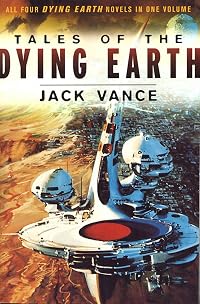
Here, in one volume, is Hugo, Nebula and World Fantasy Award-winning author Jack Vance's classic Dying Earth saga comprising The Dying Earth, The Eyes of the Overworld, Cugel's Saga and Rhialto the Marvellous. Travel to a far distant future, when the sun bleeds red in a dark sky, where magic and science is one, and the Earth has but a few short decades to live.Tags
Recommendations

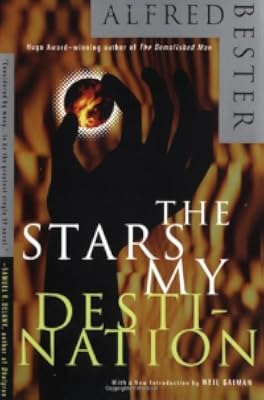
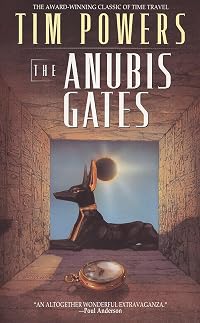
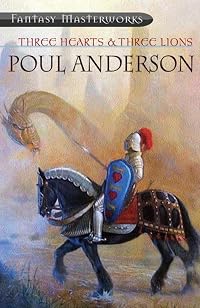

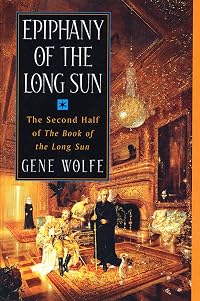




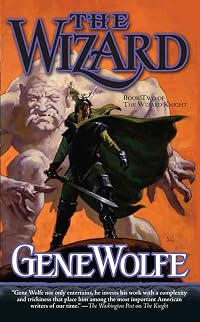
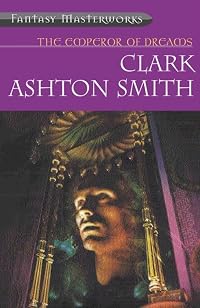

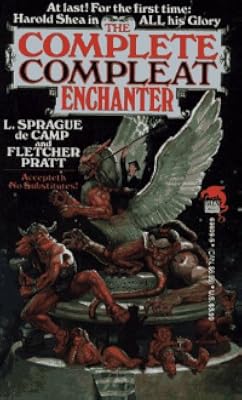


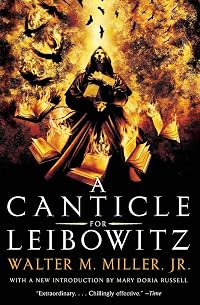
Member Recommendations


paradoxosalpha Pleasing and sardonic stories of adventure, under the shadow of an expiring cosmos (the Earth for Vance, the dreamers for Lumley).

Mordew by Alex Pheby
by tetrachromat
Member Reviews
Mi favorita entre toda la obra de Vance (Uno de mis libros favoritos realmente) Lo leí inicialmente en una traducción española bastante mala y aún así me enganchó pero creo que gana mucho al leerlo en inglés sobre todo porque descubres que Vance tenía estilo propio. No voy a decir que era un gran prosista pero sin duda era bastante mejor que el estilo plano que le imprimían las mediocres traducciones de los 80 y 90 (Realmente, muchos de los textos clásicos de la ciencia ficción están reclamando nuevas traducciones porque padecieron de adaptaciones infumables)
Este texto en concreto refleja las grandes virtudes de Vance, como su capacidad de imaginar (y describir) sociedades que nos resultan totalmente alienígenas pero aún show more así son comprensibles para el lector acompañado de un sentido del humor bastante retorcido (muestra, según dicen, de la influencia de Wodehouse en su obra) y de acción muy bien narrada que te empapa de un sentido de la aventura.
El libro en sí es la recopilación de cuatro libros (dos novelas y dos volúmenes de cuentos) ambientados en la Tierra Moribunda, una tierra en la que han transcurrido eones, el Sol está cerca de su final y que ha evolucionado a una serie de sociedades basadas en la magia (Podría ser algún tipo de superciencia pero en la serie se nos muestra claramente como magia, no hay descripciones reconocibles como ciencia ficción como las que nos muestra la serie de Gene Wolfe) De hecho, la magia es tan común que se ha convertido en parte de la vida cotidiana de los habitantes del mundo (Como nota curiosa, la magia aquí descrita fue una gran influencia sobre Gary Gygax y Dave Arneson en el desarrollo del sistema de magia de Dungeons & Dragons)
El primero de los libros (La tierra moribunda) es un recopilatorio de cuentos con un halo romántico, aventurero y fatalista que nos transmite bien esa sensación de un mundo que acerca a su final, mientras que el cuarto (Rhialto el Prodigioso) es tremendamente divertido al centrarse en las miserias y mezquindades de los magos de ese mundo en decadencia, pero creo que donde más brilla es en las dos breve novelas de tono picaresco centradas en el personaje de Cugel el astuto (Los ojos del sobremundo y La saga de Cugel). He leído algunas veces que se describe a Cugel como un antihéroe, pero creo que esa idea es completamente errónea. Muchos de los personajes de Vance se podría describir así (La caracterización nunca fue su fuerte) pero Cugel no es ningún antihéroe si no un hijo de puta con todas las letras, un miserable y un amoral carente de cualquier rasgo que le redima. Esto es mi opinión es el punto fuerte de las novelas. Encuentro comprensible que otros lectores lo hallen repulsivo (realmente lo es) pero creo que la gracia de estas novelas es seguir a ese ser en sus peripecias a través de una tierra que nos resulta completamente extraña (Michael Shea realizó un pastiche con otra aventura del personaje pero no la he leído)
En mi opinión, el mejor libro de Vance pero puede tanto absorber al lector como repelerle. show less
Este texto en concreto refleja las grandes virtudes de Vance, como su capacidad de imaginar (y describir) sociedades que nos resultan totalmente alienígenas pero aún show more así son comprensibles para el lector acompañado de un sentido del humor bastante retorcido (muestra, según dicen, de la influencia de Wodehouse en su obra) y de acción muy bien narrada que te empapa de un sentido de la aventura.
El libro en sí es la recopilación de cuatro libros (dos novelas y dos volúmenes de cuentos) ambientados en la Tierra Moribunda, una tierra en la que han transcurrido eones, el Sol está cerca de su final y que ha evolucionado a una serie de sociedades basadas en la magia (Podría ser algún tipo de superciencia pero en la serie se nos muestra claramente como magia, no hay descripciones reconocibles como ciencia ficción como las que nos muestra la serie de Gene Wolfe) De hecho, la magia es tan común que se ha convertido en parte de la vida cotidiana de los habitantes del mundo (Como nota curiosa, la magia aquí descrita fue una gran influencia sobre Gary Gygax y Dave Arneson en el desarrollo del sistema de magia de Dungeons & Dragons)
El primero de los libros (La tierra moribunda) es un recopilatorio de cuentos con un halo romántico, aventurero y fatalista que nos transmite bien esa sensación de un mundo que acerca a su final, mientras que el cuarto (Rhialto el Prodigioso) es tremendamente divertido al centrarse en las miserias y mezquindades de los magos de ese mundo en decadencia, pero creo que donde más brilla es en las dos breve novelas de tono picaresco centradas en el personaje de Cugel el astuto (Los ojos del sobremundo y La saga de Cugel). He leído algunas veces que se describe a Cugel como un antihéroe, pero creo que esa idea es completamente errónea. Muchos de los personajes de Vance se podría describir así (La caracterización nunca fue su fuerte) pero Cugel no es ningún antihéroe si no un hijo de puta con todas las letras, un miserable y un amoral carente de cualquier rasgo que le redima. Esto es mi opinión es el punto fuerte de las novelas. Encuentro comprensible que otros lectores lo hallen repulsivo (realmente lo es) pero creo que la gracia de estas novelas es seguir a ese ser en sus peripecias a través de una tierra que nos resulta completamente extraña (Michael Shea realizó un pastiche con otra aventura del personaje pero no la he leído)
En mi opinión, el mejor libro de Vance pero puede tanto absorber al lector como repelerle. show less
I'd been meaning to read Vance for decades, since first encountering his name in "Appendix N" from the back of the AD&D DM's guide many aeons ago:
"VANCE, JACK. THE EYES OF THE OVERWORLD; THE DYING EARTH; et al"
That's all it said - no description. What was meant by "Dying Earth" or "Eyes of the Overworld" I had no idea, but it sent my imagination soaring.
My first stop was my local library (back when they still used card indexes) - no Vance. I asked the librarian, and he made a phone call to see what he could access through an interlibrary loan. No Vance!
For years, whenever I would peruse a used bookstore (and I would investigate a great many!), I would look for Vance to no avail. Sometimes I would ask the bookseller in case I had missed show more his work buried on a shelf somewhere - and they would always give a little laugh, and let me know that Vance never tarried on their shelves for very long before going home with yet another reader.
Later, with the rise of e-commerce, I could search for Vance online - but even used his books always commanded a higher price than similar books I was looking for at the time, and my inner thrift would always lead me to choose the cheaper option, nonetheless keeping Vance in the back of my mind for future occasions. I even picked up a cheap copy of Songs of Dying Earth before I had my first Vance book, holding off on reading it until I could read the original stories first.
Eventually, as luck and decades of patience would have it, I did encounter Vance at a book sale - ten volumes, including both The Dying Earth and The Eyes of the Overworld . I read them Voraciously, and then immediately purchased this "compleat" collection of Vance's Tales of the Dying Earth, perhaps in part as a bit of penance for not more strenuously seeking him out in the years before!
After the first Tale in The Dying Earth I could tell he would become a new favourite author, and every subsequent story I read further cemented this opinion. The originality, the humour, the subtlety - I would often pause after a few paragraphs to reflect on what I had just read and let my imagination run wild. It seemed that every few minutes I was encountering the unequalled original thoughts which inspired so much of the Fantasy fiction and roleplaying games that followed.
Each of the four books offer something in which they individually excel at: The Dying Earth has a structure where a secondary character from one story becomes the protagonist in the next - and I wish Vance had written more stories in a similar vein. The Eyes of the Overworld explores the world of Dying Earth in greater detail, and introduces us to Cugel the Clever, one of the more memorable rogues in Science Fiction & Fantasy. Cugel's Saga continues Cugel's quest where it left off in the previous book, though written nearly two decades later. Reading the books back to back shows just how much Vance has developed as a writer. While still Picaresque, Cugel is written as more of a sympathetic character - his schemes are now usually as a result of him being wronged in someway (even if his response winds up being, whether intentional or not, rather disproportionate). Also, rather than explicitly stating his guilt as often occurred in the previous novel, here his guilt is written in such away that the door to innocence is left slightly ajar, as unlikely as it may be, and despite implications to the contrary! Rhialto the Marvelous explores the workings of Dying Earth's "magic," through the lens of the most powerful remaining sorcerers of it's age, as vain and petty as they are. Rhialto's stories are the weakest in the series, and suffer largely in comparison to the high standard of the Cugel tales, but are nonetheless well worth reading and are entertaining in their own distinct way.
Ranking the Tales in descending order of preference:
1. Cugel's Saga
2. The Dying Earth
3. The Eyes of the Overworld
4. Rhialto the Marvelous show less
"VANCE, JACK. THE EYES OF THE OVERWORLD; THE DYING EARTH; et al"
That's all it said - no description. What was meant by "Dying Earth" or "Eyes of the Overworld" I had no idea, but it sent my imagination soaring.
My first stop was my local library (back when they still used card indexes) - no Vance. I asked the librarian, and he made a phone call to see what he could access through an interlibrary loan. No Vance!
For years, whenever I would peruse a used bookstore (and I would investigate a great many!), I would look for Vance to no avail. Sometimes I would ask the bookseller in case I had missed show more his work buried on a shelf somewhere - and they would always give a little laugh, and let me know that Vance never tarried on their shelves for very long before going home with yet another reader.
Later, with the rise of e-commerce, I could search for Vance online - but even used his books always commanded a higher price than similar books I was looking for at the time, and my inner thrift would always lead me to choose the cheaper option, nonetheless keeping Vance in the back of my mind for future occasions. I even picked up a cheap copy of Songs of Dying Earth before I had my first Vance book, holding off on reading it until I could read the original stories first.
Eventually, as luck and decades of patience would have it, I did encounter Vance at a book sale - ten volumes, including both The Dying Earth and The Eyes of the Overworld . I read them Voraciously, and then immediately purchased this "compleat" collection of Vance's Tales of the Dying Earth, perhaps in part as a bit of penance for not more strenuously seeking him out in the years before!
After the first Tale in The Dying Earth I could tell he would become a new favourite author, and every subsequent story I read further cemented this opinion. The originality, the humour, the subtlety - I would often pause after a few paragraphs to reflect on what I had just read and let my imagination run wild. It seemed that every few minutes I was encountering the unequalled original thoughts which inspired so much of the Fantasy fiction and roleplaying games that followed.
Each of the four books offer something in which they individually excel at: The Dying Earth has a structure where a secondary character from one story becomes the protagonist in the next - and I wish Vance had written more stories in a similar vein. The Eyes of the Overworld explores the world of Dying Earth in greater detail, and introduces us to Cugel the Clever, one of the more memorable rogues in Science Fiction & Fantasy. Cugel's Saga continues Cugel's quest where it left off in the previous book, though written nearly two decades later. Reading the books back to back shows just how much Vance has developed as a writer. While still Picaresque, Cugel is written as more of a sympathetic character - his schemes are now usually as a result of him being wronged in someway (even if his response winds up being, whether intentional or not, rather disproportionate). Also, rather than explicitly stating his guilt as often occurred in the previous novel, here his guilt is written in such away that the door to innocence is left slightly ajar, as unlikely as it may be, and despite implications to the contrary! Rhialto the Marvelous explores the workings of Dying Earth's "magic," through the lens of the most powerful remaining sorcerers of it's age, as vain and petty as they are. Rhialto's stories are the weakest in the series, and suffer largely in comparison to the high standard of the Cugel tales, but are nonetheless well worth reading and are entertaining in their own distinct way.
Ranking the Tales in descending order of preference:
1. Cugel's Saga
2. The Dying Earth
3. The Eyes of the Overworld
4. Rhialto the Marvelous show less
Cugel the Clever, protagonist of “The Eyes of the Overworld”, is one of the finest characters in SF. The prose is also marvellous. Cugel hugely entertaining and immoral character and seeing him get his comeuppance when his plans fail is always fun.
The following comes from the sequel, titled “Cugel’s Saga”, but gives an idea of the tone:
‘Faucelme returned, shaking his head in puzzlement. He seated himself in his chair and resumed his reading. Cugel came up behind him, looped the rope around his chest, again and again, and it seemed as if the rope would never exhaust the coil. Faucelme was presently trussed up in a cocoon of rope.
At last Cugel revealed himself. Faucelme looked him up and down, in curiosity rather than rancor, show more then asked: "May I inquire the reason for this visit?"
"It is simple stark fear," said Cugel. "I dare not pass the night out of doors, so I have come to your house for shelter."
"And the ropes?" Faucelme looked down at the web of strands which bound him into the chair.
"I would not care to offend you with the explanation," said Cugel.
"Would the explanation offend me more than the ropes?"
Cugel frowned and tapped his chin. "Your question is more profound than it might seem, and verges into the ancient analyses of the Ideal versus the Real."
Faucelme sighed. "Tonight I have no zest for philosophy. You may answer my question in terms which proximate the Real."
"In all candour, I have forgotten the question," said Cugel.
"I will re-phrase it in words of simple structure. Why have you tied me to my chair, rather than entering by the door?"
"At your urging then, I will reveal an unpleasant truth. Your reputation is that of a sly and unpredictable villain with a penchant for morbid tricks."
Faucelme gave a sad grimace. "In such a case my bare denial carries no great weight. Who are my detractors?"
Cugel smilingly shook his head. "As a gentleman of honour I must reserve this information."
"Aha indeed!" said Faucelme, and became reflectively silent.’
“I understand the gist of your speculation,' said Rhialto. 'It is most likely nuncupatory.”
in "Rhialto the Marvellous" by Jack Vance
Vance is a peerless creator of genuinely unearthly mindscapes. “The Dying Earth”, whilst wonderful and much more thoroughly developed, owes a fair amount of basic inspiration to Clark Ashton Smith's “Zothique”, (not a book so much as a setting for a number of his short stories) also set at the end of time amid feuding magicians and a red sun (if I recall correctly). Smith was a poet who wrote horror/fantasy during the depression to make ends meet, his prose is highly stylised and may be hard to take for some contemporary readers (though not to the same extent as Hodgson's “The Night Land” - I would recommend anyone interest in but unfamilar with Hodgson's trying his classic “House on the Borderland” first), but will be enjoyably different for others.
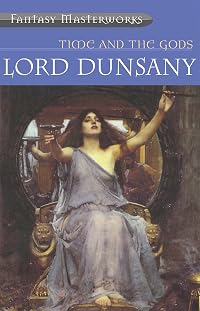
Vance was my main excuse for spending so much time, and surprisingly little money, in dusty bookshops as a teenager. I still have a dog-eared 'Cugel's Saga' (could not find it for this post though; above the picture of my 2000’s edition from the Fantasy Masterworks Series), a great delight after many re-reads and I'm glad to see Vance getting some praise in this day and age of fast food novels. “Cugel's Saga” should be compulsory just for the style and use of language.
If one wants to summarise this work, imagine that your world is dying. Without authority, valid and morally true, the human response to global environmental change will be too little, too late. And then there will be the next war. It is a social dilemma, a problem of collective action. A lack of global soul. Starting to see where we're headed...?
I hope I am not saying anything new by saying that this satirical humor classic is a true masterpiece of anti-heroic fantasy. In the last days of the world of “The Dying Earth”, people have no purpose in life, they just want to pursue pleasure and live comfortably until the sun goes out (which could happen literally any minute). Among the ruins of ancient civilizations, no one needs to be without wherewithal. And the richest in the declining world are those who possess the magical objects of the ancestors(*). Cugel's goal is no other than to acquire such a collection. As a result, he must go half way around the world. The traveler - who is usually driven to this tiring and dangerous occupation by compulsion - can come across isolated communities following grotesque customs all over the world, which are not labeled as "exotic", rather they should be called unearthly bizarre. And this is perfectly suited for the author to juxtapose the wildest ideas in a picaresque manner. It's also part of Vance's style that virtually every single one of his characters is ridiculously obnoxious. Magnificent, hypocritical characters try to deceive each other in the middle of uplifting speeches, but they get themselves into tragic situations more than once. In short, this omnibus edition should be read quite differently from either old or contemporary epic fantasy novels, but in any case it’s still much better than most of the crap being published nowadays.
Across all the worlds of Vance, from Tschai with its mix of incomers, the insectoid Chasch, the aquatic Wankh (oh how I laughed), and the feral Dirdir, and not forgetting the indigenous and antic Pnume to Maske: Thaery where Jubal Droad sought his fortune as a Thariot spy. From Cadwal with its Conservancy, its strictly controlled numbers, and its fecund and furious wildlife to Sarkoy with its steppes and its nomads, poisoners and shamans worship Godogma, who carries a flower and a flail and walks on wheels, no plant is a s strange as Old Earth, as the dying Earth.
Old Earth where Wayness sought the original Charter from the cities and manses of Europe to the windswept towns of Patagonia pursued by Benjamin a Yip with rape and murder on his mind. Od Earth where Lyonesse lay in warmer southern waters and magicians and witches and malign green pearls were found. Old Earth, a dying Earth with red and flickering sun. The home of Rhialto and lIdefonse, both magicians, of Shrue, a diabolist, of Vermoulian the Dream Walker, and Mune the Mage. But also of the Murthe, a witch, whose ensqualmation was turning men into women and boys into girls.
But there is an emergency on Old Earth! So Cugel the cliometrician, the chaotist and catastrophist, has crawled out of his slumber, woken from his coma, and taken up his trade again. He has strung his fiaps and called his cantrips, raised the dead as he is himself but a ghost. By the power of Gwydion and of Math in all his forms, computationally and cognitively, embodied and entangled. Using both strangeness and charm he will work his weird way and try and answer nature's call.
The great thing is that Vance has been so bloody prolific it takes years to read through his stuff, though happily most of it comes in bite-sized pieces. I too will never be able to afford the Vance Integral Edition, but there is a lot of pleasure to be had collecting the old 1960s pulp editions for mere pennies.
Jack Vance is one of the most influential of fantasy masters with a chilling ability to hide cruelty and horror behind an amusing or bizarre phrase. A brilliant and funny prose stylist. Wodehouse and Twain fit in there somewhere, but Vance is still unique. In a funny sort of way I am pleased that he will remain a minority interest.
NB(*): In role-playing games, the wizard of Vance, who memorizes spells and then completely forgets them after saying them, is a kind of commonplace, but this work is not primarily about that. In the Dying Earth, anyone can become a wizard if they collect enough magic items and magic books. Whether he can use these treasures wisely is another question... as Cugel will find out.
Book Review Jack Vance SF = Speculative Fiction Vance show less
The following comes from the sequel, titled “Cugel’s Saga”, but gives an idea of the tone:
‘Faucelme returned, shaking his head in puzzlement. He seated himself in his chair and resumed his reading. Cugel came up behind him, looped the rope around his chest, again and again, and it seemed as if the rope would never exhaust the coil. Faucelme was presently trussed up in a cocoon of rope.
At last Cugel revealed himself. Faucelme looked him up and down, in curiosity rather than rancor, show more then asked: "May I inquire the reason for this visit?"
"It is simple stark fear," said Cugel. "I dare not pass the night out of doors, so I have come to your house for shelter."
"And the ropes?" Faucelme looked down at the web of strands which bound him into the chair.
"I would not care to offend you with the explanation," said Cugel.
"Would the explanation offend me more than the ropes?"
Cugel frowned and tapped his chin. "Your question is more profound than it might seem, and verges into the ancient analyses of the Ideal versus the Real."
Faucelme sighed. "Tonight I have no zest for philosophy. You may answer my question in terms which proximate the Real."
"In all candour, I have forgotten the question," said Cugel.
"I will re-phrase it in words of simple structure. Why have you tied me to my chair, rather than entering by the door?"
"At your urging then, I will reveal an unpleasant truth. Your reputation is that of a sly and unpredictable villain with a penchant for morbid tricks."
Faucelme gave a sad grimace. "In such a case my bare denial carries no great weight. Who are my detractors?"
Cugel smilingly shook his head. "As a gentleman of honour I must reserve this information."
"Aha indeed!" said Faucelme, and became reflectively silent.’
“I understand the gist of your speculation,' said Rhialto. 'It is most likely nuncupatory.”
in "Rhialto the Marvellous" by Jack Vance
Vance is a peerless creator of genuinely unearthly mindscapes. “The Dying Earth”, whilst wonderful and much more thoroughly developed, owes a fair amount of basic inspiration to Clark Ashton Smith's “Zothique”, (not a book so much as a setting for a number of his short stories) also set at the end of time amid feuding magicians and a red sun (if I recall correctly). Smith was a poet who wrote horror/fantasy during the depression to make ends meet, his prose is highly stylised and may be hard to take for some contemporary readers (though not to the same extent as Hodgson's “The Night Land” - I would recommend anyone interest in but unfamilar with Hodgson's trying his classic “House on the Borderland” first), but will be enjoyably different for others.
Vance was my main excuse for spending so much time, and surprisingly little money, in dusty bookshops as a teenager. I still have a dog-eared 'Cugel's Saga' (could not find it for this post though; above the picture of my 2000’s edition from the Fantasy Masterworks Series), a great delight after many re-reads and I'm glad to see Vance getting some praise in this day and age of fast food novels. “Cugel's Saga” should be compulsory just for the style and use of language.
If one wants to summarise this work, imagine that your world is dying. Without authority, valid and morally true, the human response to global environmental change will be too little, too late. And then there will be the next war. It is a social dilemma, a problem of collective action. A lack of global soul. Starting to see where we're headed...?
I hope I am not saying anything new by saying that this satirical humor classic is a true masterpiece of anti-heroic fantasy. In the last days of the world of “The Dying Earth”, people have no purpose in life, they just want to pursue pleasure and live comfortably until the sun goes out (which could happen literally any minute). Among the ruins of ancient civilizations, no one needs to be without wherewithal. And the richest in the declining world are those who possess the magical objects of the ancestors(*). Cugel's goal is no other than to acquire such a collection. As a result, he must go half way around the world. The traveler - who is usually driven to this tiring and dangerous occupation by compulsion - can come across isolated communities following grotesque customs all over the world, which are not labeled as "exotic", rather they should be called unearthly bizarre. And this is perfectly suited for the author to juxtapose the wildest ideas in a picaresque manner. It's also part of Vance's style that virtually every single one of his characters is ridiculously obnoxious. Magnificent, hypocritical characters try to deceive each other in the middle of uplifting speeches, but they get themselves into tragic situations more than once. In short, this omnibus edition should be read quite differently from either old or contemporary epic fantasy novels, but in any case it’s still much better than most of the crap being published nowadays.
Across all the worlds of Vance, from Tschai with its mix of incomers, the insectoid Chasch, the aquatic Wankh (oh how I laughed), and the feral Dirdir, and not forgetting the indigenous and antic Pnume to Maske: Thaery where Jubal Droad sought his fortune as a Thariot spy. From Cadwal with its Conservancy, its strictly controlled numbers, and its fecund and furious wildlife to Sarkoy with its steppes and its nomads, poisoners and shamans worship Godogma, who carries a flower and a flail and walks on wheels, no plant is a s strange as Old Earth, as the dying Earth.
Old Earth where Wayness sought the original Charter from the cities and manses of Europe to the windswept towns of Patagonia pursued by Benjamin a Yip with rape and murder on his mind. Od Earth where Lyonesse lay in warmer southern waters and magicians and witches and malign green pearls were found. Old Earth, a dying Earth with red and flickering sun. The home of Rhialto and lIdefonse, both magicians, of Shrue, a diabolist, of Vermoulian the Dream Walker, and Mune the Mage. But also of the Murthe, a witch, whose ensqualmation was turning men into women and boys into girls.
But there is an emergency on Old Earth! So Cugel the cliometrician, the chaotist and catastrophist, has crawled out of his slumber, woken from his coma, and taken up his trade again. He has strung his fiaps and called his cantrips, raised the dead as he is himself but a ghost. By the power of Gwydion and of Math in all his forms, computationally and cognitively, embodied and entangled. Using both strangeness and charm he will work his weird way and try and answer nature's call.
The great thing is that Vance has been so bloody prolific it takes years to read through his stuff, though happily most of it comes in bite-sized pieces. I too will never be able to afford the Vance Integral Edition, but there is a lot of pleasure to be had collecting the old 1960s pulp editions for mere pennies.
Jack Vance is one of the most influential of fantasy masters with a chilling ability to hide cruelty and horror behind an amusing or bizarre phrase. A brilliant and funny prose stylist. Wodehouse and Twain fit in there somewhere, but Vance is still unique. In a funny sort of way I am pleased that he will remain a minority interest.
NB(*): In role-playing games, the wizard of Vance, who memorizes spells and then completely forgets them after saying them, is a kind of commonplace, but this work is not primarily about that. In the Dying Earth, anyone can become a wizard if they collect enough magic items and magic books. Whether he can use these treasures wisely is another question... as Cugel will find out.
Book Review Jack Vance SF = Speculative Fiction Vance show less
This collection of four books, sharing the same setting, appears on the famous-in-certain-circles "Appendix N": the "inspirational and educational reading" section of one of the early D&D rulebooks. (In fact, D&D's technique of spells needing to be memorised each day, then being forgotten when they are cast is known a "Vancian magic", after the author of this book). Vance mostly obliterates the line between antagonist and protagonist, so if you like to root for the main characters when you read, this probably isn't your book. Pretty much all the characters are selfish and, at best, kind of dickish, but still fascinating. Likewise, if you are looking for strong, or even slightly two-dimensional female characters, look elsewhere, as there show more are none to be found here.
The collection contains four books, written over wide timespan. The first of these, a collection of stories from 1950 clearly stands above the others, featuring a chain of characters, where a secondary character in one story becomes the main character of the next. The last (1984), also episodic, features the same cabal of characters and also shines. The center pair, which follow a single scumbag's misadventures, still entertain, but less strongly than the others.
All the characters in the last days of the earth speak in stylised language, which will have you saying things like "I do not care to listen; obloquy injures my self-esteem and I am skeptical of praise" for weeks after reading (though, I confess using my Kindle's dictionary lookup feature a lot while reading this one). This style, particularly the dialogue, make this book a delightful read, even when (especially when) all the characters are out to sabotage each other. show less
The collection contains four books, written over wide timespan. The first of these, a collection of stories from 1950 clearly stands above the others, featuring a chain of characters, where a secondary character in one story becomes the main character of the next. The last (1984), also episodic, features the same cabal of characters and also shines. The center pair, which follow a single scumbag's misadventures, still entertain, but less strongly than the others.
All the characters in the last days of the earth speak in stylised language, which will have you saying things like "I do not care to listen; obloquy injures my self-esteem and I am skeptical of praise" for weeks after reading (though, I confess using my Kindle's dictionary lookup feature a lot while reading this one). This style, particularly the dialogue, make this book a delightful read, even when (especially when) all the characters are out to sabotage each other. show less
I had been looking forward to delving into Vance's work for a while and I have to say I was kind of disappointed. It's interesting in an "early science fiction/fantasy" way (you can really see where the bones of a lot of Dungeons and Dragons came from), but by the end it feels like a death by a thousand cuts, among them: Vance's female characters (dated chauvinist caricatures at best, what feels like poorly-veiled misogyny at worst), Vance's grandiloquent writing voice (every character talks like the same pontificating wizard), Vance's often bizarre plotting (I understand Eyes of the Overworld and Cugel's Saga were written years apart, but the transition from the ending of Eyes to the beginning of Saga made me want to scream)...I could show more go on but I'm tired of thinking about this book.
Overall, this feels interesting and imaginative, like a peek into an alternate timeline where the Lord of the Rings was never written (in a way it kind of is), but it also feels like something that's been done in a more interesting (or maybe just more palatable) way by people like Gene Wolfe. show less
Overall, this feels interesting and imaginative, like a peek into an alternate timeline where the Lord of the Rings was never written (in a way it kind of is), but it also feels like something that's been done in a more interesting (or maybe just more palatable) way by people like Gene Wolfe. show less
This really scared me at first. I had always heard it was great. Then I started listening to it. The narrator sounded kind of strange but it wasn't only him. The dialogue was so B movie, I just kept thinking this sounds like very 15-year-old role player trying to do serious role-playing. It was SOOOOO bad. I thought I might give up.
Then it started to grow on me and I think it got better too. THEN it got great. Vance has a vocabulary topped by none in the sci-fi field. He strings together 10 words you've never heard used before and the shocking thing is that you know what he meant at the end. It's not like Shakespeare where you're just left clueless and have to read it over 12 times to get 65% comprehension. This is the real deal.
I'm not show more saying that I would want all sci-fi fantasy to read like this but it's an incredible achievement that I would think even the most accomplished writers would have trouble duplicating.
The funny thing is that it really reminded me of the movie Heavy Metal. So if you wrote Heavy Metal as a novel this would be it. Even down to the "many short stories with a kind of common theme/setting". I do have a soft spot for the Heavy Metal movie (it had cartoon boobs, that may have been part of it).
Anyway, the moral of this story/review is: Don't give up. It gets better. Or at least it did for me. show less
Then it started to grow on me and I think it got better too. THEN it got great. Vance has a vocabulary topped by none in the sci-fi field. He strings together 10 words you've never heard used before and the shocking thing is that you know what he meant at the end. It's not like Shakespeare where you're just left clueless and have to read it over 12 times to get 65% comprehension. This is the real deal.
I'm not show more saying that I would want all sci-fi fantasy to read like this but it's an incredible achievement that I would think even the most accomplished writers would have trouble duplicating.
The funny thing is that it really reminded me of the movie Heavy Metal. So if you wrote Heavy Metal as a novel this would be it. Even down to the "many short stories with a kind of common theme/setting". I do have a soft spot for the Heavy Metal movie (it had cartoon boobs, that may have been part of it).
Anyway, the moral of this story/review is: Don't give up. It gets better. Or at least it did for me. show less
I feel the need to give warning to the world...
My main warning -don't feel compelled to read it in the ascribed chronological order!
The only books that are in any order are Eyes of the Overworld and Cugel's Saga.
The other two have not much to do with these two. All of these novels are compilations of shorter works.
The first novel, the one entitled The Dying Earth is a wonderful, creepy, occasionally sad thing that deserves all the praise it usually gets. It has that kind of energy one might get from reading something like Japanese ghost stories. Vance said he had Russian folktales in mind when he wrote it. He often has an offbeat imagination, and it's on great display here. This novel also features the elegant, baroque, prose style that show more he is famous for ( it's less present in the following novels -pretty much absent from Cugel's Saga).
Rhialto the Marvelous is 3 tales of a group of wizards, and their various exploits. Very entertaining fantasy read. Rhialto and his compatriots are much more compelling than Cugel, whom you would have encountered first if you read the novels in their supposed order.
Eyes of the Overworld introduces one of the most charmless rogue characters that I have come across in all of the fiction I've read -the above mentioned Cugel. The novel has evocative episodes, but is not as compelling as TDE and RtM.
After finishing EotO, I had some trepidation in starting a novel 3 times larger than the other 3, entitled Cugel's Saga.I wish I had trusted my instincts. This is essentially a large collection of short pieces featuring the unloveable plot mechanism that is Cugel. I'll grant it's occasionally funny, but it quickly wears out it's welcome, as Cugel haggles over inn and tavern bills, and terms of employment, ad nauseum, each vignette ending with him being "run out of town on a rail"
Imagine one of the less funny Warner Brothers cartoons,with a running time of 3 hours.
It took an eternity to finish this. Reading it was like riding on a merry go round for a week.
So, in recommended reading order and with my evaluation, for what it's worth:
The Dying Earth****
Rhialto the Marvelous***1/2
Eyes of the Overworld***
Cugels' Saga *1/2 - this one is an infuriating waste of time; parts of it are nothing more than creative typing, to my eye
The Dying Earth is the must read.
If you skip Cugel's Saga, your life would not be the less for it,IMO.
The other two are entertaining - Rhialto the Marvelous and Eyes of the Overworld. I'm pretty sure EotO will fill all your Cugel needs. Cugel's Saga does conclude the story, but in an inconsistent, somewhat lazy, and unsatisfactory fashion.
We're talking about over 700 pages of reading here if you read the whole thing. More than half of your reading time will be spent with Ol' Cugel. You've been warned. As a character, he does not merit the attention. show less
My main warning -don't feel compelled to read it in the ascribed chronological order!
The only books that are in any order are Eyes of the Overworld and Cugel's Saga.
The other two have not much to do with these two. All of these novels are compilations of shorter works.
The first novel, the one entitled The Dying Earth is a wonderful, creepy, occasionally sad thing that deserves all the praise it usually gets. It has that kind of energy one might get from reading something like Japanese ghost stories. Vance said he had Russian folktales in mind when he wrote it. He often has an offbeat imagination, and it's on great display here. This novel also features the elegant, baroque, prose style that show more he is famous for ( it's less present in the following novels -pretty much absent from Cugel's Saga).
Rhialto the Marvelous is 3 tales of a group of wizards, and their various exploits. Very entertaining fantasy read. Rhialto and his compatriots are much more compelling than Cugel, whom you would have encountered first if you read the novels in their supposed order.
Eyes of the Overworld introduces one of the most charmless rogue characters that I have come across in all of the fiction I've read -the above mentioned Cugel. The novel has evocative episodes, but is not as compelling as TDE and RtM.
After finishing EotO, I had some trepidation in starting a novel 3 times larger than the other 3, entitled Cugel's Saga.I wish I had trusted my instincts. This is essentially a large collection of short pieces featuring the unloveable plot mechanism that is Cugel. I'll grant it's occasionally funny, but it quickly wears out it's welcome, as Cugel haggles over inn and tavern bills, and terms of employment, ad nauseum, each vignette ending with him being "run out of town on a rail"
Imagine one of the less funny Warner Brothers cartoons,with a running time of 3 hours.
It took an eternity to finish this. Reading it was like riding on a merry go round for a week.
So, in recommended reading order and with my evaluation, for what it's worth:
The Dying Earth****
Rhialto the Marvelous***1/2
Eyes of the Overworld***
Cugels' Saga *1/2 - this one is an infuriating waste of time; parts of it are nothing more than creative typing, to my eye
The Dying Earth is the must read.
If you skip Cugel's Saga, your life would not be the less for it,IMO.
The other two are entertaining - Rhialto the Marvelous and Eyes of the Overworld. I'm pretty sure EotO will fill all your Cugel needs. Cugel's Saga does conclude the story, but in an inconsistent, somewhat lazy, and unsatisfactory fashion.
We're talking about over 700 pages of reading here if you read the whole thing. More than half of your reading time will be spent with Ol' Cugel. You've been warned. As a character, he does not merit the attention. show less
Members
- Recently Added By
Lists

Fantasy Masterworks
66 works; 5 members

Favourite Science Fantasy Books
49 works; 6 members

S.F. Masterworks (Complete)
229 works; 15 members

20th Century Literature
1,161 works; 55 members

Favourite Books
1,819 works; 316 members

Otherland Book Club
36 works; 2 members

Classics of Fantasy
14 works; 2 members

Isaac Arthur’s Book Recommendations
98 works; 3 members

Favorite Science Fiction
456 works; 218 members
Author Information

374+ Works 34,860 Members
John Holbrook Vance (August 28, 1916 - May 26, 2013) was an American mystery, fantasy and science fiction writer. Most of his work was published under the name Jack Vance. He also wrote 11 mystery novels as John Holbrook Vance and three as Ellery Queen, and once each used pseudonyms Alan Wade, Peter Held, John van See, and Jay Kavanse. Vance won show more the World Fantasy Award for Life Achievement in 1984. The Science Fiction Hall of Fame inducted him in 2001. Among his awards for particular works were: Hugo Awards, in 1963 for The Dragon Masters, in 1967 for The Last Castle, and in 2010 for his memoir This is Me, Jack Vance!; a Nebula Award in 1966, also for The Last Castle; the Jupiter Award in 1975; the World Fantasy Award in 1990 for Lyonesse: Madouc. He also won an Edgar (the mystery equivalent of the Nebula) for the best first mystery novel in 1961 for The Man in the Cage. He died at his home in Oakland, California, on May 26, 2013, aged 96. (Bowker Author Biography) show less
Some Editions
Awards and Honors
Notable Lists
Series

Belongs to Publisher Series
Work Relationships
Contains
Inspired
Common Knowledge
- Canonical title
- Tales of the Dying Earth
- Alternate titles
- The Compleat Dying Earth
- Original publication date
- 2000
- People/Characters
- Turjan of Miir; Pandelume; T'sais of Embelyon; T'sain; Etarr; Javanne (show all 19); Mazirian the Magician; Azvan the Astronomer; Liane the Wayfarer; Lith of Ariventa; Chun the Unavoidable; Prince Kandive the Golden; Ulan Dhor; Elai; Guyal of Sfere; Shierl of Saponce; Cugel the Clever; Ioucounu the Laughing Magician; Rhialto the Marvelous
- Important places
- Dying Earth
- First words
- Turjan sat in his workroom, legs sprawled out from the stool, back against and elbows on the bench. (The Dying Earth)
On the heights above the River Xzan, at the site of certain ancient ruins, Iocounu the Laughing Magician had built a manse to his private taste: an eccentric structure of steep gables, balconies, sky-walks, cupolas, together ... (show all)with three spiral green glass towers through which the red sunlight shone in twisted glints and peculiar colors. (The Eyes of the Overworld)
Iocounu (known across Almery as 'the Laughing Magician') had worked one of his most mordant jokes upon Cugel. (Cugel's Saga)
These are the tales of the 21st Aeon, when Earth is old and the sun is about to go out. (Rhialto the Marvellous) - Last words
- (Click to show. Warning: May contain spoilers.)"What shall we do ..." (The Dying Earth)
(Click to show. Warning: May contain spoilers.)Cugel sat looking out over the sea. (The Eyes of the Overworld)
(Click to show. Warning: May contain spoilers.)"Let the feast proceed!" (Cugel's Saga)
(Click to show. Warning: May contain spoilers.)"Next, the tile of the great hall ..." (Rhialto the Marvellous) - Blurbers
- Pratchett, Terry; Feist, Raymond E.
- Original language
- English
- Canonical DDC/MDS
- 813.087662
- Disambiguation notice
- Omnibus of the four Dying Earth books: "The Dying Earth", "The Eyes of the Overworld", "Cugel's Saga", and "Rhialto the Marvellous".
Classifications
- Genres
- Fiction and Literature, Science Fiction, Fantasy
- DDC/MDS
- 813.087662 — Literature & rhetoric American literature in English American fiction in English By type Genre fiction Adventure fiction Speculative fiction Fantasy Sword and Sorcery
- LCC
- PS3572 .A424 — Language and Literature American literature American literature Individual authors 1961-
- BISAC
Statistics
- Members
- 2,099
- Popularity
- 9,822
- Reviews
- 41
- Rating
- (3.92)
- Languages
- Dutch, English, Italian, Polish
- Media
- Paper, Ebook
- ISBNs
- 6
- ASINs
- 7