The Grand Strategy of the Roman Empire: From the First Century A.D. to the Third
by Edward N. Luttwak
On This Page
Description
"At the height of its power, the Roman Empire encompassed the entire Mediterranean basin, extending much beyond it from Britain to Mesopotamia, from the Rhine to the Black Sea. Rome prospered for centuries while successfully resisting attack, fending off everything from overnight robbery raids to full-scale invasion attempts by entire nations on the move. How were troops able to defend the Empire's vast territories from constant attacks? And how did they do so at such moderate cost that show more their treasury could pay for an immensity of highways, aqueducts, amphitheaters, city baths, and magnificent temples? In The Grand Strategy of the Roman Empire, seasoned defense analyst Edward N. Luttwak reveals how the Romans were able to combine military strength, diplomacy, and fortifications to effectively respond to changing threats. Rome's secret was not ceaseless fighting, but comprehensive strategies that unified force, diplomacy, and an immense infrastructure of roads, forts, walls, and barriers. Initially relying on client states to buffer attacks, Rome moved to a permanent frontier defense around 117 CE. Finally, as barbarians began to penetrate the empire, Rome filed large armies in a strategy of "defense-in-depth," allowing invaders to pierce Rome's borders. This updated edition has been extensively revised to incorporate recent scholarship and archeological findings. A new preface explores Roman imperial statecraft. This illuminating book remains essential to both ancient historians and students of modern strategy"-- show lessTags
Recommendations









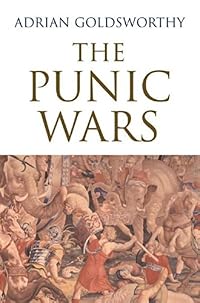
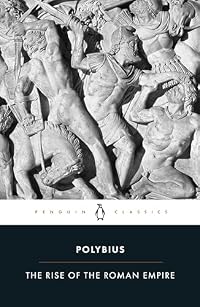


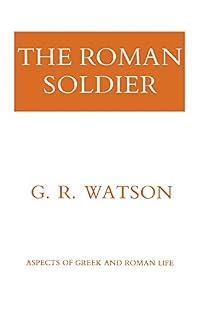



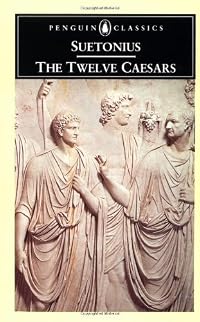




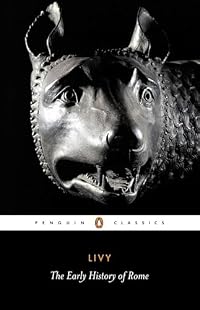
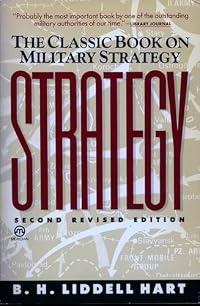


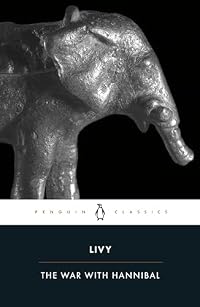












Member Recommendations
AndreasJ Mattern offers a quite different take on Roman imperial strategy.
Member Reviews
Overall, I found this book to be very interesting and informative. While written in a more academic style, it was still relatively easy to follow and read. The book provided a good overview of Roman military strategy, military policy, and related concepts. Topics covered include how Rome dealt with client kingdoms, the general ideas over placement of legions, fortifications, and size and composition of the military. Definitely worth reading if you're interested in Roman military history.
Very interesting. A overview of the organization and goals of the Roman military through the various stages of the empire. Other histories of Rome just note a decline in the military strength of the army leading to the eventual downfall. This book notes the ways in which conditions changed both within the empire and with its enemies over the centuries. When Rome was most in control, its military was actually smaller, as was the territory. The control was indirect, through client states that took on most of the cost and burden of small scale defense. As time went on, Rome conquered the clients and incorporated the client states along with the costs of the defense. The armies grew larger to provide the defense and less mobile because show more there were no clients to occupy enemies while Rome maneuvered its legions into position. The legions were replaced with local troops that needed to be spread all along the larger borders. The armies and costs got larger while security actually declined.
Then civil wars came with various generals pulling troops from these border defenses to fight each other, weakening the border defenses. At the same time, the enemies at the borders were getting stronger with the Parthian empire being replaced by the Sassinid empire in the east and the various scattered barbarian tribes joining together into larger confederations in the west. Further changes were made to a defense in depth strategy that allowed incursions of the enemy into the borders. This was effective to defend the core of the empire, or at least the emperor and his control, but it left the populace open to attacks and forced them to abandon lands away from defenses, no small independent farms far away from fortresses. The people payed heavily in taxes for less defense and the empire began to seem like more trouble than it was worth. Interesting thoughts backed up by research into records of the times. show less
Then civil wars came with various generals pulling troops from these border defenses to fight each other, weakening the border defenses. At the same time, the enemies at the borders were getting stronger with the Parthian empire being replaced by the Sassinid empire in the east and the various scattered barbarian tribes joining together into larger confederations in the west. Further changes were made to a defense in depth strategy that allowed incursions of the enemy into the borders. This was effective to defend the core of the empire, or at least the emperor and his control, but it left the populace open to attacks and forced them to abandon lands away from defenses, no small independent farms far away from fortresses. The people payed heavily in taxes for less defense and the empire began to seem like more trouble than it was worth. Interesting thoughts backed up by research into records of the times. show less
This is a masterly analysis of the way in which the Romans waged their wars after the Augustan coup. It is equipped with a good set of maps to illustrate the points he wishes to make. I think it should be included in all the courses on the empire. He outlines the three main periods of Imperial history and sets out which grand strategical ideas were prevalent on which of the Roman Empire's military fronts. This a very useful book and sets us all up for his similar treatment of the Byzantines that he published later.
Imperial Rome grew, not by constant aggression, but under detailed, conservative husbanding of force & diplomacy. A modern classic in security studies & international affairs.
While it's probably not a good book to start with if you know nothing of the Roman Empire and it's Army, this is a interesting book. Luttwak examines the strategy of the Empire in a modern way, looking at how Rome achieved a economy of force while trying to protect it's citizens/subjects from outside forces that would impact taxes.
Ratings
Members
- Recently Added By
Lists

Best Roman Empire Books
49 works; 17 members

Tim's Analytical History List
11 works; 1 member
Author Information

35+ Works 2,294 Members
Edward N. Luttwak is a senior associate of the Center for Strategic and International Studies. A longtime strategic and security consultant to U.S. government departments, the armed services, and friendly governments, he is the author of The Grand Strategy of the Byzantine Empire, among other books.
Common Knowledge
- Canonical title
- The Grand Strategy of the Roman Empire: From the First Century A.D. to the Third
- Original publication date
- 1976
- Important places
- Ancient Rome; Roman Empire
Classifications
- Genres
- History, Nonfiction, General Nonfiction
- DDC/MDS
- 355.033037 — Society, Government, and Culture Public administration & military science The Military - Land, Air & Sea / Warfare National Security National Security Ancient World
- LCC
- U35 .L8 — Military Science Military science (General) History of military science
- BISAC
Statistics
- Members
- 618
- Popularity
- 46,975
- Reviews
- 5
- Rating
- (4.00)
- Languages
- English, French, Italian
- Media
- Paper, Audiobook, Ebook
- ISBNs
- 12
- ASINs
- 6