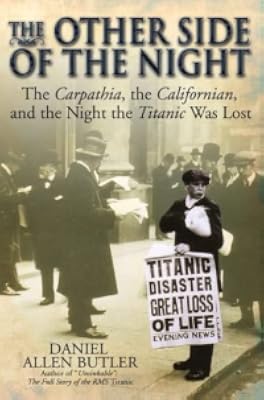
The Other Side of the Night: The Carpathia, the Californian, and the Night the Titanic was Lost
by Daniel Allen Butler
On This Page
Description
The New York Times–bestselling author of Unsinkable "recounts the disaster from the vantage point of nearby vessels" (Publishers Weekly).A few minutes before midnight on April 14, 1912, the "unsinkable" RMS Titanic, on her maiden voyage to New York, struck an iceberg. Less than three hours later, she lay at the bottom of the Atlantic Ocean. While the world has remained fascinated by the tragedy, the drama of those fateful hours was not only played out aboard the doomed liner. It also show more took place on the decks of two other ships, one fifty-eight miles distant from the sinking Titanic, the other barely ten miles away.
The masters of the steamships Carpathia and Californian, Capt. Arthur Rostron and Capt. Stanley Lord, were informed within minutes of each other that their vessels had picked up the distress signals of a sinking ship. Their actions in the hours and days that followed would become the stuff of legend, as one would choose to take his ship into dangerous waters to answer the call for help, while the other would decide that the hazard to himself and his command was too great to risk responding.
After years of research, Daniel Allen Butler now tells this incredible story, moving from ship to ship on the icy waters of the North Atlantic—in real time—to recount how hundreds of people could have been rescued, but in the end, only a few outside of the meager lifeboats were saved. He then looks at the US Senate investigation in Washington, and ultimately, the British Board of Trade inquiry in London, where the actions of each captain are probed, questioned, and judged, until the truth of what actually happened aboard the Titanic, the Carpathia, and the Californian is revealed.
"Powerful . . . very, very well-done." —New York Times–bestselling author Clive Cussler. show less
Tags
Recommendations

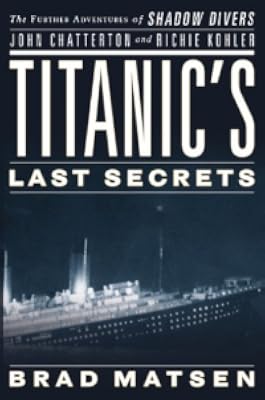
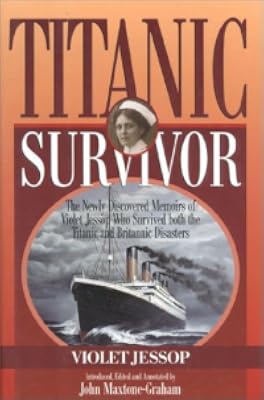

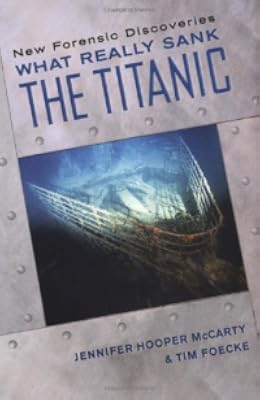
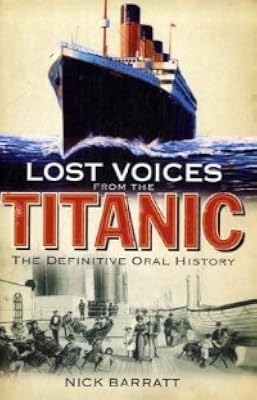



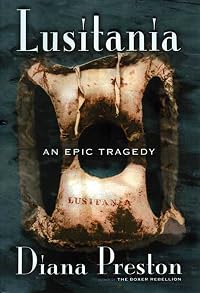

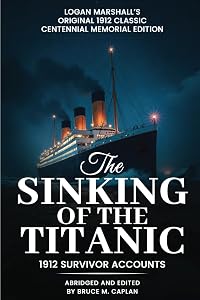
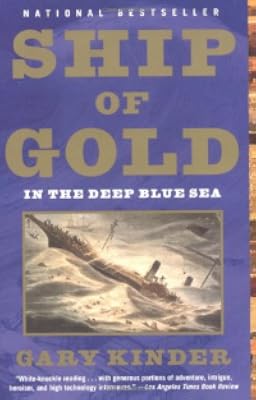
Member Recommendations
vulgarboatman Another great tale of maritime disaster. Both books really show the importance and uncertainties of timing and location on the sea. In both, a misreading of position or time of day/night, and the seemingly minor decisions made by key individuals led to nautical disasters of historic proportion.
Member Reviews
I have always been interested in the Titanic disaster and have read extensively about it. This book is another in my quest to puzzle out what happened, how, and why. It is non-fiction about the rescue effort and aftermath of the night the Titanic hit an iceberg and sank. It focuses on the ships that responded (or did not), the rescue of the passengers, and both the American and British inquiries in the aftermath. Butler does not recount the timeline of events on the Titanic itself. There are many other books that cover this information in detail. My favorite is A Night to Remember by Walter Lord, which I highly recommend. Butler instead tackles the calls for assistance, the actions of the responding ships, and the rescue efforts. I was show more interested to read it as I have always wondered why the Californian, the closest, did not come to the aid of the Titanic. How can a ship’s officers see a distress signal and ignore it?
This book is well-structured. It starts with a short history of maritime travel between Europe and America, the development of wireless communications, and the background of the Carpathia and Californian. It then moves into the experience and temperament of the primary players. The author pays specific attention to the captains of the Carpathia and Californian, Arthur Rostron and Stanley Lord, and their contrasting styles of leadership. Butler’s analysis is clear and logical. He expresses strong opinions and does so articulately. Even when not agreeing completely, I could follow his train of thought. I wish he had included footnotes along the way rather than a solely a list of sources and bibliography at the end.
After reading this book, I feel I have gotten a good sense of what the record shows regarding the action or inaction at the time of the emergency. Some will rise to the occasion and address the challenge while others will do nothing and deny responsibility. It is impossible, of course, to get one hundred percent clarity with an event this long in the past, and with conflicting memories of witnesses, but when reading many sources, the big picture eventually emerges. I feel like Butler has added valuable insights and has provided a plausible answer to my question. Of course, it won’t be the last book I read about the Titanic.
Recommended to those interested in maritime history and, of course, those specifically interested in the Titanic. show less
This book is well-structured. It starts with a short history of maritime travel between Europe and America, the development of wireless communications, and the background of the Carpathia and Californian. It then moves into the experience and temperament of the primary players. The author pays specific attention to the captains of the Carpathia and Californian, Arthur Rostron and Stanley Lord, and their contrasting styles of leadership. Butler’s analysis is clear and logical. He expresses strong opinions and does so articulately. Even when not agreeing completely, I could follow his train of thought. I wish he had included footnotes along the way rather than a solely a list of sources and bibliography at the end.
After reading this book, I feel I have gotten a good sense of what the record shows regarding the action or inaction at the time of the emergency. Some will rise to the occasion and address the challenge while others will do nothing and deny responsibility. It is impossible, of course, to get one hundred percent clarity with an event this long in the past, and with conflicting memories of witnesses, but when reading many sources, the big picture eventually emerges. I feel like Butler has added valuable insights and has provided a plausible answer to my question. Of course, it won’t be the last book I read about the Titanic.
Recommended to those interested in maritime history and, of course, those specifically interested in the Titanic. show less
This was a fascinating account of two ships that were in the vicinity of the Titanic on the night she hit an iceberg and sank. It is a story I was largely unfamiliar with, though I was aware the Carpathia had picked up the survivors of the disaster. What I did not know, and what forms the heart of this well-researched and detailed narrative, was that there was another ship very close to the Titanic, a ship whose captain failed to respond to the distress signals.
This is not quite narrative nonfiction, with a definite story arc, but it was a compelling read listen. I learned a lot about maritime practices, laws, and traditions, as well as the back stories of some of the key figures whose names are mostly forgotten. The section dealing show more with the wireless distress calls and the Carpathia's dash through the night to reach the doomed liner was especially gripping. After finishing the audio, I immediately turned to Wikipedia to learn more, a sure sign of a good read. show less
This is not quite narrative nonfiction, with a definite story arc, but it was a compelling read listen. I learned a lot about maritime practices, laws, and traditions, as well as the back stories of some of the key figures whose names are mostly forgotten. The section dealing show more with the wireless distress calls and the Carpathia's dash through the night to reach the doomed liner was especially gripping. After finishing the audio, I immediately turned to Wikipedia to learn more, a sure sign of a good read. show less
The events of the Titanic as seen from the perspectives of two other nearby ships, one that responded to the distress call (the Carpathia) & one that didn't (the Californian).
The loss of the Titanic remains one of the worst disasters in history even 100 years later. It's such a monumental event that it feels as if it existed in a pause in Time. But of course, it didn't, & that is what Butler examines here.
He covers the history of Atlantic crossings, the development of Marconi's radio system, the growth of the companies that made all 3 ships, & even the personal histories of some of the key men aboard the vessels traversing the North Atlantic that fateful night. All of these factor in to the outcome of that night as much as the iceberg show more the Titanic hit.
The goings-on of neighboring vessels was nothing I ever considered. Something else I never considered was that a vessel within eyesight of the distress flares sent up by the Titanic would ignore the call for help. But that's exactly what happened, & Butler walks the reader through the night and the subsequent hearings explaining it all.
It's a sharp contrast between Capt Rostron of the Carpathia & Capt Lord of the Californian. One is clearly a hero, the other, a sociopath. One crew was called upon to be heroes themselves. The other was paralyzed by fear of their captain. Literally, the fate of thousands of people was at stake, & time was against everyone. Even under the best circumstances, there would be a loss of life. The stakes were as high as they could be. At the end of the night, one man could say he did all he could do, & he had 700 extra passengers to prove it. The other would have a stack of affidavits obtained from his crew at gunpoint.
This is a great read for anyone with an interest in history, and for Titanic buffs, it's a must. show less
The loss of the Titanic remains one of the worst disasters in history even 100 years later. It's such a monumental event that it feels as if it existed in a pause in Time. But of course, it didn't, & that is what Butler examines here.
He covers the history of Atlantic crossings, the development of Marconi's radio system, the growth of the companies that made all 3 ships, & even the personal histories of some of the key men aboard the vessels traversing the North Atlantic that fateful night. All of these factor in to the outcome of that night as much as the iceberg show more the Titanic hit.
The goings-on of neighboring vessels was nothing I ever considered. Something else I never considered was that a vessel within eyesight of the distress flares sent up by the Titanic would ignore the call for help. But that's exactly what happened, & Butler walks the reader through the night and the subsequent hearings explaining it all.
It's a sharp contrast between Capt Rostron of the Carpathia & Capt Lord of the Californian. One is clearly a hero, the other, a sociopath. One crew was called upon to be heroes themselves. The other was paralyzed by fear of their captain. Literally, the fate of thousands of people was at stake, & time was against everyone. Even under the best circumstances, there would be a loss of life. The stakes were as high as they could be. At the end of the night, one man could say he did all he could do, & he had 700 extra passengers to prove it. The other would have a stack of affidavits obtained from his crew at gunpoint.
This is a great read for anyone with an interest in history, and for Titanic buffs, it's a must. show less
4.25 stars
This is a book about the sinking of the Titanic, but more from the points of view of two of the closest ships that night. In fact, one of them – the Californian – was within sight distance and saw the distress rockets go up… and the captain, Stanley Lord, didn’t do anything. He was a very authoritarian captain and his subordinates didn’t feel that they could go against him. Further away (unfortunately a full 4 hours or so), was another ship – the Carpathia – whose captain, Arthur Rostron, immediately set sail as fast as the Carpathia had ever gone in her life to get to the Titanic as soon as possible. It was the Carpathia who plucked as many survivors as she could out of the lifeboats to safety.
This was really show more good. I’m sure I must have read snippets about these other ships in the other Titanic books I’ve read, but I don’t recall details from those books, though I knew the names of the ships. This was very detailed from those points of view. Leading up to the disaster, this also looked at brief biographies of the captains and a bit of history of the ship/cruise and wireless industries. There was also a close look at the inquiries afterward, both in the US and in Britain to get to the bottom of what happened that night. show less
This is a book about the sinking of the Titanic, but more from the points of view of two of the closest ships that night. In fact, one of them – the Californian – was within sight distance and saw the distress rockets go up… and the captain, Stanley Lord, didn’t do anything. He was a very authoritarian captain and his subordinates didn’t feel that they could go against him. Further away (unfortunately a full 4 hours or so), was another ship – the Carpathia – whose captain, Arthur Rostron, immediately set sail as fast as the Carpathia had ever gone in her life to get to the Titanic as soon as possible. It was the Carpathia who plucked as many survivors as she could out of the lifeboats to safety.
This was really show more good. I’m sure I must have read snippets about these other ships in the other Titanic books I’ve read, but I don’t recall details from those books, though I knew the names of the ships. This was very detailed from those points of view. Leading up to the disaster, this also looked at brief biographies of the captains and a bit of history of the ship/cruise and wireless industries. There was also a close look at the inquiries afterward, both in the US and in Britain to get to the bottom of what happened that night. show less
This is part of my attempt to read a little more than crime fiction: so this is history and non crime fiction.
It is a very compelling account of what happened on the night of April 14/15 1912, when the unsinkable Titanic sank. It is strongly read, although there are passage that I suspect in the book were accompanied by maps and charts, and so the technical details would have been clearer. Nevertheless the account is very clear, almost vindictive, not just an account of what happened but an attempt to explain why it happened.
Like both the official inquiries, the author concludes that Captain Smith of the Titanic was not sufficiently cautious given that he was entering an ice field, and therefore must take some of the blame for the loss show more of life. The inadequacy of the life boat provision was a major cause of loss of life, plus the fact that the Titanic sent some boats off only half full, and the fact that they had no clear life boat drill, because of course the Titanic was assumed to be unsinkable. He concludes that the Carpathia was just too far away to get there in time, but that the Californian, though closer, could not have got there in time to pick up all the Titanic's passengers. Nevertheless he claims that a further 300 lives could have been saved.
The loss of the Titanic resulted in considerable changes in safety regulations particularly in relation to provision of life boats, 24 hr radio watches, and clarification of distress signals.
The arguments are well presented and well supported. Makes very interesting reading. show less
It is a very compelling account of what happened on the night of April 14/15 1912, when the unsinkable Titanic sank. It is strongly read, although there are passage that I suspect in the book were accompanied by maps and charts, and so the technical details would have been clearer. Nevertheless the account is very clear, almost vindictive, not just an account of what happened but an attempt to explain why it happened.
Like both the official inquiries, the author concludes that Captain Smith of the Titanic was not sufficiently cautious given that he was entering an ice field, and therefore must take some of the blame for the loss show more of life. The inadequacy of the life boat provision was a major cause of loss of life, plus the fact that the Titanic sent some boats off only half full, and the fact that they had no clear life boat drill, because of course the Titanic was assumed to be unsinkable. He concludes that the Carpathia was just too far away to get there in time, but that the Californian, though closer, could not have got there in time to pick up all the Titanic's passengers. Nevertheless he claims that a further 300 lives could have been saved.
The loss of the Titanic resulted in considerable changes in safety regulations particularly in relation to provision of life boats, 24 hr radio watches, and clarification of distress signals.
The arguments are well presented and well supported. Makes very interesting reading. show less
There are many books written about the Titanic. In this excellent book, Daniel Allen Butler pays particular attention to the Carpathia and the Californian and the roles they played when the Titanic sank. The Carpathia, with Arthur Rostron as captain, was approximately 58 miles from the Titanic and rushed to her aid; the Californian, with Stanley Lord as captain, was much much closer and could even see the distress signals of the Titanic but did nothing. Mr. Butler describes the actions and inaction taken by the captains and crew of all three ships and discusses such topics as why the Titanic sank (including the mistakes made by its captain, Edward J. Smith), whether all the passengers and crew could have been saved if the Californian show more had promptly come to the aid of the Titanic, the numbers of passengers of various classes and crew who were rescued and who perished and why.
There was a world of difference between the captains of the Carpathia and Californian. Captain Rostron of the Carpathia made careful preparations for the rescue, and had his ship run faster than it was made to run to get to the Titanic. The atmosphere aboard his ship both when it was rushing to the Titanic’s aid and after it had rescued passengers and crew of the Titanic is described, as is the actual rescue.
Captain Lord did nothing until the following morning after the Carpathia had done the rescuing. Captain Lord’s behavior was constantly unprofessional including his attempts to cover-up his failure to heed the Titanic’s distress signals, the incomplete log of his ship for that time period, etc. Mr. Butler tries to determine why Captain Lord acted as he did.
Mr. Butler also covers both the American and British investigations into the disaster. In the epilogue of the book, Mr. Butler tells what happened to the major crew members of all three ships; some of the crew of the Titanic survived.
The book contains some appendices, a bibliography, and index. However, although there were quotations in the text, there are no footnotes or endnotes. show less
There was a world of difference between the captains of the Carpathia and Californian. Captain Rostron of the Carpathia made careful preparations for the rescue, and had his ship run faster than it was made to run to get to the Titanic. The atmosphere aboard his ship both when it was rushing to the Titanic’s aid and after it had rescued passengers and crew of the Titanic is described, as is the actual rescue.
Captain Lord did nothing until the following morning after the Carpathia had done the rescuing. Captain Lord’s behavior was constantly unprofessional including his attempts to cover-up his failure to heed the Titanic’s distress signals, the incomplete log of his ship for that time period, etc. Mr. Butler tries to determine why Captain Lord acted as he did.
Mr. Butler also covers both the American and British investigations into the disaster. In the epilogue of the book, Mr. Butler tells what happened to the major crew members of all three ships; some of the crew of the Titanic survived.
The book contains some appendices, a bibliography, and index. However, although there were quotations in the text, there are no footnotes or endnotes. show less
On the still cold night of April 14, 1912, the luxurious White Star liner Titanic, on its maiden voyage, scraped past an iceberg on the north Atlantic. As in all disasters, the situation progressed from incident to disaster because of decisions made long before, and actions taken or not taken as events unfolded.
The tragedy aboard the Titanic has spawned dozens of books, movies, and songs. In The Other Side of the Night, Daniel Allen Butler explores aspects of the story not covered by Walter Lord and others. Butler reviewed the investigation reports from the U.S. Senate and the British Board of Trade, along with other primary sources, in an attempt to understand why the Carpathia responded from 50 miles away, while the Californian, show more stopped within sight of the sinking ship, did not. This exploration leads the author to some very dark conclusions. show less
The tragedy aboard the Titanic has spawned dozens of books, movies, and songs. In The Other Side of the Night, Daniel Allen Butler explores aspects of the story not covered by Walter Lord and others. Butler reviewed the investigation reports from the U.S. Senate and the British Board of Trade, along with other primary sources, in an attempt to understand why the Carpathia responded from 50 miles away, while the Californian, show more stopped within sight of the sinking ship, did not. This exploration leads the author to some very dark conclusions. show less
Members
- Recently Added By
Lists

Disaster Books
74 works; 19 members

Accidents, Disasters, and Tragedies
175 works; 7 members
Author Information

14 Works 777 Members
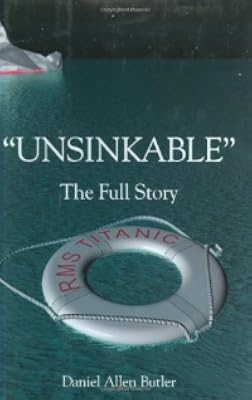
Daniel Allen Butler, a maritime and military historian, is the bestselling author of "Unsinkable": The Full Story of RMS Titanic, Distant Victory: The Battle of Jutland and the Allied Triumph in the First World War, and Field Marshal: The Life and Death of Erwin Rommel. He is an internationally recognized authority on military and maritime show more subjects. show less
Common Knowledge
- Canonical title
- The Other Side of the Night: The Carpathia, the Californian, and the Night the Titanic was Lost
- Original publication date
- 2009
- People/Characters
- Captain Edward J. Smith; John 'Jack' Phillips (senior Marconi wireless operator on the Titanic); Harold Bride; Arthur Henry Rostron (Captain of the refrigerated cargo ship Carpathia); Harold Thomas Cottam (Marconi wireless operator on the Carpathia); J. Pierpont Morgan (show all 18); J. Bruce Ismay; Stanley Lord (Captain of the cargo ship Californian); Cyril F. Evans (wireless operator on the Californian); George Frederick Stewart (Chief Officer on the Californian); Herbert Stone, Second Officer on the Californian; Charles Victor Groves (Third Officer on the Californian); William M. Murdoch (First Officer on the Titanic); Charles Herbert Lightoller (Second Officer on the Titanic); Joseph G. Boxhall (Fourth Officer on the Titanic); Henry Hughes (Chief Steward on the Californian); Louis Ogden (passenger on the Carpathia); Mrs. Louis Ogden (passenger on the Carpathia)
- Important places
- Atlantic Ocean; Californian; Carpathia; North Atlantic Ocean; Titanic
- Important events
- Sinking of the Titanic (1912-04-14 | 1912-04-15)
- Dedication
- To the Memory of Walter Lord
Friend and mentor, who first showed us all that "Night to Remember" so many years ago... - First words
- At the dawn of the Age of Exploration, as the darkness of the Middle Ages began to recede, the most important sea route in the world was the one that began in the waters surrounding western Europe, ran south down the coast of... (show all) Africa to round the Cape of Good Hope, and gave out into the broad expanse of the Indian Ocean.
- Last words
- (Click to show. Warning: May contain spoilers.)Ultimately the final story of the "night to remember" is the story of "the other side of the night", the story of these two men, one who refused to hesitate in answering the call for help, and the other who pretended he never heard it.
- Canonical DDC/MDS
- 910.91634
- Canonical LCC
- G530.T6
Classifications
- Genres
- Nonfiction, History, General Nonfiction, Travel
- DDC/MDS
- 910.91634 — History & geography Geography & travel modified standard subdivisions of Geography and travel Explorers & Travelers Geography of and travel in areas, regions, places in general Air And Water Atlantic Ocean
- LCC
- G530 .T6 — Geography, Anthropology and Recreation Geography (General) Adventures, shipwrecks, buried treasure, etc.
- BISAC
Statistics
- Members
- 125
- Popularity
- 260,823
- Reviews
- 7
- Rating
- (4.06)
- Languages
- English
- Media
- Paper, Audiobook, Ebook
- ISBNs
- 4
- ASINs
- 4