On This Page
Description
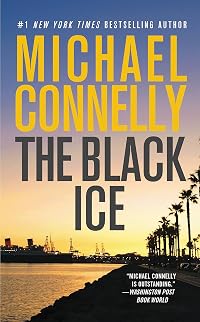
When an LAPD narcotics officer is found with a fatal bullet wound and a suicide note, Detective Harry Bosch follows a bloody trail of drug murders across the Mexico border.?Working the case, LAPD detective Harry Bosch is reminded of the primal police rule he learned long ago: Don't look for the facts, but the glue that holds them together. Soon Harry's making some very dangerous connections, starting with a dead cop and leading to a bloody string of murders that wind from Hollywood show more Boulevard to the back alleys south of the border. Now this battle-scarred veteran will find himself in the center of a complex and deadly game—one in which he may be the next and likeliest victim. show less
Tags
Recommendations

Member Reviews
»Bosch leaned back against the tree and watched the driver open the door for her. Then he lit a cigarette and watched as the sleek black machine carried her out through the gate and left him alone with the dead.«
This is the second Harry Bosch novel I read and it surpasses its already strong predecessor in many aspects.
The story begins on Christmas night, when Harry discovers that a fellow officer, Calexico Moore, has apparently committed suicide in a seedy motel. Harry is suspicious of the circumstances and decides to investigate on his own, despite the orders from his superiors to stay away. He soon uncovers a web of corruption, drug trafficking, and murder that involves not only Moore, but also a mysterious drug lord, who is behind show more a new and deadly drug called Black Ice.
The writing is much improved compared to the first Bosch novel: Connelly has refined his style and skill, and has created a more polished and engaging narrative. The writing is more rounded and even and also more vivid and descriptive. Connelly uses a variety of techniques, such as dialogue, action, flashback, and foreshadowing, to create a dynamic and suspenseful story. He also uses rich and realistic details to bring the setting and the characters to life.
The pacing has also greatly improved: Gone are any unnecessary or boring parts; instead, there’s a consistent and smooth flow of the story. The pacing is fast enough to keep the reader interested and excited, but not too fast to lose the coherence, cohesion, and logic of the plot.
The pacing also balances well between the two levels of the story: the private and the professional. Connelly gives enough relevant context and background information to explain Harry's thoughts and actions, and to show how his personal life affects his work, and vice versa. The private and the professional levels are nicely intertwined and work brilliantly together, creating a more complex and realistic character for Harry, and a more satisfying and rewarding reading experience for the reader.
I still love Bosch’s integrity and loyalty: When his investigation makes him visit Mexico, he’s warned of the local corruption and told not to trust any cop. And yet, Harry is cautious but trusts his instincts which, ultimately, lets him overcome his institution’s inherent racism and xenophobia.
»“Right,” Bosch said. “I get it. No matter what goes wrong, it’s my ass. I got it. I also have a vest in my trunk. He can use yours. I like my own.”«
One might criticise some of Harry’s decisions, of course. Most importantly a certain a bold and brave choice at the very end of the novel but thinking about it, that decision was not only fully within Harry’s character (which, in itself, would be insufficient to justify it) but it ultimately serves everyone involved and sees true justice done.
It was a realistic and fitting conclusion to the story, as it reflected the complexity and ambiguity of the situation. Harry did not take the easy or conventional way out, but he followed his instincts and his conscience, even if it meant losing his reputation and his friends. I think that this decision made Harry a more interesting and admirable character, and also a more human one. Harry is not a perfect hero, but he is a true one.
»Irving finally turned around to face him again.
“You are right, Bosch. I really don’t understand you. Why risk everything for nothing? You see? It raises my concerns about you all over again. You don’t play for the team. You play for yourself.”
Bosch looked steadily at Irving and didn’t smile, though he wanted to. Irving had paid him a fine compliment, though the assistant chief would never realize it.«
“The Black Ice” is a very clever and complex story which is told elegantly by Connelly. Once again, a small drawback is the age of this novel: Written in the 90s, there still are no mobile phones, typewriters are still in use, etc..
Due to the dense and extremely coherent atmosphere, the wonderfully designed tension arc, and the balanced pacing, I was able to simply overlook it.
Five out of five stars.
Blog | Facebook | Twitter | Mastodon | Instagram | Pinterest | Medium | Matrix | Tumblr
Ceterum censeo Putin esse delendam show less
This is the second Harry Bosch novel I read and it surpasses its already strong predecessor in many aspects.
The story begins on Christmas night, when Harry discovers that a fellow officer, Calexico Moore, has apparently committed suicide in a seedy motel. Harry is suspicious of the circumstances and decides to investigate on his own, despite the orders from his superiors to stay away. He soon uncovers a web of corruption, drug trafficking, and murder that involves not only Moore, but also a mysterious drug lord, who is behind show more a new and deadly drug called Black Ice.
The writing is much improved compared to the first Bosch novel: Connelly has refined his style and skill, and has created a more polished and engaging narrative. The writing is more rounded and even and also more vivid and descriptive. Connelly uses a variety of techniques, such as dialogue, action, flashback, and foreshadowing, to create a dynamic and suspenseful story. He also uses rich and realistic details to bring the setting and the characters to life.
The pacing has also greatly improved: Gone are any unnecessary or boring parts; instead, there’s a consistent and smooth flow of the story. The pacing is fast enough to keep the reader interested and excited, but not too fast to lose the coherence, cohesion, and logic of the plot.
The pacing also balances well between the two levels of the story: the private and the professional. Connelly gives enough relevant context and background information to explain Harry's thoughts and actions, and to show how his personal life affects his work, and vice versa. The private and the professional levels are nicely intertwined and work brilliantly together, creating a more complex and realistic character for Harry, and a more satisfying and rewarding reading experience for the reader.
I still love Bosch’s integrity and loyalty: When his investigation makes him visit Mexico, he’s warned of the local corruption and told not to trust any cop. And yet, Harry is cautious but trusts his instincts which, ultimately, lets him overcome his institution’s inherent racism and xenophobia.
»“Right,” Bosch said. “I get it. No matter what goes wrong, it’s my ass. I got it. I also have a vest in my trunk. He can use yours. I like my own.”«
One might criticise some of Harry’s decisions, of course. Most importantly a certain a bold and brave choice at the very end of the novel but thinking about it, that decision was not only fully within Harry’s character (which, in itself, would be insufficient to justify it) but it ultimately serves everyone involved and sees true justice done.
It was a realistic and fitting conclusion to the story, as it reflected the complexity and ambiguity of the situation. Harry did not take the easy or conventional way out, but he followed his instincts and his conscience, even if it meant losing his reputation and his friends. I think that this decision made Harry a more interesting and admirable character, and also a more human one. Harry is not a perfect hero, but he is a true one.
»Irving finally turned around to face him again.
“You are right, Bosch. I really don’t understand you. Why risk everything for nothing? You see? It raises my concerns about you all over again. You don’t play for the team. You play for yourself.”
Bosch looked steadily at Irving and didn’t smile, though he wanted to. Irving had paid him a fine compliment, though the assistant chief would never realize it.«
“The Black Ice” is a very clever and complex story which is told elegantly by Connelly. Once again, a small drawback is the age of this novel: Written in the 90s, there still are no mobile phones, typewriters are still in use, etc..
Due to the dense and extremely coherent atmosphere, the wonderfully designed tension arc, and the balanced pacing, I was able to simply overlook it.
Five out of five stars.
Blog | Facebook | Twitter | Mastodon | Instagram | Pinterest | Medium | Matrix | Tumblr
Ceterum censeo Putin esse delendam show less
[b:The Black Ice|24244|The Black Ice (Harry Bosch, #2; Harry Bosch Universe, #2)|Michael Connelly|https://i.gr-assets.com/images/S/compressed.photo.goodreads.com/books/1372241876l/24244._SY75_.jpg|457882], the second novel of the Harry Bosch series, finds the maverick detective looking into the apparent suicide of a fellow officer who had been investigating the appearance of a new drug called "black ice." His superiors want the investigation wrapped up as soon as possible. In the face of departmental opposition Harry continues to investigate, even travelling south to Mexico in search of answers and in doing so starting a war with a notorious drug lord.
Connelly is a genuinely gifted writer who brings authenticity to the early nineties show more setting of Los Angeles. Harry is a very interesting character who at times was refreshingly different for a cop, but also falls victim to some of the cliche's of the genre with his chain smoking, lone wolf ways. Connelly also has a tendency to be overly wordy about minutia. But after enjoying this series for almost thirty years, it's fun to go back and see how far the early Bosch has come over the years. show less
Connelly is a genuinely gifted writer who brings authenticity to the early nineties show more setting of Los Angeles. Harry is a very interesting character who at times was refreshingly different for a cop, but also falls victim to some of the cliche's of the genre with his chain smoking, lone wolf ways. Connelly also has a tendency to be overly wordy about minutia. But after enjoying this series for almost thirty years, it's fun to go back and see how far the early Bosch has come over the years. show less
Book on CD read by Dick Hill
The second novel in the Harry Bosch series begins with Harry on call on Christmas day. As he’s opening some cards he hears something on the police scanner that piques his interest. A homicide detective is needed … but they haven’t called Harry, who is the one on call? When he arrives at the scene and realizes the corpse is a missing narcotics officer he begins to understand. Rumor had it that Cal Moore had crossed over, fronting a new drug from Mexico called “black ice.” The brass downtown don’t want a hugely embarrassing case on their hands, so they quickly dub it a suicide and close the case. But Harry isn’t convinced; he suspects the man was murdered. He starts his own investigation which show more leads him to several bloody murders on both sides of the border. So he decides he has to go to Mexicali to get answers.
Connelly crafts a fast and furious suspense-filled thriller. Informants are reluctant to come forth; Moore’s wife is circumspect; police files are contradictory; and Mexican authorities less than forthcoming. The pace is lightning quick, the plot twists come with no warning, and the reader isn’t any more sure than Harry whom to trust. I was in a delighted state of confusion trying to figure out the clues as fast as Harry – and we both arrived at the conclusion at about the same point (thought Harry was still ahead of me).
One thing I really like about this series – and, admittedly, I’ve only read two books in the series – is that I’m getting to know Harry Bosch little by little: his childhood, his relationships, his service in Vietnam. He’s a richly drawn character with complex emotions. And I want to continue reading the series to get to know him better.
Dick Hill does a great job of narrating the audio version. His pacing is good and he modulates his voice sufficiently to differentiate the many male characters. show less
The second novel in the Harry Bosch series begins with Harry on call on Christmas day. As he’s opening some cards he hears something on the police scanner that piques his interest. A homicide detective is needed … but they haven’t called Harry, who is the one on call? When he arrives at the scene and realizes the corpse is a missing narcotics officer he begins to understand. Rumor had it that Cal Moore had crossed over, fronting a new drug from Mexico called “black ice.” The brass downtown don’t want a hugely embarrassing case on their hands, so they quickly dub it a suicide and close the case. But Harry isn’t convinced; he suspects the man was murdered. He starts his own investigation which show more leads him to several bloody murders on both sides of the border. So he decides he has to go to Mexicali to get answers.
Connelly crafts a fast and furious suspense-filled thriller. Informants are reluctant to come forth; Moore’s wife is circumspect; police files are contradictory; and Mexican authorities less than forthcoming. The pace is lightning quick, the plot twists come with no warning, and the reader isn’t any more sure than Harry whom to trust. I was in a delighted state of confusion trying to figure out the clues as fast as Harry – and we both arrived at the conclusion at about the same point (thought Harry was still ahead of me).
One thing I really like about this series – and, admittedly, I’ve only read two books in the series – is that I’m getting to know Harry Bosch little by little: his childhood, his relationships, his service in Vietnam. He’s a richly drawn character with complex emotions. And I want to continue reading the series to get to know him better.
Dick Hill does a great job of narrating the audio version. His pacing is good and he modulates his voice sufficiently to differentiate the many male characters. show less
The Black Ice (1993), the second novel in Michael Connelly’s Harry Bosch series, solidifies the image of Bosch that started to take form in the novel that introduced Bosch to the world a year earlier (The Black Echo). Harry Bosch, at this stage in his life, is a loner, a Vietnam War veteran who still carries the resulting emotional scars, and above all else, an honest cop who will always stand up for the little guy. Even the LAPD brass recognize that Harry Bosch is not someone who will worry about what they think of him. Rather, he will go where his investigatory instincts take him, no matter the risks to his own life or career aspirations.
In The Black Ice, those instincts take him into Mexico - and he’s not coming back to Los show more Angeles until he is good and ready.
It’s Christmas week, and even though Harry is the on-call detective, his phone doesn’t ring after another detective is discovered dead in a seedy LA motel room. Sensing that someone doesn’t want him to show up at the scene, Harry wastes no time getting there after being alerted to the crime by chatter on his police radio. There he learns that investigators are more than willing to call the cop’s death a suicide, and he is pretty much told to go away and mind his own business.
But when another case that Harry is investigating starts to seem related to the cop’s death, Harry is reminded of a lesson he learned from his first partner when he was a just a rookie detective:
“…facts weren’t the most important part of an investigation, the glue was. He (the partner) said the glue was made of instinct, imagination, and sometimes guesswork and most times just plain luck.”
Harry is not one to count much on luck, but he has an abundance of instinct, imagination, and educated guesswork working in his favor. When, even after another cop is found dead, there are still a lot of people wanting to shut him down, Harry refuses to play their game. Now, if he can just avoid becoming the third dead cop in this case, Harry is going to separate the good guys from the bad guys once and for all.
Bottom Line: The Black Ice is a well written and entertaining mystery, but it is also interesting for other reasons that Harry Bosch fans will appreciate. Along with further solidifying the Harry Bosch image as a crusader-cop, The Black Ice is also the novel in which Bosch learns his father’s identity. He learns, too, that he has a half-brother and three half-sisters when he spots them at their shared father’s funeral. That half-brother will, of course, turn out to be none other than Mickey Haller, who will go on eventually to earn his own Michael Connelly series as “The Lincoln Lawyer.” show less
In The Black Ice, those instincts take him into Mexico - and he’s not coming back to Los show more Angeles until he is good and ready.
It’s Christmas week, and even though Harry is the on-call detective, his phone doesn’t ring after another detective is discovered dead in a seedy LA motel room. Sensing that someone doesn’t want him to show up at the scene, Harry wastes no time getting there after being alerted to the crime by chatter on his police radio. There he learns that investigators are more than willing to call the cop’s death a suicide, and he is pretty much told to go away and mind his own business.
But when another case that Harry is investigating starts to seem related to the cop’s death, Harry is reminded of a lesson he learned from his first partner when he was a just a rookie detective:
“…facts weren’t the most important part of an investigation, the glue was. He (the partner) said the glue was made of instinct, imagination, and sometimes guesswork and most times just plain luck.”
Harry is not one to count much on luck, but he has an abundance of instinct, imagination, and educated guesswork working in his favor. When, even after another cop is found dead, there are still a lot of people wanting to shut him down, Harry refuses to play their game. Now, if he can just avoid becoming the third dead cop in this case, Harry is going to separate the good guys from the bad guys once and for all.
Bottom Line: The Black Ice is a well written and entertaining mystery, but it is also interesting for other reasons that Harry Bosch fans will appreciate. Along with further solidifying the Harry Bosch image as a crusader-cop, The Black Ice is also the novel in which Bosch learns his father’s identity. He learns, too, that he has a half-brother and three half-sisters when he spots them at their shared father’s funeral. That half-brother will, of course, turn out to be none other than Mickey Haller, who will go on eventually to earn his own Michael Connelly series as “The Lincoln Lawyer.” show less
I am sick of TV crime procedurals, but these Harry Bosch books take the same elements and put them together into a story I really enjoy reading. The methodical protagonist winks at old-fashioned hard-boiled detective stories without seeming like too much of a caricature.
This book offers the story of a detailed police investigation with a bit of personal drama thrown in. I really enjoyed the sections set in Calexico and Mexicali, towns that butt up against the border. The central mystery has enough clues and details to allow the reader to speculate in an enjoyable way, but doesn't offer quick definitive answers or make every problem have a completely obvious solution. By the end of the book the various elements of the plot come together show more very neatly in a way that doesn't feel cheap or coincidental.
Words I learned in this book:
quonset - a building made of corrugated metal and having a semicircular cross section.
chaparral - vegetation consisting chiefly of tangled shrubs and thorny bushes. show less
This book offers the story of a detailed police investigation with a bit of personal drama thrown in. I really enjoyed the sections set in Calexico and Mexicali, towns that butt up against the border. The central mystery has enough clues and details to allow the reader to speculate in an enjoyable way, but doesn't offer quick definitive answers or make every problem have a completely obvious solution. By the end of the book the various elements of the plot come together show more very neatly in a way that doesn't feel cheap or coincidental.
Words I learned in this book:
quonset - a building made of corrugated metal and having a semicircular cross section.
chaparral - vegetation consisting chiefly of tangled shrubs and thorny bushes. show less
Consider this scene, the bar where Harry Bosch stops in on his search for a washed up cop: Inside, the place was a black hole with a long, warped bar and no tables. Poe’s wasn’t a place to sit in a booth with friends. It was a place to drink alone. A place for executive suicides who needed courage, broken cops who couldn’t cope with the loneliness they built into their lives, writers who could no longer write and priests who could no longer forgive even their own sins. It was a place to drink mean, as long as you still had the green. It cost you five bucks for a stool at the bar and a dollar for a glass of ice to go with your bottle of whiskey. A soda setup was three bucks but most of these people took their medicine straight up. show more It was cheaper that way and more to the point. It was said that Poe’s was not named after the writer but for the general philosophy of its clientele: Piss On Everything.
In book #2 of Michael Connelly's Harry Bosch series, the protagonist is investigating the supposed suicide of a fellow officer -- Calexico Moore -- who had been investigating a new street drug known as "black ice". Harry's supervisor (Harvey Pounds) wants the investigation concluded soon for the sake of the annual report. However, the more Harry digs, the more complexities he finds. Harry gets drawn into the drug underworld and follows the trail to Mexico -- becoming a target for the drug runners while uncovering corruption in the LAPD. The case is a complicated one, and the plot is well- constructed. I should have anticipated one of the surprises... Moore isn't really dead (the potential give-away being that the corpse's head had been obliterated by a shotgun blast). I found it an absorbing story -- not as original and exciting as its predecessor, The Black Echo, but worth reading, at least for fans of the series and the genre. show less
In book #2 of Michael Connelly's Harry Bosch series, the protagonist is investigating the supposed suicide of a fellow officer -- Calexico Moore -- who had been investigating a new street drug known as "black ice". Harry's supervisor (Harvey Pounds) wants the investigation concluded soon for the sake of the annual report. However, the more Harry digs, the more complexities he finds. Harry gets drawn into the drug underworld and follows the trail to Mexico -- becoming a target for the drug runners while uncovering corruption in the LAPD. The case is a complicated one, and the plot is well- constructed. I should have anticipated one of the surprises...
My attempt at broadening my reading horizons by including more fictional genres in my TBR worked quite successfully with the first book in Michael Connelly’s Bosch series, The Black Echo, so I did not wait too long to move forward with this second novel: while it ultimately turned out to be an enjoyable experience, and it added some new layers to the main character, it did not have the same narrative drive as the first volume - probably a classic case of “second book syndrome”…
Maverick detective Harry Bosch is spending his Christmas alone and on call for any homicide summons from his department, when he hears on the radio that the body of a colleague was found in a dingy motel, a possible suicide. It’s strange enough that he show more was not called to the scene, and it’s stranger still that the Assistant Chief of police seems bent on keeping him away from the investigation - when the next morning Bosch’s commander saddles him with a few open cases to be solved as quickly as possible, his suspicions escalate, and being like the proverbial dog with a bone he decides to take a closer look into the deceased cop’s death, particularly once he discovers that two of those pending cases foisted on him seem to be connected with it. A further compelling clue comes through a file that Cal Moore, the suicide, was compiling about the traffic of a new drug - the titular Black Ice - and that he had asked his former colleagues to forward the documentation to Bosch, as if he knew that he would not be able to complete it.
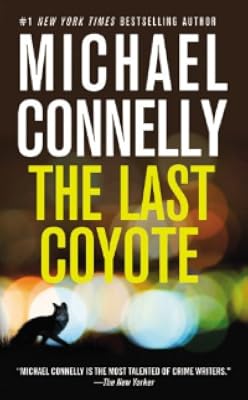
As I said, the story is interesting enough, although not as gripping as the previous one, probably because I expected the same kind of sustained pacing that here was missing and picked up only toward the three quarter mark; this slower rhythm, however, is offset by a more concentrated focus on characterization and on some introspection that adds a few new layers to Bosch’s personality and sheds more light into his past. We learn further details about his childhood, for example, like the fact that he was orphaned at twelve and spent long years being shuttled from one foster family to another, which explains his solitary way of life: there is an interesting passage here where we see how he sort of bonds with a coyote prowling the wilderness near his house - recognizing a kind of affinity with the lonely animal, one that is later acknowledged by one of Bosch’s bosses who tells him that while he is enrolled in the police department he does not behave as if he were part of it, and that explains his often reckless disregard for the rules and the chain of command.
While this side of Bosch’s character carries from the previous book, here one can also see a slight softening of his bluntness toward others, particularly when his investigation brings him across the border to Mexico and he discovers the similarities between his early life and that of his deceased colleague, whose death has by this time been ruled as homicide rather than suicide, prompting the detective to follow the trail of clues and bring justice to the victim - the main drive that powers his every action. This slow mellowing of Bosch’s rough edges is something I’m looking forward to in the course of the continuing series, because the theme of the “lone wolf” existing in an emotional vacuum would carry with difficulty through the next 20-odd books without becoming a cliché.
Speaking of clichés, however, Bosch’s relationship with women seems to follow the guidelines of the noir genre, and where this might have been interesting enough in the previous book, where FBI agent Eleanor Wish was an intriguing foil (and as close as a femme fatale as her personality allowed) for the detective, here we see him entangled with no less than two women at the same time, and both of them look more like props than characters on their own right. I tried to keep in mind that the book was written 27 years ago and that a lot of proverbial water flowed under equally proverbial bridges, but Bosch’s treatment of both women skirts chauvinism in a very dangerous, very irritating way that grates even more than his endless smoking.
This, together with a too-convoluted plot that at times did not roll forward very smoothly, and with an ending that was saddled with too much explanation, brought my rating down a notch: second books often being difficult beasts to tame, I’m ready to give this series some more time to see if it develops into the successful string of books that many are praising. The next one will probably offer a deciding factor… show less
Maverick detective Harry Bosch is spending his Christmas alone and on call for any homicide summons from his department, when he hears on the radio that the body of a colleague was found in a dingy motel, a possible suicide. It’s strange enough that he show more was not called to the scene, and it’s stranger still that the Assistant Chief of police seems bent on keeping him away from the investigation - when the next morning Bosch’s commander saddles him with a few open cases to be solved as quickly as possible, his suspicions escalate, and being like the proverbial dog with a bone he decides to take a closer look into the deceased cop’s death, particularly once he discovers that two of those pending cases foisted on him seem to be connected with it. A further compelling clue comes through a file that Cal Moore, the suicide, was compiling about the traffic of a new drug - the titular Black Ice - and that he had asked his former colleagues to forward the documentation to Bosch, as if he knew that he would not be able to complete it.
As I said, the story is interesting enough, although not as gripping as the previous one, probably because I expected the same kind of sustained pacing that here was missing and picked up only toward the three quarter mark; this slower rhythm, however, is offset by a more concentrated focus on characterization and on some introspection that adds a few new layers to Bosch’s personality and sheds more light into his past. We learn further details about his childhood, for example, like the fact that he was orphaned at twelve and spent long years being shuttled from one foster family to another, which explains his solitary way of life: there is an interesting passage here where we see how he sort of bonds with a coyote prowling the wilderness near his house - recognizing a kind of affinity with the lonely animal, one that is later acknowledged by one of Bosch’s bosses who tells him that while he is enrolled in the police department he does not behave as if he were part of it, and that explains his often reckless disregard for the rules and the chain of command.
While this side of Bosch’s character carries from the previous book, here one can also see a slight softening of his bluntness toward others, particularly when his investigation brings him across the border to Mexico and he discovers the similarities between his early life and that of his deceased colleague, whose death has by this time been ruled as homicide rather than suicide, prompting the detective to follow the trail of clues and bring justice to the victim - the main drive that powers his every action. This slow mellowing of Bosch’s rough edges is something I’m looking forward to in the course of the continuing series, because the theme of the “lone wolf” existing in an emotional vacuum would carry with difficulty through the next 20-odd books without becoming a cliché.
Speaking of clichés, however, Bosch’s relationship with women seems to follow the guidelines of the noir genre, and where this might have been interesting enough in the previous book, where FBI agent Eleanor Wish was an intriguing foil (and as close as a femme fatale as her personality allowed) for the detective, here we see him entangled with no less than two women at the same time, and both of them look more like props than characters on their own right. I tried to keep in mind that the book was written 27 years ago and that a lot of proverbial water flowed under equally proverbial bridges, but Bosch’s treatment of both women skirts chauvinism in a very dangerous, very irritating way that grates even more than his endless smoking.
This, together with a too-convoluted plot that at times did not roll forward very smoothly, and with an ending that was saddled with too much explanation, brought my rating down a notch: second books often being difficult beasts to tame, I’m ready to give this series some more time to see if it develops into the successful string of books that many are praising. The next one will probably offer a deciding factor… show less
Members
- Recently Added By
Lists

Crime and Mysteries to Read
746 works; 31 members

Books Read in 2018
4,360 works; 110 members

Books - Connolly, Michael: Bosch
44 works; 1 member
Talk Discussions
Past Discussions
Chat in Book Discussion : The Black Ice by Michael Connelly (May 2020)
Author Information

160+ Works 154,697 Members
Michael Connelly was born in Philadelphia, Pennsylvania on July 21, 1956. He graduated from the University of Florida in 1980 where he majored in journalism and minored in creative writing. After graduation, he worked at newspapers in Daytona Beach and Fort Lauderdale, Florida, specializing in the crime beat. In 1986, he interviewed survivors of a show more plane crash with two other reporters and the magazine story subsequently written on the crash was on the short list for the Pulitzer Prize for feature writing. This story led to a job as a crime reporter for the Los Angeles Times. After three years there, he began writing his first novel. His first novel, The Black Echo, was published in 1992 and won the Edgar Award for best first novel. He is the author of the Harry Bosch series, the Jack McEvoy series, and the Mickey Haller series. He has won numerous awards including the Anthony Award, Macavity Award, Shamus Award, Dilys Award, Nero Award, Barry Award, Ridley Award, Maltese Falcon Award (Japan), .38 Caliber Award (France), Grand Prix Award (France), Premio Bancarella Award (Italy), and the Pepe Carvalho Award (Spain). (Bowker Author Biography) show less
All Editions
Some Editions
Awards and Honors
Awards
Distinctions
Series


Belongs to Publisher Series
Work Relationships
Is contained in
The Black Echo / The Black Ice / The Concrete Blonde / The Last Coyote / The Poet / Trunk Music / Blood Work / Angels Flight / Void Moon / A Darkness More Than Night / City of Bones / Lost Light / The Narrows / The Closers / The Lincoln Lawyer / Echo Park / The Overlook / The Brass Verdict / Nine Dragons / The Reversal by Michael Connelly
Contains
Is abridged in
Has as a reference guide/companion
Has as a student's study guide
Common Knowledge
- Canonical title
- The Black Ice
- Original title
- The Black Ice
- Original publication date
- 1993
- People/Characters
- Hieronymus 'Harry' Bosch; Harvey 'Ninety-eight' Pounds; Irvin Irving; Calexico 'Cal' Moore; Sylvia Moore; Art Donovan (show all 20); Lucius Porter; John 'Sustain' Chastain; Jimmy Kapps; Marvin Dance; Frankie Sheehan; Teresa Corazón; Humberto Zorillo; Tom Rickard; Carlos Aguila; Gustavo Grena; Corvo; Fernal Gutierrez-Llosa; Ramos; Osvaldo Arpis Rafaelillo
- Important places
- Los Angeles, California, USA; Mexicali, Mexico
- Dedication
- This is for Linda McCaleb Connelly
- First words
- The smoke carried up from the Cahuenga Pass and flattened beneath a layer of cool crossing air.
- Last words
- (Click to show. Warning: May contain spoilers.)Then he lit a cigarette and watched as the sleek black machine carried her out through the gate and left him alone with the dead.
- Blurbers
- Davis, Dorothy Salisbury
- Original language
- English
- Disambiguation notice
- More than one author has a book with this title
Classifications
Statistics
- Members
- 4,693
- Popularity
- 3,083
- Reviews
- 126
- Rating
- (3.77)
- Languages
- 13 — Czech, Dutch, English, French, German, Italian, Japanese, Korean, Polish, Russian, Spanish, Swedish, Turkish
- Media
- Paper, Audiobook, Ebook
- ISBNs
- 116
- ASINs
- 24