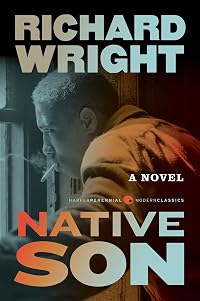
Native Son
by Richard Wright
On This Page
Description
Right from the start, Bigger Thomas had been headed for jail. It could have been for assault or petty larceny; by chance, it was for murder and rape. Native Son tells the story of this young black man caught in a downward spiral after he kills a young white woman in a brief moment of panic. Set in Chicago in the 1930s, Richard Wright's novel is just as powerful today as when it was written -- in its reflection of poverty and hopelessness, and what it means to be black in America.Tags
Recommendations
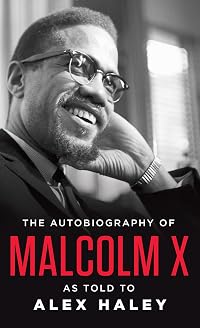
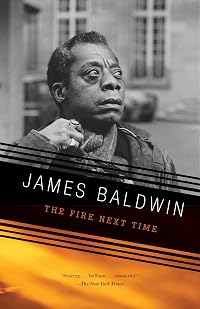
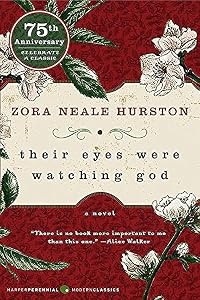


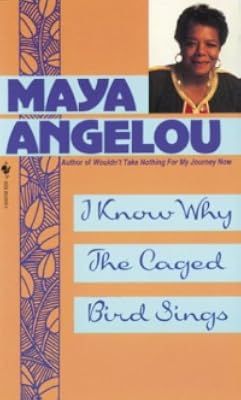

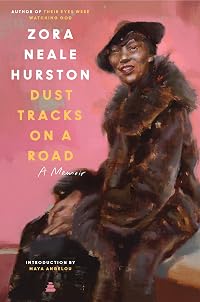
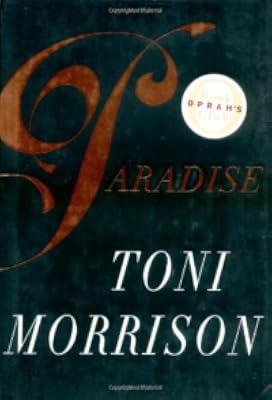
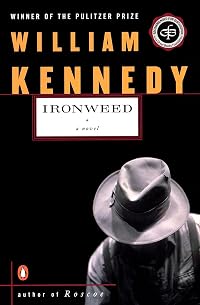

Member Recommendations
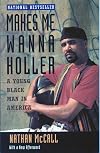
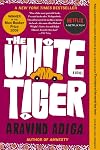
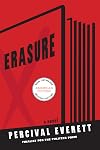
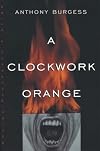
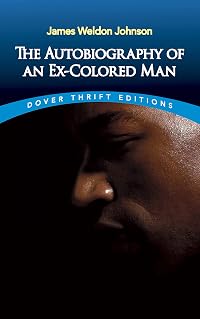
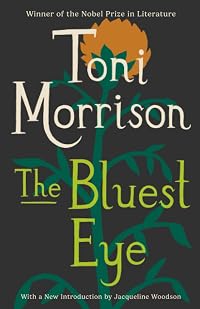
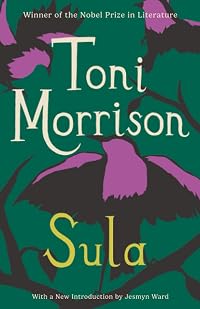
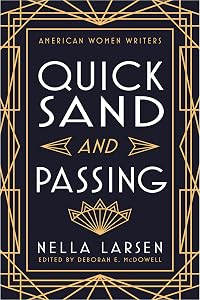
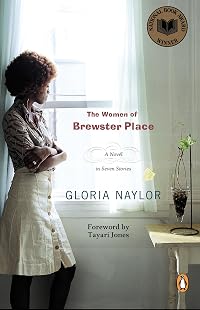
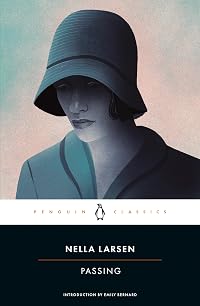
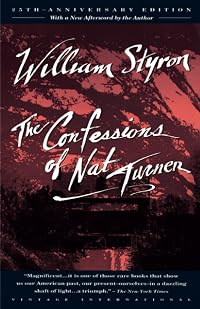
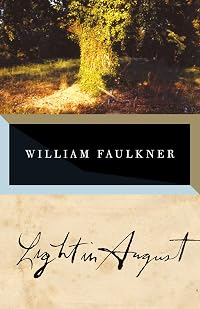
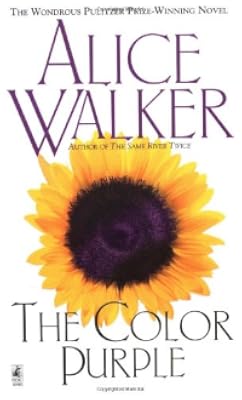
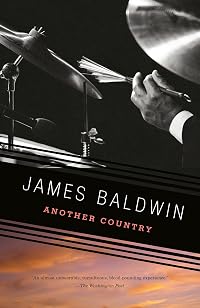
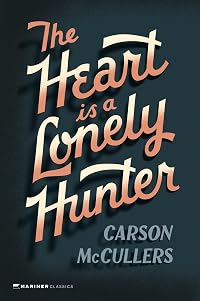
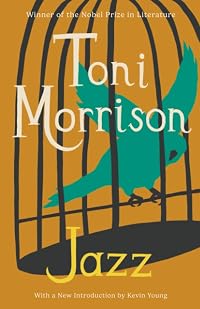
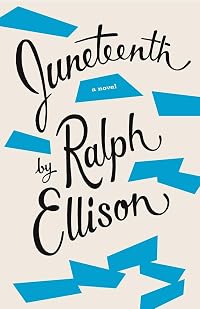
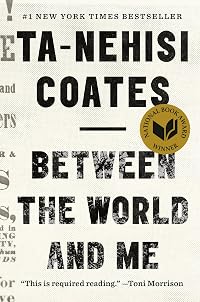
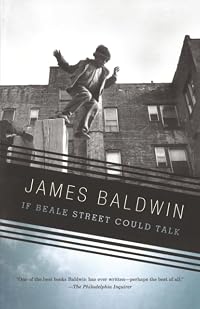
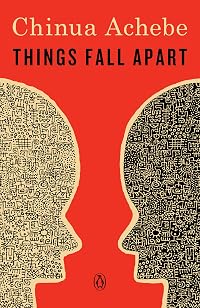
Sammelsurium Both of these classic novels sympathetically portray main characters who commit horrific crimes and thereafter suffer under flawed criminal justice systems. They are written from quite different perspectives, but focus on similar themes of criminal responsibility and reform.
11
Member Reviews
Summary: The story of Bigger Thomas, whose unpremeditated murder of Mary Dalton and second murder covering up the first, fires rage and fear in Chicago, and in a strange way gives meaning to a young man who felt himself imprisoned in Chicago’s Black Belt.
This is an uncomfortable book to read from the moment Bigger Thomas wakes up until the last pages. It is uncomfortable to view the rat-infested tenement room a family of four share, where Bigger’s first act is to kill a giant rat with a pan.
It is uncomfortable to hear Bigger’s mother nag him about going to the job set up by the relief program. He already has a record for theft, some of which he’s involved his girlfriend Bessie in.
It’s uncomfortable to hear him plot to rob a show more white jeweler with his three friends. Then when one doesn’t show up on time, he nearly slits his throat in anger.
It’s uncomfortable to go to the Daltons and be treated so well by the family and other household staff. Mr. Dalton has an interest in the companies operating the tenement housing Bigger lives in, confining Blacks to one area of south Chicago known as the Black Belt. He also gives lots of money to charities for the uplift of Blacks and employs people recommended by the relief agency who sent Bigger–an uncomfortable tension of interests that emerges as the story unfolds.
It’s uncomfortable to see Bigger on his first chauffeuring job, supposedly taking Mary Dalton, the Dalton’s only daughter to a lecture, but in reality to a rendezvous with a Communist lover, Jan. We sense Bigger’s discomfort as he takes them to a south side restaurant to eat “his kind of food,” and invited to socialize with them while proselytized into the Communist cause. We sense his discomfort as Jan drives with all of them in the front seat, then as they drink while he drives.
It’s uncomfortable to see Bigger having to help the drunken Mary into the house, and up to her room, getting her to bed, only to have her blind mother come in to this incriminating scene. We sense his discomfort as he tries to silence her so her mother won’t discover his presence and think Mary asleep in a drunken stupor, and when Mrs. Dalton leaves, to find he has asphyxiated her and she is dead.
It’s uncomfortable to witness Bigger’s desperation which leads him to stuff her in the trunk she’s taking to Detroit, to haul it to the basement and stuff her body into the coal furnace, hacking off her head so it would all fit, and then feeding the fire but fearing to remove the ashes for what he might find.
It’s uncomfortable as Mary’s disappearance becomes known to watch Bigger deflect suspicions toward Jan while involving his girlfriend in a ransom plot, ultimately telling her what he’s done, and then as Mary’s bones are found in the furnace ashes, fleeing with Bessie to an abandoned building where he has sex with her then kills her with a brick and throws her down an airshaft, where she did not immediately die.
It’s uncomfortable to see the police cordon close around him, then the final futile efforts to elude capture. It’s uncomfortable to hear the racist vitriol, of crowds who would lynch him and a prosecutor who charges him with rape as well as murder.
It’s uncomfortable to hear him tell his communist attorney, Mr. Max, how, for a brief moment, when he killed, he felt his most free and alive, how in these moments, he found meaning, a momentary escape from the destiny to which his birth and race, in his own mind, had imprisoned him.
His relationship with his attorney, who made an impassioned plea before the court for his life, is the one shining moment. Someone who asked him questions, and listened, and treated him as a man. No one understands more of his life than this man. But he is not a confessor. While Bigger tells the truth of what he had done, there was no remorse, no repentance.
We want to argue that Bigger could have made different choices. Yet the sense is of a human being trapped–in a tenement, into reliance on white charity, in an awkward social situation with two people with no clue who “mean well,” in Mary Dalton’s bedroom where no good explanation could be made for his presence. We’re rightly horrified by the murders, but also at the logic by which Bigger finds meaning in them.
We’re left uncomfortable with social structures that the execution of this young killer will not change. We’re left uncomfortable with the thought of how many other Biggers lurk in such structures–also wanting to do things with their lives, also questing for meaning, perhaps in distorted ways that will end badly for them and others. And this is as it should be. A minister friend of mine once remarked that he believed the gospel not only offered comfort to the disturbed but also disturbed the comfortable. This book does the latter. Don’t read it if you want to remain in comfort. show less
This is an uncomfortable book to read from the moment Bigger Thomas wakes up until the last pages. It is uncomfortable to view the rat-infested tenement room a family of four share, where Bigger’s first act is to kill a giant rat with a pan.
It is uncomfortable to hear Bigger’s mother nag him about going to the job set up by the relief program. He already has a record for theft, some of which he’s involved his girlfriend Bessie in.
It’s uncomfortable to hear him plot to rob a show more white jeweler with his three friends. Then when one doesn’t show up on time, he nearly slits his throat in anger.
It’s uncomfortable to go to the Daltons and be treated so well by the family and other household staff. Mr. Dalton has an interest in the companies operating the tenement housing Bigger lives in, confining Blacks to one area of south Chicago known as the Black Belt. He also gives lots of money to charities for the uplift of Blacks and employs people recommended by the relief agency who sent Bigger–an uncomfortable tension of interests that emerges as the story unfolds.
It’s uncomfortable to see Bigger on his first chauffeuring job, supposedly taking Mary Dalton, the Dalton’s only daughter to a lecture, but in reality to a rendezvous with a Communist lover, Jan. We sense Bigger’s discomfort as he takes them to a south side restaurant to eat “his kind of food,” and invited to socialize with them while proselytized into the Communist cause. We sense his discomfort as Jan drives with all of them in the front seat, then as they drink while he drives.
It’s uncomfortable to see Bigger having to help the drunken Mary into the house, and up to her room, getting her to bed, only to have her blind mother come in to this incriminating scene. We sense his discomfort as he tries to silence her so her mother won’t discover his presence and think Mary asleep in a drunken stupor, and when Mrs. Dalton leaves, to find he has asphyxiated her and she is dead.
It’s uncomfortable to witness Bigger’s desperation which leads him to stuff her in the trunk she’s taking to Detroit, to haul it to the basement and stuff her body into the coal furnace, hacking off her head so it would all fit, and then feeding the fire but fearing to remove the ashes for what he might find.
It’s uncomfortable as Mary’s disappearance becomes known to watch Bigger deflect suspicions toward Jan while involving his girlfriend in a ransom plot, ultimately telling her what he’s done, and then as Mary’s bones are found in the furnace ashes, fleeing with Bessie to an abandoned building where he has sex with her then kills her with a brick and throws her down an airshaft, where she did not immediately die.
It’s uncomfortable to see the police cordon close around him, then the final futile efforts to elude capture. It’s uncomfortable to hear the racist vitriol, of crowds who would lynch him and a prosecutor who charges him with rape as well as murder.
It’s uncomfortable to hear him tell his communist attorney, Mr. Max, how, for a brief moment, when he killed, he felt his most free and alive, how in these moments, he found meaning, a momentary escape from the destiny to which his birth and race, in his own mind, had imprisoned him.
His relationship with his attorney, who made an impassioned plea before the court for his life, is the one shining moment. Someone who asked him questions, and listened, and treated him as a man. No one understands more of his life than this man. But he is not a confessor. While Bigger tells the truth of what he had done, there was no remorse, no repentance.
We want to argue that Bigger could have made different choices. Yet the sense is of a human being trapped–in a tenement, into reliance on white charity, in an awkward social situation with two people with no clue who “mean well,” in Mary Dalton’s bedroom where no good explanation could be made for his presence. We’re rightly horrified by the murders, but also at the logic by which Bigger finds meaning in them.
We’re left uncomfortable with social structures that the execution of this young killer will not change. We’re left uncomfortable with the thought of how many other Biggers lurk in such structures–also wanting to do things with their lives, also questing for meaning, perhaps in distorted ways that will end badly for them and others. And this is as it should be. A minister friend of mine once remarked that he believed the gospel not only offered comfort to the disturbed but also disturbed the comfortable. This book does the latter. Don’t read it if you want to remain in comfort. show less
This was a difficult but important book to read. The essay at the end, entitled “How Bigger was Born,” is equal parts an exploration of Wright’s creative process and a klaxon sounding against white ignorance of the black experience. When Wright began this essay talking about the overused trumped-up charge of r*pe levied against black men in the Jim Crow era, I couldn’t help but think of the reaction of many conservative whites to #MeToo, to the effect that they were worried that their sons’ or their own lives would be ruined by false accusations of sexual misconduct. Wright would surely say something to the effect of “Now, you understand something of what we’ve been going through.” I don’t recall if there were any show more black commentators who made this point, but it wouldn’t surprise me. A key difference, of course, is that the vast majority of mostly powerful whites who were accused were likely guilty, whereas the vast majority of kostly powerless blacks were likely innocent.
I also recognized some parallels to Winston Smith in George Orwell’s 1984: a strong desire to rebel against an oppressive system, couched even in terms of violence, but ultimately the same fate and failure. show less
I also recognized some parallels to Winston Smith in George Orwell’s 1984: a strong desire to rebel against an oppressive system, couched even in terms of violence, but ultimately the same fate and failure. show less
This, the first novel about the black community by the black community in the US, was a page-turner as relevant now as when it was written during WW2. It’s incredible actually, given recent events, that despite a book like this being written, published and widely-known, little seems to have changed for the community whose cries it voices.
The tale of Bigger Thomas and his inexorable plunge into despair is not one you will forget easily. Despite some flaws in the telling which Wright readily admits in his introduction, the events unfold with a clarity that allows you to see the full weight of society stacked against the black community of Chicago.
By keeping the narrative firmly in Bigger’s head, Wright conveys exactly why the show more oppressed might perceive even acts of kindness as threats. And Wright knew this too well himself. As an orphan, he suffered trauma and as a foster carer, my training and experience tells that trauma can make the most inocuous behaviour of others seems threatening. Because of this, the victim can behave in ways which the untraumatised find perplexing and even self-defeating. Empathy soon trickles away to be replaced by fear… and containment.
But Wright is not simply giving expression to the impact of trauma on an individual, he’s confronting us with the horror of trauma on an entire people group. When considered in those terms, it’s not hard to see why the race issue in the US continues to be a festering sore from which it cannot seem to heal itself.
It’s an excellent book that should be more widely read. I wonder if it’s experiencing a revival in the wake of BLM. But those who read it might simply use it to scream louder and the debate is already a shouting match. Understanding the race issue in the US in terms of trauma, if it is a way forward, is going to take a lot of time, skill and understanding. I wonder if there’ll be any qualitative change by the time the 100th anniversary of Native‘s publication. I doubt it. show less
The tale of Bigger Thomas and his inexorable plunge into despair is not one you will forget easily. Despite some flaws in the telling which Wright readily admits in his introduction, the events unfold with a clarity that allows you to see the full weight of society stacked against the black community of Chicago.
By keeping the narrative firmly in Bigger’s head, Wright conveys exactly why the show more oppressed might perceive even acts of kindness as threats. And Wright knew this too well himself. As an orphan, he suffered trauma and as a foster carer, my training and experience tells that trauma can make the most inocuous behaviour of others seems threatening. Because of this, the victim can behave in ways which the untraumatised find perplexing and even self-defeating. Empathy soon trickles away to be replaced by fear… and containment.
But Wright is not simply giving expression to the impact of trauma on an individual, he’s confronting us with the horror of trauma on an entire people group. When considered in those terms, it’s not hard to see why the race issue in the US continues to be a festering sore from which it cannot seem to heal itself.
It’s an excellent book that should be more widely read. I wonder if it’s experiencing a revival in the wake of BLM. But those who read it might simply use it to scream louder and the debate is already a shouting match. Understanding the race issue in the US in terms of trauma, if it is a way forward, is going to take a lot of time, skill and understanding. I wonder if there’ll be any qualitative change by the time the 100th anniversary of Native‘s publication. I doubt it. show less
“…she was dead; she was white; she was a woman; he had killed her; he was black; he might get caught; he did not want to be caught; if he were they would kill him.”
Bigger Thomas - a black man trapped in a white man's world. Angry, for so many reasons, and scared, for many of those same reasons. When those emotions collide, and he acts out, his world collapses. And it's not just Bigger who suffers. The wide social implications of his actions, steeped in racism, effect other Black members of his community and, of course, his family. This book delves deeply into the reasons why Bigger does what he does, and why the world in which he lives in is partly, if not mostly, responsible. It is as important a book to read now as it was when show more it was first written. If not more so...
“How on earth are you going to change men’s hearts when the newspapers are fanning hate into them every day?” Jan asked. A question that still remains unanswered today. show less
Bigger Thomas - a black man trapped in a white man's world. Angry, for so many reasons, and scared, for many of those same reasons. When those emotions collide, and he acts out, his world collapses. And it's not just Bigger who suffers. The wide social implications of his actions, steeped in racism, effect other Black members of his community and, of course, his family. This book delves deeply into the reasons why Bigger does what he does, and why the world in which he lives in is partly, if not mostly, responsible. It is as important a book to read now as it was when show more it was first written. If not more so...
“How on earth are you going to change men’s hearts when the newspapers are fanning hate into them every day?” Jan asked. A question that still remains unanswered today. show less
17. Native Son by Richard Wright
Introduction : Caryl Phillips (2000)
published: 1940
format: 464-page paperback
acquired: February 2022 read: Feb 20 – Mar 11 time reading: 15:17, 2.0 mpp
rating: 4½
genre/style: classic novel theme: Richard Wright
locations: 1930’s Chicago
about the author: American author born on a Mississippi plantation, 1908-1960
A dark classic look at American racism in fiction. Richard Wright wrote for purpose. He was determined force the reader's eye coldly on the hard fact of racism. No cushion of sympathy, or pity, he draws the reader in so we can't look away, holds us by force of the novel, looking wide-eyed and horrified.
The first 200 pages of this novel were as intense as anything I have ever read. But it show more wasn't fun, it was awful, painful, yet still compelling. This is his masterpiece. Bigger Thomas, like the strongest of Shakespeare's villains, is all calculation and doomed for lack of consequential foresight. We're in a tragedy, but our villain is not part of noble house maneuvering for power, he is confined in all space, physical and mental, by white American racism. He acts within and against these confines, and when he crosses a line, he thinks only how to clean it up and get away. And it's here, Fargo-like, or Parasite-like, to name a couple movies, Wright leaves us. Shocked, stunned, trapped strangely in slow motion, horrified.
Mixing a few books at a time, I put the book down there (exhausted). When I picked it back up, the worst of the intense horror was past, but the book still had another 200 awkward pages of consequences, and contemplation, mentally search for ways to come to terms, and, even more awkwardly, toying with communist concepts. Bigger enters the legal system defended, without cost, by a Jewish American communist.
There is a nothing perfect in this book. It goes from evocative to uncomfortably horrific to oddly awkward. It doesn't fail. I was able to coast through these last 200 pages, and think about all that had happened, but it's a strange way to wrap this up.
Wright wanted to create a look at the human cost of racism without pity - and it certainly has done something of that sort. Five yucky stars for those first uncomfortable 200 pages, but less for the work overall.
2023
https://www.librarything.com/topic/348551#8097035 show less
Introduction : Caryl Phillips (2000)
published: 1940
format: 464-page paperback
acquired: February 2022 read: Feb 20 – Mar 11 time reading: 15:17, 2.0 mpp
rating: 4½
genre/style: classic novel theme: Richard Wright
locations: 1930’s Chicago
about the author: American author born on a Mississippi plantation, 1908-1960
A dark classic look at American racism in fiction. Richard Wright wrote for purpose. He was determined force the reader's eye coldly on the hard fact of racism. No cushion of sympathy, or pity, he draws the reader in so we can't look away, holds us by force of the novel, looking wide-eyed and horrified.
The first 200 pages of this novel were as intense as anything I have ever read. But it show more wasn't fun, it was awful, painful, yet still compelling. This is his masterpiece. Bigger Thomas, like the strongest of Shakespeare's villains, is all calculation and doomed for lack of consequential foresight. We're in a tragedy, but our villain is not part of noble house maneuvering for power, he is confined in all space, physical and mental, by white American racism. He acts within and against these confines, and when he crosses a line, he thinks only how to clean it up and get away. And it's here, Fargo-like, or Parasite-like, to name a couple movies, Wright leaves us. Shocked, stunned, trapped strangely in slow motion, horrified.
Mixing a few books at a time, I put the book down there (exhausted). When I picked it back up, the worst of the intense horror was past, but the book still had another 200 awkward pages of consequences, and contemplation, mentally search for ways to come to terms, and, even more awkwardly, toying with communist concepts. Bigger enters the legal system defended, without cost, by a Jewish American communist.
There is a nothing perfect in this book. It goes from evocative to uncomfortably horrific to oddly awkward. It doesn't fail. I was able to coast through these last 200 pages, and think about all that had happened, but it's a strange way to wrap this up.
Wright wanted to create a look at the human cost of racism without pity - and it certainly has done something of that sort. Five yucky stars for those first uncomfortable 200 pages, but less for the work overall.
2023
https://www.librarything.com/topic/348551#8097035 show less
native son really goes out of its way to refuse the humanity of women, especially black women.
we take in the story from bigger's pov, which is flawed of course, wright's major accomplishment with this novel being that it takes the most difficult route in proving its point. wright asks the reader to find humanity in a character who has done great wrong, uses violence to mask feeling, is filled with hate for even close friends and family and is entirely devoid of ambition--he takes the sorriest man he can find & shows us how to find the empathy that the jurors at the end cannot, shows us how within violent systems of oppression our lives become self-fulfilling prophecies delivering us to the same sad ends. he allows the conscience of show more bigger to explode w/ imperfections & weaknesses but gives him the character of max to work through these things with. (max is the mediator, too, for a 1940s white readership that may have needed to see the possibility of racial unity & a more heavy handed breakdown of why Bigger's crimes were the inevitable product of this world.) & so much of it is addressed & dealt with EXCEPT for the ways all of these feelings have been taken out on the women in the novel.
this passage really has haunted me:
"But rape was not what one did to women. Rape was what one felt when one's back was against the wall and one had to strike out, whether one wanted to or not, to keep the pack from killing one. He committed rape every time he looked into a white face. He was a long, taut piece of rubber which a thousand white hands had stretched to the snapping point, and when he snapped it was rape. But it was rape when he cried out in hate deep in his heart as he felt the strain of living day by day. That, too, was rape."
i can't get over the horrid audacity of writing that first sentence in a novel where the most significant black woman character is raped and brutally murdered AND left to freeze to death (this last bit so unnecessary as it just gives characters even more opportunity to emphasize how unimportant Bessie's rape and death were). her body literally becomes a piece of evidence in the trial. but we are given this passage. rape is what happens to an oppressed man. there is no character in the novel to check this (even Max glosses over it) and who even could--where are the women? their suffering is met w/ rage & dismissal & glowing hatred. they are barely characters.
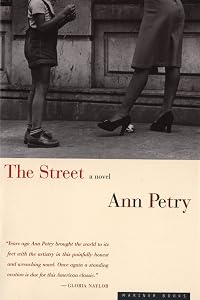
while some of the flaws of the novel are a part of its construction, this bit has weighed too heavy on me for the past few days. of course this book is powerful, important, well written, etc but i am curious how so many people can read it without being totally incapacitated by the brutal murders of these two women, which are collateral for the realizations of men (about everything but society's treatment of women, especially women from minority groups who feel the violence of oppression in so many different ways). which is a horrifying part of the world that churns eternally--deadly & invisible. i would not say don't read this book but i will say maybe you should read the street by ann petry instead. show less
we take in the story from bigger's pov, which is flawed of course, wright's major accomplishment with this novel being that it takes the most difficult route in proving its point. wright asks the reader to find humanity in a character who has done great wrong, uses violence to mask feeling, is filled with hate for even close friends and family and is entirely devoid of ambition--he takes the sorriest man he can find & shows us how to find the empathy that the jurors at the end cannot, shows us how within violent systems of oppression our lives become self-fulfilling prophecies delivering us to the same sad ends. he allows the conscience of show more bigger to explode w/ imperfections & weaknesses but gives him the character of max to work through these things with. (max is the mediator, too, for a 1940s white readership that may have needed to see the possibility of racial unity & a more heavy handed breakdown of why Bigger's crimes were the inevitable product of this world.) & so much of it is addressed & dealt with EXCEPT for the ways all of these feelings have been taken out on the women in the novel.
this passage really has haunted me:
"But rape was not what one did to women. Rape was what one felt when one's back was against the wall and one had to strike out, whether one wanted to or not, to keep the pack from killing one. He committed rape every time he looked into a white face. He was a long, taut piece of rubber which a thousand white hands had stretched to the snapping point, and when he snapped it was rape. But it was rape when he cried out in hate deep in his heart as he felt the strain of living day by day. That, too, was rape."
i can't get over the horrid audacity of writing that first sentence in a novel where the most significant black woman character is raped and brutally murdered AND left to freeze to death (this last bit so unnecessary as it just gives characters even more opportunity to emphasize how unimportant Bessie's rape and death were). her body literally becomes a piece of evidence in the trial. but we are given this passage. rape is what happens to an oppressed man. there is no character in the novel to check this (even Max glosses over it) and who even could--where are the women? their suffering is met w/ rage & dismissal & glowing hatred. they are barely characters.
while some of the flaws of the novel are a part of its construction, this bit has weighed too heavy on me for the past few days. of course this book is powerful, important, well written, etc but i am curious how so many people can read it without being totally incapacitated by the brutal murders of these two women, which are collateral for the realizations of men (about everything but society's treatment of women, especially women from minority groups who feel the violence of oppression in so many different ways). which is a horrifying part of the world that churns eternally--deadly & invisible. i would not say don't read this book but i will say maybe you should read the street by ann petry instead. show less
Historically, this work was written before the Civil Rights era (1940) and shed light on the terrible social circumstances that pervaded African-American life in the North. Set in Chicago shortly after the Great Migration, it portrays what we now would characterize as systemic racism – the realities of a dysfunctional society. A black everyman has his life cast away by a lack of opportunity to make his life count for something. It can remind today’s readers of the progress that has been made and the progress which still must be made.
In this tale, Bigger Thomas at first seems headed to jail for only petty theft; then soon, he is in trouble for murder. Ironically, committing murder for Thomas was the most enlivening act of his life, show more for it was an act in which he took full responsibility of making a decision. With only an eighth-grade education and the wrong color of skin, Thomas did not have much opportunity, and the opportunities presented him were still less than that presented to most white folk.
In the author’s telling, Thomas’ actions seemed reasonable but simultaneously immoral. That quandary and contradiction creates tension and sympathy in the reader. In the final chapter, I read the case for and against the protagonist, and I could not help but agree with both accounts. It thus vividly portrayed what happens to oppressed people in seemingly intractable situations. The main remedy or next step, it seems, was awareness.
The original text, now preserved in my edition of the book, was too vivid for original readers in the 1940s, so Wright revised it so that it would reach a wide audience of a specific book club. The publisher thought that it would turn off pre-World-War-II American housewives who populated the book club. Fortunately, the book sold well and was eventually deemed a classic. Also fortunately, the original text was later re-discovered and disseminated to the reading public.
In an era when America’s systemic racism is regularly discussed in the news, this text provides an interesting and relevant historical nugget. It’s one of the first vivid portrayals of post-slavery African-American life. It reminds us that undoing America’s “original sin” of slavery requires more than just Constitutional amendments. Though this work might prove too seedy for grade-school students, it should not be neglected by the curious reader. Its seediness is not sensationalism but instead meaningful. We are not so far off Wright’s 1940-era Chicago that these type of situations do not remain. Rather, the setting’s similarity to the present day needs to be contemplated still. Few better resources for this task exist in America’s literary past than Native Son. show less
In this tale, Bigger Thomas at first seems headed to jail for only petty theft; then soon, he is in trouble for murder. Ironically, committing murder for Thomas was the most enlivening act of his life, show more for it was an act in which he took full responsibility of making a decision. With only an eighth-grade education and the wrong color of skin, Thomas did not have much opportunity, and the opportunities presented him were still less than that presented to most white folk.
In the author’s telling, Thomas’ actions seemed reasonable but simultaneously immoral. That quandary and contradiction creates tension and sympathy in the reader. In the final chapter, I read the case for and against the protagonist, and I could not help but agree with both accounts. It thus vividly portrayed what happens to oppressed people in seemingly intractable situations. The main remedy or next step, it seems, was awareness.
The original text, now preserved in my edition of the book, was too vivid for original readers in the 1940s, so Wright revised it so that it would reach a wide audience of a specific book club. The publisher thought that it would turn off pre-World-War-II American housewives who populated the book club. Fortunately, the book sold well and was eventually deemed a classic. Also fortunately, the original text was later re-discovered and disseminated to the reading public.
In an era when America’s systemic racism is regularly discussed in the news, this text provides an interesting and relevant historical nugget. It’s one of the first vivid portrayals of post-slavery African-American life. It reminds us that undoing America’s “original sin” of slavery requires more than just Constitutional amendments. Though this work might prove too seedy for grade-school students, it should not be neglected by the curious reader. Its seediness is not sensationalism but instead meaningful. We are not so far off Wright’s 1940-era Chicago that these type of situations do not remain. Rather, the setting’s similarity to the present day needs to be contemplated still. Few better resources for this task exist in America’s literary past than Native Son. show less
Members
- Recently Added By
Lists

1001 Books You Must Read Before You Die
1,448 works; 1,134 members

The Guardian's 1000 Novels Everyone Must Read
1,005 works; 551 members

Radcliffe's 100 Best Novel of the 20th Century
100 works; 32 members

The Top Ten: Writers Pick Their Favorite Books
240 works; 31 members
1940s
221 works; 25 members

Recommend the 20 best books you've read in the last five years
2,168 works; 606 members

Great American Novels
158 works; 42 members
New York Public Library's Books of the Century
120 works; 20 members

Best African American Literature
53 works; 9 members
20th Century Literature
1,161 works; 55 members

Newsweek's Top 100 Books: The Meta-List
100 works; 18 members

New York Public Library's Books of the Century - All
170 works; 14 members

Must-Read Books by Black Authors
114 works; 92 members
Harold Bloom - The Western Canon: D. The Chaotic Age
833 works; 24 members
Time Magazine's "All-Time 100"
113 works; 15 members
Banned Books Week 2014
268 works; 63 members

Canon de la narrativa universal del siglo XX
254 works; 6 members
Banned or Challenged Books
400 works; 40 members

Twentieth Century Greatest Hits
27 works; 11 members
Time's All-Time 100 Novels
100 works; 27 members

100 Most Recommended Works
100 works; 11 members

1964 College Preparatory Reading List
202 works; 8 members

Books You Read During High School (For School)
301 works; 52 members
The American Experience
173 works; 18 members
1,001 BYMRBYD Concensus
723 works; 27 members
The Well-Educated Mind Reading Challenge
75 works; 7 members
Mensa for Kids Excellence in Reading Award Program (Grades 9-12)
116 works; 5 members
Blue Pyramid 1,276 Best Books of All Time
1,248 works; 32 members
The Modern Library's 100 Best Novels: The Board's List
85 works; 6 members
The Greatest Books
99 works; 5 members

Books Read in 2023
5,638 works; 147 members
The College Board: 101 Great Books Recommended for College-Bound Readers
111 works; 7 members

Well-Educated Mind
150 works; 3 members

Carole's List
445 works; 13 members

Books Read in 2017
4,249 works; 130 members
Overdue Podcast
806 works; 9 members

Books Read in 2022
5,226 works; 115 members
First Novels
373 works; 17 members
American Lit for Eng 11 Research Project
368 works; 6 members

DigitalDreamDoor top 300
300 works; 4 members
The Complete Rory Gilmore Reading List
506 works; 5 members
School Made Us Read It
380 works; 196 members
.
396 works; 1 member
Canon de la narrativa universal del s. XX (cicutadry)
499 works; 3 members

On the pile
20 works; 1 member

Recommended Reading : 600 Classics Reviewed, Editors of Salem Press, 2015
634 works; 6 members
Modern Library's 100 Best Novels
100 works; 2 members
The Well-Educated Mind, Susan Wise Bauer, 2016
179 works; 3 members
Mensa for Kids Excellence in Reading Award Program (Grades 9-12)
116 works; 3 members

The Atlantic's The Great American Novel
136 works; 12 members

Mustich's 1000 Books to Read Before You Die: A Life Changing List
1,001 works; 19 members

AP Lit
363 works; 6 members

Greatest Books, allegedly
484 works; 9 members

The Art of Manliness' 100+ Books Every Man Should Read
108 works; 2 members

To read
9 works; 1 member
Larry McCaffery's 20th Century Greatest Hits: 100 English-Language Books
103 works; 12 members
Literary Travelogue of the United States Challenge
133 works; 6 members

Books Featured on Readers' Review of the Diane Rehm Show
161 works; 8 members

100 World Classics
99 works; 15 members

bound
100 works; 1 member
Author Information

55+ Works 19,438 Members
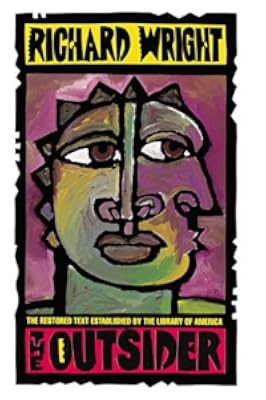
Richard Wright was generally thought of as one of the most gifted contemporary African American writers until the rise of James Baldwin. "With Wright, the pain of being a Negro is basically economic---its sight is mainly in the pocket. With Baldwin, the pain suffuses the whole man. . . . If Baldwin's sights are higher than Wright's, it is in part show more because Wright helped to raise them" (Time). Wright was born on a plantation near Natchez, Mississippi, the son of a sharecropper. At the age of 15, he started to work in Memphis, then in Chicago, then "bummed all over the country," supporting himself by various odd jobs. His early writing was in the smaller magazines---first poetry, then prose. He won Story Story's $500 prize---for the best story written by a worker on the Writer's Project---with "Uncle Tom's Children" in 1938, his first important publication. He wrote Native Son (1940) in eight months, and it made his reputation. Based in part on the actual case of a young black murderer of a white woman, it was one of the first of the African American protest novels, violent and shocking in its scenes of cruelty, hunger, rape, murder, flight, and prison. Black Boy (1945) is the simple, vivid, and poignant story of Wright's early years in the South. It appeared at the beginning of a new postwar awareness of the evils of racial prejudice and did much to call attention to the plight of the African American. The Outsider (1953) is a novel based on Wright's own experience as a member of the Communist party, an affiliation he terminated in 1944. He remained politically inactive thereafter and from 1946 until his death made his principal residence in Paris. His nonfiction writings on problems of his race include Black Power: A Record of Reactions in a Land of Pathos (1954), about a visit to the Gold Coast, White Man, Listen (1957), and Twelve Million Black Voices: A Folk History of the Negro in the United States. (Bowker Author Biography) Richard Wright was born on a plantation near Natchez, Mississippi. His father left the family when Wright was only five years old, and he was raised first by his mother and then by a series of relatives. What little schooling he had ended with his graduation from ninth grade in Memphis, Tennessee. At age 15, he started to work in Memphis, and later worked in Chicago before traveling across the country supporting himself with odd jobs. When Wright finally returned to Chicago, he got a job with the federal Writer's Project, a government-supported arts program. He was quite successful, winning a $500 prize from a magazine for the best fiction written by a participant in that program. In Chicago, he was also introduced to leftist politics and became a member of the Communist Party. In 1937, Wright left Chicago for New York, where he became Harlem editor for the Communist national newspaper, The Daily Worker, and where he met future novelist, Ralph Ellison. Wright became a celebrated author with the publication of Native Son (1940), a novel he wrote in only eight months. Based on the actual case of a young black murderer of a white woman, it was one of the first of the modern black protest novels, violent and shocking in its sense of cruelty, hunger, rape, murder, flight, and prison. This novel brought Wright both fame and financial security. He followed it with his autobiography, Black Boy (1945), which was also successful. In 1942, Wright and his wife broke with the Communist Party, and in 1947, they moved to France, where Wright lived the rest of his life. His novel The Outsider (1953) is based on his experiences as a member of the Communist Party. Wright is regarded as a major modern American writer, one of the first black writers to reach a large white audience, and thereby raise the level of national awareness of the continuing problem of racism in America. In many respects Wright paved the way for all black writers who followed him. (Bowker Author Biography) show less
Some Editions
Awards and Honors
Notable Lists
The Great American Novels (1940)
Daniel S. Burt's Novel 100 (080 – 80)
Series
Belongs to Publisher Series
Work Relationships
Is contained in
Has the adaptation
Is abridged in
Inspired
Has as a reference guide/companion
Has as a study
Has as a supplement
Has as a commentary on the text
Has as a student's study guide
Common Knowledge
- Canonical title
- Native Son
- Original title
- Native Son
- Original publication date
- 1940
- People/Characters
- Bigger Thomas; Mary Dalton; Mrs. Dalton; Henry Dalton; Jan Erlone; Gus (show all 14); G.H.; Jack; Boris Max; Peggy; Mrs. Thomas; Buddy Thomas; Vera Thomas; Buckley
- Important places
- South Side, Chicago, Illinois, USA; Chicago, Illinois, USA; Illinois, USA
- Related movies
- Native Son (1986 | IMDb); Native Son (1951 | IMDb); Native Son (2019 | IMDb)
- Epigraph
- Oggi ancora il mio lamento è ribellione, la mia piaga è piu' grave dei miei sospiri" Libro di Giobbe, 22,3
Even today is my complaint rebellious,
My stroke is heavier than my groaning.
—Job - Dedication
- A mia madre- che, quando ero bimbo alle sue ginocchia, m'insegno' l'ammirazione e il rispetto delle cose e degli uomini immaginosi e fantastici.
TO
My Mother
who, when I was a child at her knee, taught me to revere the fanciful and imaginative - First words
- Brrrrrrriiiiiiiiiiiiiiiiiinng! An alarm clock clanged in the dark and silent room.
- Last words
- (Click to show. Warning: May contain spoilers.)He heard the ring of steel against steel as a far door clanged shut.
- Original language
- English US
Classifications
Statistics
- Members
- 8,768
- Popularity
- 1,246
- Reviews
- 113
- Rating
- (3.95)
- Languages
- 14 — Amharic, Dutch, English, Finnish, French, German, Italian, Norwegian (Bokmål), Polish, Portuguese, Russian, Spanish, Swedish, Turkish
- Media
- Paper, Audiobook, Ebook
- ISBNs
- 69
- UPCs
- 3
- ASINs
- 103