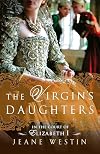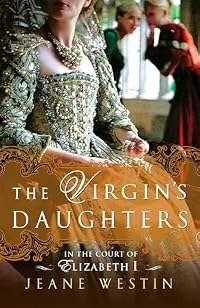
The Virgin's Daughters: In the Court of Elizabeth I
by Jeane Westin
On This Page
Description
The story of Elizabeth I, as it's never been told before-through the eyes of two ladies-in-waiting closest to her...In a court filled with repressed sexual longing, scandal, and intrigue, Lady Katherine Grey is Elizabeth's most faithful servant. When the young queen is smitten by the dashing Robert Dudley, Katherine must choose between duty and desire-as her secret passion for a handsome earl threatens to turn Elizabeth against her. Once the queen becomes a bitter and capricious monarch, show more another lady-in-waiting, Mistress Mary Rogers, offers the queen comfort. But even Mary cannot remain impervious to the court's sexual tension-and as Elizabeth gives her doomed heart to the mercurial Earl of Essex, Mary is drawn to the queen's rakish godson... show less
Tags
Recommendations

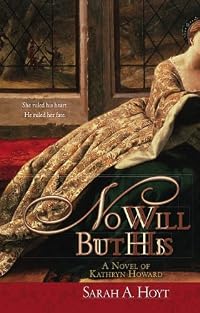

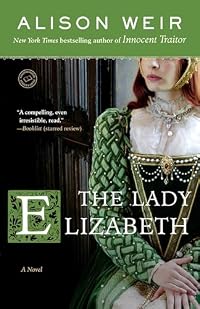
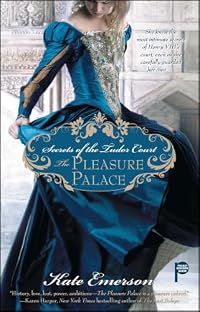

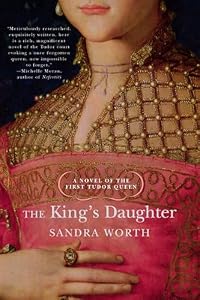
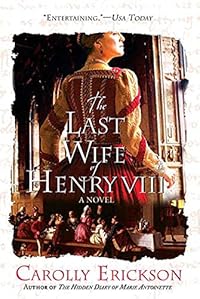

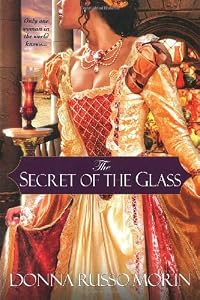

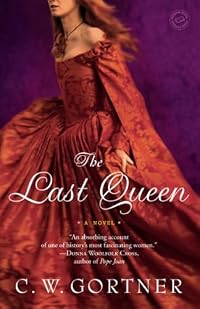
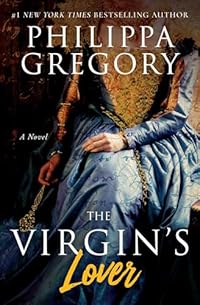
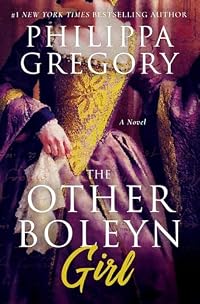

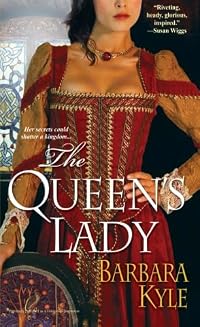
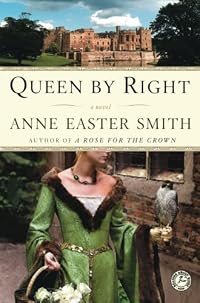

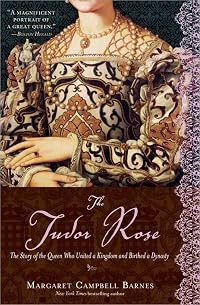
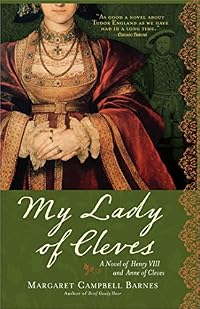
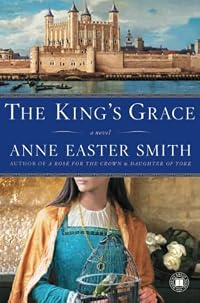
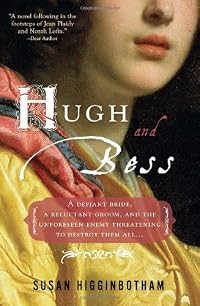
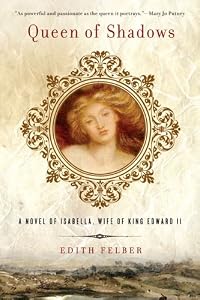
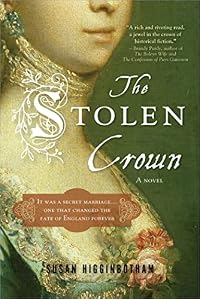
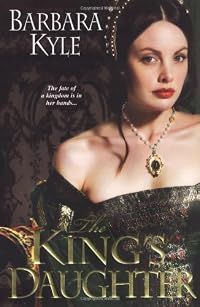
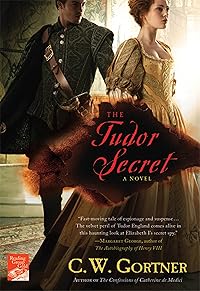
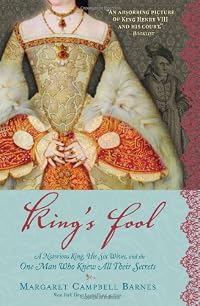

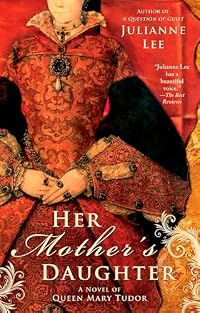
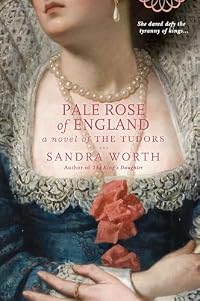
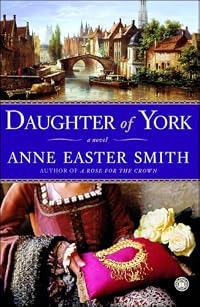
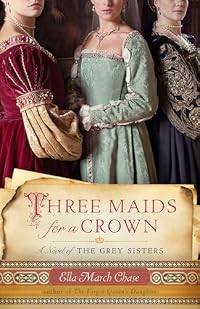
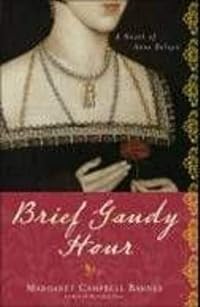
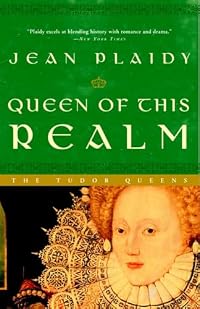
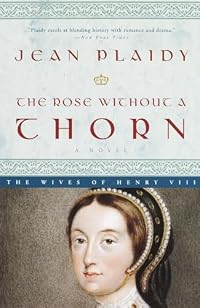
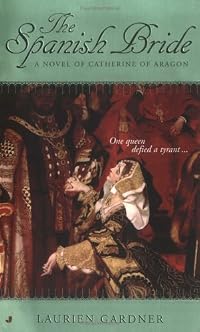
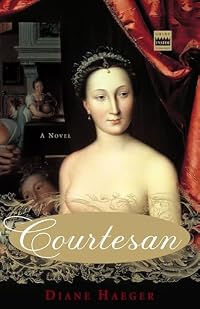
Member Recommendations

k00kaburra Another account of the sad life of Katherine Grey.
Member Reviews
The trouble with being a Tudor monarch was the constant concern over keeping your crown. Elizabeth I, probably moreso than any other Tudor since Henry VII, felt the weight of this burden. If she married, her husband would have dominion over her and, as a result, her kingdom. She would never let that happen. A consequence of this decision is that she was without direct heirs. Subsequently, she had to constantly be on the lookout for those who might take her throne by force or, through a strategic marriage, create male heirs. As a result, Elizabeth I was emotionally alone, especially after Sir Robert Dudley died. Both Katherine Grey, sister of the tragic Lady Jane Grey and Mary Rogers find themselves devoted to their queen but powerless show more to close off their hearts to love as their queen demanded. Their stories highlight what it may have been like to fall in love at Queen Elizabeth I's court and how the age of the queen might impact their situations.
I enjoyed both love stories. I felt for Lady Katherine Grey. Her sister, Jane, was foisted on the throne against her will by her family and the Seymour family, scrambling for power after the death of King Edward Tudor. She lost her life. After witnessing what blind ambition did to her family, the last thing she even wants is to be at court. Her mother forced the position upon her, and I have to admit that I love reading Lady Frances Brandon as a conniving bitch. Her role isn't large, but her appearances hit all the right notes. When Katherine falls in love with Edward Seymour, first Earl of Hertford, danger was everywhere. Elizabeth was young and in love, but she worked hard to keep virgin image and wanted the same from her ladies-in-waiting. On top of that, a match between the Grey and the Seymour family could mean the end of her reign, especially once there was a male heir. Not knowing the final outcome in reality really ramped up the drama for me. I wanted to know what happened and I hoped that Elizabeth would see their love and respect it.
Mary Rogers was a different woman than Katherine Grey. She learned about life at court and the nature of Elizabeth I from Katherine Grey. She, a young woman with no where near the pedigree of Katherine, wanted nothing more than to serve the sovereign she adored. Her family background was religiously conservative and she wanted to do well by her grandfather and her Queen. John Harrington, the Queen's godson, was a man who enjoyed the ladies of court. He fell unexpectedly hard for Mary and had to work very hard for her heart. At the end of her life, Elizabeth seemed to want her ladies to remain her celebate daughters all the more. As much as she loved and respected Mary, she could not and would not consent to a marriage for her and John. Instead, she wanted to use Mary's beauty to help secure the loyalty of one of her Northern lords. Despite John's innovative ways of pleasing the queen (I had no idea that's how toilets became known as "johns") and softening her heart toward their match, the couple wondered if they were fated to end their lives as lonely as Elizabeth.
The Virgin's Daughters was a fun read and it was exactly what I was looking for when I started reading it. You have the delight of being at court mixed with the fear of displeasing yet another moody Tudor monarch. I thought that showing Elizabeth at both ends of her reign through the eyes of her daughters was a great way to approach the Virgin Queen. Elizabeth was the right mixture of scared and menacing. How much different would her life have been had she had the ability to make choices without having to worry about England and the succession of its throne. Of all the novels I've read revolving around Queen Elizabeth, this has been my favorite. It gives me hope that there will be an Elizabeth I-centric novel that I will love as much as I've loved other Tudor novels. I would highly recommend it to anyone who loves Tudor history. It flows well and quickly and was just the fix I needed this summer. show less
I enjoyed both love stories. I felt for Lady Katherine Grey. Her sister, Jane, was foisted on the throne against her will by her family and the Seymour family, scrambling for power after the death of King Edward Tudor. She lost her life. After witnessing what blind ambition did to her family, the last thing she even wants is to be at court. Her mother forced the position upon her, and I have to admit that I love reading Lady Frances Brandon as a conniving bitch. Her role isn't large, but her appearances hit all the right notes. When Katherine falls in love with Edward Seymour, first Earl of Hertford, danger was everywhere. Elizabeth was young and in love, but she worked hard to keep virgin image and wanted the same from her ladies-in-waiting. On top of that, a match between the Grey and the Seymour family could mean the end of her reign, especially once there was a male heir. Not knowing the final outcome in reality really ramped up the drama for me. I wanted to know what happened and I hoped that Elizabeth would see their love and respect it.
Mary Rogers was a different woman than Katherine Grey. She learned about life at court and the nature of Elizabeth I from Katherine Grey. She, a young woman with no where near the pedigree of Katherine, wanted nothing more than to serve the sovereign she adored. Her family background was religiously conservative and she wanted to do well by her grandfather and her Queen. John Harrington, the Queen's godson, was a man who enjoyed the ladies of court. He fell unexpectedly hard for Mary and had to work very hard for her heart. At the end of her life, Elizabeth seemed to want her ladies to remain her celebate daughters all the more. As much as she loved and respected Mary, she could not and would not consent to a marriage for her and John. Instead, she wanted to use Mary's beauty to help secure the loyalty of one of her Northern lords. Despite John's innovative ways of pleasing the queen (I had no idea that's how toilets became known as "johns") and softening her heart toward their match, the couple wondered if they were fated to end their lives as lonely as Elizabeth.
The Virgin's Daughters was a fun read and it was exactly what I was looking for when I started reading it. You have the delight of being at court mixed with the fear of displeasing yet another moody Tudor monarch. I thought that showing Elizabeth at both ends of her reign through the eyes of her daughters was a great way to approach the Virgin Queen. Elizabeth was the right mixture of scared and menacing. How much different would her life have been had she had the ability to make choices without having to worry about England and the succession of its throne. Of all the novels I've read revolving around Queen Elizabeth, this has been my favorite. It gives me hope that there will be an Elizabeth I-centric novel that I will love as much as I've loved other Tudor novels. I would highly recommend it to anyone who loves Tudor history. It flows well and quickly and was just the fix I needed this summer. show less
Excellent! I really loved these two stories about some of the most well-known figures in the court of Elizabeth I. It helped knowing (from previous readers' reviews) that I was going to get two stories on different time lines. Once I finished the first one about Kate Grey, I put it aside for a couple hours before starting the story about Mary Rogers. I thought I would end up liking the Kate Grey story better but now that I'm done with Mary's I barely remember Kate's! Part of me wants to go research how her story really turned out and part of me wants to leave it alone as I enjoyed it so much!
I began this book on the heels of Alison Weir's The Life of Elizabeth I, and already had a strong dislike for this queen. Knowing the heartbreaking show more story of Katherine Grey didn't make her tale any easier to read and left me despising QEI all the more. I didn't know much at all about Mary Rogers' life but the end made me think QEI to be such a selfish woman---using everyone's lives to feed her flighty whims. One thing I appreciate the most about this author is she allowed both women to enter their romantic relationships as "honest women", though I'm removing one star for unnecessarily descriptive sex scenes. show less
I began this book on the heels of Alison Weir's The Life of Elizabeth I, and already had a strong dislike for this queen. Knowing the heartbreaking show more story of Katherine Grey didn't make her tale any easier to read and left me despising QEI all the more. I didn't know much at all about Mary Rogers' life but the end made me think QEI to be such a selfish woman---using everyone's lives to feed her flighty whims. One thing I appreciate the most about this author is she allowed both women to enter their romantic relationships as "honest women", though I'm removing one star for unnecessarily descriptive sex scenes. show less
Splendidly written, The Virgin's Daughters, by Jeane Westin, captures the essence of service, honour and love in the court of Elizabeth I. Stories of ladies–in-waiting and their relationship and attachment to their queen are really tops in my list of favourites to read, in both fiction and non-fiction. So, I was peeked with interest in this particular novel, where the author unravels the turbulent love stories of two such ladies living similar journeys leading towards different outcomes.
The story begins with Lady Katherine Grey, sister of the beheaded Jane Grey- and cousin to Elizabeth I. Kate was torn between her love of service for the Queen and her lifelong love, Edward Seymore (in direct lineage with Jane Seymore, Henry VIII’s show more third wife; hence first cousin of Edward VI). Let’s just say that with lovers of such high pedigree, Kate’s position at court was of more than particular interest to all. Not only did Kate serve the Queen-she was also named successor to the throne, in accordance to the will of Henry VIII, her uncle. A marriage to her beloved ‘Ned’ invited the possibility of future male heirs; whom, Elizabeth deduced, would have most certainly jeopardized her throne.
The second part of the book is about Mary Rogers, a distant (and decades younger) cousin of both Elizabeth I and Katherine Grey. ‘Mouse’ as Elizabeth often called her, was more of a country girl than a noble. With great aspiration to completely devote herself to her Queen, Mary never swayed. When love to John Harrington (Elizabeth’s godson), was forbidden in order to permit a promised marriage of which Mary wanted no part, loyalty to her Queen again prevailed.
In conjunction, The Virgin’s Daughters, takes us through the life of the young and beautiful Elizabeth I and her tumultuous relationship with Robert Dudley, her impossible, yet everlasting love. The second part sees an aged and less lustrous Elizabeth in her ending years, with the Earl of Essex playing the role of deplorable substitute as favourite to the Queen. Throughout the book, we can sense Elizabeth’s emotions and reactions towards these men and the importance they held in her life. Consequently, Elizabeth’s decisions regarding her ladies were exercised through the reasoning and beliefs she held about love and loyalty and all that it entailed. It would only be logical for her to expect no less from those in her service- sacrifice for a higher purpose. Elizabeth reigned supreme and ultimately, love for her country always came first.
I really enjoyed reading about the deceptions and triumphs of these young women who suffered honorably for a cause they remained faithful to, until the end. The Queen was everything to them, much to their demise. And, although I cheered them on and wanted happiness and love for them both, it was often difficult for me to understand this total devotion for their sovereign. Most times I found Elizabeth to be cruel and even coarser than Henry VIII ever was. In fact, Elizabeth seemed cold, unmoved, vain, self-serving and completely incapable of love in any form. Harsh? No, I think it’s ingenious. Westin, I believe had me exactly where she wanted …completely magnetized by Elizabeth.
Throughout the book I kept hoping for my desolate heroines, and every time, the unexpected happened. I enjoy it when a book keeps me this entertained. As for Elizabeth, her portrayal, which had me despising her, also led me to an unwitting, yet forceful need to admire her. I’ve never been a die-hard fan of Elizabeth (yeah, I’m one of those-sorry), but her portrayal in this beautiful novel, manages to bring forth her greatness as ruler and sovereign without ever undermining her vulnerability as woman, lover and ...mother. Unfaltering to the end, Elizabeth was faithfully committed for the sake of a higher purpose. When seen under this light, I began to comprehend Elizabeth’s difficult choices and their impact on history. In The Virgin’s Daughters, the Queen’s verdict always determined love’s fate, albeit at a cost to all those involved…even Elizabeth.
Historically accurate and beautifully written, you will find more than just love stories to remember along with the insuperable power of a queen. The Virgin’s Daughters takes you deeper –distinguishing itself by making a significant impression that will leave you pondering about forbidden love and royal reasoning in the times of Elizabeth I.
Wonderful!
Special Thanks to Penguin Books:) show less
The story begins with Lady Katherine Grey, sister of the beheaded Jane Grey- and cousin to Elizabeth I. Kate was torn between her love of service for the Queen and her lifelong love, Edward Seymore (in direct lineage with Jane Seymore, Henry VIII’s show more third wife; hence first cousin of Edward VI). Let’s just say that with lovers of such high pedigree, Kate’s position at court was of more than particular interest to all. Not only did Kate serve the Queen-she was also named successor to the throne, in accordance to the will of Henry VIII, her uncle. A marriage to her beloved ‘Ned’ invited the possibility of future male heirs; whom, Elizabeth deduced, would have most certainly jeopardized her throne.
The second part of the book is about Mary Rogers, a distant (and decades younger) cousin of both Elizabeth I and Katherine Grey. ‘Mouse’ as Elizabeth often called her, was more of a country girl than a noble. With great aspiration to completely devote herself to her Queen, Mary never swayed. When love to John Harrington (Elizabeth’s godson), was forbidden in order to permit a promised marriage of which Mary wanted no part, loyalty to her Queen again prevailed.
In conjunction, The Virgin’s Daughters, takes us through the life of the young and beautiful Elizabeth I and her tumultuous relationship with Robert Dudley, her impossible, yet everlasting love. The second part sees an aged and less lustrous Elizabeth in her ending years, with the Earl of Essex playing the role of deplorable substitute as favourite to the Queen. Throughout the book, we can sense Elizabeth’s emotions and reactions towards these men and the importance they held in her life. Consequently, Elizabeth’s decisions regarding her ladies were exercised through the reasoning and beliefs she held about love and loyalty and all that it entailed. It would only be logical for her to expect no less from those in her service- sacrifice for a higher purpose. Elizabeth reigned supreme and ultimately, love for her country always came first.
I really enjoyed reading about the deceptions and triumphs of these young women who suffered honorably for a cause they remained faithful to, until the end. The Queen was everything to them, much to their demise. And, although I cheered them on and wanted happiness and love for them both, it was often difficult for me to understand this total devotion for their sovereign. Most times I found Elizabeth to be cruel and even coarser than Henry VIII ever was. In fact, Elizabeth seemed cold, unmoved, vain, self-serving and completely incapable of love in any form. Harsh? No, I think it’s ingenious. Westin, I believe had me exactly where she wanted …completely magnetized by Elizabeth.
Throughout the book I kept hoping for my desolate heroines, and every time, the unexpected happened. I enjoy it when a book keeps me this entertained. As for Elizabeth, her portrayal, which had me despising her, also led me to an unwitting, yet forceful need to admire her. I’ve never been a die-hard fan of Elizabeth (yeah, I’m one of those-sorry), but her portrayal in this beautiful novel, manages to bring forth her greatness as ruler and sovereign without ever undermining her vulnerability as woman, lover and ...mother. Unfaltering to the end, Elizabeth was faithfully committed for the sake of a higher purpose. When seen under this light, I began to comprehend Elizabeth’s difficult choices and their impact on history. In The Virgin’s Daughters, the Queen’s verdict always determined love’s fate, albeit at a cost to all those involved…even Elizabeth.
Historically accurate and beautifully written, you will find more than just love stories to remember along with the insuperable power of a queen. The Virgin’s Daughters takes you deeper –distinguishing itself by making a significant impression that will leave you pondering about forbidden love and royal reasoning in the times of Elizabeth I.
Wonderful!
Special Thanks to Penguin Books:) show less
The Virgin's Daughter is told in two parts. The first part is early in Elizabeth's reign, when she herself is in love with Robert Dudley, whom she refuses to marry. She therefore expects her ladies-in-waiting also to remain unmarried and virgins. Lady Katherine Grey has pledged her devotion to the Queen, but can not forget her love for Edward Seymour, a childhood sweetheart. When Edward begins to pursue her again, she is torn between wanting love, marriage, and family and her loyalty to the Queen. Elizabeth also uses Kate as a pawn, as her council is desperate for her to marry and name an heir. Those with royal blood can not marry without consent or can be charged with treason.
Part two takes place near the end of Elizabeth's reign. Mary show more Rogers has newly become a lady-in-waiting to the aging Queen. Dudley has since passed away and Elizabeth amuses herself with the affections of the Earl of Essex, but still refuses to marry, nor has she named an heir. Mary finds herself falling in love with Sir John Harrington, whom the Queen refuses permission for him to court Mary. The young couple find themselves in a similar position as Kate and Edward before them.
I liked this book but I did not love it. I did like the complicated nature of a Queen who has fought for her position and does not want to marry and be ruled by a man. Her paranoia that others were looking to replace her was justified and explained her capricious nature towards relationships. I felt that the first part of the novel was enough to show an insight into Elizabeth's court. By the second part, it just felt a little forced and repetitive. It was not as well-written as other historical fiction of the Tudors, such as The Other Boleyn Girl by Philippa Gregory. show less
Part two takes place near the end of Elizabeth's reign. Mary show more Rogers has newly become a lady-in-waiting to the aging Queen. Dudley has since passed away and Elizabeth amuses herself with the affections of the Earl of Essex, but still refuses to marry, nor has she named an heir. Mary finds herself falling in love with Sir John Harrington, whom the Queen refuses permission for him to court Mary. The young couple find themselves in a similar position as Kate and Edward before them.
I liked this book but I did not love it. I did like the complicated nature of a Queen who has fought for her position and does not want to marry and be ruled by a man. Her paranoia that others were looking to replace her was justified and explained her capricious nature towards relationships. I felt that the first part of the novel was enough to show an insight into Elizabeth's court. By the second part, it just felt a little forced and repetitive. It was not as well-written as other historical fiction of the Tudors, such as The Other Boleyn Girl by Philippa Gregory. show less
In her debut historical fiction novel, Jeane Westin explores the world of Queen Elizabeth I's court, particularly the early years. In a detailed, but somewhat unsure hand, Westin paints the world of sexually repressed court of Elizabeth I through the eyes of Elizabeth's ladies, whom she referred to as her "daughters." Thought Elizabeth thought of herself as a mother to the young women in her service, she held them to the same moral standard she forced on herself, which made it difficult for them to comply. In fact, in many cases, Elizabeth's "daughters" found themselves in the beds of seductive noblemen, or worse, pregnant.
The first half of the novel explores the story of Lady Katherine Grey, cousin to Elizabeth and younger sister of show more the doomed Lady Jane Grey who was queen of England for nine days. Though Katherine's family has been cast as traitors, Elizabeth has taken Katherine into her care and hopes to help better the reputation of her family and perhaps find Katherine a husband. More importantly, in Henry VIII's will, Katherine is named as the next heir to the throne after Elizabeth, and since Elizabeth has yet to marry, produce an heir or even name an heir, Katherine is the heir apparent -meaning she is one of the most desirable ladies on the marriage market. In a fascinating hand, Katherine's story of love and loss unfolds in a moving, unexpected way.
The second half of the novel takes place later on in Elizabeth's reign and focuses on Mistress Mary Rodgers, a commoner from a merchant family who uses her small connections to Elizabeth to become one of the queen's ladies-in-waiting. Though readers learn the rest of Katherine's story through Mary's eyes, Mary's story is not quite as compelling as Katherine's, and tends to be overshadowed by the deep tensions between Elizabeth, Robert Dudley and others at court. As Mary gets caught up in the lustful intrigues of the court, she finds that being one of the queen's "daughters" isn't as easy as she thought.
Though it has some flaws, The Virgin's Daughters is a compelling debut historical that's perfect for fans of British historical fiction. Now, I did read Westin's The Last Letter first, without the knowledge that it is actually a follow-up to this book, and I do believe that novel is superior, but it was worth going back and reading The Virgin's Daughters. The history is vivid and the details are strong, while the characters seem to come in and out of focus throughout a plot that runs the gambit from non-stop-page-turning suspense to near-painful dullness (especially in the Mary Rodgers half).
Not a bad debut, but if you're pressed for time, I'd go straight to His Last Letter. show less
The first half of the novel explores the story of Lady Katherine Grey, cousin to Elizabeth and younger sister of show more the doomed Lady Jane Grey who was queen of England for nine days. Though Katherine's family has been cast as traitors, Elizabeth has taken Katherine into her care and hopes to help better the reputation of her family and perhaps find Katherine a husband. More importantly, in Henry VIII's will, Katherine is named as the next heir to the throne after Elizabeth, and since Elizabeth has yet to marry, produce an heir or even name an heir, Katherine is the heir apparent -meaning she is one of the most desirable ladies on the marriage market. In a fascinating hand, Katherine's story of love and loss unfolds in a moving, unexpected way.
The second half of the novel takes place later on in Elizabeth's reign and focuses on Mistress Mary Rodgers, a commoner from a merchant family who uses her small connections to Elizabeth to become one of the queen's ladies-in-waiting. Though readers learn the rest of Katherine's story through Mary's eyes, Mary's story is not quite as compelling as Katherine's, and tends to be overshadowed by the deep tensions between Elizabeth, Robert Dudley and others at court. As Mary gets caught up in the lustful intrigues of the court, she finds that being one of the queen's "daughters" isn't as easy as she thought.
Though it has some flaws, The Virgin's Daughters is a compelling debut historical that's perfect for fans of British historical fiction. Now, I did read Westin's The Last Letter first, without the knowledge that it is actually a follow-up to this book, and I do believe that novel is superior, but it was worth going back and reading The Virgin's Daughters. The history is vivid and the details are strong, while the characters seem to come in and out of focus throughout a plot that runs the gambit from non-stop-page-turning suspense to near-painful dullness (especially in the Mary Rodgers half).
Not a bad debut, but if you're pressed for time, I'd go straight to His Last Letter. show less
Agreed that this is not as well-written as other Tudor historical fiction dramas. I felt Elizabeth was portrayed in a very narcissistic, capricious light, and I personally don't agree with that assessment. The repetition of the romances between the queen and the ladies-in-waiting was a bit tiresome.
After reading the first 191 pages, I was very excited. Loved the book, despite I usually do not like sighing ladies, love affairs and court intrigues.
But the I got a cold shower: part 2 starts with a new mistress, the queen much older and more or less the same setting.
I has seen on the back cover that the story involved 2 ladies of the court, but I had no idea that this form was chosen to tell their stories.
I can't start over right away after having liked lady Katherine so much and imagined her life and all she has been through.
At page 236, knowing for sure that Katherine won't return to the story, I'm abandoning it.
For me, it could have better been two books. The part I read however, gets a high note, because I liked it so much 😀
But the I got a cold shower: part 2 starts with a new mistress, the queen much older and more or less the same setting.
I has seen on the back cover that the story involved 2 ladies of the court, but I had no idea that this form was chosen to tell their stories.
I can't start over right away after having liked lady Katherine so much and imagined her life and all she has been through.
At page 236, knowing for sure that Katherine won't return to the story, I'm abandoning it.
For me, it could have better been two books. The part I read however, gets a high note, because I liked it so much 😀
Members
- Recently Added By
Author Information
16 Works 798 Members
Awards and Honors
Distinctions
Common Knowledge
- People/Characters
- Elizabeth I, Queen of England
- Publisher's editor
- Edwards, Ellen
Classifications
- Genres
- Fiction and Literature, General Fiction, Historical Fiction, Romance
- DDC/MDS
- 813.54 — Literature & rhetoric American literature in English American fiction in English 1900-1999 1945-1999
- LCC
- PS3573 .E89 .V57 — Language and Literature American literature American literature Individual authors 1961-
- BISAC
Statistics
- Members
- 137
- Popularity
- 237,876
- Reviews
- 7
- Rating
- (3.55)
- Languages
- English
- Media
- Paper, Ebook
- ISBNs
- 4
- ASINs
- 2