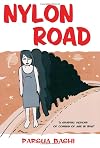
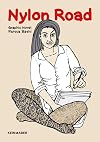
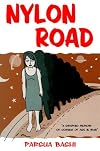
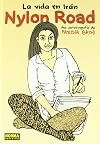
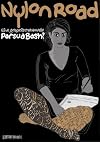
Nylon Road: A Graphic Memoir of Coming of Age in Iran
by Parsua Bashi
On This Page
Description
In the tradition of graphic memoirs such as Marjane Satrapi's Persepolis, comes the story of a young Iranian woman's struggles with growing up under Shiite Law, her journey into adulthood, and the daughter whom she had to leave behind when she left Iran. NYLON ROAD is a window into the soul of a culture that we are still struggling to understand. Beautifully told, poignant, this is a powerful work about the necessity of freedom.Tags
Recommendations
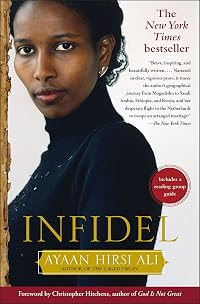
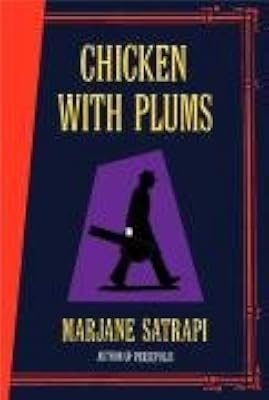
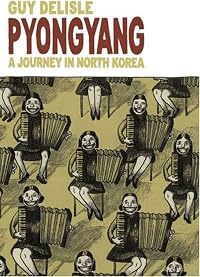
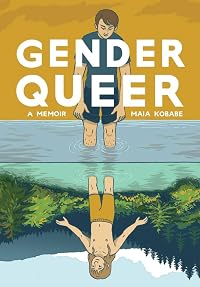
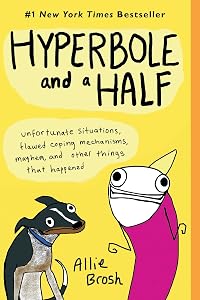
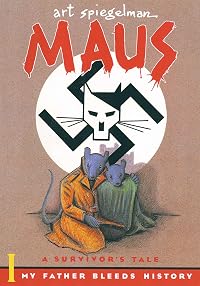
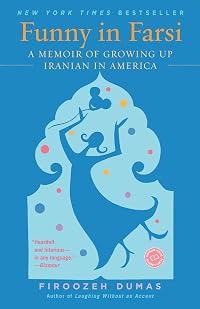
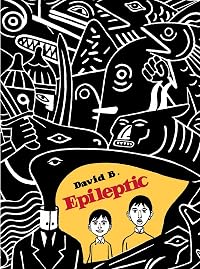
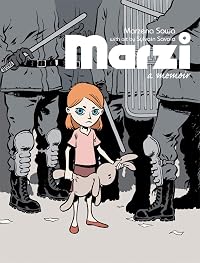
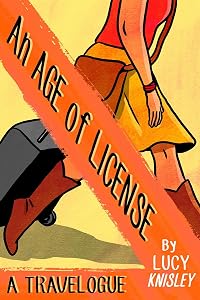
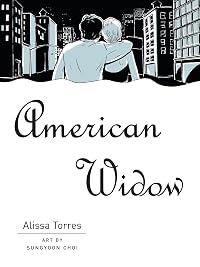
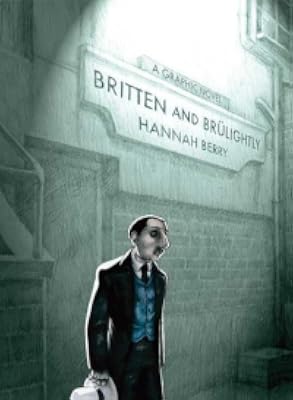


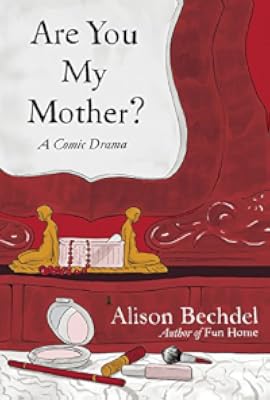

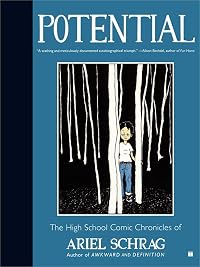
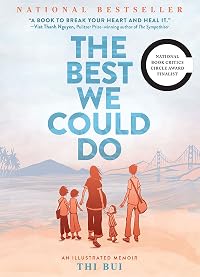
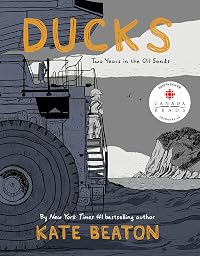
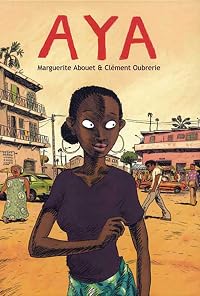
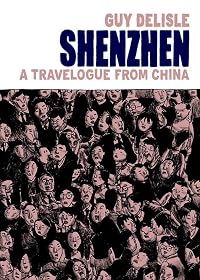
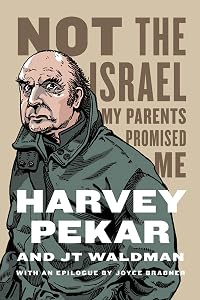
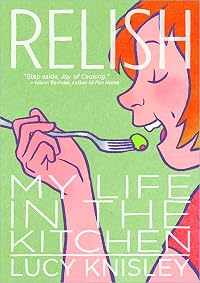
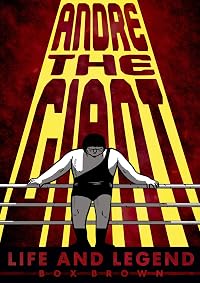
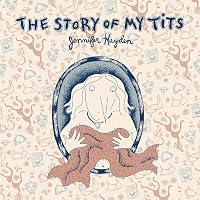
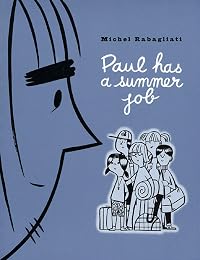
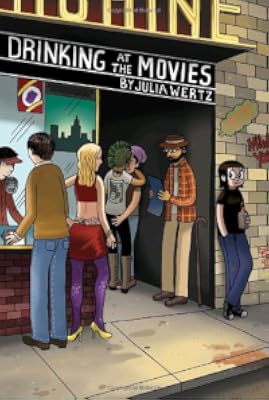
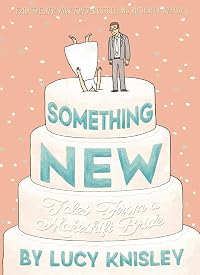
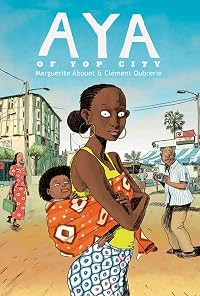
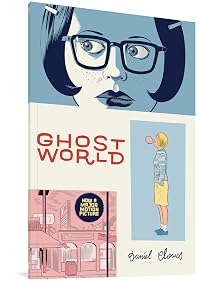
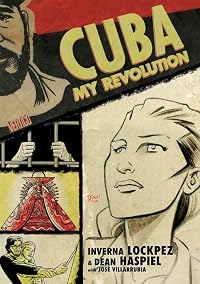

Member Recommendations
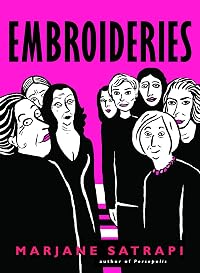
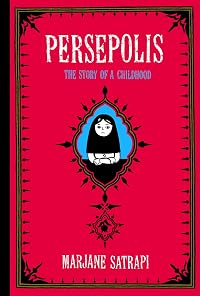
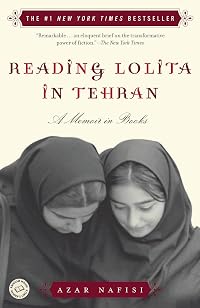
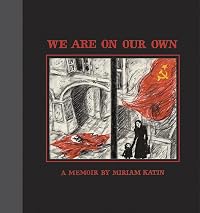
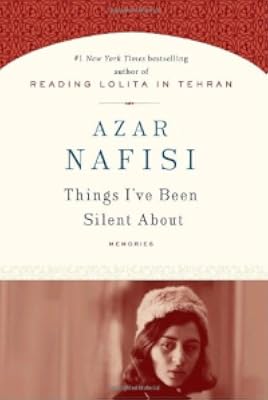
ijustgetbored Another coming-of-age memoir in Iran.
by avatiakh
Member Reviews
The gold standard of graphic memoirs for me is Alison Bechdel's Fun Home. Measured against that book, Parsua Bashi's Nylon Road comes out a good, solid, sterling silver.
A more obvious comparison would be with Marjane Satrapi's Persepolis, but that's one I can't really make since I put Persepolis down part way through. Satrapi's drawing style was one of the chief reasons for that: I found it blocky and unattractive. Bashi's fluid and varied panels are more to my taste.
In her examination of coming of age in Iran, Bashi succeeds well in conveying the conflicting loyalties that have made the move from her childhood in pre-revolutionary Iran and her adolescence in the Khomeini era through to her adulthood in the West so challenging. On the show more whole, few of her experiences are ones we would want to share.
The migration story is the immediate focus of Bashi's book. But the glass through which we view a Muslim Iranian woman's journey to greater personal freedom becomes also a mirror in which we are encouraged to take a hard, appraising look at our own culture. It's easy, as we see the daily news clips from the Middle East and the Arab world, to become a bit smug about our freedom of expression, our comparative progress at gender equality, our relative openness to multiculturalism, and the stability of our civil societies. These achievements, however, have come at some cost. For me, the real reason to take a good look at Nylon Road is Bashi's invitation to do some serious self-examination of our own. show less
A more obvious comparison would be with Marjane Satrapi's Persepolis, but that's one I can't really make since I put Persepolis down part way through. Satrapi's drawing style was one of the chief reasons for that: I found it blocky and unattractive. Bashi's fluid and varied panels are more to my taste.
In her examination of coming of age in Iran, Bashi succeeds well in conveying the conflicting loyalties that have made the move from her childhood in pre-revolutionary Iran and her adolescence in the Khomeini era through to her adulthood in the West so challenging. On the show more whole, few of her experiences are ones we would want to share.
The migration story is the immediate focus of Bashi's book. But the glass through which we view a Muslim Iranian woman's journey to greater personal freedom becomes also a mirror in which we are encouraged to take a hard, appraising look at our own culture. It's easy, as we see the daily news clips from the Middle East and the Arab world, to become a bit smug about our freedom of expression, our comparative progress at gender equality, our relative openness to multiculturalism, and the stability of our civil societies. These achievements, however, have come at some cost. For me, the real reason to take a good look at Nylon Road is Bashi's invitation to do some serious self-examination of our own. show less
 This review was written for LibraryThing Early Reviewers.
Any quirky, lovable OGN about growing up in Iran written by an expat making her living in the creative industries in a European country is inevitably going to be compared to Persepolis, but this is pretty different, and if ultimately less definitive, not without its own charms. The first major difference is that Bashi came to Europe as an older person, so unlike Satrapi's heartstring-tugging tale of a young girl's separation from her family in a time of uncertainty and sorrow, a child's-eye view of the revolution &c., Bashi gives us a quirky, cantankerous psychodrama in which her past selves visit her and confront her with all the ways in which she believes, in her dark moments, that she has betrayed each of them, the hardships and show more truths of her past. It's an exile's dilemma dramatized, and while Bashi ultimately seems at terms with her life in Switzerland and at peace with her losses and the paths not taken, the regrets, the furious arguments about a people's destiny that a great nation seems always ready to engage in, and the disgust and difficulty a (quirky, cantankerous) middle-aged woman has in coming to terms with the European bounty and what the Europeans do with it (the Swiss come in for some extra kicking--I can't believe that they wear THAT many belly tops over THAT many sagging guts and have THAT many nipples falling out of their shirts all the time--nipples?), these make for an interesting clash-of-cultures diversion and primer on breakfast conversation in emigrant Iran. show less
Parsua Bashi explores her life growing up in Iran through staged discussions with herself at various ages. The entire narrative is told through a flashback, revealing particular events in Bashi's life which may not have formed her but do define her. I love this set-up. The older I get the more I want to talk to my past selves. My opinions, held so tightly when I was 16, seem naive now that I am 31. Bashi with love and forgiveness argues with her younger selves, challenges their thinking while simultaneously feeling nostalgic for those versions of herself which have passed.
While Islamic Iranian culture is explored, the primary focus remains on Bashi, an internal exploration of her world through her eyes. I really appreciated this show more personalization as too often memoirs can stray a bit too far into cultural analysis without acknowledging the subjective bias inherent in a "memoir".
As so many reviews of this graphic memoir mention, no comments on Nylon Road are complete without a comparison to Marjane Satrapi's Persepolis, a graphic memoir about growing up in Iran (all hail the similarity). Most reviews will tell you that Persepolis is "better" than Nylon Road; I am neither agreeing nor disagreeing. Satrapi's memoir is certainly more historical and epic and the such not, but that is exactly why I feel it disingenuous to place to important a value on comparing the two. Just because they are both memoirs about girls growing up in Iran does not mean they should be judged against each other. I think it sufficient to say that they are both good.
Moving away from the narrative to the images, grays, tans, and white are the only colors used, and I am curious to know why. What is it about this color scheme that appealed to Bashi? And why does it appeal to me? At this point, I don't really have any answers. show less
While Islamic Iranian culture is explored, the primary focus remains on Bashi, an internal exploration of her world through her eyes. I really appreciated this show more personalization as too often memoirs can stray a bit too far into cultural analysis without acknowledging the subjective bias inherent in a "memoir".
As so many reviews of this graphic memoir mention, no comments on Nylon Road are complete without a comparison to Marjane Satrapi's Persepolis, a graphic memoir about growing up in Iran (all hail the similarity). Most reviews will tell you that Persepolis is "better" than Nylon Road; I am neither agreeing nor disagreeing. Satrapi's memoir is certainly more historical and epic and the such not, but that is exactly why I feel it disingenuous to place to important a value on comparing the two. Just because they are both memoirs about girls growing up in Iran does not mean they should be judged against each other. I think it sufficient to say that they are both good.
Moving away from the narrative to the images, grays, tans, and white are the only colors used, and I am curious to know why. What is it about this color scheme that appealed to Bashi? And why does it appeal to me? At this point, I don't really have any answers. show less
Nylon Road tells the story of Parsua Bashi’s childhood and adult experiences in Iran and as an immigrant in Switzerland. The story is told through various encounters with herself, from different points in her life and with very different attitudes and perspectives. I found this device to work well and to provide interesting dialogues, as Parsua discusses issues with a younger version of herself. The contrasts between her peaceful European life and her tumultuous life in Iran are very striking. Bashi manages to tell her story with humour and insight, while still showing the difficult and sad events that happened in her past. A very interesting tale that is beautifully told.
This review was written for LibraryThing Early Reviewers.An engaging book in which Bashi compares and contrasts her life as a girl and young woman growing up in Iran with her later experiences in Europe. Not so much a continuous story as a series of musings on different topics and experiences. I enjoyed the way that these discussions are set up and presented: the author repeatedly encounters younger versions of herself who challenge her European-influenced beliefs and, frequently, get into arguments with her. Although I didn't always agree with the conclusions these exchanges ended on, I thought they were presented well — and I liked this twist on the ancient method of stating one's beliefs through a fictitious dialogue.
The artwork is appealing as well, often offering small bits of humor show more amid the mostly serious subject matter. show less
The artwork is appealing as well, often offering small bits of humor show more amid the mostly serious subject matter. show less
This review was written for LibraryThing Early Reviewers.As an American male, this sounds like something I could honestly care less about. Sad, but true.
However, I tried this book, just to see if I was right in assuming this. I was not.
My biggest fear about this book is that it would either be too foreign for me to understand, or else go off on some gender inequality rant. While both happen to an extent, the author cleverly pawns these off to former selves of the narrator. This allows the author to truly debate with herself, drawing the reader in as well. When arguments get too long and drawn out, even the narrator grows weary of them.
By being a graphic novel. dialogue is forced to be brief, without feeling rushed. The art style does a great job of using visual cues to give a feel that would show more be lost in words alone.
The book comes off, as I said, as clever and engaging: two words I would never have imagined using to describe this. Don't make the mistake I almost did. Even the young American male can enjoy, and learn from, this wonderful graphic novel. show less
However, I tried this book, just to see if I was right in assuming this. I was not.
My biggest fear about this book is that it would either be too foreign for me to understand, or else go off on some gender inequality rant. While both happen to an extent, the author cleverly pawns these off to former selves of the narrator. This allows the author to truly debate with herself, drawing the reader in as well. When arguments get too long and drawn out, even the narrator grows weary of them.
By being a graphic novel. dialogue is forced to be brief, without feeling rushed. The art style does a great job of using visual cues to give a feel that would show more be lost in words alone.
The book comes off, as I said, as clever and engaging: two words I would never have imagined using to describe this. Don't make the mistake I almost did. Even the young American male can enjoy, and learn from, this wonderful graphic novel. show less
This review was written for LibraryThing Early Reviewers.Not only is this book visually appealing, it is also intellectually appealing. I am not a fan of graphic novels, in fact up until this book, I have never read one. However, from the moment I picked up this book I didn't put it down until I finished it. I loved the plot and the way it is conveyed. The main character meets her past self and she helps come to term with all the mistakes and actions that she took. She learns to accept all of her old selves and everything that they have done. Through it she not only learns more about herself but allows herself to get over traumatic events without losing her Iranian identity and her new modern identity.
Beautifully written and conveyed with wonderful illustrations. I would definitely recommend show more this book. Even if you're not a huge fan of graphic novels. show less
Beautifully written and conveyed with wonderful illustrations. I would definitely recommend show more this book. Even if you're not a huge fan of graphic novels. show less
This review was written for LibraryThing Early Reviewers.Members
- Recently Added By
Lists

Middle East and Maghreb Graphic Novels
46 works; 3 members
Graphic Memoirs by Women
175 works; 6 members

Best Graphic Novel Nonfiction
199 works; 101 members
Author Information
2 Works 119 Members
Classifications
Statistics
- Members
- 115
- Popularity
- 283,143
- Reviews
- 17
- Rating
- (3.41)
- Languages
- English, German, Spanish
- Media
- Paper
- ISBNs
- 5
- ASINs
- 1