The Boy in the Moon: A Father's Search for His Disabled Son
by Ian Brown
On This Page
Description
Ian Brown's son, Walker, was born with a genetic mutation so rare that doctors call it an orphan syndrome: at most, three hundred people around the world live with it. At thirteen, Walker is still in diapers: he is globally delayed, he can't speak, and he has to wear cuffs on both arms so he won't constantly hit himself. He will require constant care for the rest of his life. The boy in the moon tells the story of one frail boy and the tiny constellation of people who love and care for him. show more From this intimate perspective, Ian Brown opens out a profound meditation on what life is worth, and what it means for all of us. show lessTags
Recommendations





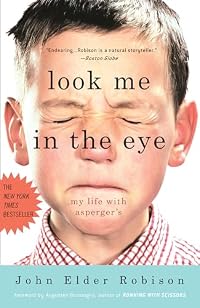

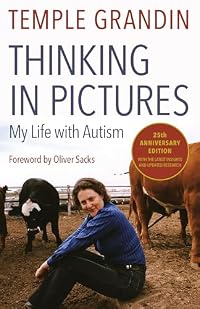


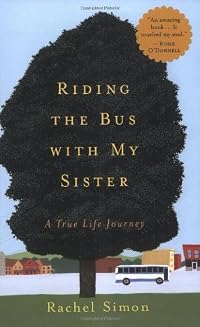
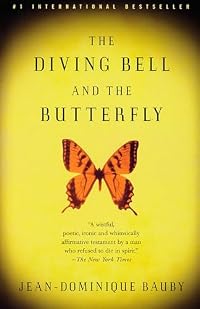




















Member Recommendations
akblanchard Parents struggle to cope with children who have unusual developmental disabilities.
Member Reviews
I've read a number of Ian Brown's newspaper pieces in the past, and I've come to appreciate his insight and humour. Although The Boy in the Moon is about life with his own severely disabled son, Brown treats the subject very much as any journalist would. There are deeply personal and moving descriptions in this book, but at the same time, there is an objective analysis of the situation. Brown is both a major character in his son's story and a curious, detached outsider.
While describing the details of day-to-day living with Walker, Brown also asks a number of philosophical questions about his very existence. Brown claims he is not a religious man; yet, I find that there is much concerning faith and humanity in this book. I suspect that show more Brown's book has subtly changed how I see disabled people. There is indeed, as he claims, much that they can teach the rest of us. show less
While describing the details of day-to-day living with Walker, Brown also asks a number of philosophical questions about his very existence. Brown claims he is not a religious man; yet, I find that there is much concerning faith and humanity in this book. I suspect that show more Brown's book has subtly changed how I see disabled people. There is indeed, as he claims, much that they can teach the rest of us. show less
 This review was written for LibraryThing Early Reviewers.
It's hard to review this book. It was well written, it was interesting. I suppose I'd recommend it. But I found it disturbing and depressing. It's about the author's profoundly retarded and disabled son, his rare genetic disease, and other children like him. Walker, Brown's son, was born with cardiofaciocutaneous (CFC) syndrome, an extremely rare genetic mutation that results in unusual facial appearance, the inability to speak, and a compulsion to hit himself constantly. At age thirteen, he is mentally and developmentally between one and three years old and will need constant care for the rest of his life.
Usually these books are full of "we wouldn't trade him for anything, he's taught us so much!" which I find hard to understand. What show more has he taught you? To live in the moment? To find joy in simple things? I guess I don't see those as profound lessons, and I don't feel that's a good trade-off for having to care for a mentally disabled child. This book has a little of that – at one point they see a doctor who comments that in Buddhism the goal is to live in the moment, and Walker is able to do that in a way most of us can't – but it's also straightforward about the frustrations. It starts with a description of a typical night with Walker and the exhaustion he and his wife have endured for all the years of caring for Walker. His honesty is refreshing.
A lot of the book is about their difficult decision to move him to a group home. It took years to decide and then a long time to accomplish this. As an American observing Canadian health care, this was interesting. The province has only so much money for health care, so families have to fight to get a piece of the pie, to the point of hiring a professional to advocate for them.
The rest of the book is about life after Walker has moved to the group home (which seems to be good for him – he has a life outside his immediate family, other people who care for him.) Brown travels to meet with scientists and parents of other CFC patients. Most of them are as profoundly disabled as Walker. One young man has learned to speak and can do things like drive a tractor. It's hard to tell if this is because his parents worked harder with him, or he was less affected by the syndrome. Brown and his wife have, of course, obsessed about what might have been if they'd gotten a diagnosis sooner, done things different, etc. Brown wonders if he and his son can connect, if he can ever understand his son's condition, if his son is happy and fulfilled to the extent that he can be.
He also visits L'Arche group homes for the mentally disabled, where people live in a household as a family, with carers. It's an international organization founded in France by Jean Vanier. Vanier believes that the severely disabled challenge us by their existence. They implicitly ask, "Do you consider me human?" They suggest how arduous it is to be human. They remind us of death. All of that makes complete sense, and made me wonder about the carers and what motivates and rewards them. I'm uncomfortable with mentally disabled people for the reasons Vanier cites, and I can't imagine wanting to work with them. At the same time I can see how good these homes must be for mentally disabled people.
At the end Brown’s still questioning the value of his son's life and whether Walker is or can be happy. The book ends with Walker having a seizure, which will probably kill him, eventually. Brown holds him in his arms and simply knows he loves his son and that his son knows it, and that they'll face the future together.
Yes, Walker brings love to his family because he elicits their capacity for love, but at what a terrible price. Yes, Brown tells us what his son has brought to their lives and convinces us he wouldn't trade his life, but for me it was just too damn sad. show less
Usually these books are full of "we wouldn't trade him for anything, he's taught us so much!" which I find hard to understand. What show more has he taught you? To live in the moment? To find joy in simple things? I guess I don't see those as profound lessons, and I don't feel that's a good trade-off for having to care for a mentally disabled child. This book has a little of that – at one point they see a doctor who comments that in Buddhism the goal is to live in the moment, and Walker is able to do that in a way most of us can't – but it's also straightforward about the frustrations. It starts with a description of a typical night with Walker and the exhaustion he and his wife have endured for all the years of caring for Walker. His honesty is refreshing.
A lot of the book is about their difficult decision to move him to a group home. It took years to decide and then a long time to accomplish this. As an American observing Canadian health care, this was interesting. The province has only so much money for health care, so families have to fight to get a piece of the pie, to the point of hiring a professional to advocate for them.
The rest of the book is about life after Walker has moved to the group home (which seems to be good for him – he has a life outside his immediate family, other people who care for him.) Brown travels to meet with scientists and parents of other CFC patients. Most of them are as profoundly disabled as Walker. One young man has learned to speak and can do things like drive a tractor. It's hard to tell if this is because his parents worked harder with him, or he was less affected by the syndrome. Brown and his wife have, of course, obsessed about what might have been if they'd gotten a diagnosis sooner, done things different, etc. Brown wonders if he and his son can connect, if he can ever understand his son's condition, if his son is happy and fulfilled to the extent that he can be.
He also visits L'Arche group homes for the mentally disabled, where people live in a household as a family, with carers. It's an international organization founded in France by Jean Vanier. Vanier believes that the severely disabled challenge us by their existence. They implicitly ask, "Do you consider me human?" They suggest how arduous it is to be human. They remind us of death. All of that makes complete sense, and made me wonder about the carers and what motivates and rewards them. I'm uncomfortable with mentally disabled people for the reasons Vanier cites, and I can't imagine wanting to work with them. At the same time I can see how good these homes must be for mentally disabled people.
At the end Brown’s still questioning the value of his son's life and whether Walker is or can be happy. The book ends with Walker having a seizure, which will probably kill him, eventually. Brown holds him in his arms and simply knows he loves his son and that his son knows it, and that they'll face the future together.
Yes, Walker brings love to his family because he elicits their capacity for love, but at what a terrible price. Yes, Brown tells us what his son has brought to their lives and convinces us he wouldn't trade his life, but for me it was just too damn sad. show less
This review was written for LibraryThing Early Reviewers.A sweet, sad and ultimately very thought provoking memoir written by the father of a severely disabled boy. Walker Brown has a genetic mutation resulting in a syndrome that only about 100 people on the planet have. Walker cannot speak, does not eat food and is fed through a G tube, wears diapers and must wear protective gear as he constantly hits himself and beats his head into the wall. He is very small for his age and cannot communicate through any discernible means.
Ian, his wife Johanna, and the older sister Hayley spend 13 years caring for Walker round the clock until the parents finally find a suitable group home for him. Ian then embarks on a journey to discover what, if anything, his son's life means to him, to the community and show more to humanity. Surely there must be some answer as to what his life means?
The author travels around Canada and the US meeting other families with children that have this syndrome. He travels to California to meet the geneticists who first confirmed this condition and understand how a mutation on a gene can occur to create the condition. He goes to France to meet advocates for the disabled, philosophers of disability studies, and to visit communities of severely disabled. He looks at his own heart and mind and reactions to people like Walker and he takes a cursory look at how the severely disabled have been treated in the Western world throughout history.
I was fascinated by the picture he painted of his life, his marriage and his unending love for his son. He thoroughly examines all the ethics at work in studying genes that produce disabled humans, the ethics of how we treat the least of all in our care and the philosophies behind how to treat these children. It was all wonderfully enlightening. A fascinating look at people who we don't like looking at or even being around.
I am humbled by the questions Mr. Brown raises and by his own love for a child who most of society will always see as lesser. I really understood the love he described for his son, and his own interest and passion for helping and understanding the disabled helped me understand a bit more about being a parent. show less
Ian, his wife Johanna, and the older sister Hayley spend 13 years caring for Walker round the clock until the parents finally find a suitable group home for him. Ian then embarks on a journey to discover what, if anything, his son's life means to him, to the community and show more to humanity. Surely there must be some answer as to what his life means?
The author travels around Canada and the US meeting other families with children that have this syndrome. He travels to California to meet the geneticists who first confirmed this condition and understand how a mutation on a gene can occur to create the condition. He goes to France to meet advocates for the disabled, philosophers of disability studies, and to visit communities of severely disabled. He looks at his own heart and mind and reactions to people like Walker and he takes a cursory look at how the severely disabled have been treated in the Western world throughout history.
I was fascinated by the picture he painted of his life, his marriage and his unending love for his son. He thoroughly examines all the ethics at work in studying genes that produce disabled humans, the ethics of how we treat the least of all in our care and the philosophies behind how to treat these children. It was all wonderfully enlightening. A fascinating look at people who we don't like looking at or even being around.
I am humbled by the questions Mr. Brown raises and by his own love for a child who most of society will always see as lesser. I really understood the love he described for his son, and his own interest and passion for helping and understanding the disabled helped me understand a bit more about being a parent. show less
This review was written for LibraryThing Early Reviewers.The Boy in the Moon is Ian Brown's powerful, honest, and emotionally complicated memoir of raising his son, Walker―one of only a few hundred people worldwide who live with an extremely rare genetic mutation.Born with CFC (cardiofaciocutaneous) syndrome, Walker Brown is a mystery, as remote to his family as the moon. Unable to speak or swallow, compelled to hit himself, requiring surgeries, and round-the-clock care, he becomes the focus of his father's keen intelligence.As Brown becomes part of a community of families, he lets go of his self-blame and his desire to "fix" Walker, learning to accept the boy he loves, just as he is.
Ian Brown’s son Walker is one of only about 300 people worldwide diagnosed with cardiofaciocutaneous (CFC) syndrome—an extremely rare genetic mutation that results in unusual facial appearance, the inability to speak, and a compulsion to hit himself constantly. At age thirteen, he is mentally and developmentally between one and three years old and will need constant care for the rest of his life. Brown travels the globe, meeting with genetic scientists and neurologists as well as parents, to solve the questions Walker’s doctors can’t answer. In his journey, he offers an insightful critique of society’s assumptions about the disabled, and he discovers a connected community of families living with this sybdrome. As Brown show more gradually lets go of his self-blame and hope for a cure, he learns to accept the Walker he loves, just as he is. Honest, intelligent, and deeply moving, The Boy in the Moon explores the value of a single human life. show less
An honest, moving, well-written memoir about raising a child with a rare and tragic syndrome (I hate using words like tragic, but when a symptom of a disorder is unstoppable self-harm it is difficult to avoid.) Having and loving a disabled child comes with many gifts, and many many sacrifices. Brown does a wonderful job of conveying all of that. For me it was perhaps too detailed with regard to accessing services and needed items such as bearing the outrageous costs of simple things like a lifetime of diapers and formula (Brown's son could not swallow or talk or be toilet trained) to hold my interest. All that said, when I finished I immediately gave it to a friend with an adult child severe autism and intellectual disabilities who had show more had many of the same struggles getting services and laying out a plan for her daughter for after she and her daughter's father are gone. I know it will be a meaningful read for her. show less
Writers search for meaning and to a degree manufacture it when it cannot be found. The stories we tell ourselves about our circumstances, and that of those around us, allow us to make sense of our world. This book is such, a sense making story, a full picture of coming to terms with trauma, traumatic loss of what could be possible for a new child, and an eventual coming to positive terms with what "is".
It is the story of Brown’s son with CFC, society’s relationship to disability and a kind of medical philosophy rolled into one book. Brown searches for answers to the "whys" of his son’s condition from the micro level of genetics to the macro-level of neurological MRI examinations.
And, in the latter half of the book takes the show more individual experience of his son outwards to examine no only the lives of other CFCr's and their families but, the possibilities of living that exists for individuals with disabilities.
Brown shows himself, despite a seemingly dogged sense of failure, to be both a good parent and human in his search for meaning.
At the same time, indirectly, he reminds us of our own interdependence and social contract responsibilities.
The book is a deeply human life changing read. show less
It is the story of Brown’s son with CFC, society’s relationship to disability and a kind of medical philosophy rolled into one book. Brown searches for answers to the "whys" of his son’s condition from the micro level of genetics to the macro-level of neurological MRI examinations.
And, in the latter half of the book takes the show more individual experience of his son outwards to examine no only the lives of other CFCr's and their families but, the possibilities of living that exists for individuals with disabilities.
Brown shows himself, despite a seemingly dogged sense of failure, to be both a good parent and human in his search for meaning.
At the same time, indirectly, he reminds us of our own interdependence and social contract responsibilities.
The book is a deeply human life changing read. show less
This review was written for LibraryThing Early Reviewers.Members
- Recently Added By
Published Reviews
ThingScore 100
Brown boldly goes where even he – smart-mouthed, combative scribe – has never gone before, into the very core of compassion and anger and pain.
added by chazzard
Lists

CBC's 100 True Stories
100 works; 6 members
Author Information

6 Works 450 Members
Awards and Honors
Awards
Distinctions
Common Knowledge
- Original publication date
- 2009
- Important places
- Toronto, Ontario, Canada
Classifications
- Genres
- Nonfiction, Biography & Memoir, General Nonfiction
- DDC/MDS
- 362.196042 — Society, Government, and Culture Social problems and social services Social Welfare People with physical illnesses Services to people with specific conditions Diseases
- LCC
- RB155.5 .B76 — Medicine Pathology Pathology Theories of disease. Etiology. Pathogenesis
- BISAC
Statistics
- Members
- 305
- Popularity
- 104,594
- Reviews
- 26
- Rating
- (4.02)
- Languages
- English, French
- Media
- Paper, Ebook
- ISBNs
- 9
- ASINs
- 3