On This Page
Description
Symbologist Robert Langdon returns in this new thriller follow-up to The Da Vinci Code.Tags
Recommendations
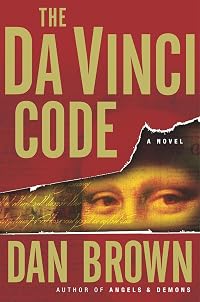
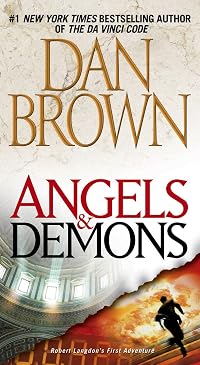
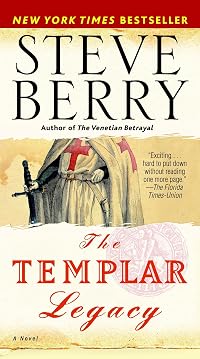
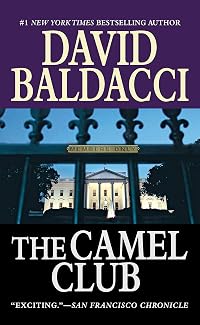
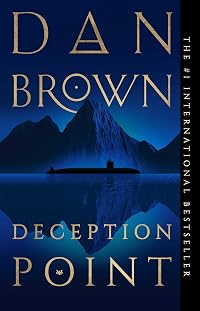
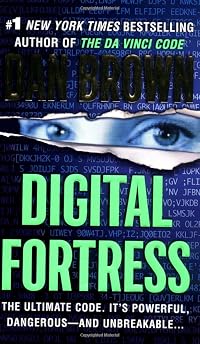
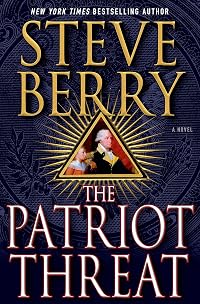
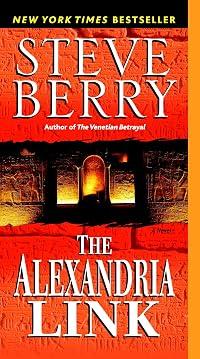
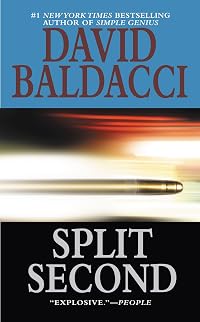
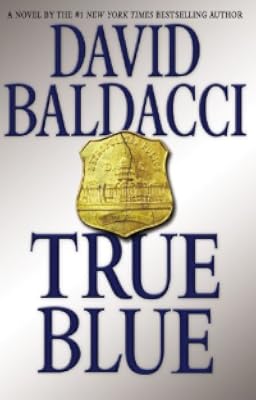
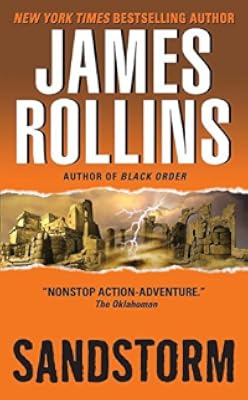
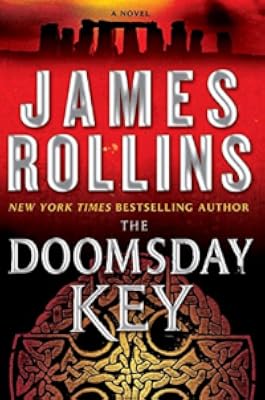
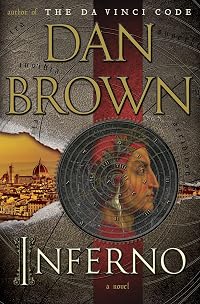
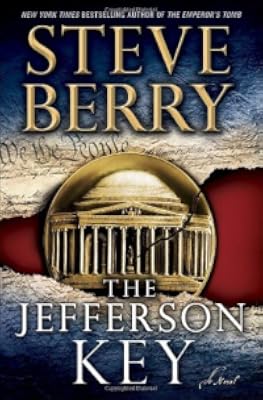
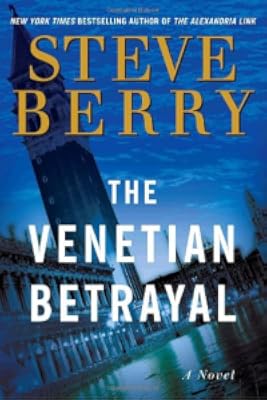



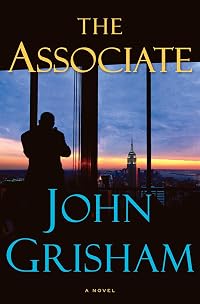
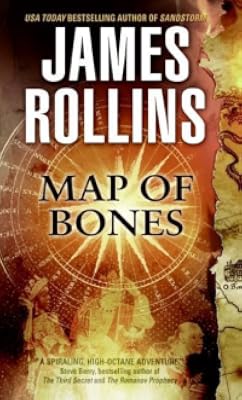
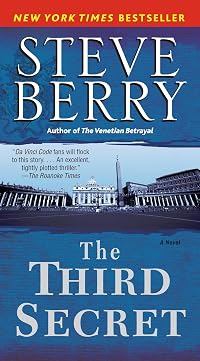
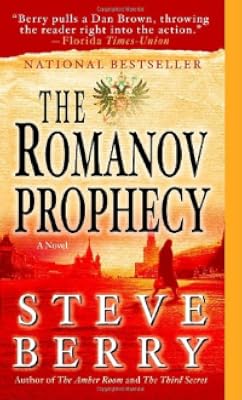
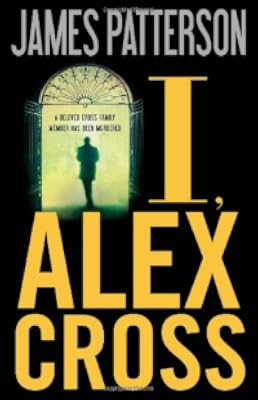
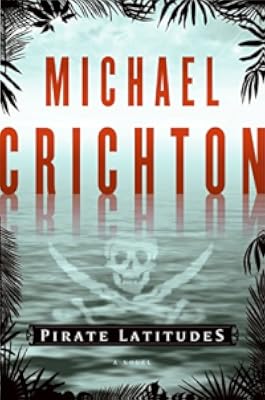

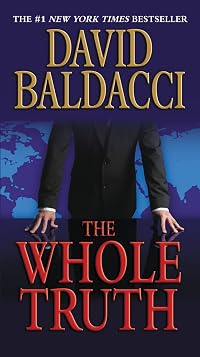
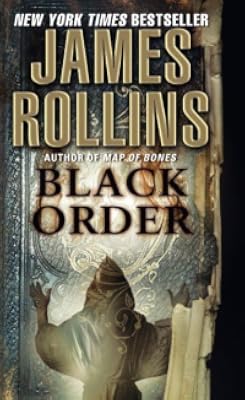
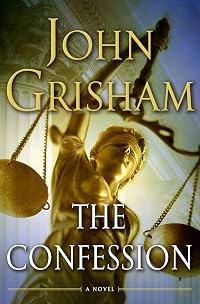
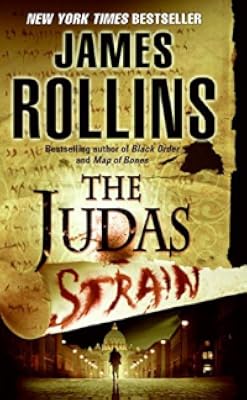
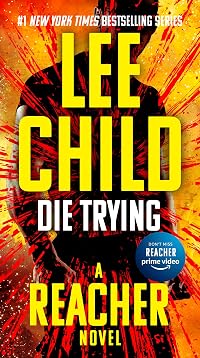
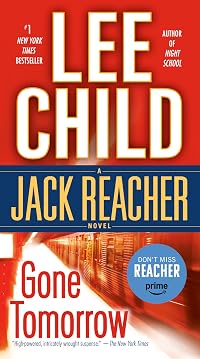
Member Recommendations

2810michael Must be read after reading Brown. I think it's written to the fans of Dan Brown - and to others...
2810michael Necessary to read after Dan Brown...
32


Clarisma No tengo palabras para describir tanto libro en tan pocas páginas, y si tuviera palabras no serían suficiente para expresar los sentimientos que muestra la historia, que te atrapa y te hace sentir dentro del psiquiátrico.
02

Member Reviews
I admit to a grudging admiration for Dan Brown. He has managed a presumably lucrative career with scant writing talent, cobbling together in this instance ponderous dialog with excerpts from a Washington, D.C. travel guide and Wikipedia articles on symbols, science and religion. It’s a comic book for grownups, complete with psychotic super-villain, thought bubbles above all the characters’ heads, and cliffhanger endings to many of the more than 100 chapters. Brown employs many of the tried and true tricks of his trade again. In densely worded conversations, he describes “hidden” mysteries and secrets, piling them on until the reader is numb enough to think that the plot makes some sense. He exploits the latent (or blatant) show more search for conspiracy and deception in the world. And he throws in enough Biblical references to add a touch of sanctity to the proceedings.
To those that enjoyed this book, I’d ask two questions. First, did you ever meet anyone who resembles any of the primary characters in this book? Robert Langdon, the constantly slow-witted protagonist is even duller than usual. If you’re not one step ahead of him you’re not trying. Did you ever see anyone, after having his hand unwillingly amputated, in any condition to hold abstruse cosmological conversations a few hours later? How about a CIA security chief taking over a domestic investigation? I could go on. Second, do you recall any conversation taking place anything like the dialogue in this book? Sister and best friend coolly discussing theology while they’re searching for the victim? Verbose, condescending, and unnecessary lectures in the middle of a crisis? In short, this could be the least life-like book I’ve read since I told my daughter bedtime stories.
The last chapters of The Lost Symbol seem to be a set-up for Brown founding a new religion. It’s worked before. L. Ron Hubbard was a crappy writer too. show less
To those that enjoyed this book, I’d ask two questions. First, did you ever meet anyone who resembles any of the primary characters in this book? Robert Langdon, the constantly slow-witted protagonist is even duller than usual. If you’re not one step ahead of him you’re not trying. Did you ever see anyone, after having his hand unwillingly amputated, in any condition to hold abstruse cosmological conversations a few hours later? How about a CIA security chief taking over a domestic investigation? I could go on. Second, do you recall any conversation taking place anything like the dialogue in this book? Sister and best friend coolly discussing theology while they’re searching for the victim? Verbose, condescending, and unnecessary lectures in the middle of a crisis? In short, this could be the least life-like book I’ve read since I told my daughter bedtime stories.
The last chapters of The Lost Symbol seem to be a set-up for Brown founding a new religion. It’s worked before. L. Ron Hubbard was a crappy writer too. show less
Audio book read by Paul Michael.
One of the Amazon reviewers (Steven Diamond) summed it up best:
To illustrate another example of formulaic writing that Brown has become famous for, here is his Dialogue Formula:
Person 1: "Have you heard of [insert topic here]?"
Person 2: "No, what is it?"
Person 1: "[insert poorly veiled information dump here]"
Person 2: "I don't understand."
Person 1: "[insert the exact same explanation for a second time]"
Person 2: "So what you are saying is [insert 3rd identical explanation]"
Person 1: "No, you aren't listening. What I said was [insert 4th explanation-100% identical to the previous 3 explanations]"
Person 2: "Ah, I see."
Person 1: "Good. Now have you heard of [insert topic here]?"
Repeat all steps for show more as many filler pages as needed. Seriously.
I give the book 2 stars because Brown does know how to move a plot along, and keep the action going forward, but mostly because narrator Paul Michael did a fine job. Honestly, though, by the third or fourth time one of the “heroes” was in mortal danger I was thinking: “Good, kill him/her off, so the book can end already.” I felt like I’d been listening forever by the time I was on disk 3. show less
One of the Amazon reviewers (Steven Diamond) summed it up best:
To illustrate another example of formulaic writing that Brown has become famous for, here is his Dialogue Formula:
Person 1: "Have you heard of [insert topic here]?"
Person 2: "No, what is it?"
Person 1: "[insert poorly veiled information dump here]"
Person 2: "I don't understand."
Person 1: "[insert the exact same explanation for a second time]"
Person 2: "So what you are saying is [insert 3rd identical explanation]"
Person 1: "No, you aren't listening. What I said was [insert 4th explanation-100% identical to the previous 3 explanations]"
Person 2: "Ah, I see."
Person 1: "Good. Now have you heard of [insert topic here]?"
Repeat all steps for show more as many filler pages as needed. Seriously.
I give the book 2 stars because Brown does know how to move a plot along, and keep the action going forward, but mostly because narrator Paul Michael did a fine job. Honestly, though, by the third or fourth time one of the “heroes” was in mortal danger I was thinking: “Good, kill him/her off, so the book can end already.” I felt like I’d been listening forever by the time I was on disk 3. show less
Third book in the series. This time Robert Langdon travels to Washington, where he in a very short order gets mixed up in a mystery involving Masons, CIA and a nefarious villain. It's yet again up to Langdon to solve the riddle and save the day.
My first thought after finishing this book was: meh. I think it summarizes my reading experience perfectly. The book failed to interest me and it was put-downable, which in itself is almost the worst review you can give to a book that's supposed to be fast-paced and exciting. The writing managed to irritate me. Even potentially exciting parts were frequently interrupted by what can only be called lectures about the subject matter currently at hand. It was almost like Brown wanted to show every show more bit of research he had done for this book and crammed the information into the story no matter what. Needless to say that this book would have benefited from some heavy editing. There were some other minor quirks as well, like calling all the characters with their full name -and- title all the time and managing to start every other chapter with the words Robert Langdon.
Brown also underestimates the intelligence of his readers. For some reason he doesn't want to leave anything for the reader to figure out on his own and explains every single detail to exhaustion, even if said detail has been clear to the reader pages ago.
The book does have its moments but sadly they tend to be fleeting, what with the lecturing and all-around dithering quickly shouldering the rest of the plot firmly to its place at the back of the bus. The ending is boring, with very little new insight to the mystery to recommend it. Even the plot twist, which livens things up a bit towards the end of the book, is fairly easy to guess about halfway through the story if you pay attention.
A disappointment all around. If you want an exciting story along the same lines, go watch National Treasure. It has tons of more excitement and even better, compared to this book, it's short. show less
My first thought after finishing this book was: meh. I think it summarizes my reading experience perfectly. The book failed to interest me and it was put-downable, which in itself is almost the worst review you can give to a book that's supposed to be fast-paced and exciting. The writing managed to irritate me. Even potentially exciting parts were frequently interrupted by what can only be called lectures about the subject matter currently at hand. It was almost like Brown wanted to show every show more bit of research he had done for this book and crammed the information into the story no matter what. Needless to say that this book would have benefited from some heavy editing. There were some other minor quirks as well, like calling all the characters with their full name -and- title all the time and managing to start every other chapter with the words Robert Langdon.
Brown also underestimates the intelligence of his readers. For some reason he doesn't want to leave anything for the reader to figure out on his own and explains every single detail to exhaustion, even if said detail has been clear to the reader pages ago.
The book does have its moments but sadly they tend to be fleeting, what with the lecturing and all-around dithering quickly shouldering the rest of the plot firmly to its place at the back of the bus. The ending is boring, with very little new insight to the mystery to recommend it. Even the plot twist, which livens things up a bit towards the end of the book, is fairly easy to guess about halfway through the story if you pay attention.
A disappointment all around. If you want an exciting story along the same lines, go watch National Treasure. It has tons of more excitement and even better, compared to this book, it's short. show less
Though technically better written than Digital Fortress, this is Dan Brown's worst novel. Brown creates false suspense by hiding revelations from readers even after major characters learn them. In most cases this is unnecessary, as the twists would have more impact if made in a timely manner. Too often, however, the revelations are obvious or anticlimactic, weaknesses that are amplified by Brown's hide-the-ball technique.
Brown's penchant for dubious subject matter is well-known, but he previously managed to pull out decent stories from hokum like the Illuminati and the holy blood/holy grail theory. Here he sidesteps the expected Masonic conspiracy theories, instead casting Robert Langdon as Mason apologist. No, Brown's meat here is show more Noetic Science, a field that in real life has the credibility of a cable TV huckster/mystic. Even after the plot wraps, Brown drones on for several more chapters about mysticism and religion, with no apparent purpose but to lecture you, dear reader, for having the gall to trust science and technology.
As for Brown's style, phrases like "soggy marsh" make it clear he still hasn't picked up a copy of The Elements of Style.
Much like Brown's villain, I need a cleansing ritual of my own after reading this book. show less
Brown's penchant for dubious subject matter is well-known, but he previously managed to pull out decent stories from hokum like the Illuminati and the holy blood/holy grail theory. Here he sidesteps the expected Masonic conspiracy theories, instead casting Robert Langdon as Mason apologist. No, Brown's meat here is show more Noetic Science, a field that in real life has the credibility of a cable TV huckster/mystic. Even after the plot wraps, Brown drones on for several more chapters about mysticism and religion, with no apparent purpose but to lecture you, dear reader, for having the gall to trust science and technology.
As for Brown's style, phrases like "soggy marsh" make it clear he still hasn't picked up a copy of The Elements of Style.
Much like Brown's villain, I need a cleansing ritual of my own after reading this book. show less
FACT: Publishing houses and book critics exist. Dan Brown and money exist. Plots, however, are a complete figment of your imagination.
Dan Brown was rolling around on his bed of DaVinci Code cash, his precious writer's noggin resting on the soft pillow of Tom Hanks' middle-age gut, when a $1 bill fluttered into his eyes. Immediately decoding the vast symbological heritage of the engraving by folding George Washington's head into a mushroom, he realized there was a story that needed to be told.
A select group of men in positions of power, publishers, are protecting an amazing secret: money looks best when it's precisely piled into a pyramid. Somewhere a nefarious villain - a book critic with acne and a limp - is plotting to thwart their show more great vision. Thankfully, the highly successful author, teacher, and Phillips Exeter alumnus, Dan Br... err... Robert Langdon, has just landed in a mysterious wealthy person's private air transportation with his trusty Mickey Mouse watch to save the day.
Reviewer's note: I've often read others on LibraryThing who say they've thrown books across the room. I've never understood this urge until 17 pages into The Lost Symbol. And again about 200 pages in. And near the end. And at the end. If I was less concerned about damaging my home and possessions, this book would have made the first literary solo flight across my living room.
I would call this thing a page-turner not because of the "thrilling" pace, but because the endless metaphysical speculation about science, magic, and mystery was so repetitive and uninspired that my eyes just drifted down the page. The plots of the previous two books were mildly palatable because they encompassed a dizzying array of great monuments and art by Bernini and Da Vinci that whitewashed the far-fetched plot devices. This book was absolutely boring. Why? There is nothing new under the sun when it comes to Freemasons and Washington, D.C.! Brown spent so much time trying to avoid the clichés that there was nothing left to use - it's all clichés! I can't believe it took 6 years to write a book whose research is based off a few Wikipedia articles. show less
Dan Brown was rolling around on his bed of DaVinci Code cash, his precious writer's noggin resting on the soft pillow of Tom Hanks' middle-age gut, when a $1 bill fluttered into his eyes. Immediately decoding the vast symbological heritage of the engraving by folding George Washington's head into a mushroom, he realized there was a story that needed to be told.
A select group of men in positions of power, publishers, are protecting an amazing secret: money looks best when it's precisely piled into a pyramid. Somewhere a nefarious villain - a book critic with acne and a limp - is plotting to thwart their show more great vision. Thankfully, the highly successful author, teacher, and Phillips Exeter alumnus, Dan Br... err... Robert Langdon, has just landed in a mysterious wealthy person's private air transportation with his trusty Mickey Mouse watch to save the day.
Reviewer's note: I've often read others on LibraryThing who say they've thrown books across the room. I've never understood this urge until 17 pages into The Lost Symbol. And again about 200 pages in. And near the end. And at the end. If I was less concerned about damaging my home and possessions, this book would have made the first literary solo flight across my living room.
I would call this thing a page-turner not because of the "thrilling" pace, but because the endless metaphysical speculation about science, magic, and mystery was so repetitive and uninspired that my eyes just drifted down the page. The plots of the previous two books were mildly palatable because they encompassed a dizzying array of great monuments and art by Bernini and Da Vinci that whitewashed the far-fetched plot devices. This book was absolutely boring. Why? There is nothing new under the sun when it comes to Freemasons and Washington, D.C.! Brown spent so much time trying to avoid the clichés that there was nothing left to use - it's all clichés! I can't believe it took 6 years to write a book whose research is based off a few Wikipedia articles. show less
Stop me if you’ve heard this one before.
Harvard symbologist Robert Langdon is traveling to an exotic locale when he happens across a grisly scene involving clues only he can decipher. Together with his trusty, busty female companion, he sets off in a race against time, hounded simultaneously by the mysterious force that set all this in motion and officialdom. Naturally, it turns out those in charge were trying to help him all along, and this whole time the secret force was really Mr. Withers, the corrupt real-estate developer.
Or something. The TV may have been on in the background when I was finishing the novel. Man, Scooby and the gang are fortunate only the old/physiognomally deficient try to pull things. Otherwise, who KNOWS what show more might happen?
At this point, I think we can safely classify Dan Brown’s novels as genre fiction, even if that genre is “Dan Brown.” Using a formula of 65% thriller/suspense, 25% detective/history (which includes symbology), and 5% movie, he manages to craft very good Dan Brown novels.
In fact, I’d say they’re some of the finest Dan Brown novels ever produced—if you don’t count the novelization of the National Treasure movies.
(Speaking of terrible movies, even reaching as far back as The Da Vinci Code—the novel—you can tell he takes a screenplay approach to writing. This is especially evident when you count the twists, chases and action-heavy parts, which occur at almost the same rate they do in a movie: About one every 10 minutes or so.)
The Lost Symbol is a straight-up Dan Brown, with one small deviation: the conclusion. For whatever reason, his wife Brown decided Symbol needed more endings than Return of the King, probably because he couldn’t just write in a bunch of hulking eagles to get out of the corner he’d written himself into. A significant chunk of the ending—when all is supposed to be revealed and you learn the secret of the “lost symbol”—reads like Dan Brown wanting to prove he’s more than just a hack.
Unfortunately, he did so in a spectacularly hacky way. Across acres of pages he expounds upon man and divinity, using pseudo-philosophy to back up his claims that, frankly, don’t really matter anyway. Let’s face it, if fully half your audience actually believes the remains of Mary Magdalene are entombed in the Louvre and descendants of Christ walk the earth protected by the Knights Templar, you’re not going to chart a new intellectual course for humanity.
You’d be lucky to convince them to join Oprah’s book club.
But of course, the usual caveat: I don’t like Dan Brown’s books, I didn’t expect to like this one, so hey—big surprise. If you enjoy his writing, you’ll probably enjoy this one. Rather than sesquipedally wax on about all the over-arching, unworkable problems with the book, I decided to go the IMDB route and nit-pick over the smallest errors I could find while reading the book.
In no particular order:
- Sato, who heads up the CIA’s Office of Security (depicted as a super police force) is described as being born “behind the fences of Manzanar,” and is “a toughened survivor who never forgot the horrors of war, or the perils of insufficient military intelligence.” Assuming the insufficient military intelligence is referring to Pearl Harbor (which was mentioned just prior) and the “horrors of war” refer to WWII, there’s a bit of a problem with the timeline. The first prisoners arrived in Manzanar in March 1942, and the camp was cleared out by November 1945. The Pearl Harbor thing can be forgiven if you’re just referring to her imprisonment behind the bars, but at best she was three and a half years old when she got out. In other words, barely old enough to remember anything.
- The CIA is called in when a potentially damaging video is threatened to be leaked. The perp in question is a U.S. citizen, in the U.S., and threatening other U.S. citizens. The FBI would have been called in, not the CIA. There’s no conceivable possibility that the CIA would have jurisdiction.
- Robert Langdon is riding from the airport to downtown Washington in a limo when he comments to himself, “So this is how the other half lives.” Robert Langdon, the tenured professor at Harvard who in the chronology of the series has written numerous books that are actually read by people (he’s often recognized by the other characters), is amazed at how rich folk live? Maybe in the first book you could pass him off as everyman (Harvard professor) who does good, but not anymore. At this point, he’s at least sitting at Thomas Friedman-level celebrity, constantly being asked to write articles and show up on TV.
- “Smiling, he now pulled out Peter Solomon’s iPhone and admired the text message he had sent Katherine several minutes earlier. Got your messages. All’s fine. Busy day. Forgot appointment with Dr. Abaddon. Sorry not to mention him sooner. Long story. Am headed to lab now. If available, have Dr. Abaddon join us inside. I trust him fully, and I have much to tell you both. —Peter” The novel goes to great lengths to prove he is, in fact, using an iPhone to send that text message. That text message that’s 250 characters. Since he’s from America, we know he’s using AT&T. From their Web site: “A text message can be up to 160 characters in length. Messages sent or received that are longer than 160 characters will be delivered in multiple segments. Each segment will be billed as a separate message.”This by no means is the extent of his manipulation of technology/science (”noetic science” is heavily pushed, despite lacking any semblance of actual “science”), but still an easy oversight. Also, who the hell would tap out “Dr. Abaddon” twice?
- “This phone had served Mal’akh well … but now it was time it became untraceable. He climbed behind the wheel, put the car in gear, and crept forward until he heard the sharp crack of the iPhone imploding.”
It’s an Internet-proven fact that iPhones don’t necessarily die when being run over by cars. Seriously, dude, at least Google that stuff before you throw it in your bestseller.
- In an instant, Katherine realized that the only light in the entire space was coming from her cell phone, illuminating the side of her face. “Send help,” she whispered to the guard. “And get to Wet Pod to help Trish.” Then she quietly closed her phone, extinguishing the light. What’s wrong with this one, you ask? From 65 pages earlier: “Katherine Solomon felt a wave of relief to see the name on her iPhone.” It takes quite a feat of strength to close an iPhone.
- “NFC playoffs,” Nunez replied. “Everyone’s watching the Redskins tonight …” Really? The Redskins making the playoffs? Nobody told me this was science fiction. show less
Harvard symbologist Robert Langdon is traveling to an exotic locale when he happens across a grisly scene involving clues only he can decipher. Together with his trusty, busty female companion, he sets off in a race against time, hounded simultaneously by the mysterious force that set all this in motion and officialdom. Naturally, it turns out those in charge were trying to help him all along, and this whole time the secret force was really Mr. Withers, the corrupt real-estate developer.
Or something. The TV may have been on in the background when I was finishing the novel. Man, Scooby and the gang are fortunate only the old/physiognomally deficient try to pull things. Otherwise, who KNOWS what show more might happen?
At this point, I think we can safely classify Dan Brown’s novels as genre fiction, even if that genre is “Dan Brown.” Using a formula of 65% thriller/suspense, 25% detective/history (which includes symbology), and 5% movie, he manages to craft very good Dan Brown novels.
In fact, I’d say they’re some of the finest Dan Brown novels ever produced—if you don’t count the novelization of the National Treasure movies.
(Speaking of terrible movies, even reaching as far back as The Da Vinci Code—the novel—you can tell he takes a screenplay approach to writing. This is especially evident when you count the twists, chases and action-heavy parts, which occur at almost the same rate they do in a movie: About one every 10 minutes or so.)
The Lost Symbol is a straight-up Dan Brown, with one small deviation: the conclusion. For whatever reason, his wife Brown decided Symbol needed more endings than Return of the King, probably because he couldn’t just write in a bunch of hulking eagles to get out of the corner he’d written himself into. A significant chunk of the ending—when all is supposed to be revealed and you learn the secret of the “lost symbol”—reads like Dan Brown wanting to prove he’s more than just a hack.
Unfortunately, he did so in a spectacularly hacky way. Across acres of pages he expounds upon man and divinity, using pseudo-philosophy to back up his claims that, frankly, don’t really matter anyway. Let’s face it, if fully half your audience actually believes the remains of Mary Magdalene are entombed in the Louvre and descendants of Christ walk the earth protected by the Knights Templar, you’re not going to chart a new intellectual course for humanity.
You’d be lucky to convince them to join Oprah’s book club.
But of course, the usual caveat: I don’t like Dan Brown’s books, I didn’t expect to like this one, so hey—big surprise. If you enjoy his writing, you’ll probably enjoy this one. Rather than sesquipedally wax on about all the over-arching, unworkable problems with the book, I decided to go the IMDB route and nit-pick over the smallest errors I could find while reading the book.
In no particular order:
- Sato, who heads up the CIA’s Office of Security (depicted as a super police force) is described as being born “behind the fences of Manzanar,” and is “a toughened survivor who never forgot the horrors of war, or the perils of insufficient military intelligence.” Assuming the insufficient military intelligence is referring to Pearl Harbor (which was mentioned just prior) and the “horrors of war” refer to WWII, there’s a bit of a problem with the timeline. The first prisoners arrived in Manzanar in March 1942, and the camp was cleared out by November 1945. The Pearl Harbor thing can be forgiven if you’re just referring to her imprisonment behind the bars, but at best she was three and a half years old when she got out. In other words, barely old enough to remember anything.
- The CIA is called in when a potentially damaging video is threatened to be leaked. The perp in question is a U.S. citizen, in the U.S., and threatening other U.S. citizens. The FBI would have been called in, not the CIA. There’s no conceivable possibility that the CIA would have jurisdiction.
- Robert Langdon is riding from the airport to downtown Washington in a limo when he comments to himself, “So this is how the other half lives.” Robert Langdon, the tenured professor at Harvard who in the chronology of the series has written numerous books that are actually read by people (he’s often recognized by the other characters), is amazed at how rich folk live? Maybe in the first book you could pass him off as everyman (Harvard professor) who does good, but not anymore. At this point, he’s at least sitting at Thomas Friedman-level celebrity, constantly being asked to write articles and show up on TV.
- “Smiling, he now pulled out Peter Solomon’s iPhone and admired the text message he had sent Katherine several minutes earlier. Got your messages. All’s fine. Busy day. Forgot appointment with Dr. Abaddon. Sorry not to mention him sooner. Long story. Am headed to lab now. If available, have Dr. Abaddon join us inside. I trust him fully, and I have much to tell you both. —Peter” The novel goes to great lengths to prove he is, in fact, using an iPhone to send that text message. That text message that’s 250 characters. Since he’s from America, we know he’s using AT&T. From their Web site: “A text message can be up to 160 characters in length. Messages sent or received that are longer than 160 characters will be delivered in multiple segments. Each segment will be billed as a separate message.”This by no means is the extent of his manipulation of technology/science (”noetic science” is heavily pushed, despite lacking any semblance of actual “science”), but still an easy oversight. Also, who the hell would tap out “Dr. Abaddon” twice?
- “This phone had served Mal’akh well … but now it was time it became untraceable. He climbed behind the wheel, put the car in gear, and crept forward until he heard the sharp crack of the iPhone imploding.”
It’s an Internet-proven fact that iPhones don’t necessarily die when being run over by cars. Seriously, dude, at least Google that stuff before you throw it in your bestseller.
- In an instant, Katherine realized that the only light in the entire space was coming from her cell phone, illuminating the side of her face. “Send help,” she whispered to the guard. “And get to Wet Pod to help Trish.” Then she quietly closed her phone, extinguishing the light. What’s wrong with this one, you ask? From 65 pages earlier: “Katherine Solomon felt a wave of relief to see the name on her iPhone.” It takes quite a feat of strength to close an iPhone.
- “NFC playoffs,” Nunez replied. “Everyone’s watching the Redskins tonight …” Really? The Redskins making the playoffs? Nobody told me this was science fiction. show less
Aaaaand no. I got through it really quickly (possibly because I started skimming every time a random character began to lecture me. Which means I was skimming ALL THE TIME.), but it certainly wasn't because I was enjoying it too much to put it down.
I'm not totally sure why this book bugged me so much when I enjoyed [b:The Da Vinci Code|968|The Da Vinci Code (Robert Langdon, #2)|Dan Brown|http://photo.goodreads.com/books/1255581720s/968.jpg|2982101] and [b:Angels and Demons|960|Angels & Demons (Robert Langdon, #1)|Dan Brown|http://photo.goodreads.com/books/1255864772s/960.jpg|3338963]. I will say that I was irked by all the smarty pants smug lecturing going on, particularly since a lot of the characters insisted on acting stupidly. You show more don't get to lecture me if you're going to go ahead and act like an idiot directly after said lecture (or, in some cases, while lecturing). Well, you can lecture me, but I will be super annoyed by it.
Also! This:
"Awesome!" somebody shouted.
Langdon rolled his eyes, wishing somebody would ban that word.
You shut up, Dan Brown! Awesome is the best word ever.
Did you know that Maureen Johnson has a reader's guide for this book up on her blog? Well, she does! --> http://tinyurl.com/n7j365 It's way better than the actual book. Save yourself 500 odd pages of irritation and read the guide instead. show less
I'm not totally sure why this book bugged me so much when I enjoyed [b:The Da Vinci Code|968|The Da Vinci Code (Robert Langdon, #2)|Dan Brown|http://photo.goodreads.com/books/1255581720s/968.jpg|2982101] and [b:Angels and Demons|960|Angels & Demons (Robert Langdon, #1)|Dan Brown|http://photo.goodreads.com/books/1255864772s/960.jpg|3338963]. I will say that I was irked by all the smarty pants smug lecturing going on, particularly since a lot of the characters insisted on acting stupidly. You show more don't get to lecture me if you're going to go ahead and act like an idiot directly after said lecture (or, in some cases, while lecturing). Well, you can lecture me, but I will be super annoyed by it.
Also! This:
"Awesome!" somebody shouted.
Langdon rolled his eyes, wishing somebody would ban that word.
You shut up, Dan Brown! Awesome is the best word ever.
Did you know that Maureen Johnson has a reader's guide for this book up on her blog? Well, she does! --> http://tinyurl.com/n7j365 It's way better than the actual book. Save yourself 500 odd pages of irritation and read the guide instead. show less
Members
- Recently Added By
Published Reviews
ThingScore 66
In the end, as with “The Da Vinci Code,” there’s no payoff. Brown should stop worrying about unfinished pyramids and worry about unfinished novels. At least Spielberg and Lucas gave us an Ark and swirling, dissolving humans. We don’t get any ancient wisdom that “will profoundly change the world as you know it” — just a lot of New Agey piffle about how we are the gods we’ve been show more waiting for. (And a father-son struggle for global domination, as though we didn’t get enough of that with the Bushes.) show less
added by Shortride
There are moments of excitement in this skilfully edited, deeply implausible thriller. At times the suspense is prolonged rather than sustained, but the 500 pages turn steadily and the overall effect is entertaining and certainly family-friendly. The Lost Symbol is violent but remarkably chaste and devoid of profanity.
added by Shortride
If you hate Dan Brown, you're going to hate this book.
It seems Brown has decided to irk his critics by repeating every flaw he's been accused of. ...
No, it's not Foucault's Pendulum. It doesn't even come close. However, if you liked Dan Brown's previous books you're likely to enjoy this one. There is some interesting trivia about the history of Washington, DC which is in fact true, which is an show more added bonus. show less
It seems Brown has decided to irk his critics by repeating every flaw he's been accused of. ...
No, it's not Foucault's Pendulum. It doesn't even come close. However, if you liked Dan Brown's previous books you're likely to enjoy this one. There is some interesting trivia about the history of Washington, DC which is in fact true, which is an show more added bonus. show less
added by camillahoel
Lists

Novels that you shouldn't waste your time on
94 works; 50 members

Tagged by Tim or Meh!
91 works; 8 members

NPRs your picks: top 100 Killer Thrillers
100 works; 17 members

KayStJ's to-read list
1,616 works; 11 members

American Lit for Eng 11 Research Project
368 works; 6 members

Crime and Mysteries to Read
746 works; 31 members

Books I've read
87 works; 2 members

Books Read in 2014
2,343 works; 86 members

Luetut kirjat
74 works; 1 member

Books Read in 2020
4,379 works; 124 members

Books Read in 2011
684 works; 19 members

Overdue Podcast
806 works; 9 members

My 100 Favorite Books of All Time
57 works; 2 members

Thriller Authors to read
59 works; 1 member

Books Read in 2009
464 works; 11 members
Author Information

53+ Works 217,878 Members
Dan Brown was born in Exeter, New Hampshire on June 22, 1964. He was a graduate of Amherst College and Phillips Exeter Academy, where he spent time as an English teacher before turning his efforts to writing. In 1996, his interest in code-breaking and covert government agencies led him to write his first novel, Digital Fortress, which quickly show more became a #1 national bestselling eBook. In its first week on sale, The Da Vinci Code debuted at #1 on The New York Times Bestseller list, simultaneously topping bestseller lists at The Wall Street Journal, Publishers Weekly, and San Francisco Chronicle. Later, the book hit #1 on every major bestseller list in the country. The book was made into a motion picture by Columbia Pictures, starring Tom Hanks. Brown's other works include Deception Point; Angels and Demons, which was also adapted into a film, The Lost Symbol, and Inferno, which was recently adapted into a film. Origin is his latest New York Times bestseller. His novels have been translated and published in more than 50 languages around the world. (Bowker Author Biography) show less
Some Editions
Awards and Honors
Awards
Distinctions
Notable Lists
Series

Belongs to Publisher Series
Work Relationships
Is contained in
Angels & Demons / The Da Vinci Code / Deception Point / Digital Fortress / The Lost Symbol by Dan Brown
Robert Langdon Series Collection 7 Books Set By Dan Brown (Angels And Demons, The Da Vinci Code, The Lost Symbol, Inferno, Origin, Digital Fortress, Deception Point) by Dan Brown
Is abridged in
Has as a reference guide/companion
Secrets of the Lost Symbol: The Unauthorized Guide to the Mysteries Behind the Da Vinci Code Sequel by Daniel Burstein
The Guide to Dan Brown's The Lost Symbol: Freemasonry, Noetic Science, and the Hidden History of America by Greg Taylor
33 Keys to Unlocking The Lost Symbol: A Reader's Companion to the Dan Brown Novel by Thomas R. Beyer Jr.
Common Knowledge
- Canonical title*
- Het verloren symbool
- Original title
- The Lost Symbol
- Original publication date
- 2009-09-15; 2009
- People/Characters
- Robert Langdon; Peter Solomon; Katherine Solomon; Zachary Solomon; Mal'akh; Inoue Sato (show all 24); Alfonzo Nunez; Anthony Jelbart; Warren Bellamy; George Washington; Pierre L'Enfant; Benjamin Franklin; Trenton Anderson; Trish Dunne; Christoper Abaddon; Freemasons; Albrecht Dürer; Omar; Turner Simkins; Chief Anderson; Isabel Solomon; Moloch; Agent Hartmann; Dean Galloway
- Important places
- Washington, D.C., USA; Smithsonian, Washington, D.C., USA; Cambridge, Massachusetts, USA; Capitol Building, Washington, D.C., USA
- Related movies
- The Lost Symbol (2012 | IMDb)
- Epigraph
- To live in the world without becoming
aware of the meaning of the world is
like wandering about in a great library
without touching the books.
The Secret Teachings
of All Ages - Dedication
- For Blythe
- First words
- The secret is how to die.
- Quotations
- Neckties had been required six days a week when Langdon attended Phillips Exeter Academy, and despite the headmaster's romantic claims that the origin of the cravat went back to the silk fascalia worn by Roman orators to warm... (show all) their vocal cords, Langdon knew that, etymologically, cravat actually derived from a ruthless band of "Croat" mercenaries who donned knotted neckerchiefs before they stormed into battle. To this day, this ancient battle garb was donned by modern office warriors hoping to intimidate their enemies in daily boardroom battles.
The only wrinkle was the bloody black-clad heap in the foyer with a screwdriver protruding from his neck.
It was no coincidence that Christians were taught that Jesus was crucified at age thirty-three …
Thankfully, this particular crypt contained no bodies. … The entourage hurried through, without even a glance at the four-pointed marble compass in the center of the floor where the Eternal Flame had once burned.
His hips and abdomen were the archways of mystical power. Hanging beneath the archway [sic], his massive sex organ bore the tattooed symbols of his destiny. In another life, this heavy shaft of flesh had been his source of ca... (show all)rnal pleasure. But no longer.
According to Nola’s spec sheet, the UH-60 had a chassis-mounted, laser-sighted, six-gigahertz magnetron with a fifty-dB-gain horn that yielded a ten-gigawatt pulse. - Last words
- (Click to show. Warning: May contain spoilers.)Hope.
- Publisher's editor
- Kaufman, Jason
- Original language
- English
*Some information comes from Common Knowledge in other languages. Click "Edit" for more information.
Classifications
Statistics
- Members
- 24,817
- Popularity
- 194
- Reviews
- 737
- Rating
- (3.38)
- Languages
- 38 — Arabic, Bosnian, Bulgarian, Catalan, Chinese, Czech, Danish, Dutch, English, Estonian, Finnish, French, German, Galician, Greek, Hindi, Hungarian, Indonesian, Italian, Japanese, Korean, Latvian, Lithuanian, Malayalam, Marathi, Norwegian (Bokmål), Polish, Romanian, Russian, Serbian, Slovak, Spanish, Swedish, Thai, Turkish, Ukrainian, Vietnamese, Portuguese (Portugal)
- Media
- Paper, Audiobook, Ebook
- ISBNs
- 231
- UPCs
- 1
- ASINs
- 85