On This Page
Description
Orphaned Rose Campbell finds it difficult to fit in when she goes to live with her six aunts and seven mischievous boy cousins.Tags
Recommendations

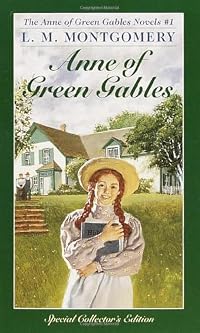
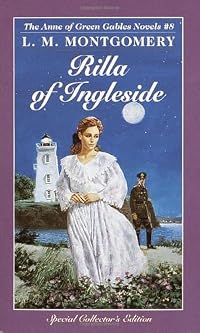
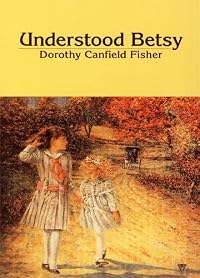
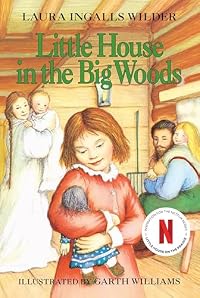
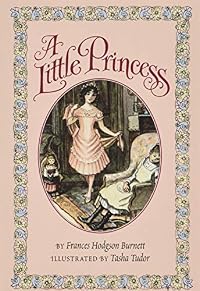

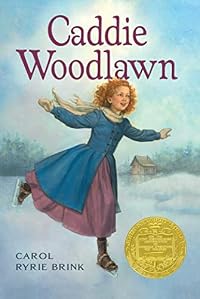
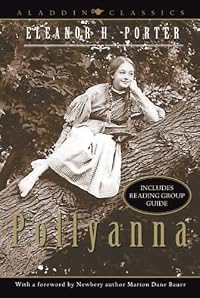
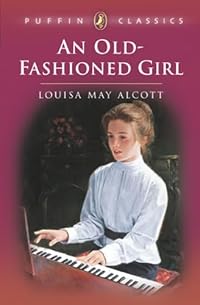

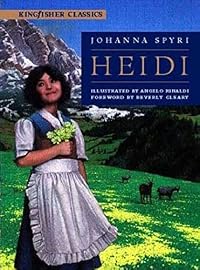
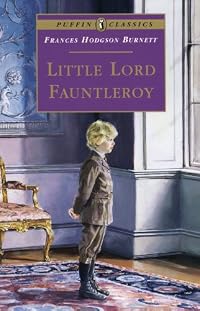


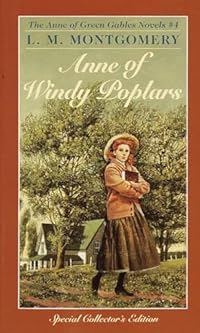
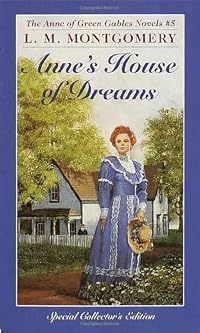
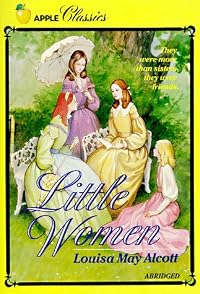
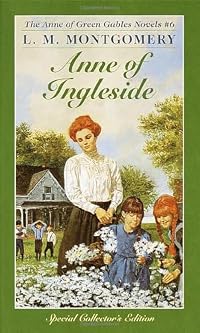
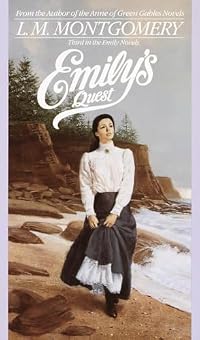

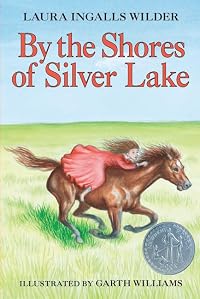
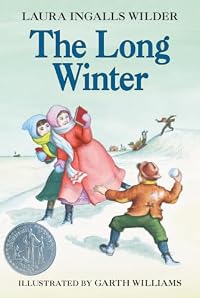
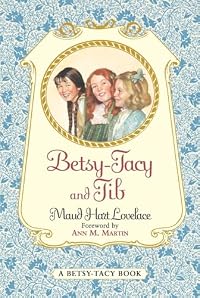
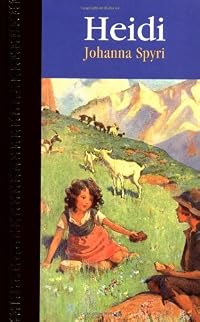
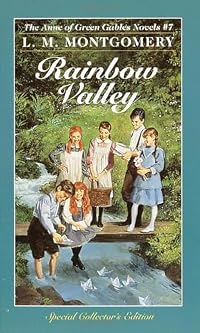




Member Recommendations
SylviaC similar situation of an orphan girl being raised in a family of boys
40

Member Reviews
While admittedly a very dated text (I was honestly amazed at the racial and gender mores that Alcott described so lucidly) there is still much to appreciate. However, and in the interest of full disclosure, I probably would not have read this on my own (it's part of a Trade Literature class I'm currently a part of)but I'm glad that I did; the prose is fluid and even fecund in its descriptive powers, and while it could certainly be construed as saccharine or treacle, I feel that unlike a lot of pretender optimist texts of today, there's a sense of authenticity and earnestness that prevents this novel from sinking under its own sugary weight.
“Eight Cousins” suffers from the problem that a lot of Alcott's work does—it's occasionally a novel, and mostly a pamphlet on her views on raising children. And while the ideas it promotes were pretty revolutionary at the time (girls in proper play clothes, encouraged to be active and eat well instead of being laced into corsets!), there's nothing particularly interesting to the modern mind.
What I liked about “Little Women” and “Little Men” is that the characters were fully developed, and felt like people instead of mouthpieces. Alcott put her views in, sure, but they were brought up as bits of natural character development, or in conversations between characters that felt like actual conversations. It came across as "Amy show more learning selflessness", not "Alcott speaking through Jo and Amy for fourteen pages". In contrast, the characters in “Eight Cousins” are mostly just there to promote her views. Whole chapters can be spent with characters discussing—at length—Alcott's stances, and having Rose ultimately prove them right. It's a shame, because there's a lot of potential here. She set up some very interesting, quirky characters and occasionally they begin to feel like people. But soon after, they're back to being walking moral lessons. show less
What I liked about “Little Women” and “Little Men” is that the characters were fully developed, and felt like people instead of mouthpieces. Alcott put her views in, sure, but they were brought up as bits of natural character development, or in conversations between characters that felt like actual conversations. It came across as "Amy show more learning selflessness", not "Alcott speaking through Jo and Amy for fourteen pages". In contrast, the characters in “Eight Cousins” are mostly just there to promote her views. Whole chapters can be spent with characters discussing—at length—Alcott's stances, and having Rose ultimately prove them right. It's a shame, because there's a lot of potential here. She set up some very interesting, quirky characters and occasionally they begin to feel like people. But soon after, they're back to being walking moral lessons. show less
When I was in my early teens, there was a trifecta of authors that I devoured: Jane Austen, L.M. Montgomery, and Louisa May Alcott. I even made an informational web page about them on Angelfire... those were the days...
Anyway, revisiting a book like Eight Cousins reminds me exactly how I was influenced by these characters. A lot of my world view was shaped by this innocent wholesomeness, exemplified by Rose, the main character. Her ladylike presence automatically inspired people around her (namely, men) to be their best selves! So much gentility and respect! This impressed me mightily! I subconsciously stored this fascinating social education away, only to find that's not quite how it goes...
But while it's a bit out of place in the show more modern age, and occasionally some would say naive, I'm glad it was part of my youth and wouldn't trade it for anything!
In this book, orphaned Rose comes to live with her guardian uncle, and her neighbors are 7 boy cousins and a bunch of other corresponding aunts and uncles!
She arrives a tired, droopy little thing who survives on strong coffee, is proud of her tightly cinched little waist, and is about as uneducated as most girls of her class... but Uncle Alec changes all that. By the end of the book she's well on her way to being a truly healthy young girl with high spirits and noble ambitions, who can also make her 7 cousins toe the line.
There are some delightful episodes, such as the "freedom suit" her uncle orders for her (the opposite of a corset). And, pay particular attention to the development of Mac, her bookworm cousin... because there's more to come in the next book!! show less
Anyway, revisiting a book like Eight Cousins reminds me exactly how I was influenced by these characters. A lot of my world view was shaped by this innocent wholesomeness, exemplified by Rose, the main character. Her ladylike presence automatically inspired people around her (namely, men) to be their best selves! So much gentility and respect! This impressed me mightily! I subconsciously stored this fascinating social education away, only to find that's not quite how it goes...
But while it's a bit out of place in the show more modern age, and occasionally some would say naive, I'm glad it was part of my youth and wouldn't trade it for anything!
In this book, orphaned Rose comes to live with her guardian uncle, and her neighbors are 7 boy cousins and a bunch of other corresponding aunts and uncles!
She arrives a tired, droopy little thing who survives on strong coffee, is proud of her tightly cinched little waist, and is about as uneducated as most girls of her class... but Uncle Alec changes all that. By the end of the book she's well on her way to being a truly healthy young girl with high spirits and noble ambitions, who can also make her 7 cousins toe the line.
There are some delightful episodes, such as the "freedom suit" her uncle orders for her (the opposite of a corset). And, pay particular attention to the development of Mac, her bookworm cousin... because there's more to come in the next book!! show less
When I was eight, I read Louisa May Alcott's "Little Women" for the first time. And then I read it again - about twenty-five times in that first year, slurping it up like a delicious piece of my favorite dessert. It was the first time I ever realized that books could be tastier than cake. And every so often, even now, I feel a need for some Alcott-cake; "Eight Cousins" is still one of my favorites.
The story concerns orphaned Rose, the only girl in a family of eight first cousins. On the death of her father, Rose is sent to the family home to meet her new guardian, her father's brother Alec, whom she has never met. Rose is frail, pale, overpoweringly ladylike, and (as you might expect, given her recent history) more than a bit anxious show more about her new life with Uncle Alec - not to mention all those boy cousins. Alec is a free-thinking doctor who is determined to turn frail Rose into a happy, healthy Rose. As a little girl, I loved reading about Alec taking away Rose's tight leather belts and giving her soft rainbow sashes and scarves; stealing her black coffee and making her milk the cow for fresh milk, and surprising her with skates and warm muffs and sleds and boats. And the truth is, I still like it.
I like Rose too. She can be awfully priggish, but she tries so hard to be good - you don't see that very often in modern kid-lit. (I'm not talking about you, Harry Pottter!) If you ask me (and nobody has), I think kids lose when they don't find integrity modelled for them in books. show less
The story concerns orphaned Rose, the only girl in a family of eight first cousins. On the death of her father, Rose is sent to the family home to meet her new guardian, her father's brother Alec, whom she has never met. Rose is frail, pale, overpoweringly ladylike, and (as you might expect, given her recent history) more than a bit anxious show more about her new life with Uncle Alec - not to mention all those boy cousins. Alec is a free-thinking doctor who is determined to turn frail Rose into a happy, healthy Rose. As a little girl, I loved reading about Alec taking away Rose's tight leather belts and giving her soft rainbow sashes and scarves; stealing her black coffee and making her milk the cow for fresh milk, and surprising her with skates and warm muffs and sleds and boats. And the truth is, I still like it.
I like Rose too. She can be awfully priggish, but she tries so hard to be good - you don't see that very often in modern kid-lit. (I'm not talking about you, Harry Pottter!) If you ask me (and nobody has), I think kids lose when they don't find integrity modelled for them in books. show less
I never knew that Louisa May Alcott ever wrote anything other than Little Women, its sequels and some scary stories. But in 1875, Alcott published Eight Cousins, a predictable, bathetic novel featuring a ridiculously plucky orphan named Rose Campbell and her seven boy cousins; except for Mac, all of them would make Pollyanna appear a spoiled, selfish misanthrope. It’s no Little Women by a long shot.
The story began well enough, with Rose mourning the death of her beloved invalid father. Her uncle, Dr. Alec Campbell, returns from abroad, having lived in China, India and elsewhere in Asia, and becomes her guardian. And that’s when the book rapidly becomes cloying with perfect children who are ever cheerful, helpful and grateful. It was show more so saccharine that my teeth hurt.
The book has one saving grace: It explores the forward-thinking educational methods promoted by Alcott’s father, education reformer Bronson Alcott, including learning by doing, literary discussions, cross-curricular education, and a rejection of rote learning and corporal punishment. These and some other of his methods are now standard in education.
Some books can survive through the ages and entertain children (and adults, too) decades after they’re first released: Little Women (1868), Understood Betsy (1917), Daddy-Long-Legs (1912), The Railway Children (1905), Rebecca of Sunnybrook Farm (1903) or Anne of Green Gables (1908); however, Eight Cousins isn’t one of them. For Alcott super-fans only. show less
The story began well enough, with Rose mourning the death of her beloved invalid father. Her uncle, Dr. Alec Campbell, returns from abroad, having lived in China, India and elsewhere in Asia, and becomes her guardian. And that’s when the book rapidly becomes cloying with perfect children who are ever cheerful, helpful and grateful. It was show more so saccharine that my teeth hurt.
The book has one saving grace: It explores the forward-thinking educational methods promoted by Alcott’s father, education reformer Bronson Alcott, including learning by doing, literary discussions, cross-curricular education, and a rejection of rote learning and corporal punishment. These and some other of his methods are now standard in education.
Some books can survive through the ages and entertain children (and adults, too) decades after they’re first released: Little Women (1868), Understood Betsy (1917), Daddy-Long-Legs (1912), The Railway Children (1905), Rebecca of Sunnybrook Farm (1903) or Anne of Green Gables (1908); however, Eight Cousins isn’t one of them. For Alcott super-fans only. show less
Lovely as always. I read and reread this so many times that, despite not having looked at it in probably 20 or 30 years, I remembered most of the events as they came up. Of course, that's helped by the fact that it's utterly predictable - Rose really doesn't go in for twists. It's a sweet story; the style is old-fashioned (not unexpectedly - originally published in 1875), but unlike several other books I've read recently, Alcott doesn't obtrude herself into the story excessively. The characters are solid, the language slightly odd but not very, the situations quite familiar - people don't change all that much - and while there is a strong moral message, it's transmitted through and by the characters, rather than by straight preaching. show more Glad I read it again, I won't wait as long next time. show less
I had fond memories of Eight Cousins by Louisa May Alcott from reading it as a child, but I didn’t remember just how sweetly sentimental it truly was. Of course my reading taste has matured, and soured slightly over the years, so I found this book a little too sweet for my taste. In showing her readers the value of family, simple pleasures and an industrious life, we are told the story of Rose Campbell, orphaned and given over to the care of various aunts while awaiting the arrival of her guardian, the sea-faring Uncle Alex. Rose has been overly coddled and protected and is on the verge of becoming a sickly, timid child. Her uncle extracts a promise from the aunts to give him a year of total control over Rose’s life to see if he can show more bring out the healthy, vibrant girl he believes she can be.
Rose, along with her seven male cousins enjoys a year of outdoor activity, healthy eating, with many life and morality lessons. She, of course, blooms under this treatment. This book was originally published in 1875, so the outdated ideas on the female role, and the way that other races were looked at, I was able to excuse.
Overall the book held it’s charm for me, and I would encourage young girls to read this book, but treat it as a history lesson. As each chapter has a moral, this book would make a great launching pad for discussion. Overall I enjoyed my trip down memory lane and I do plan on eventually reading the sequel, Rose In Bloom, as I remember that as a charming and cozy read as well. show less
Rose, along with her seven male cousins enjoys a year of outdoor activity, healthy eating, with many life and morality lessons. She, of course, blooms under this treatment. This book was originally published in 1875, so the outdated ideas on the female role, and the way that other races were looked at, I was able to excuse.
Overall the book held it’s charm for me, and I would encourage young girls to read this book, but treat it as a history lesson. As each chapter has a moral, this book would make a great launching pad for discussion. Overall I enjoyed my trip down memory lane and I do plan on eventually reading the sequel, Rose In Bloom, as I remember that as a charming and cozy read as well. show less
Members
- Recently Added By
Lists

Favorite Childhood Books
1,646 works; 517 members

Favourite 19th century fiction
257 works; 60 members

Childhood Favorites
427 works; 24 members

Best Family Stories
241 works; 22 members

Elevenses
316 works; 88 members
Comfort Reads
221 works; 41 members

Books Set in Massachusetts
41 works; 8 members

Books About Girls
219 works; 17 members

Blue Pyramid 1,276 Best Books of All Time
1,248 works; 32 members

Novels featuring Orphans
76 works; 10 members

Favourite Virago Modern Classics
183 works; 38 members

Physical TBR List
68 works; 1 member

Works in the game of Authors
44 works; 2 members

Book Titles Mentioned In Newberry Medal And Honor Books
884 works; 3 members

American Lit for Eng 11 Research Project
368 works; 6 members

Unmarried women
66 works; 6 members

Books With Numbers in the Title
308 works; 13 members
Fiction (Mostly) in Selective Bibliography of American Literature 1775-1900
431 works; 3 members
New England Books
101 works; 10 members
Literature About Women and Girls
391 works; 39 members

Books We Loved As Children
603 works; 252 members
Author Information

464+ Works 108,472 Members
Louisa May Alcott was born in Germantown, Pennsylvania, in 1832. Two years later, she moved with her family to Boston and in 1840 to Concord, which was to remain her family home for the rest of her life. Her father, Bronson Alcott, was a transcendentalist and friend of Ralph Waldo Emerson and Henry David Thoreau. Alcott early realized that her show more father could not be counted on as sole support of his family, and so she sacrificed much of her own pleasure to earn money by sewing, teaching, and churning out potboilers. Her reputation was established with Hospital Sketches (1863), which was an account of her work as a volunteer nurse in Washington, D.C. Alcott's first works were written for children, including her best-known Little Women (1868--69) and Little Men: Life at Plumfield with Jo's Boys (1871). Moods (1864), a "passionate conflict," was written for adults. Alcott's writing eventually became the family's main source of income. Throughout her life, Alcott continued to produce highly popular and idealistic literature for children. An Old-Fashioned Girl (1870), Eight Cousins (1875), Rose in Bloom (1876), Under the Lilacs (1878), and Jack and Jill (1881) enjoyed wide popularity. At the same time, her adult fiction, such as the autobiographical novel Work: A Story of Experience (1873) and A Modern Mephistopheles (1877), a story based on the Faust legend, shows her deeper concern with such social issues as education, prison reform, and women's suffrage. She realistically depicts the problems of adolescents and working women, the difficulties of relationships between men and women, and the values of the single woman's life. (Bowker Author Biography) show less
Some Editions
Series

Belongs to Publisher Series
Work Relationships
Is contained in
Has the (non-series) sequel
Common Knowledge
- Original title
- Eight Cousins
- Original publication date
- 1875
- People/Characters
- Rose Campbell; Uncle Alec Campbell; Aunt Peace; Aunt Plenty; Archie Campbell "the chief"; Charlie Campbell "the Prince" (show all 12); Mac Campbell "the Bookworm"; Steve Campbell "the dandy"; Will Campbell; Gordie Campbell; Jamie Campbell; Phoebe
- Important places
- Boston, Massachusetts, USA
- Dedication
- To the many boys and girls whose letters it has been impossible to answer, this book is dedicated as a peace offering by their friend L.M. Alcott
- First words
- Rose sat all alone in the big best parlor, with her little handkerchief laid ready to catch the first tear, for she was thinking of her troubles, and a shower was expected.
- Last words
- (Click to show. Warning: May contain spoilers.)But Rose hushed the noise by slipping into the circle, and making them dance prettily like lads and lasses round a May-pole; while Phebe, coming in with fresh water for the flowers, began to twitter, chirp, and coo, as if all the birds of the air had come to join in the spring revel of the eight cousins.
- Publisher's editor
- Niles, Thomas
- Original language
- English
Classifications
- Genres
- Children's Books, Fiction and Literature
- DDC/MDS
- 813.4 — Literature & rhetoric American literature in English American fiction in English Later 19th Century 1861-1900
- LCC
- PZ7 .A335 — Language and Literature Fiction and juvenile belles lettres Fiction and juvenile belles lettres Juvenile belles lettres
- BISAC
Statistics
- Members
- 5,302
- Popularity
- 2,552
- Reviews
- 67
- Rating
- (3.91)
- Languages
- 8 — English, Finnish, French, German, Italian, Portuguese, Spanish, Swedish
- Media
- Paper, Audiobook, Ebook
- ISBNs
- 214
- ASINs
- 183