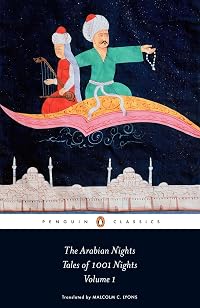
The Arabian Nights: Tales of 1,001 Nights: Volume 1 (Penguin Classics)
by Anonymous
The Arabian Nights: Tales of 1,001 Nights {Penguin Classics} (Volume 1)
On This Page
Description
Every night for three years the vengeful King Shahriyar sleeps with a different virgin, executing her the next morning. To end this brutal pattern and to save her own life, the vizier's daughter, Shahrazad, begins to tell the king stories of adventure, love, riches and wonder - tales of mystical lands peopled with princes and hunchbacks, the Angel of Death and magical spirits, tales of the voyages of Sindbad, of Ali Baba outwitting a band of forty thieves and of jinnis trapped in rings and show more in lamps. The sequence of stories will last 1,001 nights. show lessTags
Recommendations
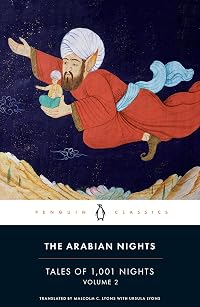

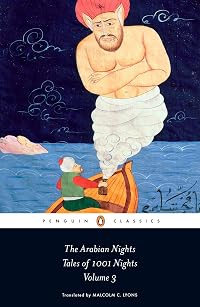

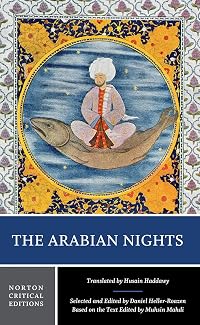



























Member Recommendations

steve.clason Barth was, via Borges, much influenced by The Nights: the first of the three interrelated novellas in Chimera riffs on the frame story of Scheherezade and Dunyazade while the entire work exploits the technique of nested stories with abandon.
Member Reviews
4 1/2 stars. Extremely violent--far more than I expected based on the fairly curated selection of Nights tales I've read over the years.
Also very sexually explicit, and generally the receiving parties are slaves or otherwise unfree to choose, which is weirdly LESS disturbing than the violence.
Both lesbian and gay sex and lots of bi protagonists. Occasional deprecation of homosexuality despite vast queer subtext. Lady doth protest too much, indeed. Creepy incest, actual and implied, and children getting married. Still less disturbing than all the casual mass murder.
Some brilliant poetry. I love that this translation keeps the verse and doesn't force rhyme.
Also very sexually explicit, and generally the receiving parties are slaves or otherwise unfree to choose, which is weirdly LESS disturbing than the violence.
Both lesbian and gay sex and lots of bi protagonists. Occasional deprecation of homosexuality despite vast queer subtext. Lady doth protest too much, indeed. Creepy incest, actual and implied, and children getting married. Still less disturbing than all the casual mass murder.
Some brilliant poetry. I love that this translation keeps the verse and doesn't force rhyme.
When King Shahriyar discovers his wife to be unfaithful, he begins to marry young women, only to behead them in the morning. In order to save the young women of the region, Shahrazad gives herself to the King Shahriyar. She is not expected to survive beyond dawn, but during the night she begins to tell tales, each night ending the story in the middle, leaving the king desperate to learn the ending and allowing Shahrazad to live another day.
One of my reading goals for this year is to read the complete version of A Thousand and One Nights. My aim was to find a translation that was as complete as possible, including "Aladdin" and "Ali Babba and the Forty Thieves", both of which were added in the 1700-1800s. Since there are many show more translations, I eventually settled in the Penguin Classics version, The Arabian Nights: Tales of 1,001 Nights, which comes in three giant volumes and claims to be as complete as possible. (Plus I really liked the covers.)
Volume 1 is 980 pages long. It includes the beginning of Shahrazad's marriage to Shahriyar and provides up through night 294 of tales, as well as "Ali Babba and the Forty Thieves" as an appendix.
Shahrazad's tales range from adventure yarns with djinn to morality tales, love stories, fables, and war epics. Despite the variety of tales, there was also a great level of repetition, with similar descriptions of characters or expected outcomes. Though this should be expected due to how many stories there are, it can get burdensome for some readers, I'm sure.
The stories are also often nested, a tale within a tale within a tale. Just as Shahrazad saves herself through the telling of the tales, many of the characters within her stories also save themselves from death in a similar way. For example, kings are of ten saying, tell me story more wonderful than what has just happened or I'll cut off your head. The nesting not only allows Shahrazad a longer tale to tell, which keeps her alive for more nights, but also shows how valuable the act of storytelling was thought to be. Sometimes the nesting becomes a bit too much, though, and there are so many stories within stories, it can be easy to forget the original story, until it's finally returned many pages (and nights) later.
Some Similarities to Arthurian Tales
Over the course of reading the first volume, I've noticed that a number of stories have themes or aspects similar to traditional Arthurian tales, such as those written by Chrétien de Troyes. My guess is that scholars in the Middle Ages were likely knew of and were influenced by the tales of the Arabian Nights, so that the themes crossed over. Or perhaps there was some cross-cultural influence going both directions. Here are a few of the themes I noticed.
1. Chivalry, or knightly behavior - Though this is not as pronounce in the Arabian Nights, there was an ongoing element of proper behavior for a gentleman. Often this involved how to be a guest or a host in one's home, however this also related to a code of conduct in battle. A wandering young man in the Arabian nights may fall into a crowd of armed men that wish to defeat him. But rather than attacking all at once, the fighters go up against the young man one by one, because it's the right thing to do. At which point the young man will take up a horse and a spear and charge against each fighter one by one, similar to a joust in the Arthurian tales. And both the Arabian Nights and the Arthurian tales use similar language, describing the knight or warrior as fighting "like a lion" or some other noble and fierce beast.
2. Courtly Love - Love requires adherence to a strict set of rules, which often involves falling in Love at First Sight and total loyalty to one's lover. However, I don't remember quite as many lovers wasting away and dying from their affliction of romance in the Arthurian tales as they do in the Arabian Nights.
3. Beauty = Good - Ugly creatures are always wicked, cruel, and/or ridiculous. The ugly are never noble or wise or good. Characters often look at someone and know they are from good breeding and wealth and have a good heart, based on the beauty of their features and elegance and grace of their body.
4. Fainting - Seriously, in cases of high emotion the only thing to do is to fall over in a faint. Terrified you're going to die? Faint. Thrilled to have your long-lost son to return? Faint. Hear a poem that makes you think of your secret lover? Faint. It's the only reasonable thing to do.
Women are Evil, Except When They're Awesome
There is a general belief of the characters throughout these stories that women are he the root of all evil and are the downfall of men, which is revealed in many of the stories in which wives commit adultery or murder or other misdeeds. It made sense to me that Shahrazad would tell Shahriyar these kinds of stories in the beginning, because of his own distrust of women.
However, as the tales progressed, different kinds of women began to be prevalent, too. There were lots of women in these tales, and while their stories often end in marriage, they often had their own adventures. Women sometimes have power. Women were merchants or travelers, some got to go on pilgrimages. In fact, two of my favorite moments in this book involved women being awesome.
Princess Abriza, the daughter of the King of Constantinople (a Christian city), is a small character in a much. Longer epic narrative. She is discovered wrestling with her female friends in the woods by a great Muslim warrior, Sharkan. She challenges him to a wrestling bout and throws him each time (though it's thought that he was distracted by her beauty) and then she invites him home. Later, she follows him disguised as a man and again beats him repeatedly in battle. And, she leads an army of female warriors who all defeat the men they come across.
In another story, Budur is in a strange land and has lost her husband, so she dresses herself as a young man and goes looking for her him. Along the way, she comes to a kingdom and through adventure marries the princess and becomes king of the land, where with the complicity of her wife she rules the kingdom and earns much fame for a number of years.
Both of these stories are awesome, though neither have great endings, which makes me sad.
Xenophobia
The hardest part of reading these stories was definitely the prejudice shown toward certain groups, most notably in the descriptions of the black characters, all of whom were described as villainous and ugly. I cringed every time I read one of these passages and it certainly lessened my enjoyment. Prejudice was also shown toward the Christian, Jewish, and Bedouin populations, though this was not as overt to me as some of them could be shown to have good points at different points in the stories.
A Random Aside
My copy of the book has an amusing printing flaw: At page 790, the book jumps back to 743 and repeats 47 pages before continuing on.
I'm sure I could think up a few more things to mention, while I'm sitting here, but I think this post is long enough.
I have two more volumes to get through, but I'm going to take a break from readings the tales for a little bit before jumping back in. At least the next two volumes are slightly shorter. show less
One of my reading goals for this year is to read the complete version of A Thousand and One Nights. My aim was to find a translation that was as complete as possible, including "Aladdin" and "Ali Babba and the Forty Thieves", both of which were added in the 1700-1800s. Since there are many show more translations, I eventually settled in the Penguin Classics version, The Arabian Nights: Tales of 1,001 Nights, which comes in three giant volumes and claims to be as complete as possible. (Plus I really liked the covers.)
Volume 1 is 980 pages long. It includes the beginning of Shahrazad's marriage to Shahriyar and provides up through night 294 of tales, as well as "Ali Babba and the Forty Thieves" as an appendix.
Shahrazad's tales range from adventure yarns with djinn to morality tales, love stories, fables, and war epics. Despite the variety of tales, there was also a great level of repetition, with similar descriptions of characters or expected outcomes. Though this should be expected due to how many stories there are, it can get burdensome for some readers, I'm sure.
The stories are also often nested, a tale within a tale within a tale. Just as Shahrazad saves herself through the telling of the tales, many of the characters within her stories also save themselves from death in a similar way. For example, kings are of ten saying, tell me story more wonderful than what has just happened or I'll cut off your head. The nesting not only allows Shahrazad a longer tale to tell, which keeps her alive for more nights, but also shows how valuable the act of storytelling was thought to be. Sometimes the nesting becomes a bit too much, though, and there are so many stories within stories, it can be easy to forget the original story, until it's finally returned many pages (and nights) later.
Some Similarities to Arthurian Tales
Over the course of reading the first volume, I've noticed that a number of stories have themes or aspects similar to traditional Arthurian tales, such as those written by Chrétien de Troyes. My guess is that scholars in the Middle Ages were likely knew of and were influenced by the tales of the Arabian Nights, so that the themes crossed over. Or perhaps there was some cross-cultural influence going both directions. Here are a few of the themes I noticed.
1. Chivalry, or knightly behavior - Though this is not as pronounce in the Arabian Nights, there was an ongoing element of proper behavior for a gentleman. Often this involved how to be a guest or a host in one's home, however this also related to a code of conduct in battle. A wandering young man in the Arabian nights may fall into a crowd of armed men that wish to defeat him. But rather than attacking all at once, the fighters go up against the young man one by one, because it's the right thing to do. At which point the young man will take up a horse and a spear and charge against each fighter one by one, similar to a joust in the Arthurian tales. And both the Arabian Nights and the Arthurian tales use similar language, describing the knight or warrior as fighting "like a lion" or some other noble and fierce beast.
2. Courtly Love - Love requires adherence to a strict set of rules, which often involves falling in Love at First Sight and total loyalty to one's lover. However, I don't remember quite as many lovers wasting away and dying from their affliction of romance in the Arthurian tales as they do in the Arabian Nights.
3. Beauty = Good - Ugly creatures are always wicked, cruel, and/or ridiculous. The ugly are never noble or wise or good. Characters often look at someone and know they are from good breeding and wealth and have a good heart, based on the beauty of their features and elegance and grace of their body.
4. Fainting - Seriously, in cases of high emotion the only thing to do is to fall over in a faint. Terrified you're going to die? Faint. Thrilled to have your long-lost son to return? Faint. Hear a poem that makes you think of your secret lover? Faint. It's the only reasonable thing to do.
Women are Evil, Except When They're Awesome
There is a general belief of the characters throughout these stories that women are he the root of all evil and are the downfall of men, which is revealed in many of the stories in which wives commit adultery or murder or other misdeeds. It made sense to me that Shahrazad would tell Shahriyar these kinds of stories in the beginning, because of his own distrust of women.
However, as the tales progressed, different kinds of women began to be prevalent, too. There were lots of women in these tales, and while their stories often end in marriage, they often had their own adventures. Women sometimes have power. Women were merchants or travelers, some got to go on pilgrimages. In fact, two of my favorite moments in this book involved women being awesome.
Princess Abriza, the daughter of the King of Constantinople (a Christian city), is a small character in a much. Longer epic narrative. She is discovered wrestling with her female friends in the woods by a great Muslim warrior, Sharkan. She challenges him to a wrestling bout and throws him each time (though it's thought that he was distracted by her beauty) and then she invites him home. Later, she follows him disguised as a man and again beats him repeatedly in battle. And, she leads an army of female warriors who all defeat the men they come across.
In another story, Budur is in a strange land and has lost her husband, so she dresses herself as a young man and goes looking for her him. Along the way, she comes to a kingdom and through adventure marries the princess and becomes king of the land, where with the complicity of her wife she rules the kingdom and earns much fame for a number of years.
Both of these stories are awesome, though neither have great endings, which makes me sad.
Xenophobia
The hardest part of reading these stories was definitely the prejudice shown toward certain groups, most notably in the descriptions of the black characters, all of whom were described as villainous and ugly. I cringed every time I read one of these passages and it certainly lessened my enjoyment. Prejudice was also shown toward the Christian, Jewish, and Bedouin populations, though this was not as overt to me as some of them could be shown to have good points at different points in the stories.
A Random Aside
My copy of the book has an amusing printing flaw: At page 790, the book jumps back to 743 and repeats 47 pages before continuing on.
I'm sure I could think up a few more things to mention, while I'm sitting here, but I think this post is long enough.
I have two more volumes to get through, but I'm going to take a break from readings the tales for a little bit before jumping back in. At least the next two volumes are slightly shorter. show less
These tales are simply stunning and so important given how far their influence has spread. This first volume certainly has the pick of the bunch though, as they do get slightly repetitive by the third volume (although even this adds charm to the tales as the repetitions spread out as if in a hall of indefatigable mirrors).
this is a great story book for children
Didn't finish. Stopped at page 400.
Accurate translation of all the tales in 3 volumes, including the religious ones and giving credit and praise to Allah.
Close To My Heart
Members
- Recently Added By
Lists

Best of World Literature
433 works; 51 members

Books With Numbers in the Title
308 works; 13 members

Books referenced in the Astral Library
60 works; 1 member
Author Information
90 Works 4,710 Members
Some Editions
Series

Belongs to Publisher Series
Common Knowledge
- Original title
- كتاب ألف ليلة وليلة
- People/Characters
- Aladdin; Ali Baba; Sinbad the Sailor; Shahryār; Scheherazade
- Important places
- Baghdad
- First words
- Among the histories of past peoples a story is told that in the old days in the islands of India and China there was a Sasanian king, a master of armies, guards, servants and retainers, who had two sons, an elder and a younge... (show all)r.
- Last words
- (Click to show. Warning: May contain spoilers.)When she had finished telling this story to King Shahriyar, Shahrazad seeing it was not yet light, began to recount the story we are now going to hear.
Classifications
- Genre
- Fiction and Literature
- DDC/MDS
- 398.20953 — Society, government, & culture Customs, etiquette & folklore Folklore & Folktales Folk literature History, geographic treatment, biography Asian folktales Folklore of the Near East
- LCC
- PJ7715 .A73 — Language and Literature Oriental languages and literatures Oriental philology and literature Arabic Arabic literature Individual authors or works
- BISAC
Statistics
- Members
- 689
- Popularity
- 41,490
- Reviews
- 7
- Rating
- (4.10)
- Languages
- English
- Media
- Paper, Ebook
- ISBNs
- 2
- ASINs
- 2