On This Page
Description
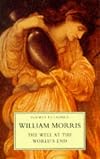
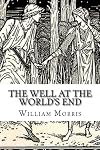
Credited with inspiring such fantasy luminaries as C.S. Lewis and J.R.R. Tolkien, William Morris' The Well at the World's End follows the travels of a prince, Ralph of Upmeads, who undertakes a journey to find the magical well of the title. Along the way, our hero encounters adventure, travails, and romance. A must-read for fans of classic quest stories..
Tags
Recommendations














Member Reviews
I picked this book because i read that this book inspired Narnia and The Lord of The Rings series.
The first thing I notice about this book is the language. The author uses old-english like style that are somewhat challenging to read, especially for new readers. But in my case, I became used to it and after read the book, i understood that it is needed to compliment the themes and settings of this book.
This book has 3 part. And follow the story of a young Prince that seeking for adventures, and how he overcome the obstacles.
The story itself is slow at the start. The beginning of the book reads like a sort of fairytale or children story, but then at the later part, it become more mature plot-wise. The boring part is in the second half of show more the first part and I almost abandon this book out of boredeom, but I'm glad i didn't. Starting from Part 2, the plot and the main character become more interesting. For some people the prose and the story's structure can be a drag compared to a modern fantasy stories. But I personally didn't have a problem.
The characters count are plenty but not overwhelming. And some of them are well-written especially the main character, as this book tells how he grown to become a man over the course of the story.
Overall, i didn't expect this book to become one of my favorites. I recommend it anyone who love fantasy books, bonus point if you also like old-english prose. show less
The first thing I notice about this book is the language. The author uses old-english like style that are somewhat challenging to read, especially for new readers. But in my case, I became used to it and after read the book, i understood that it is needed to compliment the themes and settings of this book.
This book has 3 part. And follow the story of a young Prince that seeking for adventures, and how he overcome the obstacles.
The story itself is slow at the start. The beginning of the book reads like a sort of fairytale or children story, but then at the later part, it become more mature plot-wise. The boring part is in the second half of show more the first part and I almost abandon this book out of boredeom, but I'm glad i didn't. Starting from Part 2, the plot and the main character become more interesting. For some people the prose and the story's structure can be a drag compared to a modern fantasy stories. But I personally didn't have a problem.
The characters count are plenty but not overwhelming. And some of them are well-written especially the main character, as this book tells how he grown to become a man over the course of the story.
Overall, i didn't expect this book to become one of my favorites. I recommend it anyone who love fantasy books, bonus point if you also like old-english prose. show less
An epic romance, in the chivalric sense of the word. Well worth the effort, and it does take some effort. The use of archaic language is enjoyable as it leads to a deeper understanding of the English language, and thereby enhances all future reading. Said to have influenced J R R Tolkien.
Hmm. Umm. Interesting enough to read, more for the deliberately archaic and stilted prose than for the plot or characters. I got a little tired of how everyone who came near the main characters fell on their knees and worshipped them, even before they drank from the well.
Knights Errant and damosels aplenty, quests and bad guys and all that good stuff. I enjoyed it, but likely would have done so more had I not recently finished another of Morris' chunkster fantasy novels. Moderation in all things, and all that.
Here's what I wrote in 2021 about this read: "Good hero's journey tale that was inspirational for both C.S. Lewis and J.R.R. Tolkien. Many elements and names picked up in Lord of the Rings (LoTR). Ralph and his (second) love, Ursula, were lovely and heroic."
I created 33 highlights in my Kindle when reading(many images, characters, etc. that reminded of LoTR); curated down to the list of quotations shown in the comments section.
I created 33 highlights in my Kindle when reading(many images, characters, etc. that reminded of LoTR); curated down to the list of quotations shown in the comments section.
This review is written with a GPL 4.0 license and the rights contained therein shall supersede all TOS by any and all websites in regards to copying and sharing without proper authorization and permissions. Crossposted at WordPress, Blogspot & Librarything by Bookstooge’s Exalted Permission
Title: The Well at the World's End
Series: ----------
Author: William Morris
Rating: Unrated
Genre: Fantasy/Classic
Pages: 449/ DNF@9%
Words: 228.5K/21K
Synopsis:
From Wikipedia
Using language with elements of the medieval tales which were his models, Morris tells the story of Peter, King of Upmeads, and his four sons, Blaise, Hugh, Gregory, and Ralph. These four sons decide one day that they would like to explore the world, so their father gives them show more permission, except for Ralph, who is to remain at home to ensure at least one living heir. From that point on, the plot centers on the youngest son, Ralph, who secretly departs contrary to his father's orders.
Ralph's explorations begin at Bourton Abbas, after which he goes through the Wood Perilous. He has various adventures there, including the slaying of two men who had entrapped a woman. That woman later turns out to be the Lady of Abundance, who later becomes his lover for a short time.
In one episode Ralph is staying at a castle and inquires about the Lady of the castle (the so-called Lady of Abundance), whom he has not yet seen. Descriptions of her youth and beauty suggest to him that she has drunk from the well at the world's end. "And now in his heart waxed the desire of that Lady, once seen, as he deemed, in such strange wise; but he wondered within himself if the devil had not sown that longing within him ..." A short time later, while still at the castle, Ralph contemplates images of the Lady and "was filled with the sweetness of desire when he looked on them." Then he reads a book containing information about her, and his desire to meet the Lady of Abundance flames higher. When he goes to bed, he sleeps "for the very weariness of his longing." He fears leaving the castle because she might come while he is gone. Eventually he leaves the castle and meets the Lady of Abundance, who turns out to be the same lady he had rescued some weeks earlier from two men.
When he meets her this time, the lady is being fought over by two knights, one of whom slays the other. That knight nearly kills Ralph, but the lady intervenes and promises to become the knight's lover if he would spare Ralph. Eventually, she leads Ralph away during the night to save Ralph's life from this knight, since Ralph had once saved hers. She tells Ralph of her trip to the Well at the World's End, her drinking of the water, the tales of her long life, and a maiden named Ursula whom she thinks is especially suited to Ralph. Eventually, the knight catches up to them and kills her with his sword while Ralph is out hunting. Upon Ralph's return, the knight charges Ralph, and Ralph puts an arrow through his head. After Ralph buries both of them, he begins a journey that will take him to the Well at the World's End.
As he comes near the village of Whitwall, Ralph meets a group of men, which includes his brother Blaise and Blaise's attendant, Richard. Ralph joins them, and Richard tells Ralph about having grown up in Swevenham, from which two men and one woman had once set out for the Well at the World's End. Richard had never learned what happened to those three. Richard promises to visit Swevenham and learn what he can about the Well at the World's End.
Ralph falls in with some merchants, led by a man named Clement, who travel to the East. Ralph is in search of the Well at the World's End, and they are in search of trade. This journey takes him far to the east in the direction of the well, through the villages of Cheaping Knowe, Goldburg, and many other hamlets. Ralph learns that a maiden, whom the Lady of Abundance had mentioned to him, has been captured and sold as a slave. He inquires about her, calling her his ‘sister’, and he hears that she may have been sold to Gandolf, the cruel, powerful, and ruthless Lord of Utterbol. The queen of Goldburg writes Ralph a letter of recommendation to Gandolf, and Morfinn the Minstrel, whom Ralph met at Goldburg, promises to guide him to Utterbol.
Morfinn turns out to be a traitor who delivers Ralph into the hands of Gandolf. After some time with the Lord of Utterbol and his men, Ralph escapes. Meanwhile, Ursula, Ralph's "sister", who has been enslaved at Utterbol, escapes and by chance meets Ralph in the woods beneath the mountain, both of them desiring to reach the Well at the World's End. Eventually their travels take them to the Sage of Swevenham, who gives them instructions for finding the Well at the World's End.
On their journey to the well, they fall in love, especially after Ralph saves her life from a bear's attack. Eventually they make their way to the sea, on the edge of which is the Well at the World's End. They each drink a cup of the well's water and are enlivened by it. They then backtrack along the path they had earlier followed, meeting the Sage of Swevenham and the new Lord of Utterbol, who has slain the previous evil lord and remade the city into a good city, and the pair returns the rest of the way to Upmeads.
While they experience challenges and battles along the way, the pair succeeds in all their endeavors. Their last challenge is a battle against men from the Burg of the Four Friths. These men come against Upmeads to attack it. As Ralph approaches Upmeads, he gathers supporters around him, including the Champions of the Dry Tree. After Ralph and his company stop at Wulstead, where Ralph is reunited with his parents as well as Clement Chapman, he leads a force in excess of a thousand men against the enemy and defeats them. He then brings his parents back to High House in Upmeads to restore them to their throne. As Ralph and Ursula come to the High House, Ralph's parents install Ralph and Ursula as King and Queen of Upmeads.
My Thoughts:
I am not rating this because while I DNF'd this, it was because it was all on me. I don't blame Morris for what is obviously my issue alone. I'll add a quote and then discuss further.
So when he had eaten and drunk, and the damsel was still there, he looked on her and saw that she was sad and drooping of aspect; and whereas she was a fair maiden, Ralph, now that he was full, fell to pitying her, and asked her what was amiss. "For," said he, "thou art fair and ailest nought; that is clear to see; neither dwellest thou in penury, but by seeming hast enough and to spare. Or art thou a servant in this house, and hath any one misused thee?"
She wept at his words, for indeed he spoke softly to her; then she said: "Young lord, thou art kind, and it is thy kindness that draweth the tears from me; else it were not well to weep before a young man: therefore I pray thee pardon me. As for me, I am no servant, nor has any one misused me: the folk round about are good and neighbourly; and this house and the croft, and a vineyard hard by, all that is mine own and my brother's; that is the lad who hath gone to tend thine horse. Yea, and we live in peace here for the most part; for this thorp, which is called Bourton Abbas, is a land of the Abbey of Higham; though it be the outermost of its lands and the Abbot is a good lord and a defence against tyrants. All is well with me if one thing were not."~Page 51
This was published in 1896, so the choice of using a medieval era voice is deliberate on Morris' part. I hated every second of it and I do mean every single word. I was ready to DNF this at 1% but wanted to make sure I wasn't just being extra crabby so I persevered for another eternal 8%. While I “might” have been extra crabby, that didn't change that I simply hated the archaic writing as a style.
While Wikipedia claims that this influenced both Tolkien and Lewis, even that isn't enough for me to keep on slogging. Sorry Cleo, but I couldn't deal with this. show less
Title: The Well at the World's End
Series: ----------
Author: William Morris
Rating: Unrated
Genre: Fantasy/Classic
Pages: 449/ DNF@9%
Words: 228.5K/21K
Synopsis:
From Wikipedia
Using language with elements of the medieval tales which were his models, Morris tells the story of Peter, King of Upmeads, and his four sons, Blaise, Hugh, Gregory, and Ralph. These four sons decide one day that they would like to explore the world, so their father gives them show more permission, except for Ralph, who is to remain at home to ensure at least one living heir. From that point on, the plot centers on the youngest son, Ralph, who secretly departs contrary to his father's orders.
Ralph's explorations begin at Bourton Abbas, after which he goes through the Wood Perilous. He has various adventures there, including the slaying of two men who had entrapped a woman. That woman later turns out to be the Lady of Abundance, who later becomes his lover for a short time.
In one episode Ralph is staying at a castle and inquires about the Lady of the castle (the so-called Lady of Abundance), whom he has not yet seen. Descriptions of her youth and beauty suggest to him that she has drunk from the well at the world's end. "And now in his heart waxed the desire of that Lady, once seen, as he deemed, in such strange wise; but he wondered within himself if the devil had not sown that longing within him ..." A short time later, while still at the castle, Ralph contemplates images of the Lady and "was filled with the sweetness of desire when he looked on them." Then he reads a book containing information about her, and his desire to meet the Lady of Abundance flames higher. When he goes to bed, he sleeps "for the very weariness of his longing." He fears leaving the castle because she might come while he is gone. Eventually he leaves the castle and meets the Lady of Abundance, who turns out to be the same lady he had rescued some weeks earlier from two men.
When he meets her this time, the lady is being fought over by two knights, one of whom slays the other. That knight nearly kills Ralph, but the lady intervenes and promises to become the knight's lover if he would spare Ralph. Eventually, she leads Ralph away during the night to save Ralph's life from this knight, since Ralph had once saved hers. She tells Ralph of her trip to the Well at the World's End, her drinking of the water, the tales of her long life, and a maiden named Ursula whom she thinks is especially suited to Ralph. Eventually, the knight catches up to them and kills her with his sword while Ralph is out hunting. Upon Ralph's return, the knight charges Ralph, and Ralph puts an arrow through his head. After Ralph buries both of them, he begins a journey that will take him to the Well at the World's End.
As he comes near the village of Whitwall, Ralph meets a group of men, which includes his brother Blaise and Blaise's attendant, Richard. Ralph joins them, and Richard tells Ralph about having grown up in Swevenham, from which two men and one woman had once set out for the Well at the World's End. Richard had never learned what happened to those three. Richard promises to visit Swevenham and learn what he can about the Well at the World's End.
Ralph falls in with some merchants, led by a man named Clement, who travel to the East. Ralph is in search of the Well at the World's End, and they are in search of trade. This journey takes him far to the east in the direction of the well, through the villages of Cheaping Knowe, Goldburg, and many other hamlets. Ralph learns that a maiden, whom the Lady of Abundance had mentioned to him, has been captured and sold as a slave. He inquires about her, calling her his ‘sister’, and he hears that she may have been sold to Gandolf, the cruel, powerful, and ruthless Lord of Utterbol. The queen of Goldburg writes Ralph a letter of recommendation to Gandolf, and Morfinn the Minstrel, whom Ralph met at Goldburg, promises to guide him to Utterbol.
Morfinn turns out to be a traitor who delivers Ralph into the hands of Gandolf. After some time with the Lord of Utterbol and his men, Ralph escapes. Meanwhile, Ursula, Ralph's "sister", who has been enslaved at Utterbol, escapes and by chance meets Ralph in the woods beneath the mountain, both of them desiring to reach the Well at the World's End. Eventually their travels take them to the Sage of Swevenham, who gives them instructions for finding the Well at the World's End.
On their journey to the well, they fall in love, especially after Ralph saves her life from a bear's attack. Eventually they make their way to the sea, on the edge of which is the Well at the World's End. They each drink a cup of the well's water and are enlivened by it. They then backtrack along the path they had earlier followed, meeting the Sage of Swevenham and the new Lord of Utterbol, who has slain the previous evil lord and remade the city into a good city, and the pair returns the rest of the way to Upmeads.
While they experience challenges and battles along the way, the pair succeeds in all their endeavors. Their last challenge is a battle against men from the Burg of the Four Friths. These men come against Upmeads to attack it. As Ralph approaches Upmeads, he gathers supporters around him, including the Champions of the Dry Tree. After Ralph and his company stop at Wulstead, where Ralph is reunited with his parents as well as Clement Chapman, he leads a force in excess of a thousand men against the enemy and defeats them. He then brings his parents back to High House in Upmeads to restore them to their throne. As Ralph and Ursula come to the High House, Ralph's parents install Ralph and Ursula as King and Queen of Upmeads.
My Thoughts:
I am not rating this because while I DNF'd this, it was because it was all on me. I don't blame Morris for what is obviously my issue alone. I'll add a quote and then discuss further.
So when he had eaten and drunk, and the damsel was still there, he looked on her and saw that she was sad and drooping of aspect; and whereas she was a fair maiden, Ralph, now that he was full, fell to pitying her, and asked her what was amiss. "For," said he, "thou art fair and ailest nought; that is clear to see; neither dwellest thou in penury, but by seeming hast enough and to spare. Or art thou a servant in this house, and hath any one misused thee?"
She wept at his words, for indeed he spoke softly to her; then she said: "Young lord, thou art kind, and it is thy kindness that draweth the tears from me; else it were not well to weep before a young man: therefore I pray thee pardon me. As for me, I am no servant, nor has any one misused me: the folk round about are good and neighbourly; and this house and the croft, and a vineyard hard by, all that is mine own and my brother's; that is the lad who hath gone to tend thine horse. Yea, and we live in peace here for the most part; for this thorp, which is called Bourton Abbas, is a land of the Abbey of Higham; though it be the outermost of its lands and the Abbot is a good lord and a defence against tyrants. All is well with me if one thing were not."~Page 51
This was published in 1896, so the choice of using a medieval era voice is deliberate on Morris' part. I hated every second of it and I do mean every single word. I was ready to DNF this at 1% but wanted to make sure I wasn't just being extra crabby so I persevered for another eternal 8%. While I “might” have been extra crabby, that didn't change that I simply hated the archaic writing as a style.
While Wikipedia claims that this influenced both Tolkien and Lewis, even that isn't enough for me to keep on slogging. Sorry Cleo, but I couldn't deal with this. show less
Reprint. London : George Prior, 1979 2 v.
Members
- Recently Added By
Lists

Best Fantasy Novels
821 works; 361 members

Survey of Fantasy Classics
111 works; 23 members

CCE 1000 Good Books List
1,033 works; 12 members

Harold Bloom - The Western Canon: C. The Democratic Age
336 works; 15 members
Author Information

355+ Works 7,969 Members
Morris was the Victorian Age's model of the Renaissance man. Arrested in 1885 for preaching socialism on a London street corner (he was head of the Hammersmith Socialist League and editor of its paper, The Commonweal, at the time), he was called before a magistrate and asked for identification. He modestly described himself upon publication show more (1868--70) as "Author of "The Earthly Paradise,' pretty well known, I think, throughout Europe." He might have added that he was also the head of Morris and Company, makers of fine furniture, carpets, wallpapers, stained glass, and other crafts; founder of the Society for the Protection of Ancient Buildings; and founder, as well as chief designer, for the Kelmscott Press, which set a standard for fine book design that has carried through to the present. His connection to design is significant. Morris and Company, for example, did much to revolutionize the art of house decoration and furniture in England. Morris's literary productions spanned the spectrum of styles and subjects. He began under the influence of Dante Gabriel Rossetti with a Pre-Raphaelite volume called The Defence of Guenevere and Other Poems (1858); he turned to narrative verse, first in the pastoral mode ("The Earthly Paradise") and then under the influence of the Scandinavian sagas ("Sigurd the Volsung"). After "Sigurd," his masterpiece, Morris devoted himself for a time exclusively to social and political affairs, becoming known as a master of the public address; then, during the last decade of his life, he fused these two concerns in a series of socialist romances, the most famous of which is News from Nowhere (1891). (Bowker Author Biography) show less

William Morris has a Legacy Library. Legacy libraries are the personal libraries of famous readers, entered by LibraryThing members from the Legacy Libraries group.
Series

Belongs to Publisher Series
Work Relationships
Is contained in
Contains
Has as a commentary on the text
Common Knowledge
- Canonical title
- The Well at the World's End [Complete]
- Original title
- The Well at the World's End
- Original publication date
- 1896
- Original language
- English
- Canonical DDC/MDS
- 823.087661
- Disambiguation notice
- Individual volumes should NOT be combined with different volumes in the same set nor with the complete set.
Classifications
- Genres
- Fiction and Literature, Fantasy, General Fiction
- DDC/MDS
- 823.087661 — Literature & rhetoric English & Old English literatures English fiction By type Genre fiction Adventure fiction Speculative fiction Fantasy fiction High fantasy
- LCC
- PR5079 — Language and Literature English English Literature 19th century , 1770/1800-1890/1900
- BISAC
Statistics
- Members
- 487
- Popularity
- 62,366
- Reviews
- 8
- Rating
- (3.71)
- Languages
- English, French, German, Italian
- Media
- Paper, Ebook
- ISBNs
- 68
- ASINs
- 21