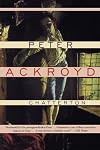
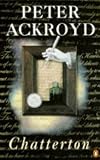
Chatterton
by Peter Ackroyd
On This Page
Description
Thomas Chatterton (1752-1770), apparently a suicide at 18, posthumously astonished literary England when he was revealed as the author of a sequence of famous and influential "medieval" poems he claimed to have discovered. An authentic talent as well as a literary counterfeiter, he is the guiding spirit of Peter Ackroyd's brilliant novel. In today's London, a young poet and an elderly novelist engage the mystery of Chatterton by trying to decode the clues found in an old manuscript, only to show more discover that their investigation discloses other riddles for which there are no solutions. Chatterton is at once a hilariously witty comedy; a thoughtful and dramatic exploration of the deepest issues of authenticity in both life and art; and a subtle and touching story of failed lives, parental love, doomed marriages, and erotic passions. show lessTags
Recommendations












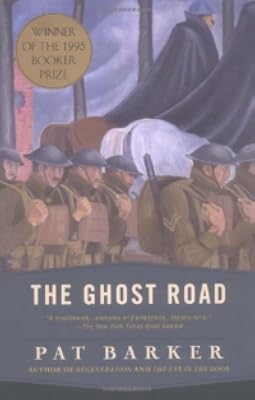

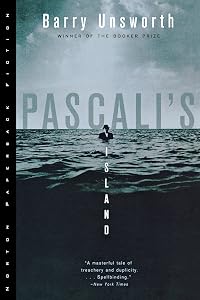
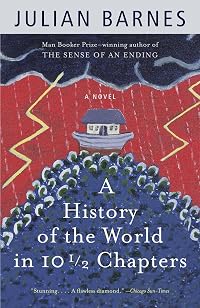
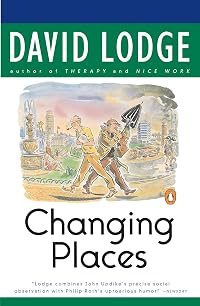


Member Recommendations
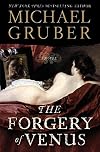
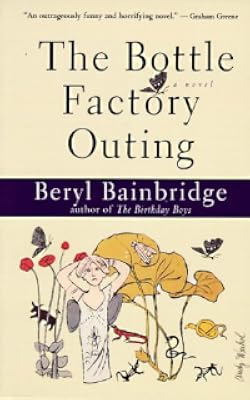
Bookmarque while not as overtly loopy as Chatterton, the elements of the stories are similar - originality in art, personal delusions and shifting time periods from present to past.
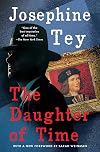
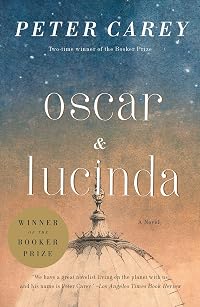
kmcmahon Though very different types of book, both feature modern day characters trying to solve famous mysterious deaths from centuries before.
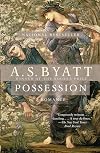
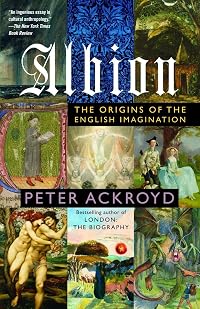
shaunie Literary mysteries which both take place across multiple timelines.
Member Reviews
Don't be fooled by the rather slim volume: This book is a bit of a challenge. You'll appreciate the time spent establishing the characters at the beginning, however, when you find yourself turning the later pages with excitement. Did Chatterton fake his own suicide? Can someone gain money and fame from such a discovery? Is any art truly "original"? And how did Ackroyd's prose suddenly make me weep at the inevitable death of a poet long gone?
"I am here, listen to me!" is what Peter Ackroyd, the author, seems to say. He says it rather well mind you and he's quite talented in his technical and emotional writing skills. Nevertheless we have here a book about the author himself, cleverly veiled as a treatise about what is real and what isn't, what is genuine and what is fake, and most of all: how important is suffering for one's craft and convictions?
We meet down and out Charles, a poet suffering from terrible headaches. He lives with his wife and son a very meager existence. We also meet Thomas Chatterton (20 November 1752 ? 24 August 1770) a poet of similar ilk who did obtain fame, or rather notoriety after it was discovered he forged many medieval poems. Finally we meet show more Henry Wallis (21 February 1830 ? 20 December 1916), a painter who depicted Chatterton suicide some 80 years after the poet's death.
This work of magical realism, since that is truly what it is, weaves in and out of the main characters lives and draws parallels between various forms of art, be it poetry, prose, painting and even living. Charles discovers clues that Chatterton might have faked his own death. Chatterton himself struggles with his talent when he finds out his own creations are more welcome when given the pedigree of someone else. Various other characters in the novel struggle with the more traditional questions of what makes a painting real or genuine.
Peter Ackroyd serves up the question: what is genuine and what is not, and does the question even matter? The question is not new but is presented well in this novel. Quite frankly we're beaten over the head with it. That's quite alright since Ackroyd's writing style provides plenty of detail and intrigue to keep you reading.
Ackroyd's writing is also infuriating. Not being an initiate into British literature and art I felt like I shouldn't be reading the text. Unless you get every alliteration, every reference and every quip the author throws around you will most likely feel you haven't studied hard enough to be worthy of this novel. In a way the book reminded me of The Crying of Lot 49 by Thomas Pynchon, which is another novel where the author gets too carried away with his own cleverness and literary prowess. It makes me wonder if this was the reason the novel was so well received by the critics, it was almost as if they were thinking: we have no idea what he's talking about either but it sounds all so clever it must be good.
Admittedly the novel is a work of magical realism, but let's say that we take all the mysterious imagery and hallucinations away, would we have a deeply emotional work of art here? I'm hesitant to say yes for one particular reason. There is no objection against using bizarre behavior if it serves a purpose. But some of the events and acts the characters perform clash so much with the reality the book creates that you wonder sometimes if you've read the words correctly.
If it weren't for the literary stunts and incomprehensible character behavior I would have given this novel 5 stars. show less
We meet down and out Charles, a poet suffering from terrible headaches. He lives with his wife and son a very meager existence. We also meet Thomas Chatterton (20 November 1752 ? 24 August 1770) a poet of similar ilk who did obtain fame, or rather notoriety after it was discovered he forged many medieval poems. Finally we meet show more Henry Wallis (21 February 1830 ? 20 December 1916), a painter who depicted Chatterton suicide some 80 years after the poet's death.
This work of magical realism, since that is truly what it is, weaves in and out of the main characters lives and draws parallels between various forms of art, be it poetry, prose, painting and even living. Charles discovers clues that Chatterton might have faked his own death. Chatterton himself struggles with his talent when he finds out his own creations are more welcome when given the pedigree of someone else. Various other characters in the novel struggle with the more traditional questions of what makes a painting real or genuine.
Peter Ackroyd serves up the question: what is genuine and what is not, and does the question even matter? The question is not new but is presented well in this novel. Quite frankly we're beaten over the head with it. That's quite alright since Ackroyd's writing style provides plenty of detail and intrigue to keep you reading.
Ackroyd's writing is also infuriating. Not being an initiate into British literature and art I felt like I shouldn't be reading the text. Unless you get every alliteration, every reference and every quip the author throws around you will most likely feel you haven't studied hard enough to be worthy of this novel. In a way the book reminded me of The Crying of Lot 49 by Thomas Pynchon, which is another novel where the author gets too carried away with his own cleverness and literary prowess. It makes me wonder if this was the reason the novel was so well received by the critics, it was almost as if they were thinking: we have no idea what he's talking about either but it sounds all so clever it must be good.
Admittedly the novel is a work of magical realism, but let's say that we take all the mysterious imagery and hallucinations away, would we have a deeply emotional work of art here? I'm hesitant to say yes for one particular reason. There is no objection against using bizarre behavior if it serves a purpose. But some of the events and acts the characters perform clash so much with the reality the book creates that you wonder sometimes if you've read the words correctly.
If it weren't for the literary stunts and incomprehensible character behavior I would have given this novel 5 stars. show less
Satire and irony abound in this wonderfully loopy novel about what is real, what is fake and the place of originality in art. It’s so strangely put together and there are so many ways its storylines intersect that it’s difficult for me to review or even explain properly. The three storylines are as follows; Charles a failed poet finds a portrait in a junk shop. He thinks the person in it is the poet Chatterton in middle age which is hard to believe for two reasons; first that Chatterton died when he was 17 and that the only portrait of him was done 100 years after his death using another person as model. The second storyline is that of the painter Henry Wallis, his model, the writer George Meredith and Meredith’s wife Mary. The show more final storyline is of Chatterton himself and the days leading up to his death. All are woven in a way that scenes echo each other and serve almost as allegories of each other. Abrupt changes of venue and time clash together finally in a crescendo that adds a final melodramatic touch to what is essentially a farce, albeit a very English one. show less
In Peter Ackroyd's Chatterton, Charles Wychwood, a young 20th century poet, becomes obsessed with discovering the true history of another poet, Thomas Chatterton who supposedly committed suicide in 1770 at the age of 18. In an antique shop, Wychwood discovers a painting he believes to be a depiction of Chatterton in later life – much older than the age at which he is supposed to have died. Charles's interest in the painting leads him to a further discovery – a stash of Chatterton's manuscripts and papers still in existence in Bristol.
The tale of Charles and how his fascination with Chatterton affects both his professional and private lives is the main story in the novel. But there are also flashbacks to Chatterton himself, and the show more story of his rise to fame as a teenaged poet who faked a whole body of poetry supposedly written by a medieval monk. Then there's the story of the Victorian artist Henry Wallis who created a well-known painting showing Chatterton lying dead in an attic room. Wallis uses his friend, the poet George Meredith, as his model and is attracted to Meredith's wife Mary. And there's the elderly novelist Harriet Scrope, who employs Charles to help her write the memoirs she hopes will prevent her well-kept secrets from being revealed and ruining her reputation.
And all of these plots intertwine around the central core of Chatterton's suicide, and weave back and forth between past and present, and fantasy and reality, using both fictional and real-life characters and incidents.
Admittedly, that's an extremely abbreviated synopsis of a very intricate novel. Publisher's Weekly called the book "inventive" and "larky," and those are good descriptions. At first meeting, most of the characters appear eccentric to the point of lunacy. But gradually they come to seem almost too disturbingly real and familiar. I was particularly taken with the novelist Harriet Scrope and her friend, "the famous art critic" Sarah Tilt. It's worth reading the whole book just to get glimpses of their exchanges and brief escapades.
Chatterton was a bestseller in England when it first appeared in 1987, and was short-listed for that year's Man-Booker Prize. Even so, I had a little trouble finding a copy of it. Apparently it hasn't achieved the lasting popularity of the author's Hawksmoor. At least, not in the U.S. But it's definitely worth seeking out. show less
The tale of Charles and how his fascination with Chatterton affects both his professional and private lives is the main story in the novel. But there are also flashbacks to Chatterton himself, and the show more story of his rise to fame as a teenaged poet who faked a whole body of poetry supposedly written by a medieval monk. Then there's the story of the Victorian artist Henry Wallis who created a well-known painting showing Chatterton lying dead in an attic room. Wallis uses his friend, the poet George Meredith, as his model and is attracted to Meredith's wife Mary. And there's the elderly novelist Harriet Scrope, who employs Charles to help her write the memoirs she hopes will prevent her well-kept secrets from being revealed and ruining her reputation.
And all of these plots intertwine around the central core of Chatterton's suicide, and weave back and forth between past and present, and fantasy and reality, using both fictional and real-life characters and incidents.
Admittedly, that's an extremely abbreviated synopsis of a very intricate novel. Publisher's Weekly called the book "inventive" and "larky," and those are good descriptions. At first meeting, most of the characters appear eccentric to the point of lunacy. But gradually they come to seem almost too disturbingly real and familiar. I was particularly taken with the novelist Harriet Scrope and her friend, "the famous art critic" Sarah Tilt. It's worth reading the whole book just to get glimpses of their exchanges and brief escapades.
Chatterton was a bestseller in England when it first appeared in 1987, and was short-listed for that year's Man-Booker Prize. Even so, I had a little trouble finding a copy of it. Apparently it hasn't achieved the lasting popularity of the author's Hawksmoor. At least, not in the U.S. But it's definitely worth seeking out. show less
I knew I’d read this before, but I thought it was back in the very early 1990s. It turned out I was thinking of Hawksmoor and although I had read Chatterton before it was in 2004. Ackroyd is one of those authors whose books I don’t make an effort to search out, but will happily read and enjoy when I stumble across them… as I have done around half a dozen or so times to date. I should probably read more of them.
Chatterton is about Thomas Chatterton, a precocious poet and satirist, who committed suicide at the age of seventeen in 1770. He’s chiefly known for forging the poetry of an invented fifteenth-century book, Thomas Rowley, and influencing the Romantic poets of the early nineteenth-century. Ackroyd’s novel has three show more narratives - Chatterton’s life shortly after he moved to London and leading up to his death; the circumstances surrounding the painting of 'The Death of Chatterton' some 80 years later by Henry Wallis, using Romantic poet George Meredith as a model; and in the present day, unsuccessful poet Charles Wychwood stumbles across a painting which suggests Chatterton faked his suicide, and later finds papers suggesting Chatterton forged a number of famous poem by Romantic poets.
The two historical narratives are great. Chatterton in period is convincing. Wallis, Meredith and Meredith’s wife, Mary, are even more convincing in London of eighty years later. Unfortunately, the present-day narrative (as of the year the book was published) is not so good. The characters are grotesque, mostly caricatures - not just the old couple who own the hidden-away junk shop where Wychwood finds the painting, but also Wychwood himself, and the ageing spinster novelist, Harriet Scrope (I mean, look at the name!), who then gets involved.
It’s a shame. It’s a fascinating mystery - or rather, it isn’t a mystery, but Ackroyd manufactures a mystery of it and does it well - but pretty much everyone involved in Wychwood’s present-day investigation is unlikeable and contemptible (with a handful of exceptions). Also, while Ackroyd’s wordplay works for the historical narratives, it feels over-egged in the contemporary narrative.
Having said all that, I’d actually remembered nothing of the novel from my previous read. So I’m glad I reread it… and it reminded me I really should read more of his fiction. show less
Chatterton is about Thomas Chatterton, a precocious poet and satirist, who committed suicide at the age of seventeen in 1770. He’s chiefly known for forging the poetry of an invented fifteenth-century book, Thomas Rowley, and influencing the Romantic poets of the early nineteenth-century. Ackroyd’s novel has three show more narratives - Chatterton’s life shortly after he moved to London and leading up to his death; the circumstances surrounding the painting of 'The Death of Chatterton' some 80 years later by Henry Wallis, using Romantic poet George Meredith as a model; and in the present day, unsuccessful poet Charles Wychwood stumbles across a painting which suggests Chatterton faked his suicide, and later finds papers suggesting Chatterton forged a number of famous poem by Romantic poets.
The two historical narratives are great. Chatterton in period is convincing. Wallis, Meredith and Meredith’s wife, Mary, are even more convincing in London of eighty years later. Unfortunately, the present-day narrative (as of the year the book was published) is not so good. The characters are grotesque, mostly caricatures - not just the old couple who own the hidden-away junk shop where Wychwood finds the painting, but also Wychwood himself, and the ageing spinster novelist, Harriet Scrope (I mean, look at the name!), who then gets involved.
It’s a shame. It’s a fascinating mystery - or rather, it isn’t a mystery, but Ackroyd manufactures a mystery of it and does it well - but pretty much everyone involved in Wychwood’s present-day investigation is unlikeable and contemptible (with a handful of exceptions). Also, while Ackroyd’s wordplay works for the historical narratives, it feels over-egged in the contemporary narrative.
Having said all that, I’d actually remembered nothing of the novel from my previous read. So I’m glad I reread it… and it reminded me I really should read more of his fiction. show less
J.K. Rowling sues the publisher of the printed version of the Harry Potter Lexicon website and we are invited by newspapers to make our judgement about plagiarism. Black and white. Absolute. Easy.
Not necessarily so.
In the present day, Charles Wychwood, a failed and impoverished poet, procrastinates in exercising creative originality by attempting to unravel the mystery presented by a portrait of an apparently middle-aged Thomas Chatterton. Poet and renowned forger of the poems of a medieval monk, Chatterton allegedly died by his own hand at the tender age of seventeen in 1770, only to be "reborn" nearly a century later as a hero of unrequited genius by the Romantic Poets. This status was cemented by the artist Henry Wallis in 1856 in show more his most famous painting, The Death of Chatterton. This is the image by which Chatterton is best known and yet the man in the picture is the artist's model, George Meredith. Chatterton's image, filched from the past, is a lie but it is art and it endures. For Wychwood, the prospect of a great faker faking his own death proves an enticing subject for a blocked writer...
Chatterton is a novel that brilliantly explores the ability of any artist to divorce him or herself from the art of the past. All Ackroyd's strengths are on display. He seamlessly moves between three different historical periods - the days leading up to Chatterton's suicide, the time of the painting, and modern day with Wychwood - and yet each retains the language and cadence of their time. Underpinning the tale is a wealth of knowledge about the historical subjects involved and yet reality and history are more ephemeral than ideas and place. His characters are complex and his plot intricate and intriguing. With all this, he also challenges how you respond to his book, to any book, to all art, in a way that makes the tabloid absolutes we see in the Rowling case overly simplistic.
Chatterton is my favourite Ackroyd novel to date and one I would enthusiastically recommend. show less
Not necessarily so.
In the present day, Charles Wychwood, a failed and impoverished poet, procrastinates in exercising creative originality by attempting to unravel the mystery presented by a portrait of an apparently middle-aged Thomas Chatterton. Poet and renowned forger of the poems of a medieval monk, Chatterton allegedly died by his own hand at the tender age of seventeen in 1770, only to be "reborn" nearly a century later as a hero of unrequited genius by the Romantic Poets. This status was cemented by the artist Henry Wallis in 1856 in show more his most famous painting, The Death of Chatterton. This is the image by which Chatterton is best known and yet the man in the picture is the artist's model, George Meredith. Chatterton's image, filched from the past, is a lie but it is art and it endures. For Wychwood, the prospect of a great faker faking his own death proves an enticing subject for a blocked writer...
Chatterton is a novel that brilliantly explores the ability of any artist to divorce him or herself from the art of the past. All Ackroyd's strengths are on display. He seamlessly moves between three different historical periods - the days leading up to Chatterton's suicide, the time of the painting, and modern day with Wychwood - and yet each retains the language and cadence of their time. Underpinning the tale is a wealth of knowledge about the historical subjects involved and yet reality and history are more ephemeral than ideas and place. His characters are complex and his plot intricate and intriguing. With all this, he also challenges how you respond to his book, to any book, to all art, in a way that makes the tabloid absolutes we see in the Rowling case overly simplistic.
Chatterton is my favourite Ackroyd novel to date and one I would enthusiastically recommend. show less
Chatterton was a rising young poet, with everything to live for. However, it comes to light that the medieval poems that he had "discovered", he had , in fact, written himself. there's an echo here of the "Ossian" scandal. I think PA tried to walk into the later painting, and looking at the body from another angle, tried the greater experiment of asking himself, "If I was where Chatterton was, would I deal with the fear of further life the same way he did?" Another level is revealed that the painting was of a novelist named George Meredith, and it is not even of an imagined Chatterton. So we try to deal with what is deliberate, and what unconscious, art? this book requires rereads.
Members
- Recently Added By
Published Reviews
The structure of the book is as complex and doubling-back as the subject demands, with Charles Wychwood, the bewitched poet of our times, haunted by henna-haired Chatterton (himself best known, since the demise of interest in his middle-ages forgeries, as a beautiful suicide, painted by Henry Wallis in 1856 with George Meredith as the model for 'the marvellous boy').
added by KayCliff
Chatterton is at once a hilariously witty comedy; a thoughtful and dramatic exploration of the deepest issues of authenticity in both life and art; and a subtle and touching story of failed lives, parental love, doomed marriages, and erotic passions.
added by KayCliff
Lists

Best Time Travel Novels
165 works; 125 members

Booker Prize
491 works; 62 members

Lives of the Poets (and Philosophers)
110 works; 5 members

Man Booker Prize Longlist 1987
6 works; 2 members

Booker Prize Shortlist: Titles Not Yet Read
161 works; 4 members

Literary Forgeries
212 works; 4 members

Tonikat reading completed on Librarything journals
329 works; 2 members

Fakes, Forgeries, and Fictitious Authors
112 works; 4 members
Author Information

90+ Works 31,852 Members
Peter Ackroyd was born in London in 1949. He graduated from Cambridge University and was a Fellow at Yale (1971-1973). A critically acclaimed and versatile writer, Ackroyd began his career while at Yale, publishing two volumes of poetry. He continued writing poetry until he began delving into historical fiction with The Great Fire of London show more (1982). A constant theme in Ackroyd's work is the blending of past, present, and future, often paralleling the two in his biographies and novels. Much of Ackroyd's work explores the lives of celebrated authors such as Dickens, Milton, Eliot, Blake, and More. Ackroyd's approach is unusual, injecting imagined material into traditional biographies. In The Last Testament of Oscar Wilde (1983), his work takes on an autobiographical form in his account of Wilde's final years. He was widely praised for his believable imitation of Wilde's style. He was awarded the British Whitbread Award for biography in 1984 of T.S. Eliot, and the Whitbread Award for fiction in 1985 for his novel Hawksmoor. Ackroyd currently lives in London and publishes one or two books a year. He still considers poetry to be his first love, seeing his novels as an extension of earlier poetic work. (Bowker Author Biography) Peter Ackroyd is the award-winning author of four biographies, most recently the national bestseller "The Life of Thomas More", as well as ten novels, including "Chatterton" & "Hawksmoor". He lives in London, where he is at work on his next book, "London: The Biography. (Publisher Provided) Peter Ackroyd is a bestselling writer of both fiction and nonfiction. He lives in London. (Publisher Provided) show less
Awards and Honors
Awards
Series
Belongs to Publisher Series
Otavan kirjasto (77)
El balancí [Edicions 62] (234)
Common Knowledge
- Original title
- Chatterton
- Original publication date
- 1987
- People/Characters
- Thomas Chatterton; Henry Wallis; George Meredith; Mary Meredith; Charles Wychwood; Vivien Wychwood (show all 11); Edward Wychwood; Phllip Slack; Andrew Flint; Harriet Scrope; Sarah Tilt
- Important places
- Bristol, England, UK
- First words
- "Come," he said. "Let us take a walk into the meadow."
- Quotations
- I learned how to give my own Papers the semblance of Antiquity. Into my Closet I smuggl'd a pounce bag of Charcole, a great stick of yellow ochre and a bottle of black lead powder, with which Materials I could fabricate an ap... (show all)pearance of great Age as closely as if my new invented Papers were the very ones from the Chests of St Mary Redcliffe. I would rub the ochre and lead across the Parchments and sometimes, to antiquate my Writings still further, I would drag them through the Dust or hold them above a Candle - which process not only quite chang' d the colour of the Inke but blackened and contracted the Parchment itself. I was a willing Student but, at first, there was more madness than method in my labours; and my Mother, hearing sundry Groans and Curses coming from my Chamber on the fust Day that ever I tried them, entered and found me in a clowd of Charcole. I was so cover'd in ochre and in lead that she threw up her hands, saying 'Lord, Tom, do you colour yourself to join the Gypsies?'
For him the pleasure of painting rested in formal execution and not in imaginative exploration, in mimesis rather than invention. - Last words
- (Click to show. Warning: May contain spoilers.)And, when his body is found the next morning, Chatterton is still smiling.
- Blurbers
- John Ashbery
Classifications
Statistics
- Members
- 940
- Popularity
- 28,254
- Reviews
- 17
- Rating
- (3.59)
- Languages
- 12 — Catalan, Dutch, English, Finnish, French, German, Norwegian (Bokmål), Romanian, Russian, Spanish, Swedish, Turkish
- Media
- Paper, Audiobook, Ebook
- ISBNs
- 28
- ASINs
- 4