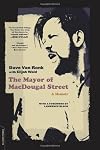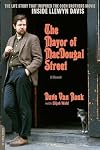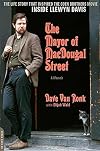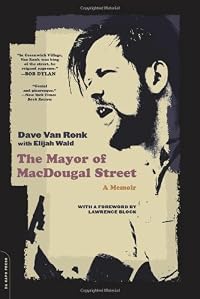
The Mayor of MacDougal Street: A Memoir
by Dave Van Ronk
On This Page
Description
Biography & Autobiography. Nonfiction. HTML:Dave Van Ronk (1936-2002) was one of the founding figures of the 1960s folk revival, but he was far more than that. A pioneer of modern acoustic blues, a fine songwriter and arranger, a powerful singer, and one of the most influential guitarists of the '60s, he was also a marvelous storyteller, a peerless musical historian, and one of the most quotable figures on the Village scene. The Mayor of MacDougal Street is a first-hand account by a major show more player in the social and musical history of the '50s and '60s. It features encounters with young stars-to-be like Bob Dylan, Tom Paxton, Phil Ochs, and Joni Mitchell, as well as older luminaries like Reverend Gary Davis, Mississippi John Hurt, and Odetta. Colorful, hilarious, and engaging, The Mayor of MacDougal Street is a feast for anyone interested in the music, politics, and spirit of a revolutionary period in American culture. show lessTags
Recommendations





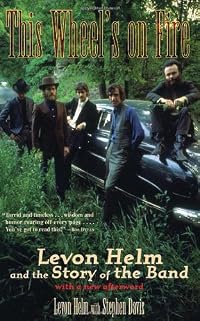


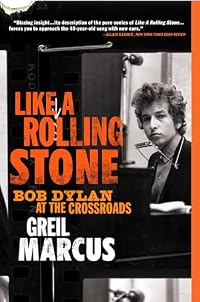
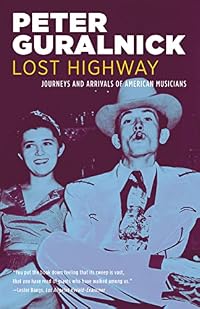
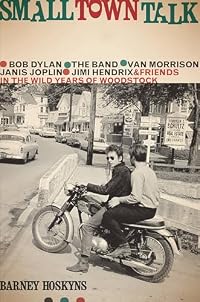






Member Reviews
Dave Van Ronk's memoir offers a front row seat on the American Folk Revival, specifically the Greenwich Village scene of the 1950s & 1960s. Initially a jazz performer, Van Ronk moved into the country blues, and then to folk in the late 1950s. He joined the revival after it had been established by the likes of Woody Guthrie, Lead Belly, and Pete Seeger (and their bands The Almanac Singers and The Weavers), at a time when he points out that folk (or "neoethnic") encompassed a much more diverse variety of styles, but before the commercial success of folk in the 1960s that eventually evolved into the singer/songwriter genre.
Van Ronk offers great anecdotes of playing with other musicians in Washington Square, hitchhiking across the country, show more sleeping on other peoples' floors, and trying to find a room where he can play for money. He also writes about his participation in leftist/socialist politics during the 1950s Red Scare and the damaging infighting within the left. He's also honest about his place as a white man playing blues songs by old Black musicians and the startling discovery that many of them were still alive (and belatedly invited to perform in the burgeoning folk scene). Reverend Gary Davis would become a prominent influence in teaching him his guitar-playing style.
His stories include notable figures such as Izzy Young, proprietor of the Folklore Center in Greenwich Village, as well as fellow artists such as Phil Ochs, Tom Paxton, Joni Mitchell, Ramblin' Jack Elliott, Eric Von Schmidt, Bob Gibson, Joan Baez, and Bob Dylan. Van Ronk can be curmudgeonly at times, and harsh in his descriptions of his contemporaries (especially "squeaky-clean" acts like The Kingston Trio). Perhaps not to the level of Chico Escuela's Bad Stuff 'Bout the Mets, but I'm sure some egos were bruised. This book served as inspiration for Inside Llewyn Davis, albeit more for the vibes of the era than for anything specific depicted in the movie. show less
Van Ronk offers great anecdotes of playing with other musicians in Washington Square, hitchhiking across the country, show more sleeping on other peoples' floors, and trying to find a room where he can play for money. He also writes about his participation in leftist/socialist politics during the 1950s Red Scare and the damaging infighting within the left. He's also honest about his place as a white man playing blues songs by old Black musicians and the startling discovery that many of them were still alive (and belatedly invited to perform in the burgeoning folk scene). Reverend Gary Davis would become a prominent influence in teaching him his guitar-playing style.
His stories include notable figures such as Izzy Young, proprietor of the Folklore Center in Greenwich Village, as well as fellow artists such as Phil Ochs, Tom Paxton, Joni Mitchell, Ramblin' Jack Elliott, Eric Von Schmidt, Bob Gibson, Joan Baez, and Bob Dylan. Van Ronk can be curmudgeonly at times, and harsh in his descriptions of his contemporaries (especially "squeaky-clean" acts like The Kingston Trio). Perhaps not to the level of Chico Escuela's Bad Stuff 'Bout the Mets, but I'm sure some egos were bruised. This book served as inspiration for Inside Llewyn Davis, albeit more for the vibes of the era than for anything specific depicted in the movie. show less
While we can be happy to have this book at all, it's a shame Van Ronk didn't live to see it through to completion. The loss is softened by two factors: the devotion of co-author Elijah Wald to the task of finishing it, and the fact that Van Ronk was a world-class raconteur, and many of his finely-honed anecdotes were preserved on concert tapes.
Nevertheless, it would have been good to have more of his well-founded takes on the musicians and other characters who populated Greenwich Village, since he was a long-term fixture there. He brings both critical acumen and nostalgic affection to his judgments.
Van Ronk was on the scene almost before there was a scene, and stayed on long after the scene had departed, remaining long enough to serve show more as generous godfather and mentor to the second wave of singer-songwriters who began to show up in the 80s. Anyone who met him, and there were many of us through the years, treasures the memory.
An unreconstructed Marxist, he came by his politics honestly, spending more time in the school of hard knocks than in any schoolhouse. Again, he was there before the trust-fund radicals of the late sixties, and was still there long after they had become dentists and stock brokers, an observation that bemuses, but doesn't embitter him.
He's also remarkably free of bitterness that Dylan preempted him by putting Van Ronk's arrangement of The House of the Rising Sun on his debut lp, just as Van Ronk was readying himself for his next recording session. Its distinctive descending chromatic baseline, the heart of his reading, was in turn lifted by the Animals for their first U.S. hit.
Nearly as famous is his finger-picked arrangement of Cocaine, but in Jackson Browne's recording. Browne, careful to avoid repeating Dylan's gaffe, offered to credit him with the copyright, but Van Ronk directed him to the estate of Rev. Gary Davis, from whom he had learned the song.
That anecdote alone says much about the man. His story was not rags to riches, but rags to ragtime, blues and folk. Now that the Coen Brothers have credited this book as the inspiration for their latest movie, I'm happy that he is getting posthumous recognition. Anyone interested in the music and politics of the fifties and sixties will enjoy reading the book, and will forgive it for not being the book it could have been if he had lived just a little longer.
One quibble: the name of singer-songwriter Eric Andersen is consistently misspelled. Da Capo: fix it please! show less
Nevertheless, it would have been good to have more of his well-founded takes on the musicians and other characters who populated Greenwich Village, since he was a long-term fixture there. He brings both critical acumen and nostalgic affection to his judgments.
Van Ronk was on the scene almost before there was a scene, and stayed on long after the scene had departed, remaining long enough to serve show more as generous godfather and mentor to the second wave of singer-songwriters who began to show up in the 80s. Anyone who met him, and there were many of us through the years, treasures the memory.
An unreconstructed Marxist, he came by his politics honestly, spending more time in the school of hard knocks than in any schoolhouse. Again, he was there before the trust-fund radicals of the late sixties, and was still there long after they had become dentists and stock brokers, an observation that bemuses, but doesn't embitter him.
He's also remarkably free of bitterness that Dylan preempted him by putting Van Ronk's arrangement of The House of the Rising Sun on his debut lp, just as Van Ronk was readying himself for his next recording session. Its distinctive descending chromatic baseline, the heart of his reading, was in turn lifted by the Animals for their first U.S. hit.
Nearly as famous is his finger-picked arrangement of Cocaine, but in Jackson Browne's recording. Browne, careful to avoid repeating Dylan's gaffe, offered to credit him with the copyright, but Van Ronk directed him to the estate of Rev. Gary Davis, from whom he had learned the song.
That anecdote alone says much about the man. His story was not rags to riches, but rags to ragtime, blues and folk. Now that the Coen Brothers have credited this book as the inspiration for their latest movie, I'm happy that he is getting posthumous recognition. Anyone interested in the music and politics of the fifties and sixties will enjoy reading the book, and will forgive it for not being the book it could have been if he had lived just a little longer.
One quibble: the name of singer-songwriter Eric Andersen is consistently misspelled. Da Capo: fix it please! show less
I learned to play guitar by listening to his records. I only heard him perform live once, in the 80s. Even though I (shyly) hung around the periphery of the folk scene, I had no idea what it looked like from Dave's point of view. His writing alternates between brilliant, and "close enough for folk" (as we used to say when we tried to inexpertly tune our instruments) but that's to be expected when you die before finishing and need to have someone else tidy up.
This book is best read between watching Inside Llewen Davis and No Direction Home.
This book is best read between watching Inside Llewen Davis and No Direction Home.
It's great to read a memoir of the 60s folk movement that also engages seriously with the politics of the time. And is the story of someone who didn't have middle-class family money behind him, who had no fall-back if the music didn't work out. It's a fun, lively read too.
An interesting look at the folk scene in Greenwich Village. I picked the book to see what someone who was there when Dylan arrived on the scene. While there wasn't a lot on Dylan, what there was, agreed with what I always thought. The rest of the book was well written and really gives the reader a look at NYC in the 50s/60s.
I'll be honest, I know little about creating music and I loathe folk music but I loved this book. Van Ronk must have been quite a character because this book is flat out funny sometimes.
Great memoir about the heydays of the Greenwich Village folk music scene.
Members
- Recently Added By
Author Information

31+ Works 325 Members
Awards and Honors
Common Knowledge
- Original title
- The Mayor of MacDougal Street
- Original publication date
- 2005
- People/Characters*
- Dave Van Ronk
- Important places*
- Greenwich Village, New York, New York, USA
- Related movies
- Inside Llewyn Davis (2013 | IMDb)
*Some information comes from Common Knowledge in other languages. Click "Edit" for more information.
Classifications
- Genres
- Music, Nonfiction, Biography & Memoir, General Nonfiction, History
- DDC/MDS
- 782.42164 — Arts & recreation Music Vocal Music, Singing Secular forms of vocal music Songs General principles and musical forms Traditions of secular songs {genres} Western popular songs
- LCC
- ML420 .V246 .A3 — Music Literature on music Literature on music History and criticism Biography
- BISAC
Statistics
- Members
- 276
- Popularity
- 116,455
- Reviews
- 8
- Rating
- (3.95)
- Languages
- English, German
- Media
- Paper, Audiobook, Ebook
- ISBNs
- 11
- ASINs
- 3