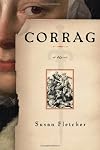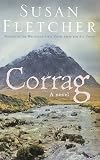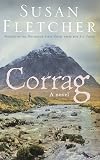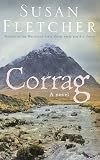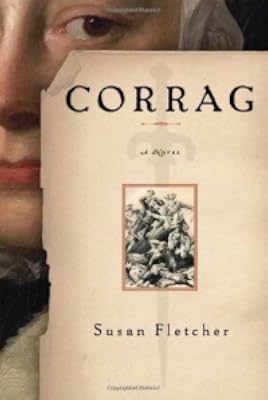
Corrag
by Susan Fletcher
On This Page
Description
A breathtaking novel of passion and betrayal in seventeenth-century Scotland and the portrait of an unforgettable heroine February 13, 1692. Thirty-eight members of the MacDonald clan are killed by soldiers who had previously enjoyed the clan's hospitality. Many more die from exposure. Forty miles south, brilliant, captivating Corrag-accused witch and orphaned herbalist-is imprisoned in the Scottish highlands for her involvement in the massacre. As she awaits her death, she tells her story show more to Charles Leslie, an Irish propagandist who seeks information she may have condemning the Protestant King William. Hers is a story of passion, courage, love, and the magic of the natural world. By telling it, she transforms both their lives. As in her award-winning debut novel, Eve Green, Susan Fletcher shows that she is a novelist with the soul of a poet. This deeply philosophical and dramatic book is about an epic historic event and the difference a single heart can make-and how deep and lasting relationships can come from the most unlikely places. show lessTags
Recommendations

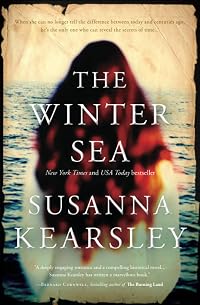
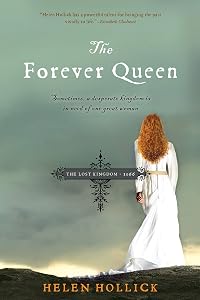
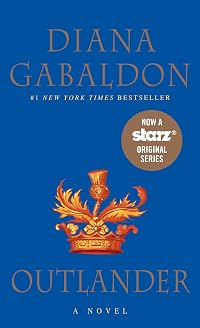
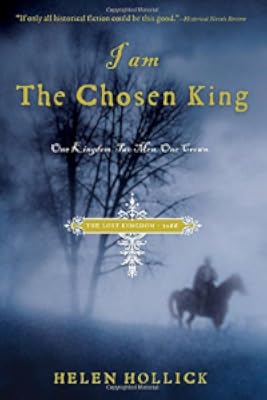





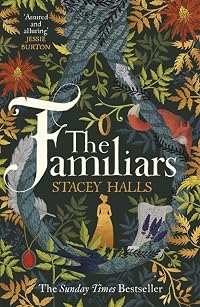
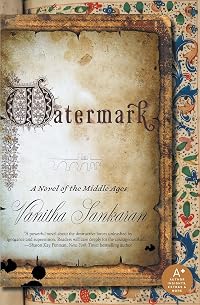
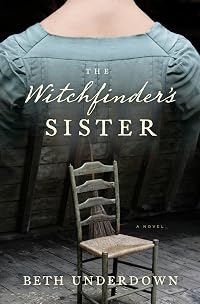
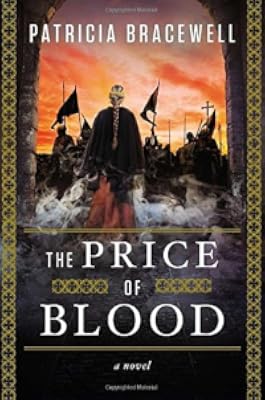
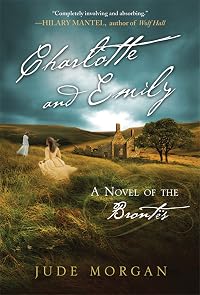
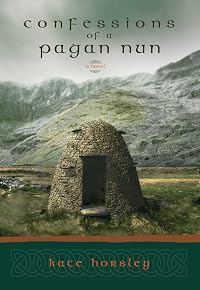
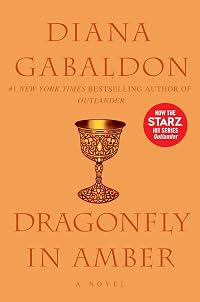

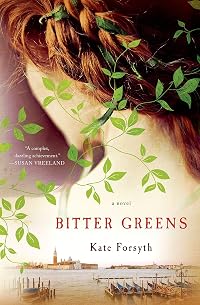






Member Recommendations

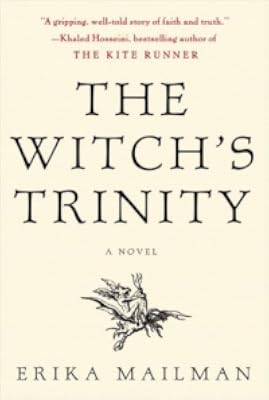
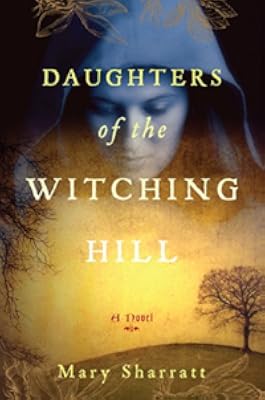
kootibkiteer Historical fiction that takes place in the Scottish Highlands from 1682- 1692. The story focuses on the Campbells and MacDonalds and the events that occurred leading up to and including the Glencoe massacre -- with a fictionalized forbidden romance thrown in for added flavor.
Member Reviews
It was the winter of 1692 and a young girl is being held as a witch. She is scheduled to burn as soon as a thaw sets in, but was she really a witch or was she simply a person who had witnessed the massacre at Glen Coe and being silenced. Through the cold winter days she tells her story to an Irish rector, Charles Leslie, who is a firm supporter of the Stuart dynasty and was trying to prove that the English King, George, had a hand in this massacre.
Witch Light by Susan Fletcher is an incredibly beautiful yet sad tale. I have never read such rich descriptions of the Scottish Highlands, the author’s wording of how the light plays off the hills, the mists, the colors and scents built strong images in my mind. This was writing that spoke show more to all five of my senses. Yet, Corag’s life was a sad one, both a granddaughter and a daughter of women who had been killed as witches, she fled England and found herself in a remote valley of the Scottish Highlands. This was a place that she thought she could make her home, she got along with the people and even formed an attachment with one Alastair MacDonald. Little did she know that the MacDonald clan was doomed.
This book details an event in history that was fascinating to read of and also led me to investigate further. The Jacobite feeling was strong in the Highlands and led to much confrontation and cruelty. The English soldiers were taxed with establishing loyalty to both England and George I while the Clans supported the Stuart claim. There were many acts of violence and cruelty that eventually led to the uprising that was ended by the Battle of Culloden. Witch Light was an amazing read that shines a light on one of incidents that was used to try and break the hold the clans had on Scotland. show less
Witch Light by Susan Fletcher is an incredibly beautiful yet sad tale. I have never read such rich descriptions of the Scottish Highlands, the author’s wording of how the light plays off the hills, the mists, the colors and scents built strong images in my mind. This was writing that spoke show more to all five of my senses. Yet, Corag’s life was a sad one, both a granddaughter and a daughter of women who had been killed as witches, she fled England and found herself in a remote valley of the Scottish Highlands. This was a place that she thought she could make her home, she got along with the people and even formed an attachment with one Alastair MacDonald. Little did she know that the MacDonald clan was doomed.
This book details an event in history that was fascinating to read of and also led me to investigate further. The Jacobite feeling was strong in the Highlands and led to much confrontation and cruelty. The English soldiers were taxed with establishing loyalty to both England and George I while the Clans supported the Stuart claim. There were many acts of violence and cruelty that eventually led to the uprising that was ended by the Battle of Culloden. Witch Light was an amazing read that shines a light on one of incidents that was used to try and break the hold the clans had on Scotland. show less
Scotland, late 1600s. Corrag’s mother, like her mother before her, has been accused of witchcraft and sentenced to die. Corrag flees into the wilderness, eventually arriving in Glencoe in the Scottish Highlands. Here, among the MacDonald Clan, she finds sanctuary. No pointing fingers, no accusations of ‘witch.’ Her talent for herbal healing is accepted and utilized; her unusually solitary lifestyle and love of nature does not cause suspicion.
Yet even as Corrag finds peace, Britain is erupting with political upheaval. William of Orange, a Dutchman, has usurped the throne, and King James has fled to France. Loyalties are fiercely divided - some accept the new ruler, others battle to see King James restored as leader.
The MacDonald show more Clan are Jacobites, supporters of King James. Eventually, though, they are forced to sign an oath swearing allegiance to William. They do so, but miss the signing deadline by six days. And for this, they are savagely murdered by William’s armies. Corrag is aware of the impending massacre, and tries to warn the Clan to flee. A few listen, most do not. And when the soldiers become aware of Corrag’s treasonous act, they accuse her of witchcraft and condemn her to burn.
Shackled in chains in a prison cell, Corrag tells her story to Charles Leslie, an Irish minister and Jacobite. Charles is investigating the Glencoe Massacre in hopes that the truth of the event will convince James to fight for his throne. At first, he sees Corrag as what she has been accused of - a witch. But as her story unfolds, Charles begins to see her as the MacDonald clan did - a woman who looks at the world through different eyes, who is self-sacrificing and brave, and who wants only to be accepted and loved. And as Charles’ heart is changed, so is Corrag’s destiny.
I LOVED THIS BOOK! With huge love! It’s such an amazing story, all based on historical events and people. The Independent described it as “a poetic intense narrative” and it is, to the nth degree. It’s just lovely, so rich and lyrical. And Corrag may well be one of my favorite protagonists, ever. She’s just amazing, and so well depicted in this book.
Also, I truly appreciated how the author portrayed the witch-hunts that took place in Europe during this time. These women were not witches, but were looked on with suspicion and hatred because they, in some way, did not conform to society. In the afterward, the author wrote, “The last execution of a so-called witch in Britain was in 1727. The Witchcraft Act of 1735 put an end to the generations of fear and persecution. Over the previous three hundred years it is estimated that over 100,000 women - mostly knowledgeable, independent, outspoken women - stood trial, accused of witchcraft.”
This is my favorite passage from Witch Light, which summarizes the essential theme of the story. Corrag: “I think how we live our lives is our own doing, and we cannot fully hope on dreams and stars. But dreams and stars can guide us, perhaps. And the heart’s voice is a strong one. Always is. Listen to it, is my advice. Your heart’s voice is your true voice. It is easy to ignore it, for sometimes it says things we’d rather it did not - and it is so hard to risk the things we have. But what life are we living, if we don’t live by our hearts? Not a true one. And the person living is not the true you.” show less
Yet even as Corrag finds peace, Britain is erupting with political upheaval. William of Orange, a Dutchman, has usurped the throne, and King James has fled to France. Loyalties are fiercely divided - some accept the new ruler, others battle to see King James restored as leader.
The MacDonald show more Clan are Jacobites, supporters of King James. Eventually, though, they are forced to sign an oath swearing allegiance to William. They do so, but miss the signing deadline by six days. And for this, they are savagely murdered by William’s armies. Corrag is aware of the impending massacre, and tries to warn the Clan to flee. A few listen, most do not. And when the soldiers become aware of Corrag’s treasonous act, they accuse her of witchcraft and condemn her to burn.
Shackled in chains in a prison cell, Corrag tells her story to Charles Leslie, an Irish minister and Jacobite. Charles is investigating the Glencoe Massacre in hopes that the truth of the event will convince James to fight for his throne. At first, he sees Corrag as what she has been accused of - a witch. But as her story unfolds, Charles begins to see her as the MacDonald clan did - a woman who looks at the world through different eyes, who is self-sacrificing and brave, and who wants only to be accepted and loved. And as Charles’ heart is changed, so is Corrag’s destiny.
I LOVED THIS BOOK! With huge love! It’s such an amazing story, all based on historical events and people. The Independent described it as “a poetic intense narrative” and it is, to the nth degree. It’s just lovely, so rich and lyrical. And Corrag may well be one of my favorite protagonists, ever. She’s just amazing, and so well depicted in this book.
Also, I truly appreciated how the author portrayed the witch-hunts that took place in Europe during this time. These women were not witches, but were looked on with suspicion and hatred because they, in some way, did not conform to society. In the afterward, the author wrote, “The last execution of a so-called witch in Britain was in 1727. The Witchcraft Act of 1735 put an end to the generations of fear and persecution. Over the previous three hundred years it is estimated that over 100,000 women - mostly knowledgeable, independent, outspoken women - stood trial, accused of witchcraft.”
This is my favorite passage from Witch Light, which summarizes the essential theme of the story. Corrag: “I think how we live our lives is our own doing, and we cannot fully hope on dreams and stars. But dreams and stars can guide us, perhaps. And the heart’s voice is a strong one. Always is. Listen to it, is my advice. Your heart’s voice is your true voice. It is easy to ignore it, for sometimes it says things we’d rather it did not - and it is so hard to risk the things we have. But what life are we living, if we don’t live by our hearts? Not a true one. And the person living is not the true you.” show less
Based on a historical event, the 1692 massacre at Glencoe in Scotland, Corrag is a remarkable book, emotional and poetic and stirring. The breathtaking physical world of the Scottish highlands comes into sharp focus, as we travel with Corrag, a persecuted woman who flees the lowlands where she is labeled as a witch, as were her mother and grandmother before her. She takes up living in the wilds of Glencoe, and her life becomes entwined with the McDonald clan who live there.
We all have our stories, and we speak of them, and weave them into other people’s stories--that's how it goes, does it not?
Indeed, Corrag’s story becomes woven into the story of the McDonald clan, but also with the story of an Irish pastor who comes to visit her show more as she awaits execution. At the outset of the book, Charles Leslie comes to gather information about the massacre, and he meets with Corrag, hoping for her death as a witch and the destruction of her body and soul. How the telling of her story affects him is part of what makes this book so effective. For he is a religious man who does not expect to learn from a “witch”, but he does.
That we may fear the manner of death. We may fear the pain, and I do--so much. But the word death is like elsewhere--it is some other place, where others are.
I’ve heard fate talked of. It’s not a word I use. I think we make our own choices. I think how we live our lives is our own doing, and we cannot fully hope on dreams and stars. But dreams and stars can guide as well perhaps. And the heart’s voice is a strong one. Always is.
What we all learn from Corrag is that pre-judging people is a risky business. It might cause us to miss the most beautiful soul we could ever encounter, it might cheat us of the good things God has on offer. We might find not just how like us the different people are, but how superior to us they can be.
I would be remiss if I did not offer a special thanks to my friend, Candi, for pointing me toward this novel. She told me more than once to read it. I wish I had done it sooner. But, it is never too late to come to such a meaningful and beautifully written story. show less
We all have our stories, and we speak of them, and weave them into other people’s stories--that's how it goes, does it not?
Indeed, Corrag’s story becomes woven into the story of the McDonald clan, but also with the story of an Irish pastor who comes to visit her show more as she awaits execution. At the outset of the book, Charles Leslie comes to gather information about the massacre, and he meets with Corrag, hoping for her death as a witch and the destruction of her body and soul. How the telling of her story affects him is part of what makes this book so effective. For he is a religious man who does not expect to learn from a “witch”, but he does.
That we may fear the manner of death. We may fear the pain, and I do--so much. But the word death is like elsewhere--it is some other place, where others are.
I’ve heard fate talked of. It’s not a word I use. I think we make our own choices. I think how we live our lives is our own doing, and we cannot fully hope on dreams and stars. But dreams and stars can guide as well perhaps. And the heart’s voice is a strong one. Always is.
What we all learn from Corrag is that pre-judging people is a risky business. It might cause us to miss the most beautiful soul we could ever encounter, it might cheat us of the good things God has on offer. We might find not just how like us the different people are, but how superior to us they can be.
I would be remiss if I did not offer a special thanks to my friend, Candi, for pointing me toward this novel. She told me more than once to read it. I wish I had done it sooner. But, it is never too late to come to such a meaningful and beautifully written story. show less
I have mixed feelings about this one. I have a soft spot for anything set among the Scottish mountains, and there is plenty to enjoy here, but ultimately this mixture of history and fantasy proved a little too implausible, and a little too sentimental for my taste. I was not that familiar with the story of the Massacre of Glencoe, so that side of the story was interesting, and Fletcher writes very well about the landscape and has clearly done plenty of research into herbal treatments and the history.
The story is a patchwork of real history and local legend, with a little pure invention. The central character, Corrag the witch, figures in the local folklore of Glencoe, and the other narrator Charles Leslie, who hears her story in her show more prison cell in Inverary and whose letters to his wife break up the story, is a real historical figure and is believed to be the author of the anonymous document which first recorded the massacre. In Fletcher's version, Corrag has escaped persecution in Northumberland and reached Rannoch Moor on a stolen mare, finding a refuge in the hidden valley on Bidean nam Bian where the MacDonalds of Glencoe kept their stolen cattle.
What I really found difficult to swallow was Corrag's account of her experience of the day of the massacre and the day before - we are expected to believe that she could run over 60 miles in little more than a day (Inverlochy was the old name of Fort William, and she had to go round Loch Leven and over the hill on the return journey, so when you throw in a Munro climb (Buachaille Etive Mor) and deep snowdrifts, that would be pretty impressive even for a modern athlete!
For all that, I found this an enjoyable and well written book. show less
The story is a patchwork of real history and local legend, with a little pure invention. The central character, Corrag the witch, figures in the local folklore of Glencoe, and the other narrator Charles Leslie, who hears her story in her show more prison cell in Inverary and whose letters to his wife break up the story, is a real historical figure and is believed to be the author of the anonymous document which first recorded the massacre. In Fletcher's version, Corrag has escaped persecution in Northumberland and reached Rannoch Moor on a stolen mare, finding a refuge in the hidden valley on Bidean nam Bian where the MacDonalds of Glencoe kept their stolen cattle.
What I really found difficult to swallow was Corrag's account of her experience of the day of the massacre and the day before - we are expected to believe that she could run over 60 miles in little more than a day (Inverlochy was the old name of Fort William, and she had to go round Loch Leven and over the hill on the return journey, so when you throw in a Munro climb (Buachaille Etive Mor) and deep snowdrifts, that would be pretty impressive even for a modern athlete!
For all that, I found this an enjoyable and well written book. show less
It’s Scotland in the seventeenth century. Dalrymple, the Master of Stair, is burning to get rid of the MacDonalds of Glencoe – to wipe them from the face of the earth. The head of the clan – The MacIain - is late taking the oath of loyalty to King William by 6 days – and gives Dalrymple the excuse he needs to send the soldiers to Glencoe, there to wipe out everyone – man, woman, girl, boy and baby. Or at least that is the plan.
He does not know that a tiny English girl of 17 – so tiny that the children call her faery – stands in his way. Corrag – of no last name and of no place. A girl who has fled from her native England to Scotland in fear of her life – in fear of being killed for a witch, just as her mother and show more grandmother were killed. She did not mean to come to Glencoe – she only meant to go north-west. Always north-west – her mother’s last command to her.
Corrag, of course, is not a witch, but she is strange looking and raised by her mother, Cora, to be different. And so, in England she was always looked at with suspicion. It is not that way in Glencoe.
Fletcher has chosen to render Corrag’s story in alternating chapters – Corrag’s story as she tells it to Charles Leslie – an exiled Irish Jacobite minister who has come to Inverary where Corrag is imprisoned to hear her story and to garner – he hopes - proof of King William’s guilt in the massacre that has shocked all of Britain and Charles’ letters to his wife Jane who waits for him in Ireland.
This book is beautiful in detail – details of the natural world and of Corrag’s life and of her thoughts as she explains to Leslie how she came to be in gaol. She tells her story over successive days, while the two of them wait for the spring thaw to come so that her sentence – to be burned as a witch – can be carried out. She talks about how she came to love the MacDonalds and the second son, Alasdair, and how she tries to save the people of Glencoe from a worse calamity. It is also the story of Leslie’s evolution - for he comes to the tollbooth of Inverary anxious for the witch to get her just punishment, but by the end…. well, you just have to read it.
I cannot say enough good things about this book. I tell you, it gave me shivers, and brought me to the edge of tears – and I am not a crying person. Highly recommended. show less
He does not know that a tiny English girl of 17 – so tiny that the children call her faery – stands in his way. Corrag – of no last name and of no place. A girl who has fled from her native England to Scotland in fear of her life – in fear of being killed for a witch, just as her mother and show more grandmother were killed. She did not mean to come to Glencoe – she only meant to go north-west. Always north-west – her mother’s last command to her.
Corrag, of course, is not a witch, but she is strange looking and raised by her mother, Cora, to be different. And so, in England she was always looked at with suspicion. It is not that way in Glencoe.
Fletcher has chosen to render Corrag’s story in alternating chapters – Corrag’s story as she tells it to Charles Leslie – an exiled Irish Jacobite minister who has come to Inverary where Corrag is imprisoned to hear her story and to garner – he hopes - proof of King William’s guilt in the massacre that has shocked all of Britain and Charles’ letters to his wife Jane who waits for him in Ireland.
This book is beautiful in detail – details of the natural world and of Corrag’s life and of her thoughts as she explains to Leslie how she came to be in gaol. She tells her story over successive days, while the two of them wait for the spring thaw to come so that her sentence – to be burned as a witch – can be carried out. She talks about how she came to love the MacDonalds and the second son, Alasdair, and how she tries to save the people of Glencoe from a worse calamity. It is also the story of Leslie’s evolution - for he comes to the tollbooth of Inverary anxious for the witch to get her just punishment, but by the end…. well, you just have to read it.
I cannot say enough good things about this book. I tell you, it gave me shivers, and brought me to the edge of tears – and I am not a crying person. Highly recommended. show less
 This review was written for LibraryThing Early Reviewers.
Summary: In the cold winter of 1692, a young woman named Corrag is put in prison on charges of witchcraft. She is one of the sole survivors of the massacre at Glencoe, in which soldiers of the Protestant King WIlliam killed many of the men, women, and children of the MacDonald clan in the Scottish Highlands. Corrag is visited in prison by Charles Leslie, an Irish priest and Jacobite who is determined to hear the truth of the massacre. But before she will tell him of the murders, she first tells him the story of her life, marked as it is by loneliness, wonder, and the haunting trouble that comes with the word "witch".
Review: I've got this book listed as "historical fiction", but filing it under "poetry" wouldn't be too far wrong. It's show more got some of the most magical, lyrical prose I've read in a long time, with a strong voice ringing crystal clear throughout. And the thing is: it's not Fletcher's voice. It's Corrag's. Corrag speaks in a rhythm like no one else, a rhythm like poetry, and while it took me a while to get used to it, once I did, it completely carried me away in the story. Mr. Leslie remarks in one of his letters to his wife (which, by the way, are written in a voice no less authentic yet completely different) that he might have called her way of speaking witchcraft, so well did it enchant the listener, and I certainly agree. Corrag's voice is uniquely magical, and what's more, her way of speaking lets us know the character in a way that's above and beyond what her words are saying. That's a fine accomplishment for an author.
I enjoyed the prose so much that I didn't even mind that it didn't have so much of a story to tell. Corrag's life story is pretty simple when it's boiled down to its bare elements, and on its own, it doesn't seem like it should be enough to fill 350 pages, even when interspersed with Mr. Leslie's letters. But Corrag weaves it though with enough evocative detail and philiosophical musings that it wasn't until I'd finished the book that I stopped and said "wait, that's all that happened?" Perhaps I can't help subconsciously comparing it to the touchstone of Scottish Highland novels, the Outlander series, in which every possible thing that could potentially happen to a person has happened at least once, thus leaving Corrag feeling a little spare in contrast? But regardless, while I was absorbed in the book, I was thoroughly lost to the outside world, and I will certainly be looking for more from Susan Fletcher. 4 out of 5 stars.
Recommendation: While Corrag similar in setting and politics to the Outlander books, it's wildly different in tone... but I think that most people who like the one will appreciate the other. Also good for folks who like books about witch trials, Scottish history, or historical fiction from a unique perspective. show less
Review: I've got this book listed as "historical fiction", but filing it under "poetry" wouldn't be too far wrong. It's show more got some of the most magical, lyrical prose I've read in a long time, with a strong voice ringing crystal clear throughout. And the thing is: it's not Fletcher's voice. It's Corrag's. Corrag speaks in a rhythm like no one else, a rhythm like poetry, and while it took me a while to get used to it, once I did, it completely carried me away in the story. Mr. Leslie remarks in one of his letters to his wife (which, by the way, are written in a voice no less authentic yet completely different) that he might have called her way of speaking witchcraft, so well did it enchant the listener, and I certainly agree. Corrag's voice is uniquely magical, and what's more, her way of speaking lets us know the character in a way that's above and beyond what her words are saying. That's a fine accomplishment for an author.
I enjoyed the prose so much that I didn't even mind that it didn't have so much of a story to tell. Corrag's life story is pretty simple when it's boiled down to its bare elements, and on its own, it doesn't seem like it should be enough to fill 350 pages, even when interspersed with Mr. Leslie's letters. But Corrag weaves it though with enough evocative detail and philiosophical musings that it wasn't until I'd finished the book that I stopped and said "wait, that's all that happened?" Perhaps I can't help subconsciously comparing it to the touchstone of Scottish Highland novels, the Outlander series, in which every possible thing that could potentially happen to a person has happened at least once, thus leaving Corrag feeling a little spare in contrast? But regardless, while I was absorbed in the book, I was thoroughly lost to the outside world, and I will certainly be looking for more from Susan Fletcher. 4 out of 5 stars.
Recommendation: While Corrag similar in setting and politics to the Outlander books, it's wildly different in tone... but I think that most people who like the one will appreciate the other. Also good for folks who like books about witch trials, Scottish history, or historical fiction from a unique perspective. show less
This review was written for LibraryThing Early Reviewers.4.5 stars rounded up. (As a heads up, the majority of the book is about a young woman's life, with only a small portion near the end directly about the massacre). I read it quite slowly, just a chapter or two and then I'd put it down and come back to it a day or two later. Not because the writing was poor or the subject was boring, but because it felt kind of heavy, both in an emotionally taxing sort of way and in kind of a profound one. I would roll it around in my head and sort of process it, and then bite off another portion. Each chapter is basically a monologue, that alternates between the young woman recounting her tale and the man there to interview her. I haven't read any other like it. The man's chapters are in the form of show more letters home, but hers are told very similarly only spoken directly to him. I wasn't going to give it 5 stars because I didn't feel like 'this is great I'm really enjoying myself!' while reading it, =D But the heroine especially has such a unique and poetic way of seeing the world, there where so many interesting and beautiful lines. And I believe I will think back on this for a long time going forward, and consider things from this new perspective. Also, I was caught up emotionally by the end. It feels like everything we learned of the characters' lives all led up beautifully to that ending. show less
Members
- Recently Added By
Lists

Recommend the 20 best books you've read in the last five years
2,168 works; 606 members

5 Best 5 Years
71 works; 4 members
Author Information

8 Works 1,939 Members
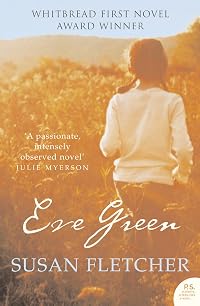
Susan Fletcher is a British novelist who was born in 1979 in Birmingham. She attended the University of York where she earned her BA in English. She later went to the University of East Anglia where she earned her MA in Creative Writing. In 2004 she published her first novel, Eve Green, which is a story about an eight year old girl who is sent to show more Wales to start a new life. It won the 2004 Whitbread First Novel Award, the Authors' Club Award and the Betty Trask Prize. Her novel Witch Light won the Saint Maur en Poche award 2013 in France. In 2018 she released her seventh novel, Hour of Glass. (Bowker Author Biography) show less
Awards and Honors
Awards
Distinctions
Notable Lists
Common Knowledge
- Canonical title
- Corrag
- Alternate titles
- The Highland Witch (US title) (US title); Witch Light
- Original publication date
- 2010-11-15
- People/Characters
- The MacDonalds; Corrag; Alisdair MacDonald (The MacIian); Alisdair Og MacDonald ; Iian MacDonald; Charles Leslie, Reverend (show all 7); Lady Glencoe MacDonald (nee Campbell)
- Important places
- Glencoe, Highland, Scotland, UK; Inverary, Argyll and Bute, Scotland, UK; Inverlochy, Highland, Scotland, UK; Inverrigan, Highland, Scotland, UK; Thornyburn, Northumberland, England, UK; Hexham, Northumberland, England, UK
- Important events
- The Glencoe Massacre
- Dedication
- For those whoe were there.
- First words
- Edinburgh 18th February 1692
Jane, I can't think of a winter that has been this cruel, or has asked so much of me.
Classifications
Statistics
- Members
- 487
- Popularity
- 62,351
- Reviews
- 52
- Rating
- (4.00)
- Languages
- English, Finnish, French, Italian
- Media
- Paper, Audiobook, Ebook
- ISBNs
- 26
- ASINs
- 3