
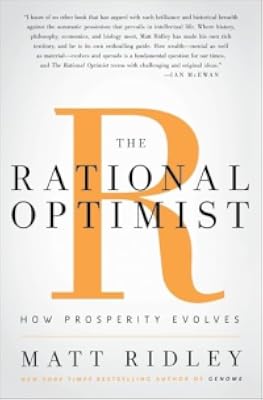
The Rational Optimist: How Prosperity Evolves
by Matt Ridley
On This Page
Description
Life is getting better-and at an accelerating rate. Food availability, income, and life span are up; disease, child mortality, and violence are down - all across the globe. Though the world is far from perfect, necessities and luxuries alike are getting cheaper; population growth is slowing; Africa is following Asia out of poverty; the Internet, the mobile phone, and container shipping are enriching people's lives as never before. The pessimists who dominate public discourse insist that we show more will soon reach a turning point and things will start to get worse. But they have been saying this for two hundred years. Yet Matt Ridley does more than describe how things are getting better. He explains why. Prosperity comes from everybody working for everybody else. The habit of exchange and specialization-which started more than 100,000 years ago-has created a collective brain that sets human living standards on a rising trend. The mutual dependence, trust, and sharing that result are causes for hope, not despair. This bold book covers the entire sweep of human history, from the Stone Age to the Internet, from the stagnation of the Ming empire to the invention of the steam engine, from the population explosion to the likely consequences of climate change. It ends with a confident assertion that thanks to the ceaseless capacity of the human race for innovative change, and despite inevitable disasters along the way, the twenty-first century will see both human prosperity and natural biodiversity enhanced. Acute, refreshing, and revelatory, The Rational Optimist will change your way of thinking about the world for the better. show lessTags
Recommendations

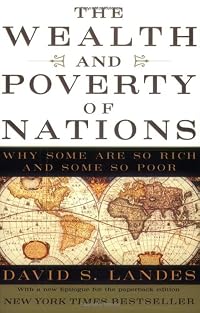
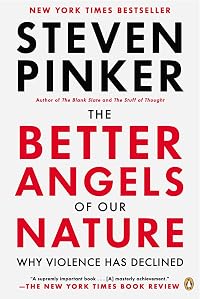
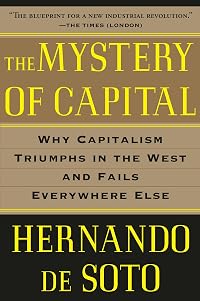
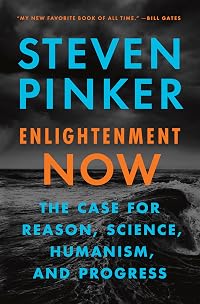



Member Recommendations
Member Reviews
This book leaves me puzzled. It offers a dazzling overview of human history drenched in an optimistic "progression"-approach. Especially the emphasis on the evergrowing and intertwined role of exchange, specialisation and innovation is an eye-opener. For me, he is also rather convincing in his condemnation of the always returning doomthinking, especially on the climate-change issue.
But, on the other hand, this is also a radical, ultra-liberal pamphlet. Ridley glorifies in one-sided freemarket retoric, scorches governments and bureaucracies as catastrofical instruments, and he is extremely apologetic about the record of corporations (although he keeps silent about his own role in the Northern Rock-debacle).
So, I'm puzzled: this book is show more breathtaking ("thoughtprovoking") and horrible at the same time. It doesn't leave you indifferent, for sure. Let me conclude: this is a must-read! show less
But, on the other hand, this is also a radical, ultra-liberal pamphlet. Ridley glorifies in one-sided freemarket retoric, scorches governments and bureaucracies as catastrofical instruments, and he is extremely apologetic about the record of corporations (although he keeps silent about his own role in the Northern Rock-debacle).
So, I'm puzzled: this book is show more breathtaking ("thoughtprovoking") and horrible at the same time. It doesn't leave you indifferent, for sure. Let me conclude: this is a must-read! show less
Imagine a reasoned argument that states, in spite of all the Chicken Littles constantly bemoaning "This Is The End" with regard to whatever change du jour is trending in the news, humans are in fact prospering. Not just the privileged 1%, but everyone. And not just for a limited time, but indefinitely. This is no fairy tale assertion. The facts speak for themselves. Why we don't hear more about it is probably because a headline like "Everything's Getting Better" doesn't sell.
Does the thought of globalization keep you up at night? Or how about larger-than-life calamitous events like climate change, over-population or running out of food? Matt Ridley's The Rational Optimist may convince you your fears are unfounded if you read with an show more open mind, but also know that pessimism is a hard habit to get around. We humans are apparently wired for it.
This book is the David that stands in direct opposition to all the blowhard media Goliaths proclaiming that "things are bad and gonna get worse." As a whole, things are certainly not getting worse. The opposite is true in fact. For a comparable reference, see Steven Pinker's The Better Angels of Our Nature: Why Violence Has Declined. show less
Does the thought of globalization keep you up at night? Or how about larger-than-life calamitous events like climate change, over-population or running out of food? Matt Ridley's The Rational Optimist may convince you your fears are unfounded if you read with an show more open mind, but also know that pessimism is a hard habit to get around. We humans are apparently wired for it.
This book is the David that stands in direct opposition to all the blowhard media Goliaths proclaiming that "things are bad and gonna get worse." As a whole, things are certainly not getting worse. The opposite is true in fact. For a comparable reference, see Steven Pinker's The Better Angels of Our Nature: Why Violence Has Declined. show less
Discovered this book as one of the frequently recommended books listed in "Tools of Titans" by Tim Ferriss. What an incredible book to start a new year with, especially after all the negative news of 2017. Ridley has done his homework and articulates strong opinions on the evolution of prosperity.
Ridley draws on a wide variety of disciplines - archeology, biology, economics, ecology and much more - to make a robust, evidence based argument for optimism. By any measure, life is better now than it was 50, 500 or 1000 years ago. My favorite sections examined the critical importance of specialization and exchange as vehicles for progress. Ridley also makes excellent arguments for free trade. Sadly, restrictions against free trade persist show more even in rich countries like Canada (e.g. inter-provoncial trade barriers restrict trade in variety of items including beer and wine and supply management means that other countries - including poor countries - are not able to grow faster by exporting to Canada).
On economic matters, I also found it fascinating that Ridley distinguishes between trade in goods and services vs trade in assets. Trade in assets - like real estate in the 2000s and cryptocurrency in the 2010s - present different kinds of problems. show less
Ridley draws on a wide variety of disciplines - archeology, biology, economics, ecology and much more - to make a robust, evidence based argument for optimism. By any measure, life is better now than it was 50, 500 or 1000 years ago. My favorite sections examined the critical importance of specialization and exchange as vehicles for progress. Ridley also makes excellent arguments for free trade. Sadly, restrictions against free trade persist show more even in rich countries like Canada (e.g. inter-provoncial trade barriers restrict trade in variety of items including beer and wine and supply management means that other countries - including poor countries - are not able to grow faster by exporting to Canada).
On economic matters, I also found it fascinating that Ridley distinguishes between trade in goods and services vs trade in assets. Trade in assets - like real estate in the 2000s and cryptocurrency in the 2010s - present different kinds of problems. show less
სანამ ამ წიგნის არსებობის შესახებ შევიტყობდი, რამდენიმე წლის წინ, ინტერნეტ სივრცეში ხეტიალისას აღმოვაჩინე TED-ის საუბარი საინტერესო სათაურით "როცა იდეებს სექსი აქვთ" სადაც ავტორი მეთ რიდლი წარმოგვიდგენდა შესანიშნავ პრეზენტაციას, როგორ ქმნის პროგრესს ადამიანთა კოლაბორაცია, show more სპეციალიზება და იდეების გაცვლა (იდეების სექსი).
მოგვიანებით აღმოვაჩინე წიგნიც რასაც ზემოთ ნახსენები TED-ის საუბარი ეყრდნობა "რაციონალური ოპტიმისტი" და ინტერესით დავიწყე კითხვა.
მეთ რიდლი გვარწმუნებს რომ ჩვენი სახეობის ისტორიიდან, კულტურული ევოლუციიდან გამომდინარე გვაქვს მიზეზი ვიყოთ რაციონალური ოპტიმისტები.
უძველეს დროს ჩვენმა სახეობამ ჰომო საპიენსმა, დაიწყო ევოლუციის ისტორიაში უპრეცედენტო, კულტურული ევოლუცია, დაიწყო შრომის სპეციალიზება, საქონლის და იდეების გაცვლა. რამაც ადამიანთა მოდგმის არნახული პროგრესი და გაერთიანება გამოიწვია. გამოიწვია ინდუსტრიული და ინფორმაციული ცივილიზაციის შექმნა, რომელიც ამ ბუნებრივი ევოლუციური მექანიზმით კიდევ უფრო შორს წავა და წარმოუდგენელ სიმაღლეებს მიაღწევს.
"კოლექტიური ტვინი" - ეს არის ის რასაც მეთ რიდლი უწოდებს ადამიანთა უნარს: -შრომის სპეციალიზებით და განაწილების გზით, საერთო საქმისთვის, საერთო სარგებლისთვის, გააერთიანონ იდეები და შესაძლებლობები.
ვაჭრობა, გაცვლა, აი რამ შექმნა ცივილიზაცია, აი რამ გააერთიანა იდეები, ამ პროცესმა გახადა შესაძლელი მეცნიერული და ტექნოლოგიური პგროგრესი, მან დაამთავრა მონათმფლობელობა, გააუქმა ფეოდალიზმი, შექმნა თავისუფალი ბაზარი, გაზარდა ცხოვრების დონე და ხარისხი. შეამცირა სიკვდიალიანობა და ა.შ.
რაც მთავარია ის მომავალში კიდევ უფრო ეფექტურად იმუშავებს და მეტ კეთილდღეობას შექმნის, რადგან ახლა ისე როგორც არასდროს აქამდე, მსოფლიო მჭიდროდ არის დაკავშირებული ინტერნეტით და სხვადასხვა სატრანსპორტო თუ საკომუნიკაციო საშუალებებით.
პირადად ბევრ რამეში ვიზიარებ რიდლის ოპტიმიზმს და მიმაჩნია რომ ამისთვის რაციონალური მიზეზები არსებობს. რომ ისტორია უამრავი რამის (ცხოვრების დონე, გარემო და ა.შ.) გაუმჯობესების შესახებ გვიყვება, რომ მეცნიერული ფაქტები აშკარად გვაძლევს ამის მიზეზს. მაგრამ ავტორის ოპტიმიზმი ზოგჯერ გადაჭარბებულია, განსაკუთრებით კლიმატის ცვლილებებთან დაკავშირებით.გასაგებია რომ ხალხს უყვარს პესიმიზმი და მითუმეტეს მედიაში ოპტიმისტურ ახალ ამბავს არ მოაქვს აჟიოტაჟი, რომ ამ ფონზე როცა ნებისმიერი "მწვანედ" შეფუთული ქმედება პოპულარულია ბევრ "მწვანე" აქციას უარესი შედეგიც კი მოაქვს, მაგრამ გლობალური კლიმატის ცვლილების საფრთხეები არ არის მხოლოდ მოდა, ფუნდამენტალისტი გარემოს დამცველების ახირება და სკანდალებზე ორიენტირებული მედია. თუმცა ავტორი არ მიიჩნევს რომ გლობალური დათბობა მითია ან რამე მსგავსი. მაგრამ ისე კი გვიხატავს თითქოს დიდი ვერაფერი გამოწვევა იყოს.
რეკომენდაციას ვუწევ წიგნს. წაიკითხეთ ყველამ ვისაც აინტერესებს მომავალი და წარსული. ყველას ვინც ოპტიმისტია ან პესიმისტი. ან ვისაც უბრალოდ აინტერესებს რატომ უნდა იყოს ან ერთი ან მეორე, ან არცერთი.
ოპტიმიზმის რაციონალური მიზეზები ნამდვილად გვაქვს, თუმცა ეს არ ნიშნავს რომ სიფხიზლე მოვადუნოთ ან მეთ რიდლის უპირობოთ დავუჯეროთ ყველაფერი. რაციონალური მიდგომის შინაარსიც ისაა რომ სკეპტიციზმის ჯანსაღი დოზა შევინარჩუნოთ და გადავხედოთ რამდენად ზუსტია მისი მოყვანილი ფაქტები. show less
მოგვიანებით აღმოვაჩინე წიგნიც რასაც ზემოთ ნახსენები TED-ის საუბარი ეყრდნობა "რაციონალური ოპტიმისტი" და ინტერესით დავიწყე კითხვა.
მეთ რიდლი გვარწმუნებს რომ ჩვენი სახეობის ისტორიიდან, კულტურული ევოლუციიდან გამომდინარე გვაქვს მიზეზი ვიყოთ რაციონალური ოპტიმისტები.
უძველეს დროს ჩვენმა სახეობამ ჰომო საპიენსმა, დაიწყო ევოლუციის ისტორიაში უპრეცედენტო, კულტურული ევოლუცია, დაიწყო შრომის სპეციალიზება, საქონლის და იდეების გაცვლა. რამაც ადამიანთა მოდგმის არნახული პროგრესი და გაერთიანება გამოიწვია. გამოიწვია ინდუსტრიული და ინფორმაციული ცივილიზაციის შექმნა, რომელიც ამ ბუნებრივი ევოლუციური მექანიზმით კიდევ უფრო შორს წავა და წარმოუდგენელ სიმაღლეებს მიაღწევს.
"კოლექტიური ტვინი" - ეს არის ის რასაც მეთ რიდლი უწოდებს ადამიანთა უნარს: -შრომის სპეციალიზებით და განაწილების გზით, საერთო საქმისთვის, საერთო სარგებლისთვის, გააერთიანონ იდეები და შესაძლებლობები.
ვაჭრობა, გაცვლა, აი რამ შექმნა ცივილიზაცია, აი რამ გააერთიანა იდეები, ამ პროცესმა გახადა შესაძლელი მეცნიერული და ტექნოლოგიური პგროგრესი, მან დაამთავრა მონათმფლობელობა, გააუქმა ფეოდალიზმი, შექმნა თავისუფალი ბაზარი, გაზარდა ცხოვრების დონე და ხარისხი. შეამცირა სიკვდიალიანობა და ა.შ.
რაც მთავარია ის მომავალში კიდევ უფრო ეფექტურად იმუშავებს და მეტ კეთილდღეობას შექმნის, რადგან ახლა ისე როგორც არასდროს აქამდე, მსოფლიო მჭიდროდ არის დაკავშირებული ინტერნეტით და სხვადასხვა სატრანსპორტო თუ საკომუნიკაციო საშუალებებით.
პირადად ბევრ რამეში ვიზიარებ რიდლის ოპტიმიზმს და მიმაჩნია რომ ამისთვის რაციონალური მიზეზები არსებობს. რომ ისტორია უამრავი რამის (ცხოვრების დონე, გარემო და ა.შ.) გაუმჯობესების შესახებ გვიყვება, რომ მეცნიერული ფაქტები აშკარად გვაძლევს ამის მიზეზს. მაგრამ ავტორის ოპტიმიზმი ზოგჯერ გადაჭარბებულია, განსაკუთრებით კლიმატის ცვლილებებთან დაკავშირებით.გასაგებია რომ ხალხს უყვარს პესიმიზმი და მითუმეტეს მედიაში ოპტიმისტურ ახალ ამბავს არ მოაქვს აჟიოტაჟი, რომ ამ ფონზე როცა ნებისმიერი "მწვანედ" შეფუთული ქმედება პოპულარულია ბევრ "მწვანე" აქციას უარესი შედეგიც კი მოაქვს, მაგრამ გლობალური კლიმატის ცვლილების საფრთხეები არ არის მხოლოდ მოდა, ფუნდამენტალისტი გარემოს დამცველების ახირება და სკანდალებზე ორიენტირებული მედია. თუმცა ავტორი არ მიიჩნევს რომ გლობალური დათბობა მითია ან რამე მსგავსი. მაგრამ ისე კი გვიხატავს თითქოს დიდი ვერაფერი გამოწვევა იყოს.
რეკომენდაციას ვუწევ წიგნს. წაიკითხეთ ყველამ ვისაც აინტერესებს მომავალი და წარსული. ყველას ვინც ოპტიმისტია ან პესიმისტი. ან ვისაც უბრალოდ აინტერესებს რატომ უნდა იყოს ან ერთი ან მეორე, ან არცერთი.
ოპტიმიზმის რაციონალური მიზეზები ნამდვილად გვაქვს, თუმცა ეს არ ნიშნავს რომ სიფხიზლე მოვადუნოთ ან მეთ რიდლის უპირობოთ დავუჯეროთ ყველაფერი. რაციონალური მიდგომის შინაარსიც ისაა რომ სკეპტიციზმის ჯანსაღი დოზა შევინარჩუნოთ და გადავხედოთ რამდენად ზუსტია მისი მოყვანილი ფაქტები. show less
The short answer to the question implied by the subtitle (according to the author) is specialization and the exchange of goods, services, and ideas. He goes on to show that once our ancestors learned to trade with one another, human prosperity (collectively) began to grow rapidly (relatively speaking) and is likely to continue to do so (on average, over the long run), despite what present day naysayers and doom mongers may say. There have always been those who predict dire futures and proclaim with confidence that the end is near, but they've most always been wrong. The future ends up better...not only better than the one the alarmists predicted but better than at any time in the past. Oddly, although they are most often wrong, show more pessimists are usually more highly regarded than people who see a more optimistic (and realistic) future. He puts it this way:
"Optimists are dismissed as fools, pessimists as sages, by a media that likes to be spoon-fed on scary press releases. That does not make the optimists right, but the poor track record of pessimists should at least give one pause."
Although I cannot agree with every point Matt Ridley makes in this book, it does indeed give one pause. It provokes thought, and that makes it a worthy book in my mind.
There are times when the book takes on an alarmist tone, seemingly warning that dire consequences for the world can be expected if people listen to alarmists. Ironic that, I thought. And, I think, an exaggeration. One of the reasons dire predictions fail is because alarmists have raised legitimate concerns, and people, through technology and governmental regulations, have taken steps to mitigate the problems. There is no doubt that air pollution, for example, is not as bad as it was half a century ago (at least here in the U.S.) but I have to think that this was, at least in part, a result of the efforts of environmental activists bringing the issue to public awareness, which prompted government regulation, which spurred technological innovation. Without these, would L.A. still be shrouded in smog? I can't know for sure, but I rather suspect it would be. Raising alarm isn't always bad. If a fire is smoldering in a corner, it's helpful if someone tells you they think they smell smoke before the building burns down.
Still, all in all, a thought provoking read on human progress and on contemporary issues such as organic farming, fossil fuels, climate change, and population. I recommend it. show less
"Optimists are dismissed as fools, pessimists as sages, by a media that likes to be spoon-fed on scary press releases. That does not make the optimists right, but the poor track record of pessimists should at least give one pause."
Although I cannot agree with every point Matt Ridley makes in this book, it does indeed give one pause. It provokes thought, and that makes it a worthy book in my mind.
There are times when the book takes on an alarmist tone, seemingly warning that dire consequences for the world can be expected if people listen to alarmists. Ironic that, I thought. And, I think, an exaggeration. One of the reasons dire predictions fail is because alarmists have raised legitimate concerns, and people, through technology and governmental regulations, have taken steps to mitigate the problems. There is no doubt that air pollution, for example, is not as bad as it was half a century ago (at least here in the U.S.) but I have to think that this was, at least in part, a result of the efforts of environmental activists bringing the issue to public awareness, which prompted government regulation, which spurred technological innovation. Without these, would L.A. still be shrouded in smog? I can't know for sure, but I rather suspect it would be. Raising alarm isn't always bad. If a fire is smoldering in a corner, it's helpful if someone tells you they think they smell smoke before the building burns down.
Still, all in all, a thought provoking read on human progress and on contemporary issues such as organic farming, fossil fuels, climate change, and population. I recommend it. show less
Медиите ни заливат всеки ден и отвсякъде с говна - убийства, бунтове, катастрофи, природни бедствия, песимизъм и негативизъм.
Удавени в това море отпадни води, малко трудно можем да забележим, че живеем в най-благодатното време в човешката история. Ние сме по-богати, по-здрави и по-дълголетни от които и да са наши предци, имаме достъп до повече материални и духовни блага, до повече култура, по-добро show more здравеопазване.
По света има по-малко войни и престъпност от който и да е предишен период в историята. По-малко бедност от когато и да било, дори двойно е намаляла отпреди само 30 години.
Това са неоспорими факти, доказани със статистики и данни.
Но в тях няма пари - не добрата новина, а лошата привлича вниманието на нас, хората. Така сме програмирани от природата просто, постоянно да обръщаме внимание на опасностите. И днес, когато почти няма опасности, мозъците ни превъртат и започват да ги търсят под дърво и камък. А медии и политици се надпреварват да се възползват от това с апокалиптичната си реторика. Винаги има някаква криза, за която медиите ни информират и от която политици и управници ни спасяват.
Малко мисъл в цялата работа не е лошо нещо и да осъзнаем колко много е напреднал света само ще ни помогне. Мат Ридли описва света преди и го сравнява със света сега - едно определено оптимистично начинание, защото посоката на човешко развитие и благоденствие е само една - нагоре, и винаги е била. И той е рационално оптимистичен, че така ще продължи и за в бъдеще. show less
Удавени в това море отпадни води, малко трудно можем да забележим, че живеем в най-благодатното време в човешката история. Ние сме по-богати, по-здрави и по-дълголетни от които и да са наши предци, имаме достъп до повече материални и духовни блага, до повече култура, по-добро show more здравеопазване.
По света има по-малко войни и престъпност от който и да е предишен период в историята. По-малко бедност от когато и да било, дори двойно е намаляла отпреди само 30 години.
Това са неоспорими факти, доказани със статистики и данни.
Но в тях няма пари - не добрата новина, а лошата привлича вниманието на нас, хората. Така сме програмирани от природата просто, постоянно да обръщаме внимание на опасностите. И днес, когато почти няма опасности, мозъците ни превъртат и започват да ги търсят под дърво и камък. А медии и политици се надпреварват да се възползват от това с апокалиптичната си реторика. Винаги има някаква криза, за която медиите ни информират и от която политици и управници ни спасяват.
Малко мисъл в цялата работа не е лошо нещо и да осъзнаем колко много е напреднал света само ще ни помогне. Мат Ридли описва света преди и го сравнява със света сега - едно определено оптимистично начинание, защото посоката на човешко развитие и благоденствие е само една - нагоре, и винаги е била. И той е рационално оптимистичен, че така ще продължи и за в бъдеще. show less
In an age of plenty for a sizable portion of the population, why are there so many apocaholics? Heck, I'm one part of the time. Why is it of interest to imagine or predict hundreds of ways that humanity will meet its doom? There are bookshelves loaded with such books, it's a given in most movies, experts abound in bad news, and most individuals have a theory or two on what's going to get us. Are most humans natural pessimists or are the pessimisms justified? Maybe optimism doesn't sell.
Ridley, lately of Northern Rock infamy, is an unrepentant optimist. He's a descendant of Adam Smith and Hayek in this regard. Actually, Smith thought there was a limit to growth and equilibrium would be reached in a market economy. Their train of thought show more is wealth arises from exchange and specialization. Trade and expertise. Because there are no limits to ideas this process can go on for a long time and create immense wealth. The wealth attracts attention from others- power seekers, competitors, empires, governments, and priestly castes- and the process is interrupted or reversed for a time. Still, though exchange and specialization might be suppressed in one area it tends to pop up somewhere else. Back and forth it goes through time and generally ends up raising standards of living in the long run.
Hot showers, flushing toilets, media, vacations, travel, transportation, and cheap calories are some of the results. It's estimated that there are upwards of twelve billion consumer products available now. Does this make most of us happy? Hell no! As Paul Krugman, and others, have pointed out, we look at our two BMWs, then notice the neighbors have three, and boy, are we pissed. Ridley actually stays away from the happiness indexes and just focuses on the tangible physical goods and lifestyles we have now. Most of us didn't go to work this week picking cotton with an overseer lashing us with a whip when we had a bad hair moment which resulted in a lackadaisical cotton picking. He admits it still happens in some hellholes but it is not as common as it used to be.
Ridley covers several areas including, Malthusian traps, food, inventions, innovation and the two great pessimisms of today: Africa and climate change. He makes and sticks to his case in a clear easy to comprehend style. Most readers will probably find themselves arguing with him a time or two. If you're a dyed in the wool pessimist then you'll likely be arguing with him the whole book or flinging it across or at something or other. If that happens it won't be difficult to find a pessimistic book fix. Those keep on coming like clockwork. show less
Ridley, lately of Northern Rock infamy, is an unrepentant optimist. He's a descendant of Adam Smith and Hayek in this regard. Actually, Smith thought there was a limit to growth and equilibrium would be reached in a market economy. Their train of thought show more is wealth arises from exchange and specialization. Trade and expertise. Because there are no limits to ideas this process can go on for a long time and create immense wealth. The wealth attracts attention from others- power seekers, competitors, empires, governments, and priestly castes- and the process is interrupted or reversed for a time. Still, though exchange and specialization might be suppressed in one area it tends to pop up somewhere else. Back and forth it goes through time and generally ends up raising standards of living in the long run.
Hot showers, flushing toilets, media, vacations, travel, transportation, and cheap calories are some of the results. It's estimated that there are upwards of twelve billion consumer products available now. Does this make most of us happy? Hell no! As Paul Krugman, and others, have pointed out, we look at our two BMWs, then notice the neighbors have three, and boy, are we pissed. Ridley actually stays away from the happiness indexes and just focuses on the tangible physical goods and lifestyles we have now. Most of us didn't go to work this week picking cotton with an overseer lashing us with a whip when we had a bad hair moment which resulted in a lackadaisical cotton picking. He admits it still happens in some hellholes but it is not as common as it used to be.
Ridley covers several areas including, Malthusian traps, food, inventions, innovation and the two great pessimisms of today: Africa and climate change. He makes and sticks to his case in a clear easy to comprehend style. Most readers will probably find themselves arguing with him a time or two. If you're a dyed in the wool pessimist then you'll likely be arguing with him the whole book or flinging it across or at something or other. If that happens it won't be difficult to find a pessimistic book fix. Those keep on coming like clockwork. show less
Members
- Recently Added By
Published Reviews
"In the second century of the Christian Era, the empire of Rome comprehended the fairest part of the earth, and the most civilised portion of mankind. The frontiers of that extensive monarchy were guarded by ancient renown and disciplined valour. The gentle but powerful influence of laws and manners had gradually cemented the union of the provinces. Their peaceful inhabitants enjoyed and show more abused the advantages of wealth and luxury." Thus the first paragraph of The Decline and Fall of the Roman Empire and thus, more or less, the entire contents of Matt Ridley's latest book. show less
added by sarahemmm
Lists

Top Five Books of 2020
982 works; 348 members

Top Five Books of 2015
811 works; 241 members

Mind Expanding Books by hackerkid
581 works; 8 members
Author Information

37+ Works 11,582 Members
Matt Ridley is the author of several award-winning books, including Genome, The Agile Gene, and The Red Queen, which have sold more than 800,000 copies in twenty-seven languages worldwide. He lives in England.
Awards and Honors
Awards
Distinctions
Common Knowledge
- Canonical title
- The Rational Optimist: How Prosperity Evolves
- Original title
- The Rational Optimist: How Prosperity Evolves
- Original publication date
- 2010
Classifications
- Genres
- Economics, Nonfiction, Sociology, General Nonfiction, Science & Nature, History
- DDC/MDS
- 339.2 — Society, government, & culture Economics Macroeconomics and related topics Distribution Of Income And Wealth
- LCC
- HB251 .R54 — Social sciences Economic theory. Demography Economic theory. Demography Competition. Production. Wealth
- BISAC
Statistics
- Members
- 1,409
- Popularity
- 16,735
- Reviews
- 27
- Rating
- (3.95)
- Languages
- 9 — Czech, Dutch, English, German, Greek, Hungarian, Italian, Portuguese, Spanish
- Media
- Paper, Audiobook, Ebook
- ISBNs
- 28
- ASINs
- 16