On This Page
Description
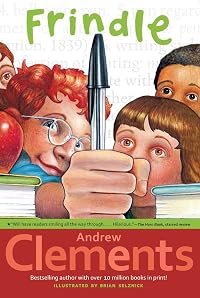
When he decides to turn his fifth grade teacher's love of the dictionary around on her, clever Nick Allen invents a new word and begins a chain of events that quickly moves beyond his control.Tags
Recommendations
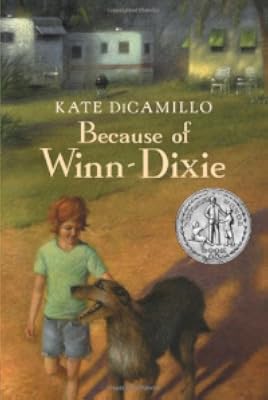
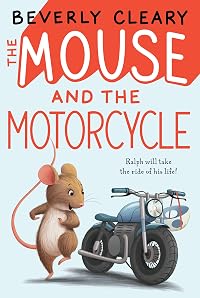
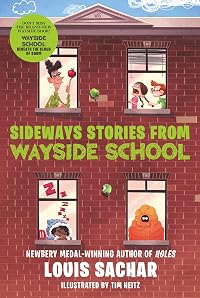
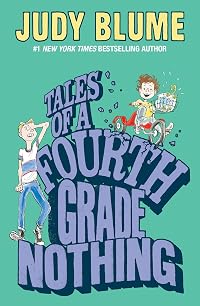

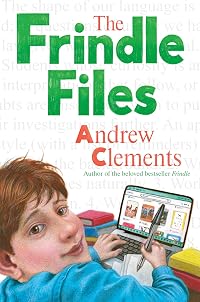
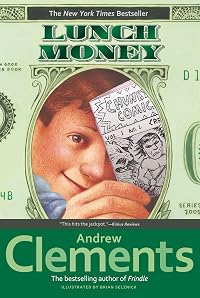

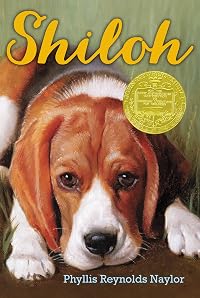
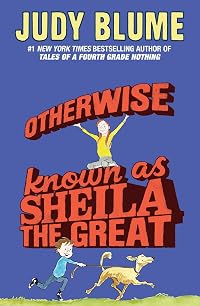
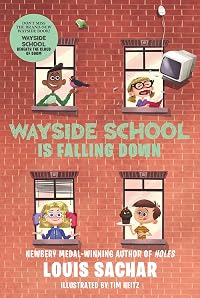
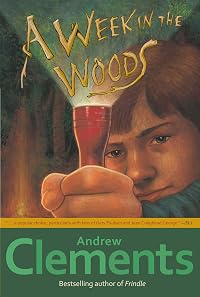
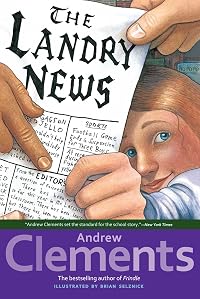
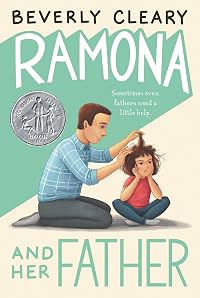
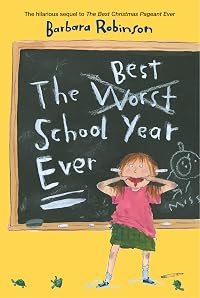
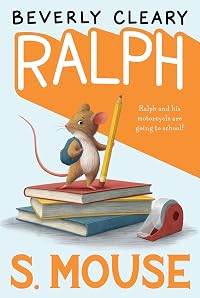

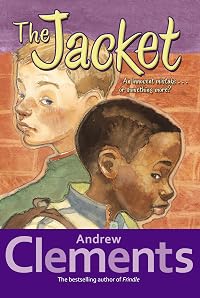
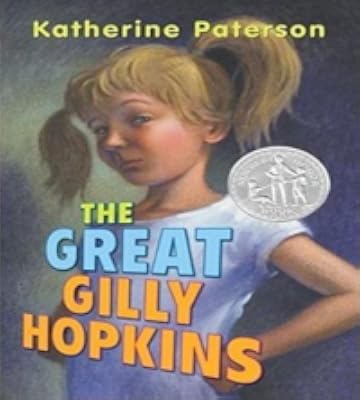
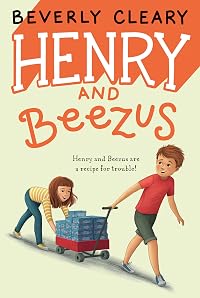
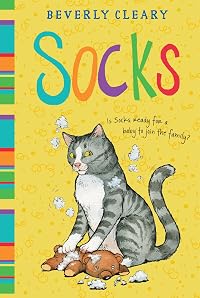
Member Recommendations
Member Reviews
It started small. Before it made its way from complete obscurity to become one of the lodestars of contemporary civilization, the frindle was merely the sudden whim of a boy in the fifth grade at Lincoln Elementary School.
Nick Allen (known to historians as Nicholas) was as cheerful and imaginative as any kid at Lincoln, and probably a little bit more so. He was playful and mischievous without quite being a troublemaker — although, at times, certain of his teachers might have considered him exactly that. But his imagination was not anarchic or aimless: it simply led him to ask questions, questions so basic that no one had bothered to ask them before. And if asking these questions caused Typical Adult Resistance from his teachers, he show more and his classmates were entertained and educated in the ways of the world.
Nick's bète noir, the teacher who is determined to show Nick, once and for all, who's the boss, is his Language Arts teacher, Mrs. Grindle, who adores and clings to her favorite dictionary like a mother protecting her only child. So, when Nick asks her where new words come from, the battle is joined. Nick creates the frindle, and the worlds of commerce and culture are shaken, along with Mrs. Grindle's composure.
"Frindle" is a delight, one that has been enjoyed by children and adults for a quarter century, and will doubtless continue to be. The late Andrew Clements was a genius, and his books are among some of the best in children's literature.
Very highly recommended. show less
Nick Allen (known to historians as Nicholas) was as cheerful and imaginative as any kid at Lincoln, and probably a little bit more so. He was playful and mischievous without quite being a troublemaker — although, at times, certain of his teachers might have considered him exactly that. But his imagination was not anarchic or aimless: it simply led him to ask questions, questions so basic that no one had bothered to ask them before. And if asking these questions caused Typical Adult Resistance from his teachers, he show more and his classmates were entertained and educated in the ways of the world.
Nick's bète noir, the teacher who is determined to show Nick, once and for all, who's the boss, is his Language Arts teacher, Mrs. Grindle, who adores and clings to her favorite dictionary like a mother protecting her only child. So, when Nick asks her where new words come from, the battle is joined. Nick creates the frindle, and the worlds of commerce and culture are shaken, along with Mrs. Grindle's composure.
"Frindle" is a delight, one that has been enjoyed by children and adults for a quarter century, and will doubtless continue to be. The late Andrew Clements was a genius, and his books are among some of the best in children's literature.
Very highly recommended. show less
What a delightful surprise!
Andrew Clements spins a clever and touching yarn about a mischievous fifth grader whose petty notion to rename pens as "frindles" to peeve his strict teacher pits him in a battle of wills with her and the school administration and garners more attention than he would have thought possible.
It's a terrific and entertaining introduction to first amendment rights, authoritarianism, and civil disobedience.
It may stretch a little too far for its ending, but I was enjoying the story so much by then that I happily went along for the ride.
Andrew Clements spins a clever and touching yarn about a mischievous fifth grader whose petty notion to rename pens as "frindles" to peeve his strict teacher pits him in a battle of wills with her and the school administration and garners more attention than he would have thought possible.
It's a terrific and entertaining introduction to first amendment rights, authoritarianism, and civil disobedience.
It may stretch a little too far for its ending, but I was enjoying the story so much by then that I happily went along for the ride.
Nick Allen was not, by his own admission, one of the bad kids, the good kids, or the smart kids. He was entirely himself, an individual with a keen sense of humor and an original mind. Disinclined toward doing lots of work, he tangled with his fifth-grade Language Arts teacher, Mrs. Granger, and found himself researching dictionaries, and the origins of words. Taking to heart the idea that meaning is created by all of a language's speakers, he creates a new word for pen - 'frindle' - that soon catches on at his school. But is he ready for the conflict with Mrs. Granger and other authority figures that this will ignite...?
First published in 1996, and a perennial favorite since then, Frindle is an immensely engaging story, one that is show more both humorous and heartwarming, and one that encourages young readers to think about the power of words, and of the speaker's role in using (or creating) them. I imagine that quite a few budding linguists got their start with Andrew Clements' book. Nick is an appealing character, a real boy with plenty of good qualities but some weaknesses as well. I thought the author's depiction of his withdrawal into himself, after achieving fame - his timidity, upon discovering his own power - was quite perceptive. I also thought the depiction of Mrs. Granger was spot on - I too have known people who seem quite daunting, but whose respect can be won through honest and principles opposition, rather than thoughtless capitulation. Recommended to children - early chapter-book range, I would say - looking for fun and thought-provoking school stories. show less
First published in 1996, and a perennial favorite since then, Frindle is an immensely engaging story, one that is show more both humorous and heartwarming, and one that encourages young readers to think about the power of words, and of the speaker's role in using (or creating) them. I imagine that quite a few budding linguists got their start with Andrew Clements' book. Nick is an appealing character, a real boy with plenty of good qualities but some weaknesses as well. I thought the author's depiction of his withdrawal into himself, after achieving fame - his timidity, upon discovering his own power - was quite perceptive. I also thought the depiction of Mrs. Granger was spot on - I too have known people who seem quite daunting, but whose respect can be won through honest and principles opposition, rather than thoughtless capitulation. Recommended to children - early chapter-book range, I would say - looking for fun and thought-provoking school stories. show less
I love Andrew Clements -- really, really love his books, and there are many! He is a former teacher who writes stand-alone "school stories" aimed at boys and girls in the 3rd-5th grade range, which I think is a tricky age to write for. They typically feature kids who take some sort of action at school, as a protest, or an experiment, or to cause mild trouble. It takes on a life of its own, confounding and frustrating the adults, and teaching the kids about social momentum and other lessons. They're never preachy, though, and the issues are complex and thought-provoking. I loved Frindle from the first moment to the slightly weepy last. 5th grader Nick is a master at asking the time-wasting question designed to get the teacher show more side-tracked so that homework will be forgotten. He meets his match in Mrs. Granger, the experienced, rigorous, exacting teacher who sends home a recommended dictionary list before the start of the year. His first attempt at a time-waster (why are words what they are -- who decides that d-o-g gets to mean dog? Answer: we do -- words are invented and developed and evolved and most importantly: used, and that's how they get to be words) backfires as Mrs. Granger assigns Nick an oral report on words and dictionaries. It does give Nick an idea, though: what if he made up a word and people started using it? What would happen? He decides that henceforth, a pen is now a "frindle." He recruits a few friends to start conspicuously using "frindle" and the word takes off, much to the annoyance of Mrs. Granger (it's not in the dictionary, and furthermore, "pen" is a perfectly good word that evolved from the Latin word meaning feather, or quill, which were the precursors of pens), and the rest of the school staff. The students aren't really doing anything wrong, but are choosing to disobey rules created to stop the use of the word. The ensuing kerfuffle attracts the attention of the local paper, a local entrepreneur, and eventually the national news. The resolution of this story is extremely satisfying. show less
Nick, a lovable troublemaker famous in school for distracting teachers and avoiding homework, picks a fight with his fifth grade language arts teacher about the origin of words and the authority of the dictionary. His new word for pen spreads like wildfire, resulting in chaos, punishment, and ultimately national fame. A gentle, amusing tale, this chapter book both empowers children and shows the wisdom and humanity of even the stodgiest of teachers. It is thought provoking as well as humorous. This book would appeal to a wide range of students, both boys and girls. I would recommend it in a public or school library for upper elementary students.
Nick's 5th grade Language Arts teacher is serious about words--she believes the dictionary is the highest authority--but Nick decides to shake up her classroom (and eventually the school, the town, the country, and the English language) by inventing a new word!
This is a short, interesting story about the power of a simple idea. Despite the Big Questions it raises about language and authority, it's not very deep. Still, a good read for habitual and reluctant readers alike.
This is a short, interesting story about the power of a simple idea. Despite the Big Questions it raises about language and authority, it's not very deep. Still, a good read for habitual and reluctant readers alike.
Nick Allen is a fifth grader who has lots of big ideas. He is also a clever boy, always good at distracting teachers and killing time, and a genius at preventing them from assigning homework. He's a little concerned about meeting his fifth-grade English teacher, Mrs. Granger, who is known for her no-nonsense and strict demeanor. When they first meet the battle of wills begin. Nick tries to use his signature move of asking a last minute question that will derail homework assigning, and Mrs. Granger responds by asking Nick to research the topic and write an essay on it. In addition to their regular homework.
Nick is not happy. The extra report cuts into his usual after-school free time, which has never happened before. His irritation spurs show more him on to even more creative thinking about how to thwart his exceptionally sharp teacher, but every move he makes is neatly countered by Mrs. Granger. Until one day, as he is walking home with his friend Janet and pondering something Mrs. Granger said that day about words, and hatches the perfect plot. Nick notices a pen on the ground, and decides to try a little experiment. Can he create a new word for a common object, such as that pen? Nick decides to call it a frindle, and sets in action a clever series of moves that motivate others to call the pen a frindle, as well. Soon, other kids in school, not just the elementary but the junior high and high school as well, are eagerly using the word frindle, even in the face of detention and other disciplinary actions. Even so, the whole fad might have blown over, if the media didn't catch wind of the affair. First the local paper, then the local news, and from there Nick Allen and his frindle sensation are launched into the international spotlight with coverage in major news networks and tv talk shows.
The adventure takes Nick Allen by surprise. His word is picked up with more wide-spread interest than he suspected, and eventually the phenomenon grows beyond his sphere of influence, with merchandise advertising frindles gaining popularity across the country and beyond. At first, Mrs. Granger continues to act as an adversary to Nick and his new word, but even she can't stop the word's rapid progress. Frindle becomes so popular that it eventually is added to the dictionary, as the reader learns when the story skips forward in time, checking in on Nick Allen once he has made it to college. At this point, Nick is a wealthy man, profiting off the proceeds from frindle merchandise sales, but he doesn't rely on this money and instead commits himself to his studies in college. The story wraps up with Nick receiving a gift in the mail from Mrs. Granger. It is the letter she sealed and had him sign back in the fifth grade, and in it she reveals that she was only playing the villain to add fuel to the fire, and she was curious to see just how far the new word would go. The package also includes a new dictionary, with a note to show Nick that frindle is now an official word recognized in the dictionary. Nick returns the favor by sending Mrs. Granger a lovely and expensive pen.
I can see why this book has garnered such a favorable reputation with children and their teachers. The narrative captures a child's voice and perspective admirably, and offers a fun plot about kids taking on the teachers and winning. And yet it's more than that, because Nick starts a war over words, and he is a brilliant little kid who learns about the evolution of language and the powers of marketing and branding. He starts the challenge over frindle slightly out of mischievousness, but also out of curiosity and experimentation. Plus, even though Mrs. Granger is the seeming villain, the author cleverly flips that standard teacher-is-the-enemy theme on its head at the end, when it's revealed that she was actually helping Nick with his plans all along. The length of the story is short, but it is well written and engaging, and carries an appealing message about words and learning with a high degree of entertainment. Also, it is a school story, a setting that can instantly engage most students. I really enjoyed reading this book, and am pretty certain most other readers will like it, too. show less
Nick is not happy. The extra report cuts into his usual after-school free time, which has never happened before. His irritation spurs show more him on to even more creative thinking about how to thwart his exceptionally sharp teacher, but every move he makes is neatly countered by Mrs. Granger. Until one day, as he is walking home with his friend Janet and pondering something Mrs. Granger said that day about words, and hatches the perfect plot. Nick notices a pen on the ground, and decides to try a little experiment. Can he create a new word for a common object, such as that pen? Nick decides to call it a frindle, and sets in action a clever series of moves that motivate others to call the pen a frindle, as well. Soon, other kids in school, not just the elementary but the junior high and high school as well, are eagerly using the word frindle, even in the face of detention and other disciplinary actions. Even so, the whole fad might have blown over, if the media didn't catch wind of the affair. First the local paper, then the local news, and from there Nick Allen and his frindle sensation are launched into the international spotlight with coverage in major news networks and tv talk shows.
The adventure takes Nick Allen by surprise. His word is picked up with more wide-spread interest than he suspected, and eventually the phenomenon grows beyond his sphere of influence, with merchandise advertising frindles gaining popularity across the country and beyond. At first, Mrs. Granger continues to act as an adversary to Nick and his new word, but even she can't stop the word's rapid progress. Frindle becomes so popular that it eventually is added to the dictionary, as the reader learns when the story skips forward in time, checking in on Nick Allen once he has made it to college. At this point, Nick is a wealthy man, profiting off the proceeds from frindle merchandise sales, but he doesn't rely on this money and instead commits himself to his studies in college. The story wraps up with Nick receiving a gift in the mail from Mrs. Granger. It is the letter she sealed and had him sign back in the fifth grade, and in it she reveals that she was only playing the villain to add fuel to the fire, and she was curious to see just how far the new word would go. The package also includes a new dictionary, with a note to show Nick that frindle is now an official word recognized in the dictionary. Nick returns the favor by sending Mrs. Granger a lovely and expensive pen.
I can see why this book has garnered such a favorable reputation with children and their teachers. The narrative captures a child's voice and perspective admirably, and offers a fun plot about kids taking on the teachers and winning. And yet it's more than that, because Nick starts a war over words, and he is a brilliant little kid who learns about the evolution of language and the powers of marketing and branding. He starts the challenge over frindle slightly out of mischievousness, but also out of curiosity and experimentation. Plus, even though Mrs. Granger is the seeming villain, the author cleverly flips that standard teacher-is-the-enemy theme on its head at the end, when it's revealed that she was actually helping Nick with his plans all along. The length of the story is short, but it is well written and engaging, and carries an appealing message about words and learning with a high degree of entertainment. Also, it is a school story, a setting that can instantly engage most students. I really enjoyed reading this book, and am pretty certain most other readers will like it, too. show less
Members
- Recently Added By
Lists

School Library Journal - 2012 Top 100 Children's Novels
68 works; 8 members

Best School Stories
219 works; 22 members

Scholastic 100 Best Read-Aloud Books
100 works; 8 members

Honey For a Child's Heart
1,152 works; 25 members

Satori Smiles Children's Book List
262 works; 7 members

Children and YA books involving school
58 works; 2 members

Sonlight Books
1,487 works; 25 members

KID BOOKS
54 works; 1 member

4th Grade Books
312 works; 5 members

Best books I read in 2013
152 works; 3 members

Books About Boys
175 works; 15 members

GCS 6th grade summer reading list
171 works; 4 members

One Book, Many Authors
441 works; 40 members

Books We Loved As Children
610 works; 254 members

storage
51 works; 1 member
Author Information

116 Works 61,192 Members
Andrew Clements was born in Camden, New Jersey on May 7, 1949. He received a bachelor's degree in literature from Northwestern University and master's degree in teaching from National Louis University. Before becoming a full-time author, he taught in the public schools north of Chicago for seven years, was a singer-songwriter, and worked in show more publishing. He is well known for his picture book texts, but it was his middle school novel, Frindle, that was a breakthrough for his writing career. Frindle won numerous awards including the Georgia Children's Book Award, the Sasquatch Children's Book Award, the Massachusetts Children's Book Award, the Rhode Island Children's Book Award, and the Year 2000 Young Hoosier Book Award. His other works include The Landry News, The Janitor's Boy, No Talking, Things Not Seen, Things Hoped For, and Things That Are. (Bowker Author Biography) show less
Some Editions
Awards and Honors
Awards
Notable Lists
Series

Work Relationships
Is contained in
Andrew Clements School Days Boxed Set (Frindle, The Landry News, The Janitor's Boy, School Story, excerpt from The Repor by Andrew Clements
Has as a student's study guide
Common Knowledge
- Canonical title
- Frindle
- Original title
- Frindle
- Original publication date
- 1996
- People/Characters
- Nicholas "Nick" Allen; Lorelei Granger (teacher); Ginny Allen (mother of Nicholas "Nick" Allen); Tom Allen (father of Nicholas "Nick" Allen); Janet Fisk; Margaret Chatham (principal) (show all 9); Judy Morgan (newspaper reporter); Alice Lunderson (TV reporter); David Letterman
- Important places
- Lincoln Elementary School, Westfield, New Hampshire, USA; Westfield, New Hampshire, USA; New Hampshire, USA
- Dedication
- For Becky, Charles, George, Nate, and John - A.C.
- First words
- If you asked the kids and the teachers at Lincoln Elementary School to make three lists – all the really bad kids, all the really smart kids, and all the really good kids – Nick Allen would not be on any of them. Nick des... (show all)erved a list of his own, and everyone knew it.
- Quotations
- So many things have gone out of date. But after all these years, words are still important. Words are still needed by everyone. Words are still used to think with, write with, to dream with, to hope and pray with. And that is... (show all) why I love the dictionary. It endures. It works. And as you know, it also changes and grows.
"This is not an easy visit for me. We are having some trouble at school, and it appears Nick is in the middle of it." - Last words
- (Click to show. Warning: May contain spoilers.)This object belongs to Mrs. Lorelei Granger, and she may call it any name she chooses. -With love from Nicholas Allen.
- Original language
- English
Classifications
- Genres
- Children's Books, Kids, Fiction and Literature
- DDC/MDS
- 813.54 — Literature & rhetoric American literature in English American fiction in English 1900-1999 1945-1999
- LCC
- PZ7 .C59118 .F — Language and Literature Fiction and juvenile belles lettres Fiction and juvenile belles lettres Juvenile belles lettres
- BISAC
Statistics
- Members
- 12,577
- Popularity
- 668
- Reviews
- 226
- Rating
- (4.00)
- Languages
- 8 — Chinese, English, German, Hungarian, Italian, Portuguese, Spanish, Turkish
- Media
- Paper, Audiobook, Ebook
- ISBNs
- 60
- UPCs
- 1
- ASINs
- 13