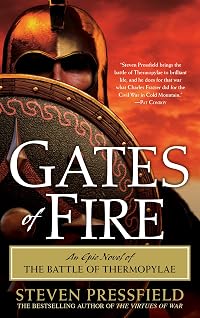
Gates of Fire
by Steven Pressfield
On This Page
Description
Gates of Fire puts you at the side of valiant Spartan warriors in 480 BC for the bloody, climactic battle at Thermopylae. There, a few hundred of Sparta's finest sacrificed their lives to hold back the invading Persian millions. The time they bought enabled the Greeks to rally-saving, according to ancient historian Herodotus, "Western democracy and freedom from perishing in the cradle." How did the Spartans accomplish this superhuman feat? This is what the King of Persia hopes to learn from show more the sole Spartan survivor. The squire's story indeed reveals the incredible rigors of Spartan training-and more importantly, how the whole culture fostered the mindset of fearlessness. Steven Pressfield has skillfully combined scholarship and storytelling to bring the whole world of ancient Sparta brilliantly to life. George Guidall's dramatic delivery enhances the richness and feeling of this inspired recreation. show lessTags
Recommendations





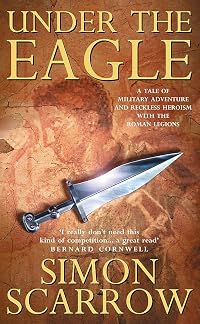
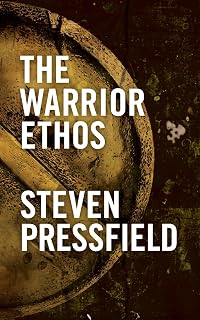
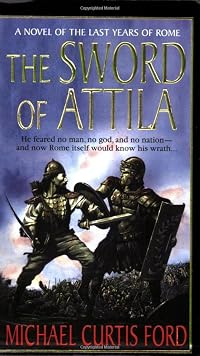

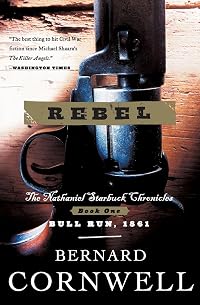
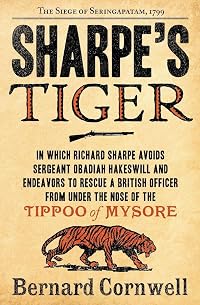
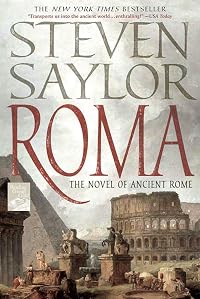
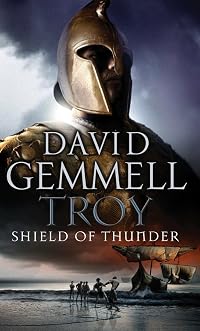
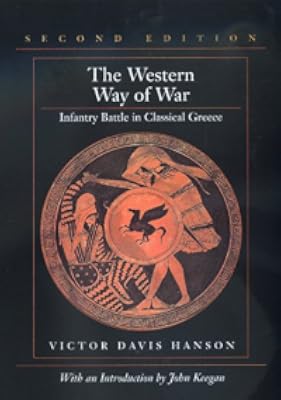

Member Recommendations
Member Reviews
This fictionalized account of the Battle of Thermopylae is a thoroughly enjoyable treatment of the historical event upon which it is based. Most interesting and educational are the many pages devoted to the training and indoctrination of the Spartan warriors, literally from birth until their preordained death in combat.
The level of dedication, loyalty and sacrifice endured by these men is difficult to comprehend, it is so foreign to our lives today. Certainly, many aspects of such training are utterly barbaric and inhumane, however they must be viewed in the context of their time.
Having read this novel soon after seeing the movie "300", the book gives excellent background to the sights and sounds highlighted in the movie. Anyone with show more an interest in ancient history or even in human nature will enjoy and benefit from reading this book.
Far more than simply a blood and guts war novel, it says a lot about the complex emotions and human behavior elicited by a fight for survival, both personal survival and the survival of a way of life. show less
The level of dedication, loyalty and sacrifice endured by these men is difficult to comprehend, it is so foreign to our lives today. Certainly, many aspects of such training are utterly barbaric and inhumane, however they must be viewed in the context of their time.
Having read this novel soon after seeing the movie "300", the book gives excellent background to the sights and sounds highlighted in the movie. Anyone with show more an interest in ancient history or even in human nature will enjoy and benefit from reading this book.
Far more than simply a blood and guts war novel, it says a lot about the complex emotions and human behavior elicited by a fight for survival, both personal survival and the survival of a way of life. show less
Gates of Fire is incredible. Framed as the story of the sole Spartan survivor of the Battle of Thermopylae, telling his story to the Persian Emperor Xerxes, Gates of Fire is about more than the battle. It's about the world of the warrior, and the psychology that leads men to triumph in battle.
Our narrator, Xeo, went through childhood in an unremarkable minor city until it was sacked by the Argives. He lived as a refugee in the hills with his cousin Diomanche and a blind slave, learning to hunt and track, and then went to Sparta because the Spartans were the finest warriors in all of Greece. The story moves on two tracks towards the confrontation at Themopylae, where 300 handpicked Spartans and a larger number of Greek allies fought a show more desperate rearguard action against the massive Persian army to give the rest of Greece time to gather forces and fight back.
The spiritual core of this book (and it does have one), is the centrality of fear in the warrior's experience, and the way that fear can be conquered. The Spartans have an entire discipline around mastering fear, and there are long and fascinating discussions of what courage is. I'll not spoil the answers, since they are worth waiting for.
On a personal level, I'm a Spartan revisionist. We need to acknowledge that they were a brutal slave state built on pederasty. So all the noble Spartan lords carping on about freedom and liberty is a kind of dark joke. But Gates of Fire is fantastic that even this revisionist loves it. show less
Our narrator, Xeo, went through childhood in an unremarkable minor city until it was sacked by the Argives. He lived as a refugee in the hills with his cousin Diomanche and a blind slave, learning to hunt and track, and then went to Sparta because the Spartans were the finest warriors in all of Greece. The story moves on two tracks towards the confrontation at Themopylae, where 300 handpicked Spartans and a larger number of Greek allies fought a show more desperate rearguard action against the massive Persian army to give the rest of Greece time to gather forces and fight back.
The spiritual core of this book (and it does have one), is the centrality of fear in the warrior's experience, and the way that fear can be conquered. The Spartans have an entire discipline around mastering fear, and there are long and fascinating discussions of what courage is. I'll not spoil the answers, since they are worth waiting for.
On a personal level, I'm a Spartan revisionist. We need to acknowledge that they were a brutal slave state built on pederasty. So all the noble Spartan lords carping on about freedom and liberty is a kind of dark joke. But Gates of Fire is fantastic that even this revisionist loves it. show less
The Battle of Thermopylae is one of the best-known in Western military history. The assault on the fortified pass began at 11:30 AM, with the fate of Greece in the balance. Within 24 hours, the last Australians and New Zealanders evacuated after destroying over a dozen Nazi Panzers.
Oops, wrong battle. My notes got mixed up. One sec. Okay. Sorry about that. Here we go.
This Battle of Thermopylae raged 2,400 years before the Germans drove through the pass that won the Spartans immortal fame. From this distance, it’s hard to imagine what that suicidal stand must have been like — but Steven Pressfield’s novel gets you as near the battle as anything could.
Pressfield is quite good at immersing the reader in the feel of 5th-century show more Sparta, a place that would test the mettle of almost any modern. Every Greek city-state had its citizen-soldiers who mobilized and trained and fought, but no one built their entire society for war the way Sparta did.
The tale is told through the eyes of Xeones, a perioikos (free second-class resident) of Sparta who rises to become a squire of the peer Dienekes. The novel unfolds as the transcription of a Persian scribe relaying the words of Xeones, a severely-wounded Hellenic survivor, to the King of Kings.
Xeones is a great vantage-point protagonist. His station midway between helot and citizen exposes him both to the brutality and to the glory of Sparta. Pressfield presents both sides of the obol without approving or condemning, letting his characters tell their own stories.
I appreciate that he does this rather than hemming in his characters with modern moralizing. Even the structure of the narrative supports his grounded approach to historical fiction, dividing his novel into multiple “books” in the style of Herodotus and Thucydides.
Of course, deep dives into cultural history isn’t why most of us open a war novel, and Pressfield delivers in his portrait of ancient war. This is actually a perennial problem in Bronze Age military history because no one alive today has fought a war of spear and shield, and the ancients left no tactical manuals.
That said, Pressfield is excellent at portraying the shock and terror of massed man-to-man combat. Warriors descend into a hell of blood, guts, and viscera with nothing but the strength of their own arms, the honor of their brothers, and the hope that the gods might allow them (like Persephone) to emerge from Hades on the other side of horror.
For anyone who wants to read about the Battle of Thermopylae, I still first recommend Herodotus’s Histories as a surprisingly fresh and gripping account in its own right. But if you want a solid narrative grounded in the dust and blood and sweat of the “dance floor,” you could do worse than “Gates of Fire.” show less
Oops, wrong battle. My notes got mixed up. One sec. Okay. Sorry about that. Here we go.
This Battle of Thermopylae raged 2,400 years before the Germans drove through the pass that won the Spartans immortal fame. From this distance, it’s hard to imagine what that suicidal stand must have been like — but Steven Pressfield’s novel gets you as near the battle as anything could.
Pressfield is quite good at immersing the reader in the feel of 5th-century show more Sparta, a place that would test the mettle of almost any modern. Every Greek city-state had its citizen-soldiers who mobilized and trained and fought, but no one built their entire society for war the way Sparta did.
The tale is told through the eyes of Xeones, a perioikos (free second-class resident) of Sparta who rises to become a squire of the peer Dienekes. The novel unfolds as the transcription of a Persian scribe relaying the words of Xeones, a severely-wounded Hellenic survivor, to the King of Kings.
Xeones is a great vantage-point protagonist. His station midway between helot and citizen exposes him both to the brutality and to the glory of Sparta. Pressfield presents both sides of the obol without approving or condemning, letting his characters tell their own stories.
I appreciate that he does this rather than hemming in his characters with modern moralizing. Even the structure of the narrative supports his grounded approach to historical fiction, dividing his novel into multiple “books” in the style of Herodotus and Thucydides.
Of course, deep dives into cultural history isn’t why most of us open a war novel, and Pressfield delivers in his portrait of ancient war. This is actually a perennial problem in Bronze Age military history because no one alive today has fought a war of spear and shield, and the ancients left no tactical manuals.
That said, Pressfield is excellent at portraying the shock and terror of massed man-to-man combat. Warriors descend into a hell of blood, guts, and viscera with nothing but the strength of their own arms, the honor of their brothers, and the hope that the gods might allow them (like Persephone) to emerge from Hades on the other side of horror.
For anyone who wants to read about the Battle of Thermopylae, I still first recommend Herodotus’s Histories as a surprisingly fresh and gripping account in its own right. But if you want a solid narrative grounded in the dust and blood and sweat of the “dance floor,” you could do worse than “Gates of Fire.” show less
I have a similar issue with this book as I did with "The Last Kingdom" by Cornwell. The main character here is merely a witness to historical events. The history itself serves mainly as a fig leaf, masking a simple story in which the hero is dragged through historical events and encounters significant figures. The book itself then remains in no man's land. As a novel, it's entirely average, and if one wants to educate themselves, they can learn much more on the topic, and in my opinion, more entertainingly, from the Hardcore History podcast episode "King of Kings". I overlook the fact that our main sources of information about these events are the "Father of Lies" Plutarch and Greek playwrights. But perhaps when people in the year 4000 show more study the Soviet-Afghan war, they will draw from "Rambo 3". show less
Fans of historical fiction may begin this book and mistakenly assume they've read its like before. The structure is similar to many historical ventures: a squire and scribe alternate retelling the epic tale of Thermopylae. What is not so typical is the astute construction Pressfield litigates for his characters, from their most basic flaws of human nature to their loftiest philosophical queries. This book isn't about Thermopylae at all but the basic underlying aspects that make us human. This novel, seemingly so simplistic, comports an amazing balance. All elements we immediately seek to categorize and indeed form biases for or against are challenged in this read: gender, brotherhood, loyalty, parenting, mentorship, friendship, fear, show more love and death. You will not only learn of Sparta but of your own nature. show less
“Thumos” é a palavra grega para ‘paixão’ ou um ´ânimo arrebatador’. É o estado de espírito que move o ser humano a fazer ou grandes obras ou grandes desgraças. É a força que ultrapassa a razão com toda a emoção no seu ‘objeto’ desejado, seja um objetivo, uma ideia, uma causa, uma mulher...ou este livro.
Gates of Fire, ou Portas de Fogo se quiserem uma versão em português, é a representação física e literal deste sentimento. É um reconto ficcional da Batalha de Termópilas, onde trezentos Espartanos e aliados da Tespia encontraram as forças de Xerxes I da Pérsia com o objetivo de parar o seu avanço. Contado através de dois pontos de vista, o personagem em comum e responsável por contar a história é show more Xeones, um sobrevivente da batalha.
Dizem que as outras cidades fazem templos e palácios. Dizem que Esparta faz homens.
Este é um dos temas principais a acompanhar. Através da vida dura de treino e servidão no meio militar e social de Esparta, homens aprendem a serem homens, catalizando os seus instintos naturais mais selvagens em prol da camaradagem, da honra e do dever. Adotam princípios de estoicismo para não cair na tentação das paixões niilistas e entretanto, ironicamente, usam toda a própria essência ao serviço da pátria, da família e do irmão de armas ao seu lado. Perder uma arma ou um capacete é perdoável, mas perder o escudo é desonra e merece toda a fúria do castigo, pois um homem sem escudo não pode proteger o que está ao seu lado, pondo todo o batalhão vulnerável. O escudo, por ser um simbolo de proteção e vigia, o seu bom uso ou nenhum uso implica o valor do homem e o valor do homem implica a força do esquadrão quando se debatem com o inimigo.
Matámos trezentos deles e precisámos de dois milhões para o fazer – Artemisia
Não é por acaso que esta obra é recomendada ou mesmo obrigatória nos treinos de elite do exército. Oficialmente nos Marines e na Academia Naval Americana, são ensinados estes valores através deste livro. Não oficialmente, é vivamente recomendado aos soldados em vários sectores militares de vários países, pelo menos, para aqueles interessados na leitura e que querem uma boa dose de Thumos na sua carreira militar ou inicio dela. Dá para entender o seu impacto ao vermos o Docufilme como Restrepo e sequela Korengal, onde tem grafites nas paredes de simbolos Espartanos e frases motivadoras acompanhar invocando o “espírito espartano”. Este livro que foi também escrito por um ex-Marine, explica o melhor que pode a quem nunca vai ou nunca fez carreira militar o que motiva os homens jovens a juntarem-se ao exército e o que os mantém lá, mesmo durante a guerra, a violênca e a morte. Dá um cheirinho a nós sentados no sofá da psicologia e do sentimento daquele que viu batalha e sente falta dela e também daquele que não gosta de combate mas sente o dever de o fazer.
“Nunca saboreaste liberdade, amigo’ – falou Dienekes, - ‘ou saberias que é comprada não com ouro mas aço”.
Claro que além do romanticismo dos efeitos positivos da paixão no homem, existe também uma forte critica das ironias por ela criada. E quando paixão é raiva? Quando é sede de vingança? Quando nada é mais gratificante e sedutor que acabar com um adversário que nos quer matar e deixar correr no sangue o poder deifico de ter controle da vida de alguém e tira-la, para que possamos viver mais um dia ao lado dos nossos camaradas que nos acompanham ao voltar para casa e para podermos ter os abraços da mulher e dos filhos. Em batalha só existe o transe onde se descobre aquilo que nunca se imaginou conseguir fazer e aquilo que é esperado de nós fazer. Essa batalha pode ser uma guerra ou um simbolismo da aventura que é a vida.
Ser homem é ser assertivo perante a vida, as dificuldades e circunstancias, ser decidido perante a adversidade mesmo sem ter conhecimento total do perigo. É arriscar a vida por algo maior: a família. O grupo. Mas essa virilidade pode trazer tanto de bom como é responsável por muito de mau. O inimigo é viril. Os terroristas são viris porque são também capazes de lutar por uma causa ou por princípios. Um homem que seja capaz de tomar posse de tudo sem vergonha nenhuma pode ser considerado viril por ter uma coragem tremenda mesmo que descarada. Virilidade ou masculinidade são temas debatidos desde Grécia Antiga como Portas de Fogo o mostra através de palavras inspiradas em Heroduto e Plutarco, mas o propósito é encontrar o balanço através da empatia ao outro e merecer a paz perante Deus (ou Deuses).
“O oposto de medo, ‘- disse Dienekes - ‘é o amor”
”Porque são vocês, mulheres espartanas, as únicas que conseguem mandar nos homens?”
“Porque também somos as únicas que damos ah luz homens” - Gorgon, Rainha de Esparta e Mulher do rei Leonidas
A mulher é o outro fator importantíssimo no desenvolvimento físico e psicológico destes homens. Têm provas físicas e “olímpicas” tais como eles e são responsáveis pela estabilidade emocional na casa e na própria civilização da Lacedemonia. Steven Pressfield, o autor, dá um alto valor ao ser feminino e não pede nenhuma desculpa ao mostrar. São a estrela norte do soldado Spartano e responsáveis a aplicar a bravura e militarismo. O livro romantiza o amor e paixão pelo casamento, lealdade e fidelidade embora baseado em factos reais do grande poder e liberdade da mulher, que tinha todo o gosto de dar ao estado as crianças mais fortes e mais propicias a fazer um bom soldado. Embora lealdade e fidelidade sejam reforçados no livro, no exercito e em casa, na realidade a mulher tinha todo o poder e regalia em relação ao divorcio. Afinal de contas, o resto da grécia via Esparta como efeminado pelas mulheres, dizem, além de mandarem nos maridos serem altamente promiscuas.
Em suma, Pressfield consegue pegar nos grandes factos e temas culturais antigos e dar-lhe uma ocidentalização inspiradora de valores que permitem ao homem e mulher estabilidade e formar uma equipa que enfrente a vida de uma forma apaixonada, mesmo que não necessariamente a todo o momento feliz.
Conclusão
Esta foi a melhor obra de ficção histórica que mais gostei de ler até hoje, especialmente sendo um fã de obras de Heroduto, Homero e Tucídes. Grécia e Roma antiga têm muito a ensinar e comparar com a historia contemporânea. Portas de Fogo é uma obra epicamente romantizada destes tempos e serve de catalisador do uso positivo de Thumos e tem muito, certamente, de inspirador. Apesar do grande tema masculino visto o foco serem os soldados, a filosofia é recomendada e aplicada por ambos os sexos e todas as idades. É um livro para toda a gente. Mesmo que ninguém tire nenhuma paixão do livro, pelo menos terá certamente uma leitura épica e tira umas conclusões decentes da psicologia do soldado, da cultura grega e talvez até criar um bichinho para ler a história real.
Não controlamos o nivel de talento que nos é dado. Não temos controle da natureza do nosso dom. Mas o que conseguimos controlar é a nossa auto-motivação, auto-disciplina, auto-validação e auto-reforço. Conseguimos controlar o quanto arduamente e inteligentemente trabalhamos – Steven Pressfield show less
Gates of Fire, ou Portas de Fogo se quiserem uma versão em português, é a representação física e literal deste sentimento. É um reconto ficcional da Batalha de Termópilas, onde trezentos Espartanos e aliados da Tespia encontraram as forças de Xerxes I da Pérsia com o objetivo de parar o seu avanço. Contado através de dois pontos de vista, o personagem em comum e responsável por contar a história é show more Xeones, um sobrevivente da batalha.
Dizem que as outras cidades fazem templos e palácios. Dizem que Esparta faz homens.
Este é um dos temas principais a acompanhar. Através da vida dura de treino e servidão no meio militar e social de Esparta, homens aprendem a serem homens, catalizando os seus instintos naturais mais selvagens em prol da camaradagem, da honra e do dever. Adotam princípios de estoicismo para não cair na tentação das paixões niilistas e entretanto, ironicamente, usam toda a própria essência ao serviço da pátria, da família e do irmão de armas ao seu lado. Perder uma arma ou um capacete é perdoável, mas perder o escudo é desonra e merece toda a fúria do castigo, pois um homem sem escudo não pode proteger o que está ao seu lado, pondo todo o batalhão vulnerável. O escudo, por ser um simbolo de proteção e vigia, o seu bom uso ou nenhum uso implica o valor do homem e o valor do homem implica a força do esquadrão quando se debatem com o inimigo.
Matámos trezentos deles e precisámos de dois milhões para o fazer – Artemisia
Não é por acaso que esta obra é recomendada ou mesmo obrigatória nos treinos de elite do exército. Oficialmente nos Marines e na Academia Naval Americana, são ensinados estes valores através deste livro. Não oficialmente, é vivamente recomendado aos soldados em vários sectores militares de vários países, pelo menos, para aqueles interessados na leitura e que querem uma boa dose de Thumos na sua carreira militar ou inicio dela. Dá para entender o seu impacto ao vermos o Docufilme como Restrepo e sequela Korengal, onde tem grafites nas paredes de simbolos Espartanos e frases motivadoras acompanhar invocando o “espírito espartano”. Este livro que foi também escrito por um ex-Marine, explica o melhor que pode a quem nunca vai ou nunca fez carreira militar o que motiva os homens jovens a juntarem-se ao exército e o que os mantém lá, mesmo durante a guerra, a violênca e a morte. Dá um cheirinho a nós sentados no sofá da psicologia e do sentimento daquele que viu batalha e sente falta dela e também daquele que não gosta de combate mas sente o dever de o fazer.
“Nunca saboreaste liberdade, amigo’ – falou Dienekes, - ‘ou saberias que é comprada não com ouro mas aço”.
Claro que além do romanticismo dos efeitos positivos da paixão no homem, existe também uma forte critica das ironias por ela criada. E quando paixão é raiva? Quando é sede de vingança? Quando nada é mais gratificante e sedutor que acabar com um adversário que nos quer matar e deixar correr no sangue o poder deifico de ter controle da vida de alguém e tira-la, para que possamos viver mais um dia ao lado dos nossos camaradas que nos acompanham ao voltar para casa e para podermos ter os abraços da mulher e dos filhos. Em batalha só existe o transe onde se descobre aquilo que nunca se imaginou conseguir fazer e aquilo que é esperado de nós fazer. Essa batalha pode ser uma guerra ou um simbolismo da aventura que é a vida.
Ser homem é ser assertivo perante a vida, as dificuldades e circunstancias, ser decidido perante a adversidade mesmo sem ter conhecimento total do perigo. É arriscar a vida por algo maior: a família. O grupo. Mas essa virilidade pode trazer tanto de bom como é responsável por muito de mau. O inimigo é viril. Os terroristas são viris porque são também capazes de lutar por uma causa ou por princípios. Um homem que seja capaz de tomar posse de tudo sem vergonha nenhuma pode ser considerado viril por ter uma coragem tremenda mesmo que descarada. Virilidade ou masculinidade são temas debatidos desde Grécia Antiga como Portas de Fogo o mostra através de palavras inspiradas em Heroduto e Plutarco, mas o propósito é encontrar o balanço através da empatia ao outro e merecer a paz perante Deus (ou Deuses).
“O oposto de medo, ‘- disse Dienekes - ‘é o amor”
”Porque são vocês, mulheres espartanas, as únicas que conseguem mandar nos homens?”
“Porque também somos as únicas que damos ah luz homens” - Gorgon, Rainha de Esparta e Mulher do rei Leonidas
A mulher é o outro fator importantíssimo no desenvolvimento físico e psicológico destes homens. Têm provas físicas e “olímpicas” tais como eles e são responsáveis pela estabilidade emocional na casa e na própria civilização da Lacedemonia. Steven Pressfield, o autor, dá um alto valor ao ser feminino e não pede nenhuma desculpa ao mostrar. São a estrela norte do soldado Spartano e responsáveis a aplicar a bravura e militarismo. O livro romantiza o amor e paixão pelo casamento, lealdade e fidelidade embora baseado em factos reais do grande poder e liberdade da mulher, que tinha todo o gosto de dar ao estado as crianças mais fortes e mais propicias a fazer um bom soldado. Embora lealdade e fidelidade sejam reforçados no livro, no exercito e em casa, na realidade a mulher tinha todo o poder e regalia em relação ao divorcio. Afinal de contas, o resto da grécia via Esparta como efeminado pelas mulheres, dizem, além de mandarem nos maridos serem altamente promiscuas.
Em suma, Pressfield consegue pegar nos grandes factos e temas culturais antigos e dar-lhe uma ocidentalização inspiradora de valores que permitem ao homem e mulher estabilidade e formar uma equipa que enfrente a vida de uma forma apaixonada, mesmo que não necessariamente a todo o momento feliz.
Conclusão
Esta foi a melhor obra de ficção histórica que mais gostei de ler até hoje, especialmente sendo um fã de obras de Heroduto, Homero e Tucídes. Grécia e Roma antiga têm muito a ensinar e comparar com a historia contemporânea. Portas de Fogo é uma obra epicamente romantizada destes tempos e serve de catalisador do uso positivo de Thumos e tem muito, certamente, de inspirador. Apesar do grande tema masculino visto o foco serem os soldados, a filosofia é recomendada e aplicada por ambos os sexos e todas as idades. É um livro para toda a gente. Mesmo que ninguém tire nenhuma paixão do livro, pelo menos terá certamente uma leitura épica e tira umas conclusões decentes da psicologia do soldado, da cultura grega e talvez até criar um bichinho para ler a história real.
Não controlamos o nivel de talento que nos é dado. Não temos controle da natureza do nosso dom. Mas o que conseguimos controlar é a nossa auto-motivação, auto-disciplina, auto-validação e auto-reforço. Conseguimos controlar o quanto arduamente e inteligentemente trabalhamos – Steven Pressfield show less
When I first started reading this, I must say I wasn't all that into it. The format was a little strange and it took me a few pages just to get my bearings, and then it took me awhile until I really became attached to the main character, Xeones. However, once the ball got rolling, it quickly became one of my favorite historical fiction novels I've ever read.
The author does an excellent job of bringing the Spartans to life. It's one of those books where you look up from the pages and you almost feel like you really were just there, and when you are not reading it you are eager to reenter the setting the first chance you get. The story, despite the fact that you know how it ends, was absolutely addicting. I was at the end of the book, show more reading through the Battle of Thermopylae, knowing how it was going to end, and I didn't care one bit. I just couldn't put it down.
This isn't just a book with likable characters and a good story though, it also has a terrific amount of insight on the Spartan way of life. From their daily and brutal training sessions and battle formations, to their views on valor and honor and how they overcome fear on the battlefields, by the end of the book I felt like I really knew some of these Spartans.
I was also very much inspired by these people. The camaraderie of the soldiers and the dedication even the squires have for their city is very inspirational. I'd read about their barbaric practices on one page and be glad things are not like that now and then read about their love for their city and neighbors on the next and be envious. Their way of life may have been extreme, but their way of thinking was inspiring.
The book really has everything, and it does it all so well. It's hard not to give it 5 stars. show less
The author does an excellent job of bringing the Spartans to life. It's one of those books where you look up from the pages and you almost feel like you really were just there, and when you are not reading it you are eager to reenter the setting the first chance you get. The story, despite the fact that you know how it ends, was absolutely addicting. I was at the end of the book, show more reading through the Battle of Thermopylae, knowing how it was going to end, and I didn't care one bit. I just couldn't put it down.
This isn't just a book with likable characters and a good story though, it also has a terrific amount of insight on the Spartan way of life. From their daily and brutal training sessions and battle formations, to their views on valor and honor and how they overcome fear on the battlefields, by the end of the book I felt like I really knew some of these Spartans.
I was also very much inspired by these people. The camaraderie of the soldiers and the dedication even the squires have for their city is very inspirational. I'd read about their barbaric practices on one page and be glad things are not like that now and then read about their love for their city and neighbors on the next and be envious. Their way of life may have been extreme, but their way of thinking was inspiring.
The book really has everything, and it does it all so well. It's hard not to give it 5 stars. show less
Members
- Recently Added By
Lists

Best Historical Fiction
620 works; 257 members

Historical Fiction
889 works; 89 members

Best historical fiction set in the ancient world
126 works; 40 members

Books Read in 2017
4,249 works; 130 members

LtGen James Mattis' Reading List
58 works; 2 members

Mamet's Ear
6 works; 1 member

The Art of Manliness' 100+ Books Every Man Should Read
108 works; 2 members

r/History Recommended Reading List
603 works; 12 members

Recommended Literary Books
111 works; 1 member

Books recommended in the history category on FiveBooks.com
329 works; 4 members

Books Read in 1999
15 works; 1 member
Author Information

42+ Works 15,539 Members
Author Steven Pressfield was born in Port of Spain, Trinidad in September 1943. He graduated from Duke University in 1965 and joined the Marine Corps. Before becoming a full-time writer, he worked as a copy writer, taxi driver, bartender, tractor-trailer driver, fruit picker, and worked on oil rigs. He then moved to California and began writing show more screenplays. In 2000, his debut novel, The Legend of Bagger Vance, was made into a movie starring Matt Damon and Will Smith. He primarily writes military historical fiction set in classical antiquity. Most of his novels are told from the first-person perspective of the main character. (Bowker Author Biography) show less
Series
Belongs to Publisher Series
Work Relationships
Has as a student's study guide
Common Knowledge
- Canonical title
- Gates of Fire
- Original title
- Gates of Fire
- Original publication date
- 1998
- People/Characters
- Xeones; Diomache; Bruxieus; Arete; Leonidas I of Sparta; Alexandros (show all 21); Polynikes; Dienekes; "Suicide"; Dekton, a.k.a. "Rooster"; Aristodemos; Posidonius; Philokyon; Amompharetus; Doreion; "Hound"; "Ball Player"; Xerxes I; Mardonius; Orontes; The Historian/Scribe
- Important places
- Ancient Greece; Sparta, Greece (Ancient); Helicon (a.k.a. Hellas | a.k.a. Ancient Greece); Plain of Trachis; Trachinian Cliffs; Citadel of Trachis (show all 26); Citadel of Oita; Mt. Otia; Asopus River; Phoenix River; Gorge of the Asopus; Spercheios River; Malian Gulf; Antheia; Alpenoi; West Gate; Middle Gate; East Gate; Phokian Wall; Kallidromos; Thermopylae, Greece; Hellespont; Salamis, Greece (ancient); Athens, Greece (ancient); Plataea, Greece (Ancient); Astakos, Akarnania
- Important events
- Greco-Persian Wars (499 BCE | 449 BCE); Ionian Revolt (499 BCE | 493 BCE); Second Persian Invasion of Greece (480 BCE | 479 BCE); Battle of Thermopylae (480 BCE August or September); Battle of Artemisium (480 BCE August or September); Battle of Salamis (480 BCE-09) (show all 8); Battle of Plataea (479 BCE-06); Battle of Mycale (479 BCE-06)
- Epigraph
- Although extraordinary valor was displayed by the entire corps of Spartans and Thespians, yet bravest of all was declared the Spartan Dienekes. It is said that on the eve of battle, he was told by a native of Trachis that ... (show all)the Persian archers were so numerous that, when they fired their volleys, the mass of arrows blocked out the sun. Dienekes, however, quite undaunted by this prospect, remarked with a laugh, "Good. Then we'll have our battle in the shade."
---HERODOTUS, THE HISTORIES
The fox knows many tricks;
the hedgehog one good one.
---ARCHILOCHUS - Dedication
- For my mother and father
- First words
- I had always wondered what it felt like to die.
- Quotations
- O xein angellein Lakedaimoniois hoti tede
keimetha tois keinon rhemasi peithomenoi
---Simonides,
via Steven Pressfield
Ō ksein', angellein Lakedaimoniois hoti tēide
keimetha tois keinōn rhēmasi peithomenoi.
---Simonides,
via Herodotus
[Go] Tell the Spartans, stranger passing by,
that here obedient to their laws we lie.
---trans.
Steven Pressfield
Go tell the Spartans, thou who passest by,
That here, obedient to their laws, we lie.
---trans.
William Lisle Bowles
Stranger, tell the Spartans that we behaved
as they would wish us to, and are buried here.
---trans.
William Golding
Stranger! To Sparta say, her faithful band
Here lie in death, remembering her command.
---trans.
Francis Hodgson (show all 15)
Stranger, report this word, we pray, to the Spartans, that lying
Here in this spot we remain, faithfully keeping their laws.
---trans.
George Campbell Macaulay
Stranger, bear this message to the Spartans,
that we lie here obedient to their laws.
---trans.
William Roger Paton
Go, stranger, and to Lacedaemon tell
That here, obeying her behests, we fell.
---trans.
George Rawlinson
Go, way-farer, bear news to Sparta's town
that here, their bidding done, we laid us down.
---trans.
Cyril E. Robinson
Go tell the Spartans, you who read:
We took their orders, and lie here dead.
---trans.
Aubrey de Sélincourt
Friend, tell Lacedaemon
Here we lie
Obedient to our orders.
---trans.
William Shepherd
Oh Stranger, tell the Spartans
That we lie here obedient to their word.
---trans.
The 300 Spartans (1962)
Stranger, go tell the Spartans
That we lie here
True, even to the death
To our Spartan way of life.
---trans.
J. Rufus Fears
Go tell the Spartans, passerby:
That here, by Spartan law, we lie.
---trans.
Frank Miller, 300 - Last words
- (Click to show. Warning: May contain spoilers.)" 'Those were the last tears of mine, my lord, that the sun will ever see.' "
- Blurbers
- DeMill, Nelson ; Hackworth, David H.; Coonts, Stephen ; Byrd, Max ; Stroud, Carsten ; Conroy, Pat (show all 9); Fleming, Thomas ; George, Margaret ; Broadhurst, Sarah
Classifications
Statistics
- Members
- 3,790
- Popularity
- 4,172
- Reviews
- 95
- Rating
- (4.22)
- Languages
- 15 — Czech, Danish, Dutch, English, Finnish, French, German, Greek, Hungarian, Italian, Russian, Serbian, Spanish, Turkish, Portuguese (Portugal)
- Media
- Paper, Audiobook, Ebook
- ISBNs
- 48
- UPCs
- 1
- ASINs
- 19