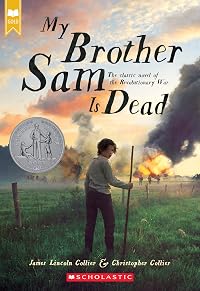
My Brother Sam is Dead
by James Lincoln Collier, Christopher Collier
On This Page
Description
Recounts the tragedy that strikes the Meeker family during the Revolution when one son joins the rebel forces while the rest of the family tries to stay neutral in a Tory town.Tags
Recommendations


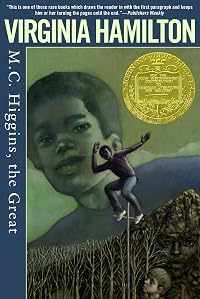
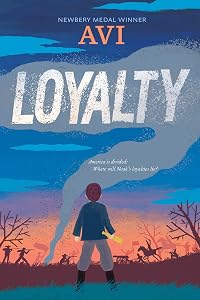
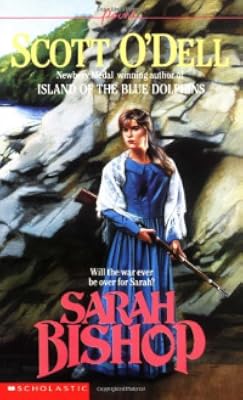
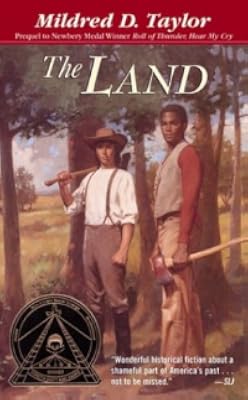
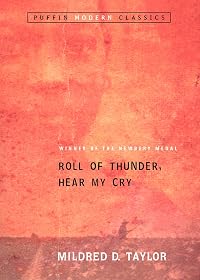
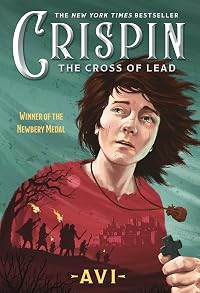
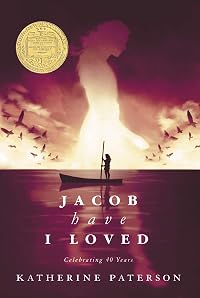
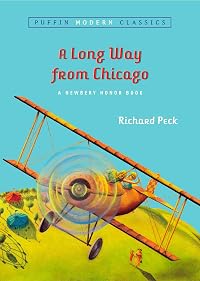
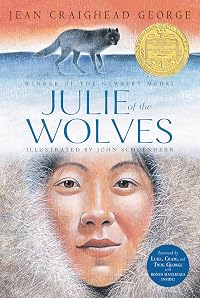
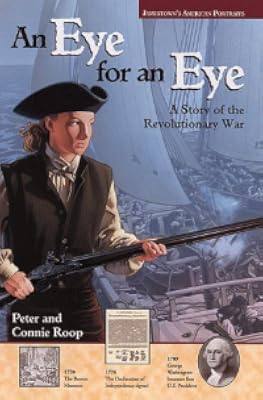
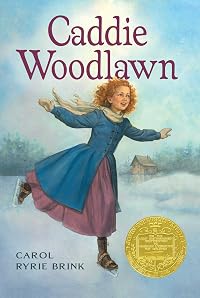
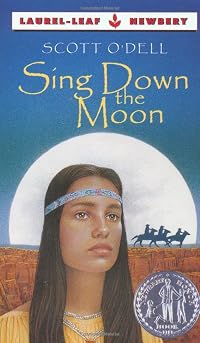

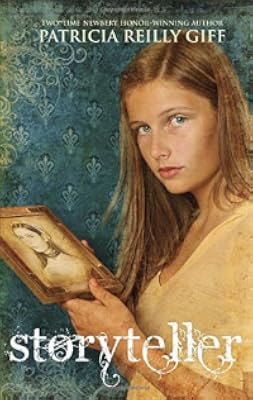
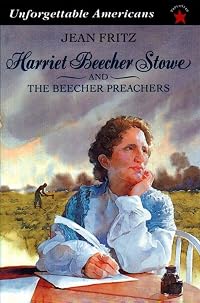
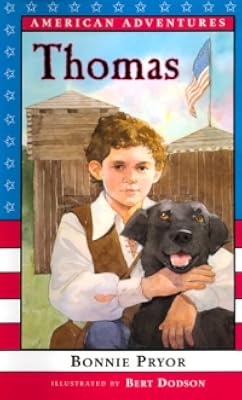
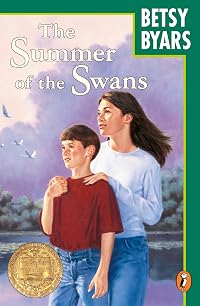
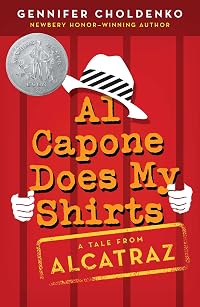
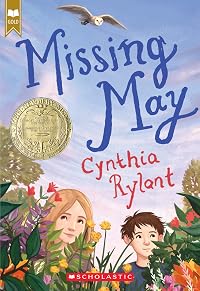
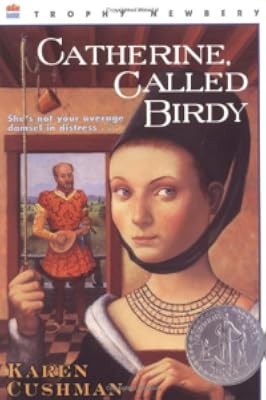
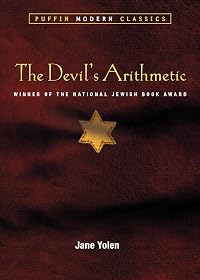
Member Recommendations

Member Reviews
First sentence: It was April, and outside in the dark the rain whipped against the windows of our tavern, making a sound like muffled drums.
Premise/plot: My Brother Sam is Dead is historical fiction for middle grade (and/or upper elementary grades). It is set during the American Revolution. The narrator, Timmy Meeker, spends the duration of the book confused by the complexities of war. He isn't really in favor or support of either side. He wants things to go back to normal. He hates that his brother Sam has been kicked out of the family for his "rebel" views and joining up with the Patriots. He knows his dad leans more towards being a Tory or Royalist. But also at the same time his dad has ALL THE OPINIONS that war is the worst thing on show more the planet.
My thoughts: This was my first time to read My Brother Sam is Dead. When I started it, I thought I would like it more than I did.
I picked up on the anti-war sentiment from the start. That didn't surprise me. I didn't expect war to be glamorized or idolized. I expected the view point to be war is UGLY, war is MESSY, war is TRAUMATIC, war is HORRIBLE. Many if not most books about war--any war--touch upon this ugliness, this trauma, this raw pain, this sorrow.
My Brother Sam Is Dead was written and published towards the end of the Vietnam War. Anti-war sentiment was high. America was also a few years away from celebrating the bicentennial. I don't know if either of these facts had any impact at all on the story these brothers were telling, were sharing. But it doesn't escape my attention that they might have wanted to remind readers that just because the war happened two hundred years ago, doesn't make it any less ugly, horrifying, terrifying, gross, disgusting, revolting, traumatizing. The "cause" they were fighting for did not negate the reality of war being what it fundamentally is.
I guess what surprised me, and probably shouldn't have, is the way Tim loses his father and his brother. Not the fact that both died--or either died. BUT the how. It isn't so much that Sam Meeker dies in the novel. It is the how and why. The father's death was sad and unnecessary, but it was the brother's death that turns the novel about.
I do think that adult readers may read the book differently perhaps. I'm not sure. I do know that this is a book that I never would have picked up as a kid or teen.
As an adult, I was seeing things not so much through Tim's eyes but through the eyes of his parents. show less
Premise/plot: My Brother Sam is Dead is historical fiction for middle grade (and/or upper elementary grades). It is set during the American Revolution. The narrator, Timmy Meeker, spends the duration of the book confused by the complexities of war. He isn't really in favor or support of either side. He wants things to go back to normal. He hates that his brother Sam has been kicked out of the family for his "rebel" views and joining up with the Patriots. He knows his dad leans more towards being a Tory or Royalist. But also at the same time his dad has ALL THE OPINIONS that war is the worst thing on show more the planet.
My thoughts: This was my first time to read My Brother Sam is Dead. When I started it, I thought I would like it more than I did.
I picked up on the anti-war sentiment from the start. That didn't surprise me. I didn't expect war to be glamorized or idolized. I expected the view point to be war is UGLY, war is MESSY, war is TRAUMATIC, war is HORRIBLE. Many if not most books about war--any war--touch upon this ugliness, this trauma, this raw pain, this sorrow.
My Brother Sam Is Dead was written and published towards the end of the Vietnam War. Anti-war sentiment was high. America was also a few years away from celebrating the bicentennial. I don't know if either of these facts had any impact at all on the story these brothers were telling, were sharing. But it doesn't escape my attention that they might have wanted to remind readers that just because the war happened two hundred years ago, doesn't make it any less ugly, horrifying, terrifying, gross, disgusting, revolting, traumatizing. The "cause" they were fighting for did not negate the reality of war being what it fundamentally is.
I guess what surprised me, and probably shouldn't have, is the way Tim loses his father and his brother. Not the fact that both died--or either died. BUT the how. It isn't so much that Sam Meeker dies in the novel. It is the how and why. The father's death was sad and unnecessary, but it was the brother's death that turns the novel about.
I do think that adult readers may read the book differently perhaps. I'm not sure. I do know that this is a book that I never would have picked up as a kid or teen.
As an adult, I was seeing things not so much through Tim's eyes but through the eyes of his parents. show less
My Brother Sam is Dead by James Lincoln Collier and Christopher Collier is the story of Tim Meeker, a 14-year-old boy living in the American colonies during the tumultuous time of the Revolutionary War. At first the war seems distant to Tim, just a topic of conversation in the tavern his family keeps. However, when his older brother Sam enlists in the Continental Army over the fierce objections of their Loyalist father, the war truly comes home for the Meeker family. Written by an acclaimed children’s author and his historian brother, the novel draws on historical facts to paint a picture of everyday life for a Colonial family swept up in the conflict and violence of the Revolution. My Brother Sam is Dead shows that, despite our show more national mythology surrounding the Revolution and the Founding Fathers, not all of the colonists were in favor of the rebellion, and many friends and families were bitterly divided over the subject. In the story, the soldiers Tim encounters do not always behave according to what we may assume; the British soldiers wistfully yearn for home, and the desperate Continental forces steal from the very colonists for whom’s freedom they are fighting. As Tim’s mother remarks, “War turns men into beasts” (140). The epilogue leads readers to consider if there may have been a path to American independence that did not require the loss of so many lives. The book is an unflinching portrayal of the horrors of war, and some readers may be turned off by its descriptions of violence. However, for most readers, I think this is an excellent, fast-moving story that forces us to reflect on our assumptions about American history and the true cost of war. show less
Living in Connecticut when the Revolutionary War breaks out, young Tim Meekers sees first hand what war can do, from tearing his family apart, then his little town, where neighbors betray each other and Tim is unsure which side is worse.
Though this book is forty years old, I'd never heard of it before LT (that should become a distinction here: BLT and ALT). Better than I expected.
Though this book is forty years old, I'd never heard of it before LT (that should become a distinction here: BLT and ALT). Better than I expected.
A terrible, brilliant historical novel about the reality of war on the homefront, how it disrupts and destroys families and how it forces young people to grow up quickly. Tim, the narrator, is 13, the son of a tavern owner in Connecticut, when the American Revolution begins.
"So there were a lot of changes in our lives, but the biggest was the one that was happening inside myself. Ever since I had got the wagon home by myself I hadn't felt like a boy anymore. You don't think that things really happen overnight, but this one did. Of course I was dead tired when I went to bed that night, and Mother let me sleep late in the morning. And when I woke up I was different. I noticed it first at breakfast. Usually I sat there over my porridge show more moaning to myself about the chores I had to do or having to go to school or something, and trying to think of some way to get out of whatever it was. Or when Mother turned her head I'd scoop up a fingerful of molasses from the jar and stir it into my milk. Or I'd eat breakfast slowly so I could stall off going to work.
"But that morning after the terrible trip home, right from the first moment we got finished saying grace, I began planning the things I had to do - which things had to be done first and what was the best way to get them done. It was funny: it didn't even cross my mind to stall or try to get out of the work. I didn't wait for Mother to tell me what to do: I brought the subject up myself. ....
"We discussed it all, and about half way through breakfast I began to realize that I had changed. I wasn't acting my usual self, I was acting more like a grownup. You couldn't say that I was really an adult, but I wasn't a child anymore, that was certain. I thought about showing off in front of [my older brother] Sam when he came home. I'd say things like, 'Well, Sam, we've decided not to put in oats this year, we're going to use the space for corn.' Or, 'We're not keeping the kitchen fire going all the time - I haven't got enough time for woodcutting as it is.' I would be the one who knew about things, not him." pp. 132-133 show less
"So there were a lot of changes in our lives, but the biggest was the one that was happening inside myself. Ever since I had got the wagon home by myself I hadn't felt like a boy anymore. You don't think that things really happen overnight, but this one did. Of course I was dead tired when I went to bed that night, and Mother let me sleep late in the morning. And when I woke up I was different. I noticed it first at breakfast. Usually I sat there over my porridge show more moaning to myself about the chores I had to do or having to go to school or something, and trying to think of some way to get out of whatever it was. Or when Mother turned her head I'd scoop up a fingerful of molasses from the jar and stir it into my milk. Or I'd eat breakfast slowly so I could stall off going to work.
"But that morning after the terrible trip home, right from the first moment we got finished saying grace, I began planning the things I had to do - which things had to be done first and what was the best way to get them done. It was funny: it didn't even cross my mind to stall or try to get out of the work. I didn't wait for Mother to tell me what to do: I brought the subject up myself. ....
"We discussed it all, and about half way through breakfast I began to realize that I had changed. I wasn't acting my usual self, I was acting more like a grownup. You couldn't say that I was really an adult, but I wasn't a child anymore, that was certain. I thought about showing off in front of [my older brother] Sam when he came home. I'd say things like, 'Well, Sam, we've decided not to put in oats this year, we're going to use the space for corn.' Or, 'We're not keeping the kitchen fire going all the time - I haven't got enough time for woodcutting as it is.' I would be the one who knew about things, not him." pp. 132-133 show less
I love historical fiction for its ability to teach history through an interesting story rather than a dry textbook. This book does a great job of depicting the rift that occurred in families as people chose sides in the American Revolution. You had the Loyalists who supported Great Britain and the Patriots who supported independence. The Meeker family is torn by this conflict. Young Tim's dad is a loyalist, but his big brother Sam supports independence from Great Britain. When Sam decides to go fight with the revolutionaries, his dad is crushed.
Unfortunately, as the story unfolds we begin to see a dark side of humanity that goes deeper than fighting a war for a cause. When Tim and his dad go on a long trip to sell their meat, they are show more attacked by cowboys disguised at Patriots trying to prevent food from getting to the British. In reality they are thieves using the war for their personal gain. Further darkness is depicted when Sam returns home for a visit only to find himself accused of stealing his own cattle when he chases down the real thieves. As the title foreshadows, he is executed not by the enemy, but the very side he is fighting for.
Many kids have written negative reviews about this book. In my opinion, they tend to focus on the wrong points to criticize. My recommendation to teachers who assign this book is to be sure to guide the discussion so kids can debate their interpretations. When that happens people tend to change their negative view. show less
Unfortunately, as the story unfolds we begin to see a dark side of humanity that goes deeper than fighting a war for a cause. When Tim and his dad go on a long trip to sell their meat, they are show more attacked by cowboys disguised at Patriots trying to prevent food from getting to the British. In reality they are thieves using the war for their personal gain. Further darkness is depicted when Sam returns home for a visit only to find himself accused of stealing his own cattle when he chases down the real thieves. As the title foreshadows, he is executed not by the enemy, but the very side he is fighting for.
Many kids have written negative reviews about this book. In my opinion, they tend to focus on the wrong points to criticize. My recommendation to teachers who assign this book is to be sure to guide the discussion so kids can debate their interpretations. When that happens people tend to change their negative view. show less
My Brother Sam is Dead offers a surprisingly unbiased look at the American Revolution. Some may hate this one for its brutal honesty regarding the Patriots, unvarnished by the usual idealistic gloss we get in school, but I think it's one of the best out there, especially for this age range, and will make sure my daughter reads it when she is old enough. Why not 5 stars? I would have liked to know Sam a little better, to have liked him and cared about him more.
W...T...F? Gah. I hated the way this ended; it just felt so cheap. We obviously know (from the title) that Sam is going to die, but the way in which the authors chose to kill him just felt so ridiculously wrong (not wrong as in unconscionable, but wrong as in poorly thought-out). Yes, I am aware that people actually died in this way, but it wasn't a common way to die by any means. Yes, I'm aware the populace should be aware that things like that actually happen in war, but I feel like ancillary events should be told through ancillary characters (they should have had a lesser character die this way). It would have been far more appropriate to have him die for desertion, disease, or actual battle wounds. I dunno; the way it turned out, I show more feel as though it would have been no less a worse ending if they simply had him trip and break his neck on a march or something.
On a side note, the epilogue from "Timmy" contained one piece of interesting information I wish more adults and books would address with children; was the Revolutionary War necessary? The vast majority of people you meet never even consider it a possibility; it's just something that had to happen. After studying WWI though (and especially after reading Johnny Got His Gun), I've become thoroughly convinced that the Revolutionary War was unnecessary. Yes, the taxation was bad, but I feel remaining British subjects would have saved us many hardships down the line; no Civil War, slavery would have ended before it got to its worse, relations with Native Americans would have been slightly better, we would have entered WWI and WWII sooner (potentially ending them sooner), and, judging by other British colonies, we probably would have ended up independent anyway (and a bit more liberal than we are at the moment and possibly with universal healthcare!). show less
On a side note, the epilogue from "Timmy" contained one piece of interesting information I wish more adults and books would address with children; was the Revolutionary War necessary? The vast majority of people you meet never even consider it a possibility; it's just something that had to happen. After studying WWI though (and especially after reading Johnny Got His Gun), I've become thoroughly convinced that the Revolutionary War was unnecessary. Yes, the taxation was bad, but I feel remaining British subjects would have saved us many hardships down the line; no Civil War, slavery would have ended before it got to its worse, relations with Native Americans would have been slightly better, we would have entered WWI and WWII sooner (potentially ending them sooner), and, judging by other British colonies, we probably would have ended up independent anyway (and a bit more liberal than we are at the moment and possibly with universal healthcare!). show less
Members
- Recently Added By
Published Reviews
My Brother Sam Is Dead
My Brother Sam Is Dead Is about two brothers named Tim and Sam. Sam left to join the Continental Army because his dad yelled and screamed at him. He got tired of getting yelled at and ran away. His father disliked the army he went to. Their family was making a descent living at the time. Sam came home one day and visited his family for a couple of hours, but his father show more pleased to see him but lectured him about the Army he was at. Sam left and said his goodbyes. A few days after Sam’s leave an old wise man gave Tim a letter to give to Sam’s chief. So Tim was on his way when he meets with Sam’s girlfriend she got very curious and asked Tim to open it, but Tim kept his promise he gave to the old wise man. She tackled Tim and took the letter and opened it and found out it was his plan all that time. Well wants Tim came home from his long journey his dad told everyone that he was going to round up the Cattle and take them down to an old selling place to sell them to the British. Tim wanted to go with his dad but said no. After a few days of begging his dad he finally let in. They rode their horses down to the selling place. While they were riding they met with some mean cowboys that threatened to shoot Tim’s dad. They told Tim to go wait in a field. They let Tim’s father pass and they carried on. They stayed at one of Tim’s dad’s closest friend that he used to hang out with. On the journey back they met with the cowboys again but this time they took Tim’s dad and put him on a prison boat. Tim had to ride the trip back. Once he told his mother she was devastated at what happened. A few days later they found out that the Father died from poisonous gas most of all prisoners died. A week or so Sam came back home and was disgusted at what the cowboys did to his father. His Army stayed in groups one in a church and others in people’s houses. Sam and Tim met in the church and broke down and cried. Later on Sam came to visit his parents. They heard a weird noise and I came from the barn. They sprinted out to the barn and noticed that one of the cows were dead and all the meat was gone from it. Well Sam got accused for taking the cow and was put in prisons and was to get hung. Tim ran down to the county police department and told them the story but they wouldn’t take his word because he was only a 12 year old boy. So the mother marched down and told them but yet again they didn’t believe her. After that Tim tried to save his brother but was shot multiple times. But Tim believes that his brother was a brave solider and died for something that he didn’t do. show less
My Brother Sam Is Dead Is about two brothers named Tim and Sam. Sam left to join the Continental Army because his dad yelled and screamed at him. He got tired of getting yelled at and ran away. His father disliked the army he went to. Their family was making a descent living at the time. Sam came home one day and visited his family for a couple of hours, but his father show more pleased to see him but lectured him about the Army he was at. Sam left and said his goodbyes. A few days after Sam’s leave an old wise man gave Tim a letter to give to Sam’s chief. So Tim was on his way when he meets with Sam’s girlfriend she got very curious and asked Tim to open it, but Tim kept his promise he gave to the old wise man. She tackled Tim and took the letter and opened it and found out it was his plan all that time. Well wants Tim came home from his long journey his dad told everyone that he was going to round up the Cattle and take them down to an old selling place to sell them to the British. Tim wanted to go with his dad but said no. After a few days of begging his dad he finally let in. They rode their horses down to the selling place. While they were riding they met with some mean cowboys that threatened to shoot Tim’s dad. They told Tim to go wait in a field. They let Tim’s father pass and they carried on. They stayed at one of Tim’s dad’s closest friend that he used to hang out with. On the journey back they met with the cowboys again but this time they took Tim’s dad and put him on a prison boat. Tim had to ride the trip back. Once he told his mother she was devastated at what happened. A few days later they found out that the Father died from poisonous gas most of all prisoners died. A week or so Sam came back home and was disgusted at what the cowboys did to his father. His Army stayed in groups one in a church and others in people’s houses. Sam and Tim met in the church and broke down and cried. Later on Sam came to visit his parents. They heard a weird noise and I came from the barn. They sprinted out to the barn and noticed that one of the cows were dead and all the meat was gone from it. Well Sam got accused for taking the cow and was put in prisons and was to get hung. Tim ran down to the county police department and told them the story but they wouldn’t take his word because he was only a 12 year old boy. So the mother marched down and told them but yet again they didn’t believe her. After that Tim tried to save his brother but was shot multiple times. But Tim believes that his brother was a brave solider and died for something that he didn’t do. show less
added by Dawson.dbes1541
Lists

Best Newbery Honor Books
257 works; 30 members

Banned Books Week 2014
268 works; 63 members

Newbery Honor Books By Year - I - 1922-1980
199 works; 3 members

Children's Literature, Briefly Historical Fiction Reading List
44 works; 4 members
Historical Fiction
889 works; 91 members

Fiction Set During a Revolution
55 works; 24 members

Main Character is aged 10-19
363 works; 6 members

Books Read in 2023
5,638 works; 147 members

Little Library finds
87 works; 2 members

B-B to Get
131 works; 1 member
Author Information

100+ Works 8,754 Members
James Lincoln Collier was born in 1928. He graduated from Hamilton College in 1950 and served in the infantry during the Korean War. After college, Collier worked first for six years as a magazine editor, writing in his spare time. In 1958, he quit to work free-lance, and has since then published over six hundred magazine articles for periodicals show more such as, Playboy, Esquire, the New York Times Magazine and the Village Voice. Collier has also published a half dozen books for adults, the most recent being The Making of Jazz, which was nominated for an American Book Award, was named to the London Observer's Books of the Year List for 1979, and has been published in English, French, German, and Russian editions. Collier also published twenty-three children's books, five in collaboration with his brother, Christopher Collier. These have been published in seven languages, and have won the Child Study Association Book Award, a Newbery Honor Medal, a Jane Addams Peace Prize, and a National Book Award nomination. Many of them have appeared on the ALA Notable Book List, and others on the New York Public Library's recommended book list. Collier is also a professional trombonist, and writes fiction and nonfiction on the subject of music. His book, Rock Star, won an award from the Child Study Children's Book Committee at Bank Street College. My Brother Sam Is Dead was a Newbery Honor Book in 1975 and was designated a Notable Book by the American Library Association as well as being nominated for a National Book Award in 1975. Jump Ship to Freedom was named a Notable Trade Book in the Field of Social Studies in 1981 by a joint committee of the National Council for the Social Studies and the Children's Book Council. War Comes to Willy Freeman is a companion book to the novel. (Bowker Author Biography) show less

34+ Works 6,088 Members
Christopher Collins is a writer of historical novels for children. Collier has taught at both the University of Bridgeport and the University of Connecticut. He has also served as Connecticut's State Historian. The violence and profanity in Collier's works is very controversial, rendering them banned from reading curriculums in certain schools. show more Despite the controversy, Collier's book My Brother Sam is Dead won a Newberry Honor in 1975. He has also written War Comes to Willie Freeman, and The Literature of Connecticut History and Roger Sherman's Connecticut for adults. (Bowker Author Biography) show less
Some Editions
Awards and Honors
Awards
Notable Lists
Work Relationships
Has as a student's study guide
Has as a teacher's guide
Common Knowledge
- Canonical title
- My Brother Sam is Dead
- Original publication date
- 1974
- People/Characters
- Tim Meeker; Sam Meeker; Eliphalet Meeker; Susanah Meeker; Betsy Read
- Important places
- USA; Connecticut, USA; New York, USA; Redding, Connecticut, USA; Verplanks Point, New York, USA
- Important events
- American Revolution (1775 | 1783)
- Dedication
- For Sally and Ned, who live there
- First words
- It was April, and outside in the dark the rain whipped against the windows of our tavern, making a sound like muffled drums.
- Last words
- (Click to show. Warning: May contain spoilers.)But somehow, even fifty years later, I keep thinking that there might have been another way, beside war, to achieve the same end.
Classifications
- Genres
- Fiction and Literature, Children's Books
- DDC/MDS
- 813.54 — Literature & rhetoric American literature in English American fiction in English 1900-1999 1945-1999
- LCC
- PZ7 .C678 .M — Language and Literature Fiction and juvenile belles lettres Fiction and juvenile belles lettres Juvenile belles lettres
- BISAC
Statistics
- Members
- 4,590
- Popularity
- 3,172
- Reviews
- 93
- Rating
- (3.54)
- Languages
- English
- Media
- Paper, Audiobook, Ebook
- ISBNs
- 34
- UPCs
- 1
- ASINs
- 30