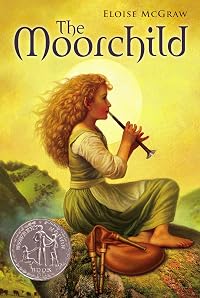
The Moorchild
by Eloise McGraw
On This Page
Description
Feeling that she is neither fully human nor "Folk," a changeling learns her true identity and attempts to find the human child whose place she had been given.Tags
Recommendations
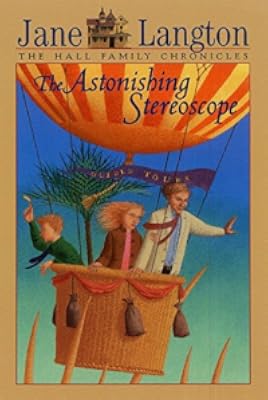

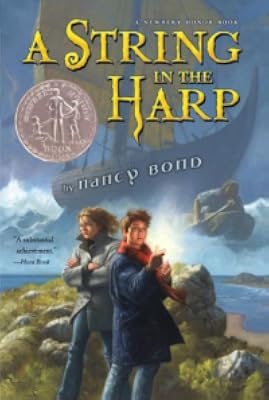
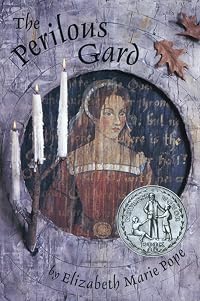
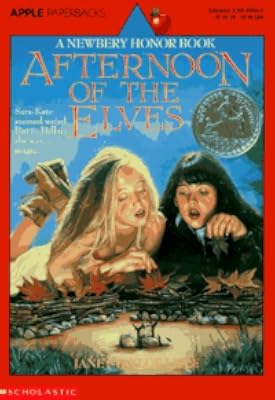

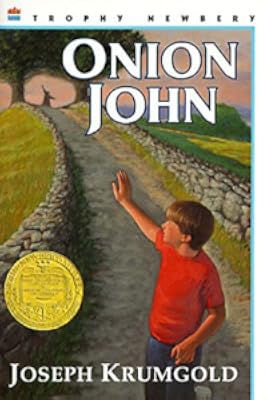
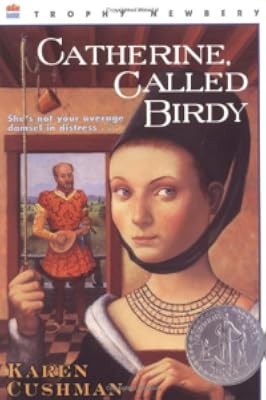
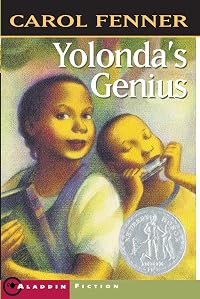
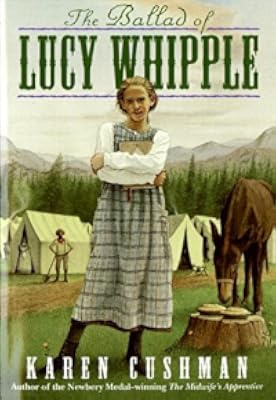
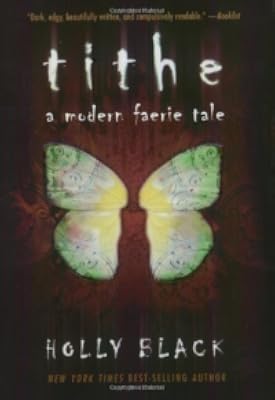
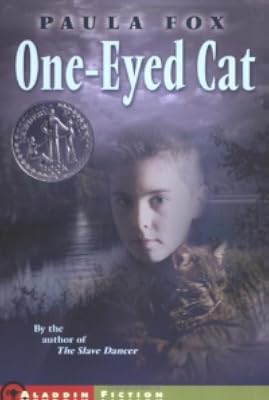
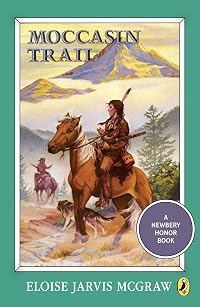
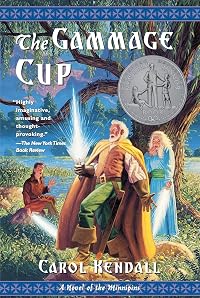
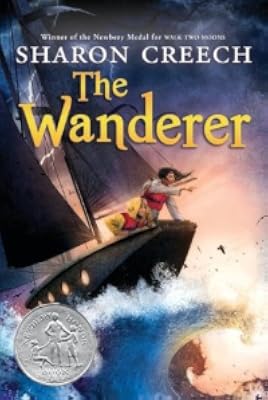
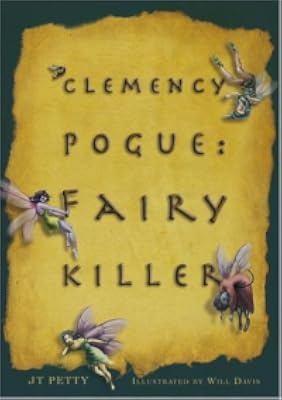

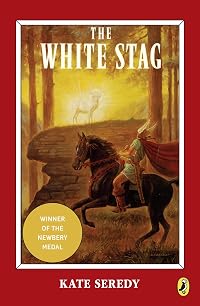
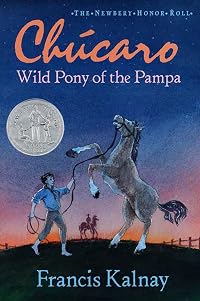
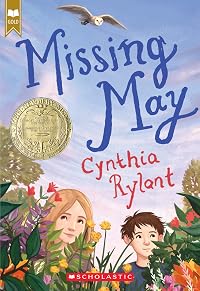
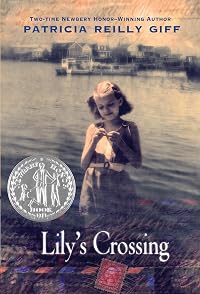

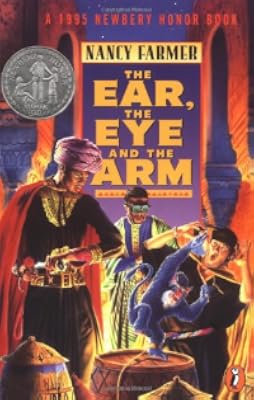

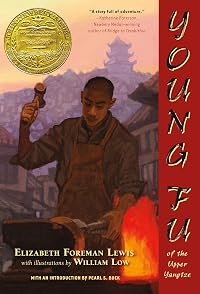
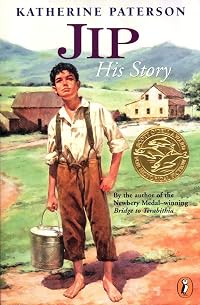
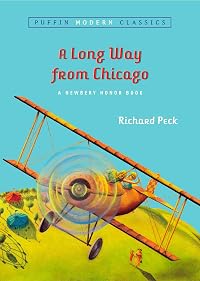
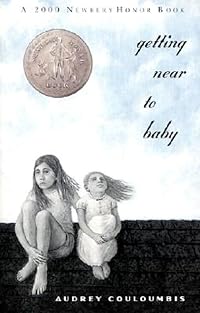
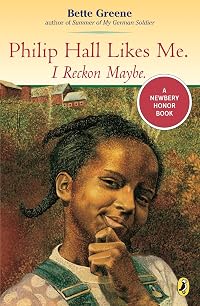
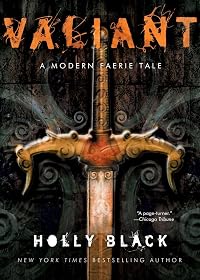
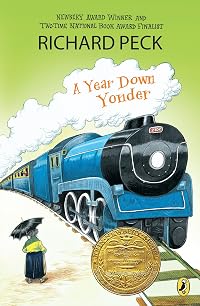

Member Recommendations
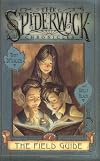

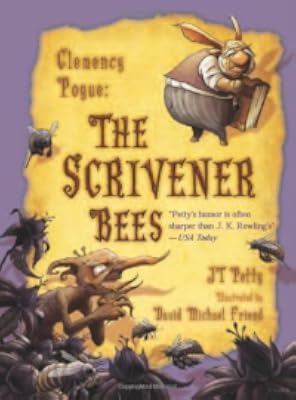
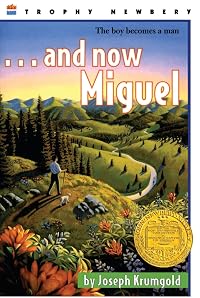
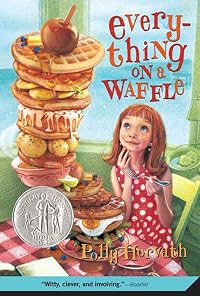
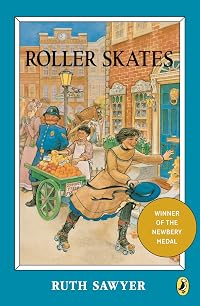
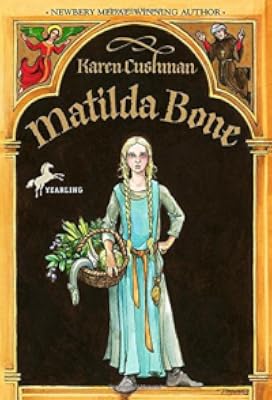
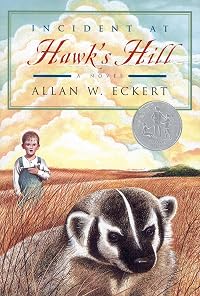
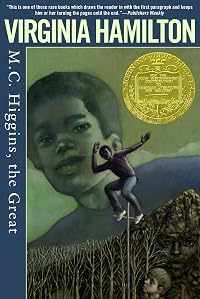
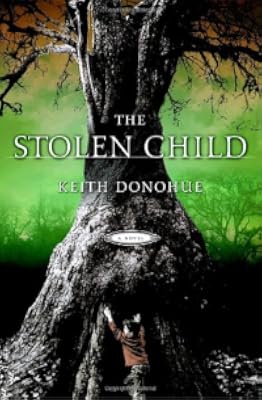
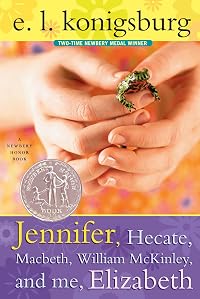
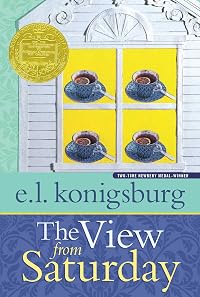
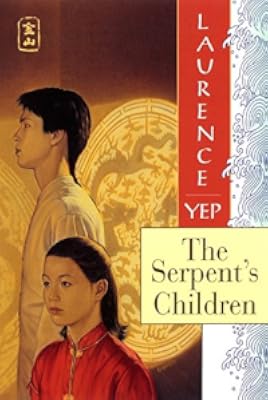
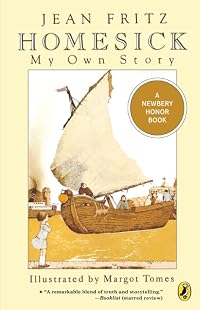
HollyMS Both books take a look at the concept of changelings, but in very different ways.
Member Reviews
A very solid story that reminds me more of the mid-grade historical fiction I was reading in the '90s than a fantasy novel, although there is certainly a distinct fantasy element. McGraw spends a lot of energy involving us in the parochial world of a medieval Scottish village - at turns both wondrous to a child and stifling - and it becomes one of those wonderful books you just enjoy wandering around in with the protagonist. Happily, it also resists the overly simplistic ending you might expect, and along the way there's enough half-glimpsed elements of the Folk's fairy world to keep a young imagination going. A quiet book, but very much recommended.
Half moorfolk and half human, and unable to shape-shift or disappear at will, Moql threatens the safety of the Band. So the Folk banish her and send her to live among humans as a changeling. Named Saaski by the couple for whose real baby she was swapped, she grows up taunted and feared by the villagers for being different, and is comfortable only on the moor, playing strange music on her bagpipes.
As Saaski grows up, memories from her forgotten past with the Folks slowly emerge. But so do emotions from her human side, and she begins to realize the terrible wrong the Folk have done to the humans she calls Da and Mumma. She is determined to restore their child to them, even if it means a dangerous return to the world that has already show more rejected her once. show less
As Saaski grows up, memories from her forgotten past with the Folks slowly emerge. But so do emotions from her human side, and she begins to realize the terrible wrong the Folk have done to the humans she calls Da and Mumma. She is determined to restore their child to them, even if it means a dangerous return to the world that has already show more rejected her once. show less
This book made me so mad, but in a good way. I always struggle with unreasoning hatred like that evinced by the villagers and I just wanted to throw things at them (probably not a helpful response in the long run, huh?). Moql's situation works as a metaphor for any child who is an outsider, but works particularly well for those straddling multiple cultures. Also, this is a great fantasy as well with lots of details to flesh out the world McGraw has created - it might even appeal to fans of historical fiction with its medieval setting.
Listened to Recorded Books CD edition narrated by Virginia Leishman. The colloquial language really came alive when being read aloud.
Listened to Recorded Books CD edition narrated by Virginia Leishman. The colloquial language really came alive when being read aloud.
Half moorfolk and half human, and unable to shape-shift or disappear at will, Moql threatens the safety of the Band. So the Folk banish her and send her to live among humans as a changeling. Named Saaski by the couple for whose real baby she was swapped, she grows up taunted and feared by the villagers for being different, and is comfortable only on the moor, playing strange music on her bagpipes.
As Saaski grows up, memories from her forgotten past with the Folks slowly emerge. But so do emotions from her human side, and she begins to realize the terrible wrong the Folk have done to the humans she calls Da and Mumma. She is determined to restore their child to them, even if it means a dangerous return to the world that has already show more rejected her once. show less
As Saaski grows up, memories from her forgotten past with the Folks slowly emerge. But so do emotions from her human side, and she begins to realize the terrible wrong the Folk have done to the humans she calls Da and Mumma. She is determined to restore their child to them, even if it means a dangerous return to the world that has already show more rejected her once. show less
If you're well-versed with fairly folklore and the idea of changelings - where fae will switch a human baby with one of their own - you should enjoy this book. In the story, the fae are very much real, though usually not seen by humans, and this leads to some interesting situations.
What would happen if a mortal man fell in love with a fae/elf (in this story, called moorfolk) woman? This story deals with the consequences that happen to an offspring of such an union. At first, she is happy among the Fairy Folk, and does not know of her paternity because the fairy children are raised communally and thus do not know their real parents, but after an incident in which Moql's human side is inadvertently revealed, the poor kid through no fault show more of her own is kicked out of the community and has to deal with human parents after their baby has been stolen and swapped with her.
One cannot help but feel bad for Moql (Saaski) because after being cast out by the Folk, she is ostracized by many of the humans in the village because she is 'different' even though she is half human. You can't help but feel bad for poor Saaski as she tries to figure out who she is (after having lost her memories of her magical heritage) and dealing with the feelings of not belonging in her village. A few people are kind to her, but as anyone knows, the kindness of a few people just can't cancel out being teased and ostracized for something that is not even her fault. Poor kid.
This is a great novel that was written for kids, but it's also a good (if a bit quick) read for adults. show less
What would happen if a mortal man fell in love with a fae/elf (in this story, called moorfolk) woman? This story deals with the consequences that happen to an offspring of such an union. At first, she is happy among the Fairy Folk, and does not know of her paternity because the fairy children are raised communally and thus do not know their real parents, but after an incident in which Moql's human side is inadvertently revealed, the poor kid through no fault show more of her own is kicked out of the community and has to deal with human parents after their baby has been stolen and swapped with her.
One cannot help but feel bad for Moql (Saaski) because after being cast out by the Folk, she is ostracized by many of the humans in the village because she is 'different' even though she is half human. You can't help but feel bad for poor Saaski as she tries to figure out who she is (after having lost her memories of her magical heritage) and dealing with the feelings of not belonging in her village. A few people are kind to her, but as anyone knows, the kindness of a few people just can't cancel out being teased and ostracized for something that is not even her fault. Poor kid.
This is a great novel that was written for kids, but it's also a good (if a bit quick) read for adults. show less
This is a strange and satisfying book. It never went where I thought it would go, but it always went where it needed to go. The main character, Sasski, learns that she is half-human and half-elf. She belongs to neither world. She is an outcast. A freak. And somehow Eloise McGraw draws her in a way that is sweet and heroic and wonderful. The story is complicated and satisfying and I highly recommend it.
Lovely description and immersion into medieval Scotland. I was fascinated by the way McGraw gradually revealed the attributes and customs of the Folk of the moors. Most of all, I loved coming to an understanding of the most basic difference between the Folk and the humans--ability to feel lasting emotional attachment, hate, and love. For a while I wondered whether the story might have gone better if the readers weren't let in on Saaski's secret from the very beginning; the mystery could have been enhanced. But that would have left less time to learn about the Folk, which is very interesting.
Members
- Recently Added By
Lists

Best Newbery Honor Books
257 works; 32 members

Books Read in 2023
5,547 works; 145 members

Switched at birth -- children's/young adult fiction
10 works; 2 members

Satori Smiles Children's Book List
262 works; 7 members

Newbery Honor Books By year - II - 1981-2035
143 works; 4 members

2025 Christmas Gifts
70 works; 19 members
Author Information

25+ Works 11,798 Members
Some Editions
Awards and Honors
Awards
Distinctions
Common Knowledge
- Canonical title
- The Moorchild
- Original publication date
- 1996
- People/Characters
- Saaski (Moql); Yanno; Anwara; Tam; Old Bess; Leoran
- Important places
- Torskaal; The Moor
- Epigraph
- Changeling: an ugly, stupid or strange child superstitiously believed to have been left by fairies in place of a pretty, charming child.
-Random House Dictionary, Unabridged Ed.
The fairies' normal method was to steal an unchristened child, who had not been given the proper protection, out of the cradle and to leave a substitute in its place. . . .The true changelings are those fairy creatures who re... (show all)place the stolen babies.
-An Encyclepedia of Fairies by Katherine Briggs - Dedication
- To all children who have ever felt different.
- First words
- It was Old Bess, the Wise Woman of the village, who first suspected that the baby at her daughter's house was a changeling.
- Last words
- (Click to show. Warning: May contain spoilers.)But she was never sure about that.
- Publisher's editor
- McElderry, Margaret K.
Classifications
- Genres
- Fiction and Literature, Kids, Fantasy
- DDC/MDS
- 823.914 — Literature & rhetoric English & Old English literatures English fiction 1900- 1901-1999 1945-1999
- LCC
- PZ7 .M47853 .M — Language and Literature Fiction and juvenile belles lettres Fiction and juvenile belles lettres Juvenile belles lettres
- BISAC
Statistics
- Members
- 1,804
- Popularity
- 12,107
- Reviews
- 33
- Rating
- (3.90)
- Languages
- Chinese, English, German
- Media
- Paper, Audiobook, Ebook
- ISBNs
- 27
- ASINs
- 7