On This Page
Description
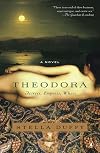
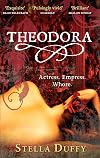
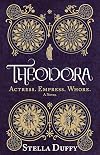
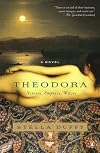
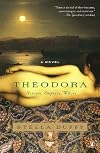
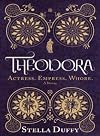
"A bravura performance: a witty, moving, sexy book that bursts with as much color and excitement as the city of Constantinople itself." -Financial Times Roman historian Procopius publicly praised Theodora of Constantinople for her piety-while secretly detailing her salacious stage act and maligning her as ruthless and power hungry. So who was this woman who rose from humble beginnings as a dancer to become the empress of Rome and a saint in the Orthodox Church? Award-winning novelist Stella show more Duffy vividly recreates the life and times of a woman who left her mark on one of the ancient world's most powerful empires. Theodora: Actress, Empress, Whore is a sexy, captivating novel that resurrects an extraordinary, little-known figure from the dusty pages of history.. show less
Tags
Recommendations







Member Recommendations

Member Reviews
Theodora had to earn a living on the stage since she was five, after her father was killed by his own bear. In her teens she also becomes a prostitute. Yet she ended up as Empress. Not surprisingly, she remains one of the more controversial and colourful figures of the Roman Empire.
In Theodora: Empress, Actress, Whore, Stella Duffy takes some of what is known about Theodora of 6th century Constantinople and turns it into a lively, rollicking historical novel. Theodora is an intelligent young woman who learns and takes on several different roles successfully. This is Duffy’s 12th novel but her first foray into historical fiction.
The story is told as a third person narrative, but it is often so vivid I think I must have been reading show more Theodora herself telling me it in the first person. Duffy also uses a lot of dialogue, often shown in quotation marks but without using “she said” or “he said” – this technique of writing bits like scenes from a play seems very appropriate for a story about a performer and actress and gives the story more immediacy. At the same time, using the third person, Duffy can report her heroine’s feelings and emotions in a way which would seem unrealistic in the first person. The dialogue includes quite a lot of swear words – they are not there to shock, but seem appropriate to the way in which the writer imagines her characters speaking and to the discussions they are having.
I was shocked by some scenes, particularly at the beginning where 11 year old Theodora is being brutally trained for theatre work – her teacher sounds like a thug and a bully yet she loves him (not in a sexual way) and continues to remember him with affection.
The author's forthright opinions on women's rights, sexuality and everything else are apparent here. I really enjoyed this, although others may object to the imagining of this real historical woman as a feminist icon. Various scenes show how the system is set up to oppress women and how Theodora resists this.
Despite the novel’s provocative title, Theodora's days as a performer and sex worker are mostly over at the start of the story in this book, and it is not another prostitute’s memoir turned into a novel and given a historical setting for flavour. There are quite a few sex scenes - sometimes the sex is recreational or romantic, sometimes it is for other purposes.
Between her life as a child actress and prostitute (or courtesan) and becoming Empress, Theodora travelled to Africa as the mistress of a man who had been sent there as governor. After this relationship ends messily, she had a series of adventures including religious conversion and a friendship/relationship with another woman before returning to Constantinople. I particularly enjoyed the part of the story involving a woman called Macedonia. The religious part of the story is interesting and important, as it was part of what happened next, but I am not sure I fully understood it. There is more to come before the end of the novel as there is the extraordinary story of how a woman from a lowly social class and of a questionable background became Empress.
I found the story of Stella Duffy’s Theodora compelling and entertaining and I would love to spend more time with her if there is a sequel. show less
In Theodora: Empress, Actress, Whore, Stella Duffy takes some of what is known about Theodora of 6th century Constantinople and turns it into a lively, rollicking historical novel. Theodora is an intelligent young woman who learns and takes on several different roles successfully. This is Duffy’s 12th novel but her first foray into historical fiction.
The story is told as a third person narrative, but it is often so vivid I think I must have been reading show more Theodora herself telling me it in the first person. Duffy also uses a lot of dialogue, often shown in quotation marks but without using “she said” or “he said” – this technique of writing bits like scenes from a play seems very appropriate for a story about a performer and actress and gives the story more immediacy. At the same time, using the third person, Duffy can report her heroine’s feelings and emotions in a way which would seem unrealistic in the first person. The dialogue includes quite a lot of swear words – they are not there to shock, but seem appropriate to the way in which the writer imagines her characters speaking and to the discussions they are having.
I was shocked by some scenes, particularly at the beginning where 11 year old Theodora is being brutally trained for theatre work – her teacher sounds like a thug and a bully yet she loves him (not in a sexual way) and continues to remember him with affection.
The author's forthright opinions on women's rights, sexuality and everything else are apparent here. I really enjoyed this, although others may object to the imagining of this real historical woman as a feminist icon. Various scenes show how the system is set up to oppress women and how Theodora resists this.
Despite the novel’s provocative title, Theodora's days as a performer and sex worker are mostly over at the start of the story in this book, and it is not another prostitute’s memoir turned into a novel and given a historical setting for flavour. There are quite a few sex scenes - sometimes the sex is recreational or romantic, sometimes it is for other purposes.
Between her life as a child actress and prostitute (or courtesan) and becoming Empress, Theodora travelled to Africa as the mistress of a man who had been sent there as governor. After this relationship ends messily, she had a series of adventures including religious conversion and a friendship/relationship with another woman before returning to Constantinople. I particularly enjoyed the part of the story involving a woman called Macedonia. The religious part of the story is interesting and important, as it was part of what happened next, but I am not sure I fully understood it. There is more to come before the end of the novel as there is the extraordinary story of how a woman from a lowly social class and of a questionable background became Empress.
I found the story of Stella Duffy’s Theodora compelling and entertaining and I would love to spend more time with her if there is a sequel. show less
In choosing Theodora of Byzantium for her subject, Stella Duffy picked a definite case of truth trumping fiction. Duffy fills her novel with richly depictive discourse, transporting the reader into a world of political intrigue and religious turmoil, a world where the worth and potential of an individual was most often pre-determined by birth.
Born into poverty in a time (mid sixth century) and place (Byzantium) in which women had very few options, Theodora, daughter of a deceased bear trainer, followed a path considered fortunate for one in her situation. She gained renown on stage as an actress, which sounds innocuous enough to our modern sentiments, but in her day actresses, along with singers and dancers, became prostitutes to their show more audiences after their onstage work was concluded. Ms. Duffy uses this early portion of the novel to display for us the strength of Theodora’s resolve to rise above her current status, the culture and chaos of Constantinople, and the squalor from which our heroine succeeds in rising. To understand why Theodora is such an anomaly, and thus why she is to be so greatly admired, one must understand the situation from whence she came.
Disclosing too much of the plot would, I feel, rob readers of some of the narrative pull with which the amazing sequence of events of Theodora’s life endows this novel. Once immersed in her tale, it is a difficult book to put down. The story concludes with Theodora’s marriage to the emperor Justinian I and her coronation as empress of Byzantium. Initially I was very annoyed by the ending. In order to fully appreciate the transformative nature of this woman and understand the complete measure of her intelligence you must explore her role as Justinian’s consort. I am happy to report that Stella Duffy announces on the book’s Penguin page that she is working on a sequel, to be titled The Purple Shroud.
There is one single element that kept this from being a five star book for me. The book made liberal use of the “F word”. It made me approach the first sex scene with some trepidation, as it seemed to indicate that Ms. Duffy’s writing in that area might be a bit raunchy for my taste. That ended up being not at all the case. Which left me wondering: who is the intended audience for this book? It lacks the explicit sex which the more profane reader might expect, and its copious research would lead one to believe it is aimed at serious readers of historical fiction, who generally, in my experience, appreciate better verb selection. Yes, some might argue that the word is used to show a certain degeneracy of Theodora’s character. I feel it degraded Stella Duffy’s literary gifts. Through wonderful, descriptive prose Ms. Duffy makes clear to the reader the gritty nature of Theodora and her unfortunate origins. If an author does such an admirable job of “showing”, why stoop to the baseness of not only “telling” but doing so with the crassest of four letter words?
Overall, I enjoyed this look at one of history’s oft ignored women of substance. If the one element mentioned above is not one to put you off, I think that lovers of historical fiction, as well as those who enjoy tales of personal transformation and triumph will find this a satisfying read. show less
Born into poverty in a time (mid sixth century) and place (Byzantium) in which women had very few options, Theodora, daughter of a deceased bear trainer, followed a path considered fortunate for one in her situation. She gained renown on stage as an actress, which sounds innocuous enough to our modern sentiments, but in her day actresses, along with singers and dancers, became prostitutes to their show more audiences after their onstage work was concluded. Ms. Duffy uses this early portion of the novel to display for us the strength of Theodora’s resolve to rise above her current status, the culture and chaos of Constantinople, and the squalor from which our heroine succeeds in rising. To understand why Theodora is such an anomaly, and thus why she is to be so greatly admired, one must understand the situation from whence she came.
Disclosing too much of the plot would, I feel, rob readers of some of the narrative pull with which the amazing sequence of events of Theodora’s life endows this novel. Once immersed in her tale, it is a difficult book to put down. The story concludes with Theodora’s marriage to the emperor Justinian I and her coronation as empress of Byzantium. Initially I was very annoyed by the ending. In order to fully appreciate the transformative nature of this woman and understand the complete measure of her intelligence you must explore her role as Justinian’s consort. I am happy to report that Stella Duffy announces on the book’s Penguin page that she is working on a sequel, to be titled The Purple Shroud.
There is one single element that kept this from being a five star book for me. The book made liberal use of the “F word”. It made me approach the first sex scene with some trepidation, as it seemed to indicate that Ms. Duffy’s writing in that area might be a bit raunchy for my taste. That ended up being not at all the case. Which left me wondering: who is the intended audience for this book? It lacks the explicit sex which the more profane reader might expect, and its copious research would lead one to believe it is aimed at serious readers of historical fiction, who generally, in my experience, appreciate better verb selection. Yes, some might argue that the word is used to show a certain degeneracy of Theodora’s character. I feel it degraded Stella Duffy’s literary gifts. Through wonderful, descriptive prose Ms. Duffy makes clear to the reader the gritty nature of Theodora and her unfortunate origins. If an author does such an admirable job of “showing”, why stoop to the baseness of not only “telling” but doing so with the crassest of four letter words?
Overall, I enjoyed this look at one of history’s oft ignored women of substance. If the one element mentioned above is not one to put you off, I think that lovers of historical fiction, as well as those who enjoy tales of personal transformation and triumph will find this a satisfying read. show less
"Theodora of the Hippodrome, of the brothel, could never have achieved so much if she had not been practical as well as wild." So writes novelist Stella Duffy of Theodora, the daughter of a bear-keeper in sixth-century Constantinople, who rose to become Empress of Byzantium, alongside one of that empire's strongest rulers, Justinian.
Duffy tells the story of how she achieved this improbable feat, born into a world which offered her little choice beyond taking to the stage of the Hippodrome as an acrobat and comedienne renowned, so history tells it, for lewd performances. Offstage, like all actresses of the period, she earned money as a prostitute -- and the most she could hope for was to find someone who would take her on as a mistress show more for the short term. Then, after her hopes in that direction collapse, she discovers a new direction for herself, both personally and as a public figure.
The Constantinople that Duffy portrays so vividly in this fascinating novel is a world in which ordinary working men and women are prepared to literally come to blows over the pressing theological issues of the day, particularly the precise nature of Christ's divinity. That territory has proven to be a minefield for other authors, notably Anne Perry, whose The Sheen on the Silk: A Novel was deeply disappointing. Duffy succeeds triumphantly where Perry failed, painting a portrait in words of a woman whose face has come down to us through time in the form of the famous mosaics in Ravenna, Italy. Her Theodora is a pragmatist; hard-headed, ribald and too outspoken for her own good, her challenge to develop judgment, compassion and heart. And the world she inhabits is conjured up for us from the physical setting to its scents and sounds; its mores and the ribald dramas its masses prefer; the role of eunuchs and the importance of the various religious schisms -- Monophysite, Arian, etc. None of that ever feels overwhelming in Duffy's hands.
Best of all, Duffy doesn't make the mistake of romanticizing Theodora's story. For years, Theodora knows pain and pleasure, but romantic love was largely absent in any modern sense in her era, and Duffy doesn't fall into the trap of trying to impose a 21st century ethos on her 6th century characters. True, the language is crisp and modern -- no "thees" and "thous" -- but the attitudes are very much of the time. That can make it harder to identify with Theodora as a person, perhaps, but not to enjoy or appreciate the book itself, which I simply couldn't put down.
This novel is a boon for historical fiction fans, especially those in search of a respite from the endless stream of books set in northern Europe from the 14th to the 17th centuries. Duffy has made her name in the UK with some of her contemporary novels short-listed for the Orange Prize; I'll be hunting for some of those as well as hoping that she pens a sequel to this excellent book, which ends as Justinian and Theodora become rulers of the empire.
Full disclosure: I received an advance copy of the book via NetGalley.com. I expect that when it becomes available for purchase in the US that I'll be adding it to my permanent library. show less
Duffy tells the story of how she achieved this improbable feat, born into a world which offered her little choice beyond taking to the stage of the Hippodrome as an acrobat and comedienne renowned, so history tells it, for lewd performances. Offstage, like all actresses of the period, she earned money as a prostitute -- and the most she could hope for was to find someone who would take her on as a mistress show more for the short term. Then, after her hopes in that direction collapse, she discovers a new direction for herself, both personally and as a public figure.
The Constantinople that Duffy portrays so vividly in this fascinating novel is a world in which ordinary working men and women are prepared to literally come to blows over the pressing theological issues of the day, particularly the precise nature of Christ's divinity. That territory has proven to be a minefield for other authors, notably Anne Perry, whose The Sheen on the Silk: A Novel was deeply disappointing. Duffy succeeds triumphantly where Perry failed, painting a portrait in words of a woman whose face has come down to us through time in the form of the famous mosaics in Ravenna, Italy. Her Theodora is a pragmatist; hard-headed, ribald and too outspoken for her own good, her challenge to develop judgment, compassion and heart. And the world she inhabits is conjured up for us from the physical setting to its scents and sounds; its mores and the ribald dramas its masses prefer; the role of eunuchs and the importance of the various religious schisms -- Monophysite, Arian, etc. None of that ever feels overwhelming in Duffy's hands.
Best of all, Duffy doesn't make the mistake of romanticizing Theodora's story. For years, Theodora knows pain and pleasure, but romantic love was largely absent in any modern sense in her era, and Duffy doesn't fall into the trap of trying to impose a 21st century ethos on her 6th century characters. True, the language is crisp and modern -- no "thees" and "thous" -- but the attitudes are very much of the time. That can make it harder to identify with Theodora as a person, perhaps, but not to enjoy or appreciate the book itself, which I simply couldn't put down.
This novel is a boon for historical fiction fans, especially those in search of a respite from the endless stream of books set in northern Europe from the 14th to the 17th centuries. Duffy has made her name in the UK with some of her contemporary novels short-listed for the Orange Prize; I'll be hunting for some of those as well as hoping that she pens a sequel to this excellent book, which ends as Justinian and Theodora become rulers of the empire.
Full disclosure: I received an advance copy of the book via NetGalley.com. I expect that when it becomes available for purchase in the US that I'll be adding it to my permanent library. show less
Theodora: Actress, Empress, Whore is the fictional biography of Theodora of Constantinople by Stella Duffy. Theodora was a lowborn woman with a disreputable past who later became Empress of Rome and a Saint in the Orthodox Church.
Theodora was the daughter of a bear trainer and a common woman. After the death of her father, at a very young age Theodora is forced to earn her living as an actress next to her two sisters. During those times actresses were also prostitutes who entertained an audience in from and back of the auditorium’s curtain at the Hippodrome. Theodora was not an accomplished singer or dancer but she had an special gift in comedy. It didn’t take long for Theodora to become the most famous and sought actress at the show more time. Theodora thought she was content with her life until the day she meets the new appointed governor of Pentapolis (Northern Africa), Hecebolus and falls in love with him. Following a short relationship Theodora decides to leave the theater and Constantinople behind and moves with Hecebolus to Pentapolis. After just couple of months in Africa Theodora realizes Hecebolus was not the man she thought he was and leaves him. Looking for a way back to Constantinople takes Theodora to Alexandria where she meets The Patriarch Timothy. He offers her help and safe passage to Constantinople in exchange for the atonement of her sins. After accenting Timothy’s offer Theodora spends one year in a desert camp in Africa where she finds her faith. After her conversion she becomes Timothy’s emissary and returns to Constantinople where thanks to Timothy’s schemes she meets Justinian, the nephew and heir of the emperor Justin. After assisting Justinian with the organization of some events they become friends. Justinian recognize Theodora’s good qualities and sees in her a good partner. After some difficulties they marry and following the dead of Justin, Justinian becomes the new Emperor of Rome and Theodora, his Empress.
I live in Istanbul, old Constantinople, I knew about Theodora but not much about her past; for that reason I decided to read Theodora: Actress, Empress, Whore and I’m glad I did. Not only her history is an interesting and an admirable one, but some of the settings in the story are places I know and have visited, this made the story a more enthralling one for me. Mrs. Duffy does a great job depicting the city and the culture at the time, I’m sure you will enjoy this book too if you like to read about different places and cultures.
Theodora was a very interesting character, now only was she real but her life was not an easy one. She was a woman than since day one wanted more and a better life. She was strong and smart and used her wits to get to the place she got in life. Seeing her transformation from a child-prostitute to the moment she is crowned Empress was a very compelling journey.
My final thought: Theodora: Actress, Empress, Whore is a well-written and very interesting read. It’s obvious Mrs. Duffy did a very good job researching the historical facts of the time and intermingled them perfectly with the story. My only complaint when I finished this book was that I needed more. I wanted to learn about Theodora and her life as the Empress of Rome.
After visiting the author’s page on the Penguin Group’s website I discovered than not only Mrs. Duffy is working on the sequel (yay!) but also that Theodora: Actress, Empress, Whore and the sequel have recently been optioned for a HBO television series. show less
Theodora was the daughter of a bear trainer and a common woman. After the death of her father, at a very young age Theodora is forced to earn her living as an actress next to her two sisters. During those times actresses were also prostitutes who entertained an audience in from and back of the auditorium’s curtain at the Hippodrome. Theodora was not an accomplished singer or dancer but she had an special gift in comedy. It didn’t take long for Theodora to become the most famous and sought actress at the show more time. Theodora thought she was content with her life until the day she meets the new appointed governor of Pentapolis (Northern Africa), Hecebolus and falls in love with him. Following a short relationship Theodora decides to leave the theater and Constantinople behind and moves with Hecebolus to Pentapolis. After just couple of months in Africa Theodora realizes Hecebolus was not the man she thought he was and leaves him. Looking for a way back to Constantinople takes Theodora to Alexandria where she meets The Patriarch Timothy. He offers her help and safe passage to Constantinople in exchange for the atonement of her sins. After accenting Timothy’s offer Theodora spends one year in a desert camp in Africa where she finds her faith. After her conversion she becomes Timothy’s emissary and returns to Constantinople where thanks to Timothy’s schemes she meets Justinian, the nephew and heir of the emperor Justin. After assisting Justinian with the organization of some events they become friends. Justinian recognize Theodora’s good qualities and sees in her a good partner. After some difficulties they marry and following the dead of Justin, Justinian becomes the new Emperor of Rome and Theodora, his Empress.
I live in Istanbul, old Constantinople, I knew about Theodora but not much about her past; for that reason I decided to read Theodora: Actress, Empress, Whore and I’m glad I did. Not only her history is an interesting and an admirable one, but some of the settings in the story are places I know and have visited, this made the story a more enthralling one for me. Mrs. Duffy does a great job depicting the city and the culture at the time, I’m sure you will enjoy this book too if you like to read about different places and cultures.
Theodora was a very interesting character, now only was she real but her life was not an easy one. She was a woman than since day one wanted more and a better life. She was strong and smart and used her wits to get to the place she got in life. Seeing her transformation from a child-prostitute to the moment she is crowned Empress was a very compelling journey.
My final thought: Theodora: Actress, Empress, Whore is a well-written and very interesting read. It’s obvious Mrs. Duffy did a very good job researching the historical facts of the time and intermingled them perfectly with the story. My only complaint when I finished this book was that I needed more. I wanted to learn about Theodora and her life as the Empress of Rome.
After visiting the author’s page on the Penguin Group’s website I discovered than not only Mrs. Duffy is working on the sequel (yay!) but also that Theodora: Actress, Empress, Whore and the sequel have recently been optioned for a HBO television series. show less
Theodora was one of the most influential women of her time. As a poverty-stricken dancer, as the most celebrated actress/whore in Constantinople, as a penitent nun in a commune in the desert, and as the wife of the most powerful man in Christendom, she commands attention and vast amounts of interest. Defying social strictures and traditions of her day, Theodora rose from a common birth and life to the most exalted position available: Augusta of "New Rome" also known as Constantinople, the "sparkling gem in a Christian crown" in in 527 AD. Stella Duffy writes an easy-to-read and well-crafted and rounded tale of the infamous woman in one of the most interesting periods of the Roman Empire.
Born the second daughter of three to Acacius and show more an unknown woman, named Hypatia for this novel, Theodora was born into showbusiness as it was then. Her father was the bear trainer at the infamuous Hippodrome of Constantinople. It is the Hippodrome that is the most important place in Theodora's life: her earliest memories, the death of her father at the hands of his beloved bear, and eventually the site of the greatest triumph of her life: her coronation. Duffy writes Theodora as a determined, intelligent and capable young woman. Not the best singer, not the best dancer or even the prettiest girl, Theodora commands attention and awe from her presence, her wit, her spirit and her sheer ambition. Though the novel begins at age eleven for the protagonist, it is never immature or boring: I was captivated from the start.With a singer for an older sister (Comito) and a beautiful younger sister (Anastasia), Theo turns to her true talent: comedy. With it she makes a name, a fortune and a life she always believed was beyond her. I liked Theodora a lot: I actually wished this was a first-person novel rather than third, though I did get to see and enjoy insight into Justinian as well. She was the only female character I enjoyed, the rest seeming rather hard-bitten and begrudging of Theodora's success, even her sisters. I enjoyed - and believed - the growth and maturity Theodora grows into, especially on her travels from Constantinople. She learns humility, grief and even experiences for the first time a sense of equality while in the desert. For the first time, regardless of her sex or past professions or infamy, Theodora was what she has always sought to be: an equal. It's also terribly interesting to read about a indomitable woman who experiences such a wide range of life: from a whore to a penitent nun in an ascetic community, Theodora remains herself and full of fire. From failed love affairs, to child abandonment issues, Duffy presents Theodora as a complex woman. There is no easy answer to the hows and whys of what Theodora did historically, but the reasons Duffy fabricates/infers are more than adequate and totally believable for her version of the Empress.
Let's talk about Justinian, the Emperor. Presented as a bookish, scholarly but kind man, I initially didn't invest in the relationship between the two. Born Flavius Petrus Sabbatius, he was not from Constantinople, an ambitious "foreigner" with a thirst for power "born of a desire for change." A man of strategy rather than force, Justinian quietly emerged as a strong and very likeable character. While their marriage is portrayed initially as more of an alliance to harbor amity between both sides of the religious debate (they were on openly opposing sides of the heated religious debate), it grew into a nice, steady affection and love. The two characters brought out the best in each other: I liked their dynamic and relationship more and more as the novel progressed through their lives together. There is a nice dichotomy between the eventual August and his Augusta as well: Theo is of the City, poor and therefore "one of the people." Justinian represents the other classes of the varied, multi-national Empire: foreigner of the City, rich and royal. Justinian helps Theodora evolve from anti-government to actually being the government, an interesting and hardly believable tale based on fact.
This is a fairly easy read for a historical novel. I found the prose to be a bit stuffy and overloaded from time to time, the dialogue occasionally stilted and unrealistic, but neither issue overwhelmed my enjoyment of the rest of the book. Constantinople itself was one of my favorite parts of the entire thing: it springs to life as much as Theodora and considerably more than the rest of the characters. It is a vibrant city, teeming with life. Contradictorily the Christian capital of the world but still fighting an internal battle over divinity of the Christ, Constantinople is in a constant flux of religious dogma, a microcosm of the entire empire. With the Western side extolling the belief in Christ's humanity AND divinity and the Eastern parts of the Empire contesting He is wholly divine, a schism seems imminent. Between the religious debates and the constant political turmoil and maneuvering of the Blues and the Green, it's easy to see the cracks in the foundation. Duffy does a more than admirable job of explaining the different opinions/beliefs and the reasons for the tensions in the novel without a massive infodump. I will say I didn't like the jumps in the chronology at all: the barely glossed over times ("in those two years....." "For the next three....") because I was interested in a lot of the events/times skipped over.
Love her, hate her, despise her for her less savory acts but you cannot deny Theodora had an impact. On the world, on her Empire, and on religion. An influential woman who refused to stay in her place and do what she was told, I think many historical fiction fans will have fun with this easy-to-read, easily enjoyable novel. Her life began and ended at the famed Hippodrome, but Theodora's legacy and memory still reaches out over 1500 years after she died at the age of approximately 48. show less
Born the second daughter of three to Acacius and show more an unknown woman, named Hypatia for this novel, Theodora was born into showbusiness as it was then. Her father was the bear trainer at the infamuous Hippodrome of Constantinople. It is the Hippodrome that is the most important place in Theodora's life: her earliest memories, the death of her father at the hands of his beloved bear, and eventually the site of the greatest triumph of her life: her coronation. Duffy writes Theodora as a determined, intelligent and capable young woman. Not the best singer, not the best dancer or even the prettiest girl, Theodora commands attention and awe from her presence, her wit, her spirit and her sheer ambition. Though the novel begins at age eleven for the protagonist, it is never immature or boring: I was captivated from the start.With a singer for an older sister (Comito) and a beautiful younger sister (Anastasia), Theo turns to her true talent: comedy. With it she makes a name, a fortune and a life she always believed was beyond her. I liked Theodora a lot: I actually wished this was a first-person novel rather than third, though I did get to see and enjoy insight into Justinian as well. She was the only female character I enjoyed, the rest seeming rather hard-bitten and begrudging of Theodora's success, even her sisters. I enjoyed - and believed - the growth and maturity Theodora grows into, especially on her travels from Constantinople. She learns humility, grief and even experiences for the first time a sense of equality while in the desert. For the first time, regardless of her sex or past professions or infamy, Theodora was what she has always sought to be: an equal. It's also terribly interesting to read about a indomitable woman who experiences such a wide range of life: from a whore to a penitent nun in an ascetic community, Theodora remains herself and full of fire. From failed love affairs, to child abandonment issues, Duffy presents Theodora as a complex woman. There is no easy answer to the hows and whys of what Theodora did historically, but the reasons Duffy fabricates/infers are more than adequate and totally believable for her version of the Empress.
Let's talk about Justinian, the Emperor. Presented as a bookish, scholarly but kind man, I initially didn't invest in the relationship between the two. Born Flavius Petrus Sabbatius, he was not from Constantinople, an ambitious "foreigner" with a thirst for power "born of a desire for change." A man of strategy rather than force, Justinian quietly emerged as a strong and very likeable character. While their marriage is portrayed initially as more of an alliance to harbor amity between both sides of the religious debate (they were on openly opposing sides of the heated religious debate), it grew into a nice, steady affection and love. The two characters brought out the best in each other: I liked their dynamic and relationship more and more as the novel progressed through their lives together. There is a nice dichotomy between the eventual August and his Augusta as well: Theo is of the City, poor and therefore "one of the people." Justinian represents the other classes of the varied, multi-national Empire: foreigner of the City, rich and royal. Justinian helps Theodora evolve from anti-government to actually being the government, an interesting and hardly believable tale based on fact.
This is a fairly easy read for a historical novel. I found the prose to be a bit stuffy and overloaded from time to time, the dialogue occasionally stilted and unrealistic, but neither issue overwhelmed my enjoyment of the rest of the book. Constantinople itself was one of my favorite parts of the entire thing: it springs to life as much as Theodora and considerably more than the rest of the characters. It is a vibrant city, teeming with life. Contradictorily the Christian capital of the world but still fighting an internal battle over divinity of the Christ, Constantinople is in a constant flux of religious dogma, a microcosm of the entire empire. With the Western side extolling the belief in Christ's humanity AND divinity and the Eastern parts of the Empire contesting He is wholly divine, a schism seems imminent. Between the religious debates and the constant political turmoil and maneuvering of the Blues and the Green, it's easy to see the cracks in the foundation. Duffy does a more than admirable job of explaining the different opinions/beliefs and the reasons for the tensions in the novel without a massive infodump. I will say I didn't like the jumps in the chronology at all: the barely glossed over times ("in those two years....." "For the next three....") because I was interested in a lot of the events/times skipped over.
Love her, hate her, despise her for her less savory acts but you cannot deny Theodora had an impact. On the world, on her Empire, and on religion. An influential woman who refused to stay in her place and do what she was told, I think many historical fiction fans will have fun with this easy-to-read, easily enjoyable novel. Her life began and ended at the famed Hippodrome, but Theodora's legacy and memory still reaches out over 1500 years after she died at the age of approximately 48. show less
Most Western history consigns the centuries following the collapse of the Roman Empire to the “Dark Ages,” not spending much time discussing the growing strength of the East during that period, centered on the “new Rome” of Constantinople (later Byzantium, now Istanbul). The names of Byzantium’s leaders are less well-known to Westerners, and the fact that one of those leaders was a woman might be news to many of us. It certainly was to me.
Drawing on historical records and existing biographies of Theodora, Empress of Byzantium, Stella Duffy brings her to life in this vivid fact-based, dramatically-embellished novel. Theodora’s background was humble, and her family’s poverty forced her and her sisters to work in the popular show more theatre from an early age. After a few years, Theodora became an on-stage success as a comic actress. She also succeeded offstage as a sought-after private entertainer; in those days, actresses were generally expected to be prostitutes as well, but both professions came with certain social constraints. Theodora found an unexpected way around those barriers: religion. In a city where newer beliefs mingled freely with older pagan practices, nurturing a genuine Christian faith offered opportunities for political influence, ultimately bringing her to the attention of Justinian, Consul and heir to the Emperor’s throne, who came to see her as a partner and trusted advisor in governing the realm.
Theodora’s is a fascinating story, and Duffy depicts the woman as equally fascinating--lively, passionate, strong-minded, and wise to the ways of the man’s world in which she lives. She is surrounded by equally fascinating characters, some real--her eventual husband Justinian, the church patriarchs--and others perhaps not, such as her female friends (and lovers) Stella the dwarf and Macedonia the spy. Speaking of lovers: as one might expect in a novel centered on an actress/prostitute, there are quite a few sexy scenes, but they aren’t graphic. The novel’s voice is quite modern and frank, and that extends to the dialogue, much of which seems anachronistic. That may irritate some readers, but it’s less likely to be a drawback for those who, like me, only occasionally read historical fiction.
If the historical Theodora was even half as interesting as Stella Duffy makes her, she was still quite a remarkable woman--of her time, yes, but also considered from the perspective of ours. I’m glad to have made her acquaintance. show less
Drawing on historical records and existing biographies of Theodora, Empress of Byzantium, Stella Duffy brings her to life in this vivid fact-based, dramatically-embellished novel. Theodora’s background was humble, and her family’s poverty forced her and her sisters to work in the popular show more theatre from an early age. After a few years, Theodora became an on-stage success as a comic actress. She also succeeded offstage as a sought-after private entertainer; in those days, actresses were generally expected to be prostitutes as well, but both professions came with certain social constraints. Theodora found an unexpected way around those barriers: religion. In a city where newer beliefs mingled freely with older pagan practices, nurturing a genuine Christian faith offered opportunities for political influence, ultimately bringing her to the attention of Justinian, Consul and heir to the Emperor’s throne, who came to see her as a partner and trusted advisor in governing the realm.
Theodora’s is a fascinating story, and Duffy depicts the woman as equally fascinating--lively, passionate, strong-minded, and wise to the ways of the man’s world in which she lives. She is surrounded by equally fascinating characters, some real--her eventual husband Justinian, the church patriarchs--and others perhaps not, such as her female friends (and lovers) Stella the dwarf and Macedonia the spy. Speaking of lovers: as one might expect in a novel centered on an actress/prostitute, there are quite a few sexy scenes, but they aren’t graphic. The novel’s voice is quite modern and frank, and that extends to the dialogue, much of which seems anachronistic. That may irritate some readers, but it’s less likely to be a drawback for those who, like me, only occasionally read historical fiction.
If the historical Theodora was even half as interesting as Stella Duffy makes her, she was still quite a remarkable woman--of her time, yes, but also considered from the perspective of ours. I’m glad to have made her acquaintance. show less
Theodora was a 7th century Byzantine empress who began life as an actress and prostitute, and Stella Duffy has woven a story around what we know of her life. There's always a danger with this type of book that it contains far too much historical exposition and not enough plot, but in this case I'd say the balance is spot on. The descriptions of Byzantium are vivid and engrossing, but the characters are really well drawn too. In particular, you're always rooting for Theodora, even if you don't like her sometimes.
I really loved this book, and raced through it, wanting to see how the ending would resolve, and I wasn't disappointed. In fact, the only thing I didn't like was the tagline: 'Actress, Empress, Whore'. It sounds a bit silly to show more me, like it's trying to shock you, whereas I felt the point of the novel was that Theordora was never ashamed of who she was, but I suppose it's designed to intrigue someone enough so that they'd pick it up in a shop.
The book has inspired me to read more about this setting and time period, which is under-represented in fiction, and which I found fascinating, and more about Theodora herself, who was very much ahead of her time. show less
I really loved this book, and raced through it, wanting to see how the ending would resolve, and I wasn't disappointed. In fact, the only thing I didn't like was the tagline: 'Actress, Empress, Whore'. It sounds a bit silly to show more me, like it's trying to shock you, whereas I felt the point of the novel was that Theordora was never ashamed of who she was, but I suppose it's designed to intrigue someone enough so that they'd pick it up in a shop.
The book has inspired me to read more about this setting and time period, which is under-represented in fiction, and which I found fascinating, and more about Theodora herself, who was very much ahead of her time. show less
Members
- Recently Added By
Lists

Fiction Featuring Real People
81 works; 17 members

Fiction with Women's Names in the Title
378 works; 15 members
Author Information

22+ Works 1,523 Members
Series

Common Knowledge
- Canonical title
- Theodora: Actress, Empress, Whore
- Original publication date
- 2010
- People/Characters
- Theodora, Empress consort; Justinian I, Emperor
- Important places
- Constantinople; Byzantine Empire; Apollonia (Cyrenaica) = modern Libya (Cyrenaica)
- Dedication
- For Esther and Jack with my love
- First words
- "And where is the Pentapolis?"
- Last words
- (Click to show. Warning: May contain spoilers.)Justinian walked forward, a step ahead, the cry went up from the crowd, calling Emperor, calling August, and then he turned, holding out his hand for his partner, and the people called Theodora.
- Blurbers
- Waters, Sarah; Scott, Manda
Classifications
Statistics
- Members
- 291
- Popularity
- 111,008
- Reviews
- 28
- Rating
- (3.49)
- Languages
- English, Serbian
- Media
- Paper, Audiobook, Ebook
- ISBNs
- 12
- ASINs
- 3