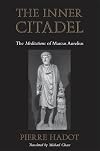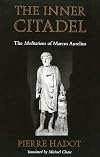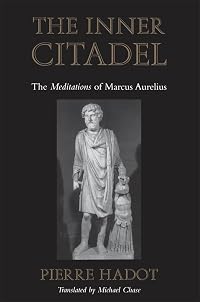
The Inner Citadel: The Meditations of Marcus Aurelius
by Pierre Hadot
On This Page
Description
"The "Meditations" of Marcus Aurelius" are treasured today--as they have been over the centuries--as an inexhaustible source of wisdom. And as one of the three most important expressions of Stoicism, this is an essential text for everyone interested in ancient religion and philosophy. Yet the clarity and ease of the work's style are deceptive. Pierre Hadot, eminent historian of ancient thought, uncovers new levels of meaning and expands our understanding of its underlying philosophy. Written show more by the Roman emperor for his own private guidance and self-admonition, the "Meditations" set forth principles for living a good and just life. Hadot probes Marcus Aurelius's guidelines and convictions and discerns the hitherto unperceived conceptual system that grounds them. Abundantly quoting the "Meditations" to illustrate his analysis, the author allows Marcus Aurelius to speak directly to the reader. And Hadot unfolds for us the philosophical context of the "Meditations," commenting on the philosophers Marcus Aurelius read and giving special attention to the teachings of Epictetus, whose disciple he was. The soul, the guiding principle within us, is in Marcus Aurelius's Stoic philosophy an inviolable stronghold of freedom, the "inner citadel." This spirited and engaging study of his thought offers a fresh picture of the fascinating philosopher-emperor, a fuller understanding of the tradition and doctrines of Stoicism, and rich insight on the culture of the Roman empire in the second century. Pierre Hadot has been working on Marcus Aurelius for more than twenty years; in this book he distills his analysis and conclusions with extraordinary lucidity for the general reader. show lessTags
Recommendations






Member Reviews
If you were to pick up the Meditations of Marcus Aurelius and read it without any kind of background or context, you’d probably come away with the feeling that the text is random, disorganized, and without structure. Since the Meditations were never intended for publication, Marcus didn’t go out of his way to explain the underlying principles he was reflecting on.
Despite appearances, however, the Meditations are, in fact, a cohesive set of philosophical exercises used to ensure adherence to a few basic Stoic principles. But this is not going to be apparent unless you have some familiarity with (1) the conception of philosophy in ancient times as “a way of life,” and (2) orthodox Stoic philosophy, especially as taught by show more Epictetus, who repeatedly advised his students to write about Stoic principles daily.
Pierre Hadot, having spent more than twenty years studying and translating the Meditations—in addition to studying ancient philosophy more broadly—shows that, throughout the Meditations, Marcus is simply reflecting on the “three rules of life” or disciplines of Stoicism developed by Epictetus. Once you learn these basic rules of life, the true value of the Meditations is made clear.
Throughout the Meditations, Marcus is reminding himself (1) to distinguish events from judgments, and that the true source of our freedom lies in our judgments alone (Rule #1: Discipline of Assent); (2) that we must accept with serenity that which we cannot control (Rule #2: Discipline of Desire); and (3) that our common human bond requires us to act in the service of others (Rule #3: Discipline of Action). Hadot shows that all entries in the Meditations are variations on these three themes, as developed by Epictetus.
Knowing this foundational theory in greater depth—through the unparalleled scholarship of Hadot—brings the Meditations into much sharper focus, making the Inner Citadel required reading whether you’ve already read the Meditations or not.
Some readers have commented that the material in Hadot’s book is dense, but this is necessarily so; if you really want to understand the practice of Stoicism (and Marcus’s approach), you have to put in the work to fully understand the foundational theory (which Marcus himself spent many years studying before writing the Meditations). And so, keeping in mind that Marcus dedicated his entire life to these ideas, don’t expect to fully understand them with minimal effort. show less
Despite appearances, however, the Meditations are, in fact, a cohesive set of philosophical exercises used to ensure adherence to a few basic Stoic principles. But this is not going to be apparent unless you have some familiarity with (1) the conception of philosophy in ancient times as “a way of life,” and (2) orthodox Stoic philosophy, especially as taught by show more Epictetus, who repeatedly advised his students to write about Stoic principles daily.
Pierre Hadot, having spent more than twenty years studying and translating the Meditations—in addition to studying ancient philosophy more broadly—shows that, throughout the Meditations, Marcus is simply reflecting on the “three rules of life” or disciplines of Stoicism developed by Epictetus. Once you learn these basic rules of life, the true value of the Meditations is made clear.
Throughout the Meditations, Marcus is reminding himself (1) to distinguish events from judgments, and that the true source of our freedom lies in our judgments alone (Rule #1: Discipline of Assent); (2) that we must accept with serenity that which we cannot control (Rule #2: Discipline of Desire); and (3) that our common human bond requires us to act in the service of others (Rule #3: Discipline of Action). Hadot shows that all entries in the Meditations are variations on these three themes, as developed by Epictetus.
Knowing this foundational theory in greater depth—through the unparalleled scholarship of Hadot—brings the Meditations into much sharper focus, making the Inner Citadel required reading whether you’ve already read the Meditations or not.
Some readers have commented that the material in Hadot’s book is dense, but this is necessarily so; if you really want to understand the practice of Stoicism (and Marcus’s approach), you have to put in the work to fully understand the foundational theory (which Marcus himself spent many years studying before writing the Meditations). And so, keeping in mind that Marcus dedicated his entire life to these ideas, don’t expect to fully understand them with minimal effort. show less
Solid book, author details extensive structure and themes in MA Meditations. Relates influences of other Stoic authors well, and the precursor influences on MA, esp the mysterious Epictetus.
I read this on a pdf that I downloaded off FB, wish the book was cheaper to buy $30 ish. A must have for any Stoic.
Goes in to quite a bit of detail, not for the casual reader. Solid on the source Greek words for translation. Equally solid breakdown on all 12 books of Meditations. Fascinating
I read this on a pdf that I downloaded off FB, wish the book was cheaper to buy $30 ish. A must have for any Stoic.
Goes in to quite a bit of detail, not for the casual reader. Solid on the source Greek words for translation. Equally solid breakdown on all 12 books of Meditations. Fascinating
"La Ciudadela Interior" de Pierre Hadot es un estudio profundo de las Meditaciones de Marco Aurelio, que las analiza no solo como un texto filosófico, sino también como un manual de ejercicios espirituales estoicos.
En lugar de limitarse a un resumen de las ideas de Marco Aurelio, Hadot busca reconstruir el contexto histórico y filosófico en el que se escribieron las Meditaciones. Explora la tradición de los ejercicios espirituales en la filosofía antigua, argumentando que las Meditaciones no son una obra teórica, sino un conjunto de prácticas diseñadas para transformar la vida del lector.
Puntos clave del análisis de Hadot:
●
Las Meditaciones como hypomnémata: Hadot rechaza las interpretaciones tradicionales que consideran las show more Meditaciones como un tratado filosófico sistemático o una obra de consolación. En cambio, las sitúa dentro del género de los hypomnémata, notas personales que se utilizaban para la reflexión y el desarrollo personal.
●
La influencia de Epicteto: Se dedica un apartado completo a analizar la influencia de Epicteto en las Meditaciones. Hadot compara y contrasta a ambos filósofos, mostrando cómo Marco Aurelio se inspira en las enseñanzas del esclavo-filósofo, especialmente en la triple disciplina del juicio, el deseo y la acción.
●
Las tres disciplinas estoicas: Hadot analiza en detalle la triple disciplina estoica del juicio, el deseo y la acción, mostrando cómo Marco Aurelio utiliza las Meditaciones para practicarlas. El libro explora cómo esta disciplina se traduce en ejercicios concretos, como la evaluación objetiva de las representaciones, la aceptación de los acontecimientos externos y la acción desinteresada en beneficio de la comunidad.
●
La escritura como ejercicio espiritual: Hadot destaca la importancia de la escritura misma como un ejercicio espiritual en las Meditaciones. Argumenta que Marco Aurelio no escribe para un público, sino para sí mismo, utilizando la escritura como una herramienta para fortalecer su disciplina interior y recordar los principios estoicos.
●
La ciudadela interior: Hadot explora el concepto de la "ciudadela interior" como un espacio de libertad y autodominio que se construye a través de la práctica estoica. Se refiere a la capacidad del individuo de controlar sus juicios, deseos y acciones, independientemente de las circunstancias externas.
Estructura del libro:
El libro se estructura en tres partes principales:
1.
Introducción a Marco Aurelio y las Meditaciones: Esta sección introduce al lector a la figura de Marco Aurelio como filósofo, analiza la historia del texto de las Meditaciones y examina las cuestiones relacionadas con su género literario y su estructura.
2.
Análisis de la filosofía estoica: Hadot presenta una visión general del estoicismo, centrándose en la figura de Epicteto y su influencia en Marco Aurelio. Explora los principios fundamentales del estoicismo, la triple disciplina y la visión del cosmos como un todo ordenado.
3.
Análisis detallado de los libros de las Meditaciones: Hadot analiza cada uno de los libros de las Meditaciones, identificando sus temas principales, características estilísticas y posibles influencias.
Relevancia para la vida moderna:
Hadot concluye su análisis destacando la relevancia de las Meditaciones para la vida moderna. Argumenta que, aunque el contexto histórico ha cambiado, los ejercicios espirituales estoicos que propone Marco Aurelio siguen siendo valiosos para cultivar la virtud, la tranquilidad interior y una vida plena.
"La Ciudadela Interior" es una obra fundamental para la comprensión de las Meditaciones de Marco Aurelio. Hadot, a través de su análisis, revela la profundidad y la riqueza de este texto clásico, mostrando cómo puede ser una guía para la vida en el siglo XXI. show less
En lugar de limitarse a un resumen de las ideas de Marco Aurelio, Hadot busca reconstruir el contexto histórico y filosófico en el que se escribieron las Meditaciones. Explora la tradición de los ejercicios espirituales en la filosofía antigua, argumentando que las Meditaciones no son una obra teórica, sino un conjunto de prácticas diseñadas para transformar la vida del lector.
Puntos clave del análisis de Hadot:
●
Las Meditaciones como hypomnémata: Hadot rechaza las interpretaciones tradicionales que consideran las show more Meditaciones como un tratado filosófico sistemático o una obra de consolación. En cambio, las sitúa dentro del género de los hypomnémata, notas personales que se utilizaban para la reflexión y el desarrollo personal.
●
La influencia de Epicteto: Se dedica un apartado completo a analizar la influencia de Epicteto en las Meditaciones. Hadot compara y contrasta a ambos filósofos, mostrando cómo Marco Aurelio se inspira en las enseñanzas del esclavo-filósofo, especialmente en la triple disciplina del juicio, el deseo y la acción.
●
Las tres disciplinas estoicas: Hadot analiza en detalle la triple disciplina estoica del juicio, el deseo y la acción, mostrando cómo Marco Aurelio utiliza las Meditaciones para practicarlas. El libro explora cómo esta disciplina se traduce en ejercicios concretos, como la evaluación objetiva de las representaciones, la aceptación de los acontecimientos externos y la acción desinteresada en beneficio de la comunidad.
●
La escritura como ejercicio espiritual: Hadot destaca la importancia de la escritura misma como un ejercicio espiritual en las Meditaciones. Argumenta que Marco Aurelio no escribe para un público, sino para sí mismo, utilizando la escritura como una herramienta para fortalecer su disciplina interior y recordar los principios estoicos.
●
La ciudadela interior: Hadot explora el concepto de la "ciudadela interior" como un espacio de libertad y autodominio que se construye a través de la práctica estoica. Se refiere a la capacidad del individuo de controlar sus juicios, deseos y acciones, independientemente de las circunstancias externas.
Estructura del libro:
El libro se estructura en tres partes principales:
1.
Introducción a Marco Aurelio y las Meditaciones: Esta sección introduce al lector a la figura de Marco Aurelio como filósofo, analiza la historia del texto de las Meditaciones y examina las cuestiones relacionadas con su género literario y su estructura.
2.
Análisis de la filosofía estoica: Hadot presenta una visión general del estoicismo, centrándose en la figura de Epicteto y su influencia en Marco Aurelio. Explora los principios fundamentales del estoicismo, la triple disciplina y la visión del cosmos como un todo ordenado.
3.
Análisis detallado de los libros de las Meditaciones: Hadot analiza cada uno de los libros de las Meditaciones, identificando sus temas principales, características estilísticas y posibles influencias.
Relevancia para la vida moderna:
Hadot concluye su análisis destacando la relevancia de las Meditaciones para la vida moderna. Argumenta que, aunque el contexto histórico ha cambiado, los ejercicios espirituales estoicos que propone Marco Aurelio siguen siendo valiosos para cultivar la virtud, la tranquilidad interior y una vida plena.
"La Ciudadela Interior" es una obra fundamental para la comprensión de las Meditaciones de Marco Aurelio. Hadot, a través de su análisis, revela la profundidad y la riqueza de este texto clásico, mostrando cómo puede ser una guía para la vida en el siglo XXI. show less
Nov 23, 2024Spanish
> Ballériaux Omer. Pierre Hadot, La Citadelle intérieure. Introduction aux Pensées de Marc Aurèle.
In: L'antiquité classique, Tome 64, 1995. pp. 381-382. … ; (en ligne),
URL : https://www.persee.fr/doc/antiq_0770-2817_1995_num_64_1_1237_t1_0381_0000_2
> Wartelle André. 72. Hadot (Pierre), La Citadelle intérieure. Introduction aux Pensées de Marc Aurèle.
In: Revue des Études Grecques, tome 106, fascicule 504-505, Janvier-juin 1993. pp. 276-277. … ; (en ligne),
URL : https://www.persee.fr/doc/reg_0035-2039_1993_num_106_504_2583_t1_0276_0000_2
> Vannier Marie-Anne. P. Hadot, La citadelle intérieure (Introduction aux Pensées de Marc Aurèle), 1992.
In: Revue des Sciences Religieuses, tome 67, fascicule 2, 1993. p. 121. … ; (en show more ligne),
URL : https://www.persee.fr/doc/rscir_0035-2217_1993_num_67_2_3230_t1_0121_0000_2
> Critiques Libres : http://www.critiqueslibres.com/i.php/vcrit/50742
> Le regard de Marc-Aurèle sur le monde eut l'étendue de l'empire qu'il avait à gérer. Mais celui-ci s'inscrivait pour lui dans un univers plus large, dans une « cité de Zeus », une « nature universelle n'ayant rien en dehors d'elle et se renouvelant sans cesse » (VIII,50). Comme l'écrit Pierre Hadot : « Dans l'immensité de l'univers, dans l'infini du temps et de l'espace, Marc-Aurèle s'anéantit en une sorte de vertige et d'ivresse (...) Cette vision de la totalité de la substance et de la totalité du temps s'obtient par le regard d'en haut, le vol de l'âme au-dessus de toutes choses, dans l'immensité de l'univers (IX,32) : « Tu t'ouvriras un vaste champ libre en embrassant par la pensée la totalité du cosmos, en concevant l'infini de l'éternité, en considérant la rapide métamorphose de chaque chose. » (IX,65) L'homme est fait pour l'infini ; sa vraie patrie, sa vraie cité, c'est l'immensité du monde. »
--Alain Delaye, Sagesses sans frontières, p.553 show less
In: L'antiquité classique, Tome 64, 1995. pp. 381-382. … ; (en ligne),
URL : https://www.persee.fr/doc/antiq_0770-2817_1995_num_64_1_1237_t1_0381_0000_2
> Wartelle André. 72. Hadot (Pierre), La Citadelle intérieure. Introduction aux Pensées de Marc Aurèle.
In: Revue des Études Grecques, tome 106, fascicule 504-505, Janvier-juin 1993. pp. 276-277. … ; (en ligne),
URL : https://www.persee.fr/doc/reg_0035-2039_1993_num_106_504_2583_t1_0276_0000_2
> Vannier Marie-Anne. P. Hadot, La citadelle intérieure (Introduction aux Pensées de Marc Aurèle), 1992.
In: Revue des Sciences Religieuses, tome 67, fascicule 2, 1993. p. 121. … ; (en show more ligne),
URL : https://www.persee.fr/doc/rscir_0035-2217_1993_num_67_2_3230_t1_0121_0000_2
> Critiques Libres : http://www.critiqueslibres.com/i.php/vcrit/50742
> Le regard de Marc-Aurèle sur le monde eut l'étendue de l'empire qu'il avait à gérer. Mais celui-ci s'inscrivait pour lui dans un univers plus large, dans une « cité de Zeus », une « nature universelle n'ayant rien en dehors d'elle et se renouvelant sans cesse » (VIII,50). Comme l'écrit Pierre Hadot : « Dans l'immensité de l'univers, dans l'infini du temps et de l'espace, Marc-Aurèle s'anéantit en une sorte de vertige et d'ivresse (...) Cette vision de la totalité de la substance et de la totalité du temps s'obtient par le regard d'en haut, le vol de l'âme au-dessus de toutes choses, dans l'immensité de l'univers (IX,32) : « Tu t'ouvriras un vaste champ libre en embrassant par la pensée la totalité du cosmos, en concevant l'infini de l'éternité, en considérant la rapide métamorphose de chaque chose. » (IX,65) L'homme est fait pour l'infini ; sa vraie patrie, sa vraie cité, c'est l'immensité du monde. »
--Alain Delaye, Sagesses sans frontières, p.553 show less
Sep 18, 2019 (Edited)French
Oct 16, 2005Dutch
Ratings
Members
- Recently Added By
Lists

Ryan Holiday's Books To Base Your Life On
97 works; 2 members

Books recommended in the history category on FiveBooks.com
329 works; 4 members

el
1,139 works; 1 member

In Our Time books
4,934 works; 2 members
Author Information

38+ Works 2,505 Members
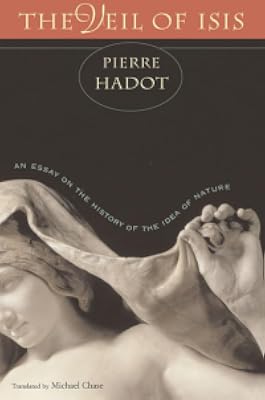
Pierre Hadot (1922-2010) was Professor Emeritus at the Collge de France, where he held the Chair of the History of Hellenistic and Roman Thought. Most of his major works have been translated into English, including Philosophy as a Way of Life (1995), What is Ancient Philosophy? (2004), and The Veil of Isis (2004). Arnold I. Davidson is Robert O. show more Anderson Distinguished Service Professor at the University of Chicago and Professor of the History of Political Philosophy at the University of Pisa. He has written widely on contemporary French philosophy, is the English language series editor of Michel Foucault's courses at the Collge de France, and is the author of The Emergence of Sexuality (2001). Jeannie Carlier is Professor at the cole des Hautes tudes en Sciences Sociales. She has published essays on philosophy and religious practices in late antiquity and is specialist in Neoplatonism. show less
Some Editions
Work Relationships
Is a study of
Common Knowledge
- Original title
- La Citadelle Interieure: Introduction aux "Pensles" de Marc Aurele
- People/Characters
- Marcus Aurelius
- First words
- The future Marcus Aurelius, who was to receive this name later on, as a result of his adoption by the emperor Aurelius Antoninus Pius, was born in Rome in 121, and was initially named Marcus Annius Verus.
- Last words
- (Click to show. Warning: May contain spoilers.)Marcus is talking to himself, but we get the impression that he is talking to each one of us.
- Original language
- French
Classifications
Statistics
- Members
- 408
- Popularity
- 76,125
- Reviews
- 5
- Rating
- (4.33)
- Languages
- 7 — Dutch, English, French, German, Italian, Polish, Spanish
- Media
- Paper, Ebook
- ISBNs
- 10
- ASINs
- 4