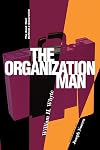
The Organization Man
by William H. Whyte
On This Page
Description
Regarded as one of the most important sociological and business commentaries of modern times, The Organization Man developed the first thorough description of the impact of mass organization on American society. During the height of the Eisenhower administration, corporations appeared to provide a blissful answer to postwar life with the marketing of new technologies-television, affordable cars, space travel, fast food-and lifestyles, such as carefully planned suburban communities centered show more around the nuclear family. William H. Whyte found this phenomenon alarming. As an editor for Fortune magazine, Whyte was well placed to observe corporate America; it became clear to him that the American belief in the perfectibility of society was shifting from one of individual initiative to one that could be achieved at the expense of the individual. With its clear analysis of contemporary working and living arrangements, The Organization Man rapidly achieved bestseller status. Since the time of the book's original publication, the American workplace has undergone massive changes. In the 1990's, the rule of large corporations seemed less relevant as small entrepreneurs made fortunes from new technologies, in the process bucking old corporate trends. In fact this "new economy" appeared to have doomed Whyte's original analysis as an artifact from a bygone day. But the recent collapse of so many startup businesses, gigantic mergers of international conglomerates, and the reality of economic globalization make The Organization Man all the more essential as background for understanding today's global market. This edition contains a new foreword by noted journalist and author Joseph Nocera. In an afterword Jenny Bell Whyte describes how The Organization Man was written. show lessTags
Recommendations






































Member Reviews
Abbastanza impressionante leggere oggi, nel 2016, questo libro scritto 60 anni fa (1956). La descrizione dell'etica sociale del lavoro, che ha sostituito quella protestante e ha generato gli "uomini dell'organizzazione" è assolutamente puntuale e del tutto capace di descrivere quel che è poi accaduto. A tratti, leggendo si ha la strana sensazione che qualcosa si sia congelato nel mondo del lavoro e che siamo ancora, soprattutto dal punto di vista di nesso fra burocrazia e scientismo, a 60 anni fa. Quando poi l'autore si inoltre nel descrivere e prevedere le sorti del sistema scolastico, la sensazione si fa raggelante. In sintesi: testo fondamentale per chiunque studi il mondo del lavoro.
40-те и 50-те години на миналия век са знаменателни в много отношения, включително и икономическо. Голямата депресия вече е преодоляна и въпреки ВСВ икономиката бумти като тенджера под налягане. Големите корпорации излизат като основни играчи на световната икономическа сцена и създават нова корпоративна култура.
Именно на тази нова корпоративна култура (вече стара, но тогава нова) е посветена книгата - на show more нейната униформеност, пренебрежение към иновациите за сметка на упоритата работа, при която всеки е просто болтче в голямата машина и се очаква да посвети живота си за нея.
Паралелите с държавната администрация са очевидни и много интересни. Но докато корпорациите през 60-те и 70-те се отърсват от този стагниращ начин на работа, от зависимостта си от синдикатите, от набиването на клинците на всеки инакомислещ, държавните администрации по света, поради липса на конкуренция никога не могат да направят това и остават в лапите на всички тия негативни влияния.
Интересното е, че в периода точно когато старомодните корпорации които не могат да се приспособят към новото време започват да западат (виж Детройт и автомобилните му заводи), точно по същото време започва видимият упадък на социалистическите държави, в чието управление в много по-голяма степен от това на капиталистическите е заложено бюрократичното начало... show less
Именно на тази нова корпоративна култура (вече стара, но тогава нова) е посветена книгата - на show more нейната униформеност, пренебрежение към иновациите за сметка на упоритата работа, при която всеки е просто болтче в голямата машина и се очаква да посвети живота си за нея.
Паралелите с държавната администрация са очевидни и много интересни. Но докато корпорациите през 60-те и 70-те се отърсват от този стагниращ начин на работа, от зависимостта си от синдикатите, от набиването на клинците на всеки инакомислещ, държавните администрации по света, поради липса на конкуренция никога не могат да направят това и остават в лапите на всички тия негативни влияния.
Интересното е, че в периода точно когато старомодните корпорации които не могат да се приспособят към новото време започват да западат (виж Детройт и автомобилните му заводи), точно по същото време започва видимият упадък на социалистическите държави, в чието управление в много по-голяма степен от това на капиталистическите е заложено бюрократичното начало... show less
A useful defining the mental and societal attitudes of the 1950's in the commercial world. A far reaching analysis with a suitably gloomy conclusion for the youth of the day who were hoping for advice about "How to Succeed,"
Management, Whyte W H
Ratings
Members
- Recently Added By
Lists

1964 College Preparatory Reading List
202 works; 8 members
Author Information

12+ Works 1,212 Members
Some Editions
Awards and Honors
Awards
Distinctions
Series
Belongs to Publisher Series
Common Knowledge
- Canonical title*
- L'uomo dell'organizzazione
- Original title
- The organization man
- Original publication date
- 1956
- Original language*
- Engels
*Some information comes from Common Knowledge in other languages. Click "Edit" for more information.
Classifications
- Genres
- Sociology, Nonfiction, General Nonfiction, History
- DDC/MDS
- 302.3 — Society, government, & culture Social sciences, sociology & anthropology Mass Communication & Media Social interaction within groups
- LCC
- BF697 .W47 — Philosophy, Psychology and Religion Psychology Psychology Differential psychology. Individuality. Self
- BISAC
Statistics
- Members
- 572
- Popularity
- 51,631
- Reviews
- 4
- Rating
- (3.66)
- Languages
- Dutch, English, German, Italian
- Media
- Paper, Audiobook, Ebook
- ISBNs
- 6
- ASINs
- 20