On This Page
Description
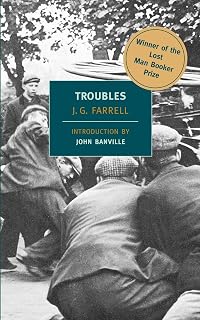
"1919: After surviving the Great War, Major Brendan Archer makes his way to Ireland, hoping to discover whether he is indeed betrothed to Angela Spencer, whose Anglo-Irish family owns the once-aptly-named Majestic Hotel in Kilnalough. But his fiance;e is strangely altered and her family's fortunes have suffered a spectacular decline. The hotel's hundreds of rooms are disintegrating on a grand scale; its few remaining guests thrive on rumors and games of whist; herds of cats have taken over show more the Imperial Bar and the upper stories; bamboo shoots threaten the foundations; and piglets frolic in the squash court. Meanwhile, the Major is captivated by the beautiful and bitter Sarah Devlin. As housekeeping disasters force him from room to room, outside the order of the British Empire also totters: there is unrest in the East, and in Ireland itself the mounting violence of 'the troubles.' Troubles is a hilarious and heartbreaking work by a modern master of the historical novel"--Publisher description. show lessTags
Recommendations



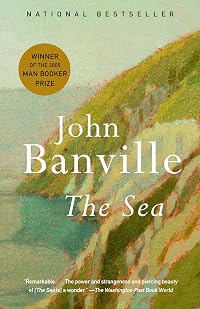
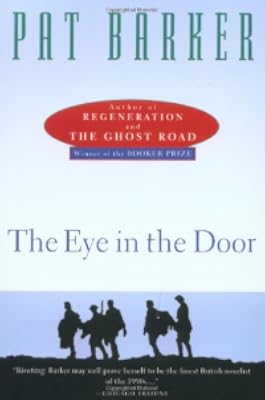
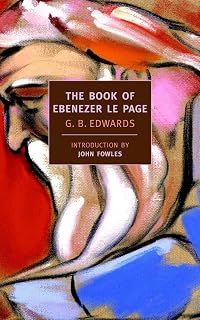
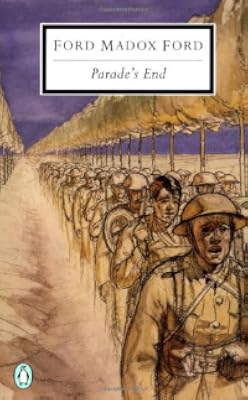




Member Recommendations

Member Reviews
What better way to recover from the the horrors and traumas and PTSDs, or 'nerves' as they so quaintly called it back before they invented PTSD, of the First World War, than a nice quiet stay in Ireland, circa 1920? The peaceful countryside, clement weather and charming locals are like soothing balm for a troubled soul. HAHAHAHA no really the British Empire is crumbling into a shattered morass of blood and resentment and sectarian grudge fights, a bit like the hotel the Major goes to because he may or may not have proposed to the owner's daughter, a bit like Ireland in 1920 when savage Irish leprechauns began chewing at the ankles of the snotty British toffs.
Anyway, the Major's maybe-intended proves weirdly difficult to pin down before show more abruptly departing from the picture, leaving the Major more confused than begrieved, but a weird fascination and attraction has begun and he finds it difficult to depart, so he finds himself part of the hotel's long slow slide from decrepitude to utter ruination, and cleverly enough, the Irish War of Independence serves as an acute metaphor for this haunting portrait of the severe difficulties in the hotel trade and the Anglo-Irish tourism industry at this time. show less
Anyway, the Major's maybe-intended proves weirdly difficult to pin down before show more abruptly departing from the picture, leaving the Major more confused than begrieved, but a weird fascination and attraction has begun and he finds it difficult to depart, so he finds himself part of the hotel's long slow slide from decrepitude to utter ruination, and cleverly enough, the Irish War of Independence serves as an acute metaphor for this haunting portrait of the severe difficulties in the hotel trade and the Anglo-Irish tourism industry at this time. show less
This book is one of those that I was actually embarrassed to read on the subway because in at least one passage I started laughing so hard that I started annoying the lady next to me, and had to get up out of my seat. A really wonderful book full of brilliant prose.
I've been sitting here racking my brains for the right way to approach what the experience of reading [Troubles] was like. Is it like the Brea Tar Pits? Is it the Hotel California? Is it like every disaster movie you've ever seen but happening in s-lo-w motion? Or those dreams where you revisit some house you knew as a child and find there are doors that open into marvelous and odd rooms you never knew were there.
There is never any question that a catastrophe of epic proportions is going to unfold. Firstly because it is 1919 in Ireland and if you know any Irish history at all you know that was the start of three years of miserable violence between the British and the Irish. Secondly, the story takes place in an immense (300 rooms!) show more formerly grand but now decaying hotel in Wexford, on the coast, run by an eccentric Englishman, Edward Spencer, who proves to be in a state of total denial about the inevitable. Thirdly, the main character, Brendan Archer, known mostly as 'the Major,' is another Englishman who fought in the war and has come to the hotel to woo the proprietor's daughter, Angela, whom he had met before the war and who has been writing to him ever since as if they were affianced. So the point of view is firmly English. Or is it? Archer arrives, he cannot figure out what is happening with Angela, he finds the hotel at turns maddening and even disgusting, at other times, beguiling. Time seems to move differently here in Ireland and for the Major, still deeply traumatized by the war, you can see that the mystery and the unworldiness of it is somehow captivating and soothing. I understand that Farrell was deeply interested in portraying the collapse of the British Empire (and continues to do so in two more related novels). Handled less well, the hotel would be little more than an allegorical stand-in for the neglect and overconfidence, the refusal to face facts and the apathy that characterizes the British upper classes at this time. From the moment you step into the Hotel Majestic with the Major, you too, begin to fall under its uncanny spell. At about the halfway mark the Major becomes aware that, "he no longer had the will-power to leave . . . all he could do now was allow himself to drift with the tide of events. Some strange insect had taken up residence in the will-power of which he had always been so proud, eating away at it unobserved like a slug in an apple."
The Majestic has so many public rooms--bars, parlours, sitting rooms, libraries, gun rooms, game rooms, card rooms, that finding his way around takes the Major months. Once very chic the hotel is now understaffed and mostly inhabited by a large group of elderly women, many refugees from the Empire, who have nowhere better to go. If the plumbing in a bathroom fails, you simply find another room. In winter, when it is freezing cold, the Major, finding a linen room that is near a source of heat and always hot, makes himself a nest and retires there often, removing his clothing and happily wallowing about! It is such unexpected revelations as these that fuel [Troubles] and make it so . . . unique. Downstairs, in the Palm Room the plants have taken over. Roots bulge through floors and walls. Strange cracking sounds are to be heard. Curtains rot and sofas are explosive with dust. On the top floors feral cats breed in legions. And yet, the place limps on, some of the niceties are still observed and even if the pool is filthy and the tennis court useless, breakfast, lunch, tea and dinner are still served formally. No one I've read in recent years except Iris Murdoch has captured the spirit of a building so completely until you realize that it is really the Majestic that the Major has fallen in love with and grieves for as it literally starts to collapse around him. The Empire? Yes and no. It is so much more than that, somehow through this hotel Farrell can show the grandeur and the folly, the charm and the evil of the Empire in its dotage. The Major, too, feels sympathy for everyone, Irish and Anglo alike and his bewilderment and continuing efforts to be a decent person throughout, is very moving. Farrell's metaphors are also exquisite and unexpected and apt. I've never read anything quite like it, such a perfect and relentless blend of humor and pathos. ***** show less
There is never any question that a catastrophe of epic proportions is going to unfold. Firstly because it is 1919 in Ireland and if you know any Irish history at all you know that was the start of three years of miserable violence between the British and the Irish. Secondly, the story takes place in an immense (300 rooms!) show more formerly grand but now decaying hotel in Wexford, on the coast, run by an eccentric Englishman, Edward Spencer, who proves to be in a state of total denial about the inevitable. Thirdly, the main character, Brendan Archer, known mostly as 'the Major,' is another Englishman who fought in the war and has come to the hotel to woo the proprietor's daughter, Angela, whom he had met before the war and who has been writing to him ever since as if they were affianced. So the point of view is firmly English. Or is it? Archer arrives, he cannot figure out what is happening with Angela, he finds the hotel at turns maddening and even disgusting, at other times, beguiling. Time seems to move differently here in Ireland and for the Major, still deeply traumatized by the war, you can see that the mystery and the unworldiness of it is somehow captivating and soothing. I understand that Farrell was deeply interested in portraying the collapse of the British Empire (and continues to do so in two more related novels). Handled less well, the hotel would be little more than an allegorical stand-in for the neglect and overconfidence, the refusal to face facts and the apathy that characterizes the British upper classes at this time. From the moment you step into the Hotel Majestic with the Major, you too, begin to fall under its uncanny spell. At about the halfway mark the Major becomes aware that, "he no longer had the will-power to leave . . . all he could do now was allow himself to drift with the tide of events. Some strange insect had taken up residence in the will-power of which he had always been so proud, eating away at it unobserved like a slug in an apple."
The Majestic has so many public rooms--bars, parlours, sitting rooms, libraries, gun rooms, game rooms, card rooms, that finding his way around takes the Major months. Once very chic the hotel is now understaffed and mostly inhabited by a large group of elderly women, many refugees from the Empire, who have nowhere better to go. If the plumbing in a bathroom fails, you simply find another room. In winter, when it is freezing cold, the Major, finding a linen room that is near a source of heat and always hot, makes himself a nest and retires there often, removing his clothing and happily wallowing about! It is such unexpected revelations as these that fuel [Troubles] and make it so . . . unique. Downstairs, in the Palm Room the plants have taken over. Roots bulge through floors and walls. Strange cracking sounds are to be heard. Curtains rot and sofas are explosive with dust. On the top floors feral cats breed in legions. And yet, the place limps on, some of the niceties are still observed and even if the pool is filthy and the tennis court useless, breakfast, lunch, tea and dinner are still served formally. No one I've read in recent years except Iris Murdoch has captured the spirit of a building so completely until you realize that it is really the Majestic that the Major has fallen in love with and grieves for as it literally starts to collapse around him. The Empire? Yes and no. It is so much more than that, somehow through this hotel Farrell can show the grandeur and the folly, the charm and the evil of the Empire in its dotage. The Major, too, feels sympathy for everyone, Irish and Anglo alike and his bewilderment and continuing efforts to be a decent person throughout, is very moving. Farrell's metaphors are also exquisite and unexpected and apt. I've never read anything quite like it, such a perfect and relentless blend of humor and pathos. ***** show less
A difficult book to review: a good yarn meets observant social commentary plus a generous dollop of humour; Gothic plus Big House (think Bowen’s ‘The Last September’ with a twist — a hotel instead of a house to signify the temporary nature of a colonizing power) on a postmodern foundation. Solid writing throughout including some great phrases or descriptions but nothing truly memorable; surprised it won the Lost Booker (1970) but not surprised it was among the shortlist.
Major Brendan Archer, a man of means but no family, can’t seem to quit the crumbling Majestic hotel (stand-in for crumbling Empire) as he finds ways to be useful, to provide some meaning in his life post WWI. The character is cleverly written: his English show more sense of decency keeps him from blindly supporting all actions of the Unionists, and he has compassion for both the Irish and the Anglo-Irish, yet there is a sense that he can never truly understand the pent-up anger and desperation driving the demand for Independence, even as he acknowledges several times that “you can’t blame them.” The author doesn’t paint either saints or sinners; using a very small stage he portrays the absurdities and pathos present in any civil war: “ In Ireland you must choose your tribe. Reason has nothing to do with it.”
One of its strengths was the avoidance of sentimental endings and obvious plot lines. Farrell limits the appearances of the outside world to brief, but very telling, missives describing various rebellions and colonial power moves in other parts of the Empire, such as the Jallianwallagh massacre under General Dyer. This book is sweet, sad, funny, and even violent in places but overall what kept me from being more invested was needing just a little more background of some of the characters. It would be helpful for a reader to remember that the book was written during the later ‘Troubles’ taking place in Northern Ireland as there are many deliberate references to contemporary conflicts. show less
Major Brendan Archer, a man of means but no family, can’t seem to quit the crumbling Majestic hotel (stand-in for crumbling Empire) as he finds ways to be useful, to provide some meaning in his life post WWI. The character is cleverly written: his English show more sense of decency keeps him from blindly supporting all actions of the Unionists, and he has compassion for both the Irish and the Anglo-Irish, yet there is a sense that he can never truly understand the pent-up anger and desperation driving the demand for Independence, even as he acknowledges several times that “you can’t blame them.” The author doesn’t paint either saints or sinners; using a very small stage he portrays the absurdities and pathos present in any civil war: “ In Ireland you must choose your tribe. Reason has nothing to do with it.”
One of its strengths was the avoidance of sentimental endings and obvious plot lines. Farrell limits the appearances of the outside world to brief, but very telling, missives describing various rebellions and colonial power moves in other parts of the Empire, such as the Jallianwallagh massacre under General Dyer. This book is sweet, sad, funny, and even violent in places but overall what kept me from being more invested was needing just a little more background of some of the characters. It would be helpful for a reader to remember that the book was written during the later ‘Troubles’ taking place in Northern Ireland as there are many deliberate references to contemporary conflicts. show less
(63) This was mesmerizing. I loved Farrell's 'The Siege of Krishnapur,' one of my most favorite books that I have read in the last decade. And this was almost as good. WW1 has ended and 'the Major' has survived - he travels to Ireland to see a hastily acquired fiancee at her home in the hotel 'The Majestic' situated on the Irish coast. But The Majestic and pretty much everyone in it has seen better days. It is the dawn of Irish independence and the Catholic locals begin to rise up against the British landowners. The crumbling Majestic is symbolic of the British empire and yet the Major cannot tear himself away, even when his engagement proves an illusion.
The details, the artistry of the prose, the tone are the work of a virtuoso. The show more marmalade cat's bitter green eyes, the distraught peahen taking toast from the caterer come to serve breakfast to no-one after the ball, ancient Doctor Ryan and his 'people are insubstantial,' the grandmother that emerged from the closet after the dinner gong. I don't know what to say. The novel is so magical and crazy and melancholy and hilarious, yet somehow avoided being too precious. Although at times the plot went nowhere, (I mean really, what was the deal with Sarah Devlin?) I could have read this novel forever. The Major seemed a faintly ridiculous pompous character at the beginning, yet he slowly transformed into someone the reader loved. As the ending came close I was horrified.
This is a hard book to review - its rambly and nonsensical at times. The narrative is interrupted by faux newspaper clippings of other rebellions across the Empire to give one the political picture, but somehow it is not really about the specific history. It is about nostalgia, entropy, a vanished time, and the tangible echoes of the past that remain in a place. Absolutely haunting! I had no idea this was a loose trilogy and look forward to 'The Singapore Grip.' show less
The details, the artistry of the prose, the tone are the work of a virtuoso. The show more marmalade cat's bitter green eyes, the distraught peahen taking toast from the caterer come to serve breakfast to no-one after the ball, ancient Doctor Ryan and his 'people are insubstantial,' the grandmother that emerged from the closet after the dinner gong. I don't know what to say. The novel is so magical and crazy and melancholy and hilarious, yet somehow avoided being too precious. Although at times the plot went nowhere, (I mean really, what was the deal with Sarah Devlin?) I could have read this novel forever. The Major seemed a faintly ridiculous pompous character at the beginning, yet he slowly transformed into someone the reader loved. As the ending came close I was horrified.
This is a hard book to review - its rambly and nonsensical at times. The narrative is interrupted by faux newspaper clippings of other rebellions across the Empire to give one the political picture, but somehow it is not really about the specific history. It is about nostalgia, entropy, a vanished time, and the tangible echoes of the past that remain in a place. Absolutely haunting! I had no idea this was a loose trilogy and look forward to 'The Singapore Grip.' show less
I’m finding it quite challenging to explain why it is that I liked Troubles as much as I did. Honestly, I don’t know why. I can’t seem to find rational arguments to make sense of it.
The fact that the introduction to the edition I read was written by John Banville, one of my favorite novelists, certainly predisposed me!
Reading Troubles reminded me of my first experience as an actor encountering the dramatic works of Samuel Beckett. In college, my acting class spent a semester working on Beckett. While we all developed a great deal of vocal control and learned important lessons about physicality, most of my classmates didn’t actually like Beckett’s pieces. They just didn’t click with his work.
I did. To an almost shocking show more degree. To a degree approaching religious mania. It’s not an exaggeration to say that Beckett was, for me, a revelation and a rapture. And I’ll be damned if I can tell you why. I thrill to his words, his sounds and images, on a primal, visceral level. Despite years of familiarity with his work, if you asked me, right now, to write a paper analyzing it – I couldn’t do it. I don’t know what any of it means, I just know that I love it.
So I can’t really tell you why I love Troubles as much as I do. I just know that I found it quite powerful. And I don’t think it’s a coincidence that it puts me in mind of Beckett. It also puts me in mind of Joyce, and Banville. All Irish writers.
In my experience, Irish literature is amongst the most challenging for Western readers. The underlying precepts and fundamental paradigms of Irish literature are different than those found in much of the writing that comes from elsewhere in Europe. At the risk of being overly corny – Irish storytellers never lost their sense of the Faery. Not fairy, in the sense of cherubic sprites; but Faery, as in absolutely alien, dangerous, and powerful beings who can – and do – mess around with people’s lives for their own unknowable ends. [Those of you who’ve read Jonahtan Strange & Mr Norrell, you know exactly what I mean.] The history of Ireland is one of near constant subjugation: first the Angles, Celts, and Vikings; then the Romans; the Saxons; the British… The Irish never lost their bedrock certainty that their lives are subject to the whims of outsiders with power beyond their control. The prehistoric legend of Faery resonates in Ireland, still. Consequently, Irish stories tend to have a sense of disorientation, the world is subtly alien, and characters bizarrely have little control over their actions.
I love Irish literature. I was exposed to it at a fairly young age and I’ve been reading Irish authors pretty regularly my whole life. So the unique style and not-quite-normal-Western-culture sense of the world around them is already familiar to me. Reading Troubles felt like encountering an old friend.
Another powerful narrative tradition that runs through Irish literature is the importance of setting. A great deal of Irish storytelling is a meditation on place, where plot and character is secondary. Consider Joyce’s Ulysses – the characters are only important in so far as they relate to Dublin. Take them out of that setting and they cease to have any significant existence or independent reality. There’s certainly an element of this in Troubles. Many of the characters only have identity within the walls of the Majestic; even though the Major travels to London and spends time in Kilnalough, the core of his character is inexorably anchored in this hotel. This is why we never learn much about his biography before he arrives there; but once he’s there, we never escape his thoughts and spend the entire novel living inside his head. The Majestic reminds me more than a little of Gormenghast Castle in the Gormenghast Novels by Mervyn Peake.
Troubles isn’t, however, just a meditation on setting. In the Majestic and the various people caught in its gravity, it offers a surreal foil to the Irish Troubles of both the early 1920s (when the novel is set) and the early ‘70s (when it was written). The confusion of action and choice in the characters; the sense of disconnection between the denizens of the Majestic and the reality of political upheaval in Ireland; the shock and alien-ness experienced by both the characters and the reader when that reality violently imposes itself on them; the sense of inevitability in even the most bizarre occurrences; it’s a wonderful way to capture the profound sense of disorientation and anxiety of most Irish people during those times. No one knew what was going on, or why, or how things could have gotten that bad. The Majestic itself is a pretty obvious metaphor for the increasing irrelevancy and collapse of the British Empire: it starts out as a quaint – if somewhat worse for wear – romantic anachronism, a reminder of greater days gone by; by the end, though, it’s falling apart around everyone’s ears and ultimately gets burned down by the natives, a violent refusal against its continued existence.
Finally, what drove the book for me was the suspense – we learn on the very first page that the hotel burns down a few years after the Spencers take over management. Every time something untoward happens – and, therefore, with increasing frequency as the novel progresses – we wonder if this is when the conflagration will occur. show less
The fact that the introduction to the edition I read was written by John Banville, one of my favorite novelists, certainly predisposed me!
Reading Troubles reminded me of my first experience as an actor encountering the dramatic works of Samuel Beckett. In college, my acting class spent a semester working on Beckett. While we all developed a great deal of vocal control and learned important lessons about physicality, most of my classmates didn’t actually like Beckett’s pieces. They just didn’t click with his work.
I did. To an almost shocking show more degree. To a degree approaching religious mania. It’s not an exaggeration to say that Beckett was, for me, a revelation and a rapture. And I’ll be damned if I can tell you why. I thrill to his words, his sounds and images, on a primal, visceral level. Despite years of familiarity with his work, if you asked me, right now, to write a paper analyzing it – I couldn’t do it. I don’t know what any of it means, I just know that I love it.
So I can’t really tell you why I love Troubles as much as I do. I just know that I found it quite powerful. And I don’t think it’s a coincidence that it puts me in mind of Beckett. It also puts me in mind of Joyce, and Banville. All Irish writers.
In my experience, Irish literature is amongst the most challenging for Western readers. The underlying precepts and fundamental paradigms of Irish literature are different than those found in much of the writing that comes from elsewhere in Europe. At the risk of being overly corny – Irish storytellers never lost their sense of the Faery. Not fairy, in the sense of cherubic sprites; but Faery, as in absolutely alien, dangerous, and powerful beings who can – and do – mess around with people’s lives for their own unknowable ends. [Those of you who’ve read Jonahtan Strange & Mr Norrell, you know exactly what I mean.] The history of Ireland is one of near constant subjugation: first the Angles, Celts, and Vikings; then the Romans; the Saxons; the British… The Irish never lost their bedrock certainty that their lives are subject to the whims of outsiders with power beyond their control. The prehistoric legend of Faery resonates in Ireland, still. Consequently, Irish stories tend to have a sense of disorientation, the world is subtly alien, and characters bizarrely have little control over their actions.
I love Irish literature. I was exposed to it at a fairly young age and I’ve been reading Irish authors pretty regularly my whole life. So the unique style and not-quite-normal-Western-culture sense of the world around them is already familiar to me. Reading Troubles felt like encountering an old friend.
Another powerful narrative tradition that runs through Irish literature is the importance of setting. A great deal of Irish storytelling is a meditation on place, where plot and character is secondary. Consider Joyce’s Ulysses – the characters are only important in so far as they relate to Dublin. Take them out of that setting and they cease to have any significant existence or independent reality. There’s certainly an element of this in Troubles. Many of the characters only have identity within the walls of the Majestic; even though the Major travels to London and spends time in Kilnalough, the core of his character is inexorably anchored in this hotel. This is why we never learn much about his biography before he arrives there; but once he’s there, we never escape his thoughts and spend the entire novel living inside his head. The Majestic reminds me more than a little of Gormenghast Castle in the Gormenghast Novels by Mervyn Peake.
Troubles isn’t, however, just a meditation on setting. In the Majestic and the various people caught in its gravity, it offers a surreal foil to the Irish Troubles of both the early 1920s (when the novel is set) and the early ‘70s (when it was written). The confusion of action and choice in the characters; the sense of disconnection between the denizens of the Majestic and the reality of political upheaval in Ireland; the shock and alien-ness experienced by both the characters and the reader when that reality violently imposes itself on them; the sense of inevitability in even the most bizarre occurrences; it’s a wonderful way to capture the profound sense of disorientation and anxiety of most Irish people during those times. No one knew what was going on, or why, or how things could have gotten that bad. The Majestic itself is a pretty obvious metaphor for the increasing irrelevancy and collapse of the British Empire: it starts out as a quaint – if somewhat worse for wear – romantic anachronism, a reminder of greater days gone by; by the end, though, it’s falling apart around everyone’s ears and ultimately gets burned down by the natives, a violent refusal against its continued existence.
Finally, what drove the book for me was the suspense – we learn on the very first page that the hotel burns down a few years after the Spencers take over management. Every time something untoward happens – and, therefore, with increasing frequency as the novel progresses – we wonder if this is when the conflagration will occur. show less
Troubles is a darkly humorous look at the clash between Ireland and England in the years immediately following WWI. Major Brendan Archer travels to Kilnalough after returning from WWI (and a stay in a hospital recovering from shell shock) to meet a girl named Angela who he met and became engaged to during the war. They've only met once and he's not quite sure what he's getting in to - in fact he can barely remember her. He visits her at her family's hotel, the Majestic. The Majestic was an enormous, grand, hotel decades ago, but it is falling apart. Angela dies, but the Major is sucked in to life at the hotel. He becomes friends with Edward, Angela's father, and falls in love with a different girl in Kilnalough. Though the Major tries show more to leave once or twice, he can't seem to tear himself away from this decaying hotel and the old ladies who are the few remaining guests.
There is a lot of symbolism here. The decaying hotel can be seen both as a reflection of "the Troubles" in Ireland as it fights for independence and as the British Empire crumbling after WWI. The subject is grim but there is a dark humor in this book that keeps it from feeling like a serious book, even considering the serious times.
I really loved reading this and think it will be a memorable book for me. show less
There is a lot of symbolism here. The decaying hotel can be seen both as a reflection of "the Troubles" in Ireland as it fights for independence and as the British Empire crumbling after WWI. The subject is grim but there is a dark humor in this book that keeps it from feeling like a serious book, even considering the serious times.
I really loved reading this and think it will be a memorable book for me. show less
Members
- Recently Added By
Lists

1001 Books You Must Read Before You Die
1,448 works; 1,133 members

Favourite Booker Prize contenders
73 works; 21 members
Booker Prize
491 works; 62 members

Recommend the 20 best books you've read in the last five years
2,168 works; 606 members

Unread books
1,063 works; 82 members

In and About the 1920s
181 works; 31 members

20th Century Literature
1,161 works; 55 members

Top Five Books of 2015
811 works; 240 members

Boarding House and Hotel Fiction
73 works; 25 members

EU Fiction: 1950-2022
223 works; 68 members

Top Five Books of 2020
982 works; 348 members

Lost Man Booker Prize Longlist 1970
6 works; 2 members

Best books read in the first half of 2012
38 works; 6 members

Booker Prize Shortlist: Titles Not Yet Read
161 works; 4 members

Schwob Nederland
207 works; 2 members

My TBR
371 works; 3 members

Swinging Seventies
255 works; 18 members

Published in 1970
58 works; 7 members

Books Read in 2024
4,623 works; 126 members

1970 Club
85 works; 2 members

Novels set in the Irish South-East
8 works; 1 member
Talk Discussions
Past Discussions
Group Read, September 2015: Troubles in 1001 Books to read before you die (September 2015)
Troubles by J.G. Farrell: A Memorial Group Read in Honor of JanetinLondon in 75 Books Challenge for 2012 (April 2012)
Author Information

9 Works 5,302 Members
Awards and Honors
Series

Belongs to Publisher Series
Work Relationships
Common Knowledge
- Canonical title
- Troubles
- Original publication date
- 1970
- People/Characters
- Major Brendan Archer; Edward Spencer; Angela Spencer; Ripon Spencer; Sarah Devlin; Faith Spencer (show all 8); Charity Spencer; Murphy
- Important places
- Wexford, County Wexford, Ireland; Ireland
- Important events
- The Troubles
- First words
- In Derek Mahon's great poem A Disused Shed in Co. Wexford, a pair of travelers find themselves "Deep in the grounds of a burnt-out hotel, / Among the bathrubs and the washbasins"; forcing open a long-locked door, and t... (show all)hey come upon a host of mushrooms crowding in the darkness. They have been there, the poet imagines, for decades, waiting for the blessed light to break in upon their fetid, liminal world:
"Save us, save us," they seem to say,
"Let not the god abandon us
Who have come to far in darkness and in pain.
We too had our lives to live..."
The poem is a threnody for disappeared worlds - "Lost people of Treblinka and Pompeii!" - especially, although it does not mention it directly, the world of the Angle-Irish aristocracy. This hardy strain, which had endured for some eight centuries, came to its sudden withering in the Irish Was of Independence, which ended with the treaty signed between the British government and Michael Collins's I.R.A. i 1922. Under the treaty Ireland was partitioned, with twenty-six southern counties becoming a Free State, and the six nothern counties remaining under British sovereignty. The result was civil war. -Introduction, John Banville
In those days the Majestic was still standing in Kilnalough at the very end of a slim peninsula covered with dead pines leaning here and there at odd angles. At that time there were probably yachts there too during the summer... (show all) since the hotel held a regatta every July. These yachts would have been beached on one or other of the sandy crescents that curved out towards the hotel on each side of the peninsula. But now both pines and yachts have floated away and one day the high tide may very meet over the narrowest part of the peninsula, made narrower by erosion. As for the regatta for some reason, it was discontinued years ago, before the Spencers took over the management of the place. And a few years later still the Majestic itself followed the boats and preceded the pines in oblivion by burning to the ground - but by that time, of course, the place was in such a state of disrepair that it hardly mattered. -Part One, A Member of the Quality - Quotations
- “People are insubstantial. They never last. All this fuss, it's all fuss about nothing. We're here for a while and then we're gone. People are insubstantial. They never last at all.”
- Last words
- (Click to show. Warning: May contain spoilers.)And once or twice he thought he glimpsed her in the street.
- Canonical DDC/MDS
- 823.914
- Canonical LCC
- PR6056.A75
Classifications
Statistics
- Members
- 1,654
- Popularity
- 13,518
- Reviews
- 55
- Rating
- (4.02)
- Languages
- 7 — Czech, Danish, Dutch, English, German, Italian, Spanish
- Media
- Paper, Audiobook, Ebook
- ISBNs
- 24
- ASINs
- 12