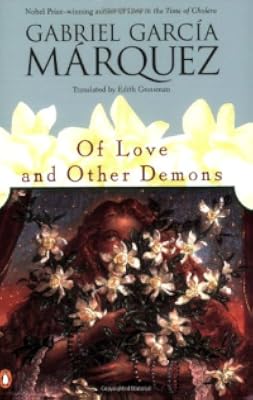
Of Love and Other Demons
by Gabriel Garcia Marquez
On This Page
Description
In colonial South America, the doomed love of a 12-year-old girl and a priest thrice her age sent to exorcise her. She is a nobleman's daughter who has been bitten by a rabid dog. The authorities decide she is possessed by the devil and lock her up in a convent. By the author of Love in the Time of Cholera.Tags
Recommendations












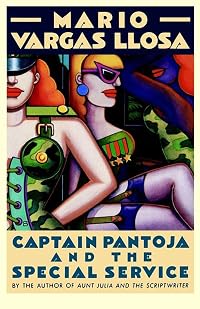



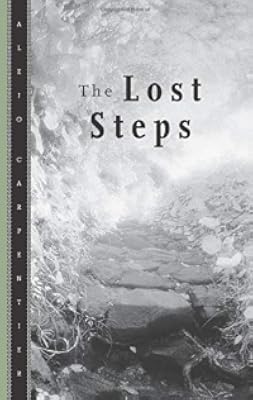


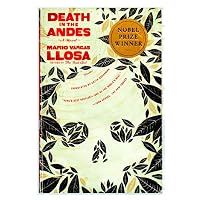

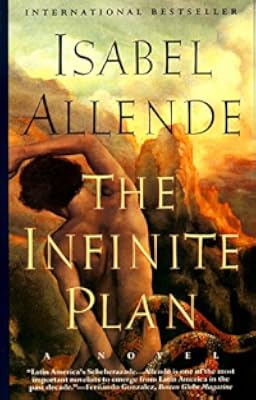













Member Recommendations

santhony Very similar in style. Magic Realism held to a minimum.
Member Reviews
It took me just about a day of "shelter in place" reading to enjoy this short, charming novel. It had been a while since I read any Marquez and was happy to return to his world, if only for the day. The story takes place in coastal city of an unnamed South American country during colonial days. The beautiful, young Sierva Maria, the only daughter of a dissolute nobleman, is bitten by a rabid dog on her 12th birthday. Are the subsequent manifestations of her wild, unruly spirit manifestations of the disease or of demonic possession? Marquez skillfully weaves themes of the passions of love, the ills and absurdities of a repressive culture, especially when it comes to powerless young women, and the inevitable dissolution of a bankrupt show more colonial system ruled from a distance of thousands of miles into 147 pages of floating, lyrical fable. show less
Set in 18th-century colonial Colombia, 12-year-old Sierva María is believed to be possessed after being bitten by a rabid dog. She is the daughter of Marquese Ygnacio and a mixed-race woman, Bernarda Cabrera. Neither parent accepts Sierva María, so she grows up in the company of the African slaves owned by the Marquese. Though the local doctor tells the Marquese he expects Sierva María to recover, she is instead sent to the convent for an exorcism, where she meets a priest, Father Cayetano Delaura, who “falls in love” with her.
Themes include religious zealotry, colonialism, and forbidden love. The storyline explores the clash between rationalism and superstition, and the various "demons" that plague both individuals and society. show more Márquez examines how fear, prejudice, and misunderstanding can transform natural phenomena into perceived supernatural threats. It is a critique of institutional power, particularly that of the Catholic Church and colonial rule. Those in positions of authority are concerned primarily with exercising power rather than finding any empathy for the girl.
It is short and beautifully written but contains much sadness. My heart went out to the poor girl who must have been very confused as to why she was being treated in such a manner. The implied pedophilia was disturbing, but Márquez employs it for a purpose. If you have enjoyed other books by Márquez, such as One Hundred Years of Solitude or Love in the Time of Cholera, as I have, you will likely appreciate this one, too. show less
Themes include religious zealotry, colonialism, and forbidden love. The storyline explores the clash between rationalism and superstition, and the various "demons" that plague both individuals and society. show more Márquez examines how fear, prejudice, and misunderstanding can transform natural phenomena into perceived supernatural threats. It is a critique of institutional power, particularly that of the Catholic Church and colonial rule. Those in positions of authority are concerned primarily with exercising power rather than finding any empathy for the girl.
It is short and beautifully written but contains much sadness. My heart went out to the poor girl who must have been very confused as to why she was being treated in such a manner. The implied pedophilia was disturbing, but Márquez employs it for a purpose. If you have enjoyed other books by Márquez, such as One Hundred Years of Solitude or Love in the Time of Cholera, as I have, you will likely appreciate this one, too. show less
About:
Ninety three days after being bitten by a rabid dog and still not showing any signs of rabies, twelve year old Sierva Maria de Todos los Angeles is put in a convent for observation. Sierva Maria has been put through a series of painful and uncomfortable remedies in order to try and fight the infection that might take her young life.
Her mother and father dislike each other immensely and have allowed the girl to be raised in the slave quarters near their home. This has led Sierva Maria to speak in an African tongue, adopt African traditions and not be close to either of her parents.
Bernarda Cabrera, Sierva Maria's mother, is addicted to sex, cacao and fermented honey. Bernarda slowly deteriorates due to her way of living. Her show more father, Don Ygnacio, lives a quiet life and although his daughter has been left to live with the slaves, he tries to amend this wrongdoing and bring her home.
Once inside the convent, thirty six year old Father Cayetano Delaura is assigned Sierva Maria's case and is put in charge of performing her exorcism. Delaura is a quiet intellectual and a lover of books.
He becomes smitten by the young girl and makes it his mission to prove that she is not possessed. By doing so he will improve her living conditions and save her from the grueling ordeal of an exorcism.
My Thoughts:
I have a love hate relationship with Marquez. He pisses me off but I can't seem to break up with him. This time around, he didn't make me too angry, he mostly mesmerized me with this beautifully written, yet strange tale.
Both love and demons play a part in this surreal story. I found Sierva Maria to behave as I'd expect a young spoiled girl abandoned by her parents would. Her behavior as a result of this poor parenting leads her to lie constantly and she even goes along pretending she is possessed.
Sierva Maria's beautiful red hair has been promised to the Virgin Mary, it must not be cut until the day she marries. When loose, it trails down to her feet.
I found Father Delaura's character to be passionate and interesting, this lover of books encloses himself in his room and read for hours every day.
Bernarda, Sierva Maria's mother was another character that had me shocked with her behavior and some truths that she reveals towards the end of the story.
Sierva's father, Don Ygnacio is a strange and complicated man. He seems not to care about his daughter, but then again he seems like he might love her after all.
Exorcisms and being possessed by demons was considered a legitimate danger during the setting of this book and Márquez brings this aspect of the story out divinely. He weaves in magic and realism perfectly and left me wondering what was real and what was imaginary.
I was both shocked and enthralled as I read this sad story about pain, heartache and faith. Highly recommended if you are a fan of Marquez or to those looking for a piece of fiction that will leave them a bit unsettled by its storyline yet mesmerized by its prose.
The final paragraph in Of Love and Other Demons gave me chills. I can't remember a book ever having that effect on me before.
"He had no room in his heart for anything but Sierva Maria, and even so it was not large enough to hold her. He was convinced that no oceans or mountains, no laws of earth or heaven, no powers of hell could keep them apart."
p.122, Of Love and Other Demons show less
Ninety three days after being bitten by a rabid dog and still not showing any signs of rabies, twelve year old Sierva Maria de Todos los Angeles is put in a convent for observation. Sierva Maria has been put through a series of painful and uncomfortable remedies in order to try and fight the infection that might take her young life.
Her mother and father dislike each other immensely and have allowed the girl to be raised in the slave quarters near their home. This has led Sierva Maria to speak in an African tongue, adopt African traditions and not be close to either of her parents.
Bernarda Cabrera, Sierva Maria's mother, is addicted to sex, cacao and fermented honey. Bernarda slowly deteriorates due to her way of living. Her show more father, Don Ygnacio, lives a quiet life and although his daughter has been left to live with the slaves, he tries to amend this wrongdoing and bring her home.
Once inside the convent, thirty six year old Father Cayetano Delaura is assigned Sierva Maria's case and is put in charge of performing her exorcism. Delaura is a quiet intellectual and a lover of books.
He becomes smitten by the young girl and makes it his mission to prove that she is not possessed. By doing so he will improve her living conditions and save her from the grueling ordeal of an exorcism.
My Thoughts:
I have a love hate relationship with Marquez. He pisses me off but I can't seem to break up with him. This time around, he didn't make me too angry, he mostly mesmerized me with this beautifully written, yet strange tale.
Both love and demons play a part in this surreal story. I found Sierva Maria to behave as I'd expect a young spoiled girl abandoned by her parents would. Her behavior as a result of this poor parenting leads her to lie constantly and she even goes along pretending she is possessed.
Sierva Maria's beautiful red hair has been promised to the Virgin Mary, it must not be cut until the day she marries. When loose, it trails down to her feet.
I found Father Delaura's character to be passionate and interesting, this lover of books encloses himself in his room and read for hours every day.
Bernarda, Sierva Maria's mother was another character that had me shocked with her behavior and some truths that she reveals towards the end of the story.
Sierva's father, Don Ygnacio is a strange and complicated man. He seems not to care about his daughter, but then again he seems like he might love her after all.
Exorcisms and being possessed by demons was considered a legitimate danger during the setting of this book and Márquez brings this aspect of the story out divinely. He weaves in magic and realism perfectly and left me wondering what was real and what was imaginary.
I was both shocked and enthralled as I read this sad story about pain, heartache and faith. Highly recommended if you are a fan of Marquez or to those looking for a piece of fiction that will leave them a bit unsettled by its storyline yet mesmerized by its prose.
The final paragraph in Of Love and Other Demons gave me chills. I can't remember a book ever having that effect on me before.
"He had no room in his heart for anything but Sierva Maria, and even so it was not large enough to hold her. He was convinced that no oceans or mountains, no laws of earth or heaven, no powers of hell could keep them apart."
p.122, Of Love and Other Demons show less
I so wanted to love this book. Touted as a captivating, enchanting and even "edgy" work of storytelling hinged with elements of magical realism, "Of Love and Other Demons" seemed like a promising novel that would haunt me psychologically and emotionally.
Instead, I ended up dreading everything about it.
Quick plot review (spoilers contained): Young girl gets bit by a supposed rabid dog. Said girl is subsequently believed to be possessed by a demon. Girl is sent off to a convent to be "healed"? exorcised? Many strange occurrences seem to follow in the wake of the girls arrival at the convent. There is an overarching theme of assigning evil to that which is not clearly or scientifically understood. Some adult priest becomes enraptured by show more the young girl and their relationship hints at pedophilia. Eventually, everyone dies.
Maybe I missed the deeper meaning of the story because I got so impatient with the long-windedness and near overwhelming number of characters thrown into the mix (which was rather difficult to keep straight). Or maybe I've just become shallow in my old age and need a little more gratuitous action in my novels to hold my attention. In any case, I found myself constantly distracted by the never-ending introduction of the newest Marquis, Bishop, Dominga or person-from-some-Holy-Office. I felt like I needed a character guidebook to accompany the reading of this novel because after a while, I couldn't remember who was who and what their relevance to the story was supposed to be.
The prose in which Marquez writes is admittedly gorgeous, but that wasn't enough to save this piece from the depths of the infernal flames in which I felt like I was burning during the entire read.
"Of Love and Other Demons" is a short book, (less than 150 pages in my edition), yet it took me an entire month to get through it. I just didn't find myself caring much about the characters and never felt swept away by the plot (*was* there one?). It is highly likely that the essence of the story was lost in the English translation from its original Spanish text; I will allow the benefit of the doubt for that. Nonetheless, I found this novel a painful read that left me unmoved. show less
Instead, I ended up dreading everything about it.
Quick plot review (spoilers contained): Young girl gets bit by a supposed rabid dog. Said girl is subsequently believed to be possessed by a demon. Girl is sent off to a convent to be "healed"? exorcised? Many strange occurrences seem to follow in the wake of the girls arrival at the convent. There is an overarching theme of assigning evil to that which is not clearly or scientifically understood. Some adult priest becomes enraptured by show more the young girl and their relationship hints at pedophilia. Eventually, everyone dies.
Maybe I missed the deeper meaning of the story because I got so impatient with the long-windedness and near overwhelming number of characters thrown into the mix (which was rather difficult to keep straight). Or maybe I've just become shallow in my old age and need a little more gratuitous action in my novels to hold my attention. In any case, I found myself constantly distracted by the never-ending introduction of the newest Marquis, Bishop, Dominga or person-from-some-Holy-Office. I felt like I needed a character guidebook to accompany the reading of this novel because after a while, I couldn't remember who was who and what their relevance to the story was supposed to be.
The prose in which Marquez writes is admittedly gorgeous, but that wasn't enough to save this piece from the depths of the infernal flames in which I felt like I was burning during the entire read.
"Of Love and Other Demons" is a short book, (less than 150 pages in my edition), yet it took me an entire month to get through it. I just didn't find myself caring much about the characters and never felt swept away by the plot (*was* there one?). It is highly likely that the essence of the story was lost in the English translation from its original Spanish text; I will allow the benefit of the doubt for that. Nonetheless, I found this novel a painful read that left me unmoved. show less
The writing & the story were lush & mesmerizing & tragic. I loved the intermingling of peoples, races, religions, languages, & more. The intersections of faith vs. skepticism. Superstition vs. science (sound familiar?). The rule followers & the rule breakers. The faithful & the unfaithful. The fantastic & the mundane. The allowed & the forbidden. Sanity & madness. Lethargy & action. There is a lot packed into this small novel. Did it go a couple of places I wish it hadn't? Yes. (Pedophilia. Exorcism. Torture.) But, I think those particular facets absolutely nailed the true tragedy of the story, the threat & danger of blind faith in the name of something bigger (be it religion, or love, or rules, or any other driving factor). This is a show more fascinating & well-written book. Recommended.
Editing to add: While it touched on pedophilia, exorcism, & torture, I did not feel like it wallowed or stayed on them long. They were integral to the story, but not hugely detailed. If that makes sense. show less
Editing to add: While it touched on pedophilia, exorcism, & torture, I did not feel like it wallowed or stayed on them long. They were integral to the story, but not hugely detailed. If that makes sense. show less
A beautiful book that fits into its short length perfectly, much like Thornton Wilder's 'The Bridge of San Luis Rey'. I love how Garcia Marquez takes one idea - that it is impossible to escape a verdict, whether right or wrong (in this case of contracting rabies in a time when medical tests were nigh-on impossible, and then, of being suspected of demonic possession in a time where the Catholic church ruled supreme), and then unwrapping the lives of those affected by the verdict. Brilliant stuff.
‘’Ideas do not belong to anyone {...} They fly around up there like the angels.’’
Neither Colombia nor Gabriel García Márquez need any lengthy introduction. One of the most fascinating countries of our planet, beautiful, mystical, haunting. A land of tales, magic and lively people. A writer who is rightfully considered one of the finest in the history of Literature, a magician of words, an artist who elevated the novella genre and became one of the pioneers of Magical Realism. Of Love and Other Demons is my favourite work by Márquez and the one which initiated me into the beauty of his writing and started my fascination with Colombia. This was the moment to revisit it one more time…
A wild dog attacks the people in the market show more of Cartagena. All those who were bitten die of rabies with the exception of Sierva Maria, the daughter of the Marquis, who shows no sign of decline. Soon, strange incidents begin to take place in the city, attributed to the girl. When the plague starts, the Church takes an interest and begins to investigate whether Maria is actually possessed by demons. Cayetano, a gifted young priest, is assigned to her case and he comes to understand that the Devil is actually pretty weak when compared to two great forces: the madness of the human beings and Love. A kind of love that must survive the attack of the demons who are very much alive, walking on this miserable earth…
‘’Furthermore, a pig spoke and a goat gave birth to triplets.’’
Márquez presents a society that is steeped in superstition and sees evil and signs of doom everywhere. The disease of rabies has always been loaded with myths and otherworldly references. As it is transmitted by animal bites, it has been associated with creatures from all fantasy spectrums, from werewolves and vampires to the Devil himself. Furthermore, the psychological implications of the virus and the way in which victims were dying helped in elevating rabies to the sphere of the metaphysical and the unexplainable. Márquez used these myths to perfection in this novella. The atmosphere of magic and exoticism is further emphasized by the setting of the story. The port is ripe with commerce, slavery is still going strong. These factors comprise a multicultural society, an amalgam of ethnicities, languages, religions and common beliefs. Márquez uses the side effects of class discrimination and the variety of tradition to demonstrate the power of convictions on the thoughts and the life of the people. Religion can be seen either as a refuge or as an excuse to exert power on the helpless. A Bishop who would like to show how open-minded he is when he only aims at imposing his beliefs on everyone. An Abbess that cannot see in front of her nose, serving the malicious fundamentalism of the monasteries. And a priest that tries to fight against madness to save a girl who moves between two worlds, a presence full of secrets and contradictions. What is she? What truly happened?
Through sensuality, folklore and raw realism, Márquez creates a colourful tapestry of themes and beliefs, with a vivid cast of characters. Maria and Cayetano are two protagonists that left their mark on Márquez’s work, in a story that is visceral and beautiful, powerful and tragic. A fable, an exotic allegory that shows how human beings can do the worst evil imaginable. Not any demon, not any devil but men. Men that destroy all that is pure and good and strange by condemning it as unnatural and vile…
‘’I have always believed He attributes more importance to love than to faith.’’
My reviews can also be found on https://theopinionatedreaderblog.wordpress.com show less
Neither Colombia nor Gabriel García Márquez need any lengthy introduction. One of the most fascinating countries of our planet, beautiful, mystical, haunting. A land of tales, magic and lively people. A writer who is rightfully considered one of the finest in the history of Literature, a magician of words, an artist who elevated the novella genre and became one of the pioneers of Magical Realism. Of Love and Other Demons is my favourite work by Márquez and the one which initiated me into the beauty of his writing and started my fascination with Colombia. This was the moment to revisit it one more time…
A wild dog attacks the people in the market show more of Cartagena. All those who were bitten die of rabies with the exception of Sierva Maria, the daughter of the Marquis, who shows no sign of decline. Soon, strange incidents begin to take place in the city, attributed to the girl. When the plague starts, the Church takes an interest and begins to investigate whether Maria is actually possessed by demons. Cayetano, a gifted young priest, is assigned to her case and he comes to understand that the Devil is actually pretty weak when compared to two great forces: the madness of the human beings and Love. A kind of love that must survive the attack of the demons who are very much alive, walking on this miserable earth…
‘’Furthermore, a pig spoke and a goat gave birth to triplets.’’
Márquez presents a society that is steeped in superstition and sees evil and signs of doom everywhere. The disease of rabies has always been loaded with myths and otherworldly references. As it is transmitted by animal bites, it has been associated with creatures from all fantasy spectrums, from werewolves and vampires to the Devil himself. Furthermore, the psychological implications of the virus and the way in which victims were dying helped in elevating rabies to the sphere of the metaphysical and the unexplainable. Márquez used these myths to perfection in this novella. The atmosphere of magic and exoticism is further emphasized by the setting of the story. The port is ripe with commerce, slavery is still going strong. These factors comprise a multicultural society, an amalgam of ethnicities, languages, religions and common beliefs. Márquez uses the side effects of class discrimination and the variety of tradition to demonstrate the power of convictions on the thoughts and the life of the people. Religion can be seen either as a refuge or as an excuse to exert power on the helpless. A Bishop who would like to show how open-minded he is when he only aims at imposing his beliefs on everyone. An Abbess that cannot see in front of her nose, serving the malicious fundamentalism of the monasteries. And a priest that tries to fight against madness to save a girl who moves between two worlds, a presence full of secrets and contradictions. What is she? What truly happened?
Through sensuality, folklore and raw realism, Márquez creates a colourful tapestry of themes and beliefs, with a vivid cast of characters. Maria and Cayetano are two protagonists that left their mark on Márquez’s work, in a story that is visceral and beautiful, powerful and tragic. A fable, an exotic allegory that shows how human beings can do the worst evil imaginable. Not any demon, not any devil but men. Men that destroy all that is pure and good and strange by condemning it as unnatural and vile…
‘’I have always believed He attributes more importance to love than to faith.’’
My reviews can also be found on https://theopinionatedreaderblog.wordpress.com show less
Members
- Recently Added By
Published Reviews
ThingScore 100
What is body and what survives? What is flesh and what is spirit and what is demonic? Mr. Garcia Marquez's answer is an almost didactic, yet brilliantly moving, tour de force.
added by jlelliott
Lists

1001 Books You Must Read Before You Die
1,448 works; 1,133 members

Books Read in 2023
5,638 works; 147 members

Authors from Colombia
5 works; 1 member

Rory Gilmore Book Club
193 works; 5 members

Books Read in 2016
4,666 works; 199 members

Spanish Language in English Translation
19 works; 2 members

Bibliografia essenziale
86 works; 2 members
Author Information

389+ Works 147,379 Members
Gabriel García Márquez was born in Aracataca, Colombia on March 6, 1927. After studying law and journalism at the National University of Colombia in Bogota, he became a journalist. In 1965, he left journalism, to devote himself to writing. His works included Leaf Storm, No One Writes to the Colonel, The Evil Hour, One Hundred Years of Solitude, show more Love in the Time of Cholera, The Autumn of the Patriarch, Chronicle of a Death Foretold, The General in His Labyrinth, Clandestine in Chile, and the memoir Living to Tell the Tale. He won the Nobel Prize for Literature in 1982. He died on April 17, 2014 at the age of 87. (Bowker Author Biography) show less
Some Editions
Awards and Honors
Series
Belongs to Publisher Series
Work Relationships
Is contained in
Gabriel Garcia Marquez Collection: Love in the Time of Cholera, One Hundred Years of Solitude, Chronicle of a Death Foretold, of Love and Other Demons, the Story of a Shipwrecked Sai by Gabriel García Márquez
Gabriel Garcia Marquez Collection: Love in the Time of Cholera, One Hundred Years of Solitude, Chronicle of a Death Foretold, of Love and Other Demons by Gabriel García Márquez
Has the adaptation
Has as a student's study guide
Common Knowledge
- Canonical title*
- Over liefde en andere duivels
- Original title
- Del amor y otros demonios
- Alternate titles*
- Ai sonota no akuryo ni tsuite
- Original publication date
- 1993
- People/Characters*
- Sierva María de Todos los Ángeles; Cayetano Delaura; don Ygnacio de Alfaro y Dueña; Bernarda Cabrera; Abrenuncio de Sa Pereira Cao; Dulce Olivia (show all 10); Martina Laborde; Don Toribio de Cáceres y Virtudes; Josefa Miranda; Dominga de Adviento
- Important places
- Columbia
- Related movies*
- Del amor y otros demonios (2009 | IMDb)
- Epigraph*
- Het schijnt dat de haren veel minder goed herrijzen dan de andere delen van het lichaam.
Thomas van Aquino
Over de gaafheid van herrezen lichamen
(vraagpunt 80, hoofdstuk 5) - Dedication*
- Voor Carmen Balcells, die in tranen baadt
- First words*
- De zesentwintigste oktober 1949 was een dag zonder opzienbarend nieuws.
- Last words*
- (Click to show. Warning: May contain spoilers.)De stekeltjes van haar haren verrezen als bruisende belletjes uit haar kale schedeldak; men zag ze groeien.
- Original language*
- Spaans
*Some information comes from Common Knowledge in other languages. Click "Edit" for more information.
Classifications
Statistics
- Members
- 5,882
- Popularity
- 2,206
- Reviews
- 102
- Rating
- (3.81)
- Languages
- 49 — Afrikaans, Albanian, Arabic, Armenian, Belarusian, Bulgarian, Czech, Danish, Dutch, English, Esperanto, Estonian, Finnish, French, Georgian, German, Irish, Greek, Hebrew, Hindi, Hungarian, Icelandic, Indonesian, Italian, Japanese, Korean, Latin, Latvian, Lithuanian, Macedonian, Norwegian (Bokmål), Norwegian, Farsi/Persian, Polish, Romanian, Russian, Serbian, Croatian, Slovak, Slovenian, Spanish, Swedish, Turkish, Urdu, Welsh, Portuguese (Portugal), Portuguese (Brazil), Chinese, traditional, Chinese, simplified
- Media
- Paper, Audiobook, Ebook
- ISBNs
- 139
- ASINs
- 39