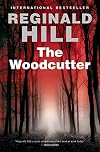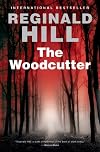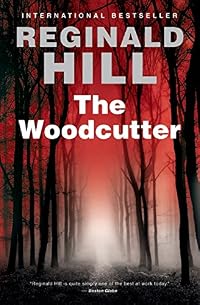
The Woodcutter
by Reginald Hill
On This Page
Description
Imprisoned for a crime he did not commit, Wolf Hadda, a Cumbrian woodcutter's son turned hugely successful entrepreneur, retreats into silence until a prison psychiatrist makes a breakthrough that, revisiting a mysterious period in his youth, draws out the vengeful Woodcutter.Tags
Recommendations




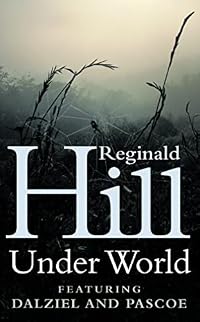
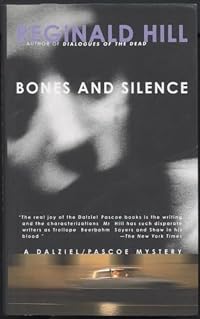
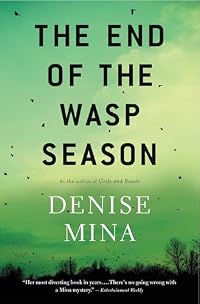
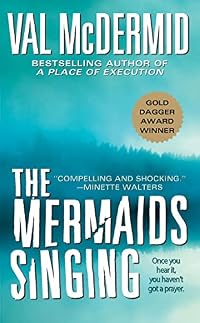

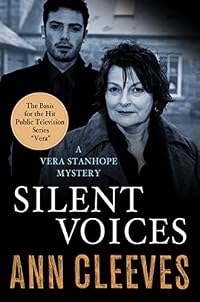
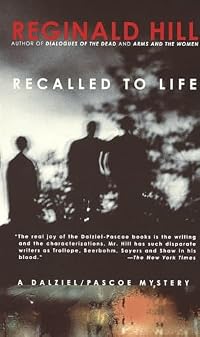
Member Recommendations
bsiemens This is a psychological thriller that ties motives to family.
Member Reviews
This is a brilliant piece of writing, and proof that Reg Hill should be counted amongst the most talented scribes of our time.
Although this is a crime novel, of sorts, it is very different from the series detective novels (Dalziel and Pascoe, Joe Sixsmith): there is much less humour and quite a complex storyline. As every good crime writer does, Hill allows the reader the smug satisfaction of guessing one or two of his plot lines whilst holding the better ones to burst upon a surprised audience.
Were I to set out the plot, there would be two problems; firstly, it would take much space, as this is a spiralling story of some intricacy. Secondly, it would seem far fetched - it is - and that is also where Reg Hill's skill comes into play. show more Whilst reading, the book seems plausible, it is only when the reader stops to think, that the stretching of credibility shines forth. Mr Hill has a way of dealing with that too: he makes the book race on so that one does not have time to consider the likelihood of such events.
Five hundred and eighty pages flew by and, I would have liked a further thousand, or two; it is always a pleasure to drink in the work of such a fine craftsman. show less
Although this is a crime novel, of sorts, it is very different from the series detective novels (Dalziel and Pascoe, Joe Sixsmith): there is much less humour and quite a complex storyline. As every good crime writer does, Hill allows the reader the smug satisfaction of guessing one or two of his plot lines whilst holding the better ones to burst upon a surprised audience.
Were I to set out the plot, there would be two problems; firstly, it would take much space, as this is a spiralling story of some intricacy. Secondly, it would seem far fetched - it is - and that is also where Reg Hill's skill comes into play. show more Whilst reading, the book seems plausible, it is only when the reader stops to think, that the stretching of credibility shines forth. Mr Hill has a way of dealing with that too: he makes the book race on so that one does not have time to consider the likelihood of such events.
Five hundred and eighty pages flew by and, I would have liked a further thousand, or two; it is always a pleasure to drink in the work of such a fine craftsman. show less
This is a stand-alone novel by the author of the Dalziel and Pascoe series. It's a psychological thriller about a mysterious, disfigured but mesmerizing man from Cumbria in England. His name is Wilfred Hadda but everyone knows him as Wolf which is much more fitting. Wolves can be vicious killers, but they are also tender toward members of their pack, i.e. the ones they love.
Wolf Hadda is the son of the estate manager at Ulphingstone Castle. His father teaches him to be a woodcutter so that he'll always have a skill to fall back on. Wolf is besotted with Imogen, the daughter of Sir Leon and Lady Kira of Ulphingstone, and she lusts after him as well, but tells him she could never marry him unless he becomes rich, speaks well, and learns show more proper manners. Of course he goes away, which is a mysterious story in itself, and comes back a finished product to marry the now pregnant Imogen.
Several years later he is suddenly arrested, charged with fraud and pedophilia. The case is solid against him; he doesn't stand a chance. He attempts escape and is hit by a truck. The accident nearly kills him.
That's just the beginning of this intriguing, masterful story. Wolf's character is fascinating, as is Imogen and several other characters, mainly the psychiatrist assigned to him in prison. You learn background gradually throughout the book and I was taken aback many times at a new twist, each time learning something new about Wolf but never quite catching him entirely. There is a shocking, surprising ending and only then did I feel like I understood everything that had happened.
This is a great story, a long one but worth the time and effort. No light beach read, this is a book that makes you think and ponder and just when you think you know what's going to happen, there's another "gotcha." I can't recommend this highly enough. show less
Wolf Hadda is the son of the estate manager at Ulphingstone Castle. His father teaches him to be a woodcutter so that he'll always have a skill to fall back on. Wolf is besotted with Imogen, the daughter of Sir Leon and Lady Kira of Ulphingstone, and she lusts after him as well, but tells him she could never marry him unless he becomes rich, speaks well, and learns show more proper manners. Of course he goes away, which is a mysterious story in itself, and comes back a finished product to marry the now pregnant Imogen.
Several years later he is suddenly arrested, charged with fraud and pedophilia. The case is solid against him; he doesn't stand a chance. He attempts escape and is hit by a truck. The accident nearly kills him.
That's just the beginning of this intriguing, masterful story. Wolf's character is fascinating, as is Imogen and several other characters, mainly the psychiatrist assigned to him in prison. You learn background gradually throughout the book and I was taken aback many times at a new twist, each time learning something new about Wolf but never quite catching him entirely. There is a shocking, surprising ending and only then did I feel like I understood everything that had happened.
This is a great story, a long one but worth the time and effort. No light beach read, this is a book that makes you think and ponder and just when you think you know what's going to happen, there's another "gotcha." I can't recommend this highly enough. show less
It is hard to give a good review of this book without giving too much away. I will say this is my first book by Reginald Hill and I don't know how I missed him!
The Woodcutter is a revenge story but so much more. It's also a psychological thriller that gets us into the mind of an accused man. I love that it was a non-stop guessing game. I felt like I was in one of those labyrinths where you think you know where you are going only to hit a wall. It was mystery after mystery with an end that I never saw coming or even imagined coming. I think I am blue from holding my breath to see what was going to happen next.
I actually picked this book up to read the first page or so just to see if it would appeal to me and I was going to read it at a show more later time. BUT, it pulled me in and I could not put the darn thing down. I was tired for work the entire week.
I really developed a fondness for Wolf Hadda. Not to say he was the nicest of men but he was a good soul who got a dirty deal from those he trusted. I enjoyed his humor and his relationship with his psychiatrist, Dr. Ozigbo. I loved the scene where she found him showering in the forest.
The Woodcutter is one hell of a thriller and I will be looking for more books by this author. show less
The Woodcutter is a revenge story but so much more. It's also a psychological thriller that gets us into the mind of an accused man. I love that it was a non-stop guessing game. I felt like I was in one of those labyrinths where you think you know where you are going only to hit a wall. It was mystery after mystery with an end that I never saw coming or even imagined coming. I think I am blue from holding my breath to see what was going to happen next.
I actually picked this book up to read the first page or so just to see if it would appeal to me and I was going to read it at a show more later time. BUT, it pulled me in and I could not put the darn thing down. I was tired for work the entire week.
I really developed a fondness for Wolf Hadda. Not to say he was the nicest of men but he was a good soul who got a dirty deal from those he trusted. I enjoyed his humor and his relationship with his psychiatrist, Dr. Ozigbo. I loved the scene where she found him showering in the forest.
The Woodcutter is one hell of a thriller and I will be looking for more books by this author. show less
Reading the last couple of Reg Hill's Dalziel and Pascoe books has left me wondering, has the old boy lost his touch? Hill has such a delicacy of touch in his writing that a slight loss of it doesn't mean that the results aren't a terrific read but as I reel somewhat and pause for breath on finishing The Woodcutter then I can only say that in any case the answer is a resounding NO!
This standalone novel is a tour-de-force. In so many ways it's unlike anything else he's attempted. For one thing there are very few laughs in it; it is dark, sometimes harrowing, but never for a second less than gripping, and beautifully written. The descriptions of the Lake District, where much of it is set, are worth the five stars alone, but that's not show more all.
One Hill signature is present; the literary allusions are all over it. There's more than a hint of Wuthering Heights about it but it's from fairy tales and ballads that it draws its energy. A poor woodcutter's son going out into the world to make his fortune and gain the hand of the rich man's daughter sets the framework, but this is Reg Hill and what comes after isn't for the faint-hearted nor for those who can't follow a dizzying assortment of characters, all of them tangled up in the same intricate web, and none of them with straightforward motives. And of course, there's a sting in the tail.
Only one problem. I never really warmed to the enigmatic central character. Maybe I'm not supposed to, but more likely it's in myself. Alva, the other central character, would have something to say about that no doubt.
One thing is clear in the end. It's a parable about the greed and materialism of our selfish modern world. And it's against them. Now there's a surprise!
Thoroughly recommended. show less
This standalone novel is a tour-de-force. In so many ways it's unlike anything else he's attempted. For one thing there are very few laughs in it; it is dark, sometimes harrowing, but never for a second less than gripping, and beautifully written. The descriptions of the Lake District, where much of it is set, are worth the five stars alone, but that's not show more all.
One Hill signature is present; the literary allusions are all over it. There's more than a hint of Wuthering Heights about it but it's from fairy tales and ballads that it draws its energy. A poor woodcutter's son going out into the world to make his fortune and gain the hand of the rich man's daughter sets the framework, but this is Reg Hill and what comes after isn't for the faint-hearted nor for those who can't follow a dizzying assortment of characters, all of them tangled up in the same intricate web, and none of them with straightforward motives. And of course, there's a sting in the tail.
Only one problem. I never really warmed to the enigmatic central character. Maybe I'm not supposed to, but more likely it's in myself. Alva, the other central character, would have something to say about that no doubt.
One thing is clear in the end. It's a parable about the greed and materialism of our selfish modern world. And it's against them. Now there's a surprise!
Thoroughly recommended. show less
Reading the last couple of Reg Hill's Dalziel and Pascoe books has left me wondering, has the old boy lost his touch? Hill has such a delicacy of touch in his writing that a slight loss of it doesn't mean that the results aren't a terrific read but as I reel somewhat and pause for breath on finishing The Woodcutter then I can only say that in any case the answer is a resounding NO!
This standalone novel is a tour-de-force. In so many ways it's unlike anything else he's attempted. For one thing there are very few laughs in it; it is dark, sometimes harrowing, but never for a second less than gripping, and beautifully written. The descriptions of the Lake District, where much of it is set, are worth the five stars alone, but that's not show more all.
One Hill signature is present; the literary allusions are all over it. There's more than a hint of Wuthering Heights about it but it's from fairy tales and ballads that it draws its energy. A poor woodcutter's son going out into the world to make his fortune and gain the hand of the rich man's daughter sets the framework, but this is Reg Hill and what comes after isn't for the faint-hearted nor for those who can't follow a dizzying assortment of characters, all of them tangled up in the same intricate web, and none of them with straightforward motives. And of course, there's a sting in the tail.
Only one problem. I never really warmed to the enigmatic central character. Maybe I'm not supposed to, but more likely it's in myself. Alva, the other central character, would have something to say about that no doubt.
One thing is clear in the end. It's a parable about the greed and materialism of our selfish modern world. And it's against them. Now there's a surprise!
Thoroughly recommended. show less
This standalone novel is a tour-de-force. In so many ways it's unlike anything else he's attempted. For one thing there are very few laughs in it; it is dark, sometimes harrowing, but never for a second less than gripping, and beautifully written. The descriptions of the Lake District, where much of it is set, are worth the five stars alone, but that's not show more all.
One Hill signature is present; the literary allusions are all over it. There's more than a hint of Wuthering Heights about it but it's from fairy tales and ballads that it draws its energy. A poor woodcutter's son going out into the world to make his fortune and gain the hand of the rich man's daughter sets the framework, but this is Reg Hill and what comes after isn't for the faint-hearted nor for those who can't follow a dizzying assortment of characters, all of them tangled up in the same intricate web, and none of them with straightforward motives. And of course, there's a sting in the tail.
Only one problem. I never really warmed to the enigmatic central character. Maybe I'm not supposed to, but more likely it's in myself. Alva, the other central character, would have something to say about that no doubt.
One thing is clear in the end. It's a parable about the greed and materialism of our selfish modern world. And it's against them. Now there's a surprise!
Thoroughly recommended. show less
The thing I have discovered more lately than I ought to have done is that Reginald Hill is a truly superb storyteller in the purest sense of the term and this, in my opinion, is one of his best. Having studied the storytelling art a little over the years I’d boil the essence of a good story (regardless of whether it is told, written or shown) down to these attributes
* they must draw their audience in and make them feel connected to the events being described
* they must have a basic structure of beginning, middle and end
* they need at least one central character who encounters some form of conflict that prevents them from going along the path they had been taking
* they must invite, even prompt, the audience to picture or imagine the show more places, people and events that are being described
* they cannot offer an easy resolution to the issues or conflicts they are describing
For me The Woodcutter ticks all of these boxes with gusto. The audience is drawn in by Hill’s wonderful depictions of Wolf’s out-of-the ordinary young life in the forests of Cumbria and then a very early depiction of his fall from grace. Knowing that an author wouldn’t willingly use up all their most dramatic material in the first few chapters of a novel the reader is left wondering what sort of theme this story will explore..redemption? wronged man? revenge? something else?
Using several characters in addition to Wolf, Hill manages to present several versions of the truth, exploring the notion that what’s true depends on the perspective and facts or knowledge a person has at any time. As a reader you are prepared to go along with each subtle variation of reality, never quite knowing where the whole thing is headed, but somehow always feeling confident that the resolution will be a satisfying and authentic one. Along the way there are splendidly depicted images of both the Cumbrian landscapes and the characters (including a terrific fictional dog) who are central to the story.
Part of the way Hill draws the reader in and keeps them glued is the interesting array of ideas and themes he explores along the way and unlike so many writers he does this, always, as part of the story. The book is a masterclass in the concept of showing not telling. He examines things like the way the British class structure plays out in contemporary society, the role and nature of the justice system and even takes a look modern psychiatry in a way that makes you think.
Literary critic (and professional controversy-starter) Christopher Booker once claimed that there are only seven basic plots for stories and, if this is true, it must get harder to be original as they keep being re-told. In broad ways The Woodcutter is an age-old tale that you’ve heard a thousand times before (in fact it bears a strong resemblance to a 19th Century French adventure classic) but with it’s sparkling dialogue, intricate plot, wonderfully realised characters and the thought-provoking ideas it ponders it is utterly unique. I cannot think of any reader who would not enjoy this wonderful book, crime fiction fan or not, especially via the narration of English actor Jonathan Keeble whose mastery of accents and gender roles was, as always, outstanding. show less
* they must draw their audience in and make them feel connected to the events being described
* they must have a basic structure of beginning, middle and end
* they need at least one central character who encounters some form of conflict that prevents them from going along the path they had been taking
* they must invite, even prompt, the audience to picture or imagine the show more places, people and events that are being described
* they cannot offer an easy resolution to the issues or conflicts they are describing
For me The Woodcutter ticks all of these boxes with gusto. The audience is drawn in by Hill’s wonderful depictions of Wolf’s out-of-the ordinary young life in the forests of Cumbria and then a very early depiction of his fall from grace. Knowing that an author wouldn’t willingly use up all their most dramatic material in the first few chapters of a novel the reader is left wondering what sort of theme this story will explore..redemption? wronged man? revenge? something else?
Using several characters in addition to Wolf, Hill manages to present several versions of the truth, exploring the notion that what’s true depends on the perspective and facts or knowledge a person has at any time. As a reader you are prepared to go along with each subtle variation of reality, never quite knowing where the whole thing is headed, but somehow always feeling confident that the resolution will be a satisfying and authentic one. Along the way there are splendidly depicted images of both the Cumbrian landscapes and the characters (including a terrific fictional dog) who are central to the story.
Part of the way Hill draws the reader in and keeps them glued is the interesting array of ideas and themes he explores along the way and unlike so many writers he does this, always, as part of the story. The book is a masterclass in the concept of showing not telling. He examines things like the way the British class structure plays out in contemporary society, the role and nature of the justice system and even takes a look modern psychiatry in a way that makes you think.
Literary critic (and professional controversy-starter) Christopher Booker once claimed that there are only seven basic plots for stories and, if this is true, it must get harder to be original as they keep being re-told. In broad ways The Woodcutter is an age-old tale that you’ve heard a thousand times before (in fact it bears a strong resemblance to a 19th Century French adventure classic) but with it’s sparkling dialogue, intricate plot, wonderfully realised characters and the thought-provoking ideas it ponders it is utterly unique. I cannot think of any reader who would not enjoy this wonderful book, crime fiction fan or not, especially via the narration of English actor Jonathan Keeble whose mastery of accents and gender roles was, as always, outstanding. show less
First Line: Summer 1963; Profumo disgraced; Ward dead; The Beatles' Please please me top album; Martin Luther King having his dream; JFK fast approaching the end of his; the Cold War at its chilliest; the Wind of Change blowing ever more strongly through Colonial Africa, with its rising blasts already being felt across the Gate of Tears in British-controlled Aden.
Wolf Hadda's life seems to be a fairy tale: he began life as a humble woodcutter's son in a wild and remote area of Cumbria in England, and he's now an extremely successful businessman worth millions and happily married to the woman he fell in love with while in his teens. Hadda knows differently. It took a lot of hard work to get where he is. What he doesn't realize is how show more quickly it can all be taken away.
A knock on the door of his London home one morning eventually sends him to prison, penniless and reviled by one and all. Abandoned by family, friends and business associates, Hadda retreats into silence until seven years later when prison psychiatrist Alva Ozigbo makes a breakthrough. Hadda begins to talk, and with Ozigbo's support, he is paroled and returns to his family home in rural Cumbria.
Certain people are made uneasy by his release, and they should be. During a very mysterious period in Hadda's youth, he left his home and was known by his employers as The Woodcutter. The Woodcutter is back, and he's searching for the truth, and for the identity of those who framed him. To Hadda, revenge would be very sweet indeed.
I made the mistake of reading this book in the pool, and it held me spellbound for so long that I nearly turned into a 5 foot 9 inch tall prune. Hill convinced me almost immediately that Hadda had been framed, and it was very skillfully done because Hadda does not wear a halo. I knew that he had a bad temper, rough edges, and had cut a corner here and there in his business, but I also knew that he was not guilty as charged.
As Alva Ozigbo, the prison psychiatrist, began working with Hadda, it was amusing. She's young, very talented and intelligent, and knows just what she has to do in order to make Hadda see the error of his ways so he can be cured and released. What she doesn't know is that-- where intelligence is concerned-- Hadda runs rings around her. Once Ozigbo starts to understand what's really going on, her greatest fear is that Hadda will carry his quest for revenge too far.
I could go on and on about the unfolding of the complex plot, but it's always my policy to say as little as possible about it. Why read a book review to find out everything that happens in a book? What I will say is that the plot kept me in its clutches from beginning to end, and Wolf Hadda is one of the most complex and fascinating characters I've come across in a long time. If you're looking to be lost in a good book for a considerable length of time, open The Woodcutter and begin to read. My only recommendation is to stay out of the pool while you do. show less
Wolf Hadda's life seems to be a fairy tale: he began life as a humble woodcutter's son in a wild and remote area of Cumbria in England, and he's now an extremely successful businessman worth millions and happily married to the woman he fell in love with while in his teens. Hadda knows differently. It took a lot of hard work to get where he is. What he doesn't realize is how show more quickly it can all be taken away.
A knock on the door of his London home one morning eventually sends him to prison, penniless and reviled by one and all. Abandoned by family, friends and business associates, Hadda retreats into silence until seven years later when prison psychiatrist Alva Ozigbo makes a breakthrough. Hadda begins to talk, and with Ozigbo's support, he is paroled and returns to his family home in rural Cumbria.
Certain people are made uneasy by his release, and they should be. During a very mysterious period in Hadda's youth, he left his home and was known by his employers as The Woodcutter. The Woodcutter is back, and he's searching for the truth, and for the identity of those who framed him. To Hadda, revenge would be very sweet indeed.
I made the mistake of reading this book in the pool, and it held me spellbound for so long that I nearly turned into a 5 foot 9 inch tall prune. Hill convinced me almost immediately that Hadda had been framed, and it was very skillfully done because Hadda does not wear a halo. I knew that he had a bad temper, rough edges, and had cut a corner here and there in his business, but I also knew that he was not guilty as charged.
As Alva Ozigbo, the prison psychiatrist, began working with Hadda, it was amusing. She's young, very talented and intelligent, and knows just what she has to do in order to make Hadda see the error of his ways so he can be cured and released. What she doesn't know is that-- where intelligence is concerned-- Hadda runs rings around her. Once Ozigbo starts to understand what's really going on, her greatest fear is that Hadda will carry his quest for revenge too far.
I could go on and on about the unfolding of the complex plot, but it's always my policy to say as little as possible about it. Why read a book review to find out everything that happens in a book? What I will say is that the plot kept me in its clutches from beginning to end, and Wolf Hadda is one of the most complex and fascinating characters I've come across in a long time. If you're looking to be lost in a good book for a considerable length of time, open The Woodcutter and begin to read. My only recommendation is to stay out of the pool while you do. show less
Members
- Recently Added By
Published Reviews
ThingScore 75
Wolf Hadda is the son of a Cumbrian forester who has become a millionaire businessman and married the beautiful daughter of the local aristocrat who employed his father. His carefully constructed world comes crashing down in 2008, when he is arrested on charges of being involved in an international paedophile ring; while attempting to escape the police he runs under a bus and is seriously show more injured. But the action of THE WOODCUTTER really begins in 2015 when Wolf, now in a maximum security prison, encounters the psychiatrist Alva Ozigbo. Following lengthy sessions with her, he is released and begins a quest for the truth and revenge. show less
added by private library
Lists

ALA The Reading List
490 works; 28 members

Books Read in 2017
4,249 works; 129 members
Ultimate Thriller Guide
52 works; 4 members

Books Read in 2024
4,623 works; 126 members
Author Information

84+ Works 18,503 Members
Reginald Hill has received Britain's most coveted mystery writers award, the Cartier Diamond Dagger Award, as well as the Golden Dagger, for his Dalziel/Pascoe series. (Publisher Provided) Reginald Hill was born in Hartlepool, England on April 3, 1936. He received an English degree from St. Catherine's College, Oxford University and worked as a show more teacher until 1980, when he retired to become a full-time writer. His first novel, A Clubbable Woman, was published in 1970. During his lifetime, he wrote over 50 books that range from historical novels to science fiction including Fell of Dark, No Man's Land, The Spy's Wife, and The Woodcutter. He was best known for the Dalziel and Pascoe series and the Joe Sixsmith series. He also wrote under the pseudonyms of Patrick Ruell, Dick Morland, and Charles Underhill. He received the 1990 Golden Dagger Award for Best Crime Novel of the Year for Bones and Silence and the 1995 Cartier Diamond Dagger Award for lifetime achievement. He died from a brain tumor on January 12, 2012 at the age of 75. (Bowker Author Biography) show less
Some Editions
Awards and Honors
Awards
Distinctions
Series
Belongs to Publisher Series
suhrkamp taschenbuch (4473)
Common Knowledge
- Canonical title
- The Woodcutter
- Original title
- The Woodcutter
- Original publication date
- 2010
- People/Characters
- Sir Wilfrid 'Wolf' Hadda; Imogen Hadda; Sir Leon Ulphingstone; Lady Kira Ulphingstone; Toby Estover; Johnny Nutbrown (show all 7); Alva Ozigbo
- Important places
- rural Cumbria
- Dedication
- For John Leonard, a poet among critics, a true friend to writers and a fountain of knowledge who by imagining what he knows helps us to know what we imagine
- Publisher's editor
- Wisdom, Julia
Classifications
Statistics
- Members
- 633
- Popularity
- 45,689
- Reviews
- 46
- Rating
- (4.02)
- Languages
- English, German, Swedish
- Media
- Paper, Audiobook, Ebook
- ISBNs
- 32
- ASINs
- 8