
Alan Schom
Author of Napoleon Bonaparte: A Life
About the Author
Image credit: Booknotes
Works by Alan Schom
The Eagle and the Rising Sun: The Japanese-American War 1941-1943: Pearl Harbor through Guadalcanal (2003) 183 copies, 2 reviews
Tagged
Common Knowledge
- Birthdate
- 1937-05-09
- Gender
- male
- Education
- University of California, Berkeley (AB|European History)
Durham University (PhD) - Occupations
- professor
historian - Organizations
- University of California, Riverside (Professor)
United States Naval Institute
American Historical Association
French Colonial Historical Society
Naval Club (London ∙ England)
Authors Guild - Agent
- Starling Lawrence
- Nationality
- USA
- Birthplace
- Sterling, Illinois, USA
- Places of residence
- Sterling, Illinois, USA (birth)
- Associated Place (for map)
- Sterling, Illinois, USA
Members
Reviews
The Eagle and the Rising Sun: The Japanese-American War, 1941-1943: Pearl Harbor through Guadalcanal by Alan Schom
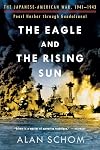
I started this book thinking that I was going to really enjoy it. The deeper in I got, however, the more disappointed I became. I adapted to the author's style of dropping the "to" when he, for example, said that someone was promoted captain (that may be the correct military phrasing, for all I know). I even overlooked the bad editing where words like continuing was placed at two spots in the same sentence, plus spelling and other areas. I even initially took his attack on MacArthur with a show more grain of salt until I realized that this was his slant with several high level commanders and statesmen. While I do not believe that any of the leaders of the time were perfect, his criticism seems extreme. Perhaps what upset me most was his criticism of tactics and accusations of cowardice. It is good to have someone look at events well after they occurred, but Schom seems to overlook the fact that the US -- including its admirals and generals -- were largely unprepared for war. His website does not indicate military service, so I wonder who is he to judge men who were thrust into a war they did not seek and faced the very real possibility of death at any moment. Schom should not be throwing rocks from inside his glass tower. show less

This was well written and interesting.
This is as much about this era and it's major players as it is about Napoleon III.
The author acknowledges that colonization in Algiers was terrible for the citizens of Algiers. He mentions racial cleansing and other crimes against humanity.
Yet when discussing France's forays into Asia the rhetoric isn't that this was devastating or crimes against humanity.
So I didn't like that at all.
I also felt his treatment of Empress Eugenie was a tad sexist.
This is as much about this era and it's major players as it is about Napoleon III.
The author acknowledges that colonization in Algiers was terrible for the citizens of Algiers. He mentions racial cleansing and other crimes against humanity.
Yet when discussing France's forays into Asia the rhetoric isn't that this was devastating or crimes against humanity.
So I didn't like that at all.
I also felt his treatment of Empress Eugenie was a tad sexist.
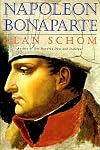
Easy, if depressing, read. You might hope for something larger than life, but instead you see an almost garden-variety tale of psychopathy, megalomania and cronyism -- tiresomely, fearsomely reminiscent of Hitler. The writing and scholarship seem very sound, the pace brisk, and Schom makes no secret of his feelings about Napoleon and many of his hangers-on. A very well-written book, laying bare the essential meanness of his subject.
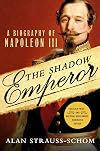
I'm more familiar with the first Napoleon, so I found this biography of his nephew, the less famed Napoleon III or Louis Napoleon, interesting. Louis Napoleon spent much of his early life in exile, but he was determined from a young age to return to France and committed to asserting his family's right to rule. While Louis Napoleon initially encountered setbacks, he was able to obtain power in the wake of the 1848 revolutions that toppled the French king. While initially he was elected show more president, Louis Napoleon transitioned into an Emperor. However, like his uncle, Louis Napoleon lost his throne following a series of wars and died in exile. This biography presents a compelling narrative of a fascinating life that captured many of the key themes of 19th century Europe. show less
Awards

You May Also Like


Associated Authors
Statistics
- Works
- 9
- Members
- 1,253
- Popularity
- #20,469
- Rating
- 3.5
- Reviews
- 10
- ISBNs
- 27
- Languages
- 2