

Howard Sounes
Author of Down the Highway: The Life of Bob Dylan
About the Author
Howard Sounes is the author of ten nonfiction books including celebrated biographies of Paul McCartney and Charles Bukowski as well as bestselling books about crime. He lives in London, England. howardsounes.com
Works by Howard Sounes
Fred & Rose: The Full Story of Fred and Rose West and the Gloucester House of Horrors (1995) 215 copies, 4 reviews
27: A History of the 27 Club through the Lives of Brian Jones, Jimi Hendrix, Janis Joplin, Jim Morrison, Kurt Cobain, and Amy Winehouse (2013) 81 copies, 3 reviews
Associated Works
Tagged
Common Knowledge
- Canonical name
- Sounes, Howard
- Birthdate
- 1965
- Gender
- male
- Occupations
- author
journalist
biographer - Nationality
- England
UK - Birthplace
- Welling, South East London, England
- Places of residence
- London, England, UK
- Map Location
- England, UK
- Associated Place (for map)
- Welling, South East London, England
Members
Reviews
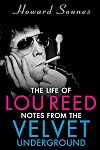
In some ways it's a wonder that Lou Reed is much remembered today. In a career spanning fifty years, he had only one real hit single, "Walk on the Wild Side," as a solo artist; and his earlier band the Velvet Underground never had an album rise higher than 171 on the Billboard 200 (it eventually hit 129 after Reed's death). He also managed to alienate practically everyone he ever met, regularly turning his back on family, friends, band members, managers, promoters, record company executives, show more admiring critics, and benefactors like Andy Warhol and David Bowie. Even his closest and loyalest friends (not that there were many) acquiesced that he was prickly; most of his acquaintances abbreviated that description by two letters. Yet Reed was a prolific songwriter with a unique style both in and out of the studio who remains an influential and iconic, if difficult, figure in the history of rock. In this straightforward, painfully honest biography, Sounes pinpoints the likely source of Reed's demons as a midlife diagnosis of bipolar disorder, made long after two youthful episodes of electroshock therapy (for reasons never made public) and exacerbated by decades of self-medication through drugs and alcohol. Reed was so into drugs, when he finally found one that could actually help him (lithium), he wanted to take too much of it. Confusion over his sexuality—"ambiguous" doesn't begin to cover it—didn't help. During the late 70s, at a time when he should have been lauded as a godfather to the burgeoning punk movement, young listeners ignored him, and he reciprocated. It all makes for a repetitively sad story. Amazon lists at least a dozen biographies of Reed, and I'll admit to not having read any of them until this one, so I can't compare. Sounes's telling seems to strike just the right balance: not too analytical, not too judgmental (though there's plenty to judge a person on), just an honest attempt to get the facts down, told in a straightforward style. He apparently conducted new interviews with people not previously spoken to, which sounds like a plus to me. I don't normally fault rock biographies for not analyzing the music enough, but someone not familiar with Reed's music might wonder what the fuss is all about. Keep Spotify handy. (Just avoid Metal Machine Music. Trust me on this.) show less
 This review was written for LibraryThing Early Reviewers.
Fred & Rose: The Full Story of Fred and Rose West and the Gloucester House of Horrors by Howard Sounes
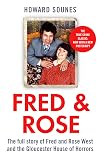
Howard Sounes was working at the News of the World when the murders committed by Fred and Rose West came to light and was among one of the first journalists to cover the story. In that journalistic tradition, then, this is an informative, straightforward account of these events. Sometimes the direct approach is the best one, and one gets the feeling that Fred and Rose West were so aberrant, so bizarre, and so awful that to plumb their story for any deeper meaning would be an exercise in show more futility.
Sounes, then, does the right thing by focusing on the the facts he has at hand. He covers the troubled past of the West and Letts clans — many of whose members were either the victims or the perpetrators of physical and sexual abuse or had seen the inside of a jail cell before the world had even heard of Fred and Rose West. He briefly describes the environmental and developmental factors that might have contributed to Fred and Rose's bizarre fixations, although he does not make the mistake of attributing their deviancy to a single cause. And he takes his time describing what we know about the murders and the investigation that, belatedly, brought the Wests to justice. While "Fred & Rose" came out shortly after the Wests's crimes were discovered, it is clear that the author is intimately familiar with their case. In the course of writing this book, he interviewed neighbors, schoolmates, policemen, former boarders: anyone, in short, that could possibly lend any insight into the actions or state of mind of Fred and Rose West. Of course, that doesn't mean he really gets anywhere. According to this account, the Wests were slow-witted and dull: Fred was an unrepentant, unhygienic sex pest and Rose, when not being hideously cruel to her own children, seemed easily led and — how to put this? — sexually available to just about anyone. It came as a surprise, then, to learn that many people involved in the case believed that Rose, and not Fred, was the main driver behind many of the murders, most of which were probably committed during extreme, and presumably non-consensual, bondage play. Perhaps whatever evil was in her bloomed late, and only surfaced at all because she chose Fred as a husband.
When Sounes does speculate, he does so only when he has good reason to. He asks whether there are victims of Fred and Rose West that are yet to be discovered, and he wonders exactly where the bones that Fred presumably removed from his victims' bodies ended up. It's difficult to understand why Fred and Rose did what they did, in the same way that it's difficult to understand why any truly depraved criminal does what they do. Sometimes, there isn't a "why": there are just graves and missing teenagers. This one isn't a literary masterwork, one wonders if a work of top-shelf literary quality could ever originate from Fred and Rose West's sordid but ultimately shallow lives. Even so, this one is recommended for fans of the true crime genre. show less
Sounes, then, does the right thing by focusing on the the facts he has at hand. He covers the troubled past of the West and Letts clans — many of whose members were either the victims or the perpetrators of physical and sexual abuse or had seen the inside of a jail cell before the world had even heard of Fred and Rose West. He briefly describes the environmental and developmental factors that might have contributed to Fred and Rose's bizarre fixations, although he does not make the mistake of attributing their deviancy to a single cause. And he takes his time describing what we know about the murders and the investigation that, belatedly, brought the Wests to justice. While "Fred & Rose" came out shortly after the Wests's crimes were discovered, it is clear that the author is intimately familiar with their case. In the course of writing this book, he interviewed neighbors, schoolmates, policemen, former boarders: anyone, in short, that could possibly lend any insight into the actions or state of mind of Fred and Rose West. Of course, that doesn't mean he really gets anywhere. According to this account, the Wests were slow-witted and dull: Fred was an unrepentant, unhygienic sex pest and Rose, when not being hideously cruel to her own children, seemed easily led and — how to put this? — sexually available to just about anyone. It came as a surprise, then, to learn that many people involved in the case believed that Rose, and not Fred, was the main driver behind many of the murders, most of which were probably committed during extreme, and presumably non-consensual, bondage play. Perhaps whatever evil was in her bloomed late, and only surfaced at all because she chose Fred as a husband.
When Sounes does speculate, he does so only when he has good reason to. He asks whether there are victims of Fred and Rose West that are yet to be discovered, and he wonders exactly where the bones that Fred presumably removed from his victims' bodies ended up. It's difficult to understand why Fred and Rose did what they did, in the same way that it's difficult to understand why any truly depraved criminal does what they do. Sometimes, there isn't a "why": there are just graves and missing teenagers. This one isn't a literary masterwork, one wonders if a work of top-shelf literary quality could ever originate from Fred and Rose West's sordid but ultimately shallow lives. Even so, this one is recommended for fans of the true crime genre. show less
Confessional: I had a really hard time reading about Lou Reed. I had always heard stories about his despicable character and was hoping most of it was a lot of bunk; I wanted it to be that Lou felt he had to keep up a persona cultivated by his involvement with Andy Warhol and the drug infested 1960s. I was wrong. He was a dick seemingly from birth.
There is no doubt Sounes is very sympathetic towards Reed and his less than admirable character. He made excuses for his bad behavior throughout show more the entire book, calling Reed a "provocateur extraordinaire" as early as the high school years. It is very obvious Lou loved to push buttons early on and did not care in the very least about the consequences. It was if he had a bone to pick with the entire world and spent his entire life trying to get even. He was a troublemaker. He was mean. He acted strange. He was often cranky. Drugs made him even more paranoid than he naturally was. He was a chauvinist and had a thing against women. He welcomed violence against women and had a habit of smashing, shoving, smacking, slapping them. At times Sounes seems conflicted. He states Reed clearly meant to project an image by being a prick, but in the very same sentence admits Reed was the person he projected (p 160).
Reed and his "provocateur extraordinaire" personality aside, Sounes's exhausted research and attention to detail jumps out of every page of the biography. You can smell the grit of New York's grungy streets and feel the beer soaked stickiness of the music scene. Warhol, Nico, Bowie, Iggy...they all live and breathe with vibrancy in Lou Reed. It's as if Sounes bottled their souls and that alone makes the read worth it. show less
There is no doubt Sounes is very sympathetic towards Reed and his less than admirable character. He made excuses for his bad behavior throughout show more the entire book, calling Reed a "provocateur extraordinaire" as early as the high school years. It is very obvious Lou loved to push buttons early on and did not care in the very least about the consequences. It was if he had a bone to pick with the entire world and spent his entire life trying to get even. He was a troublemaker. He was mean. He acted strange. He was often cranky. Drugs made him even more paranoid than he naturally was. He was a chauvinist and had a thing against women. He welcomed violence against women and had a habit of smashing, shoving, smacking, slapping them. At times Sounes seems conflicted. He states Reed clearly meant to project an image by being a prick, but in the very same sentence admits Reed was the person he projected (p 160).
Reed and his "provocateur extraordinaire" personality aside, Sounes's exhausted research and attention to detail jumps out of every page of the biography. You can smell the grit of New York's grungy streets and feel the beer soaked stickiness of the music scene. Warhol, Nico, Bowie, Iggy...they all live and breathe with vibrancy in Lou Reed. It's as if Sounes bottled their souls and that alone makes the read worth it. show less
This review was written for LibraryThing Early Reviewers.27: A History of the 27 Club through the Lives of Brian Jones, Jimi Hendrix, Janis Joplin, Jim Morrison, Kurt Cobain, and Amy Winehouse by Howard Sounes
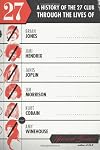
Howard Sounes has found 50 musicians who died at 27. They are listed at the end of the book, but just the most famous six are actually profiled. He did it in a parallel style rather than profile each of them at a time. This way, you can see the deterioration as it happened in each of them. You can pick out where they went wrong and where someone should have taken charge and clopped them up the side of the head.
The most coverage clearly goes to Amy Winehouse who is both the most recent and show more the closest to home – Sounes’ home, London. She seemed to have been the brightest and possibly the most talented, but also the weakest.
None of the protagonists comes off very well. They all seem to be spoiled brats who don’t get along with others. Some of them were justly famous for trashing a stage or a hotel room or a house, like little kids not getting their way, stomping their little feet. Except they were bigger and had business managers who would take care of the charges.
They have several traits in common: boredom, loneliness, inability to co-operate with other bandmembers, fed up with their chosen careers, and of course, chemical abuse in the form of alcohol, cocaine, heroin and marijuana, along with a litany of prescription pills.
Except for Amy Winehouse, none of them died rich. They were only just coming into their own, with maybe a fancy car to their name. Most of them hated what they did for a living, showing up drunk and stoned, and cursing the paying public when it booed them for doing so (and performing badly). They flirted with suicide, what with things going so rottenly for them.
What is strange is that no one but themselves was holding a gun to their heads. If they were bored, fed up, hated touring, hated performing, needed drugs just to show up – then stop doing that. Go back to school. Create a startup. Retire. Invent a second act. But not one of them seemed able to think outside their little box of suffering. Hardly inspiring. They died in their vomit or passed out into a swimming pool or an end table. None of these heroes is heroic.
The final chapter is the most interesting. It details how their heirs leveraged their works into multimillion dollar industries, providing lifetime income, probably for several generations, what with copyright laws now at 93 years.
It’s a fascinating journey, and one that could clearly have been avoided in every case. show less
The most coverage clearly goes to Amy Winehouse who is both the most recent and show more the closest to home – Sounes’ home, London. She seemed to have been the brightest and possibly the most talented, but also the weakest.
None of the protagonists comes off very well. They all seem to be spoiled brats who don’t get along with others. Some of them were justly famous for trashing a stage or a hotel room or a house, like little kids not getting their way, stomping their little feet. Except they were bigger and had business managers who would take care of the charges.
They have several traits in common: boredom, loneliness, inability to co-operate with other bandmembers, fed up with their chosen careers, and of course, chemical abuse in the form of alcohol, cocaine, heroin and marijuana, along with a litany of prescription pills.
Except for Amy Winehouse, none of them died rich. They were only just coming into their own, with maybe a fancy car to their name. Most of them hated what they did for a living, showing up drunk and stoned, and cursing the paying public when it booed them for doing so (and performing badly). They flirted with suicide, what with things going so rottenly for them.
What is strange is that no one but themselves was holding a gun to their heads. If they were bored, fed up, hated touring, hated performing, needed drugs just to show up – then stop doing that. Go back to school. Create a startup. Retire. Invent a second act. But not one of them seemed able to think outside their little box of suffering. Hardly inspiring. They died in their vomit or passed out into a swimming pool or an end table. None of these heroes is heroic.
The final chapter is the most interesting. It details how their heirs leveraged their works into multimillion dollar industries, providing lifetime income, probably for several generations, what with copyright laws now at 93 years.
It’s a fascinating journey, and one that could clearly have been avoided in every case. show less
Lists
Awards


You May Also Like


Associated Authors
Statistics
- Works
- 13
- Also by
- 2
- Members
- 1,757
- Popularity
- #14,642
- Rating
- 3.7
- Reviews
- 42
- ISBNs
- 113
- Languages
- 15
