
Ann Petry (1908–1997)
Author of The Street
About the Author
Ann Petry was born in Old Saybrook, Connecticut on October 12, 1908. She received a degree in pharmacy from the University of Connecticut in 1931. After working in the family business for three years, she wrote for the Amsterdam News and later for other publications. From 1944 to 1946, she studied show more creative writing at Columbia University. Her first novel, The Street, was published in 1946 and became the first novel by an African American to sell more than a million copies. Her other works include Country Place, The Narrows, The Drugstore Cat, Harriet Tubman: Conductor on the Underground Railroad, and Tituba of Salem Village. She died on April 28, 1997 at the age of 88. (Bowker Author Biography) show less
Image credit: Courtesy of the NYPL Digital Gallery (image use requires permission from the New York Public Library
Works by Ann Petry
Associated Works
Points of View: An Anthology of Short Stories, Revised & Updated Edition (1995) — Contributor — 443 copies, 7 reviews
The Norton Anthology of African American Literature {2nd edition} (2003) — Contributor, some editions — 282 copies, 2 reviews
Daughters of Africa: An International Anthology of Words and Writings by Women of African Descent from the Ancient Egyptian to the Present (1992) — Contributor — 186 copies
Children of the Night: The Best Short Stories by Black Writers, 1967 to the Present (1995) — Contributor — 126 copies
Calling the Wind: Twentieth Century African-American Short Stories (1992) — Contributor — 116 copies
Black Noir: Mystery, Crime, and Suspense Fiction by African-American Writers (2009) — Contributor — 61 copies, 1 review
Revolutionary Tales: African American Women's Short Stories, from the First Story to the Present (1995) — Contributor — 54 copies
Centers of the Self: Stories by Black American Women, from the Nineteenth Century to the Present (1994) — Contributor — 31 copies
Rediscoveries II: Important Writers Select Their Favorite Works of Neglected Fiction (1988) — Contributor — 31 copies, 1 review
The Unforgetting Heart: An Anthology of Short Stories by African American Women, 1859-1993 (1993) — Contributor — 22 copies
Tell It to Us Easy and Other Stories: A Complete Short Fiction Anthology of African American Women Writers in Opportunity Magazine 1923-1948 (2008) — Contributor — 5 copies
Girl, Colored and Other Stories: A Complete Short Fiction Anthology of African American Women Writers in The Crisis Magazine, 1910-2010 (2010) — Contributor — 4 copies
The Ethnic Image in Modern American Literature, 1900-1950, Volumes 1-2 (1984) — Contributor — 1 copy
Tagged
Common Knowledge
- Canonical name
- Petry, Ann
- Legal name
- Petry, Ann Lane
Lane, Ann (born) - Other names
- Petry, Arnold
- Birthdate
- 1908-10-12
- Date of death
- 1997-04-28
- Gender
- female
- Education
- Connecticut College of Pharmacy (Ph.D.)
- Occupations
- pharmacist
journalist
advertising salesperson
recreational specialist
novelist - Organizations
- National Association for the Advancement of Colored People
American Negro Theater
Negro Women, Inc. - Awards and honors
- Houghton Mifflin Literary Fellowship
- Nationality
- USA
- Birthplace
- Old Saybrook, Connecticut, USA
- Places of residence
- Old Saybrook, Connecticut, USA
New York, New York, USA - Place of death
- Old Saybrook, Connecticut, USA
- Associated Place (for map)
- Connecticut, USA
Members
Reviews
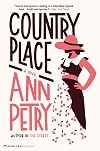
Ann Petry's 1947 novel "Country Place,” is a powerful story that delves into the complexities of post-WWII small-town America, examining themes of infidelity, racism, class dynamics, and the destructive power of gossip.
The novel captures several key elements:
- The narrative structure built around a coming hurricane that mirrors the growing emotional storm in Lennox, Connecticut
- The troubled marriage between Johnnie Roane (a returning WWII veteran) and his unfaithful wife Glory
- The show more mother-daughter relationship between Lil and Glory, with its troubling parallels
- The suspicious circumstances surrounding Mrs. Gramby's death
- The small-town gossip network that amplifies the tensions within the community
The novel does effectively use weather as both setting and metaphor, with the hurricane serving as a catalyst that exposes the town's hidden troubles. Petry drew on her personal experiences of the hurricane in Old Saybrook in Country Place. Although the novel is set in the immediate aftermath of World War II, Petry identified the 1938 New England hurricane as the source for the storm that is at the center of her narrative.
My wish for a map of Lennox - that would indeed be helpful! While the novel doesn't include one, creating a mental map of the key locations (like the Gramby house, Obit's Heights, etc.) can help track the characters' movements and understand the social geography Petry constructs.
This was a first Ann Petry read for me and a page-turner story that masterfully captures the transformation of small-town life in America and complex female characters from one of the twentieth century’s finest writers. I will absolutely read her full catalog of novels. show less
The novel captures several key elements:
- The narrative structure built around a coming hurricane that mirrors the growing emotional storm in Lennox, Connecticut
- The troubled marriage between Johnnie Roane (a returning WWII veteran) and his unfaithful wife Glory
- The show more mother-daughter relationship between Lil and Glory, with its troubling parallels
- The suspicious circumstances surrounding Mrs. Gramby's death
- The small-town gossip network that amplifies the tensions within the community
The novel does effectively use weather as both setting and metaphor, with the hurricane serving as a catalyst that exposes the town's hidden troubles. Petry drew on her personal experiences of the hurricane in Old Saybrook in Country Place. Although the novel is set in the immediate aftermath of World War II, Petry identified the 1938 New England hurricane as the source for the storm that is at the center of her narrative.
My wish for a map of Lennox - that would indeed be helpful! While the novel doesn't include one, creating a mental map of the key locations (like the Gramby house, Obit's Heights, etc.) can help track the characters' movements and understand the social geography Petry constructs.
This was a first Ann Petry read for me and a page-turner story that masterfully captures the transformation of small-town life in America and complex female characters from one of the twentieth century’s finest writers. I will absolutely read her full catalog of novels. show less

Eu acho que uma narrativa que amorna em determinados trechos não constitui um problema - caso o todo compense -, mas acredito que as primeiras páginas têm que nos fisgar. Ann Petry começa esta narrativa nos apresentando à personagem principal do livro, a rua do título, e a autora é tão convincente que me senti lá, numa noite de ventania no Harlem dos anos 40, papéis e poeira pelos ares e sujeira entrando nos olhos e se enroscando pelas pernas, dificultando os movimentos.
Ann Petry show more me conquistou ali. E foi mais além.
Naquela rua estava Lutie Johnson, que procurava um apartamento com aluguel barato para onde pudesse se mudar com seu filho Bub, de oito anos, fugindo da casa do pai e de sua recente namorada, uma desocupada que Lutie julgava ser uma péssima influência para o filho. Ela não tinha ilusões quanto ao tipo de lugar pelo qual poderia pagar: pequeno, sujo, caindo aos pedaços e com uma vizinhança encrenqueira, mas pensava que seria melhor do que a casa do pai e um passo no caminho de uma vida mais próspera, pois além da admiração por Benjamin Franklin, ela aprendera quando trabalhara como empregada para os Chandler, que “qualquer um poderia enriquecer se quisesse, se trabalhasse duro o suficiente e planejasse bem”. O tal “sonho americano”.
Porém Lutie é mulher. É negra. É jovem e bonita. E não tenciona viver às expensas de homem nenhum. Na “rua”, ela vai percebendo que o sonho americano é para todos. Menos alguns.
Esta narrativa é sobre as tentativas de Lutie de seguir em frente e prosperar, porém sentindo que a rua a puxa para trás; mas é também sobre muitas outras coisas: racismo, pobreza, desigualdade, sexismo, poder, decadência.
É sobre Lutie, mas também sobre Jones, a sra. Hedges, Junto, Boots e Min; sobre como chegaram até ali onde suas vidas se cruzaram. E sobre Bub e seu futuro incerto naquela rua que os classificava. Que os segregava. Que também os desumanizava.
E o final? Gente, eu não estava preparada para isso.
Notas;
1. A rua foi o primeiro romance de uma autora negra a superar a marca de 1 milhão de exemplares vendidos nos Estados Unidos (vendeu 1,5 milhão de cópias).
2. Com ele, Ann Petry ganhou o prêmio Houghton Mifflin de escritora iniciante.
3. Junto (junta) - no livro o nome do personagem branco e bem sucedido - é um termo que teve origem na política inglesa do final do séc. XVII e início do XVIII, levado para os Estados Unidos por Benjamin Franklin, que fundou um clube na Filadélfia com esse nome. Criado a partir dos cafés ingleses que ele conhecia bem e que se tornaram centro de disseminação de ideias iluministas, o Junto de Franklin era formado por aspirantes a artesãos e comerciantes, que promoviam discussões e leituras objetivando que seus membros “melhorassem a si mesmos enquanto melhoravam a comunidade”.
4. Ann Petry era formada em Farmácia, assim como seu pai. Sua tia foi a primeira mulher farmacêutica em Connecticut. Após o casamento, mudou-se para Nova York e trabalhou como jornalista e escritora, estudou escrita criativa e trabalhou num projeto extraclasse no Harlem.
Fontes: Carambaia, Wikipédia e HMH.
Obs:: Lido na edição em português da Editora Carambaia de 2021 (A rua). show less
Ann Petry show more me conquistou ali. E foi mais além.
Naquela rua estava Lutie Johnson, que procurava um apartamento com aluguel barato para onde pudesse se mudar com seu filho Bub, de oito anos, fugindo da casa do pai e de sua recente namorada, uma desocupada que Lutie julgava ser uma péssima influência para o filho. Ela não tinha ilusões quanto ao tipo de lugar pelo qual poderia pagar: pequeno, sujo, caindo aos pedaços e com uma vizinhança encrenqueira, mas pensava que seria melhor do que a casa do pai e um passo no caminho de uma vida mais próspera, pois além da admiração por Benjamin Franklin, ela aprendera quando trabalhara como empregada para os Chandler, que “qualquer um poderia enriquecer se quisesse, se trabalhasse duro o suficiente e planejasse bem”. O tal “sonho americano”.
Porém Lutie é mulher. É negra. É jovem e bonita. E não tenciona viver às expensas de homem nenhum. Na “rua”, ela vai percebendo que o sonho americano é para todos. Menos alguns.
Esta narrativa é sobre as tentativas de Lutie de seguir em frente e prosperar, porém sentindo que a rua a puxa para trás; mas é também sobre muitas outras coisas: racismo, pobreza, desigualdade, sexismo, poder, decadência.
É sobre Lutie, mas também sobre Jones, a sra. Hedges, Junto, Boots e Min; sobre como chegaram até ali onde suas vidas se cruzaram. E sobre Bub e seu futuro incerto naquela rua que os classificava. Que os segregava. Que também os desumanizava.
E o final? Gente, eu não estava preparada para isso.
Notas;
1. A rua foi o primeiro romance de uma autora negra a superar a marca de 1 milhão de exemplares vendidos nos Estados Unidos (vendeu 1,5 milhão de cópias).
2. Com ele, Ann Petry ganhou o prêmio Houghton Mifflin de escritora iniciante.
3. Junto (junta) - no livro o nome do personagem branco e bem sucedido - é um termo que teve origem na política inglesa do final do séc. XVII e início do XVIII, levado para os Estados Unidos por Benjamin Franklin, que fundou um clube na Filadélfia com esse nome. Criado a partir dos cafés ingleses que ele conhecia bem e que se tornaram centro de disseminação de ideias iluministas, o Junto de Franklin era formado por aspirantes a artesãos e comerciantes, que promoviam discussões e leituras objetivando que seus membros “melhorassem a si mesmos enquanto melhoravam a comunidade”.
4. Ann Petry era formada em Farmácia, assim como seu pai. Sua tia foi a primeira mulher farmacêutica em Connecticut. Após o casamento, mudou-se para Nova York e trabalhou como jornalista e escritora, estudou escrita criativa e trabalhou num projeto extraclasse no Harlem.
Fontes: Carambaia, Wikipédia e HMH.
Obs:: Lido na edição em português da Editora Carambaia de 2021 (A rua). show less
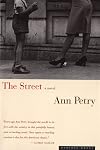
This book felt like the steady, inevitable building of a structure—or maybe more accurately, like the slow-motion springing of a trap. It starts as a fairly straightforward story about a young mother trying to survive and maybe, just maybe, improve her situation. It gradually becomes a demonstration of just how impossible that simple goal is for her. In the beginning, honestly, Lutie didn’t quite feel fully realized. She was almost more of a trope—a composite to demonstrate the show more qualities and hopes that Black women must carry in America: hard work, respectability, self-control. But as she actively fights to find some kind of escape, the anger and exhaustion that set in make her a more and more vivid character.
Petry isn’t an especially good writer, per se, but her command of the novel’s structure is masterful. We watch door after door open for Lutie, only to shut just at the moment she tries to pass through. As Petry shifts perspective to other characters around her, it’s clear that the same mix of desperation and hope pervades the entire street. Each apparent opportunity—economic, romantic, whatever—closes almost as soon as it opens, and that repetitive disappointment begins to feel almost like a pulse running through the book. The street doesn’t merely deny these people any escape—it almost seems to feed on their hope.
I don’t mean to sound too depressing, though. It’s not uplifting, but it’s a powerful book. Almost as soon as I finished it, I immediately started thinking about reading it again. show less
Petry isn’t an especially good writer, per se, but her command of the novel’s structure is masterful. We watch door after door open for Lutie, only to shut just at the moment she tries to pass through. As Petry shifts perspective to other characters around her, it’s clear that the same mix of desperation and hope pervades the entire street. Each apparent opportunity—economic, romantic, whatever—closes almost as soon as it opens, and that repetitive disappointment begins to feel almost like a pulse running through the book. The street doesn’t merely deny these people any escape—it almost seems to feed on their hope.
I don’t mean to sound too depressing, though. It’s not uplifting, but it’s a powerful book. Almost as soon as I finished it, I immediately started thinking about reading it again. show less

Petry's novel is rich in detail of life in Harlem in the 1940s. Most of that detail is gritty, if not downright gruesome, and Petry spares us nothing of the physical and emotional desolation of being poor, black and untethered in that place and time. The writing is often superb, but occasionally repetitious, and tends toward preachiness in places. We spend a lot of time inside the heads of Lutie Johnson, Jones the Super, and Jones's current woman, Min. Lutie is a young single mother, show more struggling to keep her son safe and fed, always hoping for an opportunity to do just a little better, and get him away from "the street" (116th St) and its evil influences. Jones is a man who has spent most of his life in cellars, tending furnaces, fixing ancient plumbing, and lusting after attractive women like Lutie while living with a succession of "wives" who soon tire of his peculiarities. Min has found Jones to be a good enough meal and rent ticket for a couple years, has even tried to make his life better with her domestic touches, but sees no future with him once his obsession with Lutie Johnson takes hold. These are all strong interesting characters, and in each case their narratives took me to unexpected places and unpredictable outcomes. Except. I just don't buy Lutie's final scene. No spoilers...I saw one development coming, but its aftermath did not play out in a way I found totally believable given what I knew of Lutie's character by that time. Granted her options were less than limited, I thought the novel's ending failed to come up to the creative standard set by the rest of it. That, combined with a little too much telling (and re-telling) in place of showing, subtracted a star from my rating. Still, I found this an incredibly powerful read. show less
Lists
Awards


You May Also Like


Associated Authors
Statistics
- Works
- 13
- Also by
- 27
- Members
- 3,037
- Popularity
- #8,405
- Rating
- 4.0
- Reviews
- 49
- ISBNs
- 118
- Languages
- 7
- Favorited
- 5