
Alice Randall
Author of The Wind Done Gone
Works by Alice Randall
Associated Works
Tagged
Common Knowledge
- Birthdate
- 1959-05-04
- Gender
- female
- Education
- Harvard University
- Occupations
- author
songwriter - Agent
- Marie Dutton Brown
- Relationships
- Williams, Caroline Randall (daughter)
- Nationality
- USA
- Birthplace
- Detroit, Michigan, USA
- Places of residence
- Nashville, Tennessee, USA
Washington, D.C., USA - Associated Place (for map)
- USA
Members
Reviews
The caveats: I am a white male, American by birth, though I grew up in a different culture than American. Thus I don't know that I have much right to speak to this book. But this is Library Thing, and I'm a reviewer, and therefore I will.
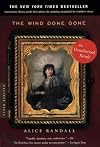
I loved it. I loved Gone with the Wind, both the movie and the book. I thought it one of the most romantic movies of all time. I still do. But I must confess I was somewhat clueness to the reality of the situation before reading The Wind Done Gone. show more Certainly, I nodded to the concept that there would be a different experience for black slaves, and that that is not well-addressed in Gone with the Wind. But until now, I didn't realize this as fully. The Wind Done Gone helps me to see the African-Americans of the novel as real people, and I must say even the minor white characters of The Wind Done Gone are enfleshed more fully than those of Gone With the Wind. Rhett Butler, despite his claims in Gone With the Wind, is well-known to be the only true gentleman of the novel and movie. He is the good guy, the one we root for. Scarlet O'Hara is, in contrast, quite annoying. But here, in The Wind Done Gone, we get to see that Rhett, also, is a product of the white hegemony of the South. He certainly cares for Cynara a great deal, and he treats her better than most any other whites would, even to the point of marrying her, but ultimately, she is still exotic Other to him, and not simply a wondrous human. Indeed, after years together, after marriage, he still doesn't know her name- because he never asked.
Gone With the Wind is the better romance of the two, by far. It moves in that sense. The Wind Done Gone is the more realistic portrayal. And it does not have the happiness and joy of Gone With the Wind (minus the ending, of course). But let's be honest. There was more happiness and joy in antebellum South for white folks than there was for black folks. And thus I am glad to know this world better, thanks to this novel. show less
I loved it. I loved Gone with the Wind, both the movie and the book. I thought it one of the most romantic movies of all time. I still do. But I must confess I was somewhat clueness to the reality of the situation before reading The Wind Done Gone. show more Certainly, I nodded to the concept that there would be a different experience for black slaves, and that that is not well-addressed in Gone with the Wind. But until now, I didn't realize this as fully. The Wind Done Gone helps me to see the African-Americans of the novel as real people, and I must say even the minor white characters of The Wind Done Gone are enfleshed more fully than those of Gone With the Wind. Rhett Butler, despite his claims in Gone With the Wind, is well-known to be the only true gentleman of the novel and movie. He is the good guy, the one we root for. Scarlet O'Hara is, in contrast, quite annoying. But here, in The Wind Done Gone, we get to see that Rhett, also, is a product of the white hegemony of the South. He certainly cares for Cynara a great deal, and he treats her better than most any other whites would, even to the point of marrying her, but ultimately, she is still exotic Other to him, and not simply a wondrous human. Indeed, after years together, after marriage, he still doesn't know her name- because he never asked.
Gone With the Wind is the better romance of the two, by far. It moves in that sense. The Wind Done Gone is the more realistic portrayal. And it does not have the happiness and joy of Gone With the Wind (minus the ending, of course). But let's be honest. There was more happiness and joy in antebellum South for white folks than there was for black folks. And thus I am glad to know this world better, thanks to this novel. show less

The promo as "parody" does not do this book justice. Yes, some of the same characters in Gone With The Wind appear here, but this is not humourous or satirical. This is a strong portrayal of a mulatto woman's experience, growing up in the big house on a "cotton farm" plantation. Written in diary form, Cynara's growing maturity and realization of the way the necessities of slavery impede her mother's expression of love, and led to her own yearning for love and security. Yet she is cynical show more about love in her relationship w/her lover: "loving somebody is just the graceful practice of patience before the love dies." (p.43). She wants to be seen and respected for herself, something her white lover will never be able to do. How will the effects of slavery be carried down thru the generations? Is there a way to break with the past? Cynara is sick on an ocean voyage, not with seasickness, but with the burden of her ancestors terrible voyages to America.
Randall's frequent mention of the value of voting to the freed slaves is undoubtedly noteworthy, yet I didn't note those quotations---they didn't resound with my experience of voting since I've been 18 & never doubting that I could vote.
It's been several decades since my reading of GWTW, so I didn't always recognize the characters referred to, but loved the names the slaves gave their white masters & plantations. Dreamy Gentleman was obvious, as was MealyMouth. Names are important. Cynara doesn't learn her mother's name until after her death. A black Congressman is the first person in Cynara's life to call her by name. show less
Randall's frequent mention of the value of voting to the freed slaves is undoubtedly noteworthy, yet I didn't note those quotations---they didn't resound with my experience of voting since I've been 18 & never doubting that I could vote.
It's been several decades since my reading of GWTW, so I didn't always recognize the characters referred to, but loved the names the slaves gave their white masters & plantations. Dreamy Gentleman was obvious, as was MealyMouth. Names are important. Cynara doesn't learn her mother's name until after her death. A black Congressman is the first person in Cynara's life to call her by name. show less
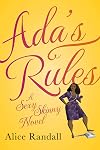
Ada’s Rules is subtitled ‘A Sexy Skinny Novel’ which is apt. This book is novel, taking the journey of one (fictional) woman’s weight loss, combining weight loss tips (some good, some I’d doubt the scientific validity of) with the problems of ailing parents, a husband who might be cheating and daughters that might be taking the wrong path.
Ada’s motivation for losing weight is a common one – the dreaded school reunion and meeting of a former flame. However, this girl is show more determined with a capital D. Organising herself with a diary/food journal and an ever-growing list of rules (every chapter is titled with one of Ada’s rules), she begins to kick butt. Some of these rules are common sense – such as exercising - but I’m not too sure that the diet based on your DNA has much supporting evidence.
But it’s not just excess weight plaguing Ada. She’s worried that her husband might be cheating. She’s worried that she might cheat with a former flame (especially as he likes ‘skinny girls’). Her daughters are starting to put on weight and all her sisters died from complications relating to diabetes. Her mum doesn’t recognise her, living in an alcoholic delirium. Her business is trying to stay afloat to support children from disadvantaged backgrounds.
Despite all this, Ada manages to stay positive and on the weight loss wagon most of the time. I found this book to be inspiring in places (telling me that it is a good idea to walk up 10 flights of stairs or ignoring work morning tea goodies) but sometimes some of Ada’s positive steps rubbed off on me the wrong way, leading me to think, ‘I deserve that ice cream!’ Not so good.
It’s definitely a unique idea to wrap self-help tips for weight loss around an interesting, light novel. I wonder if this book could be treated as some cognitive behavioural therapy? (I did lose 1kg while reading it!) I also thought it was good that Randall brought to light the complications of diabetes and their consequences, as I feel this isn’t something that it widely known or taken seriously in the general media. The overall positive tone makes you feel that weight loss is achievable, whether it be 1kg or more than 20kg – it’s just a series of small steps.
It’s an easy and fun read, but you’ll take away some important messages about food and exercise. I really like books that teach while entertain and if you do too, you’ll be cheering Ada on the whole way.
http://samstillreading.wordpress.com show less
Ada’s motivation for losing weight is a common one – the dreaded school reunion and meeting of a former flame. However, this girl is show more determined with a capital D. Organising herself with a diary/food journal and an ever-growing list of rules (every chapter is titled with one of Ada’s rules), she begins to kick butt. Some of these rules are common sense – such as exercising - but I’m not too sure that the diet based on your DNA has much supporting evidence.
But it’s not just excess weight plaguing Ada. She’s worried that her husband might be cheating. She’s worried that she might cheat with a former flame (especially as he likes ‘skinny girls’). Her daughters are starting to put on weight and all her sisters died from complications relating to diabetes. Her mum doesn’t recognise her, living in an alcoholic delirium. Her business is trying to stay afloat to support children from disadvantaged backgrounds.
Despite all this, Ada manages to stay positive and on the weight loss wagon most of the time. I found this book to be inspiring in places (telling me that it is a good idea to walk up 10 flights of stairs or ignoring work morning tea goodies) but sometimes some of Ada’s positive steps rubbed off on me the wrong way, leading me to think, ‘I deserve that ice cream!’ Not so good.
It’s definitely a unique idea to wrap self-help tips for weight loss around an interesting, light novel. I wonder if this book could be treated as some cognitive behavioural therapy? (I did lose 1kg while reading it!) I also thought it was good that Randall brought to light the complications of diabetes and their consequences, as I feel this isn’t something that it widely known or taken seriously in the general media. The overall positive tone makes you feel that weight loss is achievable, whether it be 1kg or more than 20kg – it’s just a series of small steps.
It’s an easy and fun read, but you’ll take away some important messages about food and exercise. I really like books that teach while entertain and if you do too, you’ll be cheering Ada on the whole way.
http://samstillreading.wordpress.com show less
The estate of Margaret Mitchell was not at all pleased with Alice Randall when she published her first novel, "The Wind Done Gone". They took her publishers, Houghton Mifflin, to court, demanding an end to its publication as it was a violation of the copyright of "Gone With the Wind". The federal court of appeals disagreed and ruled that Alice Randall had a First Amendment right to write and publish a parody of "Gone With the Wind". The Mitchell estate won two small concessions. Ms. show more Randall's novel must carry the mark of "The Unauthorized Parody" on its cover. This is actually more of a selling point than a scarlet letter. And secondly, Houghton Mifflin was required to donate an undisclosed amount of money to Morehouse University in Atlanta, an institution which Ms. Mitchell had supported.
"The Wind Done Gone" is told in the voice of Cynara, the half-sister of "Other" (Scarlett O'Hara). She is the daughter of Planter (Gerald O'Hara) and Mammy, the only character with the same name in both the source novel and the parody. She and Other are rivals for the love of Mammy and the maternal attention of Lady, Planter's wife. Later, she and Other are contestants for the love of R. (Rhett Butler). He marries Other, but he keeps Cynara, her more lovely sister, as his mistress.
"The Wind Done Gone" undermines the Old South mythology of moonlight and magnolias, a golden age of cavaliers and graceful ladies presiding over a benevolent system in which the master class provided for the servile Negroes. In this vision of the past, the slaves are happy go-lucky darkies, inclined to laziness unless given firm guidance, simple-minded folks, often comical, entirely dependent on their white rulers to provide order and direction in their lives.
In Randall's reimagining of the antebellum South, the slaves are intelligent people with minds of their own. They are mostly illiterate, as required by law, but given a chance at education, as Cynara is, they learn quickly. In the case of Cotton Farm (Tara) they make the important decisions, under the veneer of white control.
Cynara recognizes that Reconstruction is the true golden age, a fleeting time of promised equality and freedom for the formerly enslaved that will not last. Her attraction to the black Congressman from Alabama is in part driven by the realization that he will be the last of his kind for a long, long time. As the bleak night of Jim Crow settles on the South, Cynara mourns that moment of hope that was Reconstruction. But now, the wind done gone. show less
"The Wind Done Gone" is told in the voice of Cynara, the half-sister of "Other" (Scarlett O'Hara). She is the daughter of Planter (Gerald O'Hara) and Mammy, the only character with the same name in both the source novel and the parody. She and Other are rivals for the love of Mammy and the maternal attention of Lady, Planter's wife. Later, she and Other are contestants for the love of R. (Rhett Butler). He marries Other, but he keeps Cynara, her more lovely sister, as his mistress.
"The Wind Done Gone" undermines the Old South mythology of moonlight and magnolias, a golden age of cavaliers and graceful ladies presiding over a benevolent system in which the master class provided for the servile Negroes. In this vision of the past, the slaves are happy go-lucky darkies, inclined to laziness unless given firm guidance, simple-minded folks, often comical, entirely dependent on their white rulers to provide order and direction in their lives.
In Randall's reimagining of the antebellum South, the slaves are intelligent people with minds of their own. They are mostly illiterate, as required by law, but given a chance at education, as Cynara is, they learn quickly. In the case of Cotton Farm (Tara) they make the important decisions, under the veneer of white control.
Cynara recognizes that Reconstruction is the true golden age, a fleeting time of promised equality and freedom for the formerly enslaved that will not last. Her attraction to the black Congressman from Alabama is in part driven by the realization that he will be the last of his kind for a long, long time. As the bleak night of Jim Crow settles on the South, Cynara mourns that moment of hope that was Reconstruction. But now, the wind done gone. show less
Lists
Awards


You May Also Like


Associated Authors
Statistics
- Works
- 10
- Also by
- 2
- Members
- 1,073
- Popularity
- #23,963
- Rating
- 3.3
- Reviews
- 36
- ISBNs
- 50
- Languages
- 1
- Favorited
- 1