
Zoë Ferraris
Author of Finding Nouf
About the Author
Image credit: photo of auto Zoe Ferraris
Series
Works by Zoë Ferraris
Associated Works
Tagged
Common Knowledge
- Gender
- female
- Education
- Columbia University (MFA)
- Short biography
- Zoë Ferraris was born in Oklahoma, but moved a lot as the daughter of an Army colonel. She met her Saudi ex-husband in San Francisco where he was studying English. They were married--she was 21. They planned a two-week visit to Jeddah to visit his family, but it turned into a nine month stay. Sequestered unless allowed out with a male escort, she was often stopped by the religious police. Tired of her manipulative mother-in-law and the physical restrictions, Zoë and her daughter returned to San Francisco. Her husband followed, but after about a year, they divorced and he returned to Jeddah. He now has three wives by arranged marriages.
- Nationality
- USA
- Places of residence
- San Francisco, California, USA
Jeddah, Saudi Arabia - Associated Place (for map)
- USA
Members
Reviews

Ferraris' 3rd novel in the Katya Hijaris series set in Jeddah opens with the discovery of mass grave with 19 women whose hands have been cut off. The title of the book refers to the immigrant workers, mostly from Southeast Asia, who do nearly all the manual labor and household work in the Saudi Republic -- work the Arabs scorn to do. The murdered women were all immigrants, and the investigation into the murders leads the reader into their shadow world.
I find this series well-written and show more fascinating in its descriptions of Saudi life and conservative Islamic customs. Once again Ferraris explores the fraught gender relationships, but in this book she points out how difficult the restrictions on women can make the lives of the men in their families: his more cynical friends had warned him about this, That getting married was conscripting yourself to servitude. You thought you were signing up for love and sex, but you were also signing up for giving rides, for waiting in the food courts of shopping malls, in the sitting rooms of doctors' offices, in the lines at restaurants where they were not allowed to sit. You were signing up to spend a majority of your income on feeding, housing, clothing, and pleasing the woman you married. In other countries, the financial burden could sometimes be shared. In other countries, women could drive themselves places. But here, you did everything for your wife. show less
I find this series well-written and show more fascinating in its descriptions of Saudi life and conservative Islamic customs. Once again Ferraris explores the fraught gender relationships, but in this book she points out how difficult the restrictions on women can make the lives of the men in their families: his more cynical friends had warned him about this, That getting married was conscripting yourself to servitude. You thought you were signing up for love and sex, but you were also signing up for giving rides, for waiting in the food courts of shopping malls, in the sitting rooms of doctors' offices, in the lines at restaurants where they were not allowed to sit. You were signing up to spend a majority of your income on feeding, housing, clothing, and pleasing the woman you married. In other countries, the financial burden could sometimes be shared. In other countries, women could drive themselves places. But here, you did everything for your wife. show less

From the book jacket: Wen sixteen-year-old Nouf goes missing, along with a truck and her favorite camel, her prominent family calls on Nayir ash-Sharqi, a desert guide, to lead a search party. Ten days later, her body is discovered by anonymous desert travelers. But when the coroner’s office determines that Nouf died from drowning, and her family seems suspiciously uninterested in getting at the truth, Nayir takes it upon himself to find out what really happened to her.
My reaction
This was show more a wonderful debut psychological thriller. I particularly appreciated the setting in Saudi Arabia, and the use of a female lab technician who has some decidedly “modern” sensibilities. Katya Hijazi chafes at the rigid segregation of men and women in this ultra-conservative society. Her widowed father indulges her – to a point; she still must have a driver and escort wherever she goes.
Contrast this strong woman, determined to be as modern as possible within the confines of societal rules, with Nayir. He’s a Palestinian orphan who was raised by a bachelor uncle. He is devoutly Muslim, praying five times a day, refraining from contact with women, and rather rigid in his daily life. He is appalled at this brazen woman, and yet intrigued by, even drawn to her. Theirs is a partnership neither sought, but which both ultimately appreciate.
I’m fascinated by this glimpse into modern-day Saudi Arabia, a country that lives by an ancient code that mystifies this Westerner. I’m interested to see where Ferraris takes this series.
Published in the UK as Night Of the Mi’raj show less
My reaction
This was show more a wonderful debut psychological thriller. I particularly appreciated the setting in Saudi Arabia, and the use of a female lab technician who has some decidedly “modern” sensibilities. Katya Hijazi chafes at the rigid segregation of men and women in this ultra-conservative society. Her widowed father indulges her – to a point; she still must have a driver and escort wherever she goes.
Contrast this strong woman, determined to be as modern as possible within the confines of societal rules, with Nayir. He’s a Palestinian orphan who was raised by a bachelor uncle. He is devoutly Muslim, praying five times a day, refraining from contact with women, and rather rigid in his daily life. He is appalled at this brazen woman, and yet intrigued by, even drawn to her. Theirs is a partnership neither sought, but which both ultimately appreciate.
I’m fascinated by this glimpse into modern-day Saudi Arabia, a country that lives by an ancient code that mystifies this Westerner. I’m interested to see where Ferraris takes this series.
Published in the UK as Night Of the Mi’raj show less
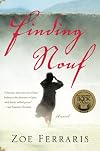
This is a fascinating exploration of the very restrictive Saudi culture told accessibly through a conventional murder-mystery. Nayir ash-Sharqi is a desert guide, a devout Palestinian often mistaken for a Bedouin. At the book's beginning, Nayir has been hired by a wealthy and prominent Jeddah family to track their runaway daughter Nouf in the desert. When Nouf's body is found, and there is some evidence of a cover-up at the coroner's office, Nayir tries to get to the bottom of what happened show more to Nouf. Because laws and customs enforce the strict separation of men and women, Nayir cannot get very far in his inquiries about Nouf. He is helped when he meets Katya Hijazi, a technician in the medical examiners lab, who helps Nayir investigate the case, and helps him to understand the world of Saudi women - the mechanics of their everyday lives, and the emotional complexity of being and growing and hoping and dreaming in such a restrictive environment. The mystery turned the pages, though it stretched credulity at times, but the glimpse into Saudi life and the thoughts and perceptions of characters living that life was completely fascinating. Recommended. show less
After reading and loving Finding Nouf and City of Veils-- the previous two books in this trilogy-- and knowing that there have been no further books from Ferraris, I've been hoarding Kingdom of Strangers like it's the last bar of gold in Fort Knox. However, after visiting her website and learning that she's working on four novels that will take her a decade to complete, I decided it was time to turn myself loose.
I was immediately whisked away to Jeddah, Saudi Arabia, one of the most closed show more cultures in the world. Even though it had been about three years since I last visited, I had no trouble whatsoever in picking up where I left off in the lives of Katya Hijazi and Nayir Sharqi. Nayir is a very traditional Muslim male who wants to marry Katya Hijazi. Katya works in the forensics department for the Jeddah police. Although she, too, has been raised traditionally, she does not want the life of a traditional Muslim female. Through hard work and subterfuge, she's managed to find Ibrahim, a police inspector who realizes how good Katya is in these investigations, and he's willing to work with her.
The mysteries concerning both the serial killer and the disappearance of Ibrahim's mistress are well plotted and certainly worth the price of admission for those readers who are simply looking for a whodunit to solve, but there is so much more depth to this book (and the other two in the trilogy) than merely solving crimes.
The deep seam of gold running through all three books is the total immersion of the Western reader into a very alien culture. While the two crimes involve issues that Westerners are familiar with-- serial killers and human trafficking-- it's the culture that is at times almost mind-blowing, especially for Western women. From simple things like the weekends being Thursday and Friday instead of Saturday and Sunday to a few of the laws of virtue, Westerners are going to know that they're not in Kansas anymore. The author is a Westerner who lived the life, so she knows whereof she speaks. In Kingdom of Strangers, an American is brought over to help the police profile the serial killer. The American is a woman, and readers have the opportunity to see this world through her eyes (and to sympathize).
Even though I turned down a job offer to work in Saudi Arabia years ago, I believe all cultures deserve some measure of my respect, but I do have to admit that I think the "virtue police" have run amok there. (For example: A man cannot sit in a chair recently vacated by a woman because he may find the warmth of the seat arousing.) To Westerners, that sounds insane, doesn't it? But to be fair, extremism isn't just happening in Saudi Arabia.
If you're the type of reader who not only loves a good mystery to solve but also loves being immersed in the culture of another country, I cannot recommend this trilogy of books more highly. They are marvelous... and although I wish Ferraris would write faster, I shall be patient. I know her books will be worth the wait. show less
I was immediately whisked away to Jeddah, Saudi Arabia, one of the most closed show more cultures in the world. Even though it had been about three years since I last visited, I had no trouble whatsoever in picking up where I left off in the lives of Katya Hijazi and Nayir Sharqi. Nayir is a very traditional Muslim male who wants to marry Katya Hijazi. Katya works in the forensics department for the Jeddah police. Although she, too, has been raised traditionally, she does not want the life of a traditional Muslim female. Through hard work and subterfuge, she's managed to find Ibrahim, a police inspector who realizes how good Katya is in these investigations, and he's willing to work with her.
The mysteries concerning both the serial killer and the disappearance of Ibrahim's mistress are well plotted and certainly worth the price of admission for those readers who are simply looking for a whodunit to solve, but there is so much more depth to this book (and the other two in the trilogy) than merely solving crimes.
The deep seam of gold running through all three books is the total immersion of the Western reader into a very alien culture. While the two crimes involve issues that Westerners are familiar with-- serial killers and human trafficking-- it's the culture that is at times almost mind-blowing, especially for Western women. From simple things like the weekends being Thursday and Friday instead of Saturday and Sunday to a few of the laws of virtue, Westerners are going to know that they're not in Kansas anymore. The author is a Westerner who lived the life, so she knows whereof she speaks. In Kingdom of Strangers, an American is brought over to help the police profile the serial killer. The American is a woman, and readers have the opportunity to see this world through her eyes (and to sympathize).
Even though I turned down a job offer to work in Saudi Arabia years ago, I believe all cultures deserve some measure of my respect, but I do have to admit that I think the "virtue police" have run amok there. (For example: A man cannot sit in a chair recently vacated by a woman because he may find the warmth of the seat arousing.) To Westerners, that sounds insane, doesn't it? But to be fair, extremism isn't just happening in Saudi Arabia.
If you're the type of reader who not only loves a good mystery to solve but also loves being immersed in the culture of another country, I cannot recommend this trilogy of books more highly. They are marvelous... and although I wish Ferraris would write faster, I shall be patient. I know her books will be worth the wait. show less
Lists
Awards


You May Also Like


Associated Authors
Statistics
- Works
- 4
- Also by
- 1
- Members
- 1,833
- Popularity
- #14,046
- Rating
- 3.9
- Reviews
- 141
- ISBNs
- 82
- Languages
- 9
- Favorited
- 2
