
Timothy Ward
Author of Words of Life: Scripture as the Living and Active Word of God
About the Author
Timothy Ward is Team Vicar at Holy Trinity Church, Hinckley, England. He is the author of Word and Supplement: Speech Acts, Biblical Texts and the Sufficiency of Scripture (Oxford University Press).
Works by Timothy Ward
Tagged
Common Knowledge
Members
Reviews
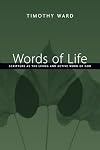
Timothy Ward's "Words of Life" is an incredibly helpful introduction to the Reformed doctrine of Scripture, even if it requires a slower pace and a bit more reflection to understand the finer points. Readers who take the time to follow Ward's argument will benefit tremendously, especially from his insights into speech-act theory applied to Holy Scripture.
There is a sort of lazy definition of Scripture as nothing more than the recorded history of God's redemptive acts throughout time and show more space culminating in the Christ-event. This is the view of most mainline churches today. Evangelicals, however, will insist that one cannot separate God's deeds from his words. In fact, God's deeds in the Bible are always bookended by his words and often follows a pattern: God tells his people what he is going to do; he does it; then God explains what has just happened. Oftentimes, there is very little difference between God's actions and his deeds. Just take creation as an example: "And God said, 'Let there be light,' and there was light" (Genesis 1:3).
But Ward's book goes even further, reminding us what the author of Hebrews says: "For the word of God is living and active" (4:12). What does it mean that the Bible is living and active?
Borrowing again from speech-act theory, Ward explains that God's word is action and therefore invites us to respond. When God promises, rebukes, warns, curses, and blesses, he actually affects the relationship with his people. God's words do something. In his word, God presents himself as the God of the covenant and that relational reality obviously requires verbal revelation for us to understand it and receive it.
Scripture is the primary means by which God chooses to reveal himself to us. According to his perfect will, God deemed it necessary that language would be the way to teach us about himself, our humanity, and our relationship to him and all that entails. This is perfectly logical considering our nature: language is central to our humanity (especially human relationships) and authoritative in a way that subjective feelings and attitudes can never be. We all know this from experiences with childhood crushes. Does that person like me or not? Certain actions may suggest one thing or another, but we won't have certainty until we get that note slipped in class.
But what does this all have to do with us today? As the living and active word, we encounter God when we encounter his words. When God declares his covenant promises, curses, and blessings to his people in the Bible, he makes them to us as heirs, stewards, and participants in that same story. They invite a response from me just as they did for the ancient people of God and everyone who has ever heard or read them. They are the primary means by which the Holy Spirit continues to speak to the church today, whether that's private Bible reading or the preached word in worship. Truly B.B. Warfield was correct when he said, "When the Bible speaks, God speaks." show less
There is a sort of lazy definition of Scripture as nothing more than the recorded history of God's redemptive acts throughout time and show more space culminating in the Christ-event. This is the view of most mainline churches today. Evangelicals, however, will insist that one cannot separate God's deeds from his words. In fact, God's deeds in the Bible are always bookended by his words and often follows a pattern: God tells his people what he is going to do; he does it; then God explains what has just happened. Oftentimes, there is very little difference between God's actions and his deeds. Just take creation as an example: "And God said, 'Let there be light,' and there was light" (Genesis 1:3).
But Ward's book goes even further, reminding us what the author of Hebrews says: "For the word of God is living and active" (4:12). What does it mean that the Bible is living and active?
Borrowing again from speech-act theory, Ward explains that God's word is action and therefore invites us to respond. When God promises, rebukes, warns, curses, and blesses, he actually affects the relationship with his people. God's words do something. In his word, God presents himself as the God of the covenant and that relational reality obviously requires verbal revelation for us to understand it and receive it.
Scripture is the primary means by which God chooses to reveal himself to us. According to his perfect will, God deemed it necessary that language would be the way to teach us about himself, our humanity, and our relationship to him and all that entails. This is perfectly logical considering our nature: language is central to our humanity (especially human relationships) and authoritative in a way that subjective feelings and attitudes can never be. We all know this from experiences with childhood crushes. Does that person like me or not? Certain actions may suggest one thing or another, but we won't have certainty until we get that note slipped in class.
But what does this all have to do with us today? As the living and active word, we encounter God when we encounter his words. When God declares his covenant promises, curses, and blessings to his people in the Bible, he makes them to us as heirs, stewards, and participants in that same story. They invite a response from me just as they did for the ancient people of God and everyone who has ever heard or read them. They are the primary means by which the Holy Spirit continues to speak to the church today, whether that's private Bible reading or the preached word in worship. Truly B.B. Warfield was correct when he said, "When the Bible speaks, God speaks." show less
You May Also Like


Statistics
- Works
- 4
- Members
- 412
- Popularity
- #59,115
- Rating
- 4.3
- Reviews
- 2
- ISBNs
- 7
- Languages
- 1