

Shelby Steele
Author of The Content of Our Character: A New Vision of Race In America
About the Author
Shelby Steele is a research fellow at the Hoover Institution and Stanford University
Works by Shelby Steele
White Guilt: How Blacks and Whites Together Destroyed the Promise of the Civil Rights Era (2006) 457 copies, 7 reviews
What Killed Michael Brown? 4 copies
On Being Black and Middle Class 2 copies
Associated Works
Tagged
Common Knowledge
- Birthdate
- 1946-01-01
- Gender
- male
- Education
- Coe College (BA|Political Science)
Southern Illinois University Edwardsville (MA|Sociology)
University of Utah (PhD|English) - Organizations
- San Jose State University (professor)
- Awards and honors
- National Humanities Medal (2004)
- Relationships
- Steele, Claude (brother)
- Nationality
- USA
- Birthplace
- Chicago, Illinois, USA
- Associated Place (for map)
- Illinois, USA
Members
Reviews
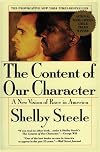
As a black college student in the 1960’s, Steele experienced the movement of nonviolent resistance, along with the tide of Black Power that followed after. He lived through the social programs of the Great Society, and personally, he emerged as a successful middle-class professor in a southern California university. And, writing in 1990, he looks back upon it all and asks, “Why, after twenty-five years of legal change and ebbing prejudice, are blacks worse off today?” For Steele, two show more themes rise to the surface: power through innocence, and individualism versus collectivism. Whites and blacks, he says, are both caught up in the pursuit of that power that moral rightness affords. Liberal whites claim innocence by paying off the past through programs such as affirmative action, and conservative whites claim innocence by distancing themselves from the past or simply pleading ignorance. Blacks, Steele argues, claim the innocence rightfully due their history of oppression, but that claim too often leads to the maintenance of a victim’s posture. It is this very practice of rooting the source of one’s power in the oppressive situation that one seeks to remedy that becomes a self-defeating impasse. Out of this pursuit of power, Steele also claims that much of the black community has subscribed to a collectivism that discourages individualism, looking for collective deliverance from the collective oppressors instead of focusing on individual development and opportunity. Indeed, he claims, the individual who gains success in the American mainstream may be labeled as “less black” if he does not protest loudly enough against that mainstream in which he found success – a paradox which keeps many individuals at odds with the very path to prosperity to which they believe they are barred. Of course, in all of his observations, Steele acknowledges the very real and prevalent racial prejudices and discriminations at work in our society, and he affirms the pursuit of justice and redress. But, he warns against the sorts of redress that offer patronization in place of development, affirming victimhood instead of personhood. show less
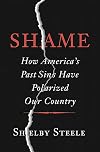
If you already believe in Right-wing Conservative ideology, you may like this book, but it is actually not that good a defense of those principles. Steele relies almost exclusively on his own personal experiences (which are actually the good part of the book) and platitudes, with no data of any sort, to skewer Liberal principles and support Conservative ones.
His basic premise is that Liberals, in trying to address racism, are simply acting from a base of collective guilt for America's past show more sins. He contends that the main work of bringing equality to America for Blacks has been accomplished, and that now Liberals need to just back off and stop trying to do things like affirmative action, school integration and welfare programs, because all these programs have done and will continue to do is keep Blacks inferior and dependent. Steele sees Blacks as being lured into a sense of entitlement based on America's past sins.
In making this thesis, Steele completely ignores the fact that racism is not gone due to the Civil Rights triumphs of the 60s, it has just changed its character. There may no longer be Jim Crow, but the War on Drugs disproportionately targets Blacks and Black communities, which has led to a much larger proportion of Black inmates than their share of the population would predict. He also conveniently ignores the numerous studies showing that Blacks who are in every other way equal with Whites of the same socioeconomic category are far less likely to compete well for a job against White applicants, are far less likely to get a home loan, and are far less competitive in almost any other place you want to measure such. Even if they are more highly qualified than a comparable White applicant, they are still likely to lose a job or university slot to the White person.
With personal heroes such as Ronald Reagan and William F. Buckley, it is no surprise that Steele, like so many Right-wing Conservatives, sees government as the problem, and freedom as the answer. He believes in free markets (whatever that means), a flat tax and apparently little to no government involvement in dealing with issues of racism, sexism and poverty, other than making sure everyone is free to do what they want. All I can say is that his view of Liberals is largely a straw man, and Liberal policies have made progress, and continue to make progress toward solving some of the many social problems our country is still plagued with, and the motivation for Liberalism is not guilt, but rather a moral belief that all people deserve as level a playing field as possible to allow them to succeed. show less
His basic premise is that Liberals, in trying to address racism, are simply acting from a base of collective guilt for America's past show more sins. He contends that the main work of bringing equality to America for Blacks has been accomplished, and that now Liberals need to just back off and stop trying to do things like affirmative action, school integration and welfare programs, because all these programs have done and will continue to do is keep Blacks inferior and dependent. Steele sees Blacks as being lured into a sense of entitlement based on America's past sins.
In making this thesis, Steele completely ignores the fact that racism is not gone due to the Civil Rights triumphs of the 60s, it has just changed its character. There may no longer be Jim Crow, but the War on Drugs disproportionately targets Blacks and Black communities, which has led to a much larger proportion of Black inmates than their share of the population would predict. He also conveniently ignores the numerous studies showing that Blacks who are in every other way equal with Whites of the same socioeconomic category are far less likely to compete well for a job against White applicants, are far less likely to get a home loan, and are far less competitive in almost any other place you want to measure such. Even if they are more highly qualified than a comparable White applicant, they are still likely to lose a job or university slot to the White person.
With personal heroes such as Ronald Reagan and William F. Buckley, it is no surprise that Steele, like so many Right-wing Conservatives, sees government as the problem, and freedom as the answer. He believes in free markets (whatever that means), a flat tax and apparently little to no government involvement in dealing with issues of racism, sexism and poverty, other than making sure everyone is free to do what they want. All I can say is that his view of Liberals is largely a straw man, and Liberal policies have made progress, and continue to make progress toward solving some of the many social problems our country is still plagued with, and the motivation for Liberalism is not guilt, but rather a moral belief that all people deserve as level a playing field as possible to allow them to succeed. show less
White Guilt: How Blacks and Whites Together Destroyed the Promise of the Civil Rights Era by Shelby Steele
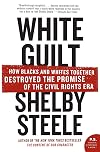
Има нещо много, много странно в расовите отношения между черни и бели в САЩ. Веднага замирисва на гнило, когато уж трябва да третираме всички като абсолютно равни, а едновременно с това не можеш да говориш определени неща, ако не си с правилния цвят на кожата. Именно заради show more това, само черен автор и академик като Шелби Стийл може да напише подобна книга, с която да каже истината за междурасовите отношения в САЩ, без да бъде изяден с парцалите, низвергнат и оплют от медии, активисти и всички останали за проповядване на расизъм…
White Guilt е американски термин, описващ как белите американци се чувстват виновни заради робството и расизма срещу черните в близкото минало. Това чувство за вина се поражда през 60-те години на 20 век (т.н. Ера на гражданските права), след борбата за равни права на чернокожите, водена от Мартин Лутър Кинг – точно тогава американското общество и институции осъзнават напълно в какво са участвали волно или неволно и заклеймяват расизма като абсолютно неприемлив за едно цивилизовано общество.
За съжаление обаче, от тогава насам, тази вина като махало залюлява обществените отношения и мнения в САЩ в другата крайност. Дори само обвинение в расизъм, без никакви доказателства, е в състояние да провали кариерата на всеки бял американец. Напук на принципа за равно третиране, в университети, държавни учреждения и фирми се налагат квоти за прием на чернокожи, дори да са по-нискоквалифицирани от другите кандидати…
В книгата си Чувството за вина на белите – как чернокожи и бели заедно съсипаха обещанията на Ерата на гражданските права обаче, Шелби Стийл, който сам е активист за правата на черните от онова време, дава аргументи за това, че феноменът White Guilt има много по-широки последици от тези, които обикновено му се приписват.
Описвайки своите преживявания от средата на века, когато като дете живее в система на расизъм, сагрегирани училища и т.н., през младостта си, когато брадясал и с афро-прическа с размерите на тучен градински храст, нахлува начело на група активисти в кабинета на ректора на университета си, изтръсква цигарата си на килима му и гръмогласно настоява за равни права на черните студенти, участието си в The Great Society – социалните програми на американското правителство през 60-те за „изкореняване на бедността“ чрез замерянето й с пари, до наши дни – писател и професор по литература, Шелби Стийл описва всъщност еволюцията на борбата за равни права в САЩ, но и дава много нужните отговори на това защо тя в момента е на абсурдното ниво да се търси под вола теле (т.е. расизъм, не теле, нали ми разбрахте скапаната метафора).
За мен White Guilt: How Blacks and Whites Together Destroyed the Promise of the Civil Rights Era бе невероятно полезна, защото ми даде обяснение на свързаните с расовите отношения и изобщо обществената атмосфера в САЩ феномени, които до сега не можех да си обясня и приемах за част от многото абсурдности на американците. Книгата ми показа какво е било да си чернокож по времето на расизма, илюстрира ми съвсем нагледно какво толкова му помнят на робството черните в САЩ и как то влияе на тяхното възприемането на света, даде ми поглед отвътре на борбата за равни права и атмосферата на 60-те години, и начерта прегледна схема на изкривяването на идеята за равенство след това.
Препоръчвам я с две ръце – можете да я изтеглите от library.nu (който в момента на написване на статията не работи). show less
White Guilt е американски термин, описващ как белите американци се чувстват виновни заради робството и расизма срещу черните в близкото минало. Това чувство за вина се поражда през 60-те години на 20 век (т.н. Ера на гражданските права), след борбата за равни права на чернокожите, водена от Мартин Лутър Кинг – точно тогава американското общество и институции осъзнават напълно в какво са участвали волно или неволно и заклеймяват расизма като абсолютно неприемлив за едно цивилизовано общество.
За съжаление обаче, от тогава насам, тази вина като махало залюлява обществените отношения и мнения в САЩ в другата крайност. Дори само обвинение в расизъм, без никакви доказателства, е в състояние да провали кариерата на всеки бял американец. Напук на принципа за равно третиране, в университети, държавни учреждения и фирми се налагат квоти за прием на чернокожи, дори да са по-нискоквалифицирани от другите кандидати…
В книгата си Чувството за вина на белите – как чернокожи и бели заедно съсипаха обещанията на Ерата на гражданските права обаче, Шелби Стийл, който сам е активист за правата на черните от онова време, дава аргументи за това, че феноменът White Guilt има много по-широки последици от тези, които обикновено му се приписват.
Описвайки своите преживявания от средата на века, когато като дете живее в система на расизъм, сагрегирани училища и т.н., през младостта си, когато брадясал и с афро-прическа с размерите на тучен градински храст, нахлува начело на група активисти в кабинета на ректора на университета си, изтръсква цигарата си на килима му и гръмогласно настоява за равни права на черните студенти, участието си в The Great Society – социалните програми на американското правителство през 60-те за „изкореняване на бедността“ чрез замерянето й с пари, до наши дни – писател и професор по литература, Шелби Стийл описва всъщност еволюцията на борбата за равни права в САЩ, но и дава много нужните отговори на това защо тя в момента е на абсурдното ниво да се търси под вола теле (т.е. расизъм, не теле, нали ми разбрахте скапаната метафора).
За мен White Guilt: How Blacks and Whites Together Destroyed the Promise of the Civil Rights Era бе невероятно полезна, защото ми даде обяснение на свързаните с расовите отношения и изобщо обществената атмосфера в САЩ феномени, които до сега не можех да си обясня и приемах за част от многото абсурдности на американците. Книгата ми показа какво е било да си чернокож по времето на расизма, илюстрира ми съвсем нагледно какво толкова му помнят на робството черните в САЩ и как то влияе на тяхното възприемането на света, даде ми поглед отвътре на борбата за равни права и атмосферата на 60-те години, и начерта прегледна схема на изкривяването на идеята за равенство след това.
Препоръчвам я с две ръце – можете да я изтеглите от library.nu (който в момента на написване на статията не работи). show less
White Guilt: How Blacks and Whites Together Destroyed the Promise of the Civil Rights Era (P.S.) by Shelby Steele
I would actually give this book 4.5 stars, and the only thing keeping me from giving it 5 full stars is the fact that it can get pretty repetitive in places, like Steele wrote the chapters a couple weeks apart and didn't recall what he'd already said.
This was a more personal book than I expected, and it basically stems from a thought experiment that Steele worked through during a road trip across California. It was in the midst of Clinton's sex scandal, and Steel was reflecting on how social show more mores have changed since the time of President Eisenhower, who supposedly used the word "nigger" while he was playing golf (I say "supposedly" because Steele does -- this was a claim made about Ike that was never substantiated). Steele reflects on the fact that Clinton would probably not have survived getting caught using racist language, while Eisenhower wouldn't have survived a sex/perjury scandal as Clinton did. Steele concludes that this is because American society has rejected the idea of personal morality and embraced a "social morality" instead -- in 2012, it doesn't matter how or with whom you have sex, or whether you yourself are a virtuous, courteous, kind individual, but you damn well better espouse certain approved social mores, like being pro-women's "rights", pro-gay "rights", pro-affirmative action, pro-social justice, and pro-environmentalism. (And, apparently, it doesn't even matter if you actually live in accordance with these beliefs, as long as you say you believe them and demand that others believe them-- see Al Gore.)
That was something that stood out to me, but it's really not a big part of the book. Much of the book is spent on Steele's own journey from a believer in early-Civil Rights principles to a proponent of leftist "black power" militancy and finally embracing conservatism (which is really just a return to the principles of early Civil Rights leaders like his parents), after realizing that Liberal attitudes toward race (driven by white guilt) essentially reduced him again to group (black) identity, as segregation and outright racism once had.
Another large part of the book is Steele's treatment of affirmative action, and his excoriation of the practice is excellent. He points out how insulting it is to blacks, as it essentially tells them, "Your individual talents are inferior to those of whites and Asians, but your blackness is valuable to us because we can use it to disassociate ourselves from charges of racism." When it comes down to it, white institutions that practice affirmative action are telling minorities that the only way they make the cut is through white benevolence. I've always opposed affirmative action, but Steele made me see it from a new perspective. (And it's an even uglier policy than I thought.)
And that's why I think this is a great book -- it introduced me to new ideas and to new perspectives on old ideas. I wasn't always comfortable, but I was always mentally engaged. And Steele makes great connections (white guilt and black power are two sides of the same coin) and even better bifurcations (conservative commitment to principles vs. liberal commitment to disassociation). Steele is a good and honest thinker, which is something I always appreciate. show less
This was a more personal book than I expected, and it basically stems from a thought experiment that Steele worked through during a road trip across California. It was in the midst of Clinton's sex scandal, and Steel was reflecting on how social show more mores have changed since the time of President Eisenhower, who supposedly used the word "nigger" while he was playing golf (I say "supposedly" because Steele does -- this was a claim made about Ike that was never substantiated). Steele reflects on the fact that Clinton would probably not have survived getting caught using racist language, while Eisenhower wouldn't have survived a sex/perjury scandal as Clinton did. Steele concludes that this is because American society has rejected the idea of personal morality and embraced a "social morality" instead -- in 2012, it doesn't matter how or with whom you have sex, or whether you yourself are a virtuous, courteous, kind individual, but you damn well better espouse certain approved social mores, like being pro-women's "rights", pro-gay "rights", pro-affirmative action, pro-social justice, and pro-environmentalism. (And, apparently, it doesn't even matter if you actually live in accordance with these beliefs, as long as you say you believe them and demand that others believe them-- see Al Gore.)
That was something that stood out to me, but it's really not a big part of the book. Much of the book is spent on Steele's own journey from a believer in early-Civil Rights principles to a proponent of leftist "black power" militancy and finally embracing conservatism (which is really just a return to the principles of early Civil Rights leaders like his parents), after realizing that Liberal attitudes toward race (driven by white guilt) essentially reduced him again to group (black) identity, as segregation and outright racism once had.
Another large part of the book is Steele's treatment of affirmative action, and his excoriation of the practice is excellent. He points out how insulting it is to blacks, as it essentially tells them, "Your individual talents are inferior to those of whites and Asians, but your blackness is valuable to us because we can use it to disassociate ourselves from charges of racism." When it comes down to it, white institutions that practice affirmative action are telling minorities that the only way they make the cut is through white benevolence. I've always opposed affirmative action, but Steele made me see it from a new perspective. (And it's an even uglier policy than I thought.)
And that's why I think this is a great book -- it introduced me to new ideas and to new perspectives on old ideas. I wasn't always comfortable, but I was always mentally engaged. And Steele makes great connections (white guilt and black power are two sides of the same coin) and even better bifurcations (conservative commitment to principles vs. liberal commitment to disassociation). Steele is a good and honest thinker, which is something I always appreciate. show less
Lists
Awards


You May Also Like


Associated Authors
Statistics
- Works
- 8
- Also by
- 7
- Members
- 1,439
- Popularity
- #17,871
- Rating
- 4.1
- Reviews
- 26
- ISBNs
- 31
- Languages
- 1
- Favorited
- 4