
Mario Benedetti (1920–2009)
Author of La tregua
About the Author
Image credit: Revista argentina "Humor"
Series
Works by Mario Benedetti
Cuentos Completos, Benedetti/ Complete Works, Benedetti (Alfaguara Cuentos Completos) (Spanish Edition) (1951) 153 copies, 5 reviews
Little Stones at My Window: Piedritas En La Ventana, Poems (English and Spanish Edition) (2003) 17 copies
Variaciones Sobre El Olvido / Variations on the Forgotten (Mini Letras / Mini Writings) (Spanish Edition) (2005) 13 copies, 1 review
Poemas Revelados UN Hombre En Imagenes Y Palabras (Ediciones Especiales) (Spanish Edition) (1998) 12 copies, 1 review
9 asedios a García Márquez 7 copies
Letras del continente mestizo 7 copies
O aniversário de Juan Ángel 5 copies
El País de la Cola de Paja 4 copies
Articulario: Desexilio y perplejidades : reflexiones desde el sur (El viaje interior) (Spanish Edition) (1994) 4 copies
benedetti 3 copies
Poemas de la oficina 3 copies
Todos los cuentos 2 copies
La muerte 2 copies
Quince relatos de la América Latina 2 copies
Mejor es meneallo 2 copies
Un siglo del relato latinoamericano — Editor — 2 copies
Césped, El 2 copies
MARIO BENEDETTI. Poemas revelados. Un hombre en imágenes y palabras. Distribuye Ed. Losada (2004) 2 copies
Obrigada Pelo Lume 2 copies
QUIÉN DE NOSOTROS 2 copies
Vaya uno a saber 1 copy
Otro Cielo 1 copy
LOS DIEZ MANDAMIENTOS 1 copy
Díky za oheň 1 copy
Čudno čudesno čudovišno 1 copy
Notas perdidas: sobre literatura, cine, artes escénicas y visuales, 1948-1965. (2 TOMOS) (2014) 1 copy
Predah 1 copy
Dos comedias 1 copy
Antologia natural; poesia 1 copy
Datos para el viudo 1 copy
Pasion por leer 1 copy
Jóvenes de esta América 1 copy
Poesía trunca 1 copy
Havaneira - RCB, 14 1 copy
Los diez mandamientos 1 copy
BEN La tregua 1 copy
Peripecia y novela ; ensayos 1 copy
Obras Fundamentales 1 copy
ربيع بزاوية مكسورة 1 copy
Porvenir de mi pasado, El 1 copy
RINCÓN DE HAIKUS 1 copy
Otro cielo, otros poemas / Another Heaven, Other Poems (Mini Letras) (Spanish Edition) (2006) 1 copy
Vdaka za ohen 1 copy
Antología Poesía y Prosa 1 copy
A Fondo: Mario Benedetti 1 copy
Mario Benedetti 1 copy
[Poemas] 1 copy
Respuestas al azar 1 copy
45 años de ensayos crìticos 1 copy
Poetas de cercanías 1 copy
El reportaje 1 copy
Mario Benedetti 2003 1 copy
Inventario 67; poesía 1 copy
Terremoto y después 1 copy
Poetas de España y América 1 copy
El terremoto y después 1 copy
Hasta Aquí 1 copy
Poesía 1 copy
Associated Works
Sudden Fiction Latino: Short-Short Stories from the United States and Latin America (2010) — Contributor — 76 copies, 15 reviews
New Voices of Hispanic America: An Anthology — Contributor — 2 copies
Tagged
Common Knowledge
- Canonical name
- Benedetti, Mario
- Legal name
- Benedetti Farrugia, Mario Orlando Hardy Hamlet Brenno
- Birthdate
- 1920-09-14
- Date of death
- 2009-05-17
- Gender
- male
- Occupations
- journalist
novelist
poet - Organizations
- Generación del 45
Marcha - Awards and honors
- Laureate Of The International Botev Prize (1986)
Menéndez Pelayo International Prize (2005) - Nationality
- Uruguay
- Birthplace
- Paso de los Toros, Uruguay
- Places of residence
- Uruguay
Buenos Aires, Argentina
Lima, Peru
Cuba
Madrid, Spain
Palma de Mallorca, Spain (show all 7)
Montevideo, Uruguay - Place of death
- Montevideo, Uruguay
- Burial location
- National Pantheon, Cementerio central, Barrio Sur, Montevideo, Uruguay
- Map Location
- Uruguay
- Associated Place (for map)
- Uruguay
Members
Reviews
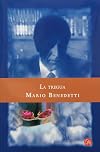
Un oficinista, viudo y cercano a la jubilación, desgrana en un diario su grisácea y metódica vida hasta que la aparición de una mujer joven, por la cual se siente atraído, altera su existencia. Una hermosa historia de amor. Una tregua, de ahí el excelente título. Ah, y la tragedia. Sobrevenida a los personajes sin previo aviso, rotunda.
El personaje se siente solo, pese a verse rodeado por sus hijos y compañeros. También se siente mayor, se sabe mayor, observando los primeros show more indicios del envejecimiento. Ve la cercana jubilación con optimismo (“...Verdaderamente, ¿preciso tanto el ocio? Yo me digo que no,que no es el ocio lo que preciso sino el derecho a trabajar en aquello que quiero….” Lunes 11 de febrero) pero al mismo tiempo la ve como el comienzo del fin, quizá aún lejano, y con el convencimiento de no haber hecho nada reseñable a lo largo de su vida (“...Lo más trágico no es ser mediocre pero inconsciente de esa mediocridad; lo más trágico es ser mediocre y saber que se es así y no conformarse con ese destino que, por otra parte (eso es lo peor), es de estricta justicia.” Sábado 14 de setiembre). En esta tesitura comienza un diario en el que, no se le puede negar, derrocha honestidad consigo mismo, algo que si bien se presupone en un diario no siempre el individuo es capaz de quitarse la máscara frente al espejo. Desarrolla entonces su concepto de Dios, confiesa lo poco dado que es a mostrar sus sentimientos, se sabe mediocre, asume su intolerancia a que otros le digan su verdad (la de él), se entretiene en elucubraciones nominalistas, su incomprensión hacia los hijos adultos, el incipiente deterioro físico, las relaciones de amistad o compañerismo…
La fórmula diario va más allá de un mero recurso estilístico, aportando mayor fuerza a la novela y sirviendo de soporte argumental a ésta. Un recurso narrativo eficaz, un acierto por parte de Benedetti.
Cuando alguien se desnuda de esa manera es fácil juzgarle y difícil empatizar con él, aunque en ocasiones el lector se identifique con algún aspecto o le comprenda. El protagonista, por ejemplo, es tremendamente machista pero ¿acaso no lo era la sociedad uruguaya de 1960, año en que se publicó la novela?. También ha sido denostado el personaje por homófobo. No solo él, su hija participa de ésta aversión hacia los homosexuales. Lo reprobable no solo es ser homosexual sino que éste se acepte y asuma como tal. Esto es considerado moralmente lo más pernicioso. Se entiende así que el sentimiento de culpa sería redentor y provocaría junto al rechazo un sentimiento de cierta piedad aunque nunca de comprensión. La pregunta enunciada anteriormente sigue siendo pertinente. Además se critica al personaje Martín Santomé, o quizá al propio Benedetti, por el uso de la palabra “marica”. Hay que recordar que el término “gay”, si bien era conocido, no ha sido de uso generalizado hasta alguna década después y “marica”, claramente ofensivo y despectivo, era utilizado en ocasiones de manera meramente descriptiva. En cierto modo la obra, con el paso del tiempo, se ha convertido en una especie de novela histórica, sociológicamente histórica. Parafraseando a Baroja es probable que el lector se haga una idea más real de Uruguay en 1960 leyendo a Benedetti que en las obras de los historiadores.
En fin, la novela nos narra una experiencia vital intensa mediante una historia simple en lo cotidiano y con una hábil gestión de los personajes. Por eso es difícil de entender la objeción que se ha achacado a la novela en el sentido de que no sucede nada, no pasa nada. ¿No pasa nada?: pasa la vida. show less
El personaje se siente solo, pese a verse rodeado por sus hijos y compañeros. También se siente mayor, se sabe mayor, observando los primeros show more indicios del envejecimiento. Ve la cercana jubilación con optimismo (“...Verdaderamente, ¿preciso tanto el ocio? Yo me digo que no,que no es el ocio lo que preciso sino el derecho a trabajar en aquello que quiero….” Lunes 11 de febrero) pero al mismo tiempo la ve como el comienzo del fin, quizá aún lejano, y con el convencimiento de no haber hecho nada reseñable a lo largo de su vida (“...Lo más trágico no es ser mediocre pero inconsciente de esa mediocridad; lo más trágico es ser mediocre y saber que se es así y no conformarse con ese destino que, por otra parte (eso es lo peor), es de estricta justicia.” Sábado 14 de setiembre). En esta tesitura comienza un diario en el que, no se le puede negar, derrocha honestidad consigo mismo, algo que si bien se presupone en un diario no siempre el individuo es capaz de quitarse la máscara frente al espejo. Desarrolla entonces su concepto de Dios, confiesa lo poco dado que es a mostrar sus sentimientos, se sabe mediocre, asume su intolerancia a que otros le digan su verdad (la de él), se entretiene en elucubraciones nominalistas, su incomprensión hacia los hijos adultos, el incipiente deterioro físico, las relaciones de amistad o compañerismo…
La fórmula diario va más allá de un mero recurso estilístico, aportando mayor fuerza a la novela y sirviendo de soporte argumental a ésta. Un recurso narrativo eficaz, un acierto por parte de Benedetti.
Cuando alguien se desnuda de esa manera es fácil juzgarle y difícil empatizar con él, aunque en ocasiones el lector se identifique con algún aspecto o le comprenda. El protagonista, por ejemplo, es tremendamente machista pero ¿acaso no lo era la sociedad uruguaya de 1960, año en que se publicó la novela?. También ha sido denostado el personaje por homófobo. No solo él, su hija participa de ésta aversión hacia los homosexuales. Lo reprobable no solo es ser homosexual sino que éste se acepte y asuma como tal. Esto es considerado moralmente lo más pernicioso. Se entiende así que el sentimiento de culpa sería redentor y provocaría junto al rechazo un sentimiento de cierta piedad aunque nunca de comprensión. La pregunta enunciada anteriormente sigue siendo pertinente. Además se critica al personaje Martín Santomé, o quizá al propio Benedetti, por el uso de la palabra “marica”. Hay que recordar que el término “gay”, si bien era conocido, no ha sido de uso generalizado hasta alguna década después y “marica”, claramente ofensivo y despectivo, era utilizado en ocasiones de manera meramente descriptiva. En cierto modo la obra, con el paso del tiempo, se ha convertido en una especie de novela histórica, sociológicamente histórica. Parafraseando a Baroja es probable que el lector se haga una idea más real de Uruguay en 1960 leyendo a Benedetti que en las obras de los historiadores.
En fin, la novela nos narra una experiencia vital intensa mediante una historia simple en lo cotidiano y con una hábil gestión de los personajes. Por eso es difícil de entender la objeción que se ha achacado a la novela en el sentido de que no sucede nada, no pasa nada. ¿No pasa nada?: pasa la vida. show less
Inventario Uno: Poesia Completa, 1950-1985 (Biblioteca Mario Benedetti) (Spanish Edition) by Mario Benedetti

Poeta gigante que me conmueve y con el que siempre me compenetro.
A contracorriente de quienes ven condicionamientos temporales en sus escritos, sin negarlo porque fue un hombre de sus tiempos profundamente involucrado en el momento de la historia que le tocó transcurrir, yo veo atemporalidad, especialmente en su poesía, con su rescate de una vida llevada adelante con ideales y principios, de los pequeños heroísmos cotidianos, del amor filtrando todo (porque no hacía compartimentos show more estancos de los ideales, los dolores, de los amores). Y todo eso con una prodigiosa habilidad de decirlo con un lenguaje llano, sencillo y sin veleidades.
Su poesía es, para mí, algo recurrente y siempre maravilloso. show less
A contracorriente de quienes ven condicionamientos temporales en sus escritos, sin negarlo porque fue un hombre de sus tiempos profundamente involucrado en el momento de la historia que le tocó transcurrir, yo veo atemporalidad, especialmente en su poesía, con su rescate de una vida llevada adelante con ideales y principios, de los pequeños heroísmos cotidianos, del amor filtrando todo (porque no hacía compartimentos show more estancos de los ideales, los dolores, de los amores). Y todo eso con una prodigiosa habilidad de decirlo con un lenguaje llano, sencillo y sin veleidades.
Su poesía es, para mí, algo recurrente y siempre maravilloso. show less
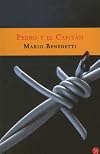
Esgrima dialéctico entre un torturador y su prisionero. Como explica Benedetti en el prólogo al texto publicado es “una indagación dramática en la psicología de un torturador”. Pero también en la psicología del torturado, los motivos de su resistencia y las defensas que se crea. En algún momento de la obra incluso los personajes intercambian los papeles, intelectual y dialécticamente hablando. Poco se puede añadir que no quede, siquiera mencionado, en el dicho show more prólogo.
También en éste afirma el autor que “el drama lo pensé inicialmente como una novela”. Si así lo hubiese desarrollado quizá los vericuetos psicológicos y morales en los que se mueven los personajes, especialmente el torturador, hubieran quedado más claros. En el teatro, suponiendo que éste se escriba para ser representado, el autor depende de la expresividad, inflexiones de voz, gesticulación y declamación de los actores. Cuando se trata de ahondar en la psique puede que algunos matices difícilmente puedan ser expresados. Interrogatorios como el de Crimen y castigo de Dostoievski o el de El cero y el infinito de Koestler, en sus tortuosos laberintos psicológicos, son prácticamente irrepresentables.
Al final cabe la duda si Benedetti cumple su propósito de dar “la respuesta a por qué, mediante que proceso, un ser normal puede convertirse en un torturador”. Porque un torturador, desgraciadamente para la egolatría humana, es un ser normal, muy normal y la historia ha demostrado suficientemente como sobran las razones, o éstas se inventan, para acabar torturando al otro.
Al final de cada acto el torturado dice “no”, su única arma. Síntesis de su lucha, de su resistencia, de su fuerza moral, de su dignidad. show less
También en éste afirma el autor que “el drama lo pensé inicialmente como una novela”. Si así lo hubiese desarrollado quizá los vericuetos psicológicos y morales en los que se mueven los personajes, especialmente el torturador, hubieran quedado más claros. En el teatro, suponiendo que éste se escriba para ser representado, el autor depende de la expresividad, inflexiones de voz, gesticulación y declamación de los actores. Cuando se trata de ahondar en la psique puede que algunos matices difícilmente puedan ser expresados. Interrogatorios como el de Crimen y castigo de Dostoievski o el de El cero y el infinito de Koestler, en sus tortuosos laberintos psicológicos, son prácticamente irrepresentables.
Al final cabe la duda si Benedetti cumple su propósito de dar “la respuesta a por qué, mediante que proceso, un ser normal puede convertirse en un torturador”. Porque un torturador, desgraciadamente para la egolatría humana, es un ser normal, muy normal y la historia ha demostrado suficientemente como sobran las razones, o éstas se inventan, para acabar torturando al otro.
Al final de cada acto el torturado dice “no”, su única arma. Síntesis de su lucha, de su resistencia, de su fuerza moral, de su dignidad. show less
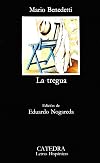
The other day I was killing a bit of time at the end of the day searching for used books on the internet. There's a really great Spanish-language publisher called Cátedra that prints "scholarly" editions of modern and classic Spanish and Latin American literature, with introductory studies and generous footnotes included in each book. I really appreciate the introductions, because they help me understand the context and the meaning of the books I read. Their books are also very durable: Not show more only are they the perfect size to fit in one's front pocket, but they are able to withstand the wear and tear that results from being carried around in one's pocket during multiple readings. I pretty much buy the Cátedra version of any book that I like if it costs less than $5 with shipping included, so I recently upgraded to a Cátedra edition of Mario Benedetti's La tregua. I had been meaning to re-read this book after the author's death last year anyway, so it was a very satisfying purchase and read.
Martín Santomé works in an office in Montevideo and is about to stop working at the ripe old age of 50, the age at which people in Uruguay in the late 1950s used to retire. He's decided to keep a diary of his last year before retirement, because he considers himself a decent writer and he wants to write while he still has things worth documenting. When he retires and stops commuting to the office every day, he feels that his day-to-day experiences will be greatly reduced and he will find little motivation to keep journaling. He's got three children, Esteban, Jaime and Blanca. His wife died shortly after the birth of Jaime, and his experience with women during the quarter century after her death has been limited to brief and fleeting sexual encounters that he once describes as "hygienic." He writes about his job and the Montevideo that he sees around him, he writes about his few friends and his interactions with them, and he writes about his up-and-down relationship with his children. Most of all, though, he writes about his relationship with a younger woman named Laura Avellaneda who starts working in his office early in the year. He has a growing admiration for her, and is able to create a casual encounter where he expresses his desire to be with her, along with his concerns about impinging upon her liberty due to her youth and his old age. To his relief, she's into him too, and they have a nice relationship. His last journal entry is written just before he retires from the office, about a year after he started writing.
I really enjoyed reading this book for the second time. Knowing what happens as the story progresses made it a sadder book, and added a lot of importance to words, thoughts and journal entries that I might not have thought so much about the first time without knowing how the story ends. Santomé's struggle to find meaning in the mediocrity of his middle-aged office and home life was very compelling, and I found him to be an astute and humble observer of both the world that surrounds him and the people who inhabit it. I was happy to be taken back to a very real and tangible Uruguay, and I loved encountering a Spanish vocabulary that I once had contact with on an everyday basis when I lived and studied in Buenos Aires. I found some points of relation between this book and the books I had just read (like Conversazione in Sicilia, La tregua was grounded in the reality of everyday life in a very specific place and time, with Montevideo and the small country of Uruguay in the late 1950s replacing 1930s Sicily; like L'élégance du hérisson, a person whose partner had died many years ago finds unexpectedly finds new love) , and also between La tregua and a steadily-growing number of existential novels I have read in the past two years. Santomé is constantly interrogating himself about the meaning of life and the existence of God in the world of insignificant aging men who work insignificant jobs in offices, and the truce that gives title to book refers to a fleeting resolution to some of these issues that he finds during the year preceding his retirement from the working world.
I thought that the secondary focus on the state of the Uruguayan nation at a time of stagnation and civic and political unfulfillment was really fascinating as well, especially in relation to the United States that I live in today. I related to the characters' feelings about a nation that wasn't moving forward and their frustration with a society where systemic corruption has reached the extent where bribes have become necessary in public life for both illicit and, increasingly, licit ends. The characters' sentiments in the book sounded a lot like those that I read in the newspaper every morning in the local and national news stories and opinion pages. Perhaps the collapse of the Uruguayan system that occurred in the years following this book's publication does not bode well for the future of America, considering how much of our contemporary political culture I saw in their feelings about their small country and the direction in which it was heading.
The additional material in the Cátedra edition, as usual, was nice to have. I didn't really like the editor's personal touch (I thought he was kind of anti-United States and sometimes I didn't quite agree with his more subjective commentaries), but he did provide a lot of biographical details about Benedetti, as well as some footnotes that brought my attention to a number of special words and phrases of the Argentine-Uruguayan lexicon that I thought were worth highlighting. Another five dollars well-spent! show less
Martín Santomé works in an office in Montevideo and is about to stop working at the ripe old age of 50, the age at which people in Uruguay in the late 1950s used to retire. He's decided to keep a diary of his last year before retirement, because he considers himself a decent writer and he wants to write while he still has things worth documenting. When he retires and stops commuting to the office every day, he feels that his day-to-day experiences will be greatly reduced and he will find little motivation to keep journaling. He's got three children, Esteban, Jaime and Blanca. His wife died shortly after the birth of Jaime, and his experience with women during the quarter century after her death has been limited to brief and fleeting sexual encounters that he once describes as "hygienic." He writes about his job and the Montevideo that he sees around him, he writes about his few friends and his interactions with them, and he writes about his up-and-down relationship with his children. Most of all, though, he writes about his relationship with a younger woman named Laura Avellaneda who starts working in his office early in the year. He has a growing admiration for her, and is able to create a casual encounter where he expresses his desire to be with her, along with his concerns about impinging upon her liberty due to her youth and his old age. To his relief, she's into him too, and they have a nice relationship. His last journal entry is written just before he retires from the office, about a year after he started writing.
I really enjoyed reading this book for the second time. Knowing what happens as the story progresses made it a sadder book, and added a lot of importance to words, thoughts and journal entries that I might not have thought so much about the first time without knowing how the story ends. Santomé's struggle to find meaning in the mediocrity of his middle-aged office and home life was very compelling, and I found him to be an astute and humble observer of both the world that surrounds him and the people who inhabit it. I was happy to be taken back to a very real and tangible Uruguay, and I loved encountering a Spanish vocabulary that I once had contact with on an everyday basis when I lived and studied in Buenos Aires. I found some points of relation between this book and the books I had just read (like Conversazione in Sicilia, La tregua was grounded in the reality of everyday life in a very specific place and time, with Montevideo and the small country of Uruguay in the late 1950s replacing 1930s Sicily; like L'élégance du hérisson, a person whose partner had died many years ago finds unexpectedly finds new love) , and also between La tregua and a steadily-growing number of existential novels I have read in the past two years. Santomé is constantly interrogating himself about the meaning of life and the existence of God in the world of insignificant aging men who work insignificant jobs in offices, and the truce that gives title to book refers to a fleeting resolution to some of these issues that he finds during the year preceding his retirement from the working world.
I thought that the secondary focus on the state of the Uruguayan nation at a time of stagnation and civic and political unfulfillment was really fascinating as well, especially in relation to the United States that I live in today. I related to the characters' feelings about a nation that wasn't moving forward and their frustration with a society where systemic corruption has reached the extent where bribes have become necessary in public life for both illicit and, increasingly, licit ends. The characters' sentiments in the book sounded a lot like those that I read in the newspaper every morning in the local and national news stories and opinion pages. Perhaps the collapse of the Uruguayan system that occurred in the years following this book's publication does not bode well for the future of America, considering how much of our contemporary political culture I saw in their feelings about their small country and the direction in which it was heading.
The additional material in the Cátedra edition, as usual, was nice to have. I didn't really like the editor's personal touch (I thought he was kind of anti-United States and sometimes I didn't quite agree with his more subjective commentaries), but he did provide a lot of biographical details about Benedetti, as well as some footnotes that brought my attention to a number of special words and phrases of the Argentine-Uruguayan lexicon that I thought were worth highlighting. Another five dollars well-spent! show less
Lists
Reading LIst (1)
Vine Reads (1)
Awards


You May Also Like


Associated Authors
Statistics
- Works
- 215
- Also by
- 8
- Members
- 5,133
- Popularity
- #4,856
- Rating
- 4.0
- Reviews
- 130
- ISBNs
- 704
- Languages
- 14
- Favorited
- 19