
Randa Jarrar
Author of A Map of Home
About the Author
Works by Randa Jarrar
Associated Works
Nasty Women: Feminism, Resistance, and Revolution in Trump's America (2017) — Contributor — 253 copies, 10 reviews
Dinarzad's Children: An Anthology of Contemporary Arab American Fiction (2004) — Contributor — 27 copies
Tagged
Common Knowledge
- Birthdate
- 1978-01-04
- Gender
- female
- Education
- Sarah Lawrence College
University of Texas, Austin
University of Michigan - Nationality
- USA
- Places of residence
- Kuwait
Ann Arbor, Michigan, USA - Associated Place (for map)
- Michigan, USA
Members
Reviews
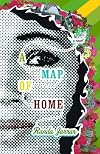
I had no idea what to expect when I picked this out from the library. It was simply something on my list, and something on my 2018 reading challenge. But it literally ended up changing my outlook on a lot of things, and though sometimes it was difficult to read based on traumatic events in my own childhood (why don't books have content warnings the way movies & video games do?), it left me feeling contented and warm-bellied the way eating a comfort meal does.
Book content warnings: show more
rape
domestic & child abuse
A Map of Home is the story of Nidali, daughter of an Egyptian-Greek mother and a Palestinian father and the life she had growing up in Kuwait, Egypt, and then finally the US (in Texas, of all places). It's, as the goodreads summary says, "a loving portrait of [her] eccentric middle-class family", and eccentric at times seems like an understatement.
But "loving portrait" ... it hardly gets more spot-on than that. The book is touching, heart-breaking, and even funny, too, and sometimes simultaneously.
I don't have much else to say, because it's just written very well; I can't believe this is a debut. I learned a lot from this book, too, but that's a bit personal, and I don't want to go 1). "NSFW", and 2). into personal things from my childhood that doesn't matter to anyone reading this. But Randa Jarrar definitely has a talent for describing personal things in a way other people haven't before -- I've never connected to characters and experiences before like I have here.
Even saying all this, I've still given this book four stars instead of five just because of personal taste, and for the fact that I'm not sure I'd like to read this again, if that makes sense. show less
Book content warnings: show more
rape
domestic & child abuse
A Map of Home is the story of Nidali, daughter of an Egyptian-Greek mother and a Palestinian father and the life she had growing up in Kuwait, Egypt, and then finally the US (in Texas, of all places). It's, as the goodreads summary says, "a loving portrait of [her] eccentric middle-class family", and eccentric at times seems like an understatement.
But "loving portrait" ... it hardly gets more spot-on than that. The book is touching, heart-breaking, and even funny, too, and sometimes simultaneously.
I don't have much else to say, because it's just written very well; I can't believe this is a debut. I learned a lot from this book, too, but that's a bit personal, and I don't want to go 1). "NSFW", and 2). into personal things from my childhood that doesn't matter to anyone reading this. But Randa Jarrar definitely has a talent for describing personal things in a way other people haven't before -- I've never connected to characters and experiences before like I have here.
Even saying all this, I've still given this book four stars instead of five just because of personal taste, and for the fact that I'm not sure I'd like to read this again, if that makes sense. show less
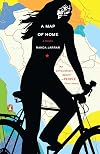
Wonder woman, physical violence, a piano on roller skates and multiple relocations. Sharply intelligent and acerbically humorous, [A map of home] is the story of Nidali’s childhood and her family’s tumultuous relationships. Born in the USA, she, along with her Palestinian father and Greek-Egyptian mother, travel back to Egypt for her grandmother’s funeral. The family lives in Kuwait during her childhood, but they leave for Egypt during her thirteenth year because of the 90-91 Gulf show more war.
As a preschooler, Nidali’s Baba tells her that moving is part of being Palestinian. “Our people carry their homeland in their souls . . .You can go wherever you want, but you’ll always have it in your heart.”
Later, when he discovers she is learning nothing about Palestinian history at her English school in Kuwait, he provides an all night session in history and map drawing. In Egypt, after being told that the family will not be allowed to return to Kuwait after the first gulf war, Nidali redraws the map of Palestine she remembers from that night, but isn’t sure she drew it correctly. When she asks her father if it’s correct, he responds, “Who knows?”
“What do you mean, Baba, when you say ‘who knows’?”
“Oh habibiti. That map is from a certain year. The maps that came earlier looked different. And the ones that came after, even more different.”
“What do you mean?”
“I mean . . . there’s no telling. There’s no telling where home starts and where it ends.”
This is true in Nidali’s family relationships as well. Her father insists on her getting an education so she won’t be like his sisters who left school after 6th grade to marry as adolescents. But is it because he loves her, or he wants her to be a poet like he once was? Early in the book Nidali says, “I knew from the beginning that home meant fighting, arguing and embellishing. That’s why I loved school.”
Her parents fight orally and physically, and Nidali is beaten by her father as well. In Texas, where the family moves when her father can’t get a job in Egypt, she runs to the police station after her father chases her around the house with a knife. She takes her parents to court, dropping the charges after she thinks they’ve learned their lesson: that parents can’t get away with everything in America. Running away from home is a strategy she successfully uses to negotiate with her parents over curfew and contact by letter with Fakhr, the friend and lover she left in Egypt.
At the end of the book, she runs away again. She has applied to, and been accepted at, a college on the east coast of the US. Her father, however, wants her to go to school at a local college and stay at home. She stays at a friend’s house and hides under the bed when her mother comes looking for her. But finally she gets ready to go home on her own terms:
I remembered how I used to believe that when I was forced to run to a new home, the skin of my feet would collect sand and rocks and cactus and seeds and grass until I had shoes made of everything I picked up from running. I always thought that when I got those earth-shoes, I’d be able to stop running and settle down somewhere I’d never have to run away from again. In the morning, I’d be going home. I had to stick up for myself so that when I went away to school I wouldn’t be running. Just going. I raised my leg than and looked at the bottom of my foot. It was dark and thick with dirt. show less
As a preschooler, Nidali’s Baba tells her that moving is part of being Palestinian. “Our people carry their homeland in their souls . . .You can go wherever you want, but you’ll always have it in your heart.”
Later, when he discovers she is learning nothing about Palestinian history at her English school in Kuwait, he provides an all night session in history and map drawing. In Egypt, after being told that the family will not be allowed to return to Kuwait after the first gulf war, Nidali redraws the map of Palestine she remembers from that night, but isn’t sure she drew it correctly. When she asks her father if it’s correct, he responds, “Who knows?”
“What do you mean, Baba, when you say ‘who knows’?”
“Oh habibiti. That map is from a certain year. The maps that came earlier looked different. And the ones that came after, even more different.”
“What do you mean?”
“I mean . . . there’s no telling. There’s no telling where home starts and where it ends.”
This is true in Nidali’s family relationships as well. Her father insists on her getting an education so she won’t be like his sisters who left school after 6th grade to marry as adolescents. But is it because he loves her, or he wants her to be a poet like he once was? Early in the book Nidali says, “I knew from the beginning that home meant fighting, arguing and embellishing. That’s why I loved school.”
Her parents fight orally and physically, and Nidali is beaten by her father as well. In Texas, where the family moves when her father can’t get a job in Egypt, she runs to the police station after her father chases her around the house with a knife. She takes her parents to court, dropping the charges after she thinks they’ve learned their lesson: that parents can’t get away with everything in America. Running away from home is a strategy she successfully uses to negotiate with her parents over curfew and contact by letter with Fakhr, the friend and lover she left in Egypt.
At the end of the book, she runs away again. She has applied to, and been accepted at, a college on the east coast of the US. Her father, however, wants her to go to school at a local college and stay at home. She stays at a friend’s house and hides under the bed when her mother comes looking for her. But finally she gets ready to go home on her own terms:
I remembered how I used to believe that when I was forced to run to a new home, the skin of my feet would collect sand and rocks and cactus and seeds and grass until I had shoes made of everything I picked up from running. I always thought that when I got those earth-shoes, I’d be able to stop running and settle down somewhere I’d never have to run away from again. In the morning, I’d be going home. I had to stick up for myself so that when I went away to school I wouldn’t be running. Just going. I raised my leg than and looked at the bottom of my foot. It was dark and thick with dirt. show less
Jarrar's bold debut is seemingly effortless. She is a born storyteller who transports you with ease from Boston to Kuwait, then to Egypt when the Iraq invasion occurs, and then on to Texas, with Nidali, the young, intrepid protagonist, who should have been a boy.
When Nidali is born to her Egyptian-Greek mother and Palestinian father in 1970s Boston, her father is sure she is a boy and so names her Nidal, meaning 'struggle', mere minutes after she is born. Moments later, he wonders about the show more sex of the baby, but then dismisses it. Of course, it's a boy!
He's always known his firstborn would be a boy; he didn't want to 'witness his own girl's growing and going", as his six miserable sisters had. This was a boy! Only, it wasn't. And so, much to his wife's chagrin, Nidal became Nidali, with the "feminising, possessive, cursing 'I'" appended at the end to signify a girl's name.
There are many quirky Arab conventions in their home. The father is the incontrovertible boss, but his wife is by no means a doormat. If anything, she's a drama queen. She's a lapsed rock star who loves the piano; he's a lapsed poet. While the two adore one another, they are always at loggerheads, so Nidali finds school a welcome escape from home.
The family leaves Boston when Nidali is a baby, and, not long after, they move to Kuwait. Her father holds that moving is part of being Palestinian. He says, "Our people carry their homelands in their souls." But Nidali is not only Palestinian, she is also Egyptian, and Greek, and American. It's a continuous struggle for her to find her place and identity in the world.
Notwithstanding his Arabness and his set ways, her father is quite liberal and has decided that Nidali will be independent, unlike other Arab women. He emphasises education and demands that she excel. "I lost my home," he says to her, "and I gained an education...which later became my home. That can also happen to you."
Of course she hates the pressure, and rebels. Nidali has never been a doormat, either. She is a tough, outspoken, if foul-mouthed, young thing. We follow her escapades with friends and (prohibited) boyfriends, as she explores her sexuality and negotiates the murky waters of being a teenager in challenging circumstances: She is growing up in an Arab home with all the rigidities of her Arab culture but with full exposure to the Western world and all that it offers. A Map of Home is a great, sometimes sad, mostly funny read, but I daresay this one will appeal more to young adult readers.
This review was first published in Issue 6 of Belletrista: http://www.belletrista.com/2010/issue6/reviews_12.php show less
When Nidali is born to her Egyptian-Greek mother and Palestinian father in 1970s Boston, her father is sure she is a boy and so names her Nidal, meaning 'struggle', mere minutes after she is born. Moments later, he wonders about the show more sex of the baby, but then dismisses it. Of course, it's a boy!
He's always known his firstborn would be a boy; he didn't want to 'witness his own girl's growing and going", as his six miserable sisters had. This was a boy! Only, it wasn't. And so, much to his wife's chagrin, Nidal became Nidali, with the "feminising, possessive, cursing 'I'" appended at the end to signify a girl's name.
There are many quirky Arab conventions in their home. The father is the incontrovertible boss, but his wife is by no means a doormat. If anything, she's a drama queen. She's a lapsed rock star who loves the piano; he's a lapsed poet. While the two adore one another, they are always at loggerheads, so Nidali finds school a welcome escape from home.
The family leaves Boston when Nidali is a baby, and, not long after, they move to Kuwait. Her father holds that moving is part of being Palestinian. He says, "Our people carry their homelands in their souls." But Nidali is not only Palestinian, she is also Egyptian, and Greek, and American. It's a continuous struggle for her to find her place and identity in the world.
Notwithstanding his Arabness and his set ways, her father is quite liberal and has decided that Nidali will be independent, unlike other Arab women. He emphasises education and demands that she excel. "I lost my home," he says to her, "and I gained an education...which later became my home. That can also happen to you."
Of course she hates the pressure, and rebels. Nidali has never been a doormat, either. She is a tough, outspoken, if foul-mouthed, young thing. We follow her escapades with friends and (prohibited) boyfriends, as she explores her sexuality and negotiates the murky waters of being a teenager in challenging circumstances: She is growing up in an Arab home with all the rigidities of her Arab culture but with full exposure to the Western world and all that it offers. A Map of Home is a great, sometimes sad, mostly funny read, but I daresay this one will appeal more to young adult readers.
This review was first published in Issue 6 of Belletrista: http://www.belletrista.com/2010/issue6/reviews_12.php show less
Nidali has an American passport, since she was born in Boston. Her Mama is Egyptian and Greek, her father is Palestinian, making Nidali "half-and-half." Growing up in Kuwait, she never quite feels at home - she has her friends, but she is on a different wavelength. She is a smart girl, but it's never quite enough for her father, a man who expects her to become a famous professor. While the story of her parents' courtship is one she remembers, somehow, with fondness, Nidali now deals with the show more almost constant fights in her household. And, on her thirteenth birthday, Saddam Hussein's Iraqi army invades Kuwait, leaving her mixed family with no option but to flee to Egypt where Nidali once again wonders what it means to be at home. When finally Nidali's family makes their last move to Texas, she decides that there is one way to escape her overbearing father and eccentric mother, to step out into the world and find herself and her home.
A Map of home is an unusual, poetic book that simply has no equal in contemporary literature to date. Jarrar's language is fluid, honest, and liberating, painting a beautiful picture of the Middle East that one would think impossible during times of turmoil. Nidali's account of growing up - from school and friends to sex and politics - transcends culture and unites us all in the struggle that is adolescence. At the same time, this is a novel that shines a new light on coming of age in an Arab family. Jarrar is a storyteller in the truest sense of the word, using charm and humor as much as hardship to bring us close to her characters and her truly musical narrative. show less
A Map of home is an unusual, poetic book that simply has no equal in contemporary literature to date. Jarrar's language is fluid, honest, and liberating, painting a beautiful picture of the Middle East that one would think impossible during times of turmoil. Nidali's account of growing up - from school and friends to sex and politics - transcends culture and unites us all in the struggle that is adolescence. At the same time, this is a novel that shines a new light on coming of age in an Arab family. Jarrar is a storyteller in the truest sense of the word, using charm and humor as much as hardship to bring us close to her characters and her truly musical narrative. show less
Lists
Awards


You May Also Like


Associated Authors
Statistics
- Works
- 3
- Also by
- 8
- Members
- 456
- Popularity
- #53,830
- Rating
- 3.9
- Reviews
- 28
- ISBNs
- 17
- Languages
- 3

