
Gillian Slovo
Author of Ice Road
About the Author
She is a novelist living in London. She is the daughter of the anti-apartheid activists Joe Slovo & Ruth First. (Bowker Author Biography)
Image credit: Bigfeet
Series
Works by Gillian Slovo
Associated Works
Tagged
Common Knowledge
- Canonical name
- Slovo, Gillian
- Birthdate
- 1952-03-15
- Gender
- female
- Occupations
- novelist
playwright
memoirist - Organizations
- PEN International
- Relationships
- Slovo, Joe (father)
Slovo, Shawn (sister)
First, Ruth (mother) - Short biography
- Gillian Slovo (born 15 March 1952, in Johannesburg) is a South African novelist, playwright and memoirist.
- Nationality
- South Africa
UK - Birthplace
- Johannesburg, South Africa
- Places of residence
- London, England, UK
Johannesburg, South Africa - Associated Place (for map)
- London, England, UK
Members
Reviews
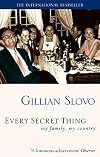
Gillian Slovo is one of three daughters of Joe Slovo and Ruth First- ANC revolutionaries/terrorists/guerrilla fighters/intellectuals/anti-apartheid campaigners/politicians/parents. And it is that complex! The girls necessarily take second place to activities that the parents engage in for the sake of justice and the greater good. The author of this family memoir struggles to come to terms with her place and needs in a situation where the needs of others are greater and of a life and death show more nature. As is so often the case, there is no absolute resolution, but as the story of their combined lives unfolds we get the feeling that Gillian has at least come to have peace about the actions of her heroic and largely absent parents.
This account gives a lot of information about the rise and actions of the ANC, who went from terrorists to the ruling political party after the release of Nelson Mandela from prison. I would have liked more political stuff near the end when it was coming clear that the ANC being in charge was able to affect little change in economic situation for black South Africans. But I think that at that time, there was just so much jubilation that apartheid had ended and that formerly exiled ANC members were now in positions of power, that the possibility of change was enough. Highly recommended. show less
This account gives a lot of information about the rise and actions of the ANC, who went from terrorists to the ruling political party after the release of Nelson Mandela from prison. I would have liked more political stuff near the end when it was coming clear that the ANC being in charge was able to affect little change in economic situation for black South Africans. But I think that at that time, there was just so much jubilation that apartheid had ended and that formerly exiled ANC members were now in positions of power, that the possibility of change was enough. Highly recommended. show less
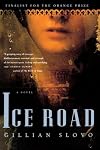
This is a pretty bad book; it's hard to believe Pat Barker meant the lavish praise quoted on the back cover. It's basically a romance novel set against the backdrop of a diligently researched Stalinist Russia, with obligatory markings of the various assassinations, show trials, and other newsworthy events; the main action, however, is the endless self-questionings and absurd actions of the main characters, not one of whom I found the least believable. And the repetitions! Slovo says nothing show more once if she can say it six times, with a bunch of rewordings thrown in. Or, as she might put it:
"He read on in disbelief. She said it again. She said the same thing yet again. Now in slightly different words, but it was unmistakably the same thing. Or perhaps he was dreaming it? He seemed to be dreaming a lot these days. But no, this was reality, and she was repeating herself in reality. Was she being paid by the word? Useless to think such things. He could not tear himself away; he kept reading, hoping for something better. But there was never anything better. Just the repeating, the endless repeating..."
Also, as in most books about Russia by non-Russians, there are a lot of mistakes (e.g., the daughter of Demyan is called "Demyanovichna"). It won't bother most people, of course, but it bothers me. show less
"He read on in disbelief. She said it again. She said the same thing yet again. Now in slightly different words, but it was unmistakably the same thing. Or perhaps he was dreaming it? He seemed to be dreaming a lot these days. But no, this was reality, and she was repeating herself in reality. Was she being paid by the word? Useless to think such things. He could not tear himself away; he kept reading, hoping for something better. But there was never anything better. Just the repeating, the endless repeating..."
Also, as in most books about Russia by non-Russians, there are a lot of mistakes (e.g., the daughter of Demyan is called "Demyanovichna"). It won't bother most people, of course, but it bothers me. show less
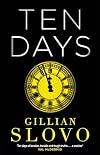
I don't know what sort of tone the book set, but the abridged audio came across almost post-apocalyptic, although it's set in modern London. It just seemed so crazy, the riots, the gangs, no one safe except the politician in their ivory towers (all corrupt, of course), and the very structure of society seemingly breaking down. Perhaps it was a little over the top. I'm not sure I would be able to stay on board if I were reading the book. I couldn't quite tell what all the fuss was about. Then show more again, look what happened in Ferguson, and Baltimore. These days it doesn't seem to take much. Perhaps it was spot on. show less
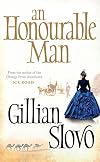
One word to describe how I felt about this book: frustrated.
First, I knew nothing about the historical event on which this is based, and I didn't feel the author made any of it clear. There was some kind of conflict between Egypt and Sudan, so a British general went there to fix things but he made a holy mess of everything. The book begins in 1884 when Britain sends more military to rescue him and his troops. The back story and political complications were a confusing muddle to me.
Second, show more the characters were totally unlikable. John Clarke, a young doctor who decides to go with the troops to the Sudan, comes across as superior and condescending. The general is stark raving mad with a God complex. John’s wife Mary is weak and needy and insecure, and becomes an opiate addict to deal with her loneliness. And then there’s the manipulative power-hungry journalist who’s campaigning for the general.
Third, the book reads like a rough draft. I don’t think an editor even glanced at the manuscript. Sentences like, “He was talking as if Will was a fellow general Will knew that he was really talking to himself.” (Wha?) and “The train juddered and champagne frothed out, some of it making it into the glass.” (The construction of that sentence implies that the champagne frothed out of the train.) It’s just quite dreadful.
I’ll use that clichéd review sentence: I really wanted to like this book. The author was shortlisted for the Orange Prize in 2004 for “Ice Road.” I haven’t read that book, but I assumed that the prize nomination was indicative of her writing talent. And the events on which this story is based are wonderful material for a novel. But all in all, I really did not like this book and I only made it to the last page by sheer determination. show less
First, I knew nothing about the historical event on which this is based, and I didn't feel the author made any of it clear. There was some kind of conflict between Egypt and Sudan, so a British general went there to fix things but he made a holy mess of everything. The book begins in 1884 when Britain sends more military to rescue him and his troops. The back story and political complications were a confusing muddle to me.
Second, show more the characters were totally unlikable. John Clarke, a young doctor who decides to go with the troops to the Sudan, comes across as superior and condescending. The general is stark raving mad with a God complex. John’s wife Mary is weak and needy and insecure, and becomes an opiate addict to deal with her loneliness. And then there’s the manipulative power-hungry journalist who’s campaigning for the general.
Third, the book reads like a rough draft. I don’t think an editor even glanced at the manuscript. Sentences like, “He was talking as if Will was a fellow general Will knew that he was really talking to himself.” (Wha?) and “The train juddered and champagne frothed out, some of it making it into the glass.” (The construction of that sentence implies that the champagne frothed out of the train.) It’s just quite dreadful.
I’ll use that clichéd review sentence: I really wanted to like this book. The author was shortlisted for the Orange Prize in 2004 for “Ice Road.” I haven’t read that book, but I assumed that the prize nomination was indicative of her writing talent. And the events on which this story is based are wonderful material for a novel. But all in all, I really did not like this book and I only made it to the last page by sheer determination. show less
Lists
Awards


You May Also Like


Associated Authors
Statistics
- Works
- 23
- Also by
- 4
- Members
- 1,026
- Popularity
- #25,102
- Rating
- 3.4
- Reviews
- 26
- ISBNs
- 79
- Languages
- 4
- Favorited
- 2