
Natsuko Imamura
Author of The Woman in the Purple Skirt
About the Author
Works by Natsuko Imamura
Perempuan Rok Ungu 1 copy
Associated Works
文学ムック たべるのがおそい vol.3 — Contributor — 1 copy
文学ムック たべるのがおそい vol.5 — Contributor — 1 copy
文學界 2021年2月号 創刊1000号記念特大号 — Contributor — 1 copy
Tagged
Common Knowledge
- Canonical name
- Imamura, Natsuko
- Birthdate
- 1980-02-20
- Gender
- female
- Birthplace
- Asaminami-ku, Hiroshima City, Hiroshima, Japan
- Map Location
- Japan
Members
Reviews
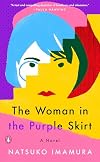
In the early Victorian era, sensation novels—books that made you really feel things, like horror or suspense or elation or, god forbid, lust—were often viewed with suspicion, if not downright disdain.
See, I have this theory that we expect every book to be a sensation novel these days. It either makes us feel or it’s boring. But does the dichotomy have to be that harsh? And The Woman in the Purple Skirt is a perfect case study because, judging by the reviews on here, it left many people show more shrugging, since its concise writing and sedate narration don't really evoke emotion. And I agree with that. I didn’t feel very much reading this. But I don’t think you’re supposed to.
This is such an oblique book—you kind of have to come at it sideways—read so far between the lines that an entirely different story emerges—and you realise the lack of emotion is like a windowpane separating you from the story, while at the same time giving you a better view of the situation and protecting you from any stray debris or birdshit. It’s like watching a telenovela on mute. Which is similar to how I felt reading Maria Judite de Carvalho’s Empty Wardrobes, which describes dramatic events that are left softened and muted by several years of raging about them, reflecting on them, and ultimately deciding that they no longer matter.
On a completely different note, The Woman in the Purple Skirt does a fantastic job of depicting housekeeping. The unique combination of voyeurism and drudgery that comes with cleaning the places where people live. And I would know; I was a housekeeper once. And I do mean once—for one single day. Like the titular woman’s short-lived hospitality career, mine too was ill-fated.
____________________
Global Challenge: Japan show less
See, I have this theory that we expect every book to be a sensation novel these days. It either makes us feel or it’s boring. But does the dichotomy have to be that harsh? And The Woman in the Purple Skirt is a perfect case study because, judging by the reviews on here, it left many people show more shrugging, since its concise writing and sedate narration don't really evoke emotion. And I agree with that. I didn’t feel very much reading this. But I don’t think you’re supposed to.
This is such an oblique book—you kind of have to come at it sideways—read so far between the lines that an entirely different story emerges—and you realise the lack of emotion is like a windowpane separating you from the story, while at the same time giving you a better view of the situation and protecting you from any stray debris or birdshit. It’s like watching a telenovela on mute. Which is similar to how I felt reading Maria Judite de Carvalho’s Empty Wardrobes, which describes dramatic events that are left softened and muted by several years of raging about them, reflecting on them, and ultimately deciding that they no longer matter.
On a completely different note, The Woman in the Purple Skirt does a fantastic job of depicting housekeeping. The unique combination of voyeurism and drudgery that comes with cleaning the places where people live. And I would know; I was a housekeeper once. And I do mean once—for one single day. Like the titular woman’s short-lived hospitality career, mine too was ill-fated.
____________________
Global Challenge: Japan show less
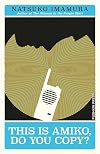
For such a short book, it is very powerful.
This novella’s premise is quite simple: Amiko is narrating memories of her childhood to a little girl.
Amiko is a spirited, quirky child who causes her mother much trouble. She blurts things out, sneaks into places, eats with her hands, and doesn’t comprehend why people find that weird and tell her off, but she takes it all very stoically, almost as if she really doesn’t get any of it. Progressively it appears that is indeed the case. She show more shares moments of family life, and her innocent crush on Nori, which has had a lasting impact on her.
Around her birthday, things start to change. She is gifted a walkie talkie which she practices speaking with, her mum is pregnant. The family goes through a lot of adversity and things will never be the same.
There are cute comedic moments that reminded me of Ghibli children, the film “The Taste of Tea” or even the first part of “Amelie”. However there are also very dark ones, poignantly portraying the traumatic impact of neglect and bullying on a neurodivergent child, and sheds light on the complexities of relationships with family members.
The narration is fresh and brings something unique because it is a very realistic, candid, and relatable representation of a neurodivergent childhood without being cliché or relying on stereotypes.
I think this book is important. It prompts readers to reflect on their biases and the importance of recognising the human validity of people/children like Amiko, and for neurodivergent people, it is a very moving read where we feel seen. Stories featuring neurodivergent children are often told “about” them, things are told “at” them but in this book, Amiko is candidly telling her story in her words, she wants to connect, and this is echoed in the book’s title.
I honestly did not expect it to affect me as much as it did.
Thank you to NetGalley and the publisher for an ARC of this book in exchange for an honest review. show less
This novella’s premise is quite simple: Amiko is narrating memories of her childhood to a little girl.
Amiko is a spirited, quirky child who causes her mother much trouble. She blurts things out, sneaks into places, eats with her hands, and doesn’t comprehend why people find that weird and tell her off, but she takes it all very stoically, almost as if she really doesn’t get any of it. Progressively it appears that is indeed the case. She show more shares moments of family life, and her innocent crush on Nori, which has had a lasting impact on her.
Around her birthday, things start to change. She is gifted a walkie talkie which she practices speaking with, her mum is pregnant. The family goes through a lot of adversity and things will never be the same.
There are cute comedic moments that reminded me of Ghibli children, the film “The Taste of Tea” or even the first part of “Amelie”. However there are also very dark ones, poignantly portraying the traumatic impact of neglect and bullying on a neurodivergent child, and sheds light on the complexities of relationships with family members.
The narration is fresh and brings something unique because it is a very realistic, candid, and relatable representation of a neurodivergent childhood without being cliché or relying on stereotypes.
I think this book is important. It prompts readers to reflect on their biases and the importance of recognising the human validity of people/children like Amiko, and for neurodivergent people, it is a very moving read where we feel seen. Stories featuring neurodivergent children are often told “about” them, things are told “at” them but in this book, Amiko is candidly telling her story in her words, she wants to connect, and this is echoed in the book’s title.
I honestly did not expect it to affect me as much as it did.
Thank you to NetGalley and the publisher for an ARC of this book in exchange for an honest review. show less
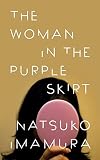
The Woman in the Purple Skirt is a difficult novel to pin down to a genre. It’s not quite literary noir, nor domestic suspense or even a work-based novel. It has elements of all of these. To try to sum it up, it’s a domestic, everyday story that starts off by being a little odd and lonely; then gets quite creepy towards the end.
The story about the woman in the purple skirt is narrated in the first person by a person who calls herself the woman in the yellow cardigan. The narrator show more reveals little about herself until the end of the story, and it’s not quite clear how or why she got herself into the predicament. The narrator lives locally to the woman in the purple skirt and notices that she doesn’t seem to hold down a job for very long and that her one enjoyment seems to be eating a cream bun in the local park. Even the local children have devised a game about the woman in the purple skirt, and it’s not kind. The narrator’s motivation at first seems to be to look out for the woman in the purple skirt in her daily life, but then she starts to intervene. At first it’s small things like trying to get her to use a particular shampoo, but then it’s trying to get the woman in the purple skirt to work at the same place as the narrator. At work, the woman in the purple skirt really starts to shine. The narrator doesn’t like this, and soon the workplace is full of gossip about the woman in the purple skirt’s love life and work ethic. It all comes to a head when an employee is suspected of stealing, with a most unlikely outcome. Here, the narrator tries to save the day, but does she really?
It’s never quite clear what the intentions of the narrator are towards the woman in the purple skirt. Is it friendship – both seem lonely initially – or is it an obsession on the narrator’s part that grows and grows? As the story continues, the reader starts to feel increasingly uncomfortable about the narrator’s motives as they become more intrusive to the point of sabotage. It’s left to the reader to try to determine everyone’s motives but there weren’t any strong clues for me. I do wonder whether the woman in the purple skirt was as helpless and alienated as the narrator made her out to be, and how much of the final scene was in the narrator’s head and how much was true. It’s easy to read, and quite a quick read too, but I think reading it more slowly gave me time to ponder over everyone’s motives and rationale for acting the way they did. The narrator hints at a lack of money and her workplace being one of high turnover and it made me wonder how many women she has treated this way.
If you like your reads to leave you wondering, The Woman in the Purple Skirt is a great novel of obsession to the point of destruction.
Thank you to Allen & Unwin for the copy of this book. My review is honest.
http://samstillreading.wordpress.com show less
The story about the woman in the purple skirt is narrated in the first person by a person who calls herself the woman in the yellow cardigan. The narrator show more reveals little about herself until the end of the story, and it’s not quite clear how or why she got herself into the predicament. The narrator lives locally to the woman in the purple skirt and notices that she doesn’t seem to hold down a job for very long and that her one enjoyment seems to be eating a cream bun in the local park. Even the local children have devised a game about the woman in the purple skirt, and it’s not kind. The narrator’s motivation at first seems to be to look out for the woman in the purple skirt in her daily life, but then she starts to intervene. At first it’s small things like trying to get her to use a particular shampoo, but then it’s trying to get the woman in the purple skirt to work at the same place as the narrator. At work, the woman in the purple skirt really starts to shine. The narrator doesn’t like this, and soon the workplace is full of gossip about the woman in the purple skirt’s love life and work ethic. It all comes to a head when an employee is suspected of stealing, with a most unlikely outcome. Here, the narrator tries to save the day, but does she really?
It’s never quite clear what the intentions of the narrator are towards the woman in the purple skirt. Is it friendship – both seem lonely initially – or is it an obsession on the narrator’s part that grows and grows? As the story continues, the reader starts to feel increasingly uncomfortable about the narrator’s motives as they become more intrusive to the point of sabotage. It’s left to the reader to try to determine everyone’s motives but there weren’t any strong clues for me. I do wonder whether the woman in the purple skirt was as helpless and alienated as the narrator made her out to be, and how much of the final scene was in the narrator’s head and how much was true. It’s easy to read, and quite a quick read too, but I think reading it more slowly gave me time to ponder over everyone’s motives and rationale for acting the way they did. The narrator hints at a lack of money and her workplace being one of high turnover and it made me wonder how many women she has treated this way.
If you like your reads to leave you wondering, The Woman in the Purple Skirt is a great novel of obsession to the point of destruction.
Thank you to Allen & Unwin for the copy of this book. My review is honest.
http://samstillreading.wordpress.com show less
The Woman in the Purple Skirt is an ordinary woman who only ever wears a purple-colored skirt. She doesn’t do anything particularly unusual or unique. She looks for work. She eats a cream bun while sitting on a park bench. She seems to barely make ends meet.
Our narrator isn’t the Woman in the Purple Skirt. It’s the woman in the yellow cardigan, who watches the woman in the purple skirt, and know her life thoroughly. She seems to want to be friends with the woman in the purple skirt. show more
“When the Woman in the Yellow Cardigan goes out walking in the shopping district, nobody pays the slightest bit of attention. But when the Woman in the Purple Skirt goes out, it’s impossible not to pay attention. Nobody could ignore her.”
But it’s not just watching, the reader realizes. The narrator helps the woman in the purple skirt by putting out the job listing magazines at the convenience store, she drops off shampoo at her apartment to make sure her hair gets washed. She eventually finds the Woman a job at the same hotel, cleaning rooms.
This is part of her attempt to befriend the Woman, by making them colleagues at the same job. But still she watches from afar.
The Woman in the Purple Skirt becomes popular with the other employees. But the narrator remains invisible, not just to the woman but it seems to almost everyone else working there.
Some might say this book is disturbing. But I just felt this sadness for the Woman in the Yellow Cardigan. A nameless, faceless woman who nobody knows, not even the reader. The loneliness of living in a city leads her to longing for a friend, into voyeurism and idolization of an everyday person. show less
Our narrator isn’t the Woman in the Purple Skirt. It’s the woman in the yellow cardigan, who watches the woman in the purple skirt, and know her life thoroughly. She seems to want to be friends with the woman in the purple skirt. show more
“When the Woman in the Yellow Cardigan goes out walking in the shopping district, nobody pays the slightest bit of attention. But when the Woman in the Purple Skirt goes out, it’s impossible not to pay attention. Nobody could ignore her.”
But it’s not just watching, the reader realizes. The narrator helps the woman in the purple skirt by putting out the job listing magazines at the convenience store, she drops off shampoo at her apartment to make sure her hair gets washed. She eventually finds the Woman a job at the same hotel, cleaning rooms.
This is part of her attempt to befriend the Woman, by making them colleagues at the same job. But still she watches from afar.
The Woman in the Purple Skirt becomes popular with the other employees. But the narrator remains invisible, not just to the woman but it seems to almost everyone else working there.
Some might say this book is disturbing. But I just felt this sadness for the Woman in the Yellow Cardigan. A nameless, faceless woman who nobody knows, not even the reader. The loneliness of living in a city leads her to longing for a friend, into voyeurism and idolization of an everyday person. show less
Lists
Awards


You May Also Like


Associated Authors
Statistics
- Works
- 7
- Also by
- 6
- Members
- 514
- Popularity
- #48,283
- Rating
- 3.4
- Reviews
- 18
- ISBNs
- 31
- Languages
- 10