
Deborah Copaken Kogan
Author of The Red Book
About the Author
Deborah Copaken Kogan graduated from Harvard in 1988. From 1988 to 1992 she worked as a photojournalist, and her work appeared in Time, Newsweek, The New York Times, L'Express, and hundreds of other international newspapers and magazines. She spent the next six years in TV journalism, most recently show more as a producer for Dateline NBC. She lives in New York with her husband and two children. (Bowker Author Biography) show less
Image credit: Matthew Cippaghila
Works by Deborah Copaken Kogan
Down the Colorado: 2 copies
Associated Works
I Still Believe Anita Hill: Three Generations Discuss the Legacies of Speaking Truth to Power (2012) — Contributor — 23 copies, 1 review
Tagged
Common Knowledge
- Canonical name
- Kogan, Deborah Copaken
- Birthdate
- 1966
- Gender
- female
- Occupations
- author
photographer - Nationality
- USA
- Associated Place (for map)
- USA
Members
Reviews
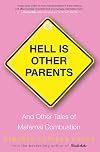
If all the other mothers in her Manhattan milieu are Alpha moms, Deborah Copaken Kogan is a Beta mom. Mom 2.0. Mom on the bleeding edge, making up the rules as she goes along, and making me jealous once again since reading her brilliant novel last year that we're not best friends. Containing brutal honesty about the highs and lows of motherhood mixed with lighter moments, it's also got its earthy moments, and I was glad to see tales of Kogan's personal history (work hurdles, former lovers) show more woven in with her parenting stories. An alpha mom might write a book for the self-help section, but Kogan's book shows all the other smart, strong and still sane moms out there that they have a voice, too. show less
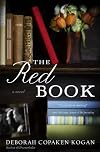
I read this novel as part of the Library Thing Early Reviewers program and approached it rather cautiously. Any contemporary novel about alums from an elite university reuniting is immediately compared to The Group and most fall way short. But I have to admit that this one deserves to be mentioned in the same breath as McCarthy's classic.
This could have been just another novel about priveleged, college kids with an outsized sense of entitlement who grew up to be priviliged adults with an show more outsized sense of entitlement, but Kogan added enough dysfunction, regret, struggle and tragedy to temper the characters and make them relatable and likeable. The structure of the book -- opening each section with the bio that each character "wrote" to be included in the class's alumni directory -- was a clever way to introduce characters throughout the novel. (It was also convenient for flipping back to review when I forgot some details about the minor characters.)
Overall, I felt this novel was a bit of a guilty like -- like enjoying a candy bar while flipping through an issue of Cosmo -- but there times when it transcended that and offered some moving truths about the choices we make early and how they affect our lives for the long haul. Dealing with parenting and infidelity issues, as well as the death of a parent were also deftly -- and, where appropriate, amusingly -- handled. show less
This could have been just another novel about priveleged, college kids with an outsized sense of entitlement who grew up to be priviliged adults with an show more outsized sense of entitlement, but Kogan added enough dysfunction, regret, struggle and tragedy to temper the characters and make them relatable and likeable. The structure of the book -- opening each section with the bio that each character "wrote" to be included in the class's alumni directory -- was a clever way to introduce characters throughout the novel. (It was also convenient for flipping back to review when I forgot some details about the minor characters.)
Overall, I felt this novel was a bit of a guilty like -- like enjoying a candy bar while flipping through an issue of Cosmo -- but there times when it transcended that and offered some moving truths about the choices we make early and how they affect our lives for the long haul. Dealing with parenting and infidelity issues, as well as the death of a parent were also deftly -- and, where appropriate, amusingly -- handled. show less
 This review was written for LibraryThing Early Reviewers.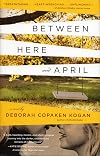
When Elizabeth starts fainting for no discernable physical reason, she finds herself thinking of April, her best friend from first grade who just never came to school one day. As Elizabeth researches the case, she learns that April and her sister Lily were killed by their mother Adele in a car in the woods. The more she delves into Adele's life leading up to the tragedy, the more parallels she finds with her own unravelling life.
The book did get a bit heavy-handed at times, especially as show more relates to Elizabeth's relationship with her husband. On the other hand, the author did a masterful job of painting a picture of a woman slowly edging toward the brink with no one and nothing to stop her from plunging. The book was sad and a litle scary, and dealt with a very difficult subject with sensitivity and empathy. Highly recommended. show less
The book did get a bit heavy-handed at times, especially as show more relates to Elizabeth's relationship with her husband. On the other hand, the author did a masterful job of painting a picture of a woman slowly edging toward the brink with no one and nothing to stop her from plunging. The book was sad and a litle scary, and dealt with a very difficult subject with sensitivity and empathy. Highly recommended. show less
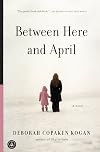
If you read the back cover blurb of Deborah Copaken Kogan's Between Here and April, you get the impression you're about to embark on a mystery thriller. That's somewhat of a deception. In reality, Kogan uses a brief murder mystery to address much larger issues.
In Between Here and April, Elizabeth Burns is a journalist and married mom of two daughters. She's struggling with the demands and desires of both career and family, and she feels like she's sinking. When a memory from her childhood show more suddenly surfaces, Elizabeth becomes determined to discover the truth behind the disappearance of her first grade best friend, April Cassidy. The search doesn't take very long; after all, when a mother kills herself and her two daughters, the newspapers are sure to pick up the story. April's research gave her the WHAT, WHEN, and HOW, but she's looking for one more thing: the WHY? How could a parent do such an unthinkable thing?
All of this happens within the first third (or even quarter) of the book, and the rest of the pages are dedicated to Elizabeth's quest for answers—interviewing neighbors, friends, and family of April's mother, Adele. Kogan delves into the issue of postpartum depression head-on. Elizabeth tries to understand the situation as it was in the early-1970s, in a society before postpartum depression was recognized as a legitimate and treatable condition and when Vallium was the go-to cure for women, even if it didn't work.
I have mixed feelings about this book. On the one hand, it got a little preachy to me. I was looking forward to the mystery thriller the marketing blurb seemed to promise and the beginning started off strong. However, we soon found the main character being sucked down the same path as the woman she was investigating. It was hard to feel much sympathy for her; I mean, she is studying the very emotions she is feeling—can't she see what it is and get help rather than just succumb to it? Also, I don't have kids, so I couldn't relate on a very basic level.
On the other hand, I understand how out of control a condition like this can make you feel—like there is someone else taking over your brain, you feel like a different person, and you just can't seem to get out of the funk. This is a symptom of any kind of mental disorder—panic, anxiety, depression—so many, many people could relate. In which case, the story becomes a kind of champion against the feelings of despair as we see Elizabeth deal with her own personal demons. This would be a GREAT selection for a book club, as it has a LOT to discuss. show less
In Between Here and April, Elizabeth Burns is a journalist and married mom of two daughters. She's struggling with the demands and desires of both career and family, and she feels like she's sinking. When a memory from her childhood show more suddenly surfaces, Elizabeth becomes determined to discover the truth behind the disappearance of her first grade best friend, April Cassidy. The search doesn't take very long; after all, when a mother kills herself and her two daughters, the newspapers are sure to pick up the story. April's research gave her the WHAT, WHEN, and HOW, but she's looking for one more thing: the WHY? How could a parent do such an unthinkable thing?
All of this happens within the first third (or even quarter) of the book, and the rest of the pages are dedicated to Elizabeth's quest for answers—interviewing neighbors, friends, and family of April's mother, Adele. Kogan delves into the issue of postpartum depression head-on. Elizabeth tries to understand the situation as it was in the early-1970s, in a society before postpartum depression was recognized as a legitimate and treatable condition and when Vallium was the go-to cure for women, even if it didn't work.
I have mixed feelings about this book. On the one hand, it got a little preachy to me. I was looking forward to the mystery thriller the marketing blurb seemed to promise and the beginning started off strong. However, we soon found the main character being sucked down the same path as the woman she was investigating. It was hard to feel much sympathy for her; I mean, she is studying the very emotions she is feeling—can't she see what it is and get help rather than just succumb to it? Also, I don't have kids, so I couldn't relate on a very basic level.
On the other hand, I understand how out of control a condition like this can make you feel—like there is someone else taking over your brain, you feel like a different person, and you just can't seem to get out of the funk. This is a symptom of any kind of mental disorder—panic, anxiety, depression—so many, many people could relate. In which case, the story becomes a kind of champion against the feelings of despair as we see Elizabeth deal with her own personal demons. This would be a GREAT selection for a book club, as it has a LOT to discuss. show less
Lists
Awards

You May Also Like


Associated Authors
Statistics
- Works
- 10
- Also by
- 1
- Members
- 1,082
- Popularity
- #23,754
- Rating
- 3.6
- Reviews
- 89
- ISBNs
- 41
- Languages
- 5
- Favorited
- 5
