
Wiesław Myśliwski
Author of Stone Upon Stone
About the Author
Works by Wiesław Myśliwski
Tagged
Common Knowledge
- Canonical name
- Myśliwski, Wiesław
- Birthdate
- 1932-03-25
- Gender
- male
- Occupations
- novelist
- Awards and honors
- Nike-Literaturpreis (x2)
- Nationality
- Poland
- Birthplace
- Dwikozy, Poland
- Places of residence
- Warschau, Polen
- Associated Place (for map)
- Dwikozy, Poland
Members
Reviews
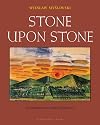
Having a tomb built. It's easy enough to say. But if you've never done it, you have no idea how much one of those things costs. It's almost as much as a house. Though they say a tomb is a house as well, just for the next life. Whether it's for eternity or not, a person needs a corner to call their own.
Symek Pietruszka has returned to his home village in late 20th century Poland, after a two year hospital stay that has left him crippled but unbowed. He is in the twilight of his remarkable yet show more largely unfulfilled life, one spent working indifferently on his parents' farm and in different occupations; attending numerous village parties, where excessive drinking, carousing and fighting were essential to an entertaining evening; exchanging favors for mundane, loveless sex with any woman that he could; and gaining some degree of respect from his fellow villagers for his bravery as a soldier in the Polish Army at the start of World War II, and as an often wounded but never defeated freedom fighter during the German occupation, which earned him the nickname "Eagle". He has always lived in the moment, with little concern for his parents, his three brothers, and the villagers who criticize his irresponsible and wayward behaviors.
Upon his return, Symek finds that his parents' house and farm have been completely ransacked by his neighbors, and everything of any value has been taken, in the manner of a pack of hyenas that have completely feasted on a dead animal. He is devastated, yet he remains undeterred in his plan to build a lavish family tomb, one which will house his late parents, his brothers and their wives, and himself.
Symek engages in frequent flashbacks as he tells his story, and he describes his impoverished childhood in which bread was often a desired luxury, his relationship with his deeply religious but troubled parents, his fantastic experiences and numerous escapes, and his past friends and lovers. He also notes the changes that have taken place during his lifetime, and he bemoans the skilled craftsmanship and individualistic lifestyle that have been replaced by modern equipment and collectivism.
Stone Upon Stone is a sweeping and masterful epic of life in a poverty stricken Polish village during most of the 20th century, whose people struggle to survive and are filled with animosity toward their neighbors and families, yet persevere and occasionally thrive. The narration is simple and filled with rustic wisdom, in keeping with the book's rural setting, and it flows seamlessly, due in large part to the expert translation by Bill Johnston, who was rightfully recognized and rewarded for his effort. show less
Symek Pietruszka has returned to his home village in late 20th century Poland, after a two year hospital stay that has left him crippled but unbowed. He is in the twilight of his remarkable yet show more largely unfulfilled life, one spent working indifferently on his parents' farm and in different occupations; attending numerous village parties, where excessive drinking, carousing and fighting were essential to an entertaining evening; exchanging favors for mundane, loveless sex with any woman that he could; and gaining some degree of respect from his fellow villagers for his bravery as a soldier in the Polish Army at the start of World War II, and as an often wounded but never defeated freedom fighter during the German occupation, which earned him the nickname "Eagle". He has always lived in the moment, with little concern for his parents, his three brothers, and the villagers who criticize his irresponsible and wayward behaviors.
Upon his return, Symek finds that his parents' house and farm have been completely ransacked by his neighbors, and everything of any value has been taken, in the manner of a pack of hyenas that have completely feasted on a dead animal. He is devastated, yet he remains undeterred in his plan to build a lavish family tomb, one which will house his late parents, his brothers and their wives, and himself.
Symek engages in frequent flashbacks as he tells his story, and he describes his impoverished childhood in which bread was often a desired luxury, his relationship with his deeply religious but troubled parents, his fantastic experiences and numerous escapes, and his past friends and lovers. He also notes the changes that have taken place during his lifetime, and he bemoans the skilled craftsmanship and individualistic lifestyle that have been replaced by modern equipment and collectivism.
Stone Upon Stone is a sweeping and masterful epic of life in a poverty stricken Polish village during most of the 20th century, whose people struggle to survive and are filled with animosity toward their neighbors and families, yet persevere and occasionally thrive. The narration is simple and filled with rustic wisdom, in keeping with the book's rural setting, and it flows seamlessly, due in large part to the expert translation by Bill Johnston, who was rightfully recognized and rewarded for his effort. show less
This book, translated from the Polish, won the 2012 Best Translated Book Award for fiction. I don’t read Polish, but the English does flow well.
This is not really a novel. It is more a fictional memoir of life among peasants in the Polish countryside pre, during, and post-WWII, through the eyes, and actions, of Szymus Pietruszka who grows up dirt-poor with his parents and three brothers: Michal, Antek, and Stasiek. The last two escape the confines of country life and we don’t really hear show more much about them except that they seem to be all flash and no substance in the post-war era, because to Syzmus they turn their backs on the sanctity of family. Syzmus inherits the land, such as it is, and Michal, who becomes mentally incapacitated, lives with him. The style of writing could be characterized as Proustian in two senses: the role of memory being haphazardly triggered by events or other memories; and writing that some might consider long-winded and rambling, but for others (including me) is unhurried in its details and digressions that define a particular time and place but at the same time deal with universal themes.
In his essay on the Polish writer, Witold Gombrowicz, in his brilliant book: Cultural Amnesia, Clive James describes Gombrowicz in terms that could apply to Mysliwski’s style of writing: “…a prose teeming with observed detail and subversive perceptions….”
This summary of life captures an essence of the book:
“Life has its twists and turns, its gullies, its cliffs, its whirlpools, its fine weather, all those things. Plus, as they say, it flows. Except some people think it keeps flowing in the same direction. Because that’s supposedly how rivers flow. Time flows like that. And everything that flows, flows that way. But that’s applesauce, my friend. Because one moment it flows one way, the next it flows in a whole other direction, it even flows against itself, across itself, every which way. It’s half like a whirlpool, half like mist, half like space. It doesn’t have any fixed direction.”
The only exception to this is death because, “We only die in one direction, not the opposite one.”
For the society that Syzmus portrays and represents, the fundamental force of life is the earth because it gives or withholds life through its crops, because the ownership or cultivation of it determines social connections and hierarchy and conflict, because possession of it drives wars, because it soaks the sweat of endeavours to make it productive and the blood spilled over it, and because it is the cradle: “all death does is lay you back down in it. And it rocks you and rocks you till you’re unborn, unconceived, once again.”
Everything else: society, personal and social relationships, fads, trends, politics, industrial development, war, violence….all these things that determine and sweep over life are real in their effects but they are, to adopt Marxist terminology, only the superstructure of human constructions on top of the substructure of earth and the cycles of life and death common to all humanity. This is Syzmus’s father on the prospect of war:
“What do we have to fight about? We plow and plant and mow, are we in anyone’s way? War won’t change the world. People’ll just go off and kill each other, then afterwards it’ll be the same as it was before. And as usual it’ll be us country folks that do most of the dying. And nobody will even remember that we fought, or why. Because when country folk die they don’t leave monuments and books behind, only tears. They rot in the land, and even the land doesn’t remember them. If the land was going to remember everyone it would have to stop giving birth to new life. But the land’s job is to give birth.”
War is something that sweeps over the land and the people, like a drought: nothing one can do about it, just try to survive and for most keep a low profile even if that is not always possible. In the end, despite all the death and sorrow, everything is forgotten anyway: “ Hardly anyone even remembers Pilsudski these days. Before you know it, they’ll forget the occupation as well. And high time.”
The advent of the Communist regime post-war is not much different: “Some people thought I’d taken the easy way out, but what was easy about it? After you’d dealt with them, people would come and curse me and the government to high heaven. …All I could do was throw my hands up and keep repeating, it’s not me, it’s not my decision. Then whose is it? You’re all the damn same, the lot of you!” The people retain their superstitions, religious and secular. They see political/economic demands as impositions to be managed, got around, ignored, fulfilled only to the minimum acceptable. And in the broader sweep of time, our time that has seen the collapse of the communist regimes, who is to say this philosophy is wrong?
There is a description of a murderous rampage by German troops after they have attacked a village harbouring partisans, a rampage in which the drunken troops hang every person they come across on their move down a road away from the fight at the village. They hang the local squire on the gate at the entrance to his manor because he was too slow in getting the gate open. After the war, all trace of the manor, the outside walls, and two other gates disappear; all that is left is two stone pillars and an unworkable iron gate in the middle of a field of crops. It is a powerful image and I think it makes again Mysliwski’s point about the ephemeral nature of life and the actions of men. I think the image is a metaphor for a basic theme of the book: the farmers sow crops all around the gate in the eternal earth; crops that are life because of the fecundity of the earth; the gate is a human construct that once served the purpose of limiting and defining space, funneling movement, opening and closing on people, even serving as a site for murder, but now it does nothing of the kind, it is rusted shut, it serves no purpose, the things associated with it have come and gone, now there is all around the gate freedom of movement and life from the earth.
A wonderful book and one that bears re-reading. (April, 2013) show less
This is not really a novel. It is more a fictional memoir of life among peasants in the Polish countryside pre, during, and post-WWII, through the eyes, and actions, of Szymus Pietruszka who grows up dirt-poor with his parents and three brothers: Michal, Antek, and Stasiek. The last two escape the confines of country life and we don’t really hear show more much about them except that they seem to be all flash and no substance in the post-war era, because to Syzmus they turn their backs on the sanctity of family. Syzmus inherits the land, such as it is, and Michal, who becomes mentally incapacitated, lives with him. The style of writing could be characterized as Proustian in two senses: the role of memory being haphazardly triggered by events or other memories; and writing that some might consider long-winded and rambling, but for others (including me) is unhurried in its details and digressions that define a particular time and place but at the same time deal with universal themes.
In his essay on the Polish writer, Witold Gombrowicz, in his brilliant book: Cultural Amnesia, Clive James describes Gombrowicz in terms that could apply to Mysliwski’s style of writing: “…a prose teeming with observed detail and subversive perceptions….”
This summary of life captures an essence of the book:
“Life has its twists and turns, its gullies, its cliffs, its whirlpools, its fine weather, all those things. Plus, as they say, it flows. Except some people think it keeps flowing in the same direction. Because that’s supposedly how rivers flow. Time flows like that. And everything that flows, flows that way. But that’s applesauce, my friend. Because one moment it flows one way, the next it flows in a whole other direction, it even flows against itself, across itself, every which way. It’s half like a whirlpool, half like mist, half like space. It doesn’t have any fixed direction.”
The only exception to this is death because, “We only die in one direction, not the opposite one.”
For the society that Syzmus portrays and represents, the fundamental force of life is the earth because it gives or withholds life through its crops, because the ownership or cultivation of it determines social connections and hierarchy and conflict, because possession of it drives wars, because it soaks the sweat of endeavours to make it productive and the blood spilled over it, and because it is the cradle: “all death does is lay you back down in it. And it rocks you and rocks you till you’re unborn, unconceived, once again.”
Everything else: society, personal and social relationships, fads, trends, politics, industrial development, war, violence….all these things that determine and sweep over life are real in their effects but they are, to adopt Marxist terminology, only the superstructure of human constructions on top of the substructure of earth and the cycles of life and death common to all humanity. This is Syzmus’s father on the prospect of war:
“What do we have to fight about? We plow and plant and mow, are we in anyone’s way? War won’t change the world. People’ll just go off and kill each other, then afterwards it’ll be the same as it was before. And as usual it’ll be us country folks that do most of the dying. And nobody will even remember that we fought, or why. Because when country folk die they don’t leave monuments and books behind, only tears. They rot in the land, and even the land doesn’t remember them. If the land was going to remember everyone it would have to stop giving birth to new life. But the land’s job is to give birth.”
War is something that sweeps over the land and the people, like a drought: nothing one can do about it, just try to survive and for most keep a low profile even if that is not always possible. In the end, despite all the death and sorrow, everything is forgotten anyway: “ Hardly anyone even remembers Pilsudski these days. Before you know it, they’ll forget the occupation as well. And high time.”
The advent of the Communist regime post-war is not much different: “Some people thought I’d taken the easy way out, but what was easy about it? After you’d dealt with them, people would come and curse me and the government to high heaven. …All I could do was throw my hands up and keep repeating, it’s not me, it’s not my decision. Then whose is it? You’re all the damn same, the lot of you!” The people retain their superstitions, religious and secular. They see political/economic demands as impositions to be managed, got around, ignored, fulfilled only to the minimum acceptable. And in the broader sweep of time, our time that has seen the collapse of the communist regimes, who is to say this philosophy is wrong?
There is a description of a murderous rampage by German troops after they have attacked a village harbouring partisans, a rampage in which the drunken troops hang every person they come across on their move down a road away from the fight at the village. They hang the local squire on the gate at the entrance to his manor because he was too slow in getting the gate open. After the war, all trace of the manor, the outside walls, and two other gates disappear; all that is left is two stone pillars and an unworkable iron gate in the middle of a field of crops. It is a powerful image and I think it makes again Mysliwski’s point about the ephemeral nature of life and the actions of men. I think the image is a metaphor for a basic theme of the book: the farmers sow crops all around the gate in the eternal earth; crops that are life because of the fecundity of the earth; the gate is a human construct that once served the purpose of limiting and defining space, funneling movement, opening and closing on people, even serving as a site for murder, but now it does nothing of the kind, it is rusted shut, it serves no purpose, the things associated with it have come and gone, now there is all around the gate freedom of movement and life from the earth.
A wonderful book and one that bears re-reading. (April, 2013) show less
Een man van middelbare leeftijd, een geboren pokerspeler, probeert zijn leven te bevatten aan de hand van zijn uit elkaar vallende, door een elastiek bijeengehouden adresboek vol visitekaartjes. Meanderend tussen heden en verleden, tussen dromen, herinneringen en observaties denkt hij ook terug aan enkele korte verhoudingen, maar vooral aan die ene grote emotionele ervaring, zijn liefde voor Maria. Zij is de enige die níét in zijn adresboek staat, 'haar adres kende ik vanbuiten'. Hij heeft show more al haar brieven nog, maar waarom laat hij ze, inclusief haar laatste, onbeantwoord? show less
The discursive narrative style is a blend of artfulness and artlessness that disarmed me with its power. All of the harrowing, deadly, tender, and memorable events in Szymek Pietruszka’s life are revealed to the reader, with many digressions along the way. Some events are sharply told in a single paragraph. Others reveal themselves in small increments that build throughout the novel, as if some memories are too painful to tell all at once. Szymek is irreverent and explosive. He's a drunk, show more a lout. And yet he loves his family deeply, and usually he acts selflessly when faced with people or even animals in need. What a compelling character. I'm very glad to have come across this novel. show less
Lists
Awards


You May Also Like


Associated Authors
Statistics
- Works
- 19
- Members
- 791
- Popularity
- #32,199
- Rating
- 4.2
- Reviews
- 27
- ISBNs
- 72
- Languages
- 9
- Favorited
- 7