
Assata Shakur (1947–2025)
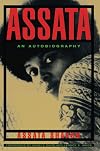
Author of Assata: An Autobiography
About the Author
Works by Assata Shakur
From Somewhere in the World: Assata Shakur Speaks--Message to the New Afrikan Nation (1980) 9 copies
Women in Prison. How We Are 4 copies
The Tale of the Panther and the Dove 4 copies
Assata Shakur: escritos 1 copy
Associated Works
The State of the Race: Creating Our 21st Century: Where Do We Go from Here? (2004) — Foreword, some editions — 3 copies
Tagged
Common Knowledge
- Legal name
- Shakur, Assata Olugbala
- Other names
- Byron, JoAnne Deborah (birth name)
Chesimard, Joanne Deborah - Birthdate
- 1947-07-17
- Date of death
- 2025-09-25
- Gender
- female
- Education
- Borough of Manhattan Community College
City College of New York - Organizations
- Black Panther Party
Black Liberation Army
Republic of New Afrika - Relationships
- Shakur, Tupac (nephew)
Kunstler, William M. (attorney) - Nationality
- USA
- Birthplace
- Queens, New York, USA
- Places of residence
- Cuba (political asylum)
Wilmington, North Carolina, USA
Queens, New York, USA
Clinton Correctional Facility for Women, Union Township, New Jersey, USA
New Jersey State Reception and Correction Center, Yardville, New Jersey, USA
Rikers Island Correctional Institution for Women, New York, New York, USA (show all 8)
Yardville Youth Correction and Reception Center, New Jersey, USA
Alderson Federal Prison Camp, Alderson, West Virginia, USA - Place of death
- Havana, Cuba
- Map Location
- USA
Members
Reviews
Assata's personality leaps off the pages at you. Witty, fierce, independent, self-effacing, informal, warm. Stubborn and hard-headed out of absolute necessity. She goes out of her way to show kindness for all of the nameless, minor people who showed her basic kindness and decency over the years, whether it be a random prison guard, nurse, or teacher. These moments shine like little gems against the background of misery and fear that ate up large stretches of her life.
This memoir focuses on show more her upbringing and the time between her capture on the New Jersey turnpike in 1973 and her escape from prison in 1979. If you're looking for a more detailed examination of her time working with the Black Panthers, the details of her capture, or her life after exile from the US, I'm afraid you'll be disappointed. This is much more of a book to get to know Assata and how her opinions changed over time then the broader historical context of her struggles. You feel as if she is speaking to you personally over a cup of tea, wandering from subject to subject.
Undoubtedly the most effective passages of this book are when she shows how courageous she was in the face of the loaded deck that is the justice system. Hunted by the FBI and the COINTELPRO program, imprisoned in barbaric conditions for years while awaiting multiple trials, giving birth while in prison and being separated from her daughter, living in exile in Cuba. I can't imagine. Her life was dark, but very inspirational. show less
This memoir focuses on show more her upbringing and the time between her capture on the New Jersey turnpike in 1973 and her escape from prison in 1979. If you're looking for a more detailed examination of her time working with the Black Panthers, the details of her capture, or her life after exile from the US, I'm afraid you'll be disappointed. This is much more of a book to get to know Assata and how her opinions changed over time then the broader historical context of her struggles. You feel as if she is speaking to you personally over a cup of tea, wandering from subject to subject.
Undoubtedly the most effective passages of this book are when she shows how courageous she was in the face of the loaded deck that is the justice system. Hunted by the FBI and the COINTELPRO program, imprisoned in barbaric conditions for years while awaiting multiple trials, giving birth while in prison and being separated from her daughter, living in exile in Cuba. I can't imagine. Her life was dark, but very inspirational. show less
my god… I don’t usually rate memoirs or autobiographies but this is to help bring this book forward. I can’t express how deeply this book has shaken my very core. The time I spent reading this, although it was only a few days cause I could not put this done if I had even a minute to spare, has felt like an awakening I thought had already happened. I have so many words after reading yet I have no idea how to get them all out at once. I’m struggling to find a way to speak about this show more with humility and consideration for the voices that should be projected about this book. I will write a report for this book but I will also find ways to platform others. The experience I’ve had with Assta Shakur’s words have not just changed me but have made me feel inspired to find even the smallest ways I can do right by my peers. show less
A very intense, powerful memoir of Assata Shakur's early life intermingled with her life after her arrest and the incredible amount of injustice she faced in numerous court systems, undergoing torturous isolation and other terrible treatment typical of prisons. It's TENSE but so, so powerful. I think you could teach this whole book as a real introduction to why the PIC should be abolished, or you could teach excerpts from her treatment. Her statement that she read in court in particular I show more think could be a great tool for kids to be introduced to the injustice of the American criminal court system and the US in general.
Just so powerful, I definitely recommend folks read it. show less
Just so powerful, I definitely recommend folks read it. show less
Absolutely fantastic book, Shakur is an incredible storyteller. parts of the book are genuinely hilarious and full of love though; she gets very well that no matter how "serious" or "real" something is you are always allowed to laugh about the parts that are funny or happy, and there will be many such parts.
Lists
Awards

You May Also Like


Associated Authors
Statistics
- Works
- 12
- Also by
- 3
- Members
- 1,843
- Popularity
- #13,967
- Rating
- 4.3
- Reviews
- 24
- ISBNs
- 28
- Languages
- 6
- Favorited
- 2