
Sigrid Rausing
Author of Granta 128: American Wild (Granta: The Magazine of New Writing)
About the Author
Sigrid Rausing is the publisher of Granta Books and editor of Granta magazine.
Works by Sigrid Rausing
Granta 150: There Must Be Ways to Organise the World With Language (2020) — Editor — 53 copies, 1 review
Associated Works
Tagged
Common Knowledge
- Legal name
- Rausing, Sigrid Maria Elisabet
- Birthdate
- 1962-01-29
- Gender
- female
- Education
- University of York
University College London - Occupations
- anthropologist
philanthropist
publisher - Organizations
- Granta Magazine
- Relationships
- Abraham, Eric (husband)
- Nationality
- Sweden
UK - Birthplace
- Sweden
- Places of residence
- Lund, Sweden
Holland Park, London, England, UK
Estonia
Members
Reviews
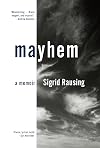
After great pain, a formal feeling comes—
The Nerves sit ceremonious like Tombs.
--Emily Dickinson
Mayhem is a powerful meditation on addiction, on how it maims not only the addict but also his or her family. With this reflective, literary, and allusive memoir, Rausing attempts to wrest the highly publicized and lurid narrative of her billionaire/philanthropist brother (Hans) and sister-in-law (Eva)’s long spiral into heroin and cocaine addiction from a media that reveled in splashing the show more sensational details of the case across newspaper pages. Rausing has been denounced—“condemned”, in fact—by the Kemenys, her sister-in-law’s family. The family regards her decision to publish a memoir as selfish. For them, it is a painful and unnecessary resurrection of a story that ought to have been laid to rest. The Kemenys are incensed at what they perceive to be a misrepresentation of their daughter and sister. They blame Rausing’s taking custody of Eva’s children for Eva’s despair and death.
I feel for the Kemeny family and understand why its members would be opposed to seeing this sad story brought back for viewing. At the same time, I do not feel that Sigrid Rausing “trashed” her sister-in-law in any way. Her treatment of Eva is sensitive and sympathetic. No doubt the Kemeny family members have their own understanding of what occurred, but they should not fear that Eva is represented in an insensitive or unsympathetic way in Rausing’s book. Furthermore, I do not see how anyone could argue that it was appropriate for Eva’s four children to remain with her and her husband. Yes, addicts love their children, but their relationship with the addictive substance is stronger than anything else. Addicts, including alcoholics, cannot parent. They are, for all intents and purposes, unavailable to do so.
Because of its literary allusions, Mayhem has been criticized as “pretentious”. I didn’t find it so. For me, it represents an effort to make sense of what happened, but it is also a powerful book of mourning. It offers something valuable to the families of others who have also clung to the wreckage left by addiction. show less
The Nerves sit ceremonious like Tombs.
--Emily Dickinson
Mayhem is a powerful meditation on addiction, on how it maims not only the addict but also his or her family. With this reflective, literary, and allusive memoir, Rausing attempts to wrest the highly publicized and lurid narrative of her billionaire/philanthropist brother (Hans) and sister-in-law (Eva)’s long spiral into heroin and cocaine addiction from a media that reveled in splashing the show more sensational details of the case across newspaper pages. Rausing has been denounced—“condemned”, in fact—by the Kemenys, her sister-in-law’s family. The family regards her decision to publish a memoir as selfish. For them, it is a painful and unnecessary resurrection of a story that ought to have been laid to rest. The Kemenys are incensed at what they perceive to be a misrepresentation of their daughter and sister. They blame Rausing’s taking custody of Eva’s children for Eva’s despair and death.
I feel for the Kemeny family and understand why its members would be opposed to seeing this sad story brought back for viewing. At the same time, I do not feel that Sigrid Rausing “trashed” her sister-in-law in any way. Her treatment of Eva is sensitive and sympathetic. No doubt the Kemeny family members have their own understanding of what occurred, but they should not fear that Eva is represented in an insensitive or unsympathetic way in Rausing’s book. Furthermore, I do not see how anyone could argue that it was appropriate for Eva’s four children to remain with her and her husband. Yes, addicts love their children, but their relationship with the addictive substance is stronger than anything else. Addicts, including alcoholics, cannot parent. They are, for all intents and purposes, unavailable to do so.
Because of its literary allusions, Mayhem has been criticized as “pretentious”. I didn’t find it so. For me, it represents an effort to make sense of what happened, but it is also a powerful book of mourning. It offers something valuable to the families of others who have also clung to the wreckage left by addiction. show less

In fact one of the best Granta's for many years in my opinion. A,N Homes' short story of romance and self loathing at the Holocaust survivors conference manages to be touching, hilarious and provactive without causing offence. Charles Glass' reportage from Palmyra is heart breaking. Jason Cowley's description of his childhood in Harlow New Town is enlightening, and David Flusfelder's accounts of the few surviving specialty shops (and their owners) in London, should have been considerably show more longer. All in all a very engaging edition show less
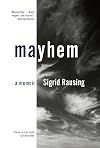
Sigrid Rausing is the editor and publisher of Granta magazine, as well as being one of the heirs to the Tetra Pak business and fortune. This is her memoir of the relapse into extreme drug addiction of her brother Hans and his wife Eva, a slide into dependency that leads to Eva's death in lurid, tabloid circumstances.
As the author herself admits, there is a lot here that she is not saying, and that makes this a slightly odd book. Therapeutic for the author perhaps, and goodness knows she and show more her family have had a lot to put up with, but a surreal experience for the disinterested reader. Eva's family have criticised the book and its easy to see why, as Eva gets a particularly hard time in this account, whilst the author's brother gets off much more lightly, perhaps because he communicates with his sister much less that his wife does.
But its worth reading though; perhaps because we have all seen so much Nordic noir, the idyllic rural childhood reminiscences seem fraught with danger. Surely something nasty is about to be revealed in the woodshed? And sure enough there are strands of madness and depression to be found. Are these the precursors of addiction? Rausing builds the tension nicely, even though the reader knows where we are going
And its a very bleak place we get to. Narratives of addiction usually focus on the less privileged in society; poverty, abuse, lack of opportunity, addiction. Its a familiar tale. Its far rarer to hear of a couple for whom money is no object - and indeed have household staff running their $70 million home - holed up in a locked second floor drug den consuming industrial scale quantities of crack, cocaine, and heroin when not acting as philanthropists for various drug related charities.
As I say, a lot of the gruesome details are missing, and its a one sided view. Is there more, or perhaps less to the story of how the author became the guardian of her brothers' children? Is there anything more to the connection with the murder of Swedish Prime Minister Olof Palme than Eva's paranoid, drug induced ravings?
But its a very intimate story of the pain of extreme dependency, extremely well written show less
As the author herself admits, there is a lot here that she is not saying, and that makes this a slightly odd book. Therapeutic for the author perhaps, and goodness knows she and show more her family have had a lot to put up with, but a surreal experience for the disinterested reader. Eva's family have criticised the book and its easy to see why, as Eva gets a particularly hard time in this account, whilst the author's brother gets off much more lightly, perhaps because he communicates with his sister much less that his wife does.
But its worth reading though; perhaps because we have all seen so much Nordic noir, the idyllic rural childhood reminiscences seem fraught with danger. Surely something nasty is about to be revealed in the woodshed? And sure enough there are strands of madness and depression to be found. Are these the precursors of addiction? Rausing builds the tension nicely, even though the reader knows where we are going
And its a very bleak place we get to. Narratives of addiction usually focus on the less privileged in society; poverty, abuse, lack of opportunity, addiction. Its a familiar tale. Its far rarer to hear of a couple for whom money is no object - and indeed have household staff running their $70 million home - holed up in a locked second floor drug den consuming industrial scale quantities of crack, cocaine, and heroin when not acting as philanthropists for various drug related charities.
As I say, a lot of the gruesome details are missing, and its a one sided view. Is there more, or perhaps less to the story of how the author became the guardian of her brothers' children? Is there anything more to the connection with the murder of Swedish Prime Minister Olof Palme than Eva's paranoid, drug induced ravings?
But its a very intimate story of the pain of extreme dependency, extremely well written show less
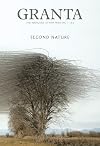
Fantastic issue. The ard on an Australian station rethinking Ag. The following story from a neighboring Ngarigo, talking his country and the trees holding up the sky is superb. Root fungi relationships. Mexican cloud forests. The last salmon fishers in UK. The collapse of vultures in India. Bird flight paths. Each chapter hits home.
Lists
Awards


You May Also Like


Associated Authors
Statistics
- Works
- 38
- Also by
- 1
- Members
- 1,899
- Popularity
- #13,558
- Rating
- 3.5
- Reviews
- 47
- ISBNs
- 67
- Languages
- 6