
Eka Kurniawan
Author of Beauty is a Wound
About the Author
Eka Kurniawan was born on November 28, 1975 in Tasikmalaya, West Java, Indonesia. He studied philosophy at Gadjah Mada University, Yogyakarta. He writes novels, short stories, movie scripts and essays. His novels in English include, Beauty is a Wound and Man Tiger which won the 2016 Emerging Voices show more award for best novel. He also works as a journalist and designer. (Bowker Author Biography) show less
Image credit: Credit Dwianto Wibowo
Works by Eka Kurniawan
Sato l'impie (2026) 2 copies
Tagged
Common Knowledge
- Birthdate
- 1975-11-28
- Gender
- male
- Education
- Gadjah Mada University
- Occupations
- author
screenwriter - Nationality
- Indonesia
- Birthplace
- Tasikmalaya, West Java, Indonesia
- Places of residence
- Jakarta, Indonesia
- Map Location
- Indonesia
Members
Reviews

Membaca Cantik Itu Luka bagaikan membaca kisah yang dekat dengan kepribadian bangsa sejalan dengan rincian sejarah yang apik. Novel ini memiliki konflik berlapis-lapis dalam rentang waktu sejak masa kolonial Belanda sampai Indonesia merdeka di Halimunda yang terletak di pinggiran pantai. Inilah kecerdasan Eka Kurniawan yang pertama: memunculkan sebuah daerah administrasi baru secara fantasi tapi berhasil memasukkannya dalam rincian sejarah Indonesia tanpa harus 'melukai' sejarah itu show more sendiri.
Kecerdasan penulis yang kedua menurut saya adalah bagaimana dia menceritakan bahwa: 1.) Sejarah akan terulang. 2.) Mental primitif sejak zaman kolonial tidak berhasil dihapus walaupun negara sudah merdeka dan Halimunda ikut merdeka. Bahwa kekerasan dan seks masih bahasa utama mengalahkan kecerdasan, diskusi yang baik dan keinginan untuk maju. Sejarah terulang kembali karena kolonial Belanda memporak porandakan Halimunda dengan kekerasan, kemudian terulang kembali ketika Jepang datang, lantas terulang kembali ketika perjuangan kemerdekaan, terus masih terulang ketika pemberantasan komunisme di Halimunda, dan akhirnya terulang ketika pembalasan dendam yang dilakukan oleh begundal-begundal Halimunda dipimpin Maman Gendeng, dibalas oleh Shodancho yang telah hidup melewati semua lintas kekerasan tersebut.
Seks terulang karena di zaman kolonial gundik menjadi komoditas, sedangkan di zaman Jepang pelacur dipakai untuk membuat tentara Jepang bersemangat, dan perpelacuran dipertahankan sampai Indonesia merdeka bahkan seakan-akan menjadi identitas Halimunda sendiri.
Tokoh-tokoh cerita ini bagaikan kekontrasan satu sama lain: 1.) Kamerad Kliwon, tampan dan pemberani bahkan jadi tokoh Partai Komunis terkemuka, diceritakan sebagai pemuda penakluk wanita dan akhirnya mati konyol setelah tak bisa setia dengan istrinya. 2.) Shodancho, sosok berpangkat militer yang lebih menyukai perang daripada masa damai sampai-sampai menaklukkan istrinya dengan cara serupa dengan perang. Pun akhirnya mati secara ironis oleh peliharaan-peliharaannya. 3.) Maman Gendeng, sosok bebal, preman yang semata-mata hanya menginginkan keluarga dan memang berniat insyaf, sekali lagi mudah menelusuri masa lalunya untuk membalaskan dendam meskipun akhirnya pergi dari dunia dengan cara lebih bermartabat daripada dua lelaki kuat lainnya. 4.) Alamanda, tahu betul kecantikan adalah senjata utama wanita, menggunakannya untuk mempermainkan pria dan akhirnya ia sendiri yang menderita akibat permainannya. Ironisnya lagi, ia menyembunyikan hal paling hina dari adiknya yang menyayanginya. 5.) Adinda, menyia-nyiakan kecantikannya untuk mencintai pria yang tidak mencintainya, akhirnya menderita karena suaminya meninggalkannya dan anaknya jadi lebih gila dari suaminya. 6.) Maya Dewi, anak terakhir pelacur Dewi Ayu yang begitu polos dan lugu, setelah berhasil menjinakkan begundal paling berbahaya di Halimunda justru melahirkan dan membesarkan anak yang sedemikian cantik tapi bodoh dan lupa memberikannya nasihat untuk melindungi diri. 7.) Ai, jatuh cinta kepada pria tapi gengsi dan akhirnya mencelakai diri sendiri. 8.) Krisan, tampan dan pemberani seperti ayahnya, tapi tak pernah belajar kesalahan ayahnya dan justru seperti mengulanginya semacam komedi amatir. 9.) Rengganis si Cantik, begitu cantik, polos dan disayangi ayah ibunya, tapi kecantikannya ternyata dibayar mahal dengan logika dan cara berpikirnya yang akhirnya membawanya pada celakanya sendiri. 10.) Dewi Ayu, hidup tanpa cinta dan harus mengandung rasa sakit sepanjang hidupnya, setelah mati pun masih harus melawan kutukan yang menghantui keluarganya.
Seperti sejarah, kutukan juga pada akhirnya akan terulang lagi dan lagi. show less
Kecerdasan penulis yang kedua menurut saya adalah bagaimana dia menceritakan bahwa: 1.) Sejarah akan terulang. 2.) Mental primitif sejak zaman kolonial tidak berhasil dihapus walaupun negara sudah merdeka dan Halimunda ikut merdeka. Bahwa kekerasan dan seks masih bahasa utama mengalahkan kecerdasan, diskusi yang baik dan keinginan untuk maju. Sejarah terulang kembali karena kolonial Belanda memporak porandakan Halimunda dengan kekerasan, kemudian terulang kembali ketika Jepang datang, lantas terulang kembali ketika perjuangan kemerdekaan, terus masih terulang ketika pemberantasan komunisme di Halimunda, dan akhirnya terulang ketika pembalasan dendam yang dilakukan oleh begundal-begundal Halimunda dipimpin Maman Gendeng, dibalas oleh Shodancho yang telah hidup melewati semua lintas kekerasan tersebut.
Seks terulang karena di zaman kolonial gundik menjadi komoditas, sedangkan di zaman Jepang pelacur dipakai untuk membuat tentara Jepang bersemangat, dan perpelacuran dipertahankan sampai Indonesia merdeka bahkan seakan-akan menjadi identitas Halimunda sendiri.
Tokoh-tokoh cerita ini bagaikan kekontrasan satu sama lain: 1.) Kamerad Kliwon, tampan dan pemberani bahkan jadi tokoh Partai Komunis terkemuka, diceritakan sebagai pemuda penakluk wanita dan akhirnya mati konyol setelah tak bisa setia dengan istrinya. 2.) Shodancho, sosok berpangkat militer yang lebih menyukai perang daripada masa damai sampai-sampai menaklukkan istrinya dengan cara serupa dengan perang. Pun akhirnya mati secara ironis oleh peliharaan-peliharaannya. 3.) Maman Gendeng, sosok bebal, preman yang semata-mata hanya menginginkan keluarga dan memang berniat insyaf, sekali lagi mudah menelusuri masa lalunya untuk membalaskan dendam meskipun akhirnya pergi dari dunia dengan cara lebih bermartabat daripada dua lelaki kuat lainnya. 4.) Alamanda, tahu betul kecantikan adalah senjata utama wanita, menggunakannya untuk mempermainkan pria dan akhirnya ia sendiri yang menderita akibat permainannya. Ironisnya lagi, ia menyembunyikan hal paling hina dari adiknya yang menyayanginya. 5.) Adinda, menyia-nyiakan kecantikannya untuk mencintai pria yang tidak mencintainya, akhirnya menderita karena suaminya meninggalkannya dan anaknya jadi lebih gila dari suaminya. 6.) Maya Dewi, anak terakhir pelacur Dewi Ayu yang begitu polos dan lugu, setelah berhasil menjinakkan begundal paling berbahaya di Halimunda justru melahirkan dan membesarkan anak yang sedemikian cantik tapi bodoh dan lupa memberikannya nasihat untuk melindungi diri. 7.) Ai, jatuh cinta kepada pria tapi gengsi dan akhirnya mencelakai diri sendiri. 8.) Krisan, tampan dan pemberani seperti ayahnya, tapi tak pernah belajar kesalahan ayahnya dan justru seperti mengulanginya semacam komedi amatir. 9.) Rengganis si Cantik, begitu cantik, polos dan disayangi ayah ibunya, tapi kecantikannya ternyata dibayar mahal dengan logika dan cara berpikirnya yang akhirnya membawanya pada celakanya sendiri. 10.) Dewi Ayu, hidup tanpa cinta dan harus mengandung rasa sakit sepanjang hidupnya, setelah mati pun masih harus melawan kutukan yang menghantui keluarganya.
Seperti sejarah, kutukan juga pada akhirnya akan terulang lagi dan lagi. show less

This is the only story collection (in English) that I know of by Kurniawan, whose Beauty Is A Wound and Man, Tiger, I read and enjoyed. It has to be said, however, that these stories suggest that Kurniawan is (or was when he wrote them) intent on making a name for himself. Although he is now 50, most of the stories in this collection were written when he was in his early/mid-20s. The writing is relentlessly dark, violent, sexual, and rude and one can’t help but wonder how much they were show more simply intended to shock. As one reviewer noted, “Be prepared to read about feces (lots of it), piss, cum, genitals, chopped up bodies, rotting corpses and death.” Most of the stories are either overtly or implicitly political; given Indonesia’s complex political (and social and religious, etc.) history, the stories are well within the mainstream of its modern literature. Stories are often narrated simply (or childishly) and conclusions often taper off with varying degrees of “closure.” The title story concerns a woman seeking recipe ideas by going through a city archive. In the process, she learns about the colonial history of Dutch East Indies in the 1870s through the story of a native woman sold to a Dutch plantation owner who uses her knowledge of local spices and ingredients to escape the “kitchen curse” of domesticity. “The Stone’s Story” is told from the viewpoint of the stone used to drown a woman and which then vows revenge on her killer; “Making an Elephant Happy” describes the assistance that two small children use to “help” an elephant trying to get into a refrigerator; in “Don’t Piss Here, Sasha,” a small boutique owner, infuriated by the stench created by someone regularly urinating outside her shop, spends a night nearby, determined to find out who it is but instead discovers an unexpected sexual pleasure; “Caronang” describes a dog-like animal that not only walks upright but whose intellect renders it lethal. Some of these stories suggest a sort of magic realism but more often slip into the absurd. There is a lot to unpack in almost every story and I can’t help but imagine the collection as a very popular text for literary analysis. As an enjoyable read, however, not so much. show less
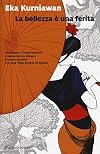
Se non fosse per un solo elemento, sarei qui a scrivere bene di questo romanzo: ha il sapore della grande saga familiare intrisa di realismo magico e, se vi piace il genere, Kurniawan è sicuramente un autore da tenere presente. Peccato per la massiccia e sgradevole presenza di stupri: non è un’esagerazione dire che quasi tutte le donne che compaiono in questo romanzo vengano violentate, alcune più di una volta. Capisco che faccia parte del racconto del colonialismo olandese e della sua show more violenza, ma non è l’impressione che ne ho ricavato io. A me è sembrato che Kurniawan minimizzasse la devastazione provocata dallo stupro e che per lui non sia niente più di un espediente letterario per portare avanti la trama.
Di certo non ha aiutato il fatto che la violenza venga romanticizzata, rendendola conseguenza “naturale” per donne molto belle, soprattutto se mostrano la loro bellezza senza pudore. Come se non bastasse, a questo si aggiunge una certa morbosità nella descrizione degli stupri che definire rivoltante è usare un eufemismo.
Se anche tutto questo volesse mettere in luce il passato coloniale e violento dell’Indonesia, secondo me fallisce nel suo intento perché come contraltare alla violenza non c’è una caratterizzazione delle donne che vada oltre all’importanza che hanno per i personaggi maschili. Anche quando Kurniawan porta avanti la storia dal punto di vista di una di loro sembra che gli uomini siano l’unico senso delle loro vite. Alla lunga, oltre a essere fastidioso, risulta anche noioso e ripetitivo: le donne di questa storia non se lo meritavano proprio. show less
Di certo non ha aiutato il fatto che la violenza venga romanticizzata, rendendola conseguenza “naturale” per donne molto belle, soprattutto se mostrano la loro bellezza senza pudore. Come se non bastasse, a questo si aggiunge una certa morbosità nella descrizione degli stupri che definire rivoltante è usare un eufemismo.
Se anche tutto questo volesse mettere in luce il passato coloniale e violento dell’Indonesia, secondo me fallisce nel suo intento perché come contraltare alla violenza non c’è una caratterizzazione delle donne che vada oltre all’importanza che hanno per i personaggi maschili. Anche quando Kurniawan porta avanti la storia dal punto di vista di una di loro sembra che gli uomini siano l’unico senso delle loro vite. Alla lunga, oltre a essere fastidioso, risulta anche noioso e ripetitivo: le donne di questa storia non se lo meritavano proprio. show less
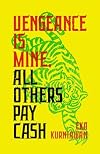
I finished the novel just days before the film came out, and honestly, reading it on its own was already an experience that felt complete.
Eka Kurniawan does not write safe stories. He builds a world that feels chaotic, violent, erotic, absurd, political, and somehow still deeply human. The book is messy in the best way, but not careless. Everything has a reason. Every character, every backstory, every brutal scene serves a purpose.
Ajo Kawir is such a wild protagonist to center a story show more around. A small town tough guy who cannot get hard, and that becomes both his personal tragedy and the sharpest social critique in the book. His impotence is not just physical, it is symbolic. It questions this whole obsession with masculinity, strength, dominance, and testosterone culture. You expect him to be this macho hero, but instead you get someone traumatized, vulnerable, shaped by violence he witnessed as a child. And the more you understand what happened to him, the more you sympathize.
The trauma in this novel runs deep. What happened to Rona Merah is horrifying, and the fact that Ajo Kawir was forced to witness something so brutal at such a young age explains so much about his emotional paralysis. The book does not treat sexual violence lightly, it shows how it ripples outward, shaping people’s identities and decisions for years. Iteung’s trauma with her teacher, Mono Ompong’s fear, the constant threat of violence, it all paints a picture of how toxic masculinity damages everyone, not just women but boys too.
And then there is Iteung. She is one of my favorite female characters ever. Tough, sharp, physically powerful, but also soft and capable of love. She proves that masculinity and femininity are not fixed boxes. She can fight like a champion and still be tender. The relationship between her and Ajo Kawir feels strange at first, almost built on combat and pride, but it slowly turns into something oddly sincere.
What makes the novel stand out even more is how layered it is. Beneath the fights and sex and absurd humor, there is political commentary. There is social criticism. There is class struggle. There are small details about landlords abusing power, about how violence is normalized, about how people survive in morally grey spaces. Even characters like Paman Gembul have complex motivations tied to guilt and responsibility. No one exists just to move the plot forward. They all carry weight.
I also love how spiritual and surreal it becomes, especially with the way Ajo Kawir relates to his own body and his so called Bird. It sounds ridiculous, but it turns into something strangely philosophical. His journey is not just about getting his masculinity back, it is about making peace with his trauma. About choosing not to fight all the time. About redefining strength.
This book is explicit, raw, and sometimes uncomfortable. The erotism is direct. The violence is brutal. The psychology is intense. But that is exactly why it works. Eka Kurniawan does not leave loose ends. Everything feels intentional, detailed, functional.
By the end, it is not just about vengeance or desire. It becomes a story about healing inside a world built on violence. About love growing in toxic soil. About breaking cycles of inherited trauma.
It is chaotic, bold, political, emotional, and strangely tender. And honestly, it made me proud that a novel like this exists in Indonesian literature. show less
Eka Kurniawan does not write safe stories. He builds a world that feels chaotic, violent, erotic, absurd, political, and somehow still deeply human. The book is messy in the best way, but not careless. Everything has a reason. Every character, every backstory, every brutal scene serves a purpose.
Ajo Kawir is such a wild protagonist to center a story show more around. A small town tough guy who cannot get hard, and that becomes both his personal tragedy and the sharpest social critique in the book. His impotence is not just physical, it is symbolic. It questions this whole obsession with masculinity, strength, dominance, and testosterone culture. You expect him to be this macho hero, but instead you get someone traumatized, vulnerable, shaped by violence he witnessed as a child. And the more you understand what happened to him, the more you sympathize.
The trauma in this novel runs deep. What happened to Rona Merah is horrifying, and the fact that Ajo Kawir was forced to witness something so brutal at such a young age explains so much about his emotional paralysis. The book does not treat sexual violence lightly, it shows how it ripples outward, shaping people’s identities and decisions for years. Iteung’s trauma with her teacher, Mono Ompong’s fear, the constant threat of violence, it all paints a picture of how toxic masculinity damages everyone, not just women but boys too.
And then there is Iteung. She is one of my favorite female characters ever. Tough, sharp, physically powerful, but also soft and capable of love. She proves that masculinity and femininity are not fixed boxes. She can fight like a champion and still be tender. The relationship between her and Ajo Kawir feels strange at first, almost built on combat and pride, but it slowly turns into something oddly sincere.
What makes the novel stand out even more is how layered it is. Beneath the fights and sex and absurd humor, there is political commentary. There is social criticism. There is class struggle. There are small details about landlords abusing power, about how violence is normalized, about how people survive in morally grey spaces. Even characters like Paman Gembul have complex motivations tied to guilt and responsibility. No one exists just to move the plot forward. They all carry weight.
I also love how spiritual and surreal it becomes, especially with the way Ajo Kawir relates to his own body and his so called Bird. It sounds ridiculous, but it turns into something strangely philosophical. His journey is not just about getting his masculinity back, it is about making peace with his trauma. About choosing not to fight all the time. About redefining strength.
This book is explicit, raw, and sometimes uncomfortable. The erotism is direct. The violence is brutal. The psychology is intense. But that is exactly why it works. Eka Kurniawan does not leave loose ends. Everything feels intentional, detailed, functional.
By the end, it is not just about vengeance or desire. It becomes a story about healing inside a world built on violence. About love growing in toxic soil. About breaking cycles of inherited trauma.
It is chaotic, bold, political, emotional, and strangely tender. And honestly, it made me proud that a novel like this exists in Indonesian literature. show less
Lists
Awards


You May Also Like


Associated Authors
Statistics
- Works
- 14
- Members
- 1,104
- Popularity
- #23,284
- Rating
- 3.6
- Reviews
- 40
- ISBNs
- 79
- Languages
- 13