
Sarah Perry (2) (1979–)
Author of The Essex Serpent
For other authors named Sarah Perry, see the disambiguation page.
Works by Sarah Perry
A Quaint and Curious Volume: Tales and Poems of the Gothic (2019) — Introduction — 19 copies, 1 review
Associated Works
Eight Ghosts: The English Heritage Book of New Ghost Stories (2017) — Contributor — 129 copies, 5 reviews
Tagged
Common Knowledge
- Legal name
- Perry, Sarah Grace
- Other names
- Butler, Sarah Grace (Birth name)
Butler, Sarah - Birthdate
- 1979-11-28
- Gender
- female
- Education
- Royal Holloway, University of London (PhD ∙ Creative Writing)
- Occupations
- author
journalist - Awards and honors
- Fellow, Royal Society of Literature
- Nationality
- England
UK - Birthplace
- Chelmsford, Essex, England, UK
- Places of residence
- England, UK
- Map Location
- England, UK
Members
Reviews
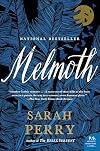
Sarah Perry writes with the gravity of myth and the chill of conscience. Melmoth isn’t so much a ghost story as a meditation on witness, guilt, and the way loneliness becomes its own haunting.
The novel’s atmosphere is dense, cold, and cloistered: Prague itself feels like a monastery built out of stone and silence. Helen, the central figure, lives like a penitent nun — stripped of desire, avoiding the world, punishing herself for surviving it. Her counterpart, the bureaucrat Hoffman, is show more her mirror: both hide behind control to avoid emotion. Into this hush walks Melmoth, the eternal witness, drawn to those who cannot face what they have seen.
What makes the book powerful is its moral ambiguity. We assume the wandering Melmoth was cursed for her sin, yet Perry leaves open the possibility that she was the only one who saw clearly — a prophet punished for refusing to lie. She becomes the companion of the forsaken, offering her hand to the lonely and the guilty alike. The horror lies not in her presence, but in the comfort she offers.
At times the prose can feel heavy, the structure labyrinthine, but that weight suits the theme. Perry’s writing demands patience; she wants you to feel the centuries pressing down. When the blackness finally enters the room, it feels earned.
Melmoth lingers because it blurs the line between haunting and mercy. It asks whether seeing the truth is itself a kind of damnation — and whether solitude might be the price of moral clarity. show less
The novel’s atmosphere is dense, cold, and cloistered: Prague itself feels like a monastery built out of stone and silence. Helen, the central figure, lives like a penitent nun — stripped of desire, avoiding the world, punishing herself for surviving it. Her counterpart, the bureaucrat Hoffman, is show more her mirror: both hide behind control to avoid emotion. Into this hush walks Melmoth, the eternal witness, drawn to those who cannot face what they have seen.
What makes the book powerful is its moral ambiguity. We assume the wandering Melmoth was cursed for her sin, yet Perry leaves open the possibility that she was the only one who saw clearly — a prophet punished for refusing to lie. She becomes the companion of the forsaken, offering her hand to the lonely and the guilty alike. The horror lies not in her presence, but in the comfort she offers.
At times the prose can feel heavy, the structure labyrinthine, but that weight suits the theme. Perry’s writing demands patience; she wants you to feel the centuries pressing down. When the blackness finally enters the room, it feels earned.
Melmoth lingers because it blurs the line between haunting and mercy. It asks whether seeing the truth is itself a kind of damnation — and whether solitude might be the price of moral clarity. show less
The girl gave a snort of disdain. ‘I don’t like that story – not at all. I don’t even know what it means – do you?’ ‘No, and no-one ever has, not in a thousand years.’ He lifted a strand of her hair from the pillow between them. ‘But it need not mean anything, I think – it’s not necessary to understand everything.'
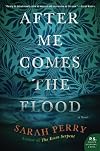
Flood is an easy book to dislike. It struck me almost immediately as a work that the critics and other authors love, but that lacks popular appeal. To say show more that this slim novel is lightly plotted overstates the amount of plot in it by a wide margin. Narrative largely absents itself from Perry's debut work too, at least in the sense that most fiction readers have come to expect. All of which is to say one thing and not say another. I am saying I understand why this book has such a low average rating given how what most people read is written. I am not saying that I disliked it, which I assume my rating of it makes clear, but I figured I'd say so to head off any suspicions that I'd misclicked and hit the wrong star.
It concerns itself with its characters, not any sort of overarching narrative. And it does so quite deftly and interestingly. Perry wove them together such that what one bumps up against always repercusses onto at least some of the others.
The scantness of plot and conventional narrative meant that this was no page-turner for me. And that's fine. In a way, this worked out well for me: until today, that being the day I finished it and wrote this review, my free time had been scant too, so I appreciated being able to set aside what I was reading with relative ease.
This is the only one of Perry's books I've read thus far, and being her first, it's hard to say how representative it is. At least in this, her style reminds me most readily of M. John Harrison. The lightness of plot. That much is unexplained. Characters meander. Often what one character says seems unconnected from what her interlocutor said immediately prior. However, she eschews the weirdness Harrison often puts in his books.
These scarcities keep you in the dark. I had no guesses whatsoever what might happen to resolve or not the various threads. Would John finally come clean? Would the dam burst? What is Hester's deal? Would Alex's dives into the reservoir be his undoing? Nor was I particularly concerned with these questions. Having no feeling as to how they might be resolved, if at all, I felt no great urge to speculate upon them. Not plot points, they are things that are going on around and to the characters.
This creates a lot of subtle tensions though. Plenty to keep a reader curious even if not glued to it. Though I lay it down easily, I always picked it back up, and once I had the time, I finished it quickly enough. And so, if you like plotless stories, light narrative, and/or M. John Harrison, don't be put off by Flood's low rating. show less
Flood is an easy book to dislike. It struck me almost immediately as a work that the critics and other authors love, but that lacks popular appeal. To say show more that this slim novel is lightly plotted overstates the amount of plot in it by a wide margin. Narrative largely absents itself from Perry's debut work too, at least in the sense that most fiction readers have come to expect. All of which is to say one thing and not say another. I am saying I understand why this book has such a low average rating given how what most people read is written. I am not saying that I disliked it, which I assume my rating of it makes clear, but I figured I'd say so to head off any suspicions that I'd misclicked and hit the wrong star.
It concerns itself with its characters, not any sort of overarching narrative. And it does so quite deftly and interestingly. Perry wove them together such that what one bumps up against always repercusses onto at least some of the others.
The scantness of plot and conventional narrative meant that this was no page-turner for me. And that's fine. In a way, this worked out well for me: until today, that being the day I finished it and wrote this review, my free time had been scant too, so I appreciated being able to set aside what I was reading with relative ease.
This is the only one of Perry's books I've read thus far, and being her first, it's hard to say how representative it is. At least in this, her style reminds me most readily of M. John Harrison. The lightness of plot. That much is unexplained. Characters meander. Often what one character says seems unconnected from what her interlocutor said immediately prior. However, she eschews the weirdness Harrison often puts in his books.
These scarcities keep you in the dark. I had no guesses whatsoever what might happen to resolve or not the various threads. Would John finally come clean? Would the dam burst? What is Hester's deal? Would Alex's dives into the reservoir be his undoing? Nor was I particularly concerned with these questions. Having no feeling as to how they might be resolved, if at all, I felt no great urge to speculate upon them. Not plot points, they are things that are going on around and to the characters.
This creates a lot of subtle tensions though. Plenty to keep a reader curious even if not glued to it. Though I lay it down easily, I always picked it back up, and once I had the time, I finished it quickly enough. And so, if you like plotless stories, light narrative, and/or M. John Harrison, don't be put off by Flood's low rating. show less
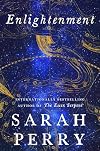
Sarah Perry has really hit her stride with this new novel. It keeps her trademark character-driven plot, and continues the rather odd writing style she has that seems a mix between Victorian and modern syntax. And in this novel, unlike some of her others, she's created characters and situations that kept me fully engaged.
The center of this novel is Thomas Hart, a middle aged man at the beginning of the book, who writes a column in the local paper. He is straight out of the past - wearing show more formal clothes, speaking in an old-fashioned way, continuing to favor letters over email or the phone. He is also gay, but a member of a strict Baptist church, so he hides this from others and practically from himself. He stayed in the church when he was drawn to a baby girl whose mother died and whose father is a member of the church. The two have a deep connection, Grace Macaulay and Thomas Hart. Grace is in her teenage years when the book begins, and with that comes all the rebellion and soul searching and love interest that you would expect.
Unfortunately, Thomas and Grace have a falling out. Over the next twenty years they will be drawn back together, though whether they'll forgive each other will be the question. Tying this all together is a subplot that is integrated beautifully. Thomas Hart, early in the book, is assigned to write about the Hale-Bopp Comet. This prompts a love of amateur astronomy that continues through his life. He also finds a local story about a woman who went missing in the late 1800s named Maria Vaduva, whose incomplete letters and diary are found. Her story, and the story of her forays into astronomy, bind the book together.
This all sounds complicated and I didn't even tell half of it, but Perry does an amazing job of tying everything together seamlessly. There is no "dual timeline" or "flashback" to Maria Vaduva's life - it's all integrated perfectly into the present day story. Though, as I said, the present day story barely feels present-day with Perry's quirky Victorian writing style and characters.
I'm not doing justice to this novel. It's so hard to describe. I found it completely original and captivating. I think it's her best book to date and I hope she keeps writing more novels. I will try them all! show less
The center of this novel is Thomas Hart, a middle aged man at the beginning of the book, who writes a column in the local paper. He is straight out of the past - wearing show more formal clothes, speaking in an old-fashioned way, continuing to favor letters over email or the phone. He is also gay, but a member of a strict Baptist church, so he hides this from others and practically from himself. He stayed in the church when he was drawn to a baby girl whose mother died and whose father is a member of the church. The two have a deep connection, Grace Macaulay and Thomas Hart. Grace is in her teenage years when the book begins, and with that comes all the rebellion and soul searching and love interest that you would expect.
Unfortunately, Thomas and Grace have a falling out. Over the next twenty years they will be drawn back together, though whether they'll forgive each other will be the question. Tying this all together is a subplot that is integrated beautifully. Thomas Hart, early in the book, is assigned to write about the Hale-Bopp Comet. This prompts a love of amateur astronomy that continues through his life. He also finds a local story about a woman who went missing in the late 1800s named Maria Vaduva, whose incomplete letters and diary are found. Her story, and the story of her forays into astronomy, bind the book together.
This all sounds complicated and I didn't even tell half of it, but Perry does an amazing job of tying everything together seamlessly. There is no "dual timeline" or "flashback" to Maria Vaduva's life - it's all integrated perfectly into the present day story. Though, as I said, the present day story barely feels present-day with Perry's quirky Victorian writing style and characters.
I'm not doing justice to this novel. It's so hard to describe. I found it completely original and captivating. I think it's her best book to date and I hope she keeps writing more novels. I will try them all! show less
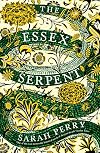
Wasn't sure about this one. For the first half of the book, I was thinking, 'Why do I keep buying populist novels, because they never live up to the hype?' The plot meanders along, vaguely tied in with the legend of the title and a widow who travels with her proto-autistic son and 'companion' to investigate, and the characters are either cliched - Cora, said widow, an 'independent lady' of the 1890s whom everybody loves - or annoying (I could not stand the bloody vicar!)
But then, and I had show more a feeling this would happen, I clicked with a character ('Isn't it odd how strangers come over the threshold and you never know what they might become') - Luke Garrett, the talented but taciturn surgeon (who of course has a crush on Cora, gag). I imagined him to sort of look like David Bamber as Mr Collins in the 1995 Pride and Prejudice, which isn't exactly heart throb material, but he also has that underdog vibe that I love, like Childermass in Jonathan Strange and Mr Norrell. I was nearly in tears when *improbable event* struck him down, and then Cora very nearly literally twisted the knife.
I think characterisation saves this novel from abject boredom. Apart from Cora and the slappable vicar, the personalities are all believable and mostly sympathetic, with my favourites being Luke, his hapless mate Spencer, and Stella, the vicar's wife. And even Cora is a strong, if forced, heroine who stays true to her beliefs - no sickening happy ever after at least. show less
But then, and I had show more a feeling this would happen, I clicked with a character ('Isn't it odd how strangers come over the threshold and you never know what they might become') - Luke Garrett, the talented but taciturn surgeon (who of course has a crush on Cora, gag). I imagined him to sort of look like David Bamber as Mr Collins in the 1995 Pride and Prejudice, which isn't exactly heart throb material, but he also has that underdog vibe that I love, like Childermass in Jonathan Strange and Mr Norrell. I was nearly in tears when *improbable event* struck him down, and then Cora very nearly literally twisted the knife.
I think characterisation saves this novel from abject boredom. Apart from Cora and the slappable vicar, the personalities are all believable and mostly sympathetic, with my favourites being Luke, his hapless mate Spencer, and Stella, the vicar's wife. And even Cora is a strong, if forced, heroine who stays true to her beliefs - no sickening happy ever after at least. show less
Lists
2010s (3)
Library TBR (1)
WBS - Book Club (1)
Rising water (1)
Five star books (2)
Female Author (1)
I Love Horror (1)
Autumn books (1)
Europe (1)
Magic Realism (1)
Awards


You May Also Like


Associated Authors
Statistics
- Works
- 7
- Also by
- 8
- Members
- 6,096
- Popularity
- #4,041
- Rating
- 4.1
- Reviews
- 295
- ISBNs
- 166
- Languages
- 16
- Favorited
- 8

