
Michael W. Twitty
Author of The Cooking Gene: A Journey Through African American Culinary History in the Old South
About the Author
Image credit: The Sierra Club
Works by Michael W. Twitty
The Cooking Gene: A Journey Through African American Culinary History in the Old South (2017) 920 copies, 28 reviews
Associated Works
Pawpaw: In Search of America’s Forgotten Fruit (2015) — Foreword, some editions — 121 copies, 2 reviews
Tagged
Common Knowledge
- Birthdate
- 1977
- Gender
- male
- Nationality
- USA
- Birthplace
- Washington, District of Columbia, USA
District of Columbia, USA - Associated Place (for map)
- District of Columbia, USA
Members
Reviews
The cooking gene : a journey through African-American culinary history in the Old South by Michael W. Twitty
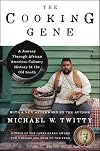
Michael Twitty, a food historian and chef specializing in African American culinary history and its origins in Africa, invites the reader on a journey into the past. Through the genealogy, stories and recipes of his ancestors, most of whom were enslaved in the American South, Twitty describes crops and other foods common in various regions, where they originated and how they were prepared by the local populations, how life was different for an enslaved population in one place versus another, show more family stories and lore, and anecdotes from his own life experiences.
I was absolutely fascinated by all of the information Twitty presents in this book, and I would love nothing more than to sit down with him and listen to more stories, as well as learn further details and updates about his personal genealogy research. I'm drawn to books in which people learn more about their own family history, whether by uncovering long-hidden family secrets or through, in this case, labor- and emotionally-intensive research. In addition to his culinary talents, Twitty is a gifted writer, and he earned an automatic follow on social media from me for overall interestingness. And the recipes! More than anything, this book made me hungry, and I am resolved to prepare a few of the recipes myself. show less
I was absolutely fascinated by all of the information Twitty presents in this book, and I would love nothing more than to sit down with him and listen to more stories, as well as learn further details and updates about his personal genealogy research. I'm drawn to books in which people learn more about their own family history, whether by uncovering long-hidden family secrets or through, in this case, labor- and emotionally-intensive research. In addition to his culinary talents, Twitty is a gifted writer, and he earned an automatic follow on social media from me for overall interestingness. And the recipes! More than anything, this book made me hungry, and I am resolved to prepare a few of the recipes myself. show less
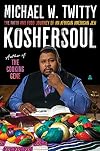
Michael W. Twitty, author of The Cooking Gene, turns his attention from Southern cooking and genealogy to his experience as an African American Jew and how his experience cooking has been a fusion of his identities.
It's really hard to describe Twitty's work because he takes all sorts of elements - food, history, identity, culture, his experiences as an African American, his experiences as a converted Jew, and his experiences as an African American Jew - and blends it into a memoir as unique show more as the food on his table. When I reviewed The Cooking Gene, I said, "it's sprawling, dense, thoughtful and chock full of information. I enjoyed it and was challenged by it in equal measure." Koshersoul is similar, while focusing more on Twitty's faith and conversations he's had with other Jews. In fact, Twitty includes not just conversations he's had but other people's experiences and stories, too. Instead of a single person's memoir, you get a multifaceted picture of the intersection of identities many African American Jews experience - and, of course, the food they eat. As a non-Jew myself, I found it a really fascinating window into the culture, and would love to some day pull up a chair and sit at Twitty's table. show less
It's really hard to describe Twitty's work because he takes all sorts of elements - food, history, identity, culture, his experiences as an African American, his experiences as a converted Jew, and his experiences as an African American Jew - and blends it into a memoir as unique show more as the food on his table. When I reviewed The Cooking Gene, I said, "it's sprawling, dense, thoughtful and chock full of information. I enjoyed it and was challenged by it in equal measure." Koshersoul is similar, while focusing more on Twitty's faith and conversations he's had with other Jews. In fact, Twitty includes not just conversations he's had but other people's experiences and stories, too. Instead of a single person's memoir, you get a multifaceted picture of the intersection of identities many African American Jews experience - and, of course, the food they eat. As a non-Jew myself, I found it a really fascinating window into the culture, and would love to some day pull up a chair and sit at Twitty's table. show less
I found this book fascinating in its discussion of the intersection of Black and Jewish cultures. As the author notes, Blacks are a minority of the Jewish population, but my knowledge of them has been taken from different circumstances. I especially loved that the author had once lived near where I live now in Montgomery County, Maryland, so I recognized names of people I knew in the dedication of this book! That gave him so much credibility in my view in addition to his vast knowledge of show more Judaism which he shared both in his writing and in being a Hebrew school teacher.
I liked hearing about the Black-Jewish relationship from this Black author rather than from the Jewish point of view, with which I am familiar.
The chapter about radio personality Marc Steiner’s reminiscences of growing up in Jewish-Black 1950s Baltimore as segregation was trying to end held a special fascination for me because that was my hometown at that time. His descriptions of that place at that time were spot on.
The chapter called “Katie - ‘I Feel Like Me’” made me cry. It was about a Hebrew school student of the author’s who finally felt like her true self when presenting a school project about Jews of Japan. She herself was the daughter of a Jewish Japanese American mom and an Ashkenazi Jewish dad. After making her presentation, she told her teacher, the author of this book, “I feel like me...the whole me.”
One thing that especially touched me deeply is that Twitty writes with such love for Judaism. As a born Jew, I never want to take my religion for granted, but as the author was a convert, my respect for him deepens as that which is so meaningful to me is just as meaningful to him.
The one thing in this book I didn’t like was the author saying he was not a fan of shakshuka, poached eggs in a highly spiced tomato sauce dish. How can that be?! :)
The second half of the book about the intersection of African American and typical Jewish food had some absolutely great cooking ideas which I can’t wait to try. Using smoked turkey necks or Liquid Smoke for flavoring beans or soup sounds fabulous. I also can’t wait to try making fake crab cakes!
To me, this was a fabulous book and quite a special treat to read. show less
I liked hearing about the Black-Jewish relationship from this Black author rather than from the Jewish point of view, with which I am familiar.
The chapter about radio personality Marc Steiner’s reminiscences of growing up in Jewish-Black 1950s Baltimore as segregation was trying to end held a special fascination for me because that was my hometown at that time. His descriptions of that place at that time were spot on.
The chapter called “Katie - ‘I Feel Like Me’” made me cry. It was about a Hebrew school student of the author’s who finally felt like her true self when presenting a school project about Jews of Japan. She herself was the daughter of a Jewish Japanese American mom and an Ashkenazi Jewish dad. After making her presentation, she told her teacher, the author of this book, “I feel like me...the whole me.”
One thing that especially touched me deeply is that Twitty writes with such love for Judaism. As a born Jew, I never want to take my religion for granted, but as the author was a convert, my respect for him deepens as that which is so meaningful to me is just as meaningful to him.
The one thing in this book I didn’t like was the author saying he was not a fan of shakshuka, poached eggs in a highly spiced tomato sauce dish. How can that be?! :)
The second half of the book about the intersection of African American and typical Jewish food had some absolutely great cooking ideas which I can’t wait to try. Using smoked turkey necks or Liquid Smoke for flavoring beans or soup sounds fabulous. I also can’t wait to try making fake crab cakes!
To me, this was a fabulous book and quite a special treat to read. show less
The cooking gene : a journey through African-American culinary history in the Old South by Michael W. Twitty
Blogger and cook Michael W. Twitty investigates southern food through his own life and the genealogy of his ancestors - Black and white - who have influenced his plate today.
This book, a blend of memoir, history, food writing, and genealogy is hard to categorize, but was truly fascinating. It's a history lesson in slavery and the food that people brought from Africa or modified when they found something similar in the U.S., or influenced the way the white Southern population ate when they show more became cooks for them - or, heartbreakingly, the ways in which slavery decimated a people's diet and caused severe malnutrition. It's one man's genealogy, traced with help from family, friends and professionals, reclaiming some of the past and discovering some of the food, religious and other traditions passed down despite an attempt to erase it. As a result, it's sprawling, dense, thoughtful and chock full of information. I enjoyed it and was challenged by it in equal measure. show less
This book, a blend of memoir, history, food writing, and genealogy is hard to categorize, but was truly fascinating. It's a history lesson in slavery and the food that people brought from Africa or modified when they found something similar in the U.S., or influenced the way the white Southern population ate when they show more became cooks for them - or, heartbreakingly, the ways in which slavery decimated a people's diet and caused severe malnutrition. It's one man's genealogy, traced with help from family, friends and professionals, reclaiming some of the past and discovering some of the food, religious and other traditions passed down despite an attempt to erase it. As a result, it's sprawling, dense, thoughtful and chock full of information. I enjoyed it and was challenged by it in equal measure. show less
Lists
Awards


You May Also Like


Associated Authors
Statistics
- Works
- 5
- Also by
- 5
- Members
- 1,202
- Popularity
- #21,357
- Rating
- 4.2
- Reviews
- 32
- ISBNs
- 27