
About the Author
David Priess is author of the The President's Book of Secrets: The Untold Story of Intelligence Briefings to America's Presidents. He has a PhD in political science from Duke University and served at the CIA during the presidencies of Bill Clinton and George W. Bush as an intelligence officer, show more manager, and daily intelligence briefer, and at the State Department. show less
Works by David Priess
Associated Works
Tagged
Common Knowledge
- Gender
- male
Members
Reviews
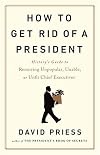
How to Get Rid of a President: History's Guide to Removing Unpopular, Unable, or Unfit Chief Executives by David Priess
David Priess thinks we’re so wound up in the miasma of the Trump administration, we have lost sight of history. He is right. The United States has always been like this. Presidents are routinely reviled by many, blocked by Congress, subject to threats and assassinations, and are forever under siege to efforts to remove them early. For every “shocking” Trump manoeuver, there seems to be a removal precedent we should examine. In How to Get Rid of a President, Priess has collected the show more stories and the background to 45 presidents’ worth of intrigue. He has divided them into their modi operandi in a valuable and most entertaining compendium.
Four out of 45 US presidents have been assassinated. Many more escaped attempts or plots. One in ten was defeated seeking a second term. One in four had a psychiatric ailment. (Which, by the way, is the average across the whole population.) There is also impeachment, popular since the 1820s, attempted numerous times, with little success. Any politician who dislikes the president can make a complaint that Congress will consider and send to the Judiciary Committee. Where it is usually left to die. Finally, the 25th amendment provides a rationale for removing a president incapacitated mentally or physically. This now includes brief periods of anesthesia for surgery. Dick Cheney was President of the United States for eight hours one day, and sent his daughter an official letter from the Oval Office to commemorate it.
Samuel Tilden lost the presidency to Rutherford Hayes by one electoral vote, despite an overwhelming win in the popular vote. Hillary Clinton’s loss pales in comparison. A hastily assembled committee of politicians and judges decided the election in the face of conflicting and competing electoral college reported outcomes. So Bush v Gore is nothing new either. The committee awarded ALL the contested electoral college votes to Hayes, giving him that one vote majority. The Hayes election included both parties bribing official election returning officers, in addition to the voter suppression tactics we think of as a new plague.
Just as gripping are the stories of those who did not get elected, not even winning the nomination. Men of extraordinary quality, experience and vision who didn’t have the fashionable military record, or who were assassinated before the vote, or who fell afoul of the party dinosaurs. Men like Henry Clay, James Blaine and Robert Kennedy never got their shot, and the country was usually not better off for it. Clay for one, lost the nomination to a soldier, who went on to do nothing of note. Soldiers made fashionable candidates - almost sure winners. Jackson, Taylor, Harrison and Grant, for example. Didn’t matter that they might never have run for anything before, had no legislative experience and no platform. Winning was (and is) more important than a quality candidate.
Congress has always fought with the president. The founders set it up that way. It so hated Andrew Johnson, it would override his vetoes the same day he issued them. It eventually impeached him, then failed to convict, because he had broken no laws, and the thought of his constitutionally mandated replacement as president was too much to stomach. Sound familiar?
Many presidents were inexperienced in office, ineffective in politics and unable build bridges not only to the opposition, but to their own parties. Priess says. Some actually recognized they were unfit. Harding admitted: “I am not fit for office and should never have been here.” But he fulfilled his term.
Some became ill or infirm, and until Eisenhower implemented a real succession plan, their entourages simply hid the fact the president was not in control. Grover Cleveland had his entire upper jaw removed in a makeshift surgery on a borrowed boat, by the light of a single bulb attached to a battery. Because he didn’t want anyone to know he had cancer and needed surgery. The operation was hidden as a simple sailing from New York to Boston. Surgeons implanted a prosthetic jaw, and corrected it until people wouldn’t notice. Wilson was incapacitated by a stroke – and more – and his wife and doctor kept everyone away, leaving them to run the presidency. The games were – and are – endless, and Priess has done us a fine service putting it into perspective.
David Wineberg show less
Four out of 45 US presidents have been assassinated. Many more escaped attempts or plots. One in ten was defeated seeking a second term. One in four had a psychiatric ailment. (Which, by the way, is the average across the whole population.) There is also impeachment, popular since the 1820s, attempted numerous times, with little success. Any politician who dislikes the president can make a complaint that Congress will consider and send to the Judiciary Committee. Where it is usually left to die. Finally, the 25th amendment provides a rationale for removing a president incapacitated mentally or physically. This now includes brief periods of anesthesia for surgery. Dick Cheney was President of the United States for eight hours one day, and sent his daughter an official letter from the Oval Office to commemorate it.
Samuel Tilden lost the presidency to Rutherford Hayes by one electoral vote, despite an overwhelming win in the popular vote. Hillary Clinton’s loss pales in comparison. A hastily assembled committee of politicians and judges decided the election in the face of conflicting and competing electoral college reported outcomes. So Bush v Gore is nothing new either. The committee awarded ALL the contested electoral college votes to Hayes, giving him that one vote majority. The Hayes election included both parties bribing official election returning officers, in addition to the voter suppression tactics we think of as a new plague.
Just as gripping are the stories of those who did not get elected, not even winning the nomination. Men of extraordinary quality, experience and vision who didn’t have the fashionable military record, or who were assassinated before the vote, or who fell afoul of the party dinosaurs. Men like Henry Clay, James Blaine and Robert Kennedy never got their shot, and the country was usually not better off for it. Clay for one, lost the nomination to a soldier, who went on to do nothing of note. Soldiers made fashionable candidates - almost sure winners. Jackson, Taylor, Harrison and Grant, for example. Didn’t matter that they might never have run for anything before, had no legislative experience and no platform. Winning was (and is) more important than a quality candidate.
Congress has always fought with the president. The founders set it up that way. It so hated Andrew Johnson, it would override his vetoes the same day he issued them. It eventually impeached him, then failed to convict, because he had broken no laws, and the thought of his constitutionally mandated replacement as president was too much to stomach. Sound familiar?
Many presidents were inexperienced in office, ineffective in politics and unable build bridges not only to the opposition, but to their own parties. Priess says. Some actually recognized they were unfit. Harding admitted: “I am not fit for office and should never have been here.” But he fulfilled his term.
Some became ill or infirm, and until Eisenhower implemented a real succession plan, their entourages simply hid the fact the president was not in control. Grover Cleveland had his entire upper jaw removed in a makeshift surgery on a borrowed boat, by the light of a single bulb attached to a battery. Because he didn’t want anyone to know he had cancer and needed surgery. The operation was hidden as a simple sailing from New York to Boston. Surgeons implanted a prosthetic jaw, and corrected it until people wouldn’t notice. Wilson was incapacitated by a stroke – and more – and his wife and doctor kept everyone away, leaving them to run the presidency. The games were – and are – endless, and Priess has done us a fine service putting it into perspective.
David Wineberg show less
How to Get Rid of a President: History's Guide to Removing Unpopular, Unable, or Unfit Chief Executives by David Priess
This book reminds me of nothing so much as Robin Williams’ line in Disney’s “Aladdin,” referring to the genie’s bondage to the lamp: “It's part and parcel of the whole Genie gig. Phenomenal cosmic powers, itty-bitty living space.”
America’s presidents have always felt cramped by the superhuman demands of an office from which someone, somewhere, is always trying to dislodge them. David Priess, a former CIA officer responsible for daily intelligence briefings of high federal show more officials, reminds us of this paradoxical reality: that the most powerful chair in the world comes with an ejection seat.
This is by design. The Founders, suspicious of a monarch’s perpetual power, strove for a balance of authority and accountability. Priess sketches this history well in his discussions of debates over presidential term limits, regular elections, and impeachment.
But there are more ways to dispose of a president than voting him out or convicting him of “Treason, Bribery, or other high Crimes and Misdemeanors.” A president may find himself shorn of effective power by insubordinate friends or ascendant enemies. He might die in office, or be killed. By the 22nd Amendment (1951), he must leave office after two terms. By the 25th Amendment (1967), he can be declared mentally or physically unfit to serve and removed.
Perhaps the most creative chapter, and the one I most enjoyed, is entitled “Dismissed Preemptively.” Men like Henry Clay, whom Priess crowns with the dubious honor of being “the best president we never had,” found themselves barred from an office they desperately wanted. Corruption in the election of 1876 rerouted the presidency from Samuel Tilden to Rutherford Hayes. Sometimes the simplest way to remove a president is before they become one.
I found the book well written, well organized, and competent. If you don’t have a basic grasp of presidential history, be aware the book jumps around. You might be in John Tyler’s antebellum administration, turn the page, and find yourself with Richard Nixon. You’ll learn a lot, but the history is anything but linear.
This is an informative yet easy read, though you won’t find anything groundbreaking here. If you want deep critiques of presidential authority, the balance of powers, or the American political experience, look elsewhere. As the Brits would say, it does exactly what it says on the tin: tells the tale of what happened to American presidents who left office (or never gained it) against their will.
One final note of interest: while digging around, I learned that Nebraska was the first state to ratify the 25th Amendment. Know that if a president ever loses capacity to discharge the duties of the office, we Huskers stand ready to drag him or her out by the heels. Hashtag America, and Go Big Red! show less
America’s presidents have always felt cramped by the superhuman demands of an office from which someone, somewhere, is always trying to dislodge them. David Priess, a former CIA officer responsible for daily intelligence briefings of high federal show more officials, reminds us of this paradoxical reality: that the most powerful chair in the world comes with an ejection seat.
This is by design. The Founders, suspicious of a monarch’s perpetual power, strove for a balance of authority and accountability. Priess sketches this history well in his discussions of debates over presidential term limits, regular elections, and impeachment.
But there are more ways to dispose of a president than voting him out or convicting him of “Treason, Bribery, or other high Crimes and Misdemeanors.” A president may find himself shorn of effective power by insubordinate friends or ascendant enemies. He might die in office, or be killed. By the 22nd Amendment (1951), he must leave office after two terms. By the 25th Amendment (1967), he can be declared mentally or physically unfit to serve and removed.
Perhaps the most creative chapter, and the one I most enjoyed, is entitled “Dismissed Preemptively.” Men like Henry Clay, whom Priess crowns with the dubious honor of being “the best president we never had,” found themselves barred from an office they desperately wanted. Corruption in the election of 1876 rerouted the presidency from Samuel Tilden to Rutherford Hayes. Sometimes the simplest way to remove a president is before they become one.
I found the book well written, well organized, and competent. If you don’t have a basic grasp of presidential history, be aware the book jumps around. You might be in John Tyler’s antebellum administration, turn the page, and find yourself with Richard Nixon. You’ll learn a lot, but the history is anything but linear.
This is an informative yet easy read, though you won’t find anything groundbreaking here. If you want deep critiques of presidential authority, the balance of powers, or the American political experience, look elsewhere. As the Brits would say, it does exactly what it says on the tin: tells the tale of what happened to American presidents who left office (or never gained it) against their will.
One final note of interest: while digging around, I learned that Nebraska was the first state to ratify the 25th Amendment. Know that if a president ever loses capacity to discharge the duties of the office, we Huskers stand ready to drag him or her out by the heels. Hashtag America, and Go Big Red! show less
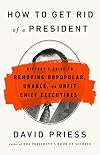
How to Get Rid of a President: History's Guide to Removing Unpopular, Unable, or Unfit Chief Executives by David Priess
“If removing a president was easy, Congress would probably do it all the time, since that august body is populated by the representatives of a fickle, emotional, and befuddled populace.”
For the full review at the New York Journal of Books click here: https://www.nyjournalofbooks.com/book-review/how-get-rid-president
For the full review at the New York Journal of Books click here: https://www.nyjournalofbooks.com/book-review/how-get-rid-president
You May Also Like


Associated Authors
Statistics
- Works
- 2
- Also by
- 1
- Members
- 218
- Popularity
- #102,473
- Rating
- 3.7
- Reviews
- 3
- ISBNs
- 9