
Négar Djavadi
Author of Disoriental
About the Author
Image credit: Négar Djavadi.Portrait de l'auteure. By PageBlanche - Own work, CC BY-SA 4.0, https://commons.wikimedia.org/w/index.php?curid=53318673
Works by Négar Djavadi
DŽsorientale 1 copy
Tagged
Common Knowledge
- Other names
- نگار جوادی
- Birthdate
- 1969
- Gender
- female
- Occupations
- scriptwriter
writer - Nationality
- Iran
France - Birthplace
- Tehran, Iran
- Associated Place (for map)
- Tehran, Iran
Members
Reviews
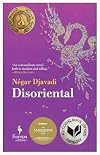
WINNER OF THE 31st Lambda Literary Award—BEST BISEXUAL FICTION!
The Publisher Says: Kimiâ Sadr fled Iran at the age of ten in the company of her mother and sisters to join her father in France. Now twenty-five and facing the future she has built for herself as well as the prospect of a new generation, Kimiâ is inundated by her own memories and the stories of her ancestors, which come to her in unstoppable, uncontainable waves. In the waiting room of a Parisian fertility clinic, show more generations of flamboyant Sadrs return to her, including her formidable great-grandfather Montazemolmolk, with his harem of fifty-two wives, and her parents, Darius and Sara, stalwart opponents of each regime that befalls them.
In this high-spirited, kaleidoscopic story, key moments of Iranian history, politics, and culture punctuate stories of family drama and triumph. Yet it is Kimiâ herself––punk-rock aficionado, storyteller extraordinaire, a Scheherazade of our time, and above all a modern woman divided between family traditions and her own “disorientalization”—who forms the heart of this bestselling and beloved novel.
I CHECKED THIS BOOK OUT OF AMAZON'S PRIME READING PROGRAM. USE THIS BENEFITS! WE'RE HOW THEY LIVE, SO TAKE ALL ADVANTAGES.
My Review: From the off, this is a very musical, music-like story, told in the form of "Side A" and "Side B." This alerts us "...old enough to remember 45 rpm vinyl records know that the B-side is usually less interesting that the A-side. Side B is the failed side, the weak side", that we should expect the whole read to be inflected by this frame of reference. And lo and behold, it is!
Kimiâ, or "alchemy" as the word has come to us in English, is a magical confabulation of stories and ideas and history. She is in a fertility clinic when we meet her...she is making the future, deliberately and calculatedly, in other words...and she begins with many skips and backtrackings and forward-lurchings to relate to us the recent history of Iran. ("Recent" is relative, of course, since Iran's history dates back to the invention of the idea of civilization so dwarfs silly Western concepts like "history" and the yet-more-modern "prehistory.") Kimiâ's family, the whole huge swath of them...six uncles, a grandfather who had a wife for ever week of the year...are in their different ways shaping the world's as well as their own world's history.
Sara and Darius, her mom and dad, are revolutionaries against the Shah, though very much antithetical to the theocratic horrors of the Islamic state that replaced one cruel oppressor with another. Their exile to France doesn't dim their ardor for and connection to an Iran free and liberated from repression and tyranny. For Kimiâ that includes her sex's oppression and reduction to the role of housewives. She's a bisexual woman and very much anathema to the present regime. They don't acknowledge the existence of gay or bi identities in Iran.
It gives special poignance to the read to realize that Home, when it doesn't want you, isn't home anymore; and France, the land they're living in if not part of, is in the awful, wrenching process of a rightward shift that rejects foreigners like her. It's a miserable truth that Négar Djavadi, the author of the work, is living in that same France, writing in French, and unable to conceptualize a safe return to the land of her birth.
It is, in the end, the birth, "that dark hyphen between the past and the future which, once crossed, closes again and condemns you to wander"...her own, your own, the one Kimiâ is going to endure soon enough...that provides Kimiâ's final reckoning with the subject of exile:
She is compelled "to let myself be guided by the flow of images and free associations, the natural fits and starts, the hollows and bumps carved into my memories by time." She is the witness, the one whose between-state of emigrant/immigrant is definitional; her responsibility equally to the parents and family whose worlds are so different from hers, and the life she's making whose existence will continue a line of existences that partake in many beautiful, braided strands of the bread we eat with our every act, that we call History. show less
The Publisher Says: Kimiâ Sadr fled Iran at the age of ten in the company of her mother and sisters to join her father in France. Now twenty-five and facing the future she has built for herself as well as the prospect of a new generation, Kimiâ is inundated by her own memories and the stories of her ancestors, which come to her in unstoppable, uncontainable waves. In the waiting room of a Parisian fertility clinic, show more generations of flamboyant Sadrs return to her, including her formidable great-grandfather Montazemolmolk, with his harem of fifty-two wives, and her parents, Darius and Sara, stalwart opponents of each regime that befalls them.
In this high-spirited, kaleidoscopic story, key moments of Iranian history, politics, and culture punctuate stories of family drama and triumph. Yet it is Kimiâ herself––punk-rock aficionado, storyteller extraordinaire, a Scheherazade of our time, and above all a modern woman divided between family traditions and her own “disorientalization”—who forms the heart of this bestselling and beloved novel.
I CHECKED THIS BOOK OUT OF AMAZON'S PRIME READING PROGRAM. USE THIS BENEFITS! WE'RE HOW THEY LIVE, SO TAKE ALL ADVANTAGES.
My Review: From the off, this is a very musical, music-like story, told in the form of "Side A" and "Side B." This alerts us "...old enough to remember 45 rpm vinyl records know that the B-side is usually less interesting that the A-side. Side B is the failed side, the weak side", that we should expect the whole read to be inflected by this frame of reference. And lo and behold, it is!
Kimiâ, or "alchemy" as the word has come to us in English, is a magical confabulation of stories and ideas and history. She is in a fertility clinic when we meet her...she is making the future, deliberately and calculatedly, in other words...and she begins with many skips and backtrackings and forward-lurchings to relate to us the recent history of Iran. ("Recent" is relative, of course, since Iran's history dates back to the invention of the idea of civilization so dwarfs silly Western concepts like "history" and the yet-more-modern "prehistory.") Kimiâ's family, the whole huge swath of them...six uncles, a grandfather who had a wife for ever week of the year...are in their different ways shaping the world's as well as their own world's history.
Sara and Darius, her mom and dad, are revolutionaries against the Shah, though very much antithetical to the theocratic horrors of the Islamic state that replaced one cruel oppressor with another. Their exile to France doesn't dim their ardor for and connection to an Iran free and liberated from repression and tyranny. For Kimiâ that includes her sex's oppression and reduction to the role of housewives. She's a bisexual woman and very much anathema to the present regime. They don't acknowledge the existence of gay or bi identities in Iran.
It gives special poignance to the read to realize that Home, when it doesn't want you, isn't home anymore; and France, the land they're living in if not part of, is in the awful, wrenching process of a rightward shift that rejects foreigners like her. It's a miserable truth that Négar Djavadi, the author of the work, is living in that same France, writing in French, and unable to conceptualize a safe return to the land of her birth.
Sleep isn't about resting, it's about letting yourself settle, like the sediment at the bottom of a wine barrel. I'm nowhere near trusting this world that much.
It is, in the end, the birth, "that dark hyphen between the past and the future which, once crossed, closes again and condemns you to wander"...her own, your own, the one Kimiâ is going to endure soon enough...that provides Kimiâ's final reckoning with the subject of exile:
With the passage of time, the flesh of events decomposes, leaving only a skeleton of impressions on which to embroider. Undoubtedly there will come a day when even the impressions will only be a memory. And then there won’t be anything left to tell.
She is compelled "to let myself be guided by the flow of images and free associations, the natural fits and starts, the hollows and bumps carved into my memories by time." She is the witness, the one whose between-state of emigrant/immigrant is definitional; her responsibility equally to the parents and family whose worlds are so different from hers, and the life she's making whose existence will continue a line of existences that partake in many beautiful, braided strands of the bread we eat with our every act, that we call History. show less
Multi-layered story that blends elements of family saga, immigration, political dissent, Iranian history, coming of age, metafictional storytelling, and search for identity. The story is structured in two parts – Sides A and B (from music terminology back in the days of physical records released as 45-rpm “singles”). As the story opens, Kimiâ Sadr, an Iranian immigrant to France, is waiting in a fertility clinic. While she waits, she tells the history of her family (Side A). She show more speaks directly to the reader, flashing forward and backward in time, as memories tend to do, such that a more complete picture evolves in segments, rather like a patchwork quilt. Side B tells Kimiâ's personal story of her escape from Iran, new life in France, and identity.
Her father is an intellectual dissident who criticizes both the Shah’s regime and Khomeini’s fundamentalist Islamic State that replaced it. This book provides a wide swath of Iran’s history back to the time of Kimiâ’s great grandfather. It points out the difficulties of an Iranian immigrant to France and the difficulties encountered, including many assumptions about her beliefs and culture that may not be true. Throughout the early parts of the story, she mentions “the Event,” but only touches upon it and then diverts to other topics. It is finally revealed toward the end. This is an ambitious debut novel. It requires focused attention to follow all the non-linear multiple storylines. This is a book that informs, educates, and facilitates an understanding of what it is like to be forced to leave home and try to adapt to a new country and culture.
Memorable passages:
“I have become—as I’m sure everyone does who has left his or her country—someone else. Someone who has translated myself into other cultural codes. Firstly in order to survive, and then to go beyond survival and forge a future for myself. And since it is a generally acknowledged idea that something is lost in translation, it should come as no surprise that we unlearn—at least partially—what we used to be, to make room for what we have become.”
“Because to really integrate into a culture, I can tell you that you have to disintegrate first, at least partially, from your own. You have to separate, detach, disassociate. No one who demands that immigrants make “an effort at integration” would dare look them in the face and ask them to start by making the necessary “effort at disintegration.” They’re asking people to stand atop the mountain without climbing up it first.” show less
Her father is an intellectual dissident who criticizes both the Shah’s regime and Khomeini’s fundamentalist Islamic State that replaced it. This book provides a wide swath of Iran’s history back to the time of Kimiâ’s great grandfather. It points out the difficulties of an Iranian immigrant to France and the difficulties encountered, including many assumptions about her beliefs and culture that may not be true. Throughout the early parts of the story, she mentions “the Event,” but only touches upon it and then diverts to other topics. It is finally revealed toward the end. This is an ambitious debut novel. It requires focused attention to follow all the non-linear multiple storylines. This is a book that informs, educates, and facilitates an understanding of what it is like to be forced to leave home and try to adapt to a new country and culture.
Memorable passages:
“I have become—as I’m sure everyone does who has left his or her country—someone else. Someone who has translated myself into other cultural codes. Firstly in order to survive, and then to go beyond survival and forge a future for myself. And since it is a generally acknowledged idea that something is lost in translation, it should come as no surprise that we unlearn—at least partially—what we used to be, to make room for what we have become.”
“Because to really integrate into a culture, I can tell you that you have to disintegrate first, at least partially, from your own. You have to separate, detach, disassociate. No one who demands that immigrants make “an effort at integration” would dare look them in the face and ask them to start by making the necessary “effort at disintegration.” They’re asking people to stand atop the mountain without climbing up it first.” show less
It is a great book in so many ways. The storytelling style is fresh, informal, and conversational; it explores some intriguing facets of indentity, exile, immigration, assimilation, standing up politically, etc. And yet I feel like I've been reading, and reading, and reading, and I'm still only halfway through the book. It's beginning to feel like homework to pick it up. Why? I have no idea because I do genuinely think it's interesting & well-written.... I *wish* I wanted to continue reading show more it and I feel badly about jumping ship on it, but jump ship I will. show less
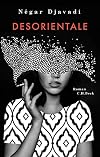
Kimiâ Sadr sitzt im Warteraum ihrer Ärztin. Heute ist der Tag, an dem sie endlich die Insemination vornehmen soll, sie wird Mutter werden, so wie es ihr vor langer Zeit in einem anderen Leben prophezeit wurde. Dieses Leben hat nichts mehr mit ihrem Hier und Jetzt zu tun und dennoch bestimmt es, wer sie ist und wie sie in diese Klinik gekommen ist. Also holt sie aus und berichtet ihren Zuhörern von ihrer Kindheit im Iran, ihren politisch engagierten Eltern und der Zeit der Revolution, wie show more sie mit der Absetzung des Schahs das Leben veränderte, härter und bedrohlicher wurde. Gewalt und Verfolgung, schließlich die Flucht in ein fremdes Land. Die Schwierigkeit in ihrer Familie über das zu reden, was passiert war, den Neuanfang zu wagen und die Vergangenheit hinter sich zu lassen.
Entgegen meiner Erwartung ist das Buch weniger ein Bericht über die Schwierigkeit, in Frankreich anzukommen und Fuß zu fassen, sondern viel mehr erlaubt es einen Blick in den Iran der 70er Jahre. Der Schwerpunkt der Geschichte liegt in der Zeit vor der Flucht und den Entwicklungen im Mittleren Osten. Die Autorin erklärt ihren autobiographischen Roman auch rasch zu Beginn:
«Die Rolltreppe, die gehört denen.» Das war ein Stück weit der Grund, warum ich diese Geschichte begonnen habe, ohne recht zu wissen, wo ich anfangen soll. Ich weiß nur, dass das hier keine lineare Erzählung wird. Um die Gegenwart schildern zu können, muss ich weit in die Vergangenheit zurückgehen, muss Grenzen überqueren.
Und Ihr noch junges Leben ist bereits sehr bewegt:
Ich habe das Land gewechselt und die Sprache, mir wiederholt eine andere Vergangenheit ausgedacht, eine andere Identität. Ich habe gekämpft, jawohl, gekämpft habe ich gegen den heftigen Wind, der sich vor sehr langer Zeit erhoben hat, in einer abgelegenen persischen Provinz namens Mazandaran, mit vielen Todesfällen und vielen Geburten, rezessiven und dominanten Genen, Staatsstreichen und Revolutionen.
So entsteht in der Tat eine Erzählung, die zwischen Frankreich und dem Iran springt, die auf die Generation ihrer Eltern und deren politisches Engagement, das sie in Lebensgefahr bringt, zurückblickt. Vor allem ist es immer wieder die Mutter der drei Mädchen, Sara Sadr, die im Zentrum steht. Keine Frau, die sich mit häuslichen Pflichten zufrieden gibt, sondern die das Leben anpackt und für eine bessere Zukunft kämpft und stets ihrem Mann an der Seite steht. Simone Veil ist ihr bewundertes Vorbild, doch das, was im Frankreich der 70er Jahre möglich ist, ist im Iran noch in weiter Ferne. Durch die Frauen werden die vorherrschenden Rollenbilder und vor allem der Umgang mit Sexualität thematisiert. Bezogen auf ein unfruchtbares Paar aus ihrer Nachbarschaft stellt die Mutter fest:
«Natürlich ist er unfruchtbar. Wenn sie die Schuldige wäre, hätte er sich schon lange von ihr scheiden lassen!» Damit hätten wir die Stellung der iranischen Frau mit zwei Sätzen zusammengefasst.
Ähnlich verhält es sich als die junge Kimiâ den Familienstammbaum entdeckt:
Eines Tages fragte ich Bibi: «Warum haben sie die Mädchen nicht in den Baum eingezeichnet. Wir existieren doch auch, oder nicht?»
«Du glaubst, dass du existierst, aber du existierst nicht …»
«Und ob ich existiere!»
«(Fatalistische Grimasse von Bibi) Warte, bis du so alt bist wie ich, dann wirst du es verstehen …»
Mit der Flucht lassen sie alles hinter sich. Keine Fotos, keine Erinnerungsstücke, nichts können sie mit in das neue Leben retten. Das Schweigen in der Familie über das, was passierte, macht es für die Mädchen nicht einfach. Sie werden Jahre brauchen, ihre eigene Geschichte zu rekonstruieren. Erschwerend kommt hinzu, dass man in Frankreich keine Vorstellung von ihrer Heimat hat und es nicht gelingt, ihr Bild des Iran zu vermitteln. Es interessiert auch nicht, sie sollen sich integrieren und dazu gehört zu vergessen, zu verdrängen, die iranische Identität abzulegen.
Nachdem ich Négar Djavadi auf der Buchmesse erlebt hatte, war mein Interesse an ihrer Geschichte geweckt. Wir haben viele Vorstellungen über Einwanderer und deren Heimat, aber oftmals werden diese durch die westliche Schablone verzerrt, umso wichtiger sind diese Erzählungen, die uns einen direkten Einblick erlauben und vieles wieder zurechtrücken können. Ein sehr bewegender Roman, der bislang in Deutschland noch viel zu wenig beachtet wurde. show less
Entgegen meiner Erwartung ist das Buch weniger ein Bericht über die Schwierigkeit, in Frankreich anzukommen und Fuß zu fassen, sondern viel mehr erlaubt es einen Blick in den Iran der 70er Jahre. Der Schwerpunkt der Geschichte liegt in der Zeit vor der Flucht und den Entwicklungen im Mittleren Osten. Die Autorin erklärt ihren autobiographischen Roman auch rasch zu Beginn:
«Die Rolltreppe, die gehört denen.» Das war ein Stück weit der Grund, warum ich diese Geschichte begonnen habe, ohne recht zu wissen, wo ich anfangen soll. Ich weiß nur, dass das hier keine lineare Erzählung wird. Um die Gegenwart schildern zu können, muss ich weit in die Vergangenheit zurückgehen, muss Grenzen überqueren.
Und Ihr noch junges Leben ist bereits sehr bewegt:
Ich habe das Land gewechselt und die Sprache, mir wiederholt eine andere Vergangenheit ausgedacht, eine andere Identität. Ich habe gekämpft, jawohl, gekämpft habe ich gegen den heftigen Wind, der sich vor sehr langer Zeit erhoben hat, in einer abgelegenen persischen Provinz namens Mazandaran, mit vielen Todesfällen und vielen Geburten, rezessiven und dominanten Genen, Staatsstreichen und Revolutionen.
So entsteht in der Tat eine Erzählung, die zwischen Frankreich und dem Iran springt, die auf die Generation ihrer Eltern und deren politisches Engagement, das sie in Lebensgefahr bringt, zurückblickt. Vor allem ist es immer wieder die Mutter der drei Mädchen, Sara Sadr, die im Zentrum steht. Keine Frau, die sich mit häuslichen Pflichten zufrieden gibt, sondern die das Leben anpackt und für eine bessere Zukunft kämpft und stets ihrem Mann an der Seite steht. Simone Veil ist ihr bewundertes Vorbild, doch das, was im Frankreich der 70er Jahre möglich ist, ist im Iran noch in weiter Ferne. Durch die Frauen werden die vorherrschenden Rollenbilder und vor allem der Umgang mit Sexualität thematisiert. Bezogen auf ein unfruchtbares Paar aus ihrer Nachbarschaft stellt die Mutter fest:
«Natürlich ist er unfruchtbar. Wenn sie die Schuldige wäre, hätte er sich schon lange von ihr scheiden lassen!» Damit hätten wir die Stellung der iranischen Frau mit zwei Sätzen zusammengefasst.
Ähnlich verhält es sich als die junge Kimiâ den Familienstammbaum entdeckt:
Eines Tages fragte ich Bibi: «Warum haben sie die Mädchen nicht in den Baum eingezeichnet. Wir existieren doch auch, oder nicht?»
«Du glaubst, dass du existierst, aber du existierst nicht …»
«Und ob ich existiere!»
«(Fatalistische Grimasse von Bibi) Warte, bis du so alt bist wie ich, dann wirst du es verstehen …»
Mit der Flucht lassen sie alles hinter sich. Keine Fotos, keine Erinnerungsstücke, nichts können sie mit in das neue Leben retten. Das Schweigen in der Familie über das, was passierte, macht es für die Mädchen nicht einfach. Sie werden Jahre brauchen, ihre eigene Geschichte zu rekonstruieren. Erschwerend kommt hinzu, dass man in Frankreich keine Vorstellung von ihrer Heimat hat und es nicht gelingt, ihr Bild des Iran zu vermitteln. Es interessiert auch nicht, sie sollen sich integrieren und dazu gehört zu vergessen, zu verdrängen, die iranische Identität abzulegen.
Nachdem ich Négar Djavadi auf der Buchmesse erlebt hatte, war mein Interesse an ihrer Geschichte geweckt. Wir haben viele Vorstellungen über Einwanderer und deren Heimat, aber oftmals werden diese durch die westliche Schablone verzerrt, umso wichtiger sind diese Erzählungen, die uns einen direkten Einblick erlauben und vieles wieder zurechtrücken können. Ein sehr bewegender Roman, der bislang in Deutschland noch viel zu wenig beachtet wurde. show less
Lists
Awards


You May Also Like


Associated Authors
Statistics
- Works
- 8
- Members
- 479
- Popularity
- #51,491
- Rating
- 4.1
- Reviews
- 17
- ISBNs
- 23
- Languages
- 3