
Gabe Habash
Author of Stephen Florida
About the Author
Works by Gabe Habash
Tagged
Common Knowledge
Members
Reviews

I must say, I can really admire a first novel when it is very very gutsy. In my mind, I would think that a first time writer would not want to be so gutsy when they don't have anything else published. Maybe save the gutsy for a second book, when you have another example of your writing and style in a first book, to compare the second book to. To have a feel for your writing. But Gabe Habash goes all in with this first book. We have Stephen Florida - not the most likeable dude, in his final show more year of college, when most of his relatives have recently died and his main focus is the sport of wrestling! Even the topic of wrestling should scare most readers away, if Stephen won't do it himself. I never really have a problem with unlikable characters unless they are deliberately sociopathic murderers or something. Stephen is okay but he is such a weirdo! Other characters call him a weirdo! He proceeds to beat them with a shoe. Running around the streets in a gorilla mask! The writing is gutsy in other ways - listing all 99 names of the wrestlers that Stephen has lost matches to. But Habash has the skill. Stephen is believable. Would I usually care for a book about a deranged college student obsessed with wrestling? Or even books about sports or college at all? Absolutely not. But it is a testament to the writing skill of Mr. Habash that this story is so captivating. I was a bit tired of all the technical wrestling bits by the end, not quite visualizing what is happening since I don't know wrestling. But this is Stephen's purpose and life force on the page so it's understandable why it's on the page. Sentence level perfection right here, which can not be denied no matter the topic or subject matter. I absolutely can not wait to see where Habash goes with a second book.
Morning News Tournament of Books #111 show less
Morning News Tournament of Books #111 show less

I lived in the head of Stephen/Steven for three days and what a wild ride it was! He’s an increasingly unhinged narrator, and yet there’s a core of sweetness and stoicism in him that keeps him likeable in spite of the sometimes mean and occasionally gross things he does. A guy of few spoken words, he’s got a strangely poetical way of thinking.
A tiny example: in his “summary of my romantic encounters”, the last item in his list is “Various other minor physical frictions and show more affectionate transactions.”
Just when you think he’s being relatively normal, he ends a sentence with an inappropriate exclamation point! Stephen/Steven channels all his frustration, anger, fear, loneliness and pain into wrestling and his reason for living the last four years is to win his weight class in the division IV national championship. I never thought I could be so engrossed by wrestling, but in all of his matches I felt like I was in the bleachers cheering myself hoarse. What a character. What writing. show less
A tiny example: in his “summary of my romantic encounters”, the last item in his list is “Various other minor physical frictions and show more affectionate transactions.”
Just when you think he’s being relatively normal, he ends a sentence with an inappropriate exclamation point! Stephen/Steven channels all his frustration, anger, fear, loneliness and pain into wrestling and his reason for living the last four years is to win his weight class in the division IV national championship. I never thought I could be so engrossed by wrestling, but in all of his matches I felt like I was in the bleachers cheering myself hoarse. What a character. What writing. show less
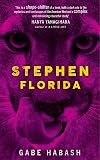
At the beginning of this book the reader is told "My mother had two placentas, and I was living off both of them." The fact that Stephen Florida’s twin brother died in the womb offers the first intimation that here is a person whose life must have started with a pre-conscious awareness of loss. Then, orphaned at fourteen when his parents died in a car crash, going to live with his grandmother who died a few years later when he was at college, he was faced not only with more losses but also show more with a growing belief that he needed to rely solely on himself for survival. A good wrestler, he had promised himself, and his grandmother, that he would win the Division IV NCAA championship in his 133lb weight class – and he prides himself on never making a promise he doesn’t keep.
When the story starts he is a senior in a small college in North Dakota, obsessed with attaining his goal, whatever the personal physical, emotional and psychological consequences. Just as he feels he is in sight of achieving his goal, he suffers a knee injury which requires an operation; not only does this interrupt his training schedule but it also threatens his ultimate goal. As a result, any emotional stability he may have possessed begins to seriously unravel.
From the opening sentence of this powerful novel I felt immediately drawn into Stephen’s world and his intense, obsessional ambition. There were times when his stream of consciousness about the minutiae of his training schedule, his exercise routine, his highly restrictive diet, the amount of sleep he needed and the restrictions on his sex-life, made me feel as though I was occupying a space inside his head, almost viscerally experiencing the pressure of his ambitions, as well as his despair when it appeared that injury would rob him of his ultimate goal. If wrestling is his identity, what is he if he can no longer wrestle? In fact, who is Stephen Florida anyway because this isn’t his real name; his real name is Stephen Forster but the letter offering him a wrestling scholarship was addressed to Stephen Florida, a mistake which he chose not to correct.
As all his energies are focused on competing and winning, friendships are difficult for Stephen because they represent a diversion from, and threat to, his ultimate ambition. His only friend on the team is Linus, a freshman competing in a different weight class and therefore not in direct competition with him. However, when he is injured he feels a need to sabotage this relationship because he is unable to tolerate what he now perceives as an imbalance in their friendship.
He does have a brief relationship with Mary Beth, a lively, funny, socially confident artist who seems to be able to tolerate his obsessions and his lack of social graces. Although it becomes clear that his feelings for her are intense and genuine, he cannot reconcile a developing relationship with her with his need to compete, to be the best wrestler in his class. So, loneliness becomes the flipside of his obsessional competitiveness but, rather than allowing himself to feel the full pain of this, he comes to regard his social isolation as a source of power and pride. Some of the saddest moments in this story were when his reflections on his feelings for Mary Beth revealed the inner struggles he was experiencing. This was a young man who could be harsh and brutal, liable to explosive rages and delusional beliefs and yet, one who could also be tender, thoughtful and caring. I also felt very moved by his exploration of his muddled feelings about the intensely close physical encounters with other wrestlers and his reflections/fears on the realisation that outsiders could, and did, label these as homeo-erotic.
With zero interest in (not to say antipathy towards!) wrestling, I think it’s true to say that, without the recommendation of two people whose opinions I trust, I would not have been drawn towards this novel – what a thought-provoking experience I could so easily have missed! One of the things which amazed me as my reading progressed was that, rather than continuing to skip through the details of the wrestling matches, by the final bouts I found myself as obsessed as Stephen with the blow by blow progress of them! Maybe another reason I came to embrace this flawed character was his enjoyment of Miles Davis’s album “Sketches of Spain” – a favourite of mine since the 1960s! I found myself surprised by how much I came to care for this disturbed, obsessional and lonely young man. I think this is a real tribute to the way in which the author gradually revealed a flawed, yet charismatic character, one who demonstrated how a single-minded, self-denying obsession, which necessarily excludes the development of any other interests, can so easily become self-destructive.
This is a novel which centres on the dangers of obsessional behaviour and emotional fragility. For Stephen the obsession was with wrestling but part of the power of this story is the fact that this is a danger with any single-minded goal: once it has been achieved what comes next? There is, therefore, a universality about the story which would make it an ideal choice for reading groups.
In conclusion, I think this is a wonderful story, one which is made even more remarkable by the fact that it is debut novel; with huge empathy, Gabe Habash has created a character with a unique, distinct and truly memorable voice. show less
When the story starts he is a senior in a small college in North Dakota, obsessed with attaining his goal, whatever the personal physical, emotional and psychological consequences. Just as he feels he is in sight of achieving his goal, he suffers a knee injury which requires an operation; not only does this interrupt his training schedule but it also threatens his ultimate goal. As a result, any emotional stability he may have possessed begins to seriously unravel.
From the opening sentence of this powerful novel I felt immediately drawn into Stephen’s world and his intense, obsessional ambition. There were times when his stream of consciousness about the minutiae of his training schedule, his exercise routine, his highly restrictive diet, the amount of sleep he needed and the restrictions on his sex-life, made me feel as though I was occupying a space inside his head, almost viscerally experiencing the pressure of his ambitions, as well as his despair when it appeared that injury would rob him of his ultimate goal. If wrestling is his identity, what is he if he can no longer wrestle? In fact, who is Stephen Florida anyway because this isn’t his real name; his real name is Stephen Forster but the letter offering him a wrestling scholarship was addressed to Stephen Florida, a mistake which he chose not to correct.
As all his energies are focused on competing and winning, friendships are difficult for Stephen because they represent a diversion from, and threat to, his ultimate ambition. His only friend on the team is Linus, a freshman competing in a different weight class and therefore not in direct competition with him. However, when he is injured he feels a need to sabotage this relationship because he is unable to tolerate what he now perceives as an imbalance in their friendship.
He does have a brief relationship with Mary Beth, a lively, funny, socially confident artist who seems to be able to tolerate his obsessions and his lack of social graces. Although it becomes clear that his feelings for her are intense and genuine, he cannot reconcile a developing relationship with her with his need to compete, to be the best wrestler in his class. So, loneliness becomes the flipside of his obsessional competitiveness but, rather than allowing himself to feel the full pain of this, he comes to regard his social isolation as a source of power and pride. Some of the saddest moments in this story were when his reflections on his feelings for Mary Beth revealed the inner struggles he was experiencing. This was a young man who could be harsh and brutal, liable to explosive rages and delusional beliefs and yet, one who could also be tender, thoughtful and caring. I also felt very moved by his exploration of his muddled feelings about the intensely close physical encounters with other wrestlers and his reflections/fears on the realisation that outsiders could, and did, label these as homeo-erotic.
With zero interest in (not to say antipathy towards!) wrestling, I think it’s true to say that, without the recommendation of two people whose opinions I trust, I would not have been drawn towards this novel – what a thought-provoking experience I could so easily have missed! One of the things which amazed me as my reading progressed was that, rather than continuing to skip through the details of the wrestling matches, by the final bouts I found myself as obsessed as Stephen with the blow by blow progress of them! Maybe another reason I came to embrace this flawed character was his enjoyment of Miles Davis’s album “Sketches of Spain” – a favourite of mine since the 1960s! I found myself surprised by how much I came to care for this disturbed, obsessional and lonely young man. I think this is a real tribute to the way in which the author gradually revealed a flawed, yet charismatic character, one who demonstrated how a single-minded, self-denying obsession, which necessarily excludes the development of any other interests, can so easily become self-destructive.
This is a novel which centres on the dangers of obsessional behaviour and emotional fragility. For Stephen the obsession was with wrestling but part of the power of this story is the fact that this is a danger with any single-minded goal: once it has been achieved what comes next? There is, therefore, a universality about the story which would make it an ideal choice for reading groups.
In conclusion, I think this is a wonderful story, one which is made even more remarkable by the fact that it is debut novel; with huge empathy, Gabe Habash has created a character with a unique, distinct and truly memorable voice. show less

I am really struggling to articulate my feelings about this book. I really wanted to like it, but something about it left me completely cold for reasons I don't seem to be able to pin down. The narrator is a college senior, a good wrestler on a not-very-good small-school team. It's his last season to write his name in the record books for posterity by winning a Division IV championship, and it is all he thinks about. Except when it's not, which is just one of the areas where there felt like show more a disconnect between what the author wanted his character to be and the way he actually wrote him.
It's clear from the disjointed narrative and the things Stephen says and does that he has some psychological problems, but it's not at all clear how serious they are. Occasionally one of the adults in his life will hint at things he's done that should be red flags but no one really tries to help him in any meaningful way. Is he just an obsessed wrestler who revels in all the aspects of the sport that are grindingly difficult, both physically and mentally? (I've known a few of those personally.) Or is he a danger to himself or others?
Throw in a bizarre romantic subplot, an assistant coach who is sexually involved with one of Stephen's teammates (it's never really clear if it's consensual or not) and a professor who may have murdered his wife, and there's a lot to chew on. But virtually none of it felt believable to me. It was like Habash made a list of weird things that can happen on college campuses and ways that college athletes are not like other students, and then tried to tick as many of the boxes as possible.
I'm sure the author told himself and his editor that the disjointed narrative was meant to convey Stephen's unstable mental state but mostly it just felt like he didn't know how to write transitions between vignettes to make it an actual novel. But it wasn't until the last line of the book that I wanted to throw it across the room, so there's that, I guess.
Habash is not a bad writer, and there were sections that I thought were insightful and interesting. The descriptions of the wrestling matches themselves felt authentic to me as a keen observer of the sport. But none of it held together for me, for whatever reason. This is one where I can say, "Your mileage may vary," and really mean it. show less
It's clear from the disjointed narrative and the things Stephen says and does that he has some psychological problems, but it's not at all clear how serious they are. Occasionally one of the adults in his life will hint at things he's done that should be red flags but no one really tries to help him in any meaningful way. Is he just an obsessed wrestler who revels in all the aspects of the sport that are grindingly difficult, both physically and mentally? (I've known a few of those personally.) Or is he a danger to himself or others?
Throw in a bizarre romantic subplot, an assistant coach who is sexually involved with one of Stephen's teammates (it's never really clear if it's consensual or not) and a professor who may have murdered his wife, and there's a lot to chew on. But virtually none of it felt believable to me. It was like Habash made a list of weird things that can happen on college campuses and ways that college athletes are not like other students, and then tried to tick as many of the boxes as possible.
I'm sure the author told himself and his editor that the disjointed narrative was meant to convey Stephen's unstable mental state but mostly it just felt like he didn't know how to write transitions between vignettes to make it an actual novel. But it wasn't until the last line of the book that I wanted to throw it across the room, so there's that, I guess.
Habash is not a bad writer, and there were sections that I thought were insightful and interesting. The descriptions of the wrestling matches themselves felt authentic to me as a keen observer of the sport. But none of it held together for me, for whatever reason. This is one where I can say, "Your mileage may vary," and really mean it. show less
Lists
Awards


You May Also Like


Statistics
- Works
- 1
- Members
- 301
- Popularity
- #78,061
- Rating
- 3.9
- Reviews
- 14
- ISBNs
- 14
- Languages
- 3
- Favorited
- 1
